Last updated: June 2026 · Written by the Buenos Aires Tourism editorial team
The first time I came to Buenos Aires, a friend who’d lived here for years gave me one rule: bring crisp US$100 bills, change them on the street, and never, ever use a card. That advice was gospel for the better part of a decade. It is now mostly wrong — and if you follow it blindly in 2026 you can actually end up worse off. So let me walk you through what changed.
The blue dollar buenos aires rate is Argentina’s long-standing parallel (unofficial) exchange rate for US dollars — the “dólar blue” you change cash for on the street rather than at a bank. For years it paid far more pesos than the official rate. But Argentina lifted most currency controls in 2025, the gap between the rates collapsed to low single digits, and today the blue dollar is just one of several near-identical options.
This guide is for travellers who want to spend smartly in Buenos Aires without obsessing over a couple of percentage points. For the full breakdown of what a trip actually costs, see our complete Buenos Aires travel cost guide — this article zooms in on one piece of that puzzle: getting your dollars into pesos at the best exchange rate.
What is the blue dollar, and why did it exist?
For most of the world, there is one exchange rate. Argentina, famously, has had many at once. The official rate is the one the central bank and banks publish. The dólar blue — the blue dollar — is the rate you get changing physical US dollars on the informal market: in a cueva (an unofficial exchange “cave”), through an arbolito (a street tout — literally “little tree”), or quietly at the back of certain shops.
It exists because, from 2011 onward, the government clamped tight controls (the cepo cambiario) on who could buy dollars and how many. When a currency is artificially held strong and people can’t freely buy the dollars they want, a parallel market appears to meet real demand. By 2022–2023 the blue rate paid almost double the official rate, so changing a US$100 bill on the street got you roughly twice as many pesos as a bank or ATM. That is why every guidebook screamed “bring cash.” Nobody knows for certain why it’s called “blue” — the leading theory is that it simply became slang for the off-the-books rate.
The blue dollar in 2026: the gap collapsed
Here is the headline every older article misses. In April 2025, the Milei government dismantled most of the cepo for individuals and moved the peso to a managed float inside a currency band. Suddenly Argentines could buy dollars far more freely, demand on the parallel market dried up, and the blue rate fell back toward the official rate. The brecha (the gap) went from a chasm to a crack.
As of mid-2026, the blue dollar and the official rate sit within roughly 1–4% of each other — among the smallest gaps in years. To put rough numbers on it (and please treat these as illustrative, not gospel): the official rate has been hovering around 1,400–1,450 pesos per US dollar, the blue around 1,450–1,500, and the dólar MEP — the rate that matters most for card payments — around 1,460. A year or two ago those numbers were wildly far apart; today they’re practically holding hands.
In plain terms: the old reason to hunt down a cueva — a huge premium — has largely evaporated. You can still change cash on the blue market, and some days it edges ahead by a point or two, but you’re no longer leaving half your money on the table by paying with a card.
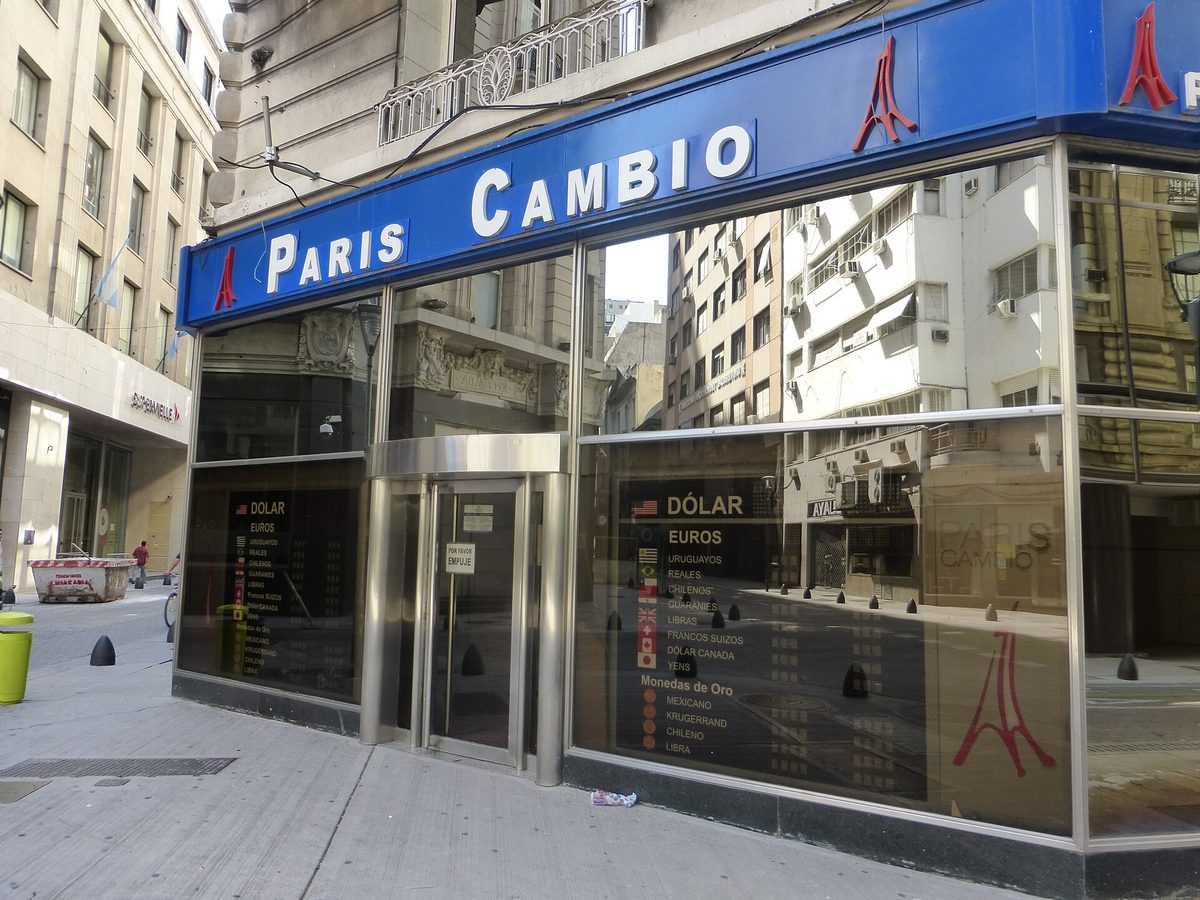
Rate comparison at a glance (mid-2026)
Rough, illustrative pesos-per-USD — always confirm today’s numbers on dolarhoy.com, dolarito.ar or a quick Google of “dólar blue hoy” before you act:
| Rate | Rough ARS per US$1 | How you get it | 2026 verdict |
|---|---|---|---|
| Official | ~1,400–1,450 | Banks, ATMs (bank’s own rate) | The baseline everything is measured against |
| Blue (parallel) | ~1,450–1,500 | Cash in a cueva / via an arbolito | Marginal edge now; informal and unregulated |
| Dólar MEP | ~1,460 | Foreign Visa/Mastercard, applied automatically | Usually the best convenient rate |
| Western Union | ~MEP, occasionally a touch above | Send to yourself, collect pesos in cash | Good for cash without street risk; expect queues |
The takeaway: the four columns are now close enough that convenience and safety matter more than chasing the top rate. We compare these head-to-head in our cash vs card in Argentina guide, but the short version follows below.
How to actually get the best exchange rate in Buenos Aires now
Because the rates have converged, your decision in 2026 is less “which rate is dramatically higher?” and more “which method is easiest and safest for the amount I need?” Here are your four real options, in the order I’d reach for them.
1. Pay by card — and let the MEP rate do the work
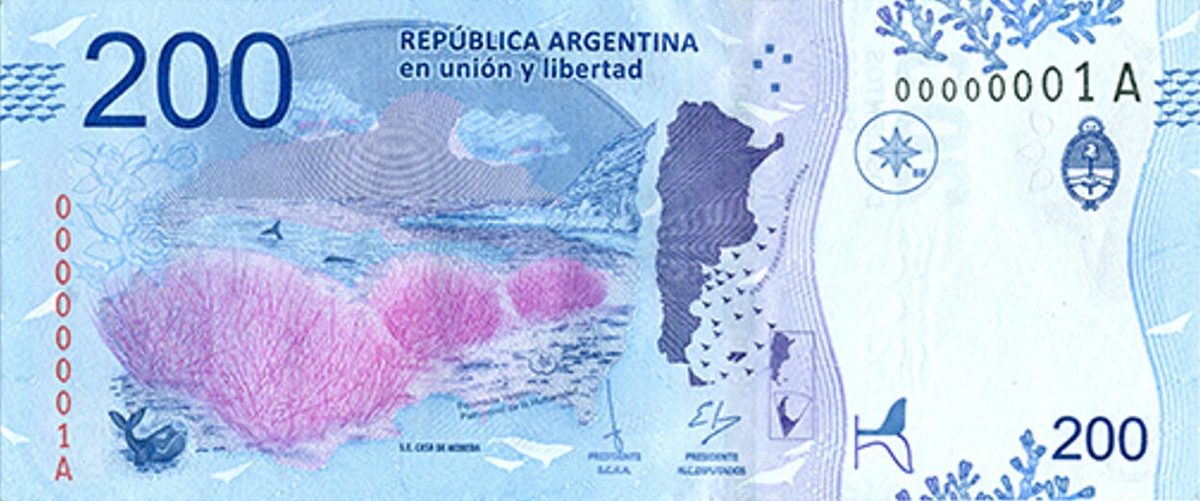
This is the single biggest reversal from the old advice. Since late 2023, foreign Visa and Mastercard purchases in Argentina settle at a tourist/MEP-style rate rather than the old punishing official rate. You don’t apply for anything; it happens automatically when you tap or swipe and the charge lands in pesos. In practice the dólar MEP is usually within a whisker of the blue — sometimes better — with zero street risk and a clean statement record.
For restaurants, hotels, taxis booked through apps, supermarkets and most shops, just pay by card. Choose to be charged in pesos (ARS), never in your home currency, to dodge the dreaded “dynamic currency conversion” markup. A card with no foreign-transaction fee makes this close to unbeatable. We go deeper in our cash-or-card guide and on the broader currency question in our Argentina currency guide for tourists.
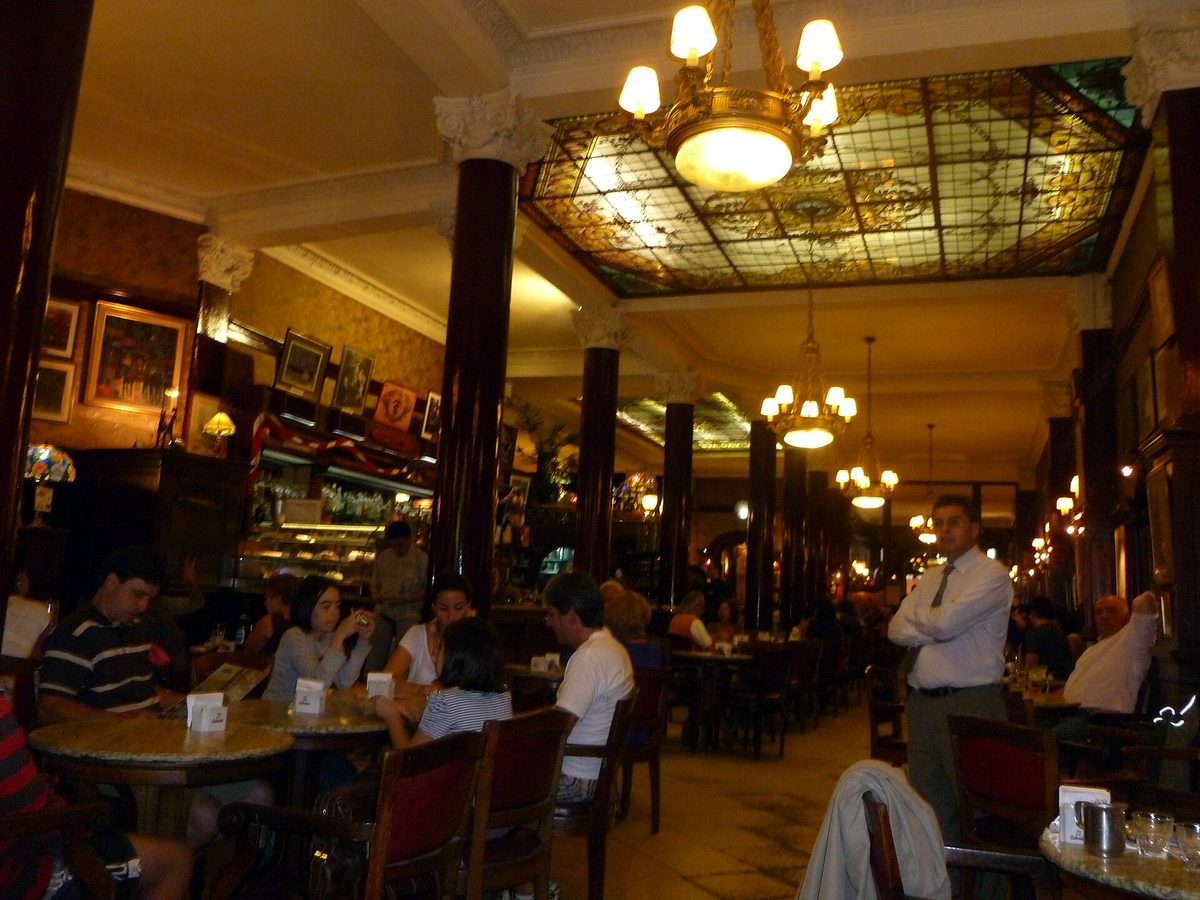
2. Western Union — the easy way to get cash near the best rate
You still need some cash in Argentina — small almacén shops, some taxis, tips, markets like San Telmo. The cleanest way to get pesos at a near-best rate is to send money to yourself via Western Union and collect it in cash at a branch. The rate WU offers tracks the MEP/blue closely and occasionally nudges above it, and you skip the cueva entirely.
The catches are real, though: branches can have queues over an hour, they sometimes run short of physical pesos (especially late in the day or for big amounts), and you’re tied to opening hours and locations. Bring your passport, your transfer (MTCN) number, and patience. Our full Western Union Argentina exchange-rate walkthrough covers fees, limits and how to avoid the worst lines.
3. The blue market (cash in a cueva) — still legal-ish, rarely worth it now
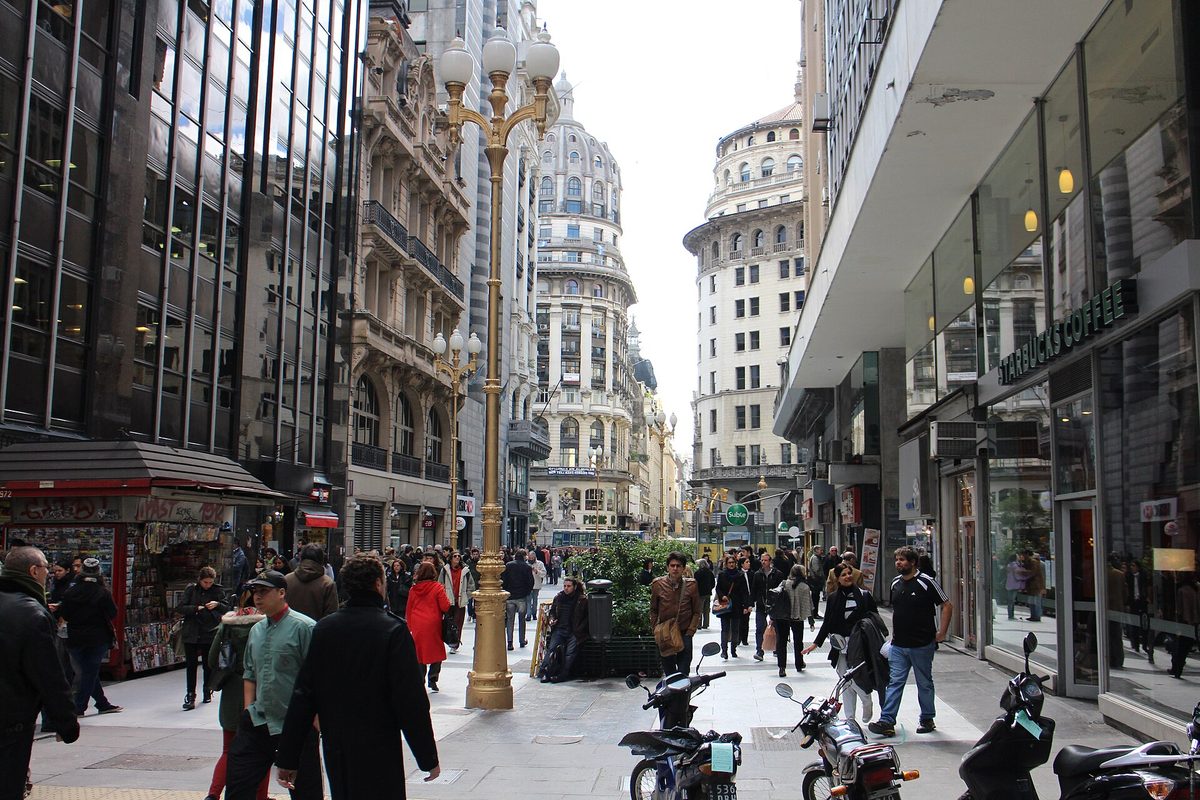
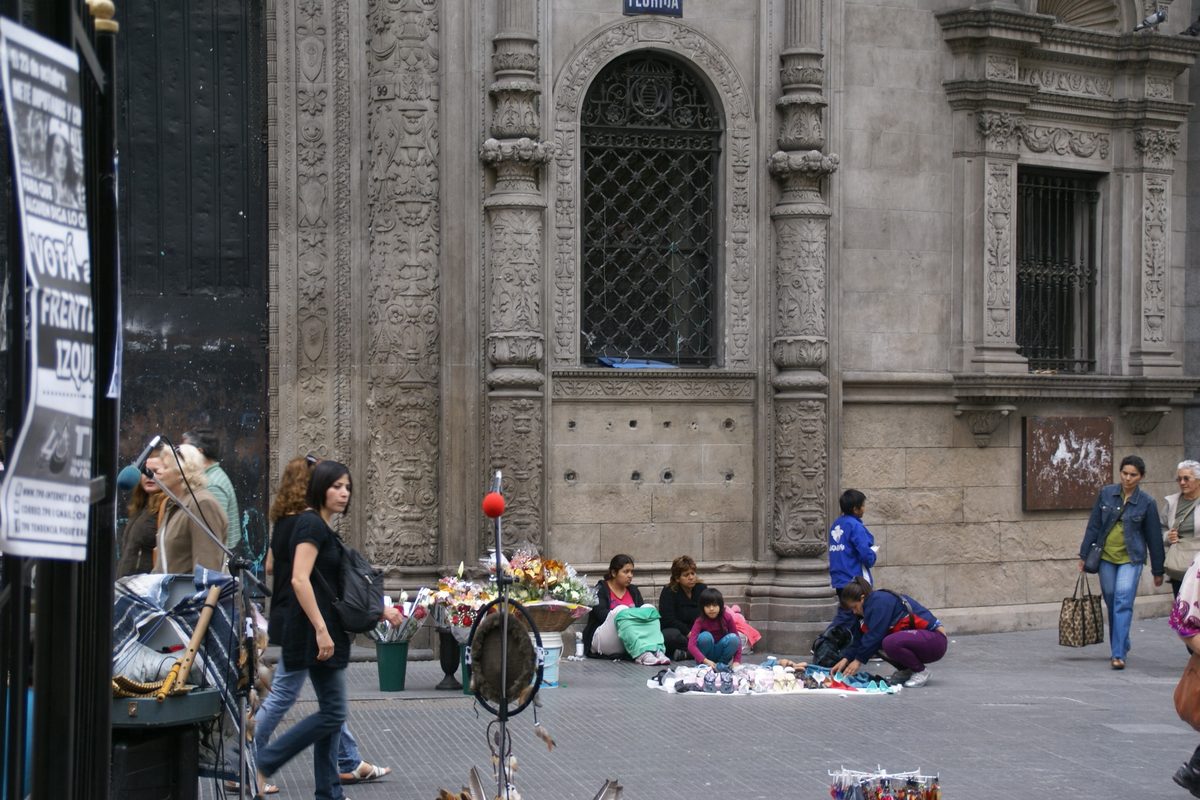
Changing physical US dollars on the blue market is part of daily life here and, despite being technically off-the-books, happens openly. On the right day, the blue rate can edge a percent or two above MEP. But with the gap this small, you’re taking on real downsides for a tiny upside: the risk of counterfeit notes, short-counting, or being marked for a robbery on your way out. The infamous arbolitos on and around Calle Florida are the riskiest channel of all.
If you do change cash, use a recommended cueva (ask your hotel or a long-term local you trust), not a random arbolito; bring clean, large US$ bills (US$100s get the best rate); count everything before you leave; and never follow someone down a side street. Honestly, in 2026 I rarely bother — the MEP-plus-Western Union combination gets me 98% of the way there with none of the stress.
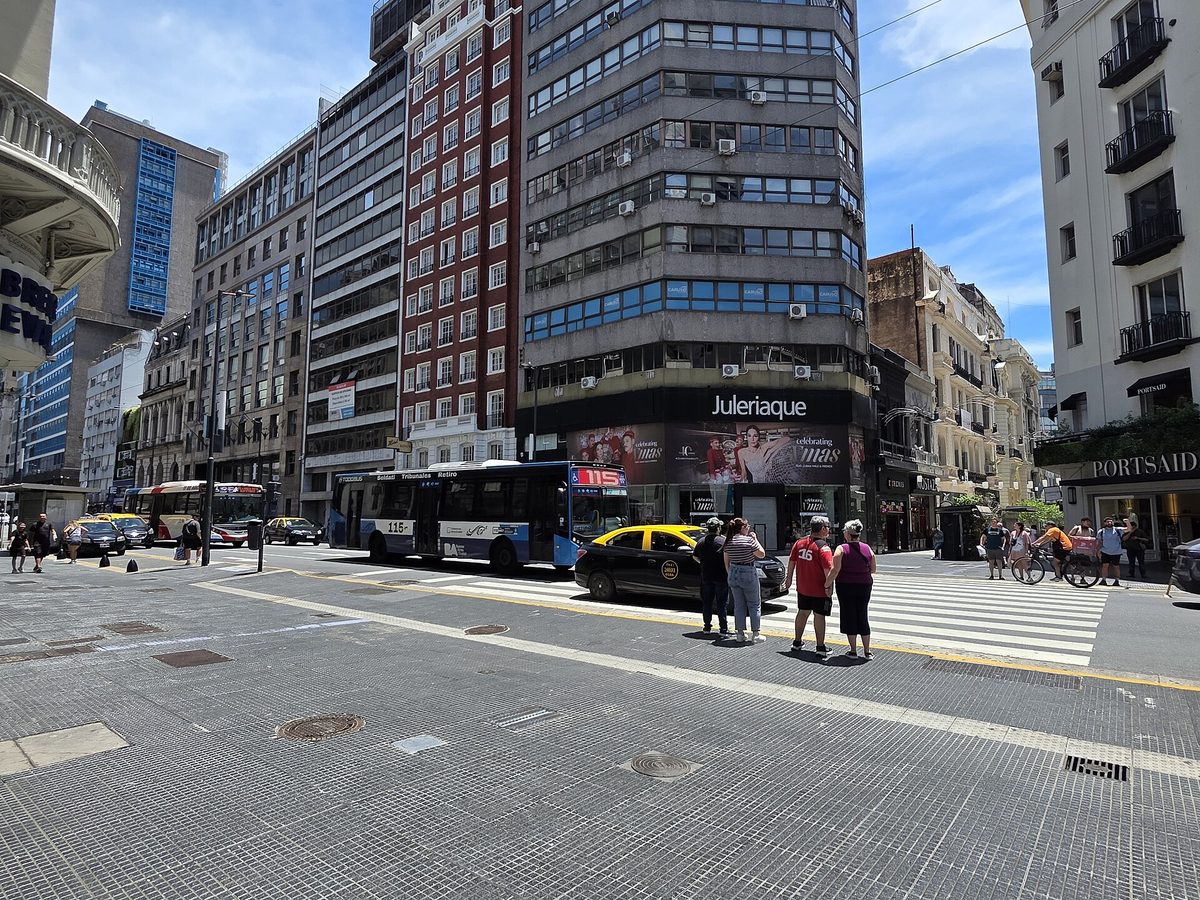
4. ATMs and banks — convenient, but watch the fees
Argentine ATMs work and now dispense pesos at a reasonable rate, but they hit you with steep per-withdrawal fees (often several thousand pesos / a few US dollars) plus low withdrawal caps, so you pay the fee again and again. Use them as a backup, not your main source of cash. We break the numbers down in our ATM fees in Argentina guide.
The catches, scams and fees to avoid
Even in the calmer 2026 landscape, a few traps still cost travellers money:
- Counterfeit pesos. Less common than a few years ago (a big counterfeiting ring was broken up), but the blue market is still where fakes circulate. Learn the feel of the newer notes and check large bills in the light.
- Dynamic currency conversion. When a card machine or ATM offers to charge you “in your home currency,” decline — always choose pesos. Saying yes hands the markup to the merchant’s bank instead of letting you get the MEP rate.
- Arbolito sleight-of-hand. Street changers may quote a great rate, then short-count or swap your bills. The few percent you might gain isn’t worth it now.
- Worn or small US bills. The blue market pays less for anything that isn’t a clean, large note. If you bring cash dollars, bring pristine US$100s.
- Stacked ATM fees. Low caps mean repeated withdrawals and repeated fees — lean on Western Union for larger cash needs instead.
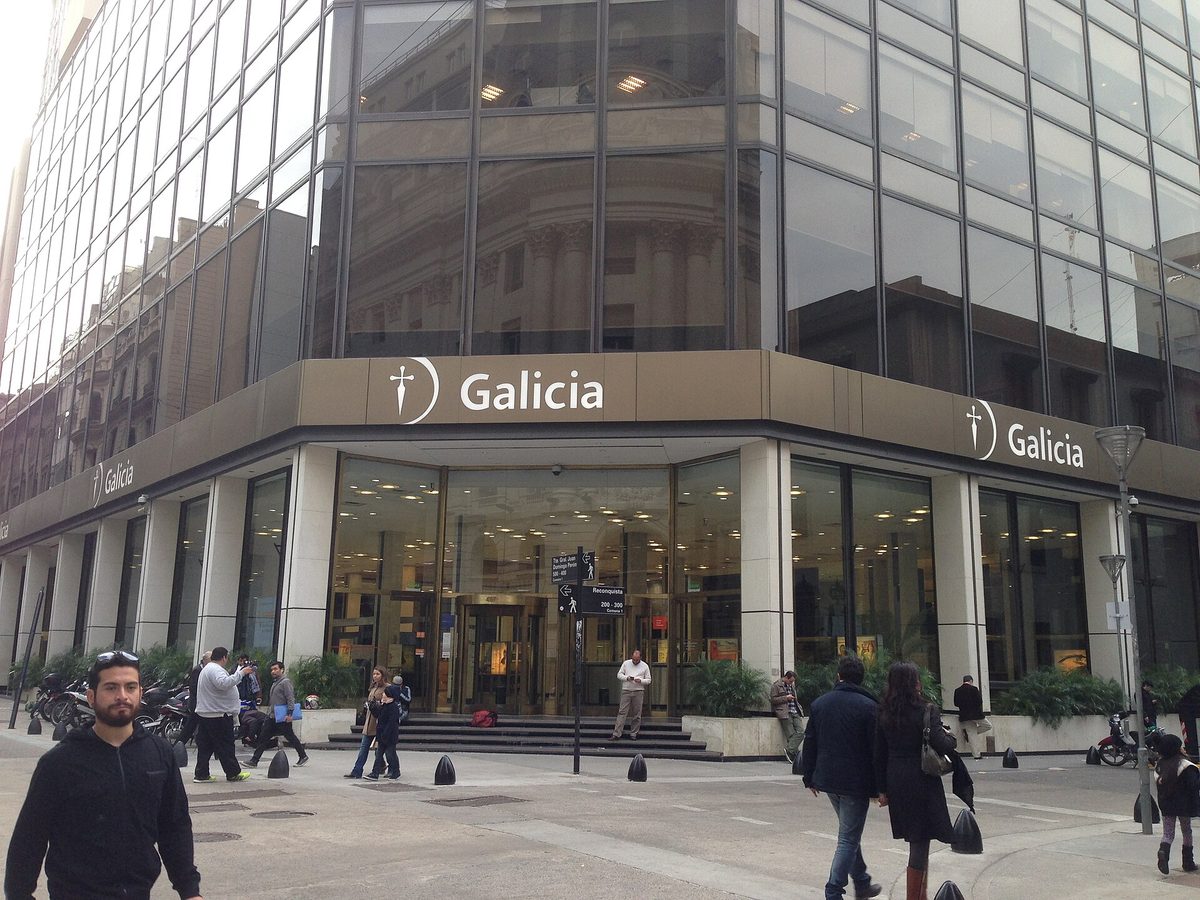
Who should use which method?
There’s no longer a single right answer, but here’s how I’d match the method to the traveller:
- Short-stay city breakers: Card for almost everything (MEP rate), plus one modest Western Union pickup for cash. Don’t overthink it.
- Budget travellers & long-stayers: Lean on Western Union for cash to cover markets, cheap eats and rent; card for the rest. The blue market is optional. See our is Buenos Aires expensive? breakdown to set expectations.
- Cash-only-comfortable travellers: If you genuinely prefer cash, US$100 bills changed at a trusted cueva still work — just accept the small risk for a small, occasional premium.
- Anyone nervous about safety: Skip the street entirely. Card + Western Union covers you with almost no rate penalty in 2026.
Insider tips for stretching your pesos
- Check the rate the morning you change money. Bookmark dolarhoy.com or dolarito.ar; the blue and MEP move daily.
- Don’t over-convert. Inflation means pesos lose value fast — change what you’ll spend in the next few days, not your whole trip’s budget at once.
- Carry a no-foreign-fee card as your primary spender, and a little cash for small vendors and tips.
- Keep small notes for taxis and tips. Breaking a 10,000- or 20,000-peso note in a tiny shop can be a hassle.
- Budget in USD, pay in ARS. Because prices reprice constantly, think of costs in rough dollar terms (see our Buenos Aires travel cost guide) and let the card handle the conversion.
If you’re still planning the rest of your trip, our Buenos Aires travel tips and budget itinerary pair nicely with this money guide.
Frequently asked questions
Is the blue dollar buenos aires rate still worth chasing in 2026?
Much less than it used to be. After Argentina lifted most currency controls in 2025, the blue dollar buenos aires rate fell to within roughly 1–4% of the official rate. On a given day it can still edge ahead, but the tiny premium rarely justifies the counterfeit and safety risks. For most travellers, paying by card at the MEP rate or using Western Union is now smarter.
What is the blue dollar rate today?
It moves daily, so I won’t pin a single number here. As of mid-2026 it has been hovering around 1,450–1,500 pesos per US dollar, very close to the official and MEP rates. Always check a live source like dolarhoy.com, dolarito.ar, or simply Google “dólar blue hoy” the morning you plan to change money or budget.
Can I just use my credit card in Buenos Aires now?
Yes, and for most spending you should. Since late 2023, foreign Visa and Mastercard charges settle at a tourist/MEP-style rate that’s usually as good as the blue rate — with no cash to carry and no street risk. Always choose to be billed in pesos (ARS), and ideally use a card with no foreign-transaction fee.
Is changing money on the blue market legal and safe?
It’s technically off-the-books but extremely common and openly tolerated. The bigger issue is practical safety: counterfeit notes, short-counting and theft, especially with street arbolitos around Calle Florida. If you change cash, use a cueva recommended by someone you trust, bring clean US$100 bills, and count everything before leaving.
How much cash should I bring to Argentina?
Less than the old advice suggested. Because cards now work well at the MEP rate, you mainly need cash for small shops, markets, taxis and tips. Many travellers bring a few hundred US dollars as backup and top up pesos via Western Union once they arrive.
Final thoughts
The blue dollar isn’t a secret hack anymore — it’s a fading relic of a tighter era. In 2026, the smartest move in Buenos Aires is refreshingly boring: pay by card for the MEP rate, grab cash via Western Union when you need it, check the day’s rate online, and only bother with a cueva if you genuinely love dealing in cash. Spend the energy you would have wasted hunting cuevas on a steak and a Malbec instead — and see the full travel cost guide to see where the rest of your money goes.
Photo credits
- Casa de cambio, Buenos Aires — Photo: Banfield / CC BY-SA 2.5 AR via Wikimedia Commons.
- Calle Florida area, Buenos Aires — Photo: Horacio Cambeiro / CC BY-SA 4.0 via Wikimedia Commons.
- Café interior, Buenos Aires — Photo: David Berkowitz / CC BY 2.0 via Wikimedia Commons.
- Banco Galicia branch, Buenos Aires — Photo: RG72 / CC BY-SA 4.0 via Wikimedia Commons.
3 comments