Let me start with the happiest sentence in this whole guide about your Buenos Aires travel cost: right now, the city is one of the best-value great destinations on earth for anyone arriving with dollars, euros, or pounds. A world-class steak dinner with a bottle of Malbec, a taxi clear across town, a night in a stylish hotel — all of it costs a fraction of what you would pay in Europe or North America. The catch, and the reason this guide exists, is that how you handle your money here makes a real difference, and Argentina’s famously chaotic economy means a lot of the advice floating around online is already out of date.
Your Buenos Aires travel cost depends on your style, but as a rough guide: budget travelers can get by on around $40–$60 a day, mid-range visitors on $90–$160 a day, and luxury travelers from $250+ a day — excluding flights. The single biggest factor within your control is your money strategy, so this guide explains exactly how to pay, how to get the best exchange rate in 2026, and what everything actually costs.
Two honest caveats before we dive in. First, I quote prices in US dollars, because Argentina’s peso inflates so fast that any peso figure would be meaningless within weeks — treat every number as an approximate guide and always check current prices. Second, the country’s exchange-rate situation has shifted dramatically in the last couple of years, so I will give you the current 2026 picture and the principles to navigate it, because the specifics keep moving. With that said, let’s make your money go a very long way.

Is Buenos Aires Expensive?
The honest answer: no — for most foreign visitors, Buenos Aires is a bargain. By the standards of any major world capital, your money stretches remarkably far here, especially on the things the city does best: eating out, drinking good wine, taking taxis, and going out. You can eat a memorable dinner for the price of a fast-casual lunch back home, and a cocktail at a world-ranked bar for a few dollars.
That said, “cheap” is relative and uneven. Imported goods (electronics, some toiletries, international brands) can be surprisingly expensive thanks to import taxes, and high-end hotels in Recoleta or Puerto Madero charge international prices. For Argentines earning in pesos, the city is not cheap at all — it is the favorable exchange rate that makes it a steal for visitors. The deeper question of value, tier by tier, is unpacked in our dedicated guide to whether Buenos Aires is expensive. The short version: come with foreign currency, handle it well, and you will feel rich here.
Money in Argentina: The Blue Dollar in 2026
This is the section that matters most, and the one almost every older guide gets wrong, so read it carefully — getting it right is worth real money. Argentina’s currency story is famously complicated, but you do not need an economics degree, just the current lay of the land.

A Quick History (So the Advice Makes Sense)
For years, Argentina ran strict currency controls and, as a result, had two exchange rates: the official rate set by the government, and a parallel street rate locals called the dólar blue, traded by informal money-changers. The gap between them was often enormous — at times the blue rate gave nearly double the official one. Back then, the golden rule for tourists was simple: bring US dollars in cash and never pay by card, because cards settled at the lousy official rate while cash exchanged at the blue rate went twice as far. This is the advice you will still see all over the internet.
What Changed — and What It Means for You Now
Here is the crucial update: that huge gap has largely closed. Following the economic reforms that began in late 2023, the government introduced a favorable “tourist” (MEP) rate for foreign cards, and through 2024 and 2025 the official and parallel rates converged dramatically as currency controls were eased. By 2026, the difference between the rates is modest rather than dramatic, which flips the old playbook on its head in one very convenient way:
Paying by foreign card is now fine — often the easiest, fairest option. Your international credit and debit cards generally settle at a fair, near-market rate, so you no longer need to hoard cash to avoid being fleeced. You can tap your card at restaurants, hotels, and shops with confidence. This single change makes travelling here far simpler than it was even a couple of years ago. The detail, kept current as things shift, is in our blue dollar guide and the cash vs card guide.
How to Get the Best Exchange Rate Today
With the rates close together, your goal is no longer to chase a huge arbitrage — it is simply to avoid the few genuinely bad options. Here is the playbook for 2026:
- Pay by card for most things. Hotels, restaurants, shops, and ride-hailing apps all take cards at a fair rate. Use a card with no foreign-transaction fees for the cleanest deal.
- Bring some clean US dollars as a backup. Newish, unmarked bills are still handy for cash-only spots, markets, taxis, and tips. Exchange them as you need pesos.
- Use Western Union to top up pesos. Sending money to yourself via Western Union has long been one of the easiest ways to get a competitive rate and collect pesos in cash, and it remains a reliable option, especially for longer stays.
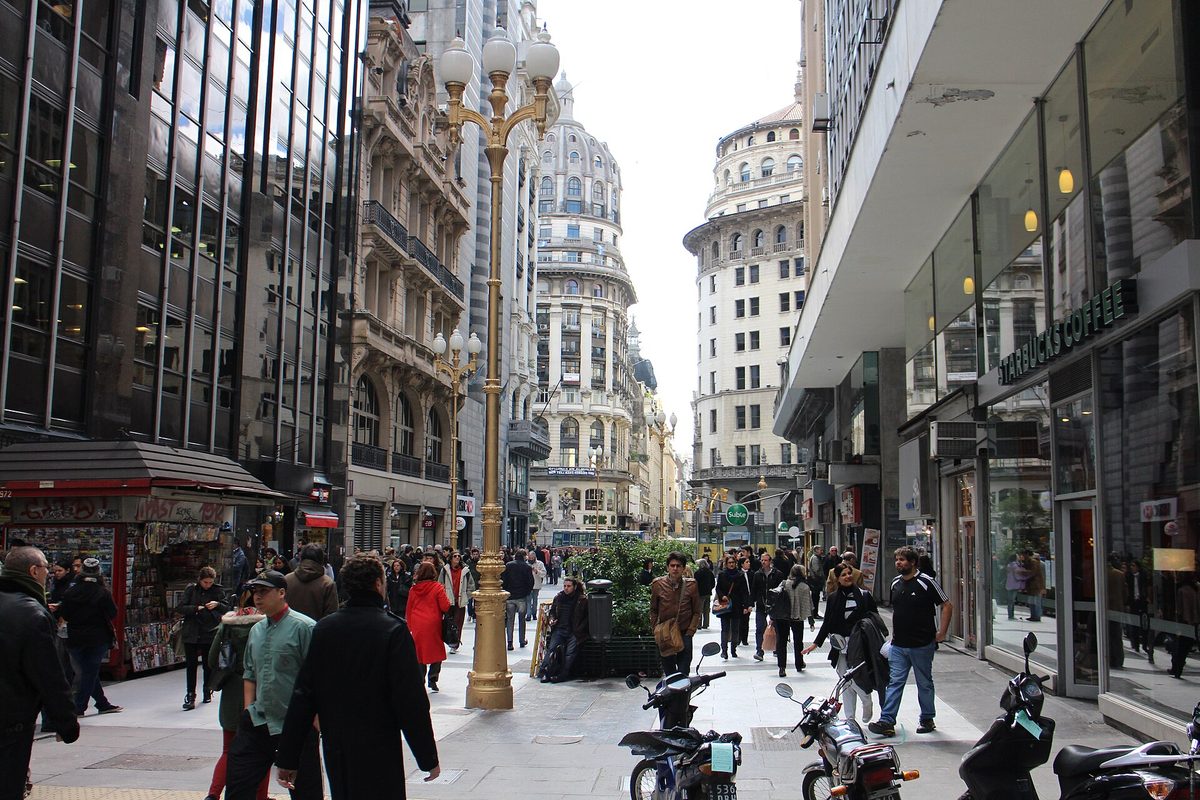
- Change cash at a reputable cueva or exchange house if you prefer cash — ask your hotel for a trustworthy one rather than handing money to a street tout (the arbolitos who call “cambio, cambio” on Calle Florida).
- Avoid airport exchange counters and ordinary ATM withdrawals — these still give the worst rates and stiff fees (more on ATMs below).
The one non-negotiable: check the current rate before you travel. Argentina’s economy can move fast, and the gap between rates could widen again. A quick look at a live rate tracker (locals use sites that show the dólar blue and MEP rates) right before your trip tells you instantly whether cash still carries a meaningful premium or whether cards are king. Do that one check and you will always be on the right side of the deal. For the foundational explainer on the peso itself, see our Argentina currency guide.
How Much Does a Trip to Buenos Aires Cost Per Day?
Here is the heart of your budgeting — a realistic daily spend by travel style, broken down by category. All figures are per person per day in US dollars, excluding international flights, and are approximate guides that move with the exchange rate.
| Category | Budget | Mid-range | Luxury |
|---|---|---|---|
| Accommodation | $15–$30 (hostel) | $50–$100 (hotel/apt) | $150–$400+ |
| Food & drink | $15–$20 | $30–$50 | $70–$130 |
| Transport | $2–$5 | $8–$15 | $20–$40 |
| Activities | $5–$10 | $15–$30 | $40–$80 |
| Total / day | ~$40–$60 | ~$90–$160 | ~$280–$600+ |
What strikes most first-time visitors is how good the mid-range tier feels here: for under $160 a day you can stay somewhere lovely, eat brilliantly, take taxis everywhere, and see a tango show — a level of comfort that would cost two or three times as much in a comparable European capital. Our daily budget guide drills further into each tier.
Sample Buenos Aires Trip Budgets (One Week)
To make it concrete, here is what a week in the city (seven days, per person, excluding flights) realistically runs at each level:
- Backpacker week: roughly $300–$450 — hostel dorms, market and street food, public transport, free museums and parks, the odd splurge dinner.
- Mid-range week: roughly $700–$1,100 — a comfortable hotel or apartment, great restaurants nightly, taxis, a tango show, and a day trip.
- Luxury week: from $2,000 and well up — five-star hotels, fine dining, private tours and transfers, the best seats at everything.
Add a few hundred dollars for any major splurges — a football match through an operator, a private tango experience, an overnight to Iguazú — and remember these totals would buy a far thinner trip almost anywhere else.

A Price Guide: What Things Cost in Buenos Aires
For a feel of everyday spending, here is roughly what common things cost. Again: approximate, in US dollars, and always worth checking against current prices.
| Item | Approx. cost (USD) |
|---|---|
| Espresso / cortado at a café | $1.50–$3 |
| Medialuna (pastry) | under $1 |
| Empanada | $1–$2 |
| Set lunch (menú ejecutivo) | $8–$15 |
| Steak dinner with wine (good parrilla) | $25–$45 |
| Glass of Malbec / local beer | $3–$6 |
| Subte or bus ride | under $1 |
| Cross-town taxi or Cabify | $3–$7 |
| Museum entry | free–$10 |
| Tango dinner show | $50–$120 |
| Hostel dorm bed / night | $15–$30 |
| Mid-range hotel / night | $80–$150 |
| Ferry to Colonia (round trip) | $60–$120 |
Notice the pattern: the experiences (eating, drinking, getting around, culture) are cheap, while accommodation and anything imported climb fastest. Budget accordingly — splash out on the things that are a bargain here.
Your Buenos Aires Travel Cost, by Category
A closer look at where your money goes, with tips for each.

Accommodation
Your biggest single expense, and the one that most determines your daily total. Hostel dorms run roughly $15–$30, private hostel rooms and budget hotels $50–$90, comfortable mid-range and boutique hotels $90–$200, and luxury from $250 up to $600-plus. Apartments and apart-hotels are great value for stays of several nights, often beating a hotel on space and price. Where you stay also shapes the rest of your spending — our where to stay guide breaks down the areas and prices.
Food & Drink
The best-value part of any trip here. You can eat superbly for very little: empanadas and pizza for a few dollars, a set lunch for under $15, and a full steak dinner with wine at a good parrilla for $25–$45. Markets like the Mercado de San Telmo and the city’s street food are cheaper still, while the famous-name restaurants and Puerto Madero push prices up. Drink the (excellent, cheap) local Malbec rather than imports. Full detail in our food and restaurants guide.
Transport
Almost an afterthought in your budget. Public transport — the Subte, buses, and trains on a SUBE card — costs only cents per ride, and even ride-hailing across town is just a few dollars. The bigger transport costs are the airport transfer from Ezeiza and any ferry to Uruguay. See our getting around guide for the full picture; a realistic daily transport budget is just a handful of dollars.
Activities & Attractions
Buenos Aires is generous to the budget-conscious here, because so much of it is free or cheap: the parks, the Recoleta Cemetery, many top museums, the Sunday ferias, and simply walking the barrios cost little or nothing. Your spending goes on the optional splurges — a tango show ($50–$120), a football match through an operator ($80–$200), a guided food or city tour, a day trip. Mix a few paid experiences with the city’s abundant free pleasures and your activity budget stays light. Browse the options in our things to do guide.

Cash vs. Card: How to Pay
As covered above, the big 2026 shift is that cards now work well — foreign credit and debit cards generally settle at a fair rate, so you can pay for hotels, restaurants, shops, and apps by card without losing out. Carry a card with no foreign-transaction fees and it becomes your default.

You will still want some cash (pesos) for the places cards do not reach: street markets and ferias, many taxis, small neighborhood spots, tips, and the odd cash-only guesthouse. Get pesos by exchanging clean US dollars or via Western Union rather than from ATMs. A sensible rhythm is to keep a modest stack of pesos for daily incidentals and put everything bigger on the card. Never carry all your cash at once, and split it between your wallet and a stashed reserve. The full comparison is in our cash vs card guide.
ATMs & Withdrawing Money
A clear warning: Argentine ATMs are the worst way to get pesos. They combine a poor exchange rate with a stiff fixed fee per withdrawal (often several dollars or more) and a low maximum withdrawal limit, so you get hit with the fee again and again for small amounts. If you must use one — in a pinch, or in a town without other options — withdraw the maximum allowed in one go to minimize the per-transaction fee, choose to be charged in pesos (not your home currency) to dodge the bad “dynamic currency conversion” rate, and use machines inside banks during the day for safety. But honestly, plan ahead with cash and Western Union and you can avoid ATMs almost entirely. The full breakdown is in our ATM fees guide.
Tipping in Buenos Aires
Tipping (la propina) here is appreciated but more modest than in, say, the United States. The norm in restaurants is around 10%, ideally left in cash even if you pay the bill by card, since card tips do not always reach the staff. A couple of things trip people up: the cubierto you will see on many bills is a small per-person cover charge for bread and table service — it is legitimate and not a tip. For taxis, rounding up is fine rather than a set percentage; for hotel porters and tour guides, a small cash tip is a kind gesture. Carry small bills for the purpose. Our tipping guide covers every situation.

How Much Cash Should You Bring to Buenos Aires?
Less than you might have read. In the old days the advice was to bring a brick of US dollars to last your whole trip, because cash was the only way to get the good rate. Now that cards work well, you only need cash as a backup for the things cards do not cover — markets, taxis, tips, small spots.
For a typical week, I would bring a few hundred US dollars in clean, newish, smaller-denomination bills (tens and twenties are easier to exchange and spend than crisp hundreds, though hundreds get a slightly better rate at exchange houses), and top up with Western Union if you run low. Bring more if you are travelling long, staying off the beaten track, or the rate gap has widened (do that pre-trip rate check). Crucially: do not carry it all at once. Split your cash between your wallet, a money belt or hidden pocket, and a reserve in your hotel safe, and only walk around with what you need for the day. Damaged, marked, or old-style bills can be refused or get a worse rate, so bring pristine notes.
Money-Saving Tips for Buenos Aires
Even in a city this affordable, a few habits stretch your money dramatically further:
- Eat the set lunch. The menú ejecutivo (a multi-course midday deal) lets you eat at smart restaurants for a fraction of the dinner price.
- Lean on the free stuff. The parks, Recoleta Cemetery, many museums, the ferias, and the architecture cost nothing — the city is a bargain for the culturally curious.
- Take a free walking tour. Tip-based walking tours of the center and Recoleta are a cheap, excellent introduction.
- Drink local. Argentine Malbec and craft beer are superb and cheap; imports are taxed and pricey.
- Use public transport. A SUBE card turns getting around into a rounding error in your budget.
- Shop and eat at markets. The Mercado de San Telmo and the ferias deliver great food and finds for less.
- Pick an apartment or apart-hotel for longer stays — a kitchen and more space for less than a hotel.
- Visit in the off-season. Winter (June–August) brings the lowest flight and hotel prices; see the cheapest time to visit guide. For how price trades off against weather and events, the full when-to-visit guide has the season-by-season picture.
- Get your money strategy right. The biggest saving of all is simply paying the smart way — cards plus a little well-exchanged cash — rather than bleeding money at airport counters and ATMs.
Budgeting for Day Trips & Beyond
If your plans stretch past the city, budget a little extra. A day trip is cheap: the train to Tigre costs cents, while the ferry to Colonia in Uruguay runs roughly $60–$120 round trip, and an organized estancia day with transport and lunch perhaps $80–$150. The bigger line items are flights to far-flung regions — Iguazú, Mendoza, Patagonia — which, booked ahead, are reasonable but are your main extra cost on a wider Argentina trip. Our day trips guide details the options and their costs. One more thing to budget for and confirm: travel insurance. It is always wise, and Argentina has at times moved toward requiring proof of health coverage for entry, so check the current entry requirements before you fly and factor a policy into your costs.
Common Money Mistakes to Avoid in Buenos Aires
Sidestep these and you will keep more pesos in your pocket.
- Following outdated “bring all cash” advice. The internet is full of guides from the high-blue-dollar era. With the rates converged, you no longer need a suitcase of dollars — cards work fine now.
- Withdrawing from ATMs or changing at the airport. Both give the worst rates and steepest fees. Plan ahead with cards, exchanged cash, and Western Union instead.
- Bringing damaged or old US bills. Marked, torn, or out-of-date notes get a worse rate or are refused outright. Bring clean, newish bills.
- Not checking the current rate before you travel. Argentina’s economy moves fast; a five-minute check tells you whether cash still carries a premium or cards are king.
- Accepting “pay in your home currency” on card terminals. Always choose to be charged in pesos to avoid the bad dynamic-currency-conversion rate.
- Changing money with street touts. The arbolitos calling “cambio” on Calle Florida risk short-changing you or passing fake notes. Use a reputable exchange house or Western Union.
- Tipping only on the card. Card tips do not always reach staff — leave tips in cash.
- Carrying all your cash at once. Split it up and walk around with only what you need; petty theft is the main risk.
Why Buenos Aires Prices Keep Changing: Inflation 101
One reason this guide quotes everything in US dollars is that Argentina has lived with high inflation for years, so peso prices climb constantly — a number that is accurate today can be off within weeks. You will see this in daily life: menus with stickered-over prices, cash machines that dispense thick wads of low-value notes, and locals who spend quickly rather than save in pesos.
The saving grace for visitors is that, broadly, the exchange rate moves alongside the inflation, so in dollar terms the city tends to stay affordable even as peso prices rise. What you really need to watch is not the peso price of a coffee but the exchange rate you are getting — that is what determines your real cost. The economic reforms of recent years have been bringing inflation down from its peaks, but the situation remains fluid, which is exactly why the one habit that never goes out of date is to check the current rate just before you travel and pay the smart way once you arrive. Get that right and the numbers in this guide will serve you well.
How Buenos Aires Travel Costs Compare to Other Cities
To put the numbers in perspective, it helps to see how a Buenos Aires travel cost stacks up against other destinations — because this is where the city really shines. A blow-out steak dinner with a fine bottle of Malbec that runs $35–$45 here would cost well over $100 in New York, London, or Paris. A stylish boutique hotel room at $120 would be $300-plus in Western Europe. A cross-town taxi is a few dollars rather than twenty; a glass of excellent wine costs less than a soft drink back home.
Against the great European and North American capitals, Buenos Aires is dramatically cheaper for comparable quality — you can travel here in real style for what a budget trip to Western Europe would cost. Within Latin America it is competitive too: while some Andean and Central American destinations are cheaper at the rock-bottom backpacker end, few offer this combination of world-class food, culture, and big-city sophistication at these prices. The only places your costs converge with the rest of the world are imported electronics and goods, and the very top tier of hotels. For everything that makes a trip here special — eating, drinking, exploring, going out — your money simply goes further than almost anywhere comparable.
Frequently Asked Questions
How much does a trip to Buenos Aires cost?
Excluding flights, budget travelers spend around $40–$60 a day, mid-range visitors $90–$160, and luxury travelers $250-plus. A mid-range week runs roughly $700–$1,100 per person. By world-capital standards it is excellent value for anyone with foreign currency, especially on food, drink, and transport.
Is Buenos Aires cheap or expensive?
For most foreign visitors, cheap — your money stretches far on eating out, wine, taxis, and nightlife. Imported goods and top-end hotels are the exceptions, which can be pricey. The favorable exchange rate is what makes the city such a bargain for tourists, even though it is not cheap for locals earning in pesos.
What is the blue dollar in Argentina?
The “dólar blue” is the informal parallel exchange rate that for years ran far above the official one, traded by street money-changers. Tourists used to rely on it (via cash or Western Union) for a much better rate. As of 2026 the gap has largely closed, so the blue rate matters far less than it used to — but always check the current rate before you travel.
Should I bring cash or use a card in Buenos Aires?
Both. Since the rate gap closed, foreign cards now settle at a fair rate, so use a card (ideally fee-free) for hotels, restaurants, shops, and apps. Carry some cash in pesos — obtained by exchanging US dollars or via Western Union — for markets, taxis, tips, and small spots that do not take cards.
How much cash should I bring to Buenos Aires?
A few hundred US dollars in clean, newish bills is plenty for a typical week as a backup, topped up with Western Union if needed — you no longer need to bring a huge stack now that cards work well. Bring pristine notes, split them up, and never carry it all at once.
What is the best way to exchange money in Buenos Aires?
Western Union (sending money to yourself to collect as pesos) and reputable exchange houses give competitive rates; paying directly by card is now fair too. Avoid airport exchange counters and ATM withdrawals, which give the worst rates and high fees. Always check the current rate first so you know whether cash still carries a premium.
Can I use US dollars directly in Buenos Aires?
Sometimes — some hotels, tour operators, and businesses accept US dollars, occasionally at a good rate — but most everyday transactions are in pesos, so you will need to change money or pay by card. Always carry pesos for taxis, markets, and small purchases; do not rely on spending dollars everywhere.
Are ATMs expensive in Argentina?
Yes — Argentine ATMs combine a poor rate, a high fixed fee per withdrawal, and a low withdrawal limit, so they are the worst way to get pesos. If you must use one, withdraw the maximum at once, choose to be charged in pesos, and use bank machines by day. Better to plan with cash and Western Union.
How much should I tip in Buenos Aires?
Around 10% in restaurants, ideally in cash even when paying by card. The cubierto on your bill is a cover charge, not a tip. Round up for taxis, and leave a small cash tip for porters and guides. Carry small bills so you can tip easily.
How much does a meal cost in Buenos Aires?
A set lunch runs $8–$15, empanadas or pizza a few dollars, and a full steak dinner with wine at a good parrilla $25–$45 per person. Coffee and a pastry cost a couple of dollars. Eating out is one of the best-value pleasures in the city.
How much money do I need per day in Buenos Aires?
Plan on roughly $40–$60 a day as a budget traveler, $90–$160 mid-range, and $250-plus for luxury, excluding accommodation extremes and flights. Transport and many attractions are cheap, so most of your daily spend goes on food, lodging, and the occasional paid experience.
Is it cheaper to pay by cash or card in Argentina now?
They are close. With the rates converged, cards settle at a fair, near-market rate, so the old cash advantage has largely gone — cash now mainly wins for convenience at places that do not take cards. Use cards for big and everyday spending, and keep cash for markets, taxis, and tips.
Do I need travel insurance for Argentina?
It is strongly recommended for any trip, and Argentina has at times moved toward requiring proof of health coverage to enter, so check the current entry requirements before you fly. Beyond any rule, a policy covering medical care and trip disruption is simply sensible — factor it into your budget.
What is the cheapest way to visit Buenos Aires?
Come in winter (June–August) for the lowest flights and hotels, stay in a hostel or apartment, eat at markets and set-lunch spots, use public transport, lean on the many free attractions, and exchange your money smartly. Done this way, Buenos Aires is one of the best-value major cities anywhere.
Why are prices in Buenos Aires quoted in US dollars?
Because Argentina’s high inflation makes peso prices rise so quickly that any peso figure is outdated within weeks. Quoting in US dollars gives a far more stable, comparable sense of cost over time, since the exchange rate broadly tracks the inflation. Always convert at the current rate when you actually pay.
Will my credit card work in Buenos Aires?
Yes — major international Visa and Mastercard credit and debit cards are widely accepted at hotels, restaurants, shops, and on ride-hailing apps, and they now settle at a fair rate. Use one with no foreign-transaction fees, tell your bank you are travelling, and always choose to be charged in pesos at the terminal. Carry some cash as a backup.
Is Buenos Aires still good value in 2026?
Very much so. Even though the dramatic blue-dollar arbitrage of past years has faded, Buenos Aires remains a standout-value city for foreign visitors — world-class food, wine, culture, and comfort for a fraction of European or North American prices. Handle your money sensibly and it is one of the best-value great cities you can visit.
Is Buenos Aires cheaper than Europe?
Considerably, for comparable quality. Dining, drinking, taxis, and nightlife cost a fraction of Western European prices, and even good hotels are far cheaper. You can travel in real comfort in Buenos Aires for roughly what a budget trip to Paris, London, or Rome would cost. Only imported goods and top-tier hotels approach European prices.
How does Buenos Aires compare to other South American cities for cost?
It is competitive and often a standout for value-per-quality. Some Andean and Central American spots are cheaper at the backpacker extreme, but few cities in the region match Buenos Aires’ combination of world-class food, culture, and big-city polish at these prices. For a sophisticated city break, it is one of the continent’s best-value choices.
Do places in Buenos Aires give a discount for paying in cash?
Sometimes, yes. Some hotels, apartments, smaller shops, and tour operators offer a modest discount (descuento por pago en efectivo) for paying in cash, occasionally preferring US dollars — it is always worth a polite ask, especially for accommodation and tours. At markets and ferias, light haggling on crafts and antiques is normal too. For everyday restaurants and chain shops, prices are fixed, and the convenience of paying by card usually wins.
Is Buenos Aires good for budget and backpacker travelers?
Excellent. Cheap hostels, abundant free attractions, dollar empanadas and set lunches, near-free public transport, and a sociable hostel scene make it one of the best-value big cities for backpackers — many get by comfortably on around $40–$60 a day, less if they cook and stay in dorms.
Final Thoughts
Here is what I want you to take away: Buenos Aires is a gloriously affordable city for visitors right now, and the only real skill is paying the smart way. Forget the suitcase of cash the old guides told you to bring — in 2026, you pay by card for most things, carry a little well-exchanged cash for the rest, skip the ATMs and airport counters, and check the current rate once before you fly. Do that, and you will eat like royalty, see a world-class city, and spend a fraction of what the same trip would cost almost anywhere else. Sort the money, then forget about it and enjoy yourself — and let our guides to things to do, where to eat, and how to plan your days show you where to spend it. And for the street-smarts that keep the whole trip cheap and painless — scams, taxis, SIM cards — our Buenos Aires travel tips guide rounds out the picture.
Photo Credits
Every image is used under its respective Creative Commons or public-domain license, sourced from Wikimedia Commons:
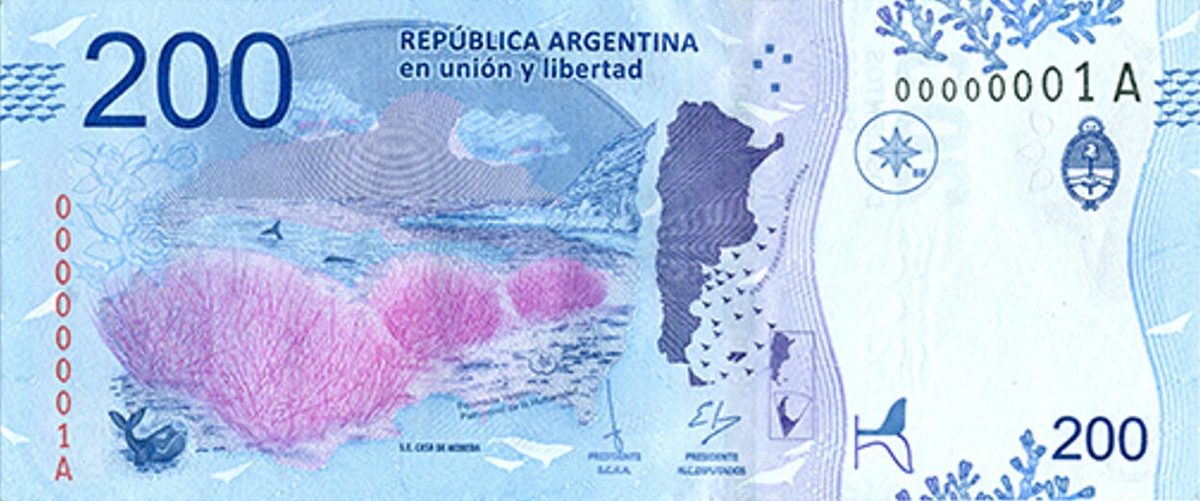
- A 200-peso Argentine banknote. Photo by Casa de Moneda, CC BY-SA 2.0 — via Wikimedia Commons.
- Calle Florida & the bank district. Photo by Elsapucai, Public domain — via Wikimedia Commons.
- The Mercado de San Telmo. Photo by Elsapucai, Public domain — via Wikimedia Commons.
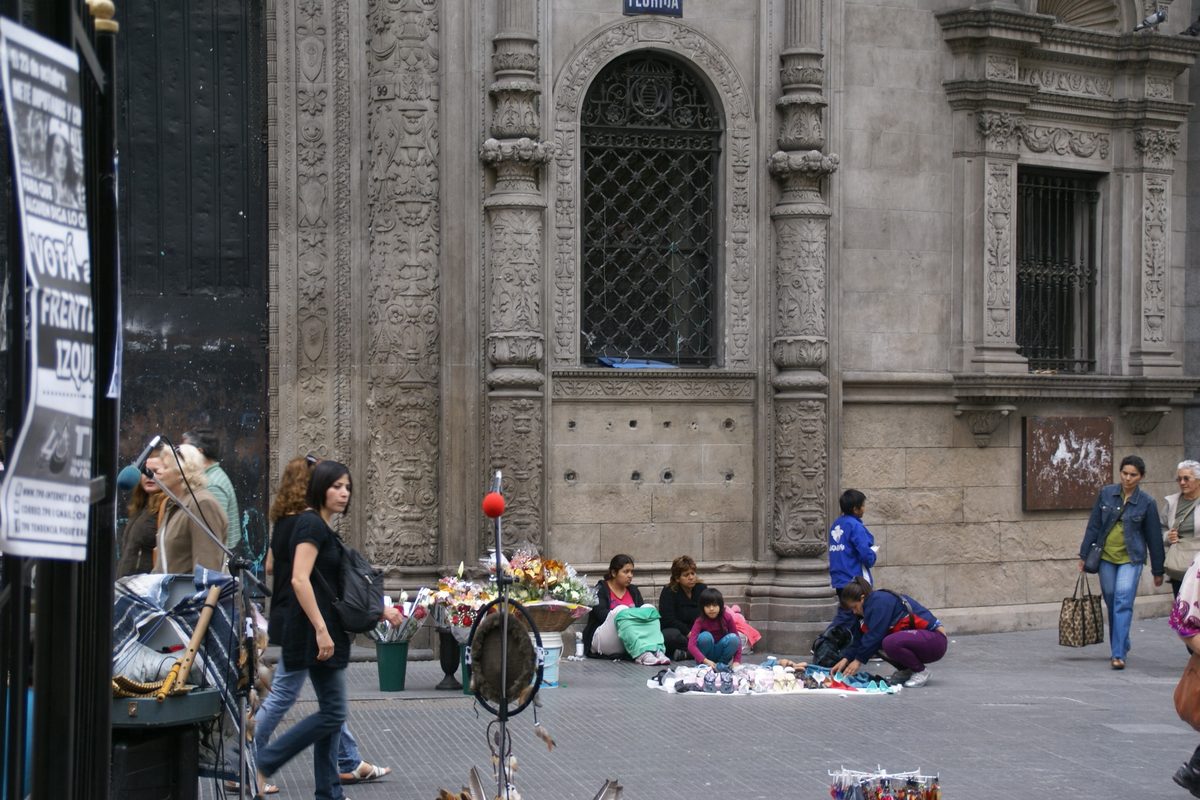
- A Buenos Aires street market. Photo by Carlos Adampol Galindo from DF, México, CC BY-SA 2.0 — via Wikimedia Commons.
- A Buenos Aires cafe. Photo by Natalie HG, CC BY 2.0 — via Wikimedia Commons.
- A historic Argentine silver peso. Photo by Usuario:Turkmenistan, CC BY-SA 3.0 — via Wikimedia Commons.
- A Buenos Aires shopping street. Photo by Robert Cutts, CC BY 2.0 — via Wikimedia Commons.
4 comments