Last updated: June 2026 · Written by the Buenos Aires Tourism editorial team
The first time I changed money in Buenos Aires, back in 2023, I queued for nearly an hour at a Western Union clutching a stack of crisp hundred-dollar bills, because every guidebook swore it was the only sane way to pay for anything in Argentina. Three years on, I walked into the same branch, glanced at the Western Union Argentina exchange rate, and walked straight back out — my Visa was giving me almost the same number with none of the hassle. That moment sums up how much the money game here has changed.
Here is the short answer. The western union argentina exchange rate used to crush every other option, but since Argentina lifted its currency controls in April 2025 the gap between rates collapsed. As of mid-2026 a foreign Visa or Mastercard is billed at the dólar MEP rate — roughly the same as Western Union and the dólar blue, all hovering around 1,450 pesos to the US dollar. WU is now a niche tool for large cash sums, not the default. Always check the live rate before you rely on any figure.
The 2026 reality: why the old advice is wrong
If older blogs told you to “never use your card in Argentina, always change cash at Western Union,” delete that from your brain. It was great guidance in 2022–2023, when the country ran currency controls known as the cepo cambiario and held the official rate artificially low. The parallel “blue dollar” was worth nearly double the official rate, and WU paid close to the blue, so changing a hundred dollars could literally double your spending power. That era is over.
In April 2025 the Milei government, backed by a US$20 billion IMF agreement, scrapped most of those controls. The peso moved to a managed float, Argentines could buy dollars freely again, and the three rates that used to diverge wildly — official, blue and MEP — converged to within a few percent. For a tourist that is good news: the decision is now about convenience and small margins, not financial survival. One thing that did not get cheaper is Argentina itself — prices have risen two to three times in dollar terms since 2022–2023, so your dollar buys less than it did in the bargain years. For how this feeds into a trip budget, see my guide to the cost of travel in Buenos Aires.
Rates compared as of mid-2026
Numbers move fast in Argentina, so treat the table below as a snapshot of how the rates relate to each other rather than gospel on the exact figure. Check a live source such as dolarhoy.com the morning you exchange.
| Method | Rough rate (mid-2026) | Best for |
|---|---|---|
| Foreign Visa / Mastercard (dólar MEP) | ~1,460 ARS / USD | Hotels, restaurants, tours, supermarkets |
| Western Union (send to yourself) | ~1,440–1,470 ARS / USD | Large lump sums of cash, longer stays |
| Cash USD at a casa de cambio / cueva (dólar blue) | ~1,435 ARS / USD | Taxis, tips, markets, cash-only spots |
| ATM withdrawal (official rate) | ~1,450 ARS / USD, plus fees | Emergencies only |
| Airport exchange desk | Worse than all of the above | Avoid entirely |
The headline: cards, Western Union and the blue dollar are now bunched together. Where WU once won by 50 to 80 percent, in 2026 it might edge a card by a percent or two on a good day, or lose on a bad one. That is why I no longer arrive with an envelope of cash as a strategy. For the deeper dive on the parallel rate itself, see my guide to the blue dollar in Buenos Aires.
How the dólar MEP works for tourists
The phrase you will see everywhere is “dólar MEP” (Mercado Electrónico de Pagos). Strictly speaking, it is a mechanism Argentines use to buy US dollars legally through the stock market: you buy a peso-denominated sovereign bond such as the AL30 or GD30, then sell its dollar version, and the gap between the two prices is your effective rate. There are no monthly limits, which is why locals love it for dollarising savings. The catch for visitors: doing it yourself means opening a brokerage account (a cuenta comitente) with a broker like Cocos Capital, Balanz or Invertir Online, and each verifies your identity with an Argentine DNI or CUIL — which a short-stay tourist will not have. So when guides say “get the dólar MEP,” they are not telling you to trade bonds.
What they actually mean is the foreign tourist dollar. Since late 2023, when you pay with a foreign Visa or Mastercard in Argentina, the card networks automatically settle at the MEP rate instead of the old official rate. Visa usually bills at the MEP rate up front; Mastercard historically charged the official rate then refunded the difference within a few days, but both now land near the same place. So “how to get dólar MEP” as a tourist is simply: pay by card and let the network apply it. No broker, no DNI, no paperwork.
How to make sure you actually get the MEP rate
Two habits protect you. First, always choose to be charged in Argentine pesos (ARS), never your home currency, when a terminal asks — converting to USD triggers dynamic currency conversion, almost always a worse deal. Second, check your banking app a day or two after the purchase posts. The rate should sit close to the published MEP rate; a small difference is normal because your issuer may add a spread or foreign-transaction fee. If it posts at the much weaker official rate, contact your issuer — it is usually corrected. For the full comparison, see my guide on whether to use cash or card in Argentina.
How to receive a Western Union transfer in Buenos Aires
Western Union still has its place, especially if you want a large amount of pesos in cash without carrying a brick of dollars through the airport. The trick is that you send money to yourself — you are both sender and receiver. Here is how it works.
- Set up the transfer in the app or website. Choose to send to Argentina for cash pickup, and enter yourself as the recipient using your name exactly as it appears on your passport.
- Pick your payment method carefully. Paying from your bank account is cheapest — expect a fee around US$30, versus roughly US$33 for a debit card and US$45 for a credit card. New customers can often get 50 percent off the fee on a first online transfer.
- Note your MTCN. Once funded, WU gives you a tracking number (the MTCN); you need it plus your passport to collect.
- Collect in cash at a branch. Go to a WU agent with your actual passport — not a photocopy — and the MTCN. The clerk pays pesos at the rate locked in when you sent.
A few practical wrinkles. Cash pickup has per-transaction limits that vary by location: dedicated WU offices in the centre may pay out around 114,000 ARS in one go, while Correo Argentino (post office) counters can be capped far lower, around 15,000 ARS. Branches sometimes run short of cash, so ask the counter their daily maximum, and note that some downtown branches ration pickups by the last digit of your passport on busy days. Be realistic about the queues, too: I have collected WU money twice in Argentina at excellent rates, but waited well over an hour once and twenty minutes the next. The worst times are Friday afternoons, Saturdays, the day before a holiday, and the first few days of the month. Arriving just before opening is your friend.
Western Union versus card in 2026: which should you use?
For most travellers on a one- or two-week trip, your card now wins on convenience and the rate difference is too small to chase. Where Western Union still earns its keep:
- You need a lot of pesos in cash — for a long stay, an apartment deposit, or a cash-only spot — and do not want to carry thousands of dollars.
- You are heading somewhere card acceptance is patchy, like smaller towns or markets, where cash is king.
- The rate genuinely beats your card on the day. It occasionally does. With time to spare and a branch nearby, it can be worth it.
For everyone else, lead with the card and keep a modest cushion of US dollars for everyday cash. Bring clean, recent US$100 or €100 notes — casas de cambio reject anything worn or pre-2013. I cover how much to carry in my guide to currency for tourists in Argentina, and the broader money picture sits in the Buenos Aires travel cost guide.
The one rule that beats any exchange rate: pay hotels by card
This matters more than any rate you will chase. Foreign travellers who pay for accommodation with a foreign Visa or Mastercard are automatically exempt from Argentina’s 21 percent VAT on hotel stays — no forms, no passport at checkout. Pay the same hotel in cash and you lose it.
The maths is brutal. A room listed at US$100 costs roughly US$99 on a card after the exemption, but around US$120 or more in cash plus VAT. Over a week that gap can swallow US$150 to US$200 — far more than the few pesos you might save exchanging cash at the blue rate. So even cash-lovers should put hotels, tours and big-ticket items on a card, and save pesos for taxis, tips and markets. My Buenos Aires budget itinerary shows where those small cash expenses land.
Where to exchange the cash you do carry
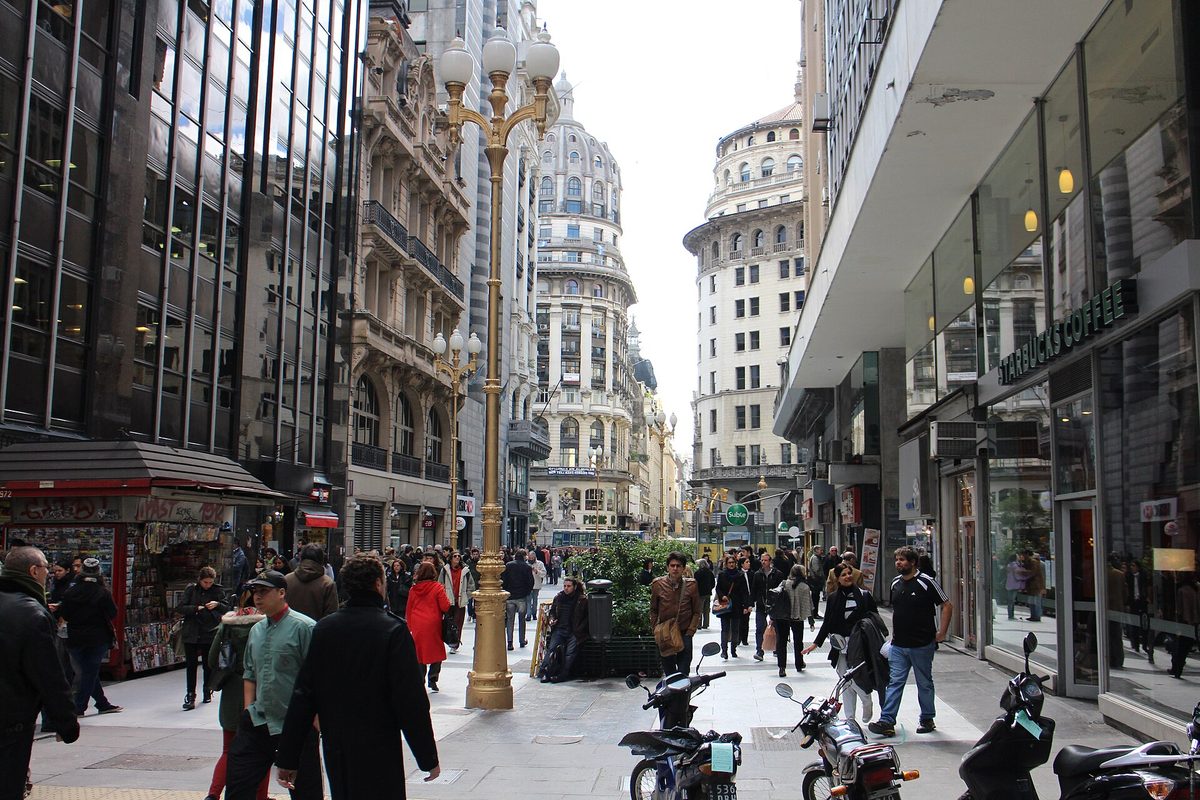
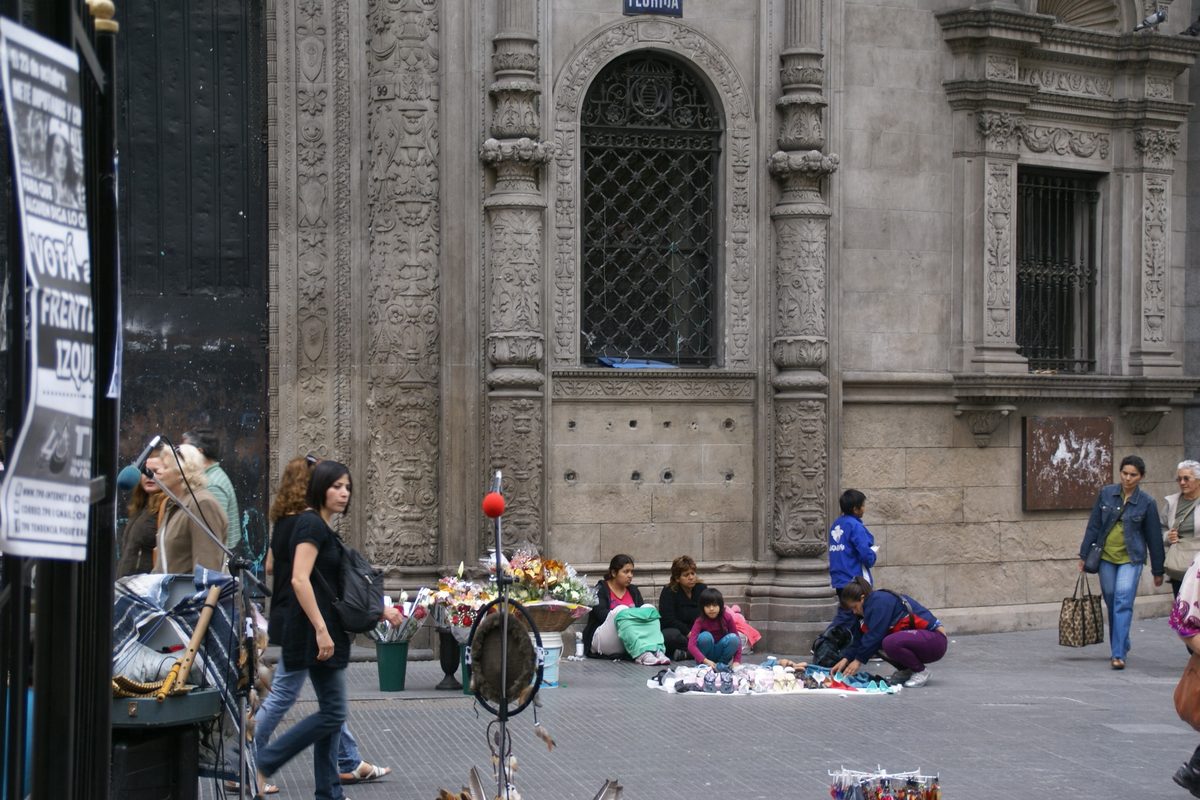
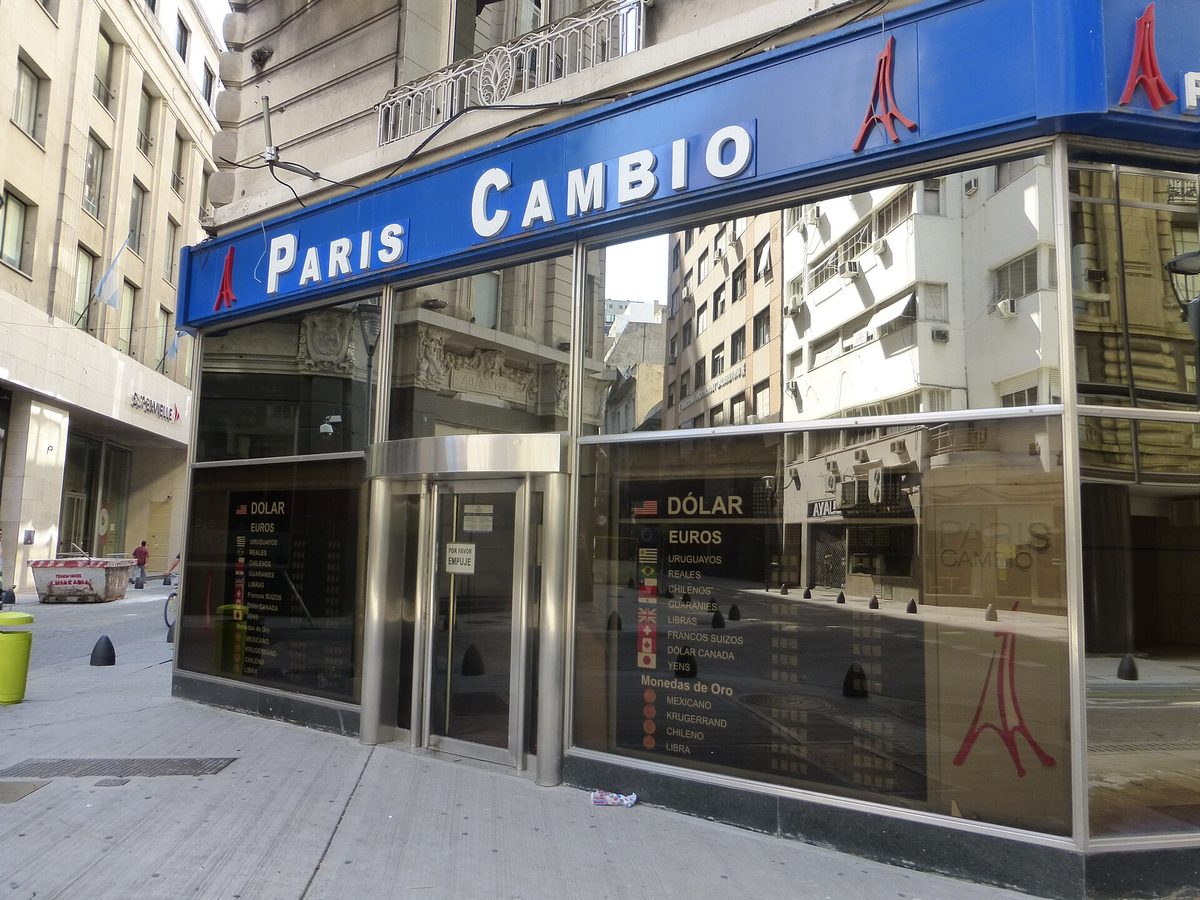
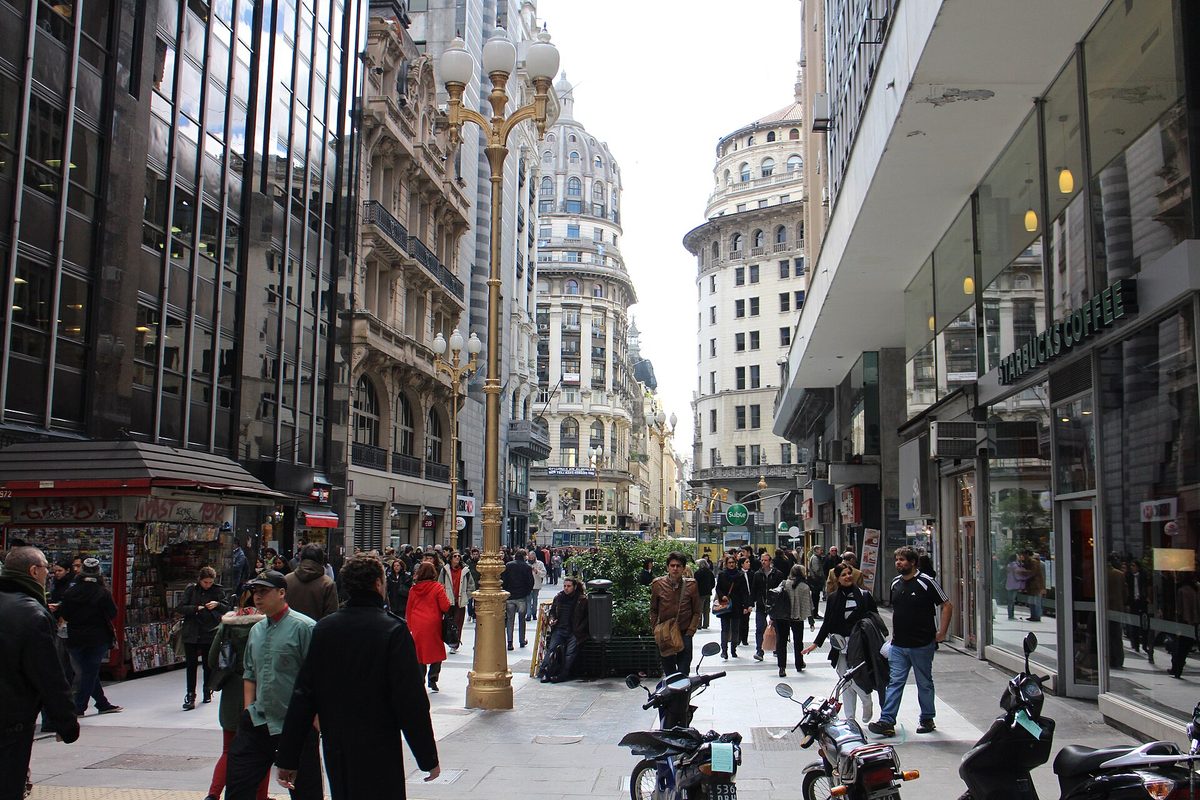
For daily small spending beyond Western Union, reputable signposted casas de cambio give a rate close to the blue with no counterfeit risk — my default. On Calle Florida, the downtown pedestrian street, touts call “¡Cambio, cambio!” and steer you to nearby cuevas; rates can be good but quality varies, so check the day’s blue rate first and count your pesos before leaving. Banks like Banco Nación pay the worse official rate and their ATMs add steep fees, and the airport desks are worse still — avoid both.
Scams and fees to avoid
The risks today are smaller than in the old days but still real:
- Counterfeit notes from informal cuevas. Stick to established casas de cambio or WU if you are nervous, and inspect large notes.
- Bait-and-switch rates. If a tout quotes a rate well above the published blue, be suspicious — the spread often appears as a short-count when they hand over the pesos.
- Dynamic currency conversion. Always pay in ARS on card terminals, never USD.
- ATM fees. Withdrawals are capped low (often around 60,000 ARS, roughly US$40) and fees can hit US$8 to US$10. Use ATMs only in a pinch — my guide to ATM fees in Argentina explains how to minimise the sting.
Who each method suits
- Card-first traveller (most people): pay by card at the MEP rate, carry US$200–400 in clean bills for small batches. Simplest, safest, barely any penalty.
- Long-stay or cash-heavy traveller: use Western Union for larger peso sums, but keep hotels on a card for the VAT exemption. Budget time for the queues.
- Deal-hunter: compare your card’s posted MEP rate against the WU app quote and use whichever is ahead. The savings are small now.
Frequently asked questions
Is the Western Union Argentina exchange rate still better than using a card in 2026?
Not meaningfully, for most travellers. Since the April 2025 reforms, the western union argentina exchange rate sits within a percent or two of the dólar MEP rate your card receives automatically. WU occasionally edges ahead on a given day, but the gap is small and the queues are real. Use it mainly when you need a large amount of pesos in cash.
How do I get the dólar MEP as a tourist?
You almost certainly get it without doing anything: pay with a foreign Visa or Mastercard and the card networks settle the transaction at the MEP rate. You cannot open a local brokerage account to trade MEP yourself, because that needs an Argentine DNI. Just choose to be billed in pesos (ARS), not your home currency, at every terminal.
Can I send Western Union money to myself in Argentina?
Yes, and that is exactly how tourists use it. You list yourself as both sender and recipient, fund the transfer online (paying from your bank account is cheapest), then collect pesos in cash at a branch with your passport and the MTCN tracking number. Mind the per-branch pickup limits and bring the real passport, not a copy.
How much cash should I bring versus rely on Western Union?
For a typical one- to two-week trip, bring US$200–400 in clean US$100 bills and lean on a card for most spending. Reserve Western Union for when you specifically need a big chunk of pesos in cash. Bringing a giant wad of dollars purely as a rate strategy no longer pays off the way it did before 2025.
Do I still need cash at all in Buenos Aires?
Yes, some. Cards cover hotels, restaurants and tours, but taxis, tips, street food and markets often want pesos, and some shops give a 10–15 percent cash discount — ask “¿Hay descuento en efectivo?” A modest amount of exchanged cash alongside your card covers almost everything.
Final thoughts
Argentina’s money maze used to reward homework with nearly double the spending power. In 2026 that arbitrage is gone, and honestly, that makes your trip simpler. Lead with your card to capture the dólar MEP rate and the all-important 21 percent hotel VAT exemption, keep a stack of clean dollars for everyday cash, and reach for Western Union only when you genuinely need a large pile of pesos and have an hour to spare. Whatever you do, check a live rate the morning you exchange — today’s number is the only one that counts. For the full picture of what a trip costs, head back to the Buenos Aires travel cost guide, and skim my Buenos Aires travel tips before you fly.
Photo credits
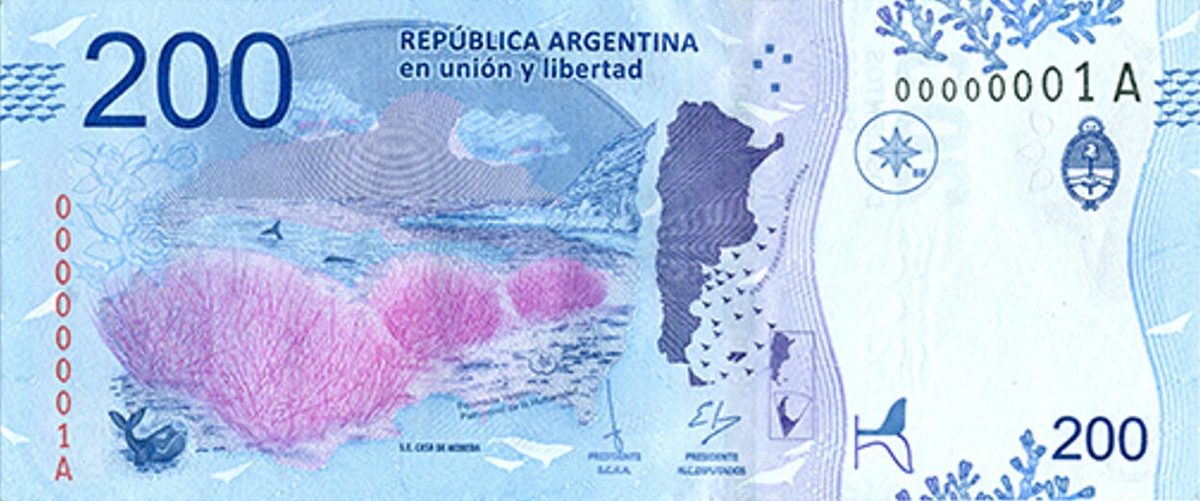
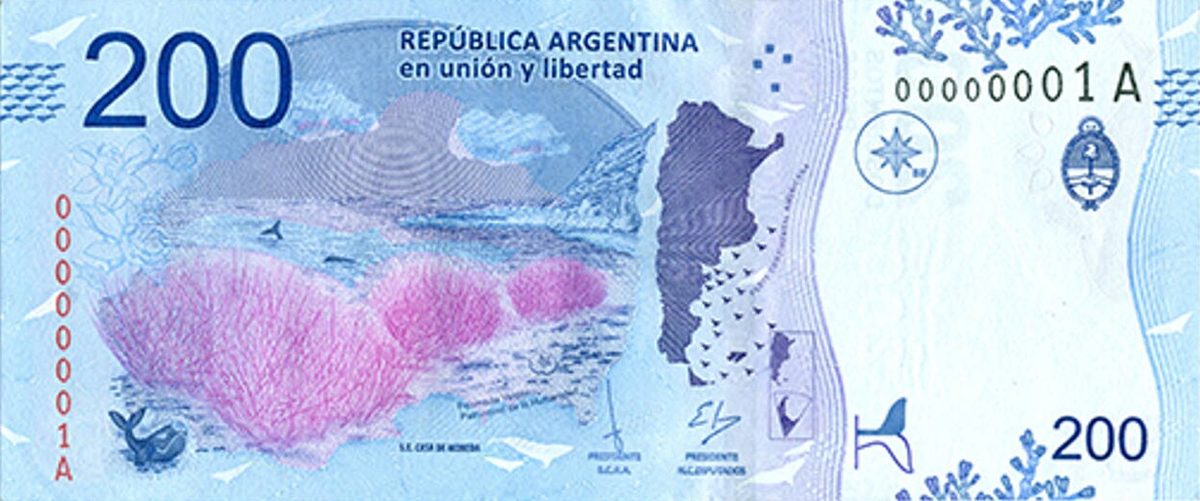
- 200 peso banknote — photo by Casa de Moneda, CC BY-SA 2.0, via Wikimedia Commons.
- Paris Cambio exchange office, Buenos Aires — photo by Banfield, CC BY-SA 2.5 AR, via Wikimedia Commons.
- Calle Florida, Buenos Aires — photo by Gobierno de la Ciudad de Buenos Aires, CC BY 2.5 AR, via Wikimedia Commons.
- Traditional Buenos Aires restaurant facade — photo by Gastón Cuello, CC BY-SA 4.0, via Wikimedia Commons.