Last updated: June 2026 · Written by the Buenos Aires Tourism editorial team
Argentina is a drinking country with a split personality, and nowhere is that clearer than after dark in the capital. On one side sit the Buenos Aires wine bars — quiet, candlelit rooms where someone who knows the difference between a Mendoza Malbec and a Patagonian Pinot pours you a glass and tells you why it matters. On the other is the cerveza artesanal boom: noisy Palermo taprooms with twenty hoses of small-batch IPA and a queue out the door. I love both. This is my honest guide to drinking well in this city, grape and grain.
In short: Buenos Aires wine bars let you taste world-class Argentine wine by the glass for a few dollars a pour, mostly in Palermo and Recoleta, while a parallel craft-beer scene fills the same neighbourhoods with brewpubs and taprooms. Below I name the venues worth your evening, tell you what to order, and hedge the prices — because in this country they move.
Wine or beer? The two halves of a Buenos Aires night out
You do not have to choose, but it helps to know the rhythm. A wine evening here is slow and conversational: you sit, graze on cheese and cured meats, and work through three or four glasses. A craft-beer night is louder and more mobile — a couple of pints at a high table, then on to the next tap house. Both slot into the famously late Buenos Aires clock, where dinner rarely starts before 21:00 and bars only fill toward midnight. For the bigger picture, start with our complete guide to Buenos Aires nightlife, then come back here for the drinks.
Here is the scene at a glance — treat the prices as mid-2026 ballpark, not gospel.
| Venue | Type | Neighbourhood | Known for | Rough price |
|---|---|---|---|---|
| Pain et Vin | Wine bar & bakery | Palermo | Daily tutored tastings, sourdough & cheese | Glass ~US$4–7 |
| Vico Wine Bar | Self-serve wine bar | Palermo | Pour-your-own machines, 80+ wines by the glass | Pours from ~US$2 |
| Lo de Joaquín Alberdi | Wine shop & tastings | Palermo | ~600 labels, back-room tastings | Tasting ~US$15–30 |
| Gran Bar Danzón | Wine bar & restaurant | Recoleta | Deep list, ~20 wines by the glass | Glass ~US$6–12 |
| Buller | Brewpub | Recoleta | House ales, big terrace by the cemetery | Pint ~US$4–6 |
| Antares | Brewpub chain | Palermo (& more) | Honey, Scotch & Barley Wine ales | Pint ~US$4–6 |
| Strange Brewing | Brewery taproom | Colegiales | Rotating sours & IPAs, food trucks | Pint ~US$4–6 |
The wine bars: Malbec country, by the glass
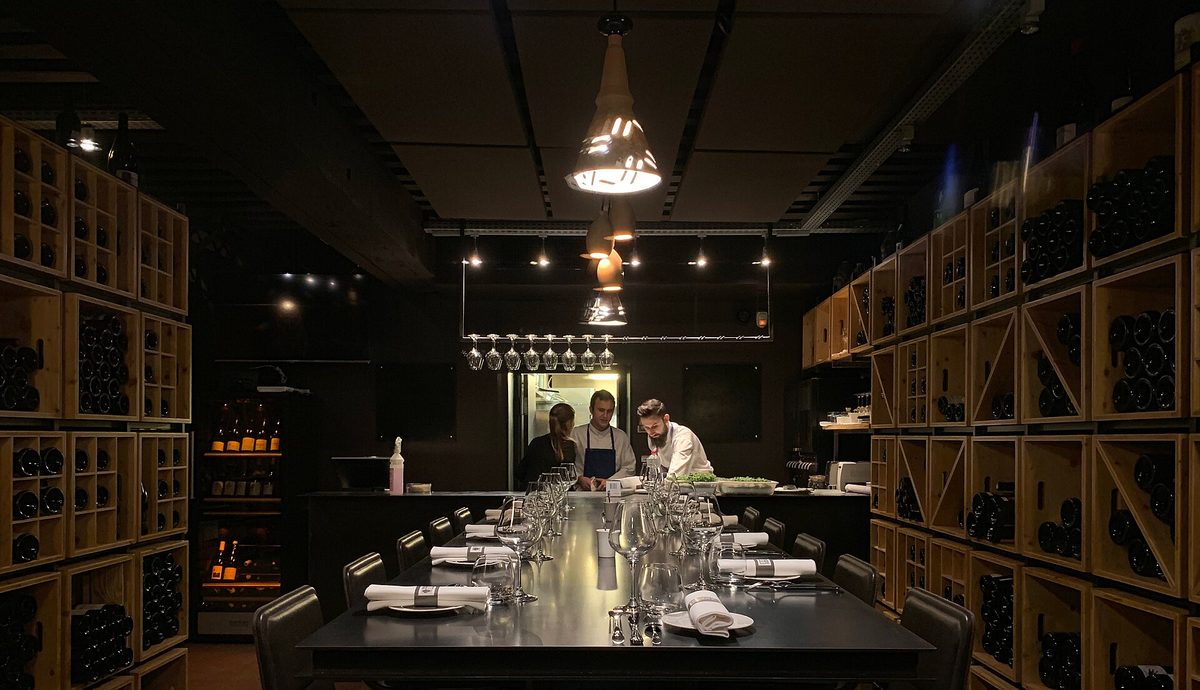
Argentina is the fifth-largest wine producer on earth and Mendoza is its engine room, so the remarkable thing about drinking wine here is not the quality — that is a given — but the value. A glass of genuinely good Malbec costs less than a mediocre one would in London or New York, and the by-the-glass culture means you can taste widely without committing to a bottle. The best Buenos Aires wine bars are not stuffy; they are run by people who want you to enjoy yourself and will happily steer a beginner.
Pain et Vin (Palermo)
My first recommendation for anyone nervous about wine. Pain et Vin is a little Palermo corner run by a baker-and-sommelier couple, open more than a decade, and it does the loveliest thing: an hour-long afternoon tutored tasting where you actually learn what you are drinking. The sourdough is baked in-house, the cheese board generous, and the wines lean toward small, characterful producers over big supermarket labels. Order the daily flight and let them explain the difference between an Uco Valley Cabernet Franc and a high-altitude Malbec.
Vico Wine Bar (Palermo)
Vico was the first in the city to import pour-your-own enomatic machines, and it turns tasting into a choose-your-own-adventure. You load a card, walk the wall of gleaming dispensers — eighty-plus wines, mostly Argentine — and pull yourself a taste, a half-glass or a full glass of whatever catches your eye. It is brilliant for the indecisive and for groups. Line up Malbecs from different regions side by side; the contrast between a plush Lujan de Cuyo and a leaner Uco Valley bottle is the whole lesson in a few sips.
Lo de Joaquín Alberdi (Palermo)
Half wine shop, half clubhouse. Lo de Joaquín Alberdi (locals just say “JA”) is a warm Palermo bottle shop with something like six hundred labels, and the magic happens in the back room, where they run relaxed daily tastings paired with cheese and charcuterie. It feels less like a bar than being invited into a knowledgeable friend’s cellar. Book ahead for the tasting; otherwise browse the shelves and ask for a recommendation.
Gran Bar Danzón (Recoleta)
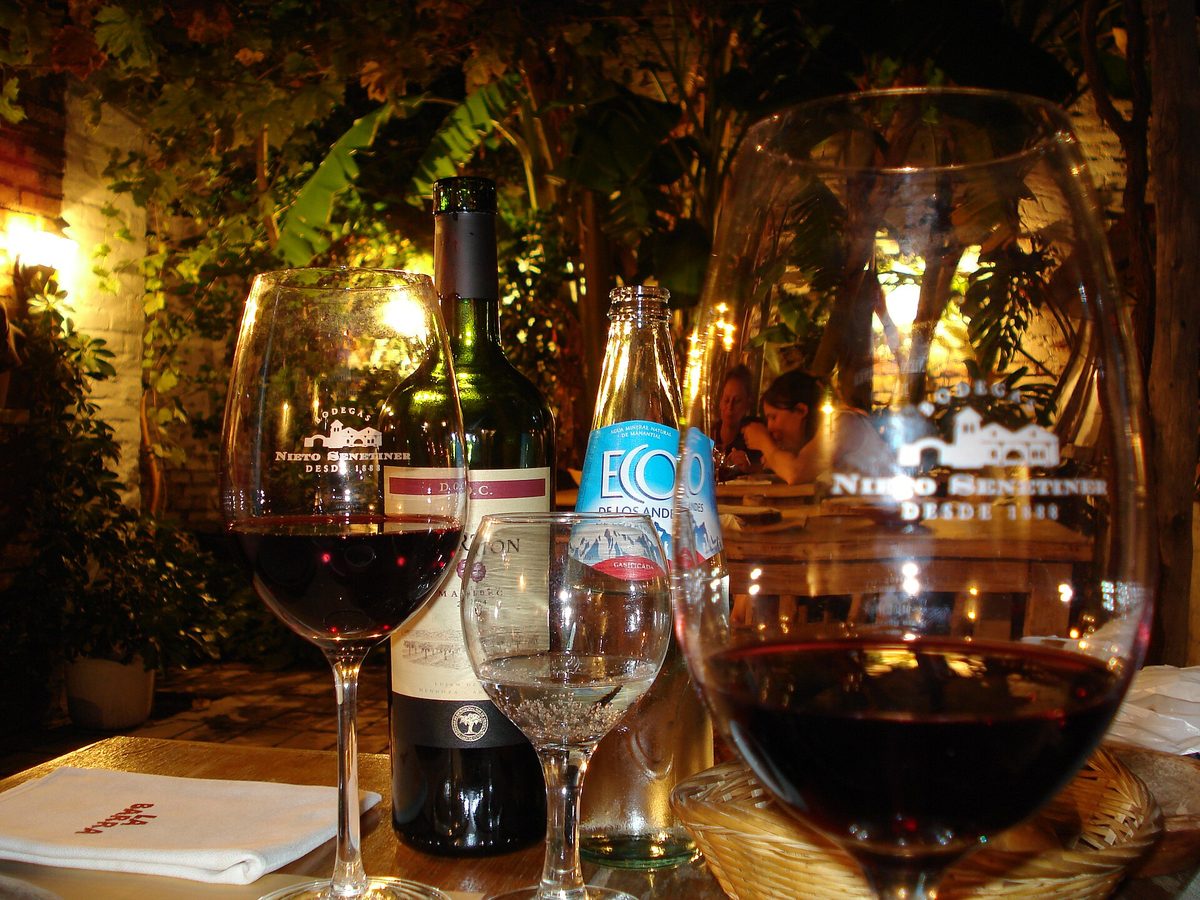
The grown-up of the group. Gran Bar Danzón has been pouring for around twenty-five years, and its list is one of the deepest in the city — old vintages you will struggle to find elsewhere, plus roughly twenty wines by the glass rotated each season. It is equally a restaurant and a cocktail bar, so it suits a proper night out: book a table, eat well, and lean on staff who clearly know the cellar. Pricier than the Palermo spots, but for a special evening it earns the spend.
What to order, grape by grape
Do not just default to a glass of Malbec, tempting as it is. Argentina rewards curiosity:
- Malbec — the national hero. Plush, dark-fruited, sometimes floral; Uco Valley bottles tend to be fresher and more mineral, Lujan de Cuyo richer.
- Cabernet Franc — the connoisseur’s pick right now. Herbal, savoury, structured; the Uco Valley does it beautifully and it is having a real moment.
- Torrontés — Argentina’s signature white, floral and aromatic, at its best from Salta in the far north. A perfect aperitif.
- Patagonian Pinot Noir & Bonarda — go off-piste. Cool-climate Pinot from the south and easygoing Bonarda are both worth a glass.
If the wine bug bites and you want to go deeper, our guide to wine tasting in Buenos Aires covers proper tastings and day trips, and you will want a solid dinner first — see our guide to Argentine food.
Craft beer: the cerveza artesanal boom
Ten years ago, ordering anything but a litre of industrial lager got you a blank look. Today Buenos Aires has one of South America’s liveliest craft-beer scenes, and Palermo packs more brewpubs and taprooms into a few blocks than anywhere outside the beer heartland of Bariloche. The style is young, casual and sociable: communal tables, chalkboards of rotating taps, food trucks outside, and happy-hour deals (roughly 17:00–20:00) that make an early pint cheap. It is the most affordable way to drink through a night out — see our round-up of the best bars in Buenos Aires for the wider scene.
Buller (Recoleta)
One of the originals and still a reliable night. Buller is a Recoleta brewpub right by the cemetery, with a street-side deck, an inner patio and a big rooftop terrace — room for a crowd. The house Golden Ale is the easy crowd-pleaser and the American IPA the one for hops. It is touristy, but the beer is properly made and the location makes it an easy first stop before a longer night.
Antares (Palermo and beyond)
The chain that helped start it all. Antares began as a Mar del Plata microbrewery in the late 1990s and now has bars across the country, including a perennially packed Palermo branch. Their range is broad — a Honey, a Scotch ale, a barley wine, seasonal specials — and reliably consistent. The Palermo spot fills early and stays loud; go for a tasting paddle if you cannot decide.
Patagonia, Strange Brewing & the taproom crawl
Beyond the big names, the fun is in wandering. Patagonia (Bariloche roots, now part of the Quilmes stable) runs a handsome Recoleta beer garden that is lovely on a warm evening. Strange Brewing, over in Colegiales, is a taproom for the more adventurous — communal seating, rotating sours and IPAs, food trucks. Chains like On Tap and Cervelar have branches across the city, so in Palermo or San Telmo you are rarely far from a guest-tap line, and Growlers gives you a sidewalk table to watch the night go by.
What to order at the tap
Argentine craft brewers do hop-forward beers well, so IPAs and APAs are a safe bet. A few pointers:
- Honey ale — an Antares signature and a gentle gateway if hops scare you.
- IPA / APA — the scene’s strength; ask which one is freshest on tap.
- Scotch ale & barley wine — maltier, stronger, good for a cold night.
- Rotating sours — at the more experimental taprooms like Strange, worth a small pour.
- The flight — almost everywhere offers a tasting paddle; the smartest order when you are new in town.
When to go, what it costs, and getting home
The Buenos Aires clock is real and it is late. Wine bars open from the early evening and are at their loveliest around 20:00–22:00, before the dinner rush; craft-beer bars run from late afternoon (catch the happy hour) until well past midnight. Nobody is in a hurry. If you are wine-bar hopping, build it around a late dinner; if you are on a beer crawl, start at happy hour and let it roll.
On money: Argentina lifted most of its currency controls in April 2025, the old “blue dollar” gap has largely closed, and foreign cards are now charged near the official rate — so the outdated advice about hauling a fat wad of cash no longer applies. Cards and contactless work fine almost everywhere. As of mid-2026, reckon on roughly US$2–7 for a glass of wine and US$4–6 for a pint of craft beer (less at happy hour). Inflation keeps prices moving, so check current. For the full picture, see our notes on the blue dollar in Buenos Aires.
Getting home matters because the Subte (metro) stops around 22:00–23:00, long before your night ends. After that it is a taxi or an app — Uber, Cabify and DiDi all run — and they are cheap by international standards. Keep your wits about you walking late, but Palermo and Recoleta are among the city’s more relaxed barrios after dark; our broader Buenos Aires nightlife guide has more on going out safely.
Where to base yourself for the drinking
If wine and beer are your priority, stay in or near Palermo — the undisputed centre of both scenes, where the wine bars, brewpubs and late dinners are all walkable from one another. Our guide to Palermo covers it in full, and the best restaurants in Palermo are right on your doorstep for dinner first. Recoleta is the elegant alternative, handy for Gran Bar Danzón and Buller.
Want a different flavour of night? The same barrios hide the city’s best speakeasy bars and rooftop bars, and our guide to the best areas for nightlife ties the map together.
Frequently asked questions
Are Buenos Aires wine bars expensive?
Not by international standards. Because Argentina makes so much excellent wine, a glass of good Malbec runs roughly US$2–7 as of mid-2026, and even smarter rooms like Gran Bar Danzón stay reasonable. Self-serve spots like Vico let you taste from around US$2 a pour. Inflation moves prices, so treat these as a ballpark.
What wine should I order in Buenos Aires?
Start with Malbec, the national grape, but do not stop there. Ask for a Cabernet Franc from the Uco Valley (the connoisseur’s current favourite), a Torrontés white from Salta as an aperitif, or a cool-climate Patagonian Pinot Noir to go off-piste. Most wine bars pour by the glass, so you can taste several in one sitting.
Where is the best craft beer in Buenos Aires?
Palermo is craft-beer central, with more brewpubs and taprooms per block than anywhere outside Bariloche. Antares and Buller are reliable brewpubs, Strange Brewing in Colegiales suits the adventurous, and chains like On Tap and Cervelar are dotted across the city. Look for the freshest IPA on tap, or order a tasting flight if you are new.
Can I pay by card in bars in Buenos Aires?
Yes. Since Argentina lifted most currency controls in April 2025, foreign cards are charged at close to the official rate and the old blue-dollar cash advantage has largely gone. Cards and contactless work in nearly every wine bar and taproom, so you no longer need a wad of cash for a night out.
When do wine bars and craft-beer bars open?
Wine bars open from the early evening and are loveliest around 20:00–22:00 before the late local dinner; craft-beer bars open from late afternoon, with happy hour usually 17:00–20:00, and run past midnight. Remember nobody eats before 21:00 here, so plan a late dinner around your drinking rather than rushing it.
Final thoughts
The joy of drinking here is that you do not have to pick a side. One night you sink into a candlelit Palermo wine bar and let a sommelier walk you through high-altitude Malbec; the next you are three IPAs deep at a Colegiales taproom with a food truck out front. Both are cheap, both are excellent, and both run on the gloriously late Buenos Aires clock. Pour widely, hedge on the prices, take an Uber home — and you will drink as well here as anywhere on the continent.
Photo credits
- Le Brazier Wine Bar – salle.jpg — Benoît Prieur / CC0 (via Wikimedia Commons)
- Malbec and water.jpg — Ricardo Martins / CC BY 2.0 (via Wikimedia Commons)
- Beer taps (2013)-01.jpg — abruellmann / CC0 (via Wikimedia Commons)
- Palermo – Buenos Aires – Argentina – 2023.jpg — Pedu0303 / CC0 (via Wikimedia Commons)
- O’Haras Irish Red Ale.jpg — Bastun / CC BY-SA 4.0 (via Wikimedia Commons)