The first time Buenos Aires really got under my skin, it was four in the morning and I was eating a choripán on a kerb in Palermo, ears still ringing, watching a queue of beautifully dressed twenty-somethings file into a club I’d assumed was closing. It wasn’t closing. It was barely getting started — my first real lesson in how Buenos Aires nightlife actually works. I’d been in the city three days and I still hadn’t recalibrated to the local clock — the one where dinner is at eleven, the first drink is at one, and the dance floor doesn’t fill until the hour most cities are switching off the lights. That night taught me the single most important thing about going out here: this is a place that treats the night as the main event, not the afterparty.
Buenos Aires nightlife runs later, longer and more varied than almost anywhere else in the Americas. Expect dinner around 10pm, bars filling after midnight, and boliches (nightclubs) that don’t peak until 2–3am and run past sunrise. The scene spans world-ranked cocktail bars, hidden speakeasies, historic cafés, rooftops, milongas and a famously open LGBTQ+ circuit — concentrated in Palermo, San Telmo and beyond.
I’ve spent years coming back to this city and dragging visiting friends through its bars, and the thing I most want you to understand before you arrive is that the late schedule isn’t a cliché or a warning — it’s the whole design. Fight it and you’ll find yourself alone in an empty bar at 9pm wondering what the fuss is about. Lean into it — nap in the afternoon, eat late, pace yourself — and you’ll have some of the best nights of your travelling life. This guide is the honest, opinionated overview I wish someone had handed me: how the night actually flows, where to go for which mood, what to drink, what it costs in 2026, and how to get home in one piece.
This is the hub of our after-dark coverage, so wherever you want to go deeper I’ll point you to a dedicated guide — the full breakdown of the best areas for nightlife in Buenos Aires, our pick of the best bars in Buenos Aires, the city’s speakeasy bars, its best nightclubs and more. And because a great night out sits inside a well-planned trip, it pairs naturally with our guides to things to do in Buenos Aires, the city’s neighbourhoods and a day-by-day Buenos Aires itinerary.
One quick piece of housekeeping. Argentina’s economy moves fast, and 2025 brought a major shake-up to the currency (more on that in the costs section), so treat every price here as a mid-2026 ballpark rather than gospel, and always check a venue’s current hours and whether it still exists before you build your night around it — the scene churns. With that said, let’s go out.

Buenos Aires Nightlife at a Glance
Here’s the whole scene on one screen — the cheat sheet I wish every guide led with. It maps the main kinds of night out against when they actually get going, the rough vibe, and a ballpark per-person spend for 2026. Use it to pick your lane, then dive into the detailed sections below.
| Type of night | When it gets going | Vibe | Rough cost p.p. | Best areas |
|---|---|---|---|---|
| Cocktail & speakeasy bars | 8pm–2am | Design-led, world-class mixology | US$8–14 a drink | Palermo, Retiro, Recoleta |
| Neighbourhood & craft-beer bars | 7pm–late | Casual, local, unpretentious | US$3–5 a pint | Palermo, Villa Crespo, Chacarita |
| Bares notables (historic bars) | From 6pm | Old-world, vermouth & picada | US$4–8 a drink | San Telmo, Centro, Boedo |
| Rooftop & sky bars | 6pm–1am | Sunset views, smart-casual | US$10–18 a drink | Puerto Madero, Centro, Recoleta |
| Boliches (nightclubs) | 2am–7am | High-energy, dress up, late | US$15–30 cover | Palermo, Costanera, Puerto Madero |
| Milongas (social tango) | 10pm–4am | Romantic, all ages, ritualised | US$5–12 entry | San Telmo, Almagro, Palermo |
| Live music & jazz | 8pm–1am | Intimate to euphoric | US$8–20 ticket | Abasto, Palermo, Centro |
| LGBTQ+ clubs & parties | 1am–7am | Inclusive, theatrical, huge | US$10–25 cover | Almagro, Palermo, Recoleta |
If you only take one thing from that table, make it the middle column. The single most common mistake visitors make is showing up three hours too early.
How a Night Actually Unfolds in Buenos Aires
To go out well here, you have to understand the rhythm, because it is genuinely unlike northern Europe or North America. Porteños — as residents of this port city call themselves — run on a clock shifted several hours later, and everything I’m about to recommend assumes you’ve adjusted to it.
It starts in the late afternoon with a slowdown. Not everyone naps, but the city does ease off around 5–7pm, and the smart move is to do the same: rest, shower, and resist the urge to eat. Around 8pm you might have a vermut — vermouth over ice with a few snacks — which has roared back into fashion as the civilised way to open an evening. Dinner itself rarely happens before 9pm and, on weekends, often slides to 10 or 11pm. If you book a table for 8pm you’ll likely have the restaurant to yourself, which sounds romantic until you realise the kitchen is still waking up.
From roughly 11pm to 2am is bar time — the cocktail dens, the speakeasies, the wine and beer bars all hit their stride. This, for many travellers, is the sweet spot and a perfectly complete night on its own. But if you want the full experience, the boliche (nightclub) is the third act, and it does not get going until about 2am. Turn up at a big Palermo club at midnight and you’ll be dancing alone under the gaze of bored security. Turn up at 2:30am and it’s transformed. Clubs routinely run until 6 or 7am, and the truest BA night ends with the sky already lightening, a coffee or a choripán from a street cart, and the strange clarity of walking home as the city’s bakers are opening up.
You do not have to do all of it. I rarely do the full marathon anymore. But knowing the shape of the night — siesta, late dinner, bars after eleven, clubs after two, breakfast at dawn — lets you choose your own ending instead of crashing out at the exact moment things get good.
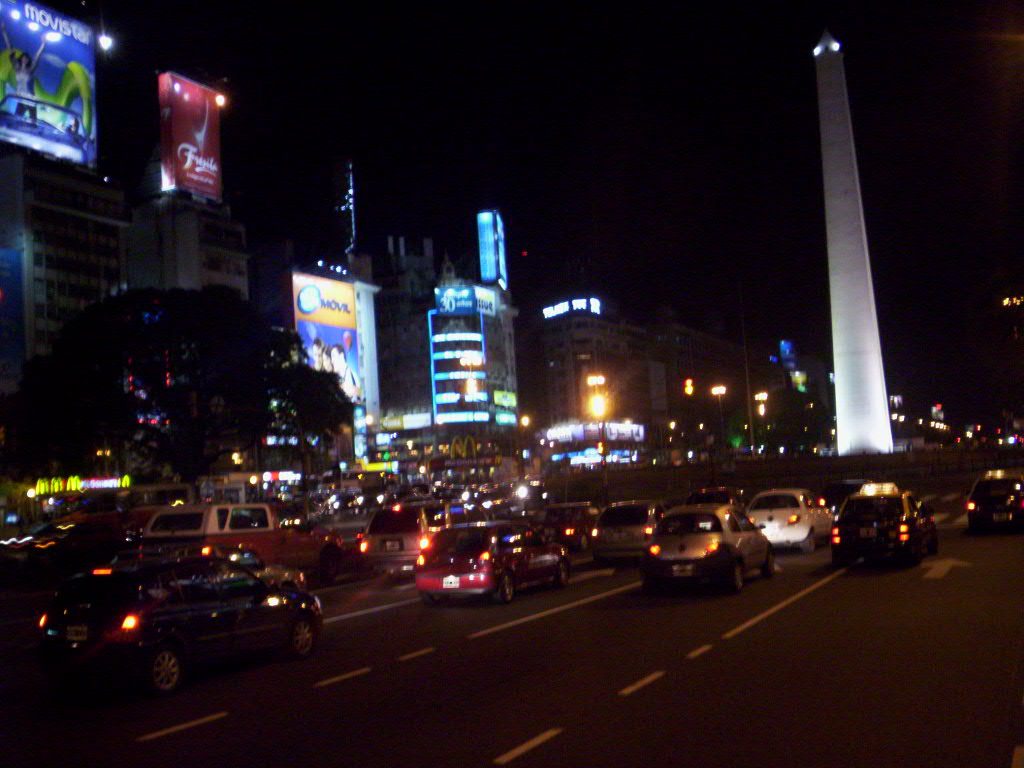
Where to Go Out: The Best Neighbourhoods for Nightlife
Buenos Aires doesn’t have one nightlife district; it has a handful of distinct ones, each with its own tempo and crowd. Knowing the difference is what separates a good night from a frustrating cab-hopping one. Here’s how I’d brief a friend, neighbourhood by neighbourhood — and for the full street-by-street version, see our guide to the best areas for nightlife in Buenos Aires.
Palermo: the engine room
If you do one night out in Buenos Aires, do it in Palermo. This sprawling barrio is the undisputed centre of gravity, and it splits into two moods. Palermo Soho, around the bar-ringed Plaza Serrano, is the polished, design-conscious heart — cocktail bars, restaurants and a permanent low roar of people deciding where to go next. Palermo Hollywood, across the railway tracks, leans a touch later and clubbier, with bigger venues and the original wave of speakeasies. You can have an entire trip’s worth of nights here without repeating yourself, and most visitors base themselves nearby for exactly that reason — see our take on which barrio to sleep in.

San Telmo: where the night begins
Old, cobbled and atmospheric, San Telmo is my favourite place to start a night — a vermut in a 19th-century corner bar, a milonga warming up, the smell of grilled meat drifting out of a bodegón. It’s more bohemian and less polished than Palermo, heavier on history and tango than on thumping clubs, and all the better for it if you want texture over gloss. Many people drift from a San Telmo dinner toward a Palermo nightcap, and that arc — old city to new — is a lovely way to spend an evening.

Villa Crespo & Chacarita: the cooler edges
As Palermo has polished up and priced up, the genuinely interesting overflow has moved to its borders. Villa Crespo, just southwest, has craft-beer taprooms, wine bars and a less touristy crowd. Chacarita, to the north, has quietly become the city’s hipster darling — natural-wine spots, tiny cocktail bars and a self-consciously local scene. If Palermo starts to feel like a theme park, these two are where the people who live here actually go.
Puerto Madero & the Costanera: glossy and big
The redeveloped docklands of Puerto Madero are where you’ll find the high-gloss, dress-to-impress end of the scene — restaurant-clubs and rooftop bars with river views and bottle service. Further along the riverfront, the open-air mega-clubs of the Costanera Norte draw thousands for big electronic nights, though — crucially for a June visit — many of these are seasonal and largely shut over the southern-hemisphere winter. The area is also isolated, so always arrange a ride rather than wandering for a cab.
Recoleta & the Centro: elegant and after-hours
Posh Recoleta trades in elegant hotel bars and a couple of the city’s grandest cocktail rooms rather than sweaty dance floors. Downtown, the neon theatre marquees of Avenida Corrientes — “the street that never sleeps” — keep pizzerias, cafés and bookshops humming past midnight, a more low-key, very porteño kind of late night. Neither is a club district, but both reward a wander.
The Cocktail & Speakeasy Scene: World-Class and Hidden in Plain Sight
Here’s the fact that surprises first-time visitors: Buenos Aires is one of the great cocktail cities on earth, full stop. In the 2025 edition of The World’s 50 Best Bars — the industry’s most-watched ranking — two porteño bars made the global top 50, led by Tres Monos at number 10, its highest placing ever, with CoChinChina close behind at 26. The much-garlanded Florería Atlántico sits just outside on the extended list. For a city at the bottom of South America, that is a staggering concentration of talent, and it filters all the way down to the corner bar.
I’d start a serious cocktail night with the heavyweights. Florería Atlántico (Arroyo 872, in Retiro) is the city’s most iconic bar and the easiest “wow” for a first-timer: you walk through a working flower-and-wine shop, open what looks like a refrigerator door, and descend into a dim, nautical-themed cellar where the menu riffs on the waves of immigrants who built Argentina. It’s run by Renato “Tato” Giovannoni, a genuine ambassador for the local scene. Tres Monos (on the corner of Guatemala and Thames in Palermo) is the opposite energy — punk, pink-neon, loud, no reservations, world-class drinks at fair prices, and a mission to train bartenders from underserved neighbourhoods. CoChinChina brings a theatrical France-meets-Vietnam journey under bar legend Inés de los Santos. Presidente, in Recoleta, does polished classics in a grand room.
How the speakeasies actually work
The hidden-bar thing here is not a gimmick bolted on for tourists; it grew out of a real cocktail revival that kicked off around 2010, and there are now well over a dozen worth hunting down. The fun is in the entry ritual, so here’s how a few of the classics work — though the exact passwords and tricks change, so treat this as the spirit of the thing rather than a guarantee. For the complete rundown, see our guide to Buenos Aires speakeasy bars.
- Frank’s (Palermo Hollywood) is the original — arguably the bar that started the whole revival. You find the night’s code, step into a vintage telephone booth, and dial it to unlock the door. Worth the theatre.
- The Harrison Speakeasy hides beneath the Nicky NY Sushi restaurant in Palermo; the long-running move is to ask, with a straight face, to “see the wine cellar.” It’s intimate and a genuinely tough door.
- Uptown (Palermo) is an uncanny, detail-obsessed recreation of a New York subway station — turnstiles, graffiti, a train car — and one of the most reservation-hungry rooms in the city. Book ahead.
- Bar 878 (Thames 878, on the Villa Crespo edge of Palermo) is the laid-back elder statesman — an unmarked door, a deep whisky list, and the most welcoming underground vibe in town.
- Verne Club leans into a Jules Verne fantasy with absinthe and leather, while Victoria Brown hides a gorgeous bar behind a coffee shop. Both are reliable, atmospheric nights.
A practical note: the best of these take reservations and fill up on weekends, so if there’s one you have your heart set on, book it earlier in the day. And don’t sleep on the simpler neighbourhood cocktail bars and craft-beer spots in Villa Crespo and Chacarita — some of my favourite drinks in the city have come from unshowy places with no theme at all.
Bares Notables: Drinking in the City’s History
At the other end of the spectrum from the speakeasies are the bares notables — a protected category of historic cafés and bars the city has formally recognised for their architectural and cultural value. These are not nightlife in the dance-till-dawn sense, but an early-evening drink in one is one of the most quietly magical things you can do here, and a perfect way to begin a night.
El Federal, on a San Telmo corner, is the postcard version — a soaring carved-wood bar, tiled floors, a vermut and a picada board of cheese and salami. Los Galgos, a 1930s classic downtown, was lovingly revived and now pairs the old bones with a serious modern drinks-and-food menu. La Poesía in San Telmo and the musicians’ haunt Bar de Rodney are others I send people to. The drink to order is a vermut — the vermouth ritual is older than the cocktail boom and, to my mind, more romantic. Pair this with our roundup of the city’s grand cafés notables for the daytime version of the same magic.
Boliches: Nightclubs and the Seven-Day Party Calendar
If you want to dance, you want a boliche — the local word for a nightclub, and a word you’ll need when asking directions. The scene is broad: thumping techno temples, reggaeton and Latin-pop rooms, burlesque-tinged parties, and itinerant “fiestas” that change venue weekly. A few anchors are worth knowing, and I’ve laid out a rough what’s-on-which-night below — though party nights move around, so always confirm on the venue’s Instagram before committing. Our dedicated guide to the best nightclubs in Buenos Aires goes deeper on each.
Niceto Club in Palermo is the institution — two decades of credibility, an eclectic booking policy, and home to the long-running Thursday Club 69, a riotous drag-and-burlesque party. It has also hosted Bresh, the joyful, confetti-strewn pop party that started in Buenos Aires and has since gone global. Crobar, by the Palermo parks, reopened in 2025 with an upgraded sound system and remains the go-to for big-room house and techno. Bahrein, in a former downtown bank, runs techno in its basement “Funky Room.” Cocoliche is the grungier underground techno pick, and Kika in Palermo draws a young, international crowd, especially for its midweek parties.
| Night | The classic move | Where |
|---|---|---|
| Monday | La Bomba del Tiempo percussion show, then drinks | Ciudad Cultural Konex, Abasto |
| Tuesday | Queer-friendly milonga, or a young-crowd club night in Palermo | San Telmo / Palermo |
| Wednesday | Midweek warm-up parties get going in Palermo | Palermo |
| Thursday | Club 69 at Niceto — drag, burlesque, the works | Niceto, Palermo |
| Friday | Techno at Bahrein or Crobar; the big night begins | Centro / Palermo |
| Saturday | Peak night everywhere; clubs run till 7am | Palermo, Costanera, Puerto Madero |
| Sunday | Amerika for the city’s biggest LGBTQ+ party | Almagro |
Two honest caveats. First, the Costanera Norte mega-clubs along the river — the big open-air electronic venues — are largely a warm-weather affair and many close or scale back in the June–August winter, so don’t build a winter trip around them. Second, the famous “fiestas” like Bresh are events, not addresses; they pop up at different venues, so a quick Instagram check is the difference between a legendary night and a locked door.

Rooftop and Sky Bars: Drinks With a View
For something more civilised — and a brilliant way to bridge late afternoon into evening — Buenos Aires has quietly built a strong roster of rooftop bars. Sunset here is the golden hour, so aim to arrive an hour before and watch the light go. A few I rate, with the usual caveat to check current hours:
- Trade Sky Bar (Avenida Corrientes 222, up on the 19th–21st floors of the old Comega building) has knockout views toward the river and Puerto Madero and tends to stay open late, often to around 2am.
- Crystal Bar, on the 32nd floor of the Alvear Icon tower in Puerto Madero, is the highest of the lot — on a clear day you can pick out Uruguay across the Río de la Plata.
- Salón 1923, near the top of the landmark Palacio Barolo, charges a modest reservation fee that converts to food-and-drink credit and rewards you with a sunset over Congreso.
- Alvear Roof Bar in Recoleta is the grande-dame choice — eleven floors up, panoramic and properly elegant; reserve.
For the full list, including the Puerto Madero towers and the Palermo hotel rooftops, see our guide to Buenos Aires rooftop bars.
Live Music, Jazz and La Bomba del Tiempo
Some of my most memorable nights here had nothing to do with cocktails. Buenos Aires is a serious live-music city, and the gateway ritual for most visitors is La Bomba del Tiempo — a thunderous, improvised percussion show held most Monday evenings at the Ciudad Cultural Konex in Abasto. It starts relatively early (around 7–8pm), turns into a sweaty open-air dance party, and is the single best way to kick off a week in the city. Buy a ticket in advance for the popular dates.

Beyond it, the Bebop Club in Palermo is the address for proper jazz, while smaller rooms like El Emergente host indie and emerging acts. You’ll also stumble onto live cumbia, rock nacional and electronic line-ups across the city on any given night. For the full picture — venues, listings and how to find what’s on — see our guide to Buenos Aires live music, and weave a show into your wider list of things to do in Buenos Aires.
Tango After Dark: Milongas Versus Dinner Shows
You cannot talk about Buenos Aires nightlife without tango, but here’s the distinction that matters. The polished dinner shows — professional dancers, a fixed menu, a stage — are a genuine spectacle and a fine night if that’s what you want, but they are performances put on for visitors. The milonga is the real thing: a social dance where porteños of every age come to actually dance with each other, often until 3 or 4am, governed by its own subtle etiquette of glances and nods.

You do not have to dance to enjoy a milonga — sitting at the edge with a glass of wine, watching couples who have clearly been doing this for forty years, is one of the most quietly moving nights out the city offers. Beginner-friendly spots like the bohemian La Catedral in Almagro welcome newcomers and often run a class before the dancing; Maldita Milonga in San Telmo pairs a live orquesta with an inclusive crowd. If tango is high on your list, go deep with our full guide to tango in Buenos Aires, our pick of the best tango shows, and a proper primer on the milonga itself.
LGBTQ+ Nightlife: One of the Continent’s Most Open Scenes
Buenos Aires is, by a wide margin, one of the most LGBTQ+-friendly cities in Latin America — Argentina legalised same-sex marriage back in 2010 and the culture is genuinely relaxed — and the nightlife reflects that. There isn’t a single “gayborhood”; the scene is woven through Palermo, Recoleta, San Telmo and Almagro, and many of the best parties draw a thoroughly mixed crowd.
The anchor is Amerika in Almagro, the city’s biggest gay club, a multi-floor institution that goes enormous on weekends and Sundays. Peuteo in Palermo Soho is the fun, drag-forward video bar for an earlier, lower-key start, and Casa Brandón is a beloved LGBTQ+ arts-and-culture space with a bar. Beyond the fixed venues, roving queer parties pop up across the city — the kind of thing best tracked on Instagram the week you’re in town. Our guide to Buenos Aires gay bars has the full, current map.
What to Drink: Fernet, Vermut, Malbec and Craft Beer
Ordering like a local is half the fun, and Buenos Aires has a handful of signature pours worth knowing. Get these right and you’ll blend straight in.

The national drink, full stop, is Fernet con Coca — the bitter, medicinal Italian amaro Fernet Branca poured over ice and topped with Coca-Cola. It is an acquired taste that Argentines acquire early and defend fiercely; order one and you’ve signalled you’re here to play. Vermut (vermouth), served on the rocks with a snack, is the elegant aperitivo making a huge comeback in the historic bars. And of course there’s the wine.
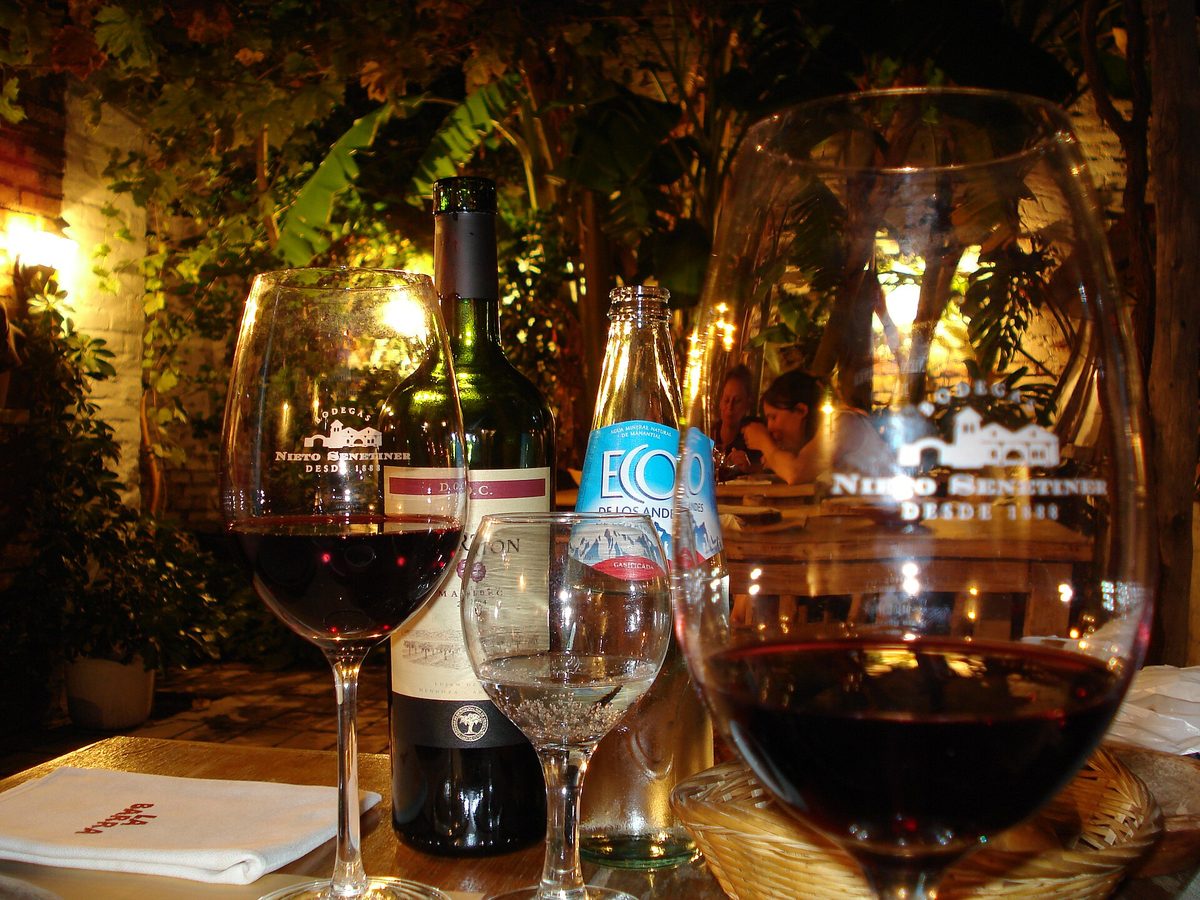
Argentine Malbec needs no introduction, but the wine-bar scene here goes far beyond it — natural wines, Patagonian pinots, high-altitude torrontés — and a night spent grazing through them is a joy. Our guide to Buenos Aires wine bars covers the best rooms, and if you want to learn as you drink, our wine tasting guide points you to proper tastings.

Finally, don’t overlook the craft-beer boom. Argentine cerveza artesanal — pioneered by breweries like Antares — has exploded over the last decade, and Villa Crespo and Palermo are full of taprooms pouring local IPAs and stouts at very fair prices. After a week of Malbec and Fernet, an ice-cold pint can feel like a small mercy. To turn the drinking into eating, pair any of this with our guides to Buenos Aires restaurants and the unmissable best steak in Buenos Aires, or a behind-closed-doors puerta cerrada supper before you go out.
What a Night Out Costs in 2026
This is the question every other guide dodges, so let me give you real numbers — with the loud caveat that Argentina’s prices move fast and you should treat these as a mid-2026 snapshot, not a fixed menu. The good news: even after years of inflation, a night out here is still better value than in most major Western cities.
As a rough guide, expect to pay around US$3–5 for a pint of craft beer in a neighbourhood bar (less in happy hour, which usually runs early evening, roughly 6–8pm), US$8–14 for a cocktail at a good bar, and more at the world-ranked rooms. Club covers (entrada) swing wildly — many bars and speakeasies have none, while a big-name boliche or a marquee party can run US$15–30, often cheaper if you get on the guest list or buy ahead online. A full night — dinner, a few drinks, a club — can be done comfortably on US$50–80, or stretched a lot further if you stick to bars.
The currency situation, briefly
If you’ve read older travel blogs, you’ll have seen breathless advice about the “blue dollar” — the informal exchange rate that, for years, paid far more pesos than the official one and made carrying US cash essential. That advice is now largely out of date. After the government lifted most currency controls in April 2025, the various rates — official, MEP and the old blue — have converged, sitting within a narrow band of one another (very roughly 1,400–1,460 pesos to the US dollar as of mid-2026, though this number will have moved by the time you read it). In practice that means paying by card is no longer the rip-off it once was, and the frantic hunt for a cueva to change cash has eased considerably. Still, things change quickly here, so check the current rate before you travel and carry some small-denomination pesos for cabs and covers. Our full guide to Buenos Aires travel costs keeps the money picture up to date, and our travel tips cover cards versus cash in more detail.
Staying Safe and Getting Home
Buenos Aires is, for a city of its size, reasonably safe at night, and I’ve spent countless small-hours walks here without incident — but it’s a big city and the usual street smarts apply, doubly so when you’re a few drinks in. The risk you should actually plan around is petty theft, not violence: phone-snatching and pickpocketing are the real nuisances. Keep your phone off the table, don’t flash a fat wallet, and stick to busy, well-lit streets in the nightlife barrios — Palermo, Recoleta, Puerto Madero and the busier parts of San Telmo are all comfortable late.
The genuinely important practical point is how you get home. The Subte (the metro) is no help — it stops running around 10–11pm, long before your night ends. So your options after that are taxis and ride-hailing. The black-and-yellow street taxis are generally fine if they’re official, but most travellers I know default to apps — Cabify, Uber and DiDi all operate in the city — because the price is fixed up front, the route is tracked, and there’s no fumbling with cash or worrying about the meter. It’s also worth knowing the old counterfeit-note trick, where a dishonest cabbie swaps your real bill for a fake and hands it back claiming it won’t do; paying by app neatly sidesteps the whole game. For the seasonal Costanera clubs by the river, never plan to find a cab on the street out there — that area is isolated, so book your ride. Our full guide to getting around Buenos Aires has the details on apps, the SUBE card and night transport.
Dress Code, Reservations and Other Practical Tips
A few last things I’d tell a friend before they head out. On dress code: there’s no single rule, but porteños dress well, and “smart-casual” is the safe default. A bodegón or a craft-beer bar won’t care what you wear; an upscale Palermo cocktail bar, a Puerto Madero club or a Costanera mega-venue absolutely will, and a door can turn you away for shorts and flip-flops. When in doubt, dress up a notch.
- Book the bars you care about. The marquee speakeasies and cocktail rooms take reservations and fill on weekends — a same-day booking is often all you need, but don’t just turn up at 1am and hope.
- Pace yourself and eat late. The night is long. Argentines often have a previa (a pre-party gathering at someone’s flat) before heading out, which is partly social and partly a way to survive until 3am.
- Mind the seasons. If you’re here in the June–August winter, lean into indoor Palermo and San Telmo; the open-air Costanera clubs are a summer thing. Our guide to the best time of year to visit breaks down the seasonal scene.
- Going out alone is fine. This is a sociable, welcoming city, and solo travellers do well here — see our Buenos Aires solo travel guide for going-out advice when you’re flying solo.
Buenos Aires Nightlife FAQ
What time does nightlife start in Buenos Aires?
Later than you think. Dinner is typically 9–11pm, bars fill from around 11pm to midnight, and nightclubs (boliches) don’t get busy until about 2am, running until 6 or 7am. If you arrive at a club at midnight it’ll feel empty. The trick is to nap in the afternoon, eat late, and pace yourself.
Is Buenos Aires safe at night?
Generally yes, with normal big-city caution. The realistic risk is petty theft — phone-snatching and pickpocketing — rather than violence. Stick to busy, well-lit nightlife areas like Palermo, Recoleta and Puerto Madero, keep your phone and valuables discreet, and book a ride home rather than walking long distances alone in the small hours.
What is the best neighbourhood for nightlife in Buenos Aires?
Palermo, without much argument — it has the highest concentration of bars and clubs, split between polished Palermo Soho and clubbier Palermo Hollywood. San Telmo is best for an atmospheric, tango-flavoured start; Villa Crespo and Chacarita for a cooler, more local scene; and Puerto Madero for glossy, upscale venues.
What is a boliche?
It’s the Argentine word for a nightclub — the place you go to dance, as opposed to a bar where you go to drink and talk. Boliches open late and close at dawn. It’s a useful word to know when asking locals for directions, since “nightclub” won’t always land.
How much does a night out cost in Buenos Aires?
As a mid-2026 guide: roughly US$3–5 for a craft beer, US$8–14 for a cocktail, and US$15–30 for a club cover (many bars have none). A full night of dinner, drinks and a club runs about US$50–80. Prices move fast with inflation, so confirm current rates when you arrive.
Do I need cash, and what about the blue dollar?
Less than you used to. Since currency controls were lifted in April 2025, the official, MEP and “blue” exchange rates have largely converged, so paying by card is no longer a bad deal. Still, carry some small-denomination pesos for taxis and club covers, and check the current rate before you travel.
How do the speakeasies work — do I need a password?
Some, yes. The fun of bars like Frank’s is the entry ritual — finding a code and dialling it in a phone booth, or asking to “see the wine cellar” at The Harrison. The mechanics change, and the best rooms take reservations and fill on weekends, so book ahead and treat the secrecy as theatre.
Is there a dress code for bars and clubs?
No universal rule, but porteños dress well. Casual is fine for neighbourhood bars, bodegones and craft-beer spots. Upscale Palermo cocktail bars, Puerto Madero restaurant-clubs and the Costanera mega-clubs expect smart-casual and may turn away shorts or flip-flops at the door. When unsure, dress up a notch.
Does the Subte run late at night?
No — the metro stops around 10–11pm, well before the night peaks, so don’t count on it to get home. After that you’ll want a taxi or a ride-hailing app. Cabify, Uber and DiDi all operate in Buenos Aires and are popular for their fixed, upfront pricing.
What should I drink in Buenos Aires?
To blend in, order a Fernet con Coca — bitter Italian amaro with Coca-Cola, the unofficial national drink. Beyond that, the obvious move is Argentine Malbec and other local wines, a vermut in a historic bar, or an Argentine craft beer. The cocktail scene is world-class, so splurge on at least one proper cocktail bar.
Can you really go out every night of the week?
Yes. Monday has the famous La Bomba del Tiempo percussion show; midweek brings queer-friendly milongas and young-crowd club nights; Thursday is Club 69 at Niceto; Friday and Saturday are the big club nights; and Sunday has the huge Amerika party. The city genuinely never gives the night a day off.
What’s the best nightclub in Buenos Aires?
It depends on your music. Niceto Club is the all-rounder institution and home to Club 69; Crobar (reopened 2025) is the pick for big-room house and techno; Bahrein and Cocoliche are for underground techno; and Kika draws a young international crowd. The roving Bresh party is the buzziest ticket — check its Instagram for the venue.
Final Thoughts
Here’s what I most want you to take away: Buenos Aires rewards travellers who surrender to its clock. The city isn’t trying to inconvenience you with its late dinners and 3am dance floors — it’s offering you a different relationship with the night, one where there’s no rush and no last call breathing down your neck. Have the vermut in the old bar, the cocktail in the hidden one, the long dinner, the milonga you only meant to watch, and then, if you’ve got it in you, the club that doesn’t fill until the hour you’d normally be asleep. Pace yourself, eat late, book the ride home, and let the night run as long as it wants to. Do that, and you’ll understand why so many of us keep coming back — and why “just one more night” is the most dangerous sentence in this city. When you’re ready to build the rest of the trip around it, our guides to things to do, the city’s neighbourhoods and a day-by-day itinerary are the natural next stops.
Photo Credits
Every image is used under its respective Creative Commons or public-domain license, sourced from Wikimedia Commons:
- The Puerto Madero waterfront and Buenos Aires skyline lit up at night. Photo by Luis Argerich, CC BY 2.0 — via Wikimedia Commons.
- The Obelisco and Avenida 9 de Julio at night. Photo by Banfield, public domain (CC0) — via Wikimedia Commons.
- A leafy Palermo avenue, the heart of the city’s bar scene. Photo by Roberto Fiadone, CC BY-SA 4.0 — via Wikimedia Commons.
- A cobbled San Telmo street at night. Photo by Beatrice Murch (blmurch), CC BY 2.0 — via Wikimedia Commons.
- The theatre marquees of Avenida Corrientes at night. Photo by GCBA, CC BY 2.5 AR — via Wikimedia Commons.
- Ciudad Cultural Konex, home of La Bomba del Tiempo. Photo by Ctangir, CC BY-SA 4.0 — via Wikimedia Commons.
- Dancers at a Buenos Aires milonga. Photo by Jorge Royan, CC BY-SA 3.0 — via Wikimedia Commons.
- Spirits including Fernet Branca, base of the Fernet con Coca. Photo by Fernando Carrizo, CC BY 2.0 — via Wikimedia Commons.
- Glasses of Argentine red wine on a candlelit table. Photo by Ricardo Martins, CC BY 2.0 — via Wikimedia Commons.
- Bottles of Antares, a pioneering Argentine craft beer. Photo by Dangelin5, CC BY-SA 3.0 — via Wikimedia Commons.
1 comment