Last updated: June 2026 · Written by the Buenos Aires Tourism editorial team
I have spent more sweaty, joyful, ears-ringing nights in this city’s clubs and concert halls than I can count, and I still get a small thrill every time the lights drop. This is a town that takes its music seriously — it practically invented its own rock canon — and the venues stay packed long after most cities have gone to bed.
Buenos Aires live music runs the full spectrum: thunderous rock nacional in sweaty mid-size clubs, intimate jazz rooms where the piano is a few feet from your table, a Monday-night drumming ritual that has become an institution, and big arenas where the global tours land. Below is my honest, opinionated guide to where to go, by genre and by room size, plus when to show up (late) and how to actually get in.
Why Buenos Aires live music runs so deep
Argentina gave the Spanish-speaking world its own rock movement — rock nacional — and you feel that legacy everywhere. From Almendra and Manal in the early 1970s, through Charly García, Luis Alberto Spinetta and Seru Giran, to the neighbourhood roar of Los Redondos and La Renga in the 1990s, this city has been fertile ground for bands for half a century. That history matters because it built the infrastructure: a dense web of clubs, cultural centres and theatres that still gives new artists somewhere to start and gives visitors an almost nightly choice of something worth seeing.
What I love most is the range. On a single week you could catch a 17-piece tango orchestra tearing the roof off a converted garage, a touring indie band in a 400-capacity room, a piano trio in a candlelit jazz bar, and a stadium pop show — all in the same square mile or two. Most of the action clusters in Palermo, Colegiales, Chacarita and San Telmo, which keeps things walkable between an early dinner and a late show. For the wider after-dark picture, see our full guide to nightlife in Buenos Aires.
The scene at a glance
Here is a quick cheat sheet to the rooms I send people to most often. Capacities and exact details shift, so treat this as a starting point and always check the venue’s own listings before you go.
| Venue | Genre | Neighbourhood | Known for |
|---|---|---|---|
| Niceto Club | Rock / indie / club nights | Palermo | Mid-size gigs + the legendary Club 69 party |
| La Trastienda | Rock, world, funk, jazz | San Telmo / Montserrat | Classic café-concert, seated or standing |
| Teatro Vorterix | Rock / metal / touring acts | Colegiales | ~1,500-cap theatre run by a radio brand |
| Bebop Club | Jazz, soul, tango, folklore | Palermo | Polished room, grand piano, daily shows |
| Thelonious Club | Jazz | Palermo | Dim, intimate, serious local players |
| CAFF | Tango / orquesta típica | Chacarita | Fierce modern tango in a club setting |
| La Bomba de Tiempo | Percussion | Once / Abasto (Konex) | Monday-night improvised drum party |
| Luna Park | Everything (arena) | San Nicolás | Historic ~8,000-cap downtown arena |
| Movistar Arena | Big tours / pop / rock | Villa Crespo | The modern indoor arena for major shows |
| Estadio Obras | Rock / metal | Núñez | “The temple of rock” |
Rock and indie: from sweaty clubs to the temple
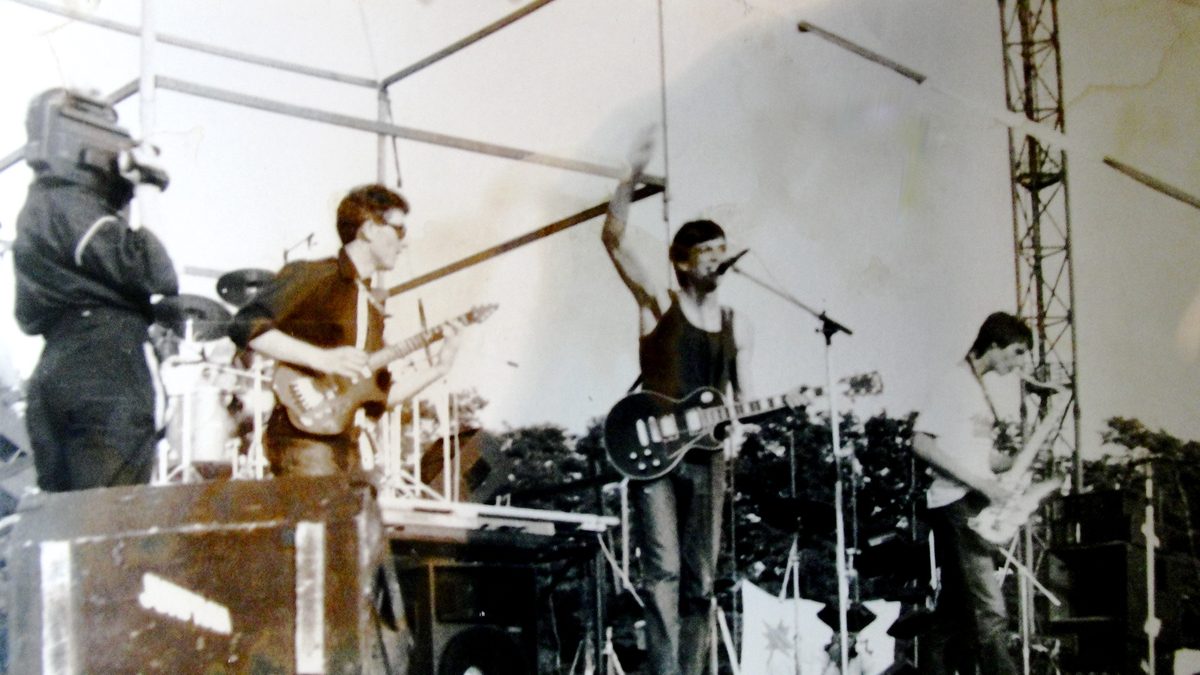
If you want to feel the city’s rock heart beating, start with the mid-size clubs. Niceto Club in Palermo is the one I name first — it has been central to the scene for decades, hosting touring indie and rock acts and, on certain nights, the gloriously chaotic Club 69 party. The room is dark, the sound is loud, and the crowd actually moves. A short ride away in Colegiales, Teatro Vorterix is a roughly 1,500-capacity theatre attached to the Vorterix rock-radio brand; it pulls in a steady stream of national and international bands and is one of the most reliable places to catch a proper rock or metal gig.
Down in the San Telmo/Montserrat borderlands sits La Trastienda, open since 1993 inside a handsome late-19th-century building. It is a classic café-concert: seated tables for some shows, standing for others, with a programme that swings between rock, funk, world music and jazz. For smaller, scrappier discoveries, keep an eye on rooms like Uniclub and El Emergente, where emerging local bands cut their teeth — exactly the kind of low-key night that pairs well with a crawl through the city’s best bars afterwards.
And then there are the temples. Estadio Obras in Núñez, opened in 1978, has hosted so much rock over the decades — Spinetta, Charly, Los Redondos, the Ramones, Deep Purple — that locals simply call it el templo del rock. With a concert capacity around 4,700 it is bigger than a club but still feels like a gig rather than a spectacle. To understand which barrios all this lives in, our rundown of the best areas for nightlife in Buenos Aires is a useful companion.
Jazz: the best live music venues in Buenos Aires for an intimate night
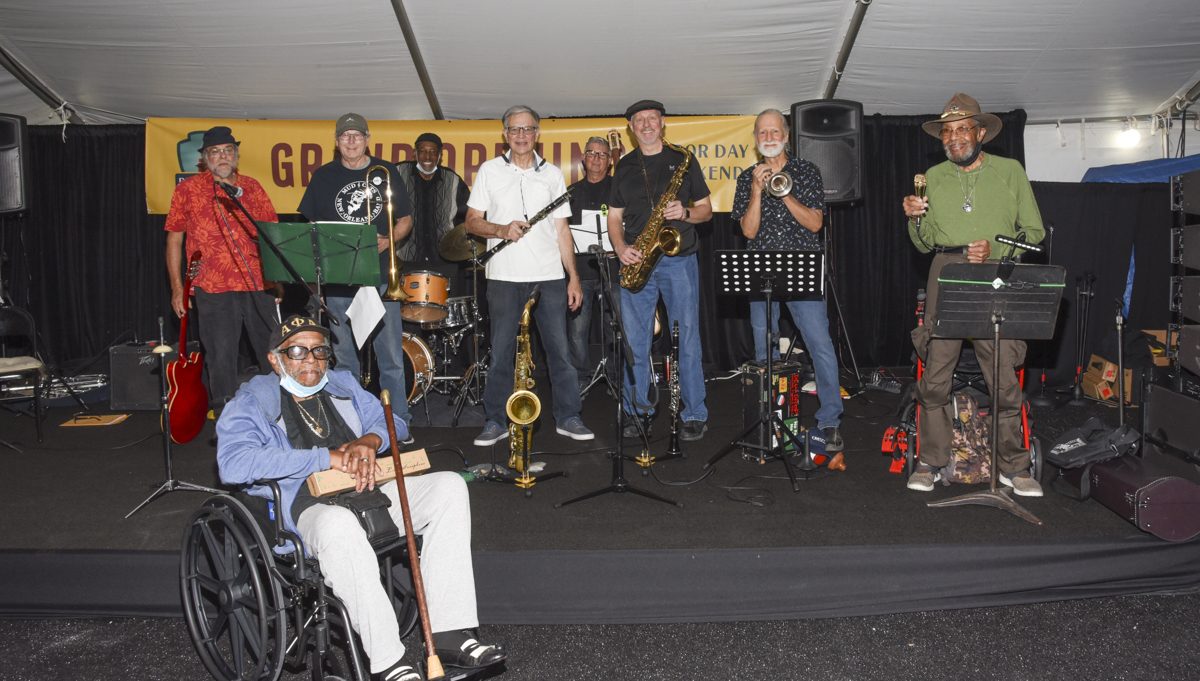
Buenos Aires has a deep, slightly under-the-radar jazz culture, and the rooms are wonderful precisely because they are small. Bebop Club in Palermo, founded by the well-known sommelier Aldo Graziani, is my default recommendation: a polished space with a grand piano, a roughly 175-seat capacity, and a programme that runs nearly every night and spills beyond straight jazz into soul, tango and folklore, often with visiting international names. Reserve a table and you are practically on top of the band.
A few blocks over, Thelonious Club is the dim, low-ceilinged, New-York-ish room that serious local players gravitate to — less polished than Bebop, more after-hours in feel, and all the better for it. For something more central, Notorious on Avenida Callao pairs a record shop and café with a downstairs live room, which makes it an easy stop if you are wandering the centre. Among the live music venues in Buenos Aires, these jazz bars are where I send anyone who wants conversation, a good drink and music at a human volume rather than a wall of sound.
Beyond rock and jazz: tango orchestras, folk and the drum party
This is where Buenos Aires gets genuinely special. CAFF — Club Atlético Fernández Fierro in Chacarita is the clubhouse of one of the city’s great modern tango orchestras. Forget anything stuffy you imagine about tango: an orquesta típica at full tilt here is loud, intense and physical, played in a stripped-back social-club room to a young, devoted crowd. It is one of the most electric nights in the city and a brilliant bridge between the nightlife world and the tango one — if it sparks your interest, dive into our guide to tango in Buenos Aires, and for the dance-floor side, the milonga scene. Nearby, Café Vinilo is a cosy room programming tango, folklore, song and jazz across the week.
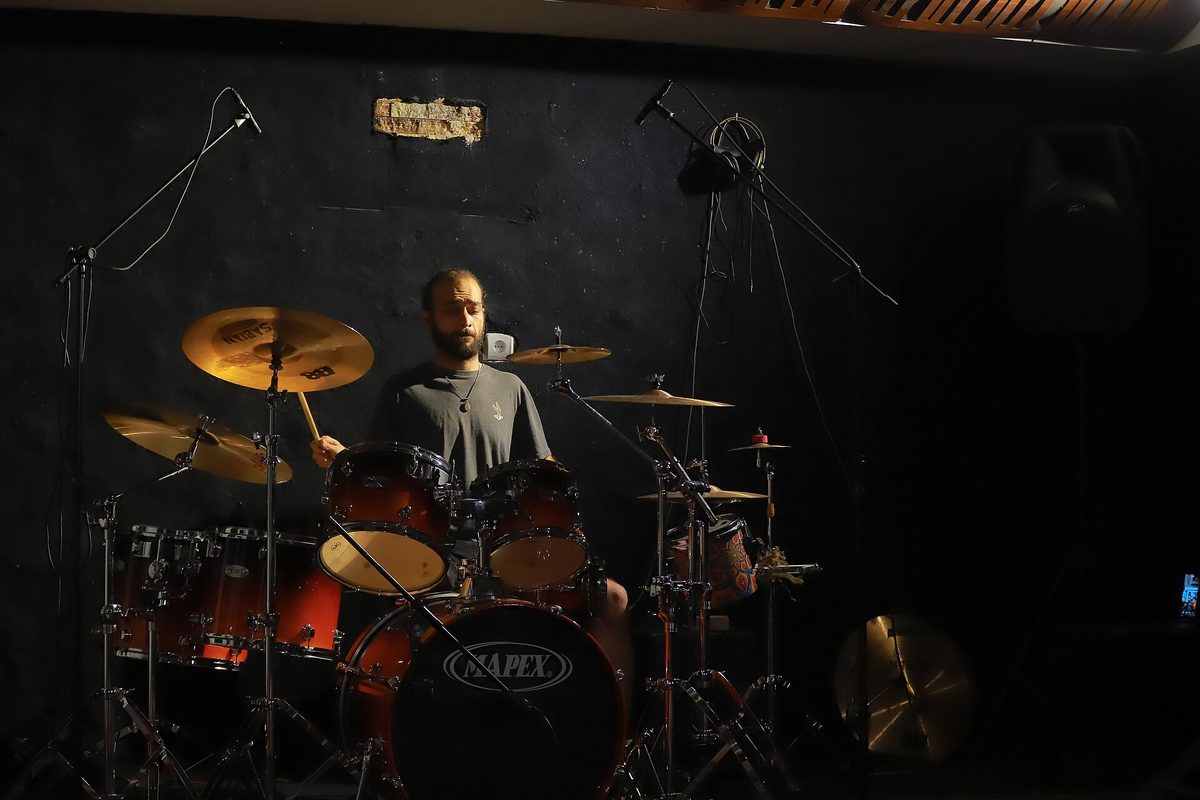
And no honest guide skips La Bomba de Tiempo. Every Monday at the Ciudad Cultural Konex (Sarmiento 3131, in the Abasto/Once area), a 17-piece percussion ensemble improvises a fully conducted, ever-shifting set of Afro-Latin and Argentine rhythms while a few thousand people dance. Doors are typically around 19:00 and it often sells out, so go early; over five million people have now passed through. It is the single most reliably fun Monday night in town, and a perfect kick-off if you are easing into the city’s late nightclub scene later in the week. For ideas around it, our list of things to do in Buenos Aires helps fill the days.
The big rooms: arenas and theatres
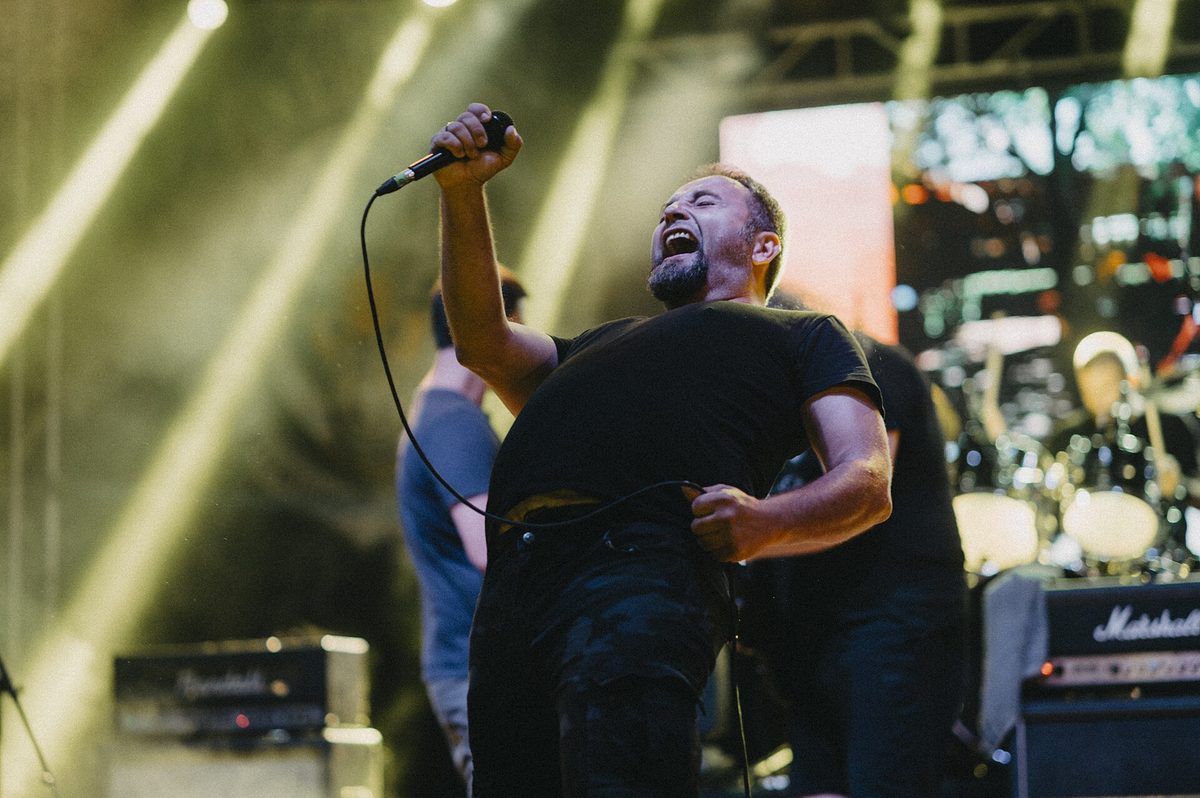
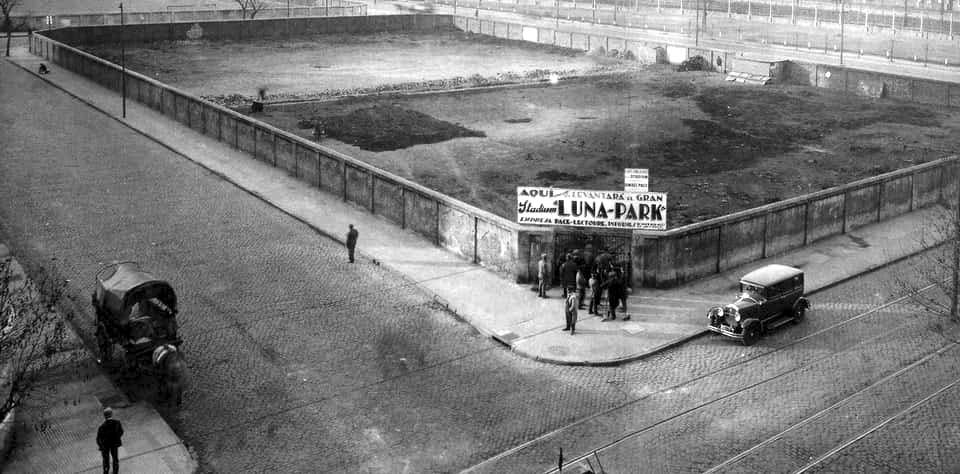
When a global tour comes through, it lands in one of a handful of larger rooms. Luna Park downtown is the grand old dame — an ~8,000-capacity arena central to Argentine music for generations, still hosting everything from rock legends to pop and tango galas. Movistar Arena in Villa Crespo is the modern, full-size indoor arena where most of the biggest international and national tours now play. For mid-scale theatre shows, keep an eye on rooms like Teatro Gran Rex on Corrientes. These are seated, ticketed events — a different beast from the clubs, but worth it when the right artist is in town.
When to go, and the late Buenos Aires clock
Set your expectations early: this city runs late. Dinner does not really start until 21:00–23:00, so a club gig’s listed start time is more of a suggestion — the headliner at a rock club might not hit the stage until well after midnight, and weekend shows can run into the small hours. Seated theatre and arena shows are more punctual, and the early institutions like La Bomba de Tiempo (doors ~19:00) and many jazz sets (often around 20:00–21:00) are the exceptions that begin on time. My rule: eat a late dinner, then arrive at a club an hour after the listed door time.
Getting home is the part people forget. The Subte (metro) stops running around 22:00–23:00, so any genuinely late night ends in a taxi or a ride-hail — Uber, Cabify and DiDi all operate here, and a black-and-yellow street taxi works too. Plan that ride before you are tired and it is 03:00; it is the difference between a smooth night and a stressful one. For the wider lay of the land after dark, the Buenos Aires nightlife guide covers everything from bars to boliches.
Tickets and costs in 2026
For club and theatre shows, tickets are mostly sold online through local platforms — Ticketek, Plateanet, Autoentrada and Tickethoy are the names you will see most — or directly via the venue’s own website and social channels, which is often the fastest route for the smaller jazz and tango rooms. Many intimate venues let you reserve a table and pay at the door; arena tours sell out the good seats fast, so buy early.
On money: Argentina lifted most currency controls in 2025, so the old advice about hoarding cash for the “blue dollar” is outdated — foreign cards and contactless work fine in most venues now, charged near the official rate. Prices move with inflation, so I will not quote exact pesos, but as a feel for mid-2026 a small-club or jazz cover often runs around US$8–18 and a drink inside a few dollars; arena tickets are whatever the global tour commands. Always check before you book. For more on the wider scene, see the city’s LGBTQ+ venues and its going-out neighbourhoods.
Frequently asked questions
What is the most famous live music venue in Buenos Aires?
It depends on scale. For arenas, Luna Park downtown is the historic icon and Movistar Arena the modern giant for big tours. For rock clubs, Niceto Club in Palermo and the “temple of rock” Estadio Obras are the legends. For a uniquely local night, La Bomba de Tiempo’s Monday drum party at Konex is arguably the single most famous recurring show in the city.
Where can I hear jazz in Buenos Aires?
Palermo is the heart of it. Bebop Club is the polished, reliable choice with shows nearly every night and a grand piano; Thelonious Club is the dimmer, more intimate room serious local players favour. Notorious on Avenida Callao adds a central option with a record shop and café upstairs. Reserve a table at any of them for the best experience.
What time do concerts start in Buenos Aires?
Later than you expect. Club gigs list a door time but headliners often play after midnight, and weekend shows can run until dawn. Seated theatre and arena shows are more punctual. Early institutions are the exception: La Bomba de Tiempo opens doors around 19:00, and many jazz sets begin around 20:00–21:00. Eat a late dinner first — nobody here goes out before 22:00.
How do I get home after a late show?
The Subte stops running around 22:00–23:00, so plan on a taxi or ride-hail for genuinely late nights. Uber, Cabify and DiDi all work in Buenos Aires, and street taxis are easy to flag. Arrange your ride before the night gets away from you; venues in Palermo, Chacarita and San Telmo are all well served by ride-hail apps.
Is the live music scene safe for visitors?
Broadly yes — the venues here are mainstream, social and well-attended, and most are in lively, walkable barrios. Use ordinary city sense: keep your phone secure in crowds, watch your drink, carry only what you need, and book a ride home rather than wandering for a taxi at 04:00. The same common-sense rules that apply to nightlife anywhere apply here.
Photo credits
- Estadio Luna Park — Photo: Unknown author (CC0 / Public domain) via Wikimedia Commons.
- Singer on a lit concert stage — Photo: Shixart1985 (CC BY 2.0) via Wikimedia Commons.
- Jazz band performing — Photo: Jeff Brown for NPS (CC0 / Public domain) via Wikimedia Commons.
- Rock band on stage — Photo: Personal archive of Aleksas Bezginas (CC BY 4.0) via Wikimedia Commons.
- Drummer in an intimate venue — Photo: Mostafameraji (CC BY-SA 4.0) via Wikimedia Commons.
Final thoughts
If you only do one musical thing in Buenos Aires, make it something live — a jazz trio you can almost touch, an orquesta típica at CAFF, or a sweaty rock night at Niceto. The city’s relationship with music is real and unpretentious, the rooms are intimate even when they are loud, and the whole thing runs late enough that you never have to rush. Eat a proper dinner, line up your ride home, and let the night take you. Buenos Aires has been making great music for fifty years, and there is no better way to feel the city than to stand in a crowd and watch it happen.