Last updated: June 2026 · Written by the Buenos Aires Tourism editorial team
The first time I walked into a porteño dance hall to learn the steps, my palms were sweating and I was sure everyone would know I’d never danced a day in my life. Three classes later I was shuffling around a beginners’ milonga, grinning like an idiot. If you’re nervous, good — that means you’re about to do the thing.
Taking tango classes buenos aires visitors can join is the single best way to understand this city from the inside. As of mid-2026, beginner-friendly group lessons run all over town for roughly US$15–30 a session, you don’t need a partner because classes rotate, and four or five lessons are usually enough to enjoy a real social dance. Here’s how to start.
The Tango Class Scene in Buenos Aires in 2026
Buenos Aires is the world capital of Argentine tango, and the teaching scene reflects that: you can find a class almost any hour, in English, Spanish, Portuguese or French, from a US$8 milonga drop-in to a US$120 private hour with a stage professional. The trick is simply to match the format to what you want.
The good news for nervous beginners is that this city has seen thousands of tourists who had never danced before walk through the door — no one is going to laugh at you. For the bigger picture of how tango fits into a trip, our complete guide to tango in Buenos Aires ties together shows, milongas, neighbourhoods and classes in one place.
Group classes vs private lessons: which should a beginner choose?
This is the first decision, and there’s no single right answer — many visitors do both. The honest trade-off:
| Format | Rough price | Best for | The catch |
|---|---|---|---|
| Group class (drop-in) | ~US$15–30 | Meeting people, partner rotation, low pressure, fun | Less individual feedback; pace set by the room |
| Private lesson (1 teacher, 1–2 students) | ~US$40–120/hour | Fast progress, fixing specific habits, shy dancers | Pricier; no rotation, so less social |
| Pre-milonga class | Often included in ~US$8–20 entry | Trying tango once, then watching the real thing | Crowded; very basic; not a full course |
| Class + Spanish or hotel package | Varies (bundled) | Convenience, total beginners, solo travellers | Can be touristy; quality varies a lot |
My advice for a first-timer with a week or two in town: start with a group class or pre-milonga clase for the feel and the social fun, then add one or two privates if you catch the bug. Group classes are where the friendships happen; privates are where the breakthroughs happen.
Where to Take Beginner Tango Lessons in Buenos Aires
These are the places I steer first-timers toward in 2026. All genuinely welcome absolute beginners and none require a partner. Schedules and prices shift, so confirm current times on each venue’s social media or on the Hoy Milonga listings before you go.
DNI Tango (Almagro) — the structured all-rounder
DNI Tango on Bulnes 1011 in Almagro is the school I recommend most often. It runs a clear, level-based system from Level 1 (complete beginner) up to master classes, teaches in several languages, and offers daily group classes plus privates and workshops. Group classes run roughly US$20–25 as of mid-2026, and at the time of writing they advertise a free first group class via a voucher on their website — worth checking. It’s organised, friendly and used to drop-in travellers.
La Viruta (Palermo) — learn then dance the same night
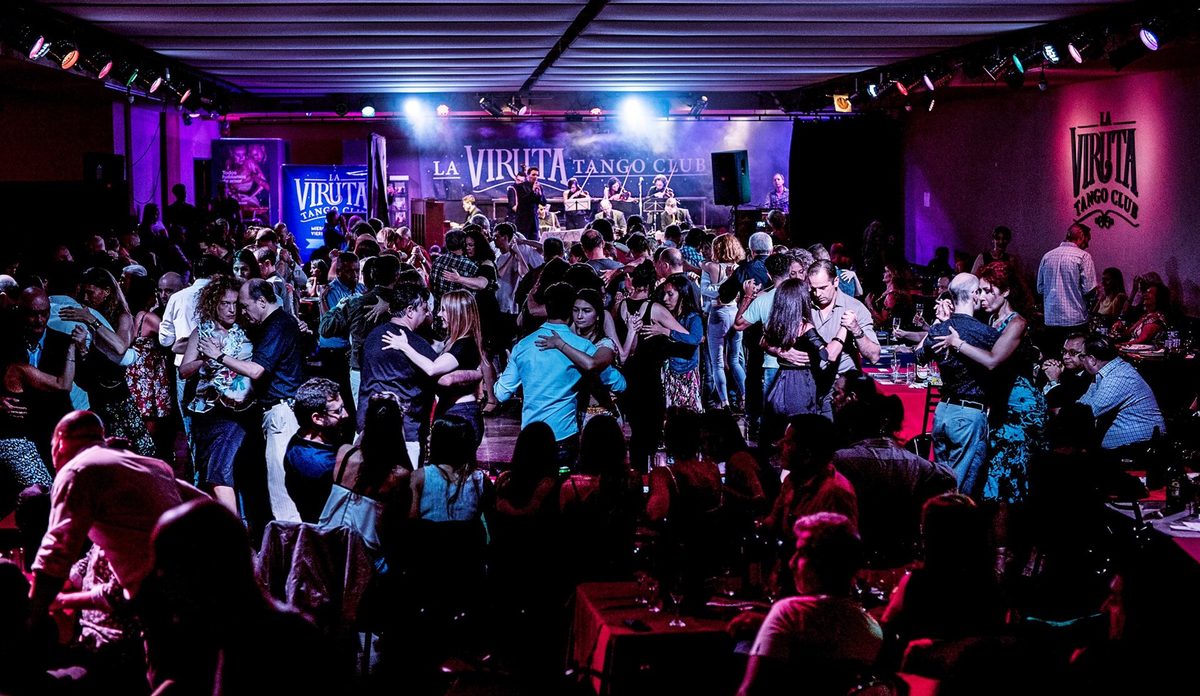
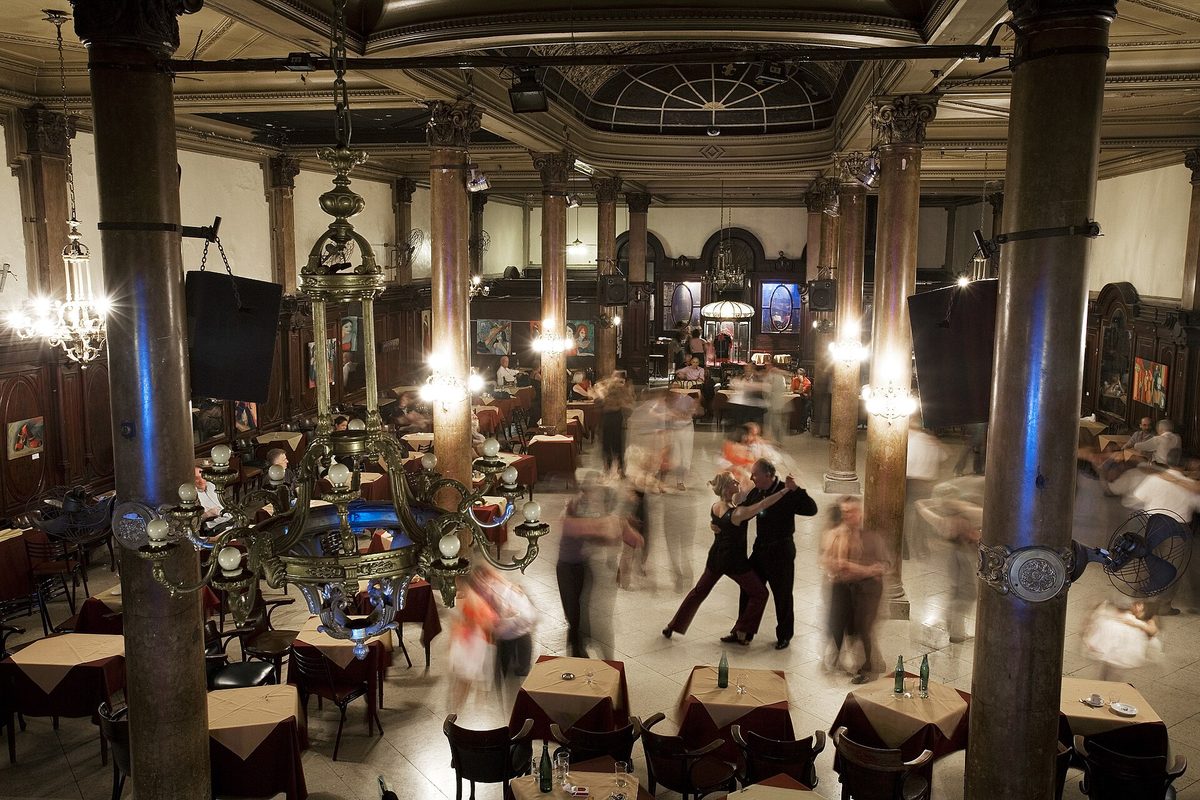
La Viruta, in the basement of the Centro Cultural Armenia on Scalabrini Ortiz 1331 in Palermo, is the classic “first stop for tango virgins.” It’s a huge, buzzy, unpretentious hall that runs beginner classes early in the evening (usually around 7–8pm) before the floor opens into the small hours. Entry runs about US$15–20 in 2026 and typically rolls the class into the night’s admission, so you learn and then practise at the milonga that follows. Wednesday, Friday, Saturday and Sunday nights draw the most newcomers.
La Catedral Club (Almagro) — bohemian and totally unintimidating
If formal dance halls give you hives, La Catedral is your place. Set in a rambling former warehouse with mismatched furniture and a gloriously bohemian vibe, it holds beginner-friendly classes most days (often around 6pm) where the dress code is “whatever you’re wearing.” The crowd skews young, international and low-to-intermediate in skill, so nobody is judging your footwork. It’s one of the gentlest introductions to dancing tango socially.
Escuela Argentina de Tango & the city’s free classes
The Escuela Argentina de Tango is a long-running institution with studios linked to cultural centres around the city, including space at the Galerías Pacífico complex downtown — handy if you’re sightseeing in the Microcentro. Separately, the Buenos Aires city government runs free and very low-cost beginner classes (clases de tango para principiantes) at cultural centres around town; visitors are welcome, and it’s an unbeatable way to learn for almost nothing. Schedules change each season. If budget is your priority, our guide to free and cheap tango in Buenos Aires rounds up the best no-cost options.
Milongas with a pre-dance clase
Many milongas (social dances) run a beginner class an hour or two before the social dancing starts, included in or just above the entry price. Salón Canning in Palermo, for instance, is a more traditional milonga that nonetheless opens with welcoming beginner classes early in the evening. This is the most authentic on-ramp of all: you learn the basics, then watch — and tentatively join — real porteños dancing. To understand the venues, read our guide to the best milongas in Buenos Aires, and brush up on the floor codes with our tango etiquette guide so you know how the cabeceo works before you arrive.
Hotel and Spanish-school combos
Plenty of Spanish-language schools and some hotels bundle tango lessons into their programmes, and visitor-focused group classes (often in a restored early-1900s building, sometimes with mate and snacks) are bookable online from around US$30. They’re convenient and sociable, though quality varies and a dedicated school like DNI usually teaches you more, faster.
Tango Classes Buenos Aires: What a First Lesson Is Like
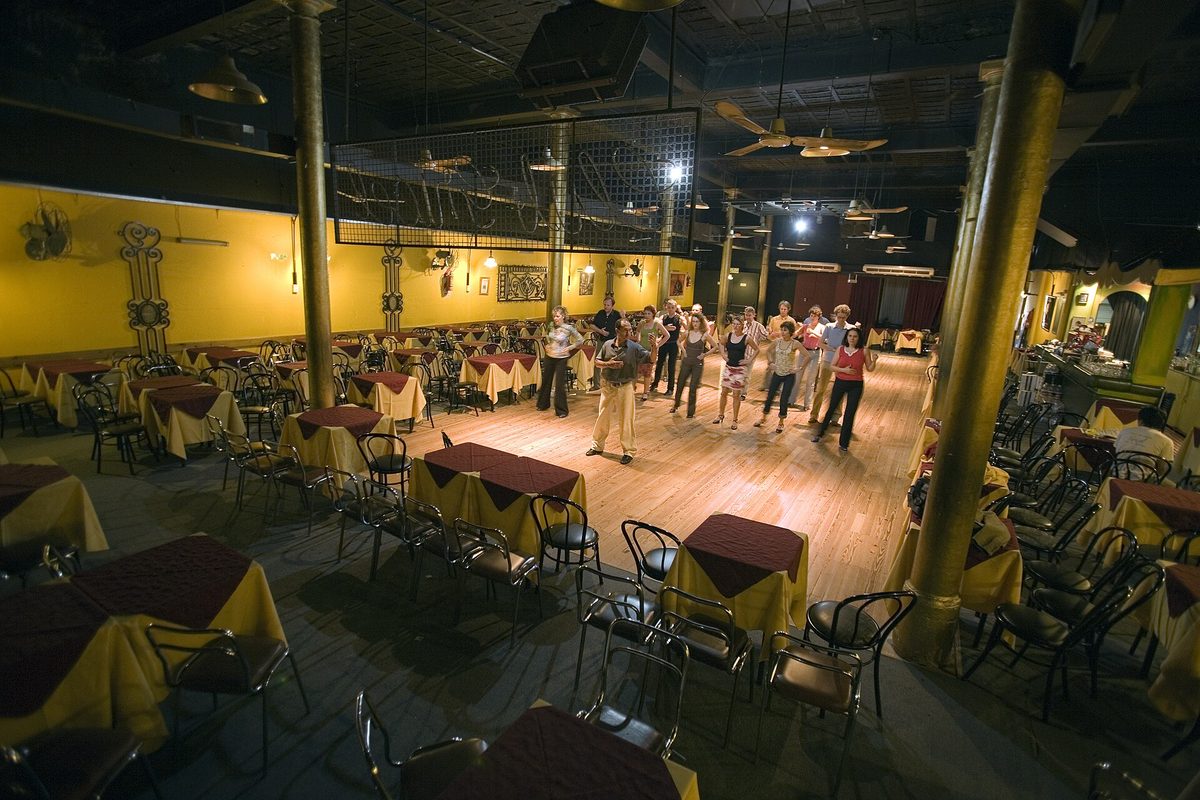
A typical beginner group class runs 60 to 90 minutes. The teacher (often a couple) starts with posture and walking — yes, just walking, because the tango walk is the whole foundation — then the embrace, weight changes, and a simple step like the basic or an ocho. You’ll dance far more than you talk.
The close embrace can feel startlingly intimate the first time, but you can start more open until you’re comfortable. The secret nobody tells beginners: tango is about relaxed connection and listening, not memorising flashy steps. If you can walk calmly to the beat with a partner, you can already tango.
Do you need a partner? (No — here’s why)
This is the number-one worry of solo travellers, and the answer is a firm no. Group classes rotate partners every few minutes, so leaders dance with many followers and followers with many leaders. It’s deliberate: rotation makes you a more adaptable dancer. Show up alone with zero experience and you’ll dance with a dozen people in your first hour. If you’d rather not rotate, that’s exactly what a private lesson is for.
What to wear and bring to a tango class
Keep it simple for your first class:
- Clothes: comfortable and breathable, with a bit of stretch. Nothing fancy — a class is not a milonga. Avoid bulky layers that get in the way of the embrace.
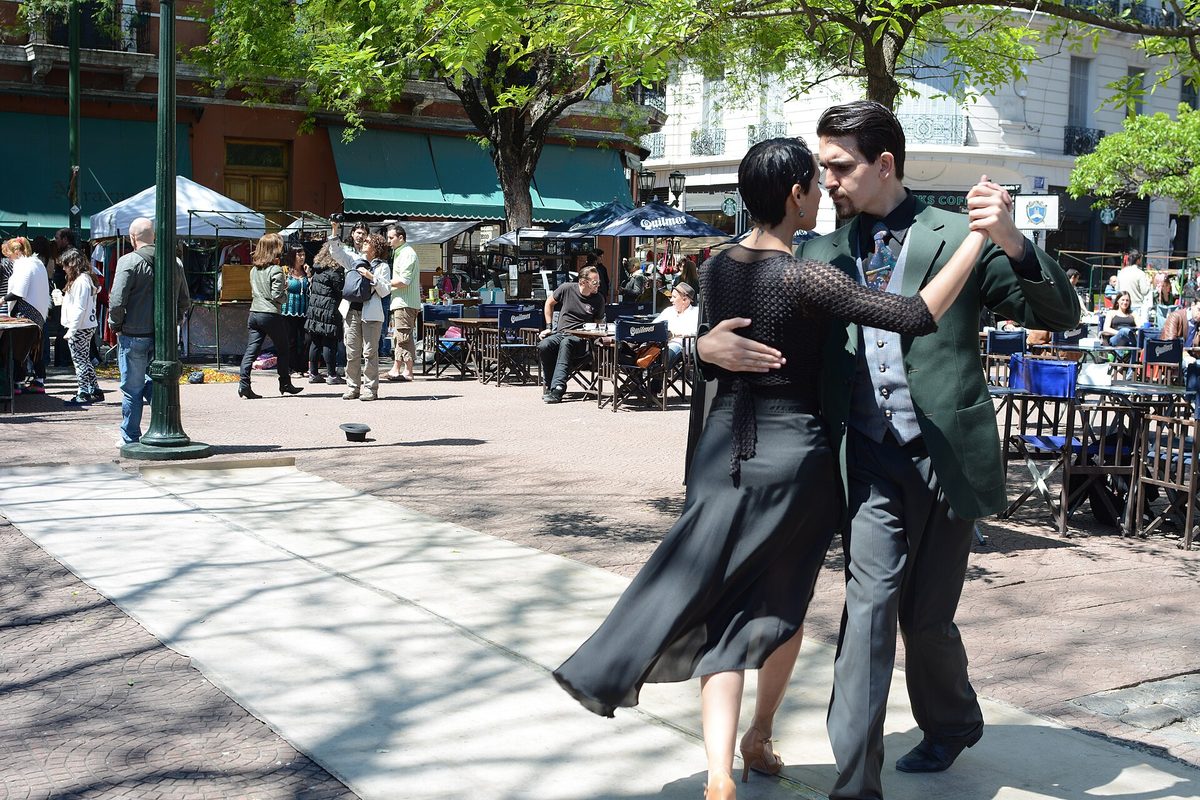
- Shoes: the one thing that matters. You want a smooth sole that lets you pivot — leather soles, or even clean socks over your shoes, beat grippy sneakers that catch and twist your knee. A small heel helps followers but isn’t essential to start.
- Bring: water. Don’t rush out and buy dance shoes before your first lesson — try the dance first.
When you’re ready to invest in proper footwear, the right shoes are a genuine upgrade in comfort and control. Our guide to where to buy tango shoes in Buenos Aires covers the famous workshops and how to get fitted while you’re in town.
How Much Do Tango Classes Cost in Buenos Aires?
Prices move with the peso and the season, so treat these mid-2026 figures as ballparks and check current rates when you book:
- Group class (drop-in): roughly US$15–30 per session; multi-class packs work out cheaper per class.
- Pre-milonga beginner class: often included in the milonga entry of about US$8–20, or just a little extra.
- Private lesson: roughly US$40–120 per hour depending on the teacher (a stage star costs more than a young pro).
- City government classes: free or nearly free at participating cultural centres.
Argentina lifted most currency controls in 2025, so the old “pay cash for the blue dollar rate” advice is outdated — foreign cards are now charged close to the official rate and widely accepted. For how money works for visitors now, see our notes on Argentine currency for tourists. That said, smaller milongas and some teachers still prefer cash, so carry pesos.
How many classes until you can dance at a milonga?
Honestly? You can survive a beginners’ milonga after a single pre-dance class — people do it every night. To feel genuinely comfortable walking, embracing and doing a basic step without panic, most beginners need about four to six group classes, ideally clustered close together so the muscle memory sticks. A good rule of thumb is two hours of practice for every hour of teaching. Tango takes years to master, but only a handful of lessons to start enjoying — which is the whole point of learning it here.
Booking Online and Avoiding the Tourist Traps
Most schools and milongas now take bookings through Instagram or WhatsApp, which is faster than email in Buenos Aires — a quick message the day before is usually enough for a group class. Packaged tourist experiences are bookable in advance through the big activity platforms. For drop-in milonga classes you generally just turn up; only the busiest Friday nights need a reservation.
A few traps to sidestep:
- The “free” lesson before a dinner show. The token group lesson tacked onto a tourist dinner-show is fun but minimal — treat it as entertainment, not instruction. To choose a show on its merits, see our guides to the best tango show in Buenos Aires and the upscale tango dinner shows.
- Overpriced hotel privates. A lesson booked through a luxury hotel concierge can cost several times what the same teacher charges directly. Ask the teacher.
- Skipping the social part. The magic of learning tango here is dancing it where it was born. Take the class, then go to a milonga — even just to watch. That’s the experience you came for.
Tango is woven through whole neighbourhoods here, not just dance studios. To base yourself near the action, our guide to the best tango neighbourhoods in Buenos Aires covers San Telmo, La Boca and Abasto, while the broader tango in Buenos Aires guide maps out how classes, shows and milongas fit a full itinerary.
Frequently Asked Questions
Can a complete beginner take tango classes in Buenos Aires?
Absolutely — the city is full of Level 1 and “principiantes” classes designed for people who have never danced. Schools like DNI Tango and halls like La Viruta and La Catedral welcome total beginners every week, including many first-time travellers. No experience, no problem; just show up to a beginner-marked class.
Do I need a partner for beginner tango lessons in Buenos Aires?
No. Group classes rotate partners every few minutes, so solo travellers dance with many people in a single session and never sit out. Rotation is the standard way tango is taught here and actually makes you a better dancer. If you prefer not to rotate, book a private lesson with the teacher as your partner.
What should I wear to my first tango class?
Comfortable, flexible clothing and shoes with a smooth sole that lets you pivot — leather soles, or socks over your shoes, beat grippy sneakers. Skip the fancy outfit; a class is casual. Don’t buy dedicated tango shoes until you know you love it, then get fitted at one of the city’s shoe workshops.
Are tango classes in Buenos Aires taught in English?
Often, yes. Larger schools such as DNI Tango teach in multiple languages including English, and many tourist-oriented classes and private teachers speak English well. Even where teaching is in Spanish, tango is highly visual and demonstration-led, so a language barrier rarely stops beginners following along.
Final Thoughts
Learning to dance where the dance was invented is one of those travel experiences that stays with you. You don’t need talent, a partner or fancy clothes — just the nerve to walk into a class and the willingness to be a beginner for an hour. Start with a group lesson or pre-milonga clase, add a private or two if you fall for it, then go and dance, however clumsily, at a real Buenos Aires milonga. That walk across the floor will be the souvenir you remember longest.
When you’re ready to put your new steps to use, our guides to the city’s milongas and to milonga etiquette will help you walk in like you belong.
Photo Credits
- tango-classes-buenos-aires-group-lesson.jpg: Photo by Jorge Royan / CC BY-SA 3.0 via Wikimedia Commons
- tango-classes-buenos-aires-couple-dancing.jpg: Photo by Jorge Royan / CC BY-SA 3.0 via Wikimedia Commons
- tango-classes-buenos-aires-embrace.jpg: Photo by M M from Switzerland / CC BY-SA 2.0 via Wikimedia Commons