Last updated: June 2026 · Written by the Buenos Aires Tourism editorial team
The first time I watched a porteña step onto a milonga floor in a pair of hand-stitched stilettos, I understood that in this city the shoe is not an accessory — it is the instrument. I came home from that trip with two pairs and zero regrets, and I have been sending friends to the same handful of workshops ever since.
If you want to buy tango shoes Buenos Aires dancers actually wear, the short answer is this: head for the Suipacha street cluster downtown for choice and value, climb the hidden staircase to Comme il Faut in Recoleta for the couture pairs, and budget roughly US$80–180 a pair as of mid-2026. Beginners and tourists are welcome everywhere — you do not need to dance well to be measured properly.
Why buy tango shoes in Buenos Aires at all?
Because this is where they are made, by the people who invented the form. A proper Argentine tango shoe is a precision object: a suede (chamois) sole that grips without sticking so you can pivot cleanly, a snug heel cup that holds the foot like a glove, and a balance point engineered for dancing backwards in a close embrace. The leather is supple, the construction hand-finished, and many of the workshops on my shortlist still make shoes to order a few metres from the till.
The value is real, too. A Comme il Faut model that retails for around US$200–250 from a distributor abroad typically sells for a good deal less at the source, and the everyday downtown workshops undercut that again. Since Argentina lifted most currency controls in April 2025, foreign cards are charged near the official/MEP rate, so the old “bring a brick of cash for the blue dollar” routine is largely obsolete — see the blue dollar in Buenos Aires and Argentine currency for tourists for how paying works in 2026. Prices below are hedged and in US dollars; confirm the current figure in the shop.
Where tango shoes Buenos Aires shops cluster
You do not have to crisscross the city. Tango shoe shops in Buenos Aires gather in three pockets, and you can do serious damage in an afternoon:
- Suipacha street, Microcentro (downtown) — the densest concentration in the city. Within a couple of blocks near the Obelisco you have Flabella, Darcos, Centro Artesanal del Tango, Bailarín Porteño and more, almost door to door. This is where I send first-timers.
- Abasto / Balvanera — the old tango heartland around Carlos Gardel’s neighbourhood, with workshops on and around Avenida Corrientes and Tomás de Anchorena. Combine it with our walk through the tango neighbourhoods of Buenos Aires.
- Recoleta & Palermo — the boutique end: Comme il Faut up its Recoleta staircase, plus Greta Flora. Pair it with a wander through Recoleta.
The shops worth your time in 2026
Here is my honest shortlist — who each shop suits, and what to expect. Addresses and hours drift, so check the shop’s social pages before a special trip across town.
| Shop | Area | Best for | Rough price (USD) |
|---|---|---|---|
| Comme il Faut | Recoleta (Arenales 1239) | Couture women’s heels, the splurge pair | ~$140–200 |
| Flabella | Suipacha 263, Microcentro | Your first pair; classic styles, helpful fitting | ~$80–130 |
| Darcos | Suipacha 259, Microcentro | Men’s shoes; big range, online ordering | ~$90–150 |
| Neo Tango | Sarmiento 1938, Balvanera | Modern designs, women’s & men’s | ~$90–150 |
| Greta Flora | Palermo & Recoleta | Bridal/colour, vintage & training styles | ~$100–160 |
| Madreselva | Abasto / Boedo | Handmade, made-to-order pairs | ~$90–150 |
| Raquel | San Telmo (Bolívar 554) | Browsing after the Sunday fair | ~$80–140 |
| Tango Brujo | Esmeralda 754, Microcentro | One-stop tango shop (shoes + gear) | ~$90–150 |
Comme il Faut — the legendary by-appointment showroom
If you buy one pair, make it here. Comme il Faut tango shoes are the haute couture of the genre: hand-made, jewel-coloured, often produced in tiny runs so that very few pairs of any one design exist on the planet. The experience is half the fun. The shop hides at Arenales 1239 in Recoleta — you walk down a nondescript alley called Rue des Artisans, find door 3 on the left, and climb a staircase to a small room on the upper floor of a courtyard building. There is no glossy showroom and no shelves; you tell a saleswoman your size, and she disappears into the back and returns with a leaning tower of shoeboxes in every height and hue.
It runs on a personal, appointment-style rhythm rather than a walk-in shop floor, so message ahead to confirm hours and that someone will be there. Bring patience, an open mind about colour, and a card or a little cash. Expect roughly US$140–200 a pair as of mid-2026; check the current price, as these move.
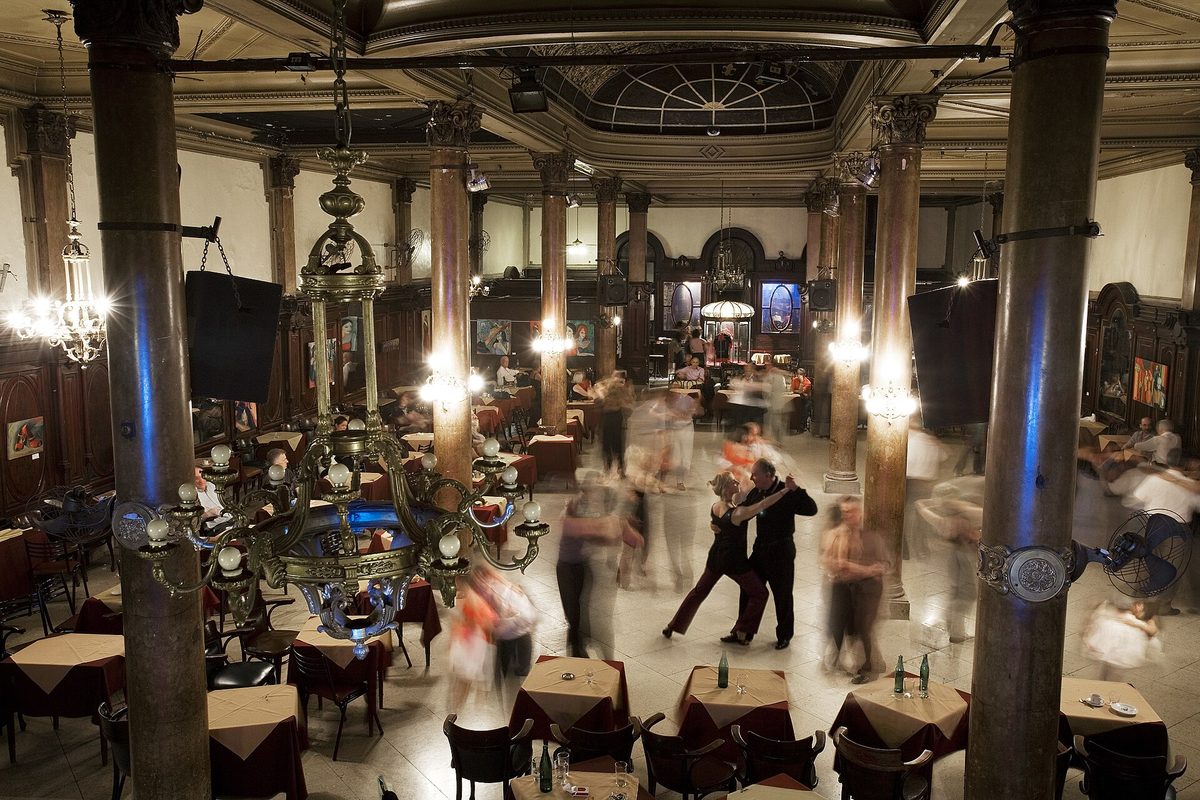
Flabella — where I send first-timers
On Suipacha 263, a short walk from the Obelisco, Flabella is the no-drama classic. It is a proper old-school shoe shop with a wide wall of styles, sensible heel options and staff who fit you properly rather than rushing you. For a reliable, well-priced first pair that you will actually dance in — rather than a trophy — this is the one. Prices tend to sit a notch below the boutiques.
Darcos & the men’s question
Men, you are not forgotten, though you are outnumbered. Most workshops carry a men’s line, but Darcos (Suipacha 259) is the name people repeat for the largest men’s selection, and it ships internationally. A men’s tango shoe is lower (a 2.5–4 cm heel), built on a sleeker last, in the same grippy suede sole as the women’s. Tango Brujo on nearby Esmeralda is a useful one-stop if you also want practice gear.
The rest of the shortlist
Neo Tango (Sarmiento 1938) leans modern and stocks both sexes. Greta Flora spans Palermo and Recoleta and is strong on colour, bridal and vintage styles. Madreselva, in the Abasto/Boedo orbit, is the made-to-order specialist. And if you are in San Telmo for the Sunday antiques fair, Raquel on Bolívar is an easy browse — tie it into a San Telmo afternoon.
How to choose: sole, heel and fit
Whatever the label, judge a tango shoe on three things.
- The sole. You want suede (chamois), not leather or rubber. Suede gives the controlled slide-and-grip that lets you pivot and pivot back without catching. It is the single most important feature.
- The heel. For women, 7–8 cm flatters the line but punishes a beginner’s calves; if you are new, start at 5–6 cm, and consider a slightly chunkier or “Spanish” heel for stability over a long milonga. Men: 2.5–4 cm. Heel height is about balance, not bravado.
- The fit. Tango shoes are meant to be snug — the foot should not slide inside, and straps should hold the heel firmly. They feel almost too tight in the shop and mould to your foot within a few hours of dancing. Argentine sizing runs small and varies by maker, so try every pair on and walk a few ochos if there is room.
One practical note: that suede sole is strictly for the dance floor, never the street — a habit that ties straight into wider milonga etiquette.
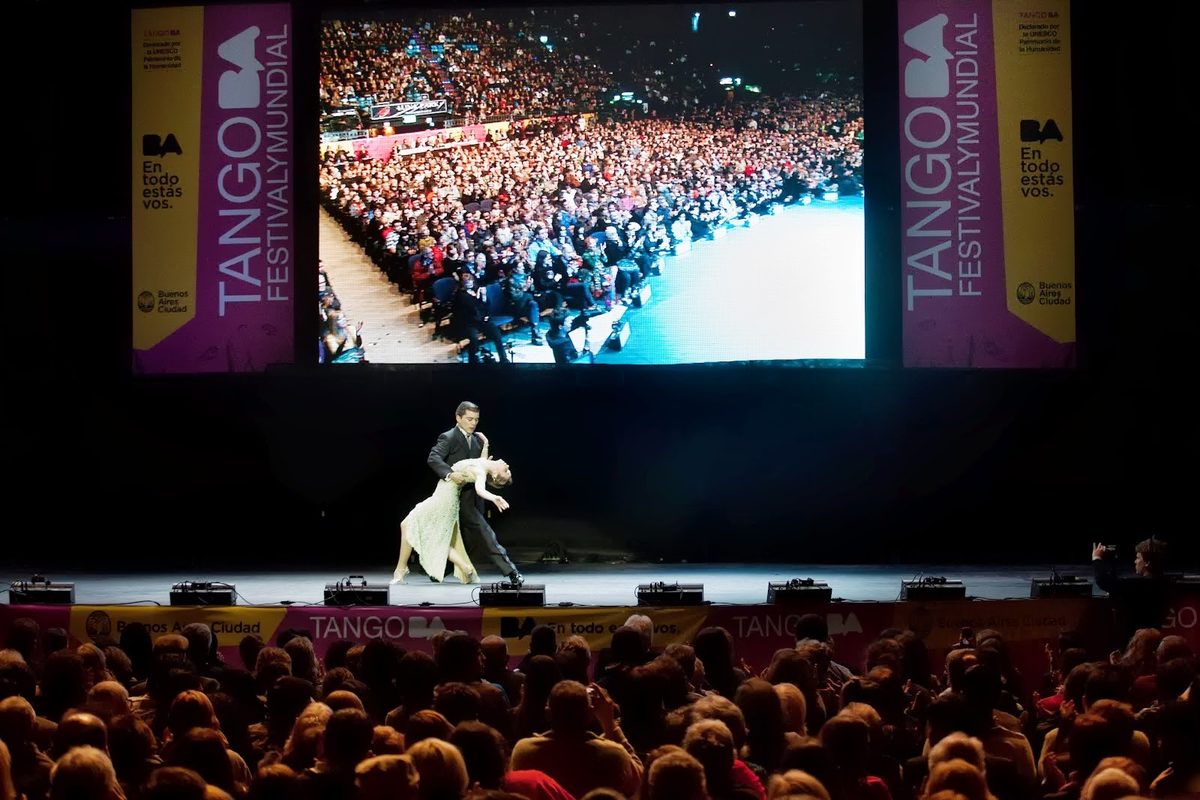
Can beginners and tourists really buy here? (Yes)
Absolutely. None of these shops expect you to be a dancer, and a fair share of their trade is travellers — you will not be quizzed on your gancho. Bring your size, say what you want the shoes for (“milongas”, “classes”, “my first pair”), and let them guide you. A few habits help:
- Go on a weekday, mid-afternoon when shops are calm and staff have time to fit you. Many close or shorten hours on Sundays.
- Have a rough budget in mind and ask the price before the boxes pile up; it keeps the splurge honest.
- Plan to take classes — the fastest way to know what you need is to dance in them, so our guide to tango classes in Buenos Aires is the natural next step.
- Then test them where it counts. Break a new pair in gently at a Buenos Aires milonga rather than on the street.
Custom orders and how to carry them home
Several makers — Madreselva and the smaller Suipacha and Abasto workshops in particular — will take a custom order: your colour, your heel, sometimes a tweak to the last. Turnaround runs from a few days to a couple of weeks, so order early in your trip and plan a return visit to collect. Many shops, Darcos and Comme il Faut among them, also ship abroad if you run out of days.
Getting them home is easy. Tango shoes are light and pack flat; keep the boxes for shape, slip each shoe in a soft bag to protect the suede sole, and they tuck into a carry-on. They are ordinary footwear — nothing to declare. The only real risk is buying more pairs than your luggage allows, which is the usual outcome. For the bigger picture — shows, classes, milongas and where the shoes fit in — start with our complete guide to tango in Buenos Aires.
Frequently asked questions
How much do tango shoes cost in Buenos Aires?
As of mid-2026, expect roughly US$80–130 for solid everyday pairs from the downtown workshops, and around US$140–200 for couture names like Comme il Faut. That is generally well below what the same shoes cost from distributors abroad. Prices move with the exchange rate, so always confirm the current figure in the shop.
Where is the best place to buy tango shoes in Buenos Aires?
For choice and value, the Suipacha street cluster in the Microcentro — Flabella, Darcos and neighbours, almost door to door. For the special, couture pair, Comme il Faut up its hidden Recoleta staircase. Beginners should start at Flabella; men should add Darcos.
How do I buy Comme il Faut tango shoes?
Go to Arenales 1239 in Recoleta, walk down the Rue des Artisans alley to door 3, and climb the stairs to the small upstairs room. It runs on an appointment-style rhythm, so message ahead to confirm someone will be there. Tell them your size and let the boxes come to you. Budget around US$140–200; check current pricing.
Can men buy tango shoes in Buenos Aires?
Yes. Most workshops carry a men’s line, and Darcos on Suipacha is the go-to for the largest men’s selection. Men’s tango shoes have a lower heel (about 2.5–4 cm), a sleeker last and the same grippy suede sole. Try several, as Argentine sizing runs small and varies by maker.
What should I look for in a good tango shoe?
A suede (chamois) sole for controlled pivots, a snug fit that holds the heel without slipping, and a heel height you can actually dance in — start at 5–6 cm if you are new. The shoe should feel almost too tight in the shop; it moulds to your foot after a few hours of dancing.
Are tango shoes good for everyday walking?
No — the suede sole is built for a polished dance floor, not pavements, and walking outdoors in them wears the sole down fast and ruins the grip. Carry them to the milonga in a bag and change at the door, as the locals do. Keep a separate pair for the street.
Final thoughts
Buying tango shoes in Buenos Aires is one of those small rituals that turns a trip into a memory. Start downtown on Suipacha for a sensible, well-priced pair you will actually wear; climb the Recoleta staircase to Comme il Faut for the one that makes you gasp; and resist the urge to dance home in them. Whether you are a curious first-timer or a seasoned milonguero restocking, the city will fit your feet beautifully — and almost certainly send you home with one box more than you planned. For everything else tango, our guide to tango in Buenos Aires ties the shows, classes and milongas together.
Photo credits
- tango-shoes-buenos-aires-show.jpg — Photo by Dennis G. Jarvis / CC BY-SA 2.0 via Wikimedia Commons
- tango-shoes-buenos-aires-dancers.jpg — Photo by Jorge Royan / CC BY-SA 3.0 via Wikimedia Commons
- tango-shoes-buenos-aires-couple.jpg — Photo by M M from Switzerland / CC BY-SA 2.0 via Wikimedia Commons
- tango-shoes-buenos-aires-dance.jpg — Photo by virginiainnocenti / CC BY 2.0 via Wikimedia Commons