Last updated: June 2026 · Written by the Buenos Aires Tourism editorial team
The first time I ate in Buenos Aires, I ordered a milanesa the size of a dinner plate, washed it down with a glass of Malbec, and understood immediately that I was in trouble — the good kind. This is a city that takes eating seriously, where lunch can stretch to three hours and a corner bakery sells better croissants than most of Paris.
So, what to eat in Buenos Aires? Start with the holy trinity — asado (the legendary grilled beef), empanadas, and milanesa — then work through choripan, provoleta, pizza, dulce de leche and alfajores. Below I’ll walk you through the essential Argentine dishes, where they shine, and roughly what to pay, so you eat like a porteño from day one.
For the bigger picture of where to book a table, browse our complete guide to the best restaurants in Buenos Aires — this article is the dish-by-dish companion to it.
The essential Buenos Aires dishes at a glance
If you only have a few days, this shortlist covers the flavours that define the city. Prices are rough 2026 ballparks in US dollars — the peso moves fast, so always check current menus.
| Dish | What it is | Where to try it | Rough price (USD) |
|---|---|---|---|
| Asado | Wood- or charcoal-grilled beef, ribs & sausage | A traditional parrilla | $15–30 pp |
| Empanadas | Baked or fried stuffed pastries | Empanaderias, bakeries | $1–2 each |
| Milanesa | Breaded, fried beef or chicken cutlet | Any bodegón or cafe | $6–12 |
| Choripan | Grilled chorizo sandwich with chimichurri | Street carts, markets | $3–5 |
| Provoleta | Grilled provolone with oregano | Parrillas, as a starter | $5–9 |
| Alfajores | Dulce de leche cookie sandwich | Kioscos, cafes | $1–3 each |
Asado: the meal that explains everything
You can’t talk about food in Buenos Aires without starting at the parrilla, the wood-and-iron grill where the famous Argentine asado happens. Asado isn’t a single dish so much as a slow, social ritual: cuts of beef, short ribs (asado de tira), skirt steak (entraña), sweetbreads (mollejas) and sausages cooked over embers, seasoned with little more than coarse salt and served with chimichurri.
Order like a local by starting with a provoleta and some chorizo, then sharing a cut such as ojo de bife (ribeye) or bife de chorizo (sirloin). Ask for it jugoso (juicy/medium-rare) unless you like it well done. A full parrilla feast with wine runs roughly $20–35 per person in 2026, though prices swing with the exchange rate — check current menus before you sit down.
Because steak deserves its own deep dive, I’ve written a separate guide to the best steak in Buenos Aires with my favourite parrillas and exactly which cuts to order. Read it before your first asado.
Empanadas: the snack you’ll eat every day
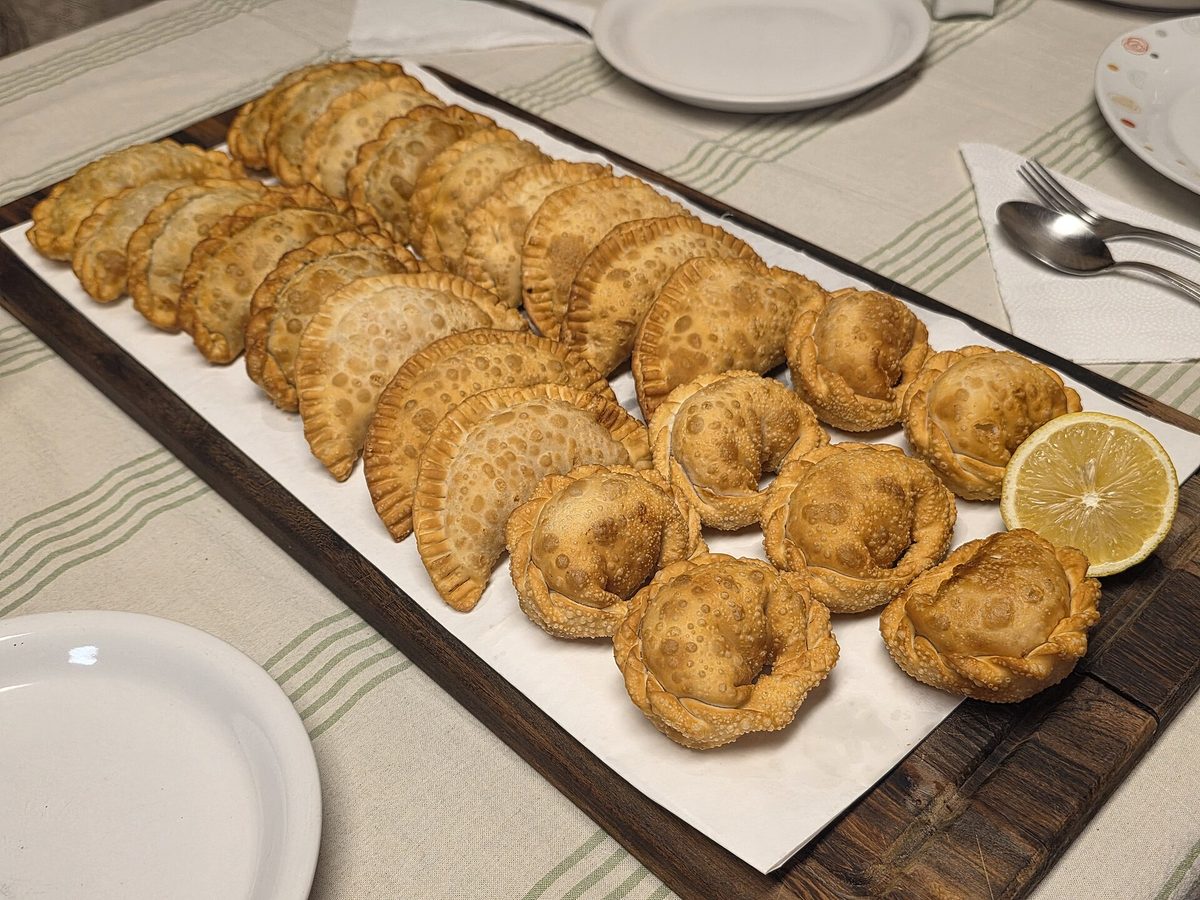
If asado is the centrepiece, empanadas are the daily bread. These half-moon pastries — baked (al horno) or fried (frita) — come stuffed with seasoned ground beef (carne), ham and cheese (jamón y queso), chicken (pollo), corn (humita), or spinach. The classic Buenos Aires beef version adds chopped egg, green olive and a hint of cumin, and the little twisted seal (the repulgue) tells you which filling is inside.
At $1–2 each, two or three make a cheap lunch; a dozen feeds a group. I like them with a squeeze of lemon and, honestly, a glass of red. Provincial styles differ — the spicy, juicy Salta-style empanada is a personal favourite — so try a few across the city.
The empanada rabbit hole runs deep, and I’ve ranked my go-to spots in a dedicated guide to the best empanadas in Buenos Aires, which also covers porteño pizza and medialunas. For where these and other porteño staples sit in the wider dining scene, our pillar on the top Buenos Aires restaurants ties it all together.
Milanesa: Argentina’s unofficial national dish
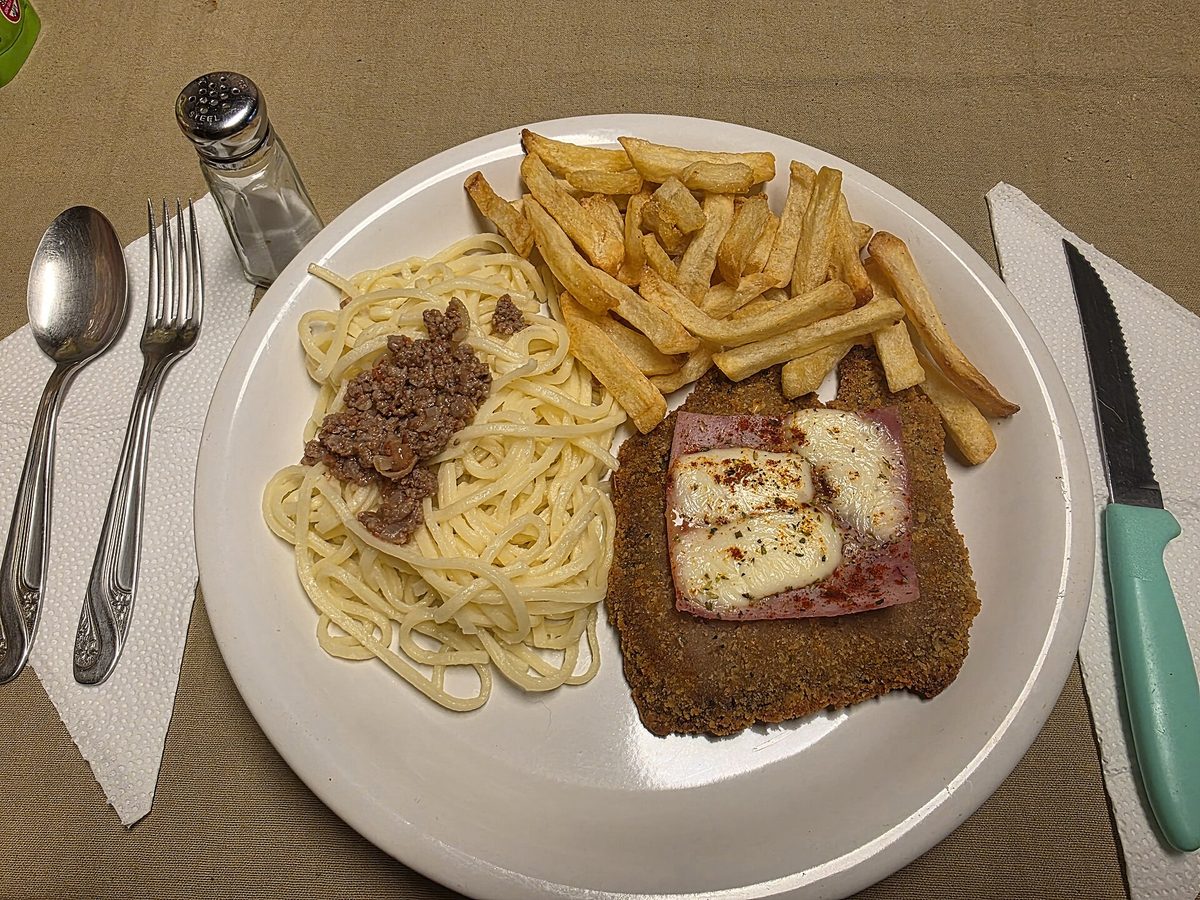
Brought over by Italian immigrants and adopted wholeheartedly, the milanesa is a thin cutlet of beef (or chicken) breaded and fried until golden. Argentines eat it constantly, in two main forms. The plain milanesa arrives with fries, mash or salad and a wedge of lemon. The milanesa napolitana — my weakness — is topped with ham, tomato sauce and melted mozzarella, like a schnitzel that moved to Naples.
There’s also milanesa a caballo (“on horseback”), crowned with a fried egg or two. You’ll find a great, generous version in any neighbourhood bodegón — the old-school, family-run diners that are the soul of porteño eating — usually for $6–12. Order one to share if you’re not ravenous; portions are enormous.
Choripan and street food: eat standing up
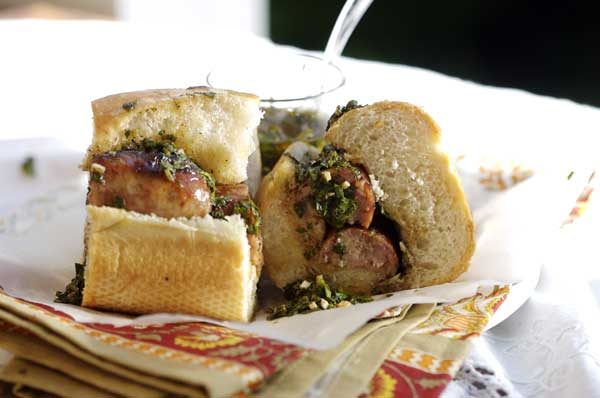
The choripan — chori (chorizo) plus pan (bread) — is the king of Argentine street food: a grilled, butterflied chorizo sausage in a crusty roll, slathered with bright, garlicky chimichurri. You’ll smell the grills before you see them, especially around the weekend markets and outside football stadiums. At $3–5 it’s the perfect walking snack.
Look out for its cousins too: the bondiola (slow-cooked pork shoulder) sandwich and the vacío (flank) roll. The best hunting grounds are the city’s open-air fairs — the San Telmo Sunday market and the parrilla carts along the Costanera are reliable. Our guide to the best markets in Buenos Aires points you to the liveliest ones, and you can build a whole afternoon around them using our roundup of the best things to do in Buenos Aires.
Pizza, provoleta and the Italian thread
Half of Buenos Aires has Italian roots, and it shows on every plate. Porteño pizza is its own genre: thick, doughy, blanketed in mozzarella, often eaten al molde (deep-pan) and paired with a slice of fainá (chickpea flatbread). Try the cheese-bomb fugazzeta, stuffed with onions, and eat it standing at a classic pizzeria along Avenida Corrientes.
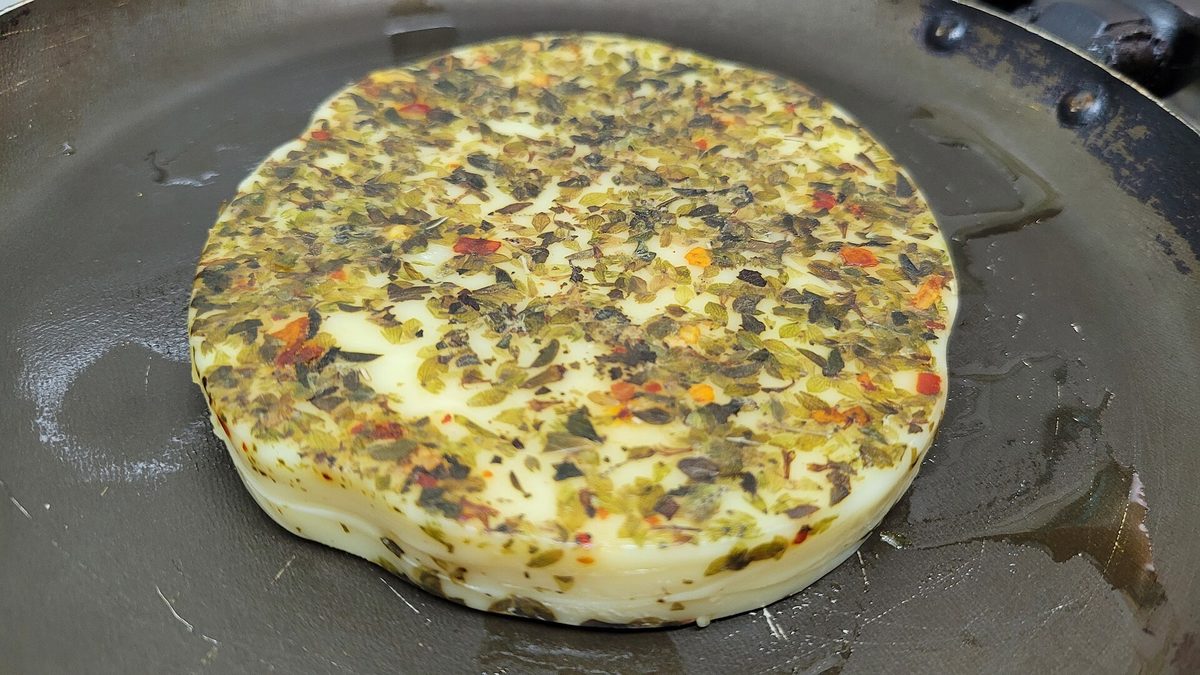
Provoleta deserves a special mention. Born when Italian immigrants adapted provolone for the grill, it’s a thick round of cheese seared until crusty outside and molten within, dusted with oregano and chili flakes. It usually opens an asado, scooped onto bread while it’s still bubbling. Pasta is everywhere too — Sunday ñoquis (gnocchi) is a genuine tradition, eaten on the 29th of each month for luck.
Dulce de leche, alfajores and the Argentine sweet tooth
Argentina runs on dulce de leche, a thick caramel made from slowly cooked sweetened milk. It’s spread on toast, swirled into ice cream, spooned into pastries, and — most famously — sandwiched inside alfajores. The alfajor is the national cookie: two soft biscuits hugging a layer of dulce de leche, then coated in chocolate or rolled in coconut. Supermarket brands are fine, but the artisanal, dark-chocolate versions are a revelation.
Don’t leave without an Argentine ice cream, either — the Italian-influenced helado here rivals Rome’s, and dulce de leche granizado (with chocolate flecks) is the flavour to beat. I’ve mapped out where to find the creamiest scoops in our guide to the best ice cream in Buenos Aires.

Breakfast, cafe culture and mate
Porteño breakfast is light and sweet: a café con leche with two or three medialunas, the small, glossy, faintly sweet croissants that every bakery turns out by the tray. Order them de manteca (buttery and soft) rather than the crispier de grasa. It’s a ritual best enjoyed slowly, ideally in one of the city’s grand old cafes.
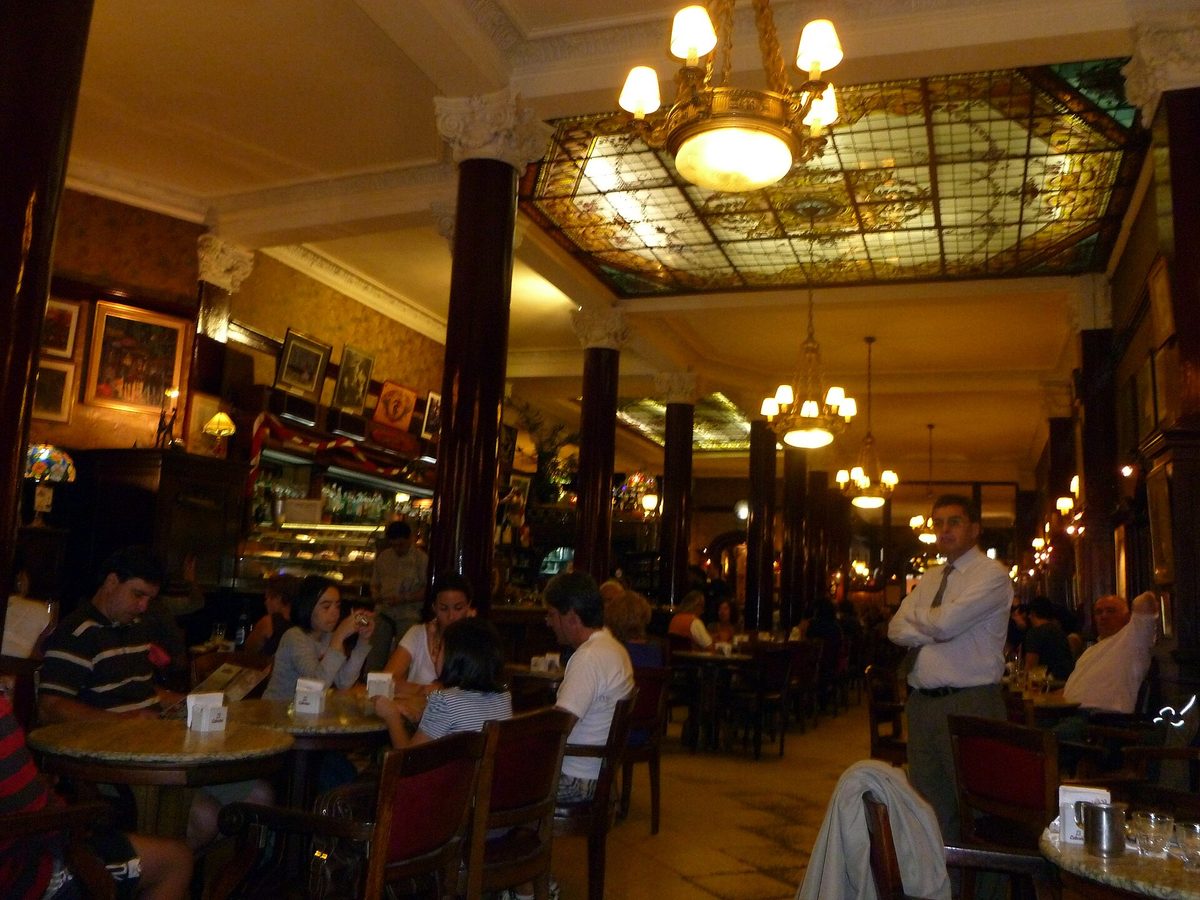
Those historic coffeehouses — all marble, mirrors and waistcoated waiters — are an experience in themselves. Sit in one for an hour and you’ll absorb more of the city than from any museum; start with our guide to the cafes notables of Buenos Aires. And then there’s mate, the bitter herbal tea sipped through a metal straw from a shared gourd. You won’t usually buy it in cafes — it’s a social thing — but if a local offers you a round, say yes. It’s the warmest invitation in Argentine culture.
How to order and eat like a porteño
A few habits will smooth your way. Lunch runs roughly 1–3pm and dinner starts late — 9pm is normal, 10pm not unusual — so book a late table or graze on empanadas to bridge the gap. The cubierto (a small cover charge for bread and table service) is standard and not a scam. Tipping around 10% in cash is appreciated.
For the full sit-down restaurant experience — from neighbourhood bodegóns to the celebrated parrillas — lean on our pillar guide to eating out in Buenos Aires, which covers booking, neighbourhoods and budgets in depth.
Frequently asked questions about what to eat in Buenos Aires
What food is Buenos Aires famous for?
Buenos Aires is famous above all for its beef — the asado (barbecue) and thick steaks grilled over wood. Beyond that, the city is known for empanadas, milanesa, choripan, Italian-style pizza and pasta, and a serious sweet tooth built around dulce de leche, alfajores and world-class ice cream.
What is the national dish of Argentina?
Asado — the social ritual of grilling beef and sausages over embers — is widely considered the national dish. Milanesa, the breaded fried cutlet, is so beloved it’s often called the unofficial national dish, while empanadas and locro (a hearty stew eaten on national holidays) are also strong contenders.
What should I eat on my first day in Buenos Aires?
Start with empanadas for an easy, cheap lunch, then book a parrilla for dinner and order a shared steak with a provoleta starter. Finish with an alfajor or a scoop of dulce de leche ice cream. That single day covers most of what makes porteño food special.
Is street food safe to eat in Buenos Aires?
Generally, yes. Choripan and bondiola sandwiches from busy market grills are cooked to order over high heat and are a beloved part of the food culture. Stick to stalls with a steady line of locals, eat things hot off the grill, and you’ll be fine.
How much does it cost to eat in Buenos Aires?
It varies with the volatile peso, but in 2026 a casual meal of empanadas or a milanesa runs roughly $6–12, while a full parrilla dinner with wine is about $20–35 per person. Street snacks like choripan cost $3–5. Always check current prices, as the exchange rate shifts quickly.
Final thoughts
Knowing what to eat in Buenos Aires is really about pacing yourself: graze on empanadas, dedicate one long evening to a proper asado, save room for alfajores, and never skip the morning medialunas. The food here is generous, meaty and unpretentious — an immigrant city eating the way it has for a century. Come hungry, eat late, and let the parrilla smoke lead the way. For the full restaurant playbook, our Buenos Aires restaurants guide is the natural next stop.
Photo credits
- A platter of golden Argentine empanadas, a top pick for what to eat in Buenos Aires — Photo: Horacio Cambeiro / CC BY-SA 3.0 via Wikimedia Commons
- Argentine milanesa napolitana, a breaded beef cutlet topped with ham and melted cheese, served with fries and pasta — Photo: Horacio Cambeiro / CC BY-SA 3.0 via Wikimedia Commons
- Choripan, a grilled chorizo sandwich with chimichurri, a classic Buenos Aires street food — Photo: SimpleFoodie (Public domain) via Wikimedia Commons
- Provoleta, grilled provolone cheese topped with oregano and chili flakes, served before an Argentine asado — Photo: Horacio Cambeiro / CC BY-SA 4.0 via Wikimedia Commons
- Chocolate-coated Argentine alfajores cut open to show the dulce de leche filling — Photo: AsadoExplorer / CC BY-SA 4.0 via Wikimedia Commons


1 comment