Last updated: June 2026 · Written by the Buenos Aires Tourism editorial team
The first time I walked into a real barrio milonga I did almost everything wrong: I marched up to a stranger and asked her to dance out loud, sat in the wrong chair, and clapped in the middle of a song. Nobody threw me out — but I felt the whole room notice. Once these codes click, though, the milonga stops being intimidating and becomes the warmest social ritual in the city.
Good tango etiquette buenos aires comes down to a handful of unwritten rules the locals call los códigos: you invite with your eyes, dance a whole set with one partner, move counter-clockwise in a tidy lane, and stay quiet while the music plays. Learn those and you are welcome anywhere. This is the friendly behaviour guide; for the venues see our best milongas in Buenos Aires guide, and for the big picture our complete guide to tango in Buenos Aires.
Tango etiquette Buenos Aires: the milonga codes at a glance
Here is the cheat-sheet I wish someone had handed me on night one — not gatekeeping, just the habits that keep a packed floor flowing and let strangers share an embrace without friction.
| The code | What it means | Why it exists |
|---|---|---|
| Cabeceo & mirada | Invite with eye contact and a nod, not words | Lets anyone decline invisibly |
| The tanda | Dance all 3–4 songs of a set with one partner | The set is the unit; bailing early is a snub |
| The cortina | Clear the floor during the short non-tango “curtain” | Signals the set is over and reshuffles the room |
| The ronda | Move counter-clockwise in lanes; never cut across | Floorcraft — everyone shares one current |
| “Gracias” | Saying thank you mid-tanda ends the dancing | A gentle, face-saving exit |
| Seating | Tables are assigned; singles often sit by gender | Makes line-of-sight invitations possible |
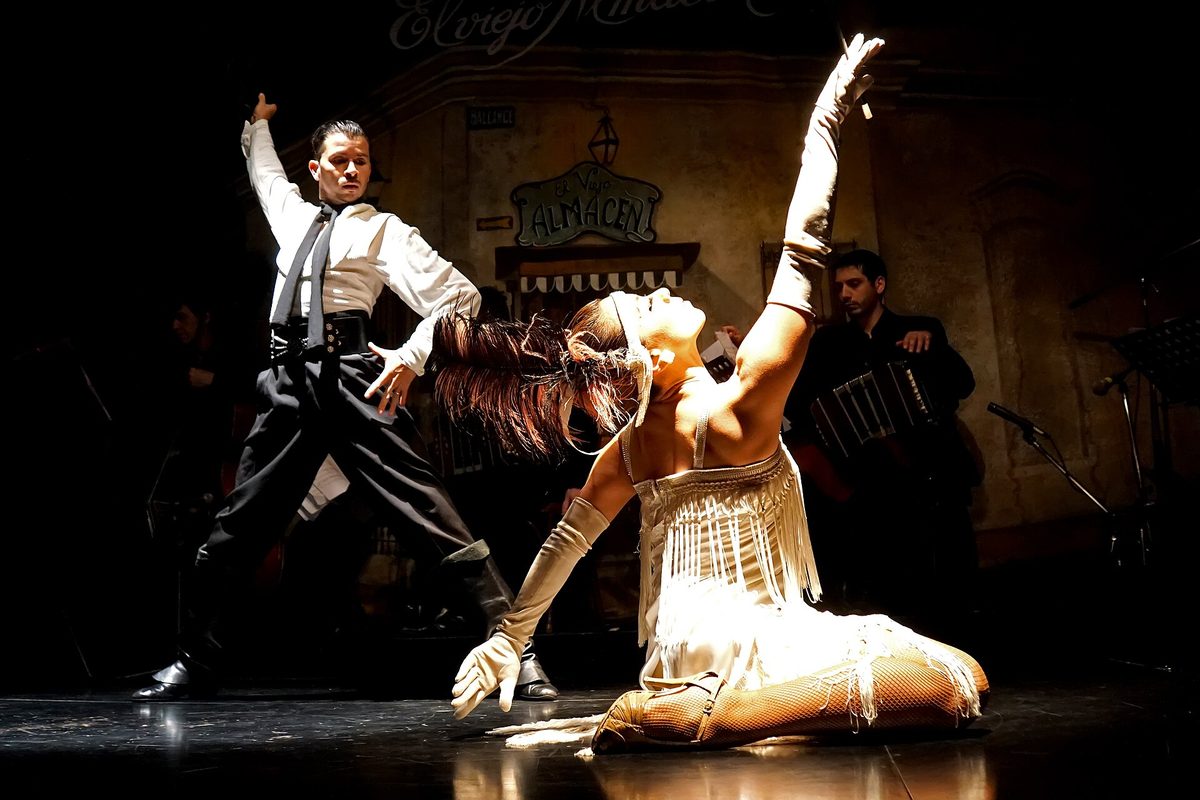
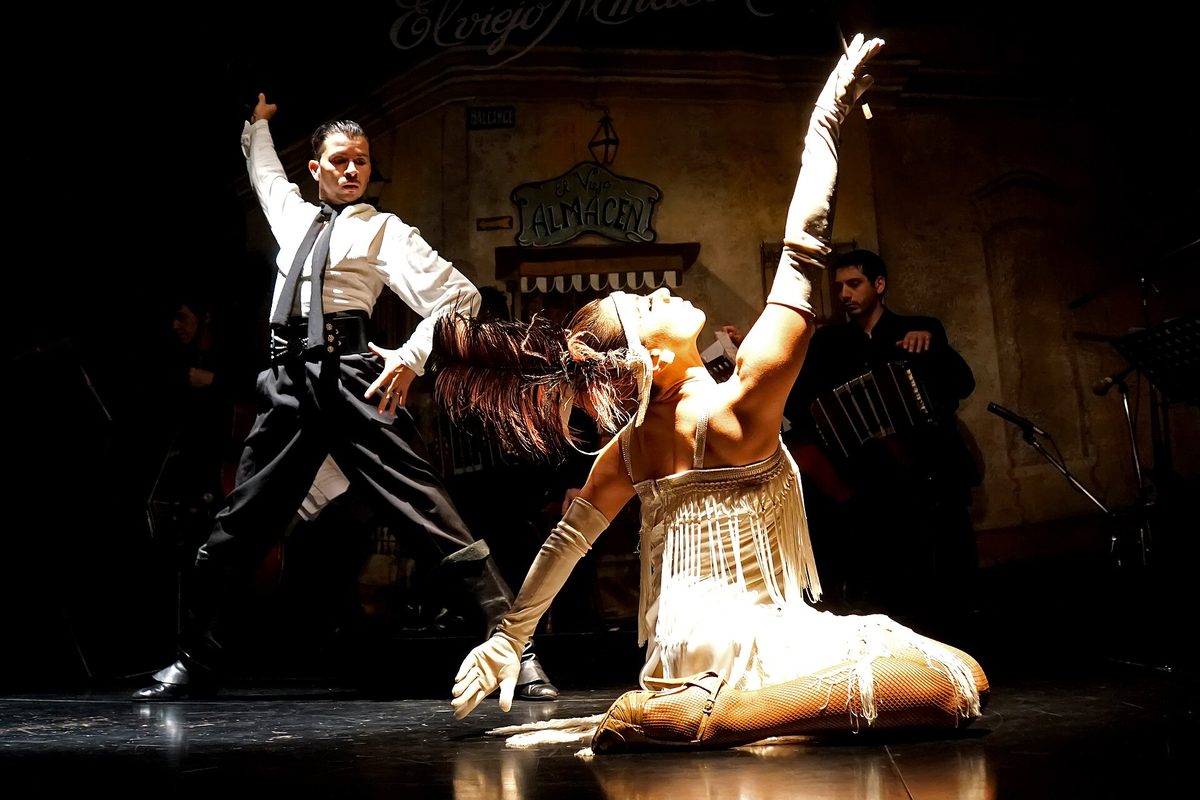
A milonga is a social dance, not a tango show, where locals — milongueros — come to dance with people they may have known for forty years or never met. The códigos evolved to solve real problems: how to ask without risking public rejection, how to share a small floor at speed, how to say “I’d like to stop” without hurting anyone. Treat them as good manners rather than a test and porteños are delighted to dance with a respectful beginner. If you have never danced, pair this with our guide to tango classes in Buenos Aires so you arrive with a basic walk and embrace.
The cabeceo and mirada: how to ask without words
If you remember only one of the milonga codes, make it the cabeceo. This is the heart of milonga codes cabeceo culture: invitations are made by eye contact and a small nod, never by asking out loud. The mirada is the look — you catch someone’s eye across the room; the cabeceo is the nod toward the floor once the look is mutual.
You scan the room, hold a gaze for a beat, and if it is held back with a tilt toward the floor, that is a yes — you rise and meet at the edge of the pista. If they look away, that is a soft “no thank you,” and nobody else even sees it happen. A few things make it easier as a beginner:
- Sit where you can be seen. Tables near the floor and good light are how you get dances; back corners are where you go to be left alone.
- Look calmly, one person at a time — a friendly gaze reads far better than scanning the room like a searchlight, and a non-return is the system working, not a verdict on you.
- Avoid the walk-over. Asking in words puts the other person on the spot in front of everyone — exactly what the cabeceo is designed to avoid.
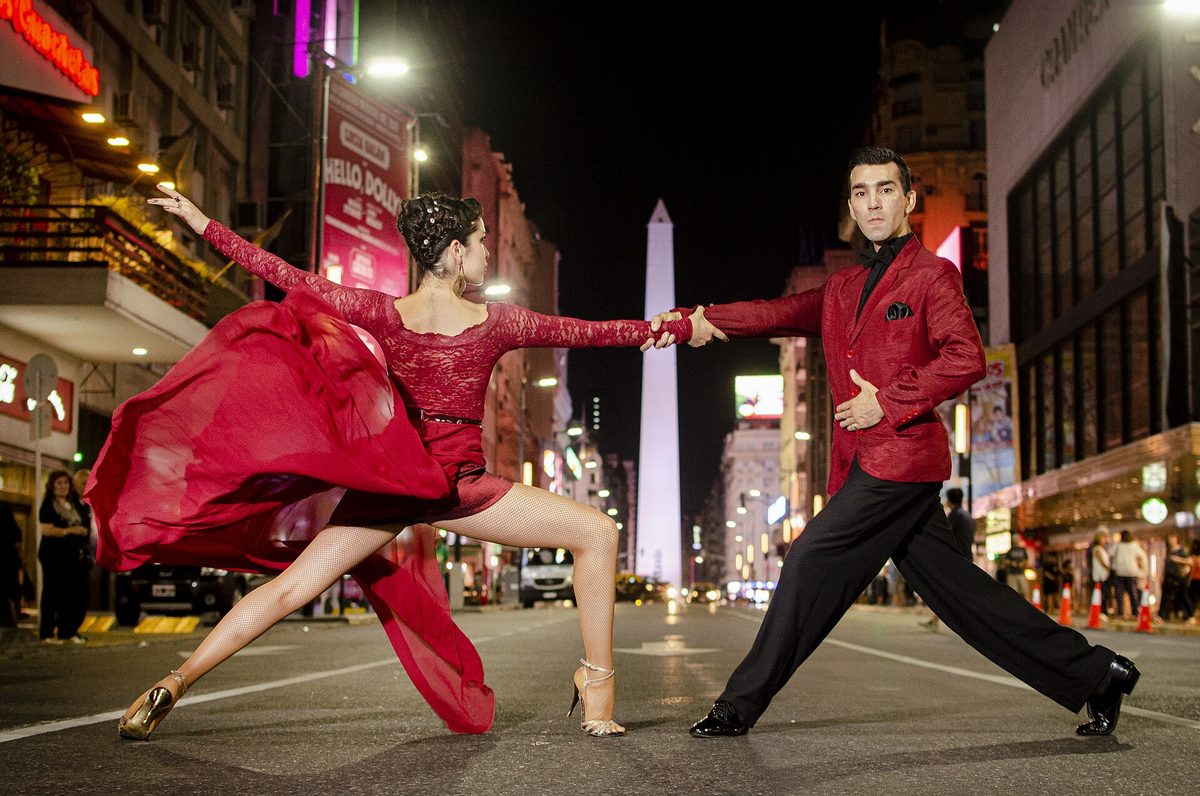
Tandas and cortinas: the rhythm of the night
Music at a milonga comes in sets called tandas — usually three or four songs by the same orchestra from the same era. The unwritten rule is that you dance the whole tanda with the partner you accepted; leaving after one song, barring something gone wrong, reads as a pointed insult. When you nod yes to a cabeceo, you are agreeing to the set, not a single song.
Between tandas comes the cortina, the “curtain” — a short snippet (20 to 60 seconds) of deliberately non-tango music you obviously cannot dance to. The signal is simple: clear the floor. You thank your partner, walk them back toward their table, and everyone resets for the next round of cabeceos. Staying out there dancing to the cortina marks you as a tourist who skipped the reading; locals step off without fail. One more thing worth knowing: dancing several tandas in a row with the same person sends a strong “we are together” signal, lovely if intended and awkward if not.
The ronda: floorcraft and the line of dance
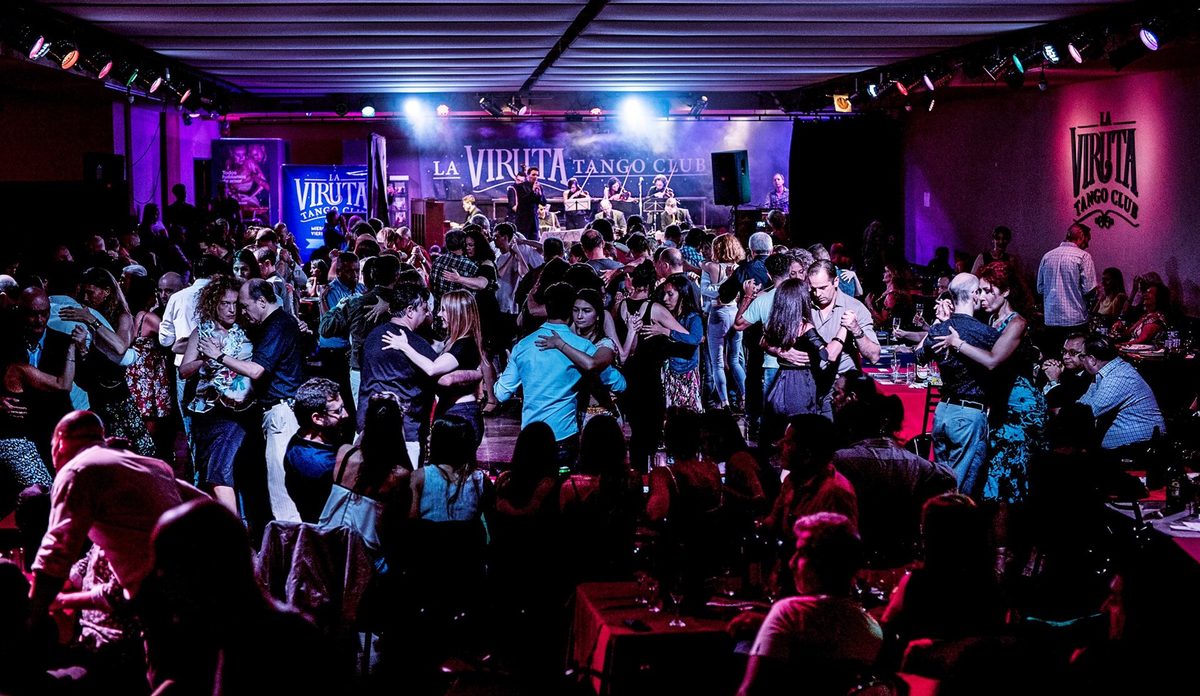
Watch a good milonga from above and you will see couples flowing counter-clockwise around the room like cars on a ring road, in two or three concentric lanes. This is the ronda, the line of dance, and respecting it is the most important floorcraft there is: you join a lane and stay in it, moving with the traffic, never carving across the empty middle. The cardinal sins, roughly in order of how much they annoy people:
- Cutting across the floor — the centre is not a shortcut.
- Tailgating or overtaking — you move at the pace of the couple ahead.
- Big travelling moves on a packed floor — high boleos and sweeping ganchos belong on a stage; on a busy night you keep it small.
- Reversing into traffic — the leader must not back the follower into the couple behind.
Floorcraft falls mostly on the leader, who is steering, but it is shared: a good ronda lets a beginner and a maestro share one floor safely because everyone protects the space around them. The one habit to keep is small steps, stay in your lane, protect your partner.
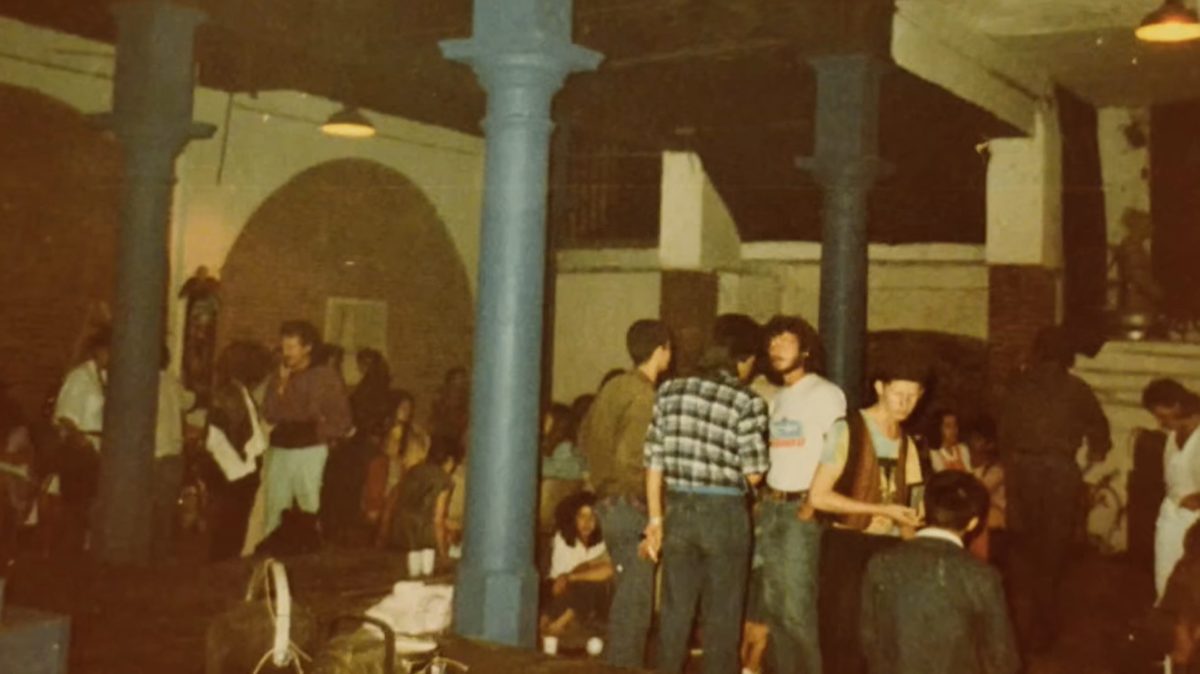
Seating, “gracias” and when not to talk
Seating at a traditional milonga is not a free-for-all. A host or organizador assigns tables, and at classic milongas single men and single women sit in separate areas, with couples placed to one side. It is not old-fashioned for its own sake — separated, clear-sightline seating is what makes the cabeceo work. When you arrive, catch the host’s eye and let them seat you rather than grabbing any empty chair.
Then the single most useful word in the room: “gracias.” Here, “thank you” effectively means “goodbye.” Saying gracias ends the dancing — normally at the close of a tanda, when both people thank each other and part. But if someone says it to you during a tanda, they are politely ending the dance early. It is not rude and not a lifelong rejection; it simply ends this set. So save your “gracias” for when you mean “we’re done,” and do not blurt it out mid-dance as a casual thank-you.
On talking: the floor is for dancing, not conversation. Couples move in silence or with only the briefest murmur, and chatting away is both rude to your partner and distracting on a busy floor. Save it for the cortina and the table. And never talk or clap during the music as if it were a performance; applause belongs only to a live band between sets.
Dress, hygiene and close-embrace courtesy
Tango is danced cheek to cheek, so personal courtesy matters more than at any other social dance. You do not need a tuxedo — milongas in 2026 range from smart-casual to dressier downtown salons — but you owe consideration to someone sharing your air for twelve minutes at a stretch.
- Arrive fresh — a shower, clean clothes, a spare shirt for a long night.
- Go easy on fragrance — strong perfume is overwhelming in a close embrace.
- Mind the breath — skip the garlic dinner and the pre-dance cigarette.
- Dress to move — comfortable, breathable clothing beats anything stiff. For a proper pair, see our guide to where to buy tango shoes in Buenos Aires.
Tango rules for beginners: watching as a tourist or non-dancer
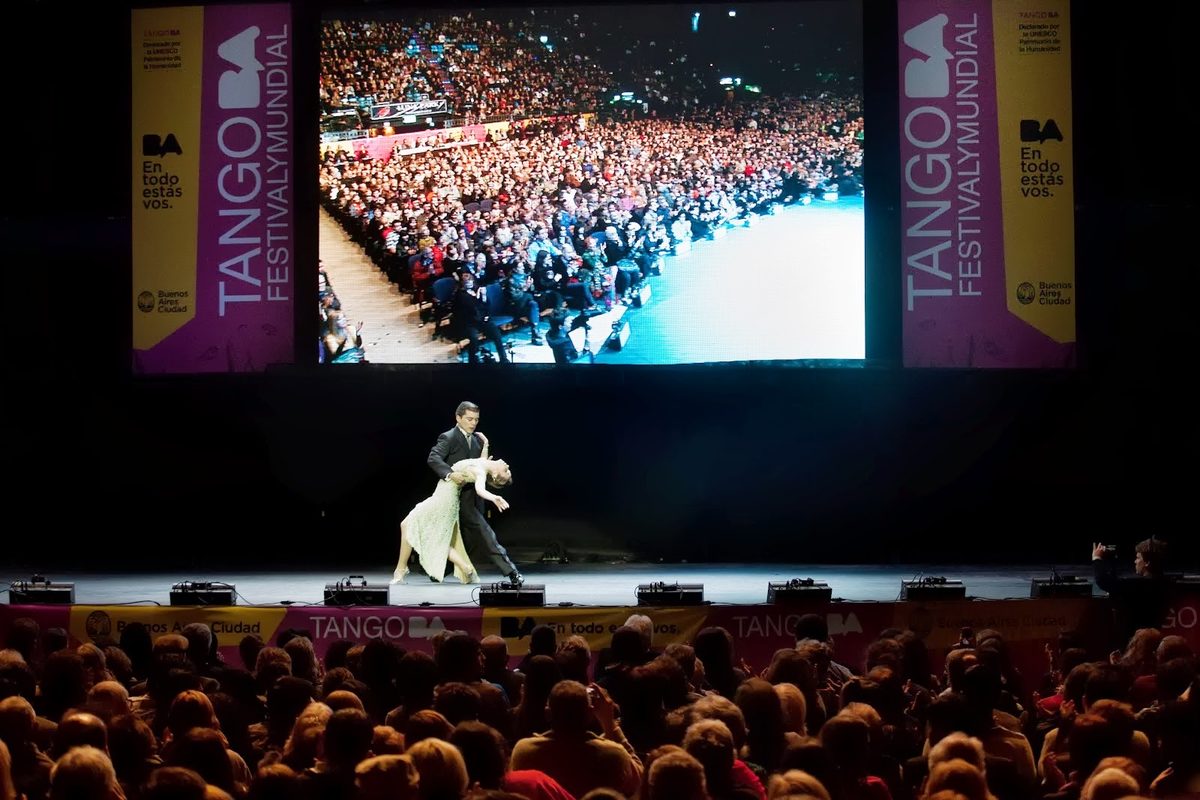
Here is the reassuring part: you are welcome at most milongas even if you have never danced a step, and plenty of visitors come just to watch. The key tango rules for beginners who are there to observe are about being an unobtrusive guest rather than a spectator at a show:
- Pay the entry and order something. Most milongas charge a modest entrada (a few thousand pesos — check the current price, as figures move fast in Argentina).
- Don’t block the floor or sightlines. Keep bags out of the walkways; the space between tables and pista is a highway for couples coming and going.
- Photos: ask first, and never use flash. A milonga is a private gathering, not a tourist attraction, and the social dancers are not performing for you — applause is only for a live orchestra.
- To join in, take a class first. Many milongas run a beginner lesson before the social dancing — a low-pressure on-ramp.
For a gentler first encounter with no codes and no pressure, the Sunday fair in historic San Telmo has open-air dancing, and there is plenty of free and cheap tango around the city if you would rather watch first.
Frequently asked questions
What is the cabeceo in tango etiquette?
The cabeceo is the traditional way to invite someone to dance at a milonga: you make eye contact (the mirada) from across the room, and if it is returned you give a small nod toward the floor. It replaces walking up and asking out loud, so anyone can decline simply by looking away — privately, with no public rejection for either person.
What does “gracias” mean at a milonga?
At a milonga, “gracias” (thank you) effectively means “goodbye.” You say it to end the dancing, normally at the close of a tanda. If a partner says gracias mid-tanda, they are politely ending the dance early. It is not a permanent rejection — it just stops the current set — so only use it when you genuinely want to finish.
What are the basic tango rules for beginners?
Invite with the cabeceo, not words; dance the whole tanda (3–4 songs) with your partner; clear the floor during the cortina; move counter-clockwise in the ronda and never cut across; keep big moves off a crowded floor; stay quiet while dancing; and arrive clean and considerate. Respect those and you will be welcome as a beginner.
Can I go to a milonga in Buenos Aires if I can’t dance?
Absolutely. Most milongas welcome visitors who come just to watch, pay the small entry and order a drink. Be an unobtrusive guest: stay at your table, keep walkways clear, do not use flash photography, and do not applaud the social dancers. Many milongas also offer a beginner class beforehand if you decide to try.
Why are men and women seated separately at milongas?
At traditional milongas the host assigns tables and often seats single men and single women in separate areas, with couples placed to one side. It is not merely formality: separated, clear-sightline seating is what makes the cabeceo work, letting single dancers catch one another’s eye across the room and invite by nod rather than by walking over.
Final thoughts
The códigos can look like a wall of rules from the doorway, but spend one evening inside and you feel what they really are: a hundred-year-old kindness machine. The cabeceo spares you rejection, the tanda gives a dance room to breathe, the ronda keeps everyone safe, and “gracias” lets anyone bow out with grace. Go slowly, sit where you can be seen, dance small, and treat every partner as someone you would like to dance with again. When you are ready to pick a room, start with our best milongas in Buenos Aires guide, then step back for the full picture with our tango in Buenos Aires guide.
Photo credits
- tango-etiquette-buenos-aires-salon-canning.jpg — Photo: La Viruta Tango Club / CC BY-SA 4.0 via Wikimedia Commons
- tango-etiquette-buenos-aires-couple-dancing.jpg — Photo: Manticora87 / CC BY-SA 4.0 via Wikimedia Commons
- tango-etiquette-buenos-aires-milonga-floor.jpg — Photo: Unknown photographer (CC0 / Public domain) via Wikimedia Commons