Last updated: June 2026 · Written by the Buenos Aires Tourism editorial team, who have rented apartments off Plaza Serrano, queued for the parrillas, and cycled the Bosques on borrowed bikes more weekends than we can count.
If you only have time to “live” in one Buenos Aires barrio, make it Palermo. It is where I have stayed on most of my trips and where the city’s leafy, design-obsessed, late-dining personality is at its most concentrated. It is also enormous and a little confusing — Soho, Hollywood, Botanico, Las Canitas and Chico all wear the same surname — so this guide untangles it for you.
Palermo buenos aires is the city’s largest and trendiest barrio, a sprawling green district of cobbled boutique streets, world-class parrillas, sprawling parks and the best nightlife in town. It splits into sub-neighbourhoods — Soho for shopping and cafes, Hollywood for restaurants and bars — and it is where most visitors choose to base themselves.
For the wider lay of the land, start with our pillar guide to Buenos Aires neighborhoods. Below I walk you through every corner of Palermo: what each sub-barrio is for, what to see, where to eat, where to stay and how to get around.

Palermo buenos aires: the sub-barrios, decoded
“Palermo” on a map covers a huge chunk of the city’s northeast, and locals slice it into a dozen unofficial pockets with different moods. You do not need to memorise all of them, but knowing the main five will save you a lot of aimless wandering and help you pick the right corner to stay in.
Palermo Soho
The postcard Palermo. Soho (the blocks around Plaza Serrano, between Avenida Juan B. Justo and Avenida Scalabrini Ortiz) is all cobbled streets, low-rise houses turned into independent boutiques, specialty-coffee bars and a thick coating of street art. It is liveliest by day and on weekend afternoons, when craft stalls fill Plaza Serrano. If you want to step out of your door into the shopping-and-cafe side of Buenos Aires, this is your patch.
Palermo Hollywood
Just across the railway tracks and Avenida Juan B. Justo, Hollywood took its name from the TV and film studios that moved in during the 1990s. It feels quieter and residential by day, then flips after dark into the city’s densest concentration of restaurants, wine bars and clubs. If your trip is built around long dinners and late nights, sleep here.
Palermo Botanico
Named for the Jardin Botanico Carlos Thays, this leafier pocket between the gardens and Avenida Santa Fe is calmer, greener and more residential, with handsome early-twentieth-century buildings. It is a lovely middle ground — walkable to both the parks and Soho’s cafes — and my pick for travellers who want trendy-but-peaceful.
Las Canitas
A compact, polished enclave near the polo field and Hipodromo, Las Canitas packs a run of buzzy restaurants and bars into a few blocks around Baez street. It feels upscale and self-contained, popular with an older, moneyed crowd, and handy if you are here for polo or the racecourse.
Palermo Chico
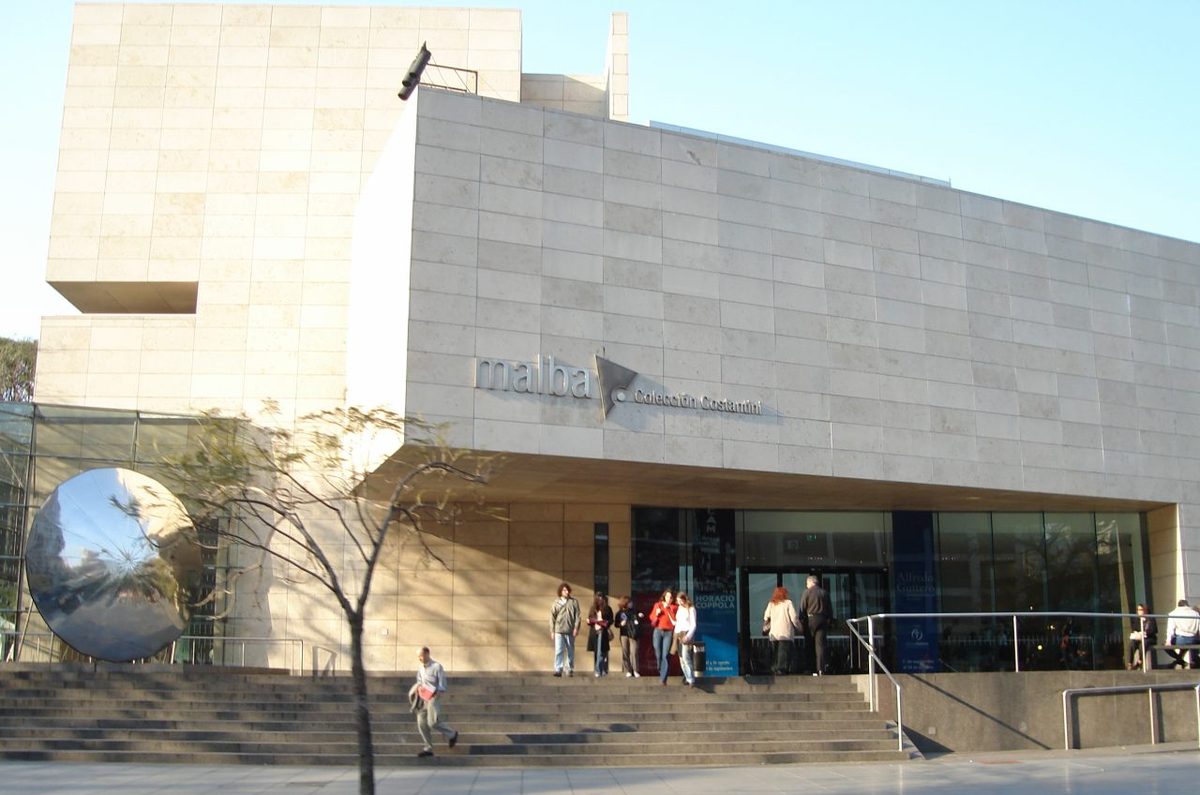
The grand, embassy-lined quarter near the parks and MALBA. Palermo Chico is residential luxury — mansions, diplomats, quiet tree-tunnel streets — rather than a going-out zone. You will likely pass through it to reach MALBA or the Bosques, but it is a beautiful stroll.
At a glance: which Palermo is which
| Sub-barrio | Vibe | Best for |
|---|---|---|
| Palermo Soho | Cobbled, creative, daytime buzz | Shopping, cafes, street art |
| Palermo Hollywood | Quiet by day, lively by night | Restaurants, wine bars, nightlife |
| Palermo Botanico | Green, calm, handsome | Quiet base near parks and gardens |
| Las Canitas | Polished and upscale | Smart dining, polo and racing |
| Palermo Chico | Grand, residential, hushed | Architecture walks, MALBA |
What to see and do in Palermo
Palermo pairs serious green space with serious culture, all within walking or short-taxi distance. You could fill two full days here and not repeat yourself. These are the spots I steer everyone towards.
Bosques de Palermo and El Rosedal
The Bosques de Palermo — officially the Parque Tres de Febrero — is the green lung of the city: lakes you can paddle across in a hired pedal boat, jacaranda-lined paths, joggers and picnickers. Tucked inside is El Rosedal, a rose garden with thousands of bushes, a white pergola and a little bridge over the water. Entry is free; it is showiest in spring (October and November) but lovely any sunny morning. Rent a bike or walk a loop — this is Palermo at its most relaxed.
Jardin Japones
A short walk away, the Jardin Japones is one of the largest Japanese gardens outside Japan: koi ponds, a red arched bridge, stone lanterns and a teahouse. There is a modest entry fee (a few dollars — check the current price), and a weekday morning dodges the crowds. The cherry blossoms in late winter and spring are a quiet highlight.

Jardin Botanico and the Ecoparque
The Jardin Botanico Carlos Thays is a free, slightly wild garden famous for its resident cats, glasshouses and shady benches — a perfect mid-afternoon pause. Next door, the former city zoo is now the Ecoparque, a free urban conservation park; a gentle, leafy detour rather than a headline sight.
MALBA and the museums
On the Palermo Chico edge towards Recoleta, MALBA (the Museo de Arte Latinoamericano de Buenos Aires) is the must-do indoor stop — a sleek modern building with a superb collection of Latin American art, including a famous Frida Kahlo self-portrait. It is closed Tuesdays. Nearby, the Museo Evita tells Eva Peron’s story in an old mansion. For more, see our guide to Buenos Aires museums.
The Planetario and a spaceship in the park
Rising from the lawns near the Bosques, the Planetario Galileo Galilei looks like a flying saucer that landed in the 1960s — which is more or less what it is. It runs star shows under its dome, but half the appeal is the building itself, especially lit up at dusk, and the surrounding plaza is a fine spot for an evening mate with locals.

Plaza Serrano and the street art
The cobbled heart of Soho, Plaza Serrano (officially Plazoleta Cortazar) is ringed by bars and fills with a craft and design fair at weekends. The streets fanning out from it — Honduras, Gurruchaga, El Salvador — are an open-air gallery of murals. If the artwork grabs you, our Buenos Aires street art tour maps the best of it citywide.

Eating and drinking in Palermo
This is where Palermo earns its reputation. The barrio has the densest, most adventurous dining scene in Buenos Aires, from old-school parrillas to closed-door bistros, and you can eat well at almost any budget. Argentines dine late, so a 9pm or 10pm reservation is normal and the better tables book out — reserve ahead.
The parrillas
Don Julio in Soho is the famous one — a wood-and-brick steakhouse that regularly lands on world’s-best lists; book well in advance. La Cabrera is the crowd-pleaser, known for generous plates and an early “happy hour” sitting. For something more local and unfussy, La Dorita and Lo de Jesus both do honest grilled meat without the queue. Order a bife de chorizo, a Malbec, and do not skip the provoleta.
Beyond the grill
Palermo is also where Buenos Aires gets experimental. Nino Gordo fuses Asian flavours with the parrilla in a neon room; Casa Cruz and Social Paraiso bring polished modern cooking. Hollywood hides closed-door (puerta cerrada) tasting-menu spots, and the barrio is thick with specialty coffee, artisan ice cream and natural-wine bars. For more, see our pillar guide to Buenos Aires restaurants.
Shopping and nightlife
By day, Soho is the shopping engine: independent Argentine fashion labels, leather workshops and design concept stores fill the converted houses around Honduras and El Salvador. It is the best place in the city for original, made-in-Argentina pieces rather than chain brands.
By night, the action shifts to Hollywood and the bars around Plaza Serrano: craft-beer taprooms, speakeasy cocktail bars and nightclubs (boliches) that do not get going until well after midnight and run till dawn. Palermo is the heart of the city’s going-out scene — our Buenos Aires nightlife guide has the full rundown.
Where to stay in Palermo
Most visitors who choose Palermo are happy they did: it is walkable, leafy and generally safe by Buenos Aires standards. For a first trip, aim for Soho (walk-out-the-door buzz) or Botanico (calmer, greener, still central). Pick Hollywood if nightlife and dinners are the priority, or Las Canitas for a quieter, upmarket pocket. The barrio runs from design hostels to polished five-stars, so there is something at every budget. For the citywide picture, see our pillar on where to stay in Buenos Aires.
Getting to Palermo and around
Palermo sits in the northeast, roughly 20–30 minutes by taxi from the Microcentro depending on traffic. Subte Line D runs along its southern edge with stops at Plaza Italia, Scalabrini Ortiz and Palermo; Line H reaches the eastern side, and Mitre and San Martin trains also stop here. Within Palermo, the best way around is on foot or on the city’s cheap Ecobici share bikes, ideal for the parks; app-based taxis are plentiful for longer hops. For the full picture, our getting around Buenos Aires guide covers SUBE cards and fares.
Who Palermo suits (and who might prefer elsewhere)
Palermo is ideal if you want greenery, great food, independent shopping and nightlife on your doorstep, and you do not mind a barrio that prioritises lifestyle over big-ticket monuments. It suits foodies, repeat visitors and anyone planning long, late evenings.
If your heart is set on grand European-style boulevards and classic sights, you may prefer the polished calm of Recoleta, with its famous cemetery and museums. For cobbled, antique-market history and tango roots, look to San Telmo. Many visitors happily base in Palermo and day-trip to both — our best neighborhoods in Buenos Aires for tourists guide weighs them side by side.
Practical tips for visiting Palermo
- Book dinner ahead. The marquee parrillas and bistros fill up; reserve a day or two out, and expect to eat late.
- Carry some cash, in pesos. Many small shops and stalls prefer cash, and the exchange rate moves fast — check the current rate and bring crisp US dollars to change.
- Walk the sub-barrios, taxi between zones. Soho to Hollywood is an easy stroll; the parks and MALBA are a short ride.
- Stay street-smart. Palermo is among the safer barrios, but keep your phone discreet at night and stick to busy, well-lit streets like anywhere in a big city.
- Sundays are slower. Some boutiques close, but the parks and weekend fairs are at their best — a perfect picnic day.
Frequently asked questions
Is Palermo a safe area in Buenos Aires?
Palermo is generally one of the safer barrios for visitors, a big reason so many choose to stay here. The usual big-city sense applies: keep your phone out of sight at night, avoid flashing valuables, and stick to busy, well-lit streets after dark. Soho, Hollywood and Botanico all feel comfortable to walk in the evening.
What is the difference between Palermo Soho and Palermo Hollywood?
Soho is the daytime barrio — cobbled streets, boutiques, cafes, street art and the weekend fair on Plaza Serrano — and it quietens at night. Hollywood, just across the train tracks, is more residential by day but comes alive after dark with the city’s best restaurants, wine bars and clubs. They are a short walk apart, so you can easily enjoy both.
Should I stay in Palermo or Recoleta?
Choose Palermo for greenery, food, independent shopping and nightlife, and a younger, more creative feel. Choose Recoleta for grand architecture, central museums and a calmer, more classic atmosphere. Palermo wins on dining and going out; Recoleta edges it on old-world polish. Many visitors base in Palermo and visit Recoleta for the day.
How many days do you need in Palermo?
Give Palermo at least one full day if you are visiting, two if you are staying here. One day covers the parks, Jardin Japones and a Soho wander with dinner; a second adds MALBA, the Botanico, leisurely cafe time and a proper night out. Many travellers use it as their base for a whole trip.
How do I get to Palermo from the city centre?
It is about 20–30 minutes by taxi from the Microcentro. By Subte, Line D runs along Palermo’s southern edge (stops at Plaza Italia, Scalabrini Ortiz and Palermo) and Line H serves the eastern side; Mitre and San Martin trains also stop here. Within the barrio, walking and Ecobici share bikes are best.
Final thoughts
If Buenos Aires is a city of villages stitched together, Palermo is the one most travellers fall for — green, late, stylish and endlessly walkable, with the food and nightlife to anchor a whole trip. Base yourself here, learn its sub-barrios, and the rest of the city opens up from your doorstep. To compare it with the other barrios, head back to our pillar guide to Buenos Aires neighborhoods, then slot Palermo into a wider plan with our Buenos Aires itinerary. Buen provecho, and enjoy the cobbles.
Photo credits
- The lake and white pergola in the Bosques de Palermo near El Rosedal — photo by Alex Proimos, CC BY 2.0, via Wikimedia Commons.
- The red arched bridge and koi pond at the Jardin Japones — photo by Luis Argerich, CC BY 2.0, via Wikimedia Commons.
- The Galileo Galilei planetarium lit up at night in the Bosques de Palermo — photo by HSbiblio, CC BY-SA 4.0, via Wikimedia Commons.
- The weekend craft fair on Plaza Serrano in Palermo Soho — photo by Gervacio Rosales, CC BY 3.0, via Wikimedia Commons.