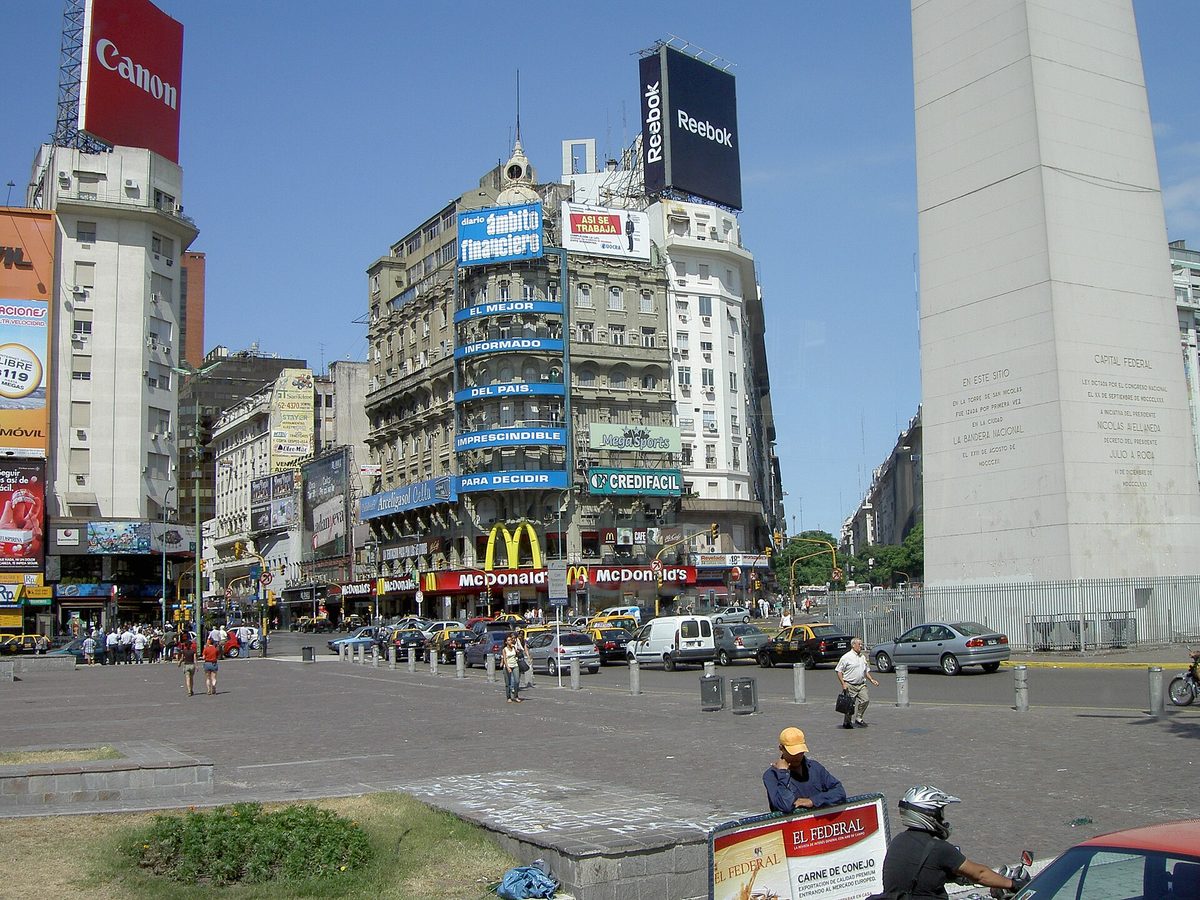
The first time I spent a January in Buenos Aires, I expected the famous nightlife and full-throttle city buzz. Instead I found half my favourite parrilla shuttered, the streets oddly hushed, and a wall of wet, sticky heat that hit me the moment I left the apartment. It took me a few visits to understand that this is exactly what makes the season special.
So what is Buenos Aires in summer actually like? Summer here runs December to February, the opposite of the northern calendar. Expect hot, humid days with highs around 30°C (86°F), occasional thunderstorms, and a city that empties out in January as locals flee to the coast — leaving it calmer, cheaper in spots, and quietly lovely for visitors.
Last updated: June 2026 · Written by the Buenos Aires Tourism editorial team
I love the city in this season precisely because it defies expectations. Arrive knowing the rhythm — the heat, the holiday exodus, the late nights — and you can have one of the most relaxed trips of the year. For the full year-round picture, start with our guide to the best time to visit Buenos Aires, then come back here for the summer detail.
Summer in Buenos Aires at a glance
Here is the quick climate and crowd snapshot I wish I’d had on my first trip. Treat the temperatures as rough averages — any given week can run hotter or cooler, so check the current forecast before you pack.
| Month | Avg high | Avg low | Rain | Feel |
|---|---|---|---|---|
| December | ~28–29°C / 83°F | ~18°C / 64°F | Moderate (~9 wet days) | Warm, festive, building up |
| January | ~31°C / 87°F | ~20°C / 68°F | Lower, but stormy bursts | Hottest, emptiest, calmest |
| February | ~29–30°C / 85°F | ~20°C / 68°F | Higher (humid) | Sticky, city refilling |
In short: December eases you in with festive energy, January is the hot, hushed peak of the local-holiday exodus, and February brings the steamiest humidity as the city slowly fills back up.

What the weather is really like
The headline number — highs around 30°C — doesn’t tell the whole story. What you actually feel is the humidity. Porteños have a word for the oppressive, sticky heat that settles over the city: bochorno. On a bad day the thermometer might read 27°C while the air feels closer to 34°C, the kind of clammy warmth where you change your shirt by lunchtime.
January is statistically the hottest month, with average highs around 30–31°C (87°F) and the occasional heat spike pushing toward 35–38°C (97–100°F). February often feels worse because the humidity climbs even as the peak temperatures dip slightly. December is the gentlest of the three, still warm but more forgiving.
Storms and that blessed cool change
Summer afternoons can build into dramatic thunderstorms. They roll in fast, dump a lot of rain in a short burst, and usually clear within an hour or two. The silver lining is the pampero — a cool wind that sweeps up from the south after a storm, dropping the temperature sharply and giving the city a day or two of glorious relief. I’ve learned to welcome the dark clouds; they often mean a cooler tomorrow. Summer is also the sunniest season overall, so most days are bright between the storms. If you want the granular numbers, our month-by-month Buenos Aires weather breakdown has the full picture.
The great January exodus — and why it’s good for you
Here is the quirk that defines the season. Come January, a huge share of porteños leave town for their summer holidays, heading to the Atlantic beach resorts — Mar del Plata, Pinamar, Cariló — or to the countryside. The city visibly thins out. Some neighbourhood restaurants, family-run shops, and especially the intimate “closed-door” (puertas cerradas) supper clubs shut for a few weeks. Theatres and certain cultural venues run lighter programmes.
This sounds like a downside, and if you came purely for the famous nightlife you might feel it — the party crowd has largely decamped to the coast. But for most travellers it’s a hidden gift. The big sights are quieter, queues shrink, taxis are easier to flag, and the city feels more relaxed and walkable. Major tourist-facing businesses — steakhouses, tango shows, hotels and main attractions — stay open throughout. You simply get them with fewer elbows.
The price picture is mixed. January and February are peak international tourist season, so hotel rates can climb, and Argentina’s fast-moving inflation means you should always confirm current prices. That said, with locals away you can often snag tables and tours that would be impossible in spring. For the trade-offs across the calendar, compare the worst time to visit Buenos Aires and the value windows in our cheapest time to visit Buenos Aires guide.
Christmas and New Year, porteno style
December brings a warm-weather Christmas that delights anyone used to a frosty one. The main event is Nochebuena on 24 December: families gather late, share a big dinner (often outdoors), and at midnight the whole sky erupts in homemade fireworks. Christmas Day itself (25 December) is quiet and restful — expect most shops and restaurants closed, so plan ahead. The city dresses up beautifully in the weeks before, with lights along Avenida 9 de Julio and Avenida Santa Fe and a big tree on Plaza de Mayo.
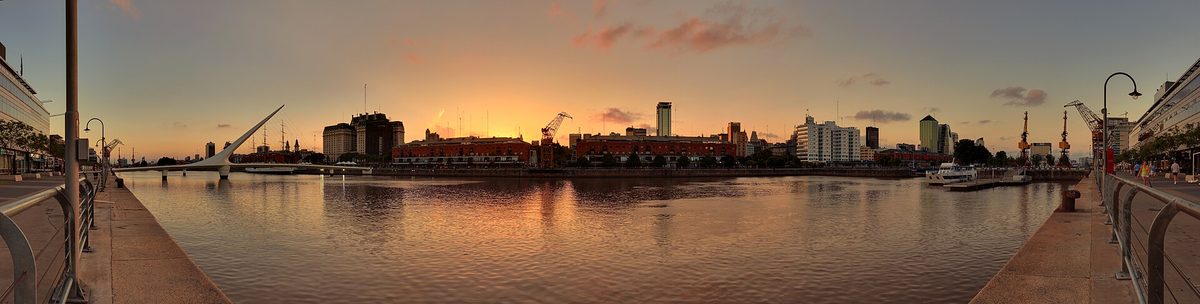
New Year’s Eve follows the same pattern: a late family dinner, then midnight fireworks across the city. Puerto Madero is a classic spot to ring it in by the water. As with Christmas, restaurants and shops tend to close early on 31 December, and many require advance booking for festive set menus — reserve well ahead if you want to dine out. For ideas that work whatever the date, browse our roundup of things to do in Buenos Aires.
How to beat the heat
The secret to enjoying summer here is to move like a local: slow down in the brutal midday hours and come alive in the cooler mornings and evenings. These are my go-to escapes when the bochorno sets in.
- Head for the river. The breeze off the Río de la Plata is the city’s natural air-conditioning. The wide promenades of Puerto Madero and the Costanera catch it beautifully at dusk.
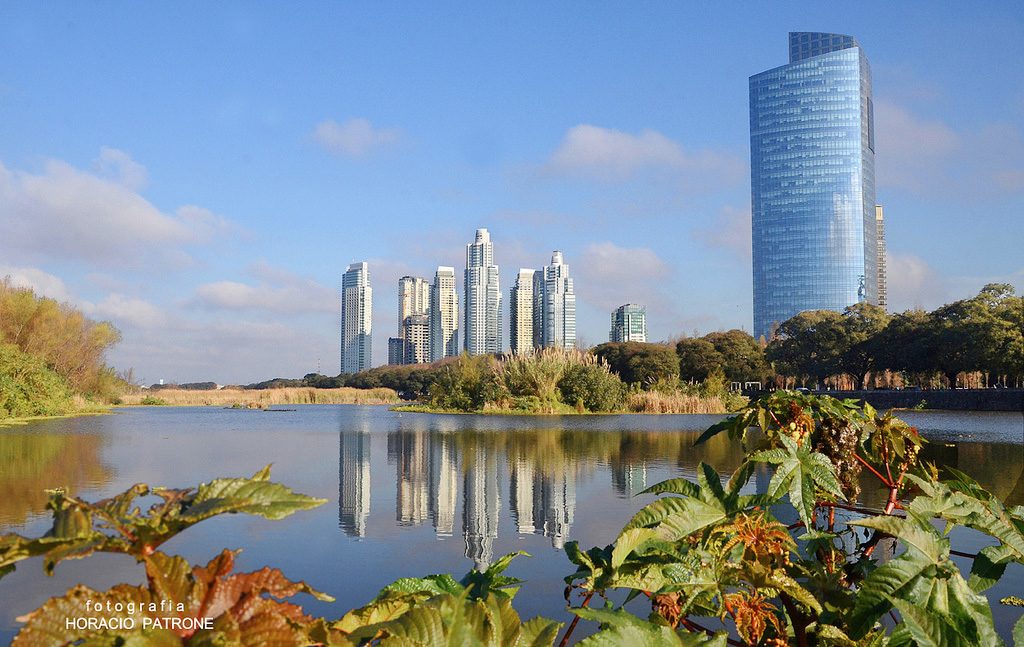
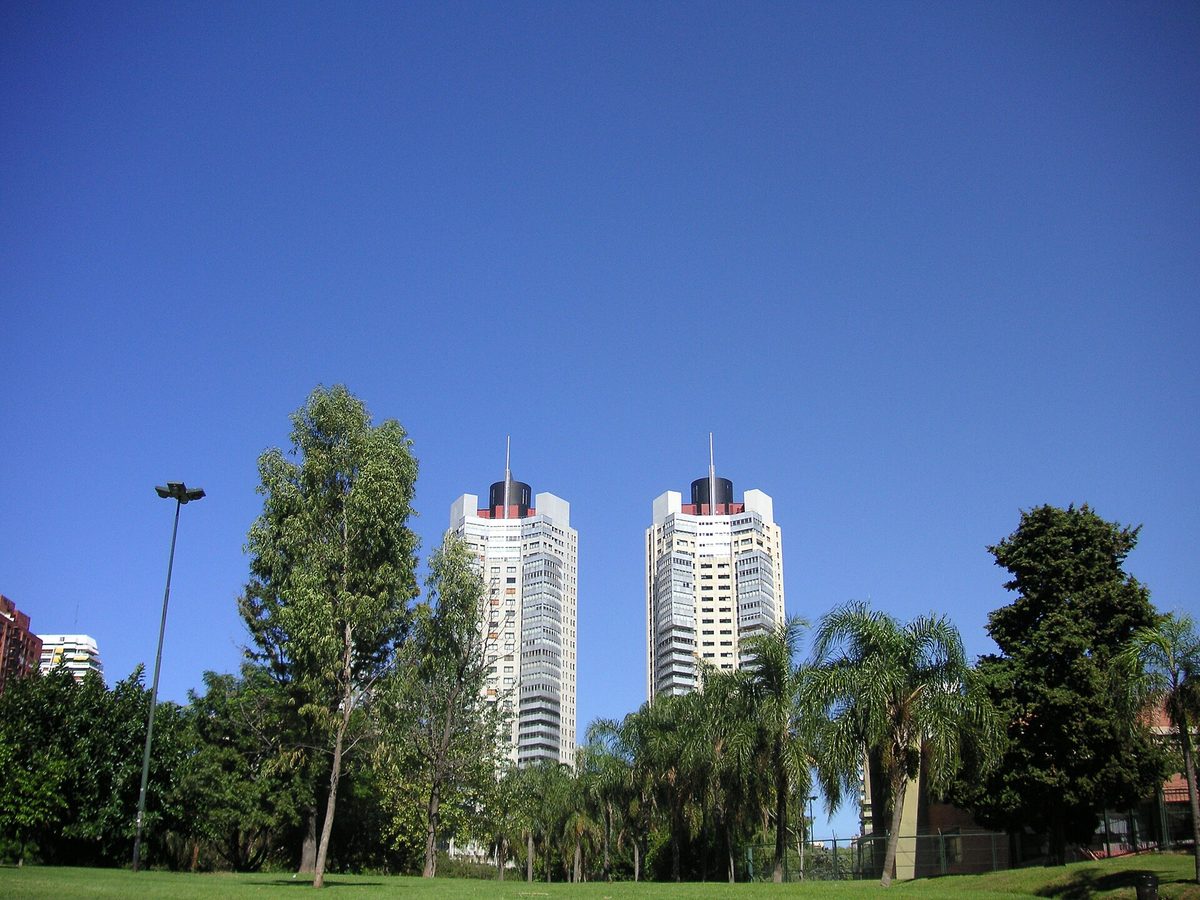
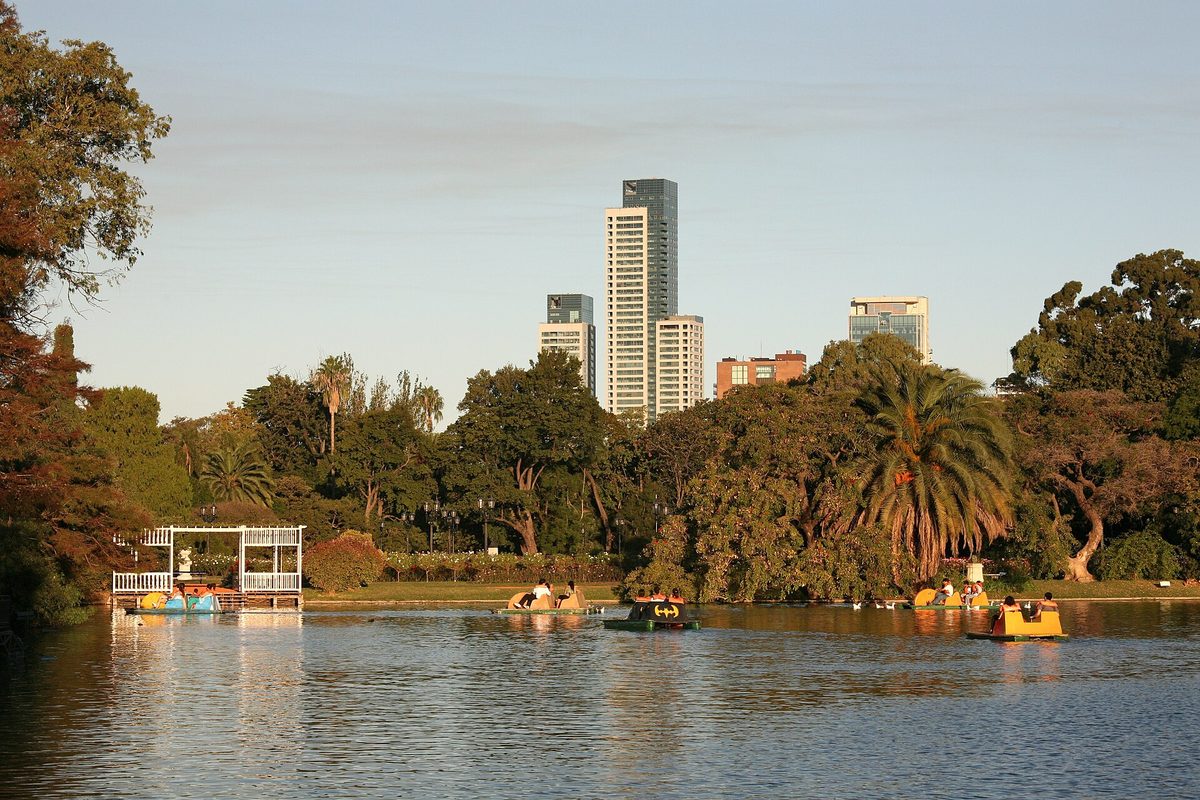
- Find shade in the parks. The leafy Bosques de Palermo — lake, rose garden and all — offer proper tree cover. The Reserva Ecológica Costanera Sur is a vast green lung with river views, best in the cooler early morning.
- Use a pool. Many mid-range and upscale hotels have rooftop or courtyard pools; in summer they’re worth prioritising when you book.
- Embrace the siesta logic. Do your sightseeing early, retreat indoors (a museum, a long lunch, your hotel) in the worst of the afternoon, then re-emerge after 7pm.
- Hydrate and shade up. Carry water, wear a hat and high-SPF sunscreen, and don’t underestimate the strong summer sun.
For more green-space ideas, our guide to Buenos Aires parks and gardens is a good companion to this section.
Nightlife runs even later
If there’s an upside to scorching afternoons, it’s that the social day shifts later — and Buenos Aires already starts late by any standard. In summer, dinner rarely begins before 9 or 10pm, bars fill toward midnight, and clubs don’t hit their stride until 2 or 3am. The cooler night air makes the city’s pavement cafes, rooftop bars and outdoor terraces genuinely pleasant once the sun is down.
Just temper expectations in deep January: with much of the local crowd at the coast, some clubs scale back. The bars and milongas that cater to visitors keep going, so you’ll still find tango and a good night out — see our Buenos Aires nightlife guide for where to look.
What to pack for summer
Pack as light as the weather: breathable cotton and linen, t-shirts, shorts, sundresses, and sandals, plus one slightly smarter outfit for nicer restaurants and tango shows. Non-negotiables are a refillable water bottle, sunglasses, a hat, and strong sunscreen. Add a compact umbrella for the sudden storms. A light layer is handy too — not for the outdoors, but because shops, buses and restaurants crank the air-conditioning hard. Leave the heavy clothes at home.
Who summer suits (and who should think twice)
Summer suits you if you love long, warm evenings, don’t mind humidity, want quieter sights, and are here for the food, culture and outdoor city life rather than wall-to-wall clubbing. It’s also ideal if your trip pairs the capital with a coastal or Patagonian leg, since this is high season for the rest of the country too.
Think twice if you genuinely struggle with heat and humidity, or if a buzzing, full-capacity nightlife scene is the whole point of your trip — in that case the shoulder seasons serve you better. Many travellers find spring the sweet spot; see Buenos Aires in spring for the jacaranda-season glory, or the mild, uncrowded calm of Buenos Aires in winter if you’d rather skip the heat altogether. Whatever you decide, our guide to the best time to visit Buenos Aires lays the seasons side by side.
Frequently asked questions
Is it too hot to visit Buenos Aires in summer?
Not for most people, but it is genuinely hot and humid, with highs around 30°C and the occasional spike toward 35–38°C. The key is pacing: sightsee in the cooler morning and evening, retreat indoors in the worst afternoon heat, and stay hydrated. If you wilt in humidity, consider spring or autumn instead.
Why is Buenos Aires so empty in January?
January is the main Argentine summer holiday, so a large share of porteños leave the city for the Atlantic beaches or the countryside. Some local restaurants and shops close for a few weeks. For visitors this means quieter sights, easier bookings and a calmer city — though the party-driven nightlife is thinner than usual.
What months are summer in Buenos Aires?
Buenos Aires is in the southern hemisphere, so its seasons are flipped relative to Europe and North America. Summer runs from December to February, with January the hottest month. December brings the festive build-up and Christmas, while February tends to feel the most humid before autumn arrives in March.
Does it rain a lot in Buenos Aires in summer?
Rain comes mostly in short, heavy thunderstorms rather than all-day drizzle. They build on hot, humid afternoons, pass quickly, and often usher in a cool, refreshing wind from the south. February is typically the wettest of the summer months. Carry a small umbrella, but expect plenty of bright, sunny days too.
Is summer a good time for first-time visitors?
It can be excellent, especially if you want fewer crowds at the major sights and a relaxed pace. You’ll trade some nightlife buzz and battle the heat, but the food, culture, parks and riverside come into their own. Plan around the midday heat and the Christmas and New Year closures, and you’ll do well.
Final thoughts
Buenos Aires in summer rewards travellers who lean into its rhythm rather than fight it. Yes, it’s hot and sticky, and yes, January can feel half-empty — but that emptiness is the gift: a famously intense city in a rare, unhurried mood, with quieter museums, easier tables, river breezes and nights that stretch toward dawn. Pack light, drink water, chase the shade and the river, and let the slower pace carry you. For the bigger seasonal picture, lean on our full guide to the best time to visit Buenos Aires and pick the window that fits your trip.
Photo credits
- Reserva Ecológica Costanera Sur — Photo: Rcidte (CC0, public domain) via Wikimedia Commons. File page
- Costanera Sur reserve lagoon — Photo: Horacio patrone / CC BY-SA 4.0 via Wikimedia Commons. File page
- Puerto Madero waterfront — Photo: Martin St-Amant (S23678) / CC BY-SA 3.0 via Wikimedia Commons. File page
- Bosques de Palermo lake — Photo: Alex Proimos / CC BY 2.0 via Wikimedia Commons. File page
- Palermo parks (Las Heras) — Photo: Beatrice Murch / CC BY-SA 2.0 via Wikimedia Commons. File page