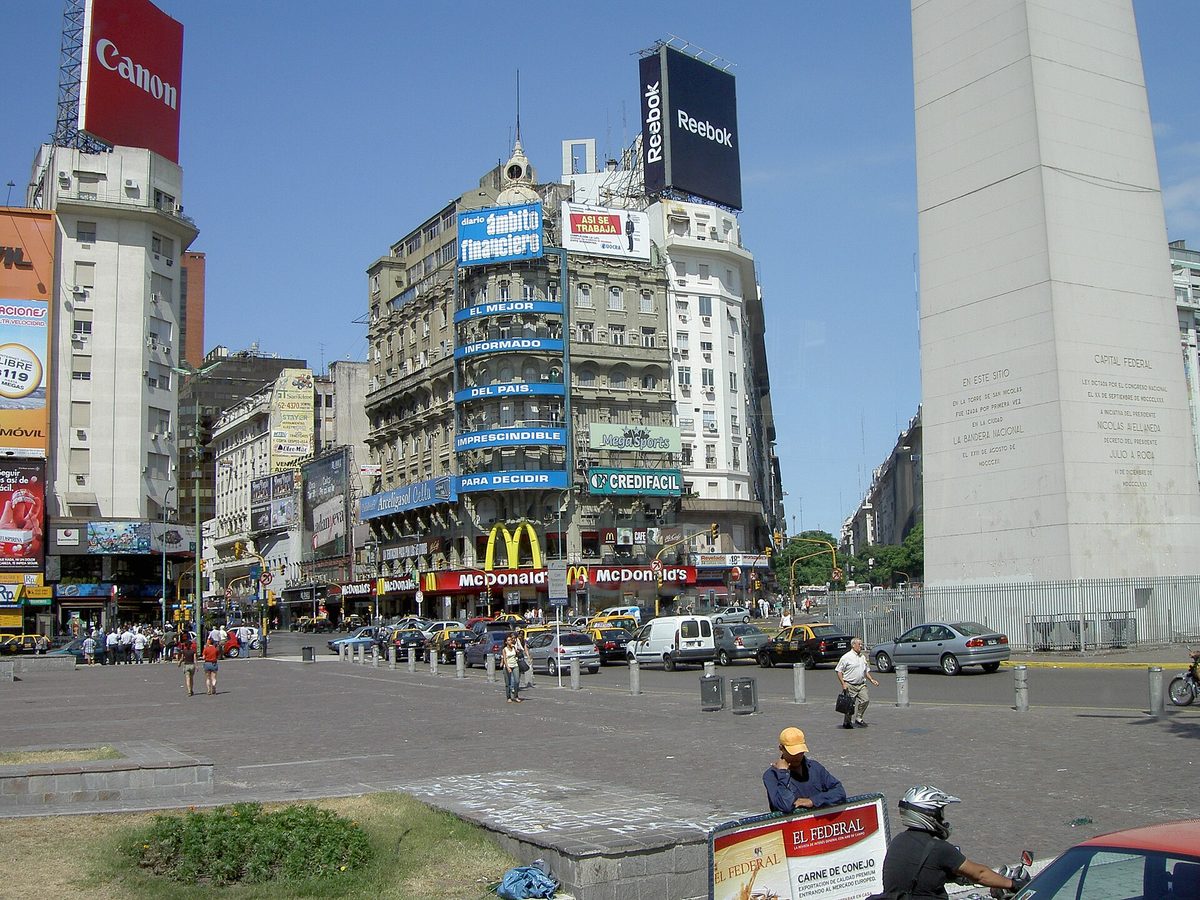
I have come to think of winter as Buenos Aires with its collar turned up: the city does not hibernate, it just moves indoors, lingers longer over coffee, and lets you have its grand cafés and theatres without the elbows of high season. If you have been told to avoid Argentina’s capital between June and August, ignore it.
So what is Buenos Aires in winter really like? Mild and damp rather than bitter. From June to August, days run cool and often grey, with highs around 14–16°C (57–61°F) and nights near 7–8°C (45–46°F). It essentially never snows, crowds thin, prices soften, and the indoor city — cafés, tango, museums — shines.
Last updated: June 2026 · Written by the Buenos Aires Tourism editorial team
That is the short version. The longer version is that this is my favourite under-rated window to visit, and below I cover the weather month by month, what to do when it is cool outside, the famous July school-holiday bump, what winter does to your budget, and what to pack. For the bigger seasonal picture, start with our guide to the best time to visit Buenos Aires and use this piece for the cold-weather specifics.
What the weather is actually like in winter
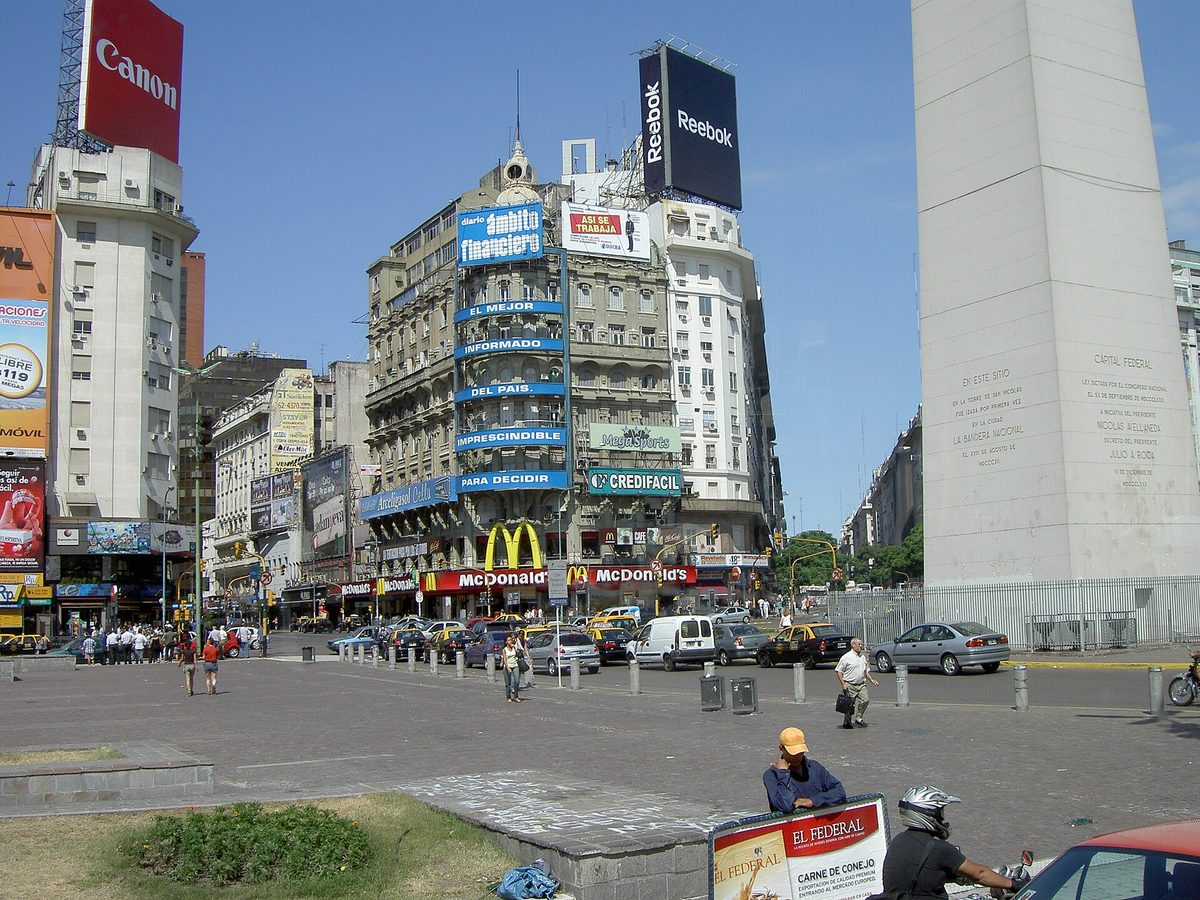
Here is what visitors from the northern hemisphere get wrong: a Buenos Aires winter is closer to a London or San Francisco autumn than to anything that needs snow boots. The city sits at about 34 degrees south, the Atlantic is close, and the result is a humid, temperate cold — raw on a grey afternoon, but a long way from freezing. Frosts turn up on the coldest mornings, yet daytime almost always climbs back into double digits Celsius.
Expect daytime highs in the mid-teens Celsius (mid- to high-50s Fahrenheit) and overnight lows around 7–8°C (mid-40s Fahrenheit). Skies swing between crisp blue and flat overcast, sometimes within a day. Rain comes in spells rather than monsoons — July averages only around 50 mm (about 2 inches) — and humidity sits high, near 75%, which is why a damp 12°C can feel colder than the number suggests. Now and then a warm norte wind blows up from the subtropics and pushes the thermometer toward 20–25°C (68–77°F) even in July, a lovely surprise. Treat these as rough averages and check the current forecast before you pack.
Buenos Aires winter weather at a glance
| Month | Avg high | Avg low | Feel | Crowds |
|---|---|---|---|---|
| June | ~15°C / 59°F | ~8°C / 46°F | Cool, damp, shortening days | Low |
| July | ~14°C / 57°F | ~7°C / 45°F | Coldest, greyest; clear crisp spells | Low, but a domestic spike mid-month |
| August | ~16°C / 61°F | ~8°C / 46°F | Starting to brighten toward spring | Low |
If you want the full year laid out side by side, our Buenos Aires weather by month breakdown puts these winter figures in context against summer’s heat and spring’s bloom.
June, July and August, month by month
June eases you in. Early on it can still feel like a hangover from autumn in Buenos Aires — a few golden plane trees hanging on — before the cool settles for good; days are short, the light is low and lovely, the city calm and local. July is the coldest, greyest stretch and also the busiest within the season, thanks to the school holidays. August is the quiet optimist: still cool, but the days are lengthening and you can feel the city leaning toward spring. By the time the first jacaranda buds appear you are into spring in Buenos Aires, widely considered the prettiest season of all.
The indoor city: where winter genuinely shines
Buenos Aires was practically built for cold-weather afternoons. This is a café culture, a theatre culture, a steak-and-red-wine culture — all better when it is grey outside and you have nowhere you would rather be than a warm room. Winter is when the city’s interiors earn their reputation.
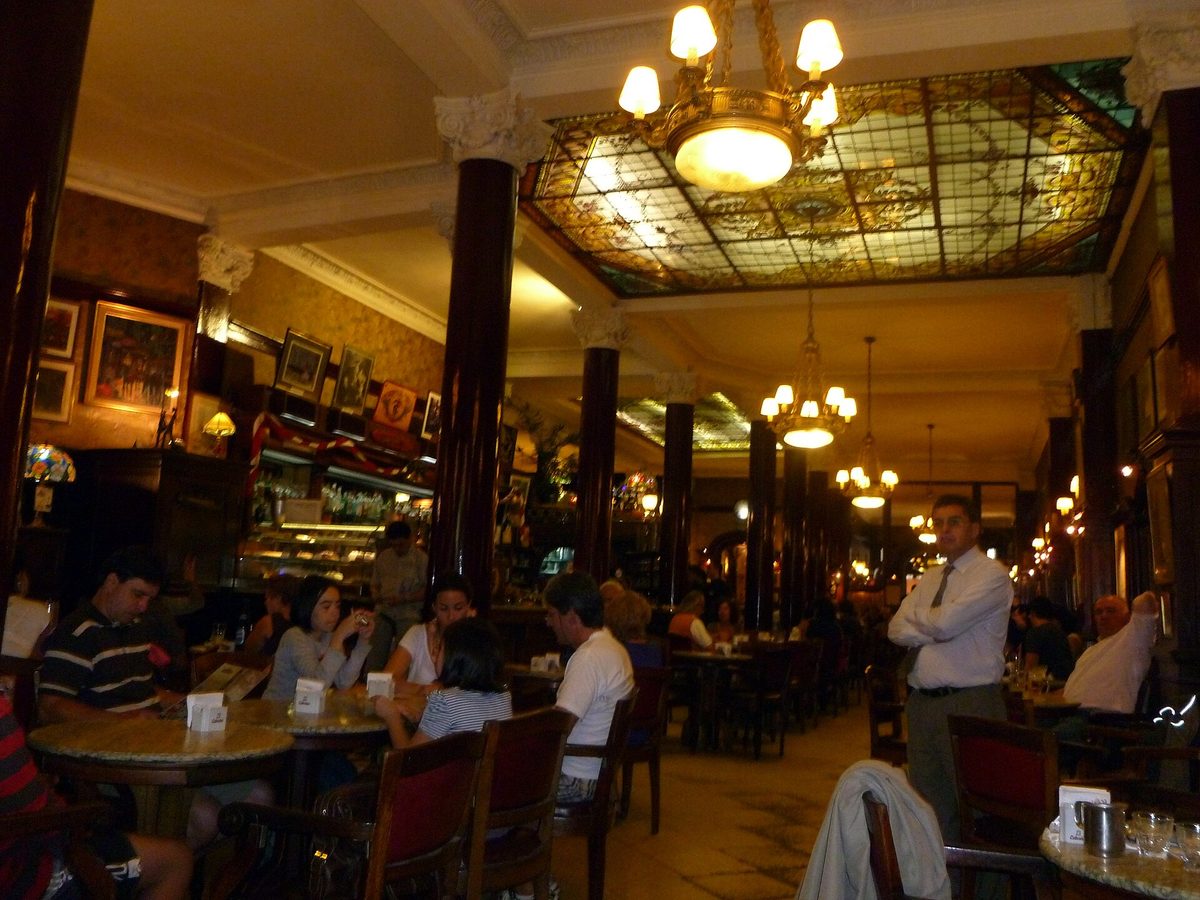
Start with the cafés notables, the protected historic cafés with marble tables, dark wood and a century of conversation soaked into the walls. Café Tortoni on Avenida de Mayo, open since 1858 and once the haunt of Borges and Carlos Gardel, is the famous one; nurse a cortado and a plate of medialunas and no one will rush you. Pair café-hopping with a wider wander from our things to do in Buenos Aires guide, much of which works beautifully under a winter sky.
Then there is tango, which feels even more at home in the cold. An intimate show in a back salon, or a late-night milonga where locals actually dance, only improves when the weather pushes everyone indoors; our guide to tango in Buenos Aires covers the difference between the polished dinner shows and the real neighbourhood dance halls. And no winter day is complete without a long parrilla lunch — a wood-fired steakhouse, a bottle of Malbec, and zero intention of leaving before three.
Museums, theatres and the Teatro Colón
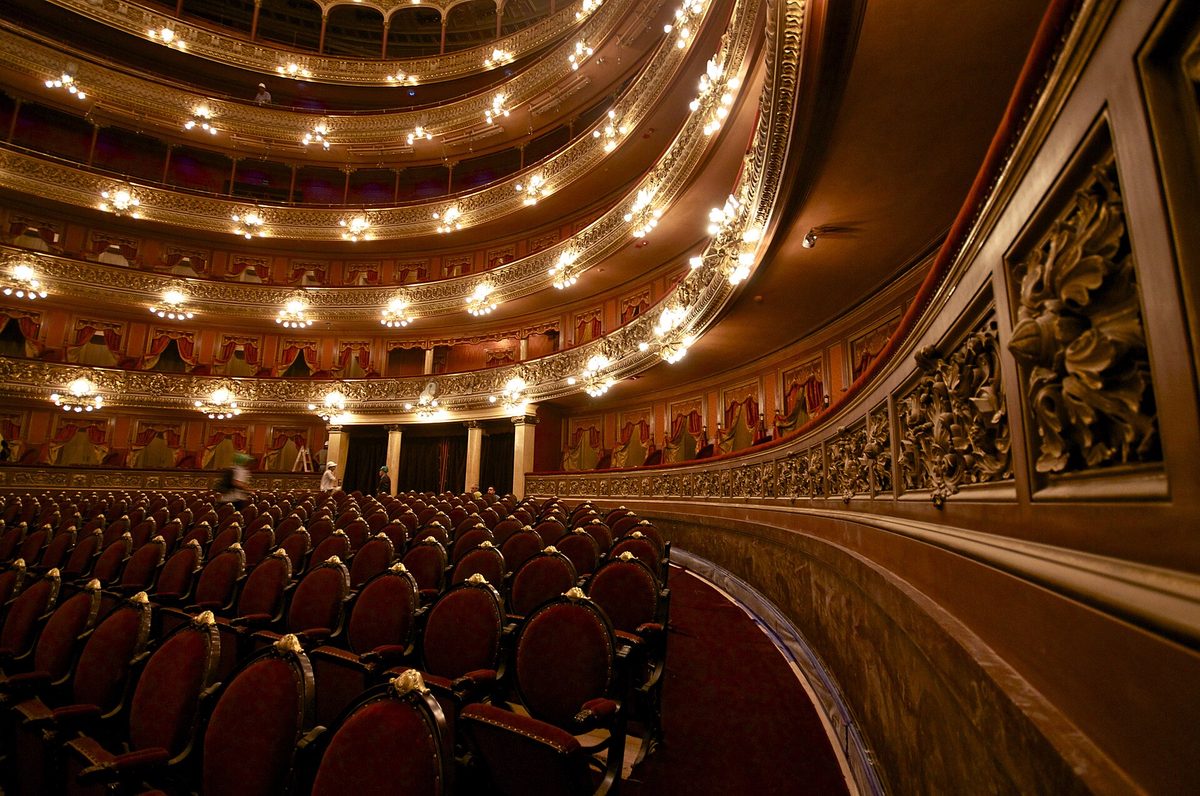
Cool, grey days are exactly what the city’s museums and theatres are for. The MALBA and the Museo Nacional de Bellas Artes are obvious indoor wins, and the cultural calendar is in full swing now rather than on summer pause. The crown jewel is the Teatro Colón, regularly ranked among the finest opera houses in the world for its acoustics: catch a performance if the programme allows, or take the year-round daytime guided tour, which is glorious when it is cold outside.
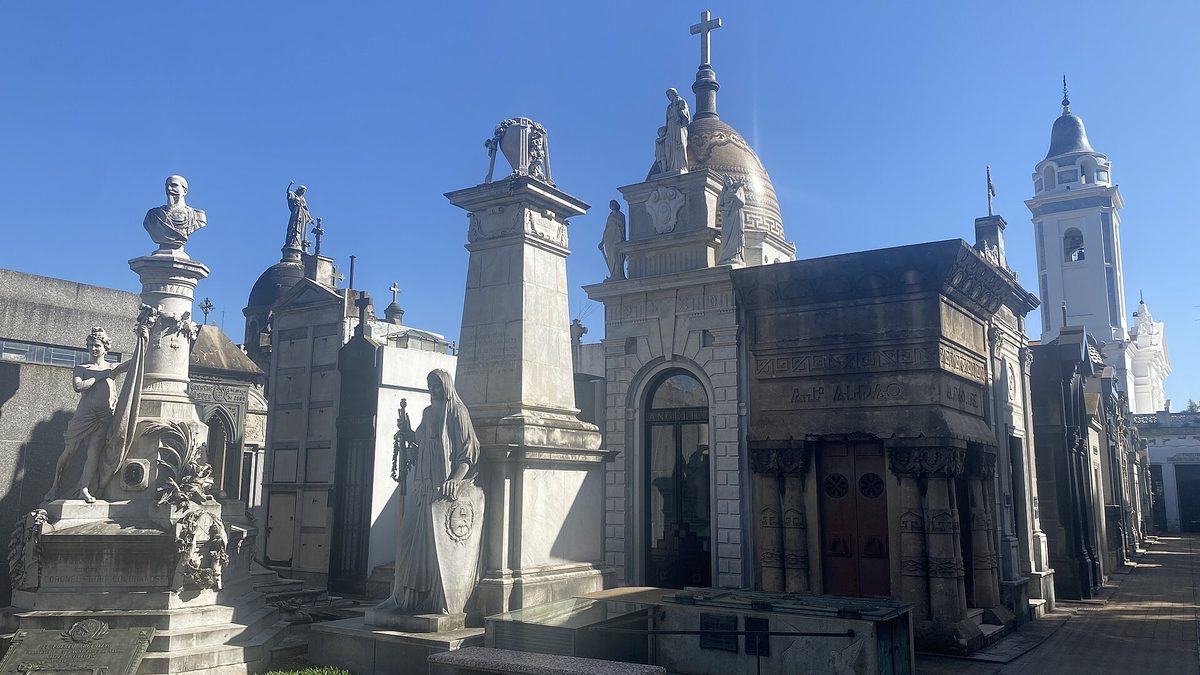
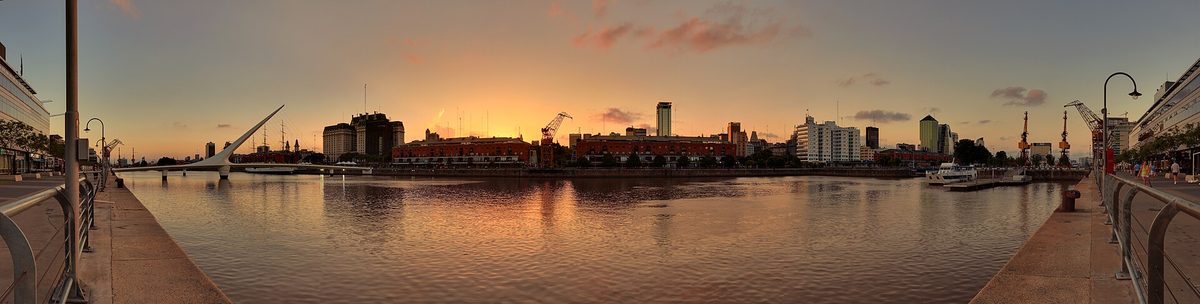
Even the open-air landmarks reward a crisp, clear winter morning, when the low sun is kind and the crowds thin. Recoleta Cemetery — that astonishing city of marble mausoleums — is at its most atmospheric under bare trees and a sharp blue sky, and the wide promenades of Puerto Madero make a brisk, photogenic walk before you duck inside for lunch.
The July school-holiday bump and winter events
Winter is low season with one important exception: the vacaciones de invierno, Argentina’s two-week winter school break, usually falling in mid-to-late July. For that fortnight the city fills with domestic families and the calendar bursts with kid-friendly programming — children’s theatre, an ice show, and the big Children’s Book Fair (Feria del Libro Infantil). If you are travelling with kids this is a brilliant time to come; if not, just know that popular attractions, family restaurants and intercity buses get noticeably busier, so book ahead or time your trip for the calmer bookends of June or August.
The season has its grown-up set pieces too. Mid-to-late July brings La Rural (the Exposición Rural) to Palermo, a vast agricultural and livestock show and a highlight of the winter calendar — gauchos, prize cattle, folk music and a great deal of grilled meat. And on 9 July, Independence Day, the traditional dish is locro, a hearty corn-and-meat stew that is exactly what winter ordered. Event dates shift year to year, so check the official city calendar before building a trip around them.
Low-season value: thinner crowds, softer prices
The quiet upside of a Buenos Aires winter is what it does to your wallet and your patience. Outside the July holiday spike this is genuinely low season: shorter queues at the big sights, easier restaurant tables, and accommodation that can run meaningfully cheaper than the December–February peak — winter hotel rates landing 30–40% below high season are commonly reported, though it depends on the property and the week. Argentina’s economy and the peso move fast, so treat any figure as a snapshot and confirm current prices when you book.
If stretching your money is the point of the trip, winter belongs alongside the other budget windows — our guide to the cheapest time to visit Buenos Aires weighs it against the autumn and spring shoulder seasons, and our guide to the best time to visit Buenos Aires helps you balance price against weather and crowds. Then slot these savings into a realistic Buenos Aires itinerary.
What to pack for a Buenos Aires winter
Pack for a cool, damp city rather than a deep freeze, and layer for the swing between morning and afternoon. The single most useful item is a proper warm coat — not a heavy expedition jacket, but a real wool or insulated coat that handles a raw, humid evening. Buildings and older apartments are often less heated than you would expect, so indoor layers matter too.
- A warm wool or insulated coat — your workhorse for evenings
- Layers: long sleeves, a sweater or two, and a light fleece you can add or shed
- A scarf, and gloves and a hat for the coldest mornings
- A compact umbrella or light rain jacket for those wet spells
- Comfortable closed shoes for long days on hard city pavements
- One smarter outfit for the Teatro Colón, a tango show or a special dinner
Pros and cons: who winter suits
Winter suits you if you love cities for their interiors — café culture, museums, theatre, long lazy lunches — if you want fewer crowds and softer prices, if low light and atmospheric grey days appeal rather than depress, or if you are travelling with children during the lively July break. It is a brilliant fit for a culture-first, food-first trip.
Winter is less ideal if your heart is set on warm-weather Buenos Aires: rooftop bars, long evenings in the parks, riverside strolls in shirtsleeves, or sun-dependent day trips. If that is you, lean toward spring or summer in Buenos Aires instead — just be ready for summer’s heat, humidity and the January exodus of locals.
Is winter worth it? My verdict
Yes — with eyes open. Buenos Aires in winter will not give you beach weather or balmy nights, and there will be grey, drizzly afternoons. But it gives you the city at its most characterful and least crowded: the cafés, the tango, the theatres and the steakhouses are the things this place does best, and they are all indoors. Add low-season value and the fact that it almost never truly freezes, and a mild Porteño winter quietly becomes one of the smartest times to go.
Frequently asked questions
How cold does Buenos Aires get in winter?
Mild by global standards. Between June and August, daytime highs typically sit around 14–16°C (57–61°F) and overnight lows near 7–8°C (45–46°F), with July the coldest month. Frosts can occur on the coldest mornings, but daytime almost always climbs back into double-digit Celsius, and the humidity can make a grey day feel sharper than the number suggests.
Does it snow in Buenos Aires?
Almost never. Measurable snow in the city is extraordinarily rare — the last notable snowfall was back in 2007 — so you should not plan for snow at all. What you will get instead is cool, sometimes damp weather, occasional fog, and frost on the coldest mornings. If you want snow in Argentina, you have to head south or to the Andes, not to the capital.
Is winter a good time to visit Buenos Aires?
It can be excellent if you are after culture rather than sunshine. You get thinner crowds, softer prices and the city’s superb indoor scene — cafés notables, tango, museums and the Teatro Colón — all at their best. The trade-off is cool, sometimes grey days and the busy July school-holiday fortnight. For warm-weather Buenos Aires, spring is the more popular pick.
What should I do in Buenos Aires in winter?
Lean into the indoors: café-hop the historic cafés, see a tango show or a late milonga, tour or catch a performance at the Teatro Colón, and spend grey afternoons in museums like MALBA or Bellas Artes. Save the open-air landmarks — Recoleta Cemetery, Puerto Madero, the parks — for the clear days, and book a long parrilla lunch whenever it rains.
When are Argentina’s winter school holidays?
The vacaciones de invierno usually fall for about two weeks in mid-to-late July, though exact dates shift each year and vary slightly by province. During that window Buenos Aires fills with domestic families and kid-focused events, so attractions and intercity buses get busier and you should book ahead. Travelling in early June or August avoids the spike if you prefer a quieter city.
Final thoughts
Do not let the word “winter” scare you off. Between June and August, Buenos Aires trades heat and crowds for atmosphere, value and its glorious indoor life — and it does so without ever really freezing. Pack a good coat, plan around the July holidays, and let the city show you what it does best when the weather turns cool. For the full year in context, keep our guide to the best time to visit Buenos Aires close, and compare notes with our autumn and spring guides before you decide.
Photo credits
- Obelisco and Avenida 9 de Julio — Photo: Alekino (CC0, public domain) via Wikimedia Commons
- Café Tortoni interior — Photo: David Berkowitz / CC BY 2.0 via Wikimedia Commons
- Teatro Colón main auditorium — Photo: Roger Schultz / CC BY 2.0 via Wikimedia Commons
- Recoleta Cemetery — Photo: lamblukas / CC BY 2.0 via Wikimedia Commons
- Puerto Madero waterfront — Photo: Martin St-Amant (S23678) / CC BY-SA 3.0 via Wikimedia Commons