The first time I walked into the old Central Post Office and looked up at that suspended blue sphere glowing under a stained-glass dome, I forgot I had come for a free concert. Buenos Aires hides two of its most ambitious cultural spaces inside repurposed industrial palaces, and most visitors walk right past both.
The centro cultural kirchner buenos aires — the former Centro Cultural Kirchner (CCK), renamed Palacio Libertad in 2024 — is Latin America’s largest cultural centre, set in a monumental Beaux-Arts post office near Puerto Madero, with free concerts, galleries and the extraordinary Ballena Azul hall. Pair it with the Usina del Arte, a former power station turned concert hall in La Boca. Both are usually free; both are worth your time.
Last updated: June 2026 · Written by the Buenos Aires Tourism editorial team
This is a guide to visiting them as they actually are in 2026: what each one is, what to see, the current hours and ticket reality, how to get there, who each suits, and an honest take on whether they belong on your itinerary. For the wider picture of the city’s art scene, start from our guide to Buenos Aires museums and culture.
The two cultural centres at a glance
These are very different beasts despite sharing a “former industrial building, now free culture” DNA. Here is the quick comparison before we dig in.
| Venue | What it is | Neighbourhood | Free? | Highlight | Best for |
|---|---|---|---|---|---|
| CCK / Palacio Libertad | Former Central Post Office, now a vast nine-floor cultural centre | San Nicolás / city centre, by Puerto Madero | Usually free (often timed tickets or registration) | La Ballena Azul concert hall & the architecture | Music lovers, architecture fans, free planners |
| Usina del Arte | Former electrical power station turned concert hall & arts centre | La Boca | Usually free (some events need booking) | The symphony hall & the brick clock tower | Concert-goers pairing it with La Boca |
A note on money before we go further: Argentina lifted most currency controls in 2025, so the old “bring a wad of cash for the blue dollar” advice is largely outdated and foreign cards are now charged near the official rate. For these two venues it barely matters, because admission is usually free — but if you want the full picture, see our notes on the blue dollar in Buenos Aires.
The centro cultural kirchner buenos aires (CCK), now Palacio Libertad
Let’s clear up the name first, because it confuses everyone. The building opened as a cultural centre in 2015 as the Centro Cultural Kirchner, named for former president Néstor Kirchner, who first proposed the conversion. In October 2024 the Milei government renamed it Palacio Libertad (full title: Palacio Libertad, Centro Cultural Domingo Faustino Sarmiento). Signage, the website and most official listings now say Palacio Libertad — but a great many porteños and guidebooks still call it the CCK, so you’ll hear both. I use both names throughout, and everything below refers to the same place.
Whatever you call it, the scale is genuinely hard to overstate. The centre fills the entire former Central Post and Telegraph building — an imposing French Beaux-Arts and Second Empire pile designed by the French architect Norbert-Auguste Maillart, begun in the 1880s and finally inaugurated in 1928. Declared a National Historic Monument in 1997, it stopped serving as a post office in 2002 and reopened, after a long restoration, as a cultural centre in 2015. Spread over roughly 100,000 square metres and nine floors, it bills itself as the largest cultural centre in Latin America, and one of the largest in the world.
What to see inside the CCK
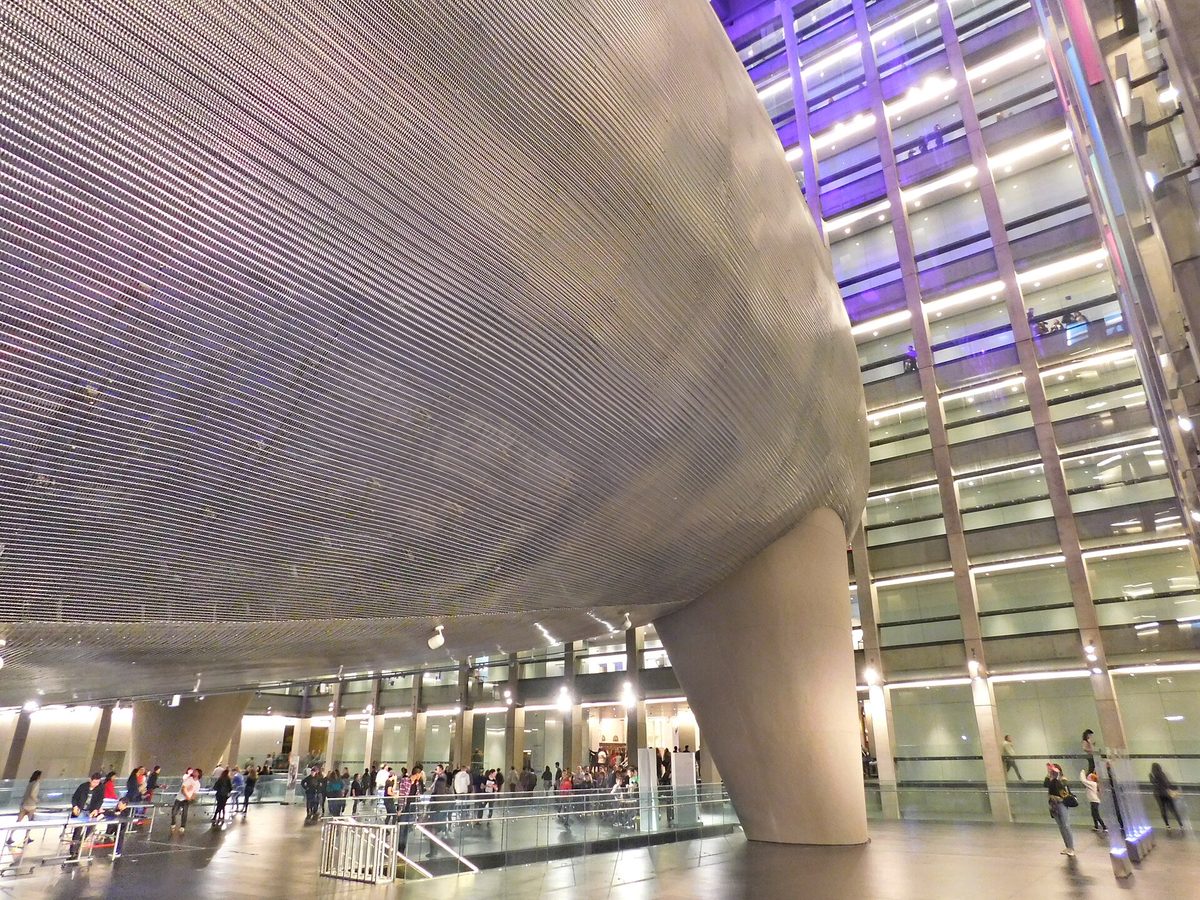
The headline act is La Ballena Azul — “the Blue Whale” — a vast, blimp-shaped symphony hall of roughly 1,750 seats that appears to float inside the building’s old parcel-sorting hall. Step beneath its curved metallic belly and the scale is faintly absurd in the best way; the acoustics are world class. Crowning it is a Klais Orgelbau pipe organ built in Germany, with thousands of pipes — one of the finest concert organs in South America. If your visit coincides with a free organ recital or a symphony performance, take it; that hall is the single best reason to come.
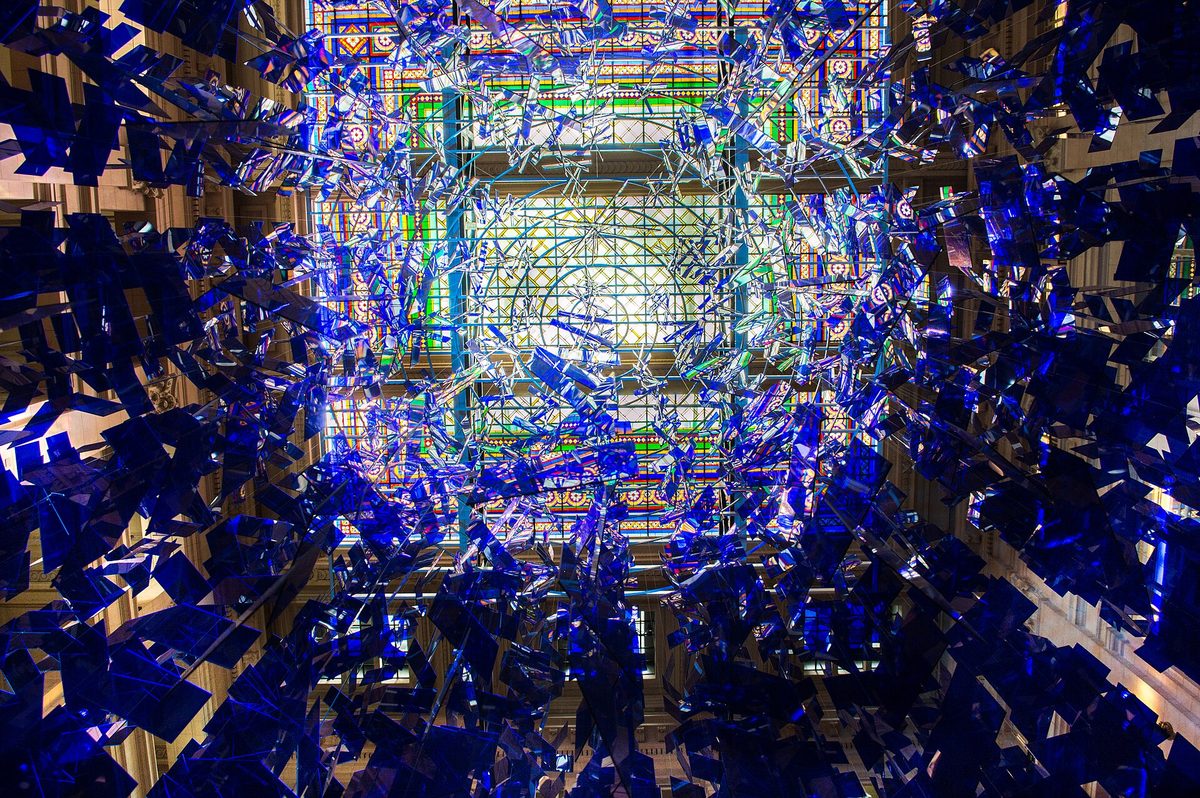
Beyond the Ballena, the building rewards slow wandering. In the main entrance hall hangs a suspended blue sphere made of thousands of independent acrylic pieces, best seen with the stained-glass dome above it as backdrop — the photo everyone takes, and rightly so. Former post-office offices have been turned into galleries showing contemporary Argentine art, photography and design; the glass-roofed central space hosts performance pieces; and two rooftop terraces give you a sweeping, little-known view over the microcentro toward the river. Look out, too, for the Salón Eva Perón, which recreates the despatch office Evita kept in the building in the 1940s.
If you have a soft spot for grand buildings, the CCK pairs naturally with our wider look at Buenos Aires architecture and its monumental landmarks, and with the contemporary side of the city in our guide to Buenos Aires art galleries.
Is the Centro Cultural Kirchner free, and what are the hours?
Admission to the building, its exhibitions and most concerts has historically been free. The catch is that popular events — especially Ballena Azul concerts — usually require a free ticket reserved online in advance, or a timed entry, and they go fast. Opening hours have generally run Wednesday to Sunday, roughly 2:00 pm to 8:00 pm, with the centre closed early in the week. Both the schedule and the booking system change with the seasons and with management, so treat those as a guide and check the current agenda and ticket rules on the official site before you go. The address is Sarmiento 151.
Getting to the CCK
The centre sits on the edge of the city centre between the microcentro and Puerto Madero, a short walk from Plaza Roma. By Subte (metro), the easiest stops are L.N. Alem on Line B and Correo Central on Line E, each a couple of blocks away; plenty of buses run along Avenida Leandro N. Alem too. It slots neatly into a day exploring the nearby Puerto Madero waterfront, and because it is indoors and free, it is a reliable plan for a hot afternoon or a rainy one — one of the better free cultural attractions in the city.
Usina del Arte: La Boca’s power-station concert hall
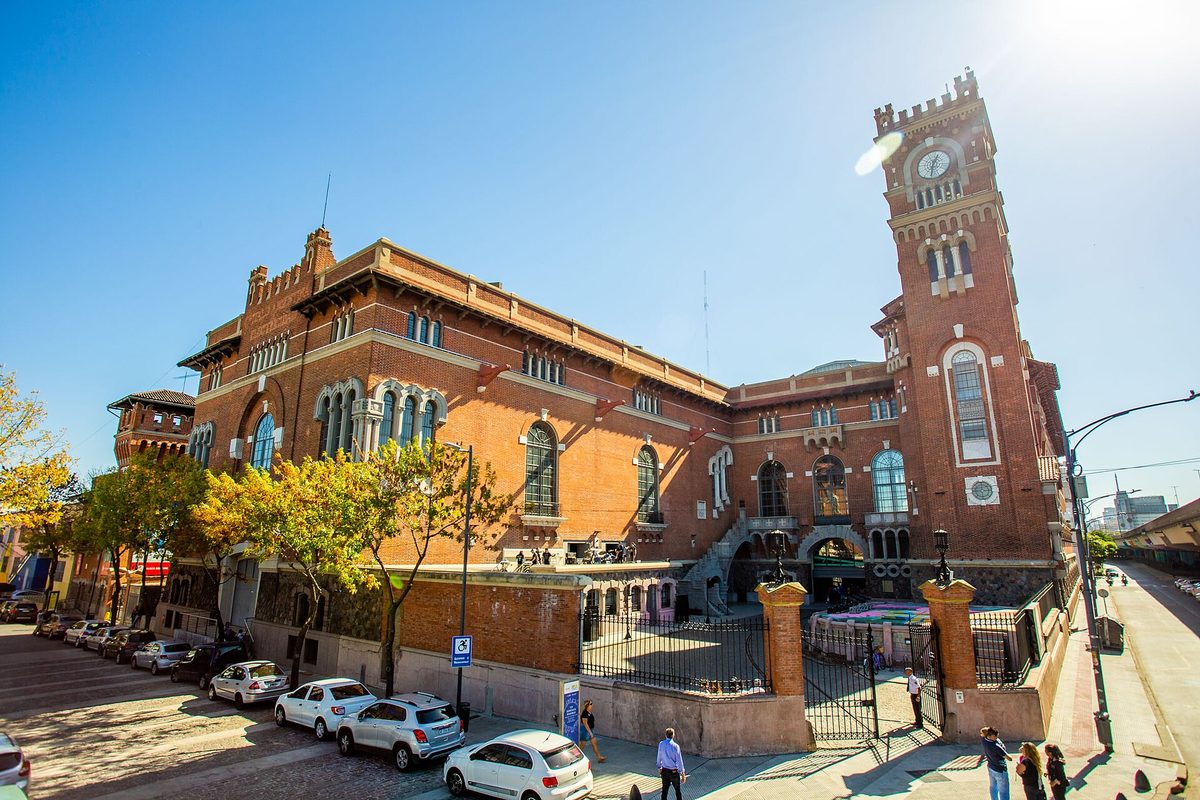
Across town in La Boca, the Usina del Arte pulls the same trick with a completely different building. This handsome red-brick, Lombard-Italianate pile with a tall clock tower was built in 1916 by the Italian architect Juan Chiogna as an electrical power station for the Italo-Argentine Electricity Company. After it fell idle, the city reinvented it — explicitly inspired by projects like New York’s Park Avenue Armory and Berlin’s Radialsystem — and it reopened as a multidisciplinary cultural centre in 2012. Walking up to it across the open plaza, with the tower catching the afternoon sun, you would never guess it once hummed with turbines.
What to see and do at the Usina
The heart of the Usina is its symphony hall, a roughly 1,200-seat auditorium with acoustics designed to compete with the best in the world; there is also a smaller chamber/amphitheatre hall and flexible spaces for dance, exhibitions and family programming. The draw here is the calendar rather than a permanent collection: free classical concerts, chamber recitals, jazz, contemporary dance and children’s shows fill the programme, with a particular strength in music. Many events are free but ticketed, and capacity is limited, so the better ones can fill up — book ahead or arrive early. As with the CCK, the programming shifts constantly, so check the current schedule before planning your visit around a specific show.
Visiting the Usina del Arte: hours and getting there
The Usina is at Caffarena 1, on the quieter, riverside edge of La Boca. General visiting has tended to centre on weekends — roughly Saturday and Sunday daytime — with the building otherwise open mainly around its scheduled events, so it is very much worth checking opening times for the day you want to go. One practical caution: the immediate surroundings of this part of La Boca are not a place to wander aimlessly, especially after dark. I’d take a taxi or rideshare to the door, visit in daylight, and combine it with the painted houses of the La Boca neighbourhood and Caminito rather than walking over from the centre. Treated that way, it is a rewarding stop.
CCK or Usina del Arte — which should you choose?
If you only have time for one, make it the CCK / Palacio Libertad: it is central, free, architecturally jaw-dropping and easy to combine with Puerto Madero and the microcentro. Go to the Usina del Arte if you are a serious music lover chasing a specific concert, or if you are already spending a day in La Boca and want a cultural counterpoint to Caminito. Better still, do both on separate days — they bookend the city’s story of turning grand old infrastructure into public culture. Either way, they sit comfortably alongside the heavy hitters in our roundup of the best museums in Buenos Aires and the national collection at the Museo Nacional de Bellas Artes, and they round out a culture-focused list of things to do in Buenos Aires.
Frequently asked questions
Is the Centro Cultural Kirchner free?
Yes — admission to the centro cultural kirchner buenos aires (now Palacio Libertad), its galleries and most concerts has typically been free. The main caveat is that popular events, especially in the Ballena Azul hall, usually require a free ticket booked online in advance or a timed entry, and they sell out quickly. Prices and rules can change, so confirm on the official site before you go.
What is the CCK now called?
Since October 2024 the former Centro Cultural Kirchner (CCK) has officially been called Palacio Libertad — in full, Palacio Libertad, Centro Cultural Domingo Faustino Sarmiento — after the Milei government renamed it. It is the same building and the same vast cultural centre; many locals and visitors still refer to it as the CCK, so you will encounter both names interchangeably.
What is there to do at the CCK?
Plenty, and most of it free: hear a concert or organ recital in the spectacular Ballena Azul symphony hall, tour contemporary art and photography exhibitions in the converted offices, photograph the suspended blue sphere beneath the stained-glass dome, see the recreated Salón Eva Perón, and head up to the rooftop terraces for city views. Check the agenda for concerts, talks and guided tours.
Where is Usina del Arte?
The Usina del Arte is in the La Boca neighbourhood, on the southern, riverside edge of central Buenos Aires, at Caffarena 1. It is a former power station turned concert hall and arts centre. Because the immediate area is best treated with care, most visitors arrive by taxi or rideshare and visit in daylight, often combining it with Caminito and the rest of La Boca.
Final thoughts
These two converted giants are Buenos Aires at its most generous: world-class halls, ambitious architecture and serious programming, handed to the public for free. Names and schedules will keep shifting — the CCK becoming Palacio Libertad is proof enough — so check the current details before you set out. But the buildings, and the music inside them, are reason enough to make the trip. For the full cultural map of the city, keep exploring our Buenos Aires museums and culture guide.
Photo credits
- Former Central Post Office facade (CCK / Palacio Libertad): Photo by Claudio Elias (Public domain) via Wikimedia Commons — file page.
- Blue acrylic sphere and dome inside the CCK: Photo by María Costa (CC BY-SA 4.0) via Wikimedia Commons — file page.
- La Ballena Azul symphony hall: Photo by Banfield (CC BY-SA 2.5 ar) via Wikimedia Commons — file page.
- Usina del Arte exterior, La Boca: Photo by Unknown author (CC BY 2.5 ar) via Wikimedia Commons — file page.