Buenos Aires genuinely surprised me the first time I visited — not because anything bad happened, but because I’d expected a city far more chaotic than it is. That said, a handful of tried-and-tested tourist scams do circulate here, and knowing them before you land is the single most effective thing you can do to avoid them.
The good news: buenos aires tourist scams are almost entirely non-violent distraction schemes and financial sleights of hand — not muggings. The city’s real risk for visitors is petty theft and con artistry, not the kind of dangerous crime that would make you reconsider the trip. As of mid-2026, Buenos Aires remains a rewarding, walkable destination; you just need to walk in with your eyes open. For the full safety picture, see our Buenos Aires travel tips and safety guide.
Last updated: June 2026 · Written by the Buenos Aires Tourism editorial team
At a Glance: The Scams You’ll Actually Encounter
| Scam | Where it happens | How to beat it |
|---|---|---|
| Mustard / bird-poop distraction | Calle Florida, San Telmo, La Boca | Refuse help, walk away, clean up yourself |
| Fake / plainclothes “police” | Tourist-heavy streets, near ATMs | Never hand over wallet — offer to go to nearest comisaría |
| Counterfeit peso swap | Taxis, markets, cambio booths | Carry small bills; check notes before handing them over |
| Taxi meter / long route | Airport pickups, late-night rides | Use Uber, Cabify or radio taxi pre-arranged |
| Card skimming / ATM tampering | Freestanding ATMs, bars, restaurants | Use bank-lobby ATMs, cover the PIN pad |
| Overcharging / rigged change | Markets, informal stalls, smaller bars | Agree price upfront; count your change immediately |
| Fake tickets and tour touts | Outside main sights, online third parties | Book direct with licensed operators or official box offices |
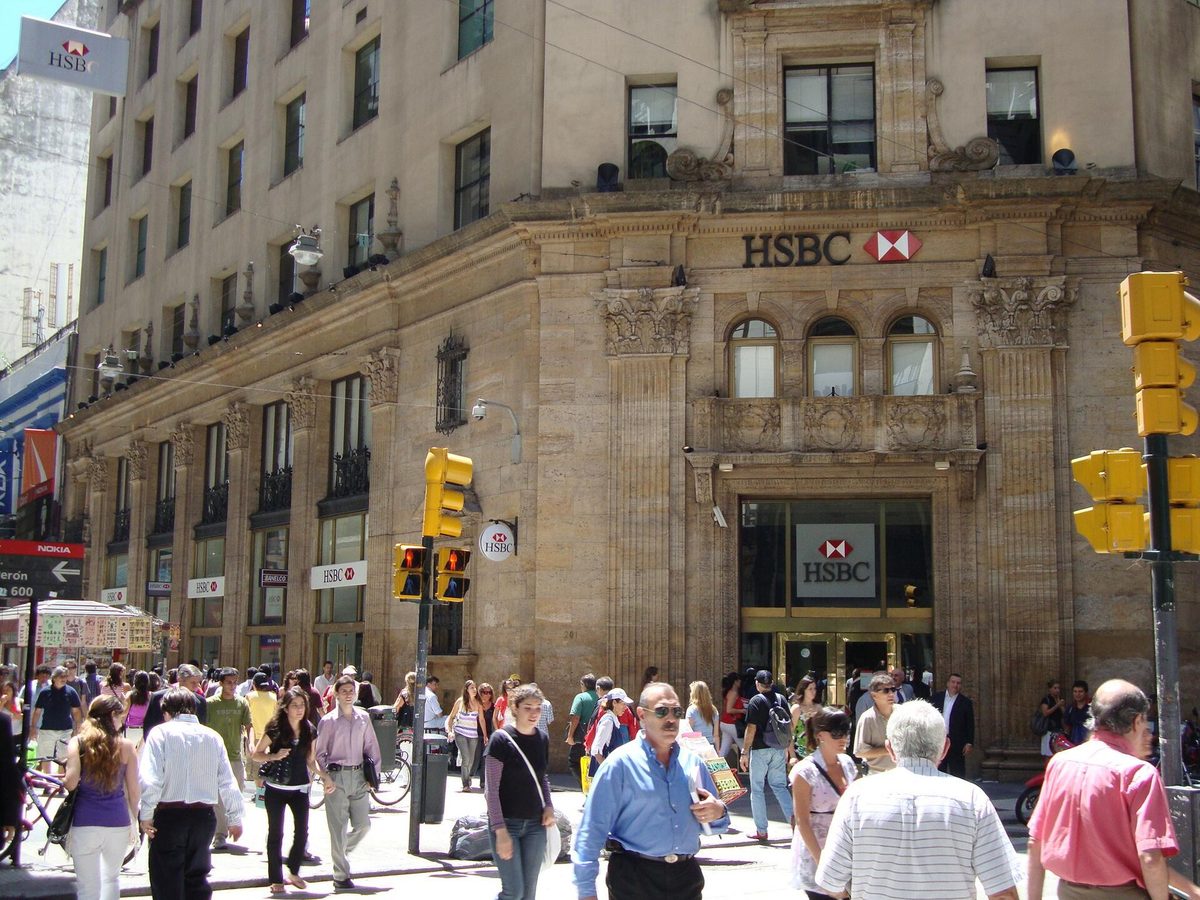
The Mustard Scam (and Its Variants) — Buenos Aires’ Most Famous Con
This is the distraction theft you’ll read about most often, and for good reason: it works. One person squirts something on you — mustard, ketchup, bird droppings, ice cream, or even just water — from a passing angle you barely notice. Within seconds, a “kind stranger” materialises to help you clean up. While your attention is on the stain, an accomplice lifts your wallet, phone, or bag.
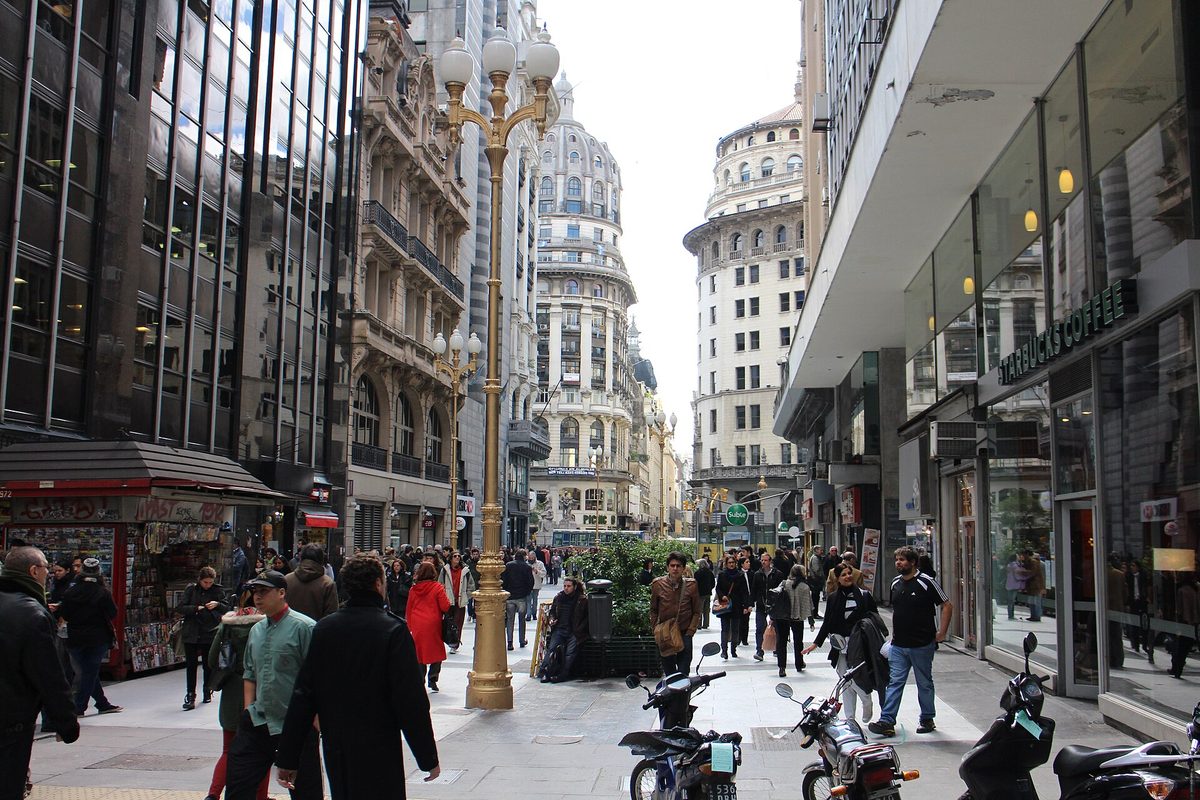
Variants abound. The substance might drop from a balcony above rather than a person beside you. The “helper” might be a grandmotherly figure, a tourist-looking decoy, or even a small child. The location shifts — Calle Florida pedestrian street is the classic hotspot, but the same tactic runs in tourist-heavy parts of San Telmo and La Boca, along Avenida de Mayo, and around the Plaza de Mayo precinct.
How to handle it: The moment something lands on you, tighten your grip on your bag and walk away. Do not stop to look for the culprit, do not accept help from anyone who materialises, and do not set your bag down. Find a café or shop doorway, check yourself, and clean up on your own terms. The scammers rely on the social pressure of the “offer to help” — removing yourself breaks the whole sequence.
Fake Police / Plainclothes “Drug Squad” Officers
A person approaches you on the street — often posing as a fellow tourist asking for directions or advice. Shortly after, one or two individuals flash what appear to be police credentials and announce a “spot drug check” or “counterfeit currency inspection.” They want to see your passport and wallet.
Real Argentine police do not conduct random wallet inspections of tourists on the street. This is the fake police scam buenos aires operators have used for years, and it continues to catch visitors off guard because the fake IDs and even fake vehicles can look convincing at a glance.
How to handle it: Stay calm. Say clearly that you are happy to cooperate at a comisaría (police station) and ask them to accompany you there or to call a marked patrol car. Real officers will comply; scammers will melt away. Never hand your wallet, passport, or cash to someone on the street claiming to be police. If you feel threatened, move toward people and bright lights. Your government’s travel advisory — the UK FCDO, US State Department, and Australia’s Smartraveller all flag this scam specifically — recommends the same approach. Keep a photocopy of your passport rather than carrying the original.
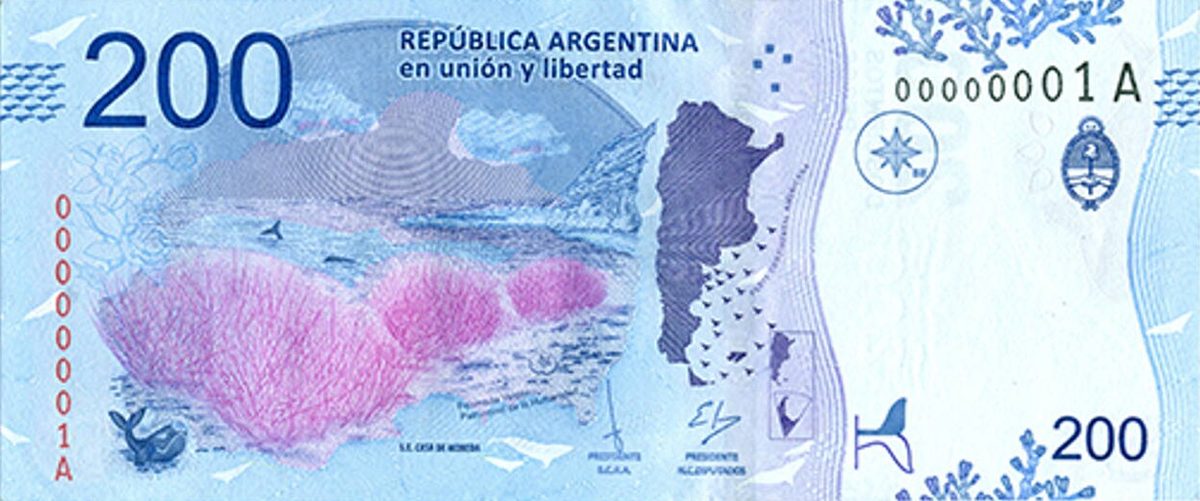
Counterfeit Peso Bills and the Change Swap
Argentina’s economic turbulence of recent years created fertile ground for counterfeit banknotes, and while the volume has stabilised as of mid-2026 following the April 2025 currency reforms, fake bills — particularly higher-denomination notes — still circulate. The scam takes several forms:
- The taxi switcheroo: You hand a 1,000-peso note to a driver; he flicks it between his fingers, hands it back and claims it’s counterfeit — but he’s swapped your real note for a fake. You end up paying twice.
- Rigged change: You receive fake notes as change at informal stalls, markets, or small bars, especially at night when lighting is poor.
- Cambio touts: Unofficial money-changers shouting “cambio, cambio” on Calle Florida sometimes pass fake pesos as part of the exchange.
How to handle it: Carry smaller denominations so you hand over the exact amount or close to it, reducing the need for large-note transactions with strangers. Check the security thread on any peso note you receive — genuine notes have a woven metallic thread, while fakes usually have it glued or printed on the surface. For the mechanics of Argentina’s currency situation, see our dedicated blue-dollar guide and the Argentina currency explainer for tourists.
Taxi Scams: Meters, Long Routes, and Fake Bill Swaps
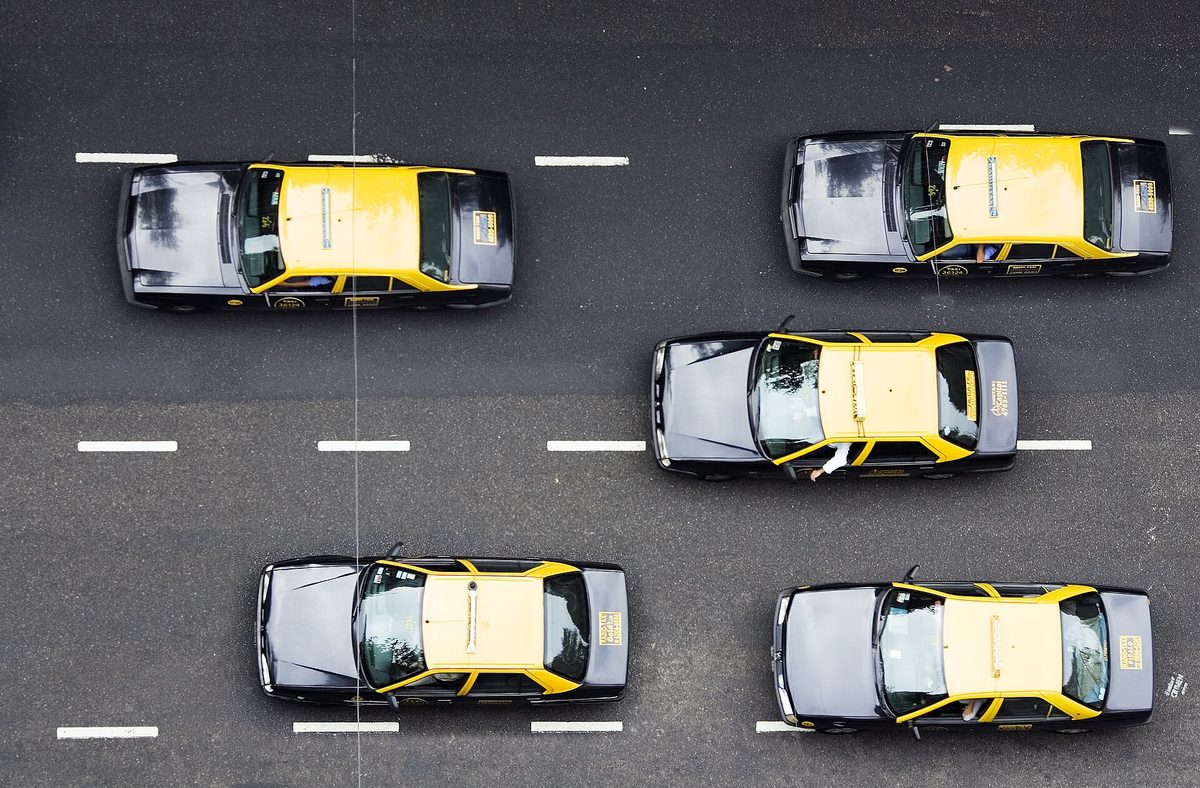
The majority of Buenos Aires taxi drivers are honest — but a small percentage run schemes that target new arrivals. The most common are: running a tampered meter that ticks faster than legal, deliberately taking a longer route (especially from Ezeiza or Aeroparque airports), and the note-switch described above.
The single most effective defence is to not use street taxis for airport runs or late-night journeys. Uber and Cabify both operate legally and reliably in Buenos Aires as of mid-2026 and are generally the safest option for tourists — the fare is fixed before you get in the car, payment is in-app, and there’s a digital record of your route. For everything you need to know about ride-sharing here, see our Uber Buenos Aires guide.
If you do use a regular taxi, choose a radio taxi (called by phone or booked through a reputable app) rather than flagging one off the street. Check that the meter starts at the correct base fare and that the driver has a visible licence placard. If you suspect a long route, open Google Maps and follow along quietly.
ATM Tampering and Card Skimming
Skimming devices that capture card data have been found on freestanding ATMs in Buenos Aires, particularly machines in poorly lit locations or outside banks after hours. A secondary tactic is shoulder-surfing: someone stands close enough to memorise your PIN as you type it.
How to handle it:
- Use ATMs inside bank lobbies during business hours — these are monitored and harder to tamper with.
- Before inserting your card, check for anything loose, sticky, or misaligned around the card slot.
- Cover the keypad with your other hand when entering your PIN, always.
- Enable SMS transaction alerts on your card before you travel so you spot unauthorised charges immediately.
- Consider drawing a larger single amount rather than multiple small withdrawals to reduce ATM exposure.
For a full breakdown of ATM fees, limits, and which banks charge the least, read our guide to ATM fees in Argentina. If your card is compromised, call your bank immediately and file a report at the nearest comisaría for travel insurance purposes (see Argentina travel insurance for what policies typically cover).
Overcharging and Rigged Change
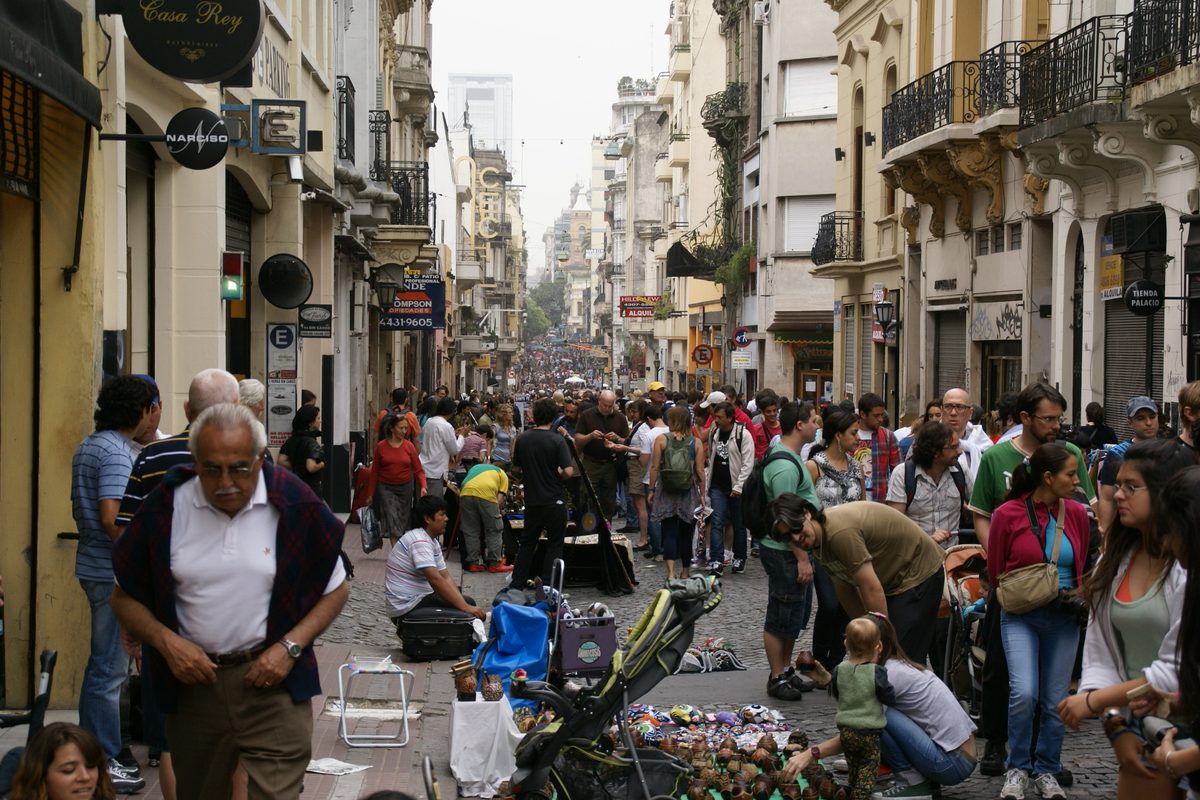
Less dramatic than the other scams but more common: vendors — particularly at informal market stalls, souvenir shops near La Boca’s El Caminito, and tourist-trap restaurants — sometimes charge significantly more than the listed price, or shortchange you when you pay in larger bills. With Argentina’s peso denominations having changed repeatedly in recent years, tourists unfamiliar with the current notes are easy targets for quiet shortchanging.
How to handle it: Agree the price before any transaction. Count your change on the spot, out loud if necessary. Carry a mix of small-denomination notes and count them before entering any market so you know what you’re handing over. A polite but firm “¿Cuánto es?” (how much is it?) before ordering or picking up goods sets a clear expectation.
Fake Tickets, Bogus Tours, and Online Touts
Outside major attractions — the MALBA museum, Teatro Colón, stadium tours at La Bombonera — and increasingly via social media and third-party booking sites, sellers offer tickets or guided tours at suspiciously low prices. Sometimes you get nothing; sometimes the “tour” is a short, poorly run experience with no licensed guide.
How to handle it: Book tickets directly through official box offices or the venue’s own website. For tours, choose operators listed on Argentina’s official tourism registry (SECTUR). Read recent reviews on independent platforms. If an offer appears on Instagram or WhatsApp from someone who approached you on the street, walk away. Staying informed about how safe Buenos Aires is for tourists helps you calibrate your instincts correctly.
Practical Mindset: What Actually Keeps You Safe
The common thread across every scam above is distraction and social pressure. Scammers depend on you feeling flustered, polite, or unsure. A calm, unhurried posture is your best defence.
- Keep your phone out of sight on busy pedestrian streets — phone-snatching while you’re looking at a map is on the rise in the Microcentro and on Calle Florida.
- Use a crossbody bag with a zip, worn in front on crowded streets.
- Leave your real passport in your accommodation safe; carry a colour photocopy.
- Split your cash — keep most in the hotel safe and carry only what you need for the day.
- Trust your instincts: if an interaction feels staged or too convenient, it probably is.
- Consider getting a local SIM or eSIM so you have mobile data for maps and ride-booking apps at all times — see our Argentina SIM card guide for options.
For neighbourhood-by-neighbourhood context on where you’re most and least likely to encounter problems, our Buenos Aires areas-to-avoid guide is worth a read before you plan your itinerary. And for comprehensive safety planning, our Buenos Aires travel tips guide covers everything from health precautions to emergency contacts.
FAQ: Buenos Aires Tourist Scams
Are Buenos Aires tourist scams violent?
Almost never. The vast majority of scams targeting visitors — distraction theft, fake police, counterfeit currency — rely on deception rather than force. Violent crime against tourists does occur but is uncommon. The practical risk is losing your wallet or phone, not your safety. That said, stay aware in quieter streets after dark.
Is Calle Florida dangerous?
Calle Florida is safe during the day and is one of Buenos Aires’ most visited streets, but it is also the single highest-concentration area for pickpockets, mustard scammers, and cambio touts. Keep your bag secured and your phone in your pocket, and you’ll be fine. Avoid it late at night when foot traffic drops.
What should I do if fake police approach me?
Stay calm, do not hand over your wallet or passport, and firmly offer to accompany them to the nearest official comisaría. Real officers will agree; scammers will not. Move toward populated, well-lit areas if you feel threatened, and call your embassy if needed. File a report at a real police station if the incident goes further.
How do I spot a counterfeit Argentine peso?
Hold the note up to light: genuine pesos have a metallic security thread woven through the paper that shimmers and changes colour. Fakes typically have the thread glued or printed on the surface. The texture of genuine notes also feels slightly raised in the printed areas. Familiarise yourself with current denominations before you arrive, as Argentina has issued new high-value notes in recent years.
Is Uber safe in Buenos Aires?
Yes — Uber and Cabify are generally considered safer for tourists than flagging a random street taxi, because fares are agreed upfront, payment is cashless and in-app, and the driver’s details are recorded. Both apps work well in Buenos Aires as of mid-2026. See our full Uber Buenos Aires guide for tips on using the app here.
What travel insurance covers scam-related losses in Buenos Aires?
Most travel insurance policies cover theft of belongings — including pickpocketing and distraction theft — if you file a police report within 24 hours. Coverage for card fraud varies by policy. Read the small print on cash limits; most policies cap cash reimbursement at around US$200–$300. See our Argentina travel insurance guide for what to look for.
Final Thoughts
Buenos Aires tourist scams are a real nuisance — but they’re learnable. Every single scheme described above relies on the same ingredients: your distraction, a little social pressure, and your unfamiliarity with how things work. Remove those ingredients and you remove the scammers’ leverage. Walk in knowing the mustard trick, the fake-police gambit, and the counterfeit-note swap, and the city opens up in all its chaotic, brilliant, complicated glory. The empanadas are worth it. The tango nights are worth it. A little street-smart awareness is a small price to pay. For the full breadth of practical travel advice for Buenos Aires, our Buenos Aires travel tips and safety hub is your starting point.
Photo Credits
- Calle Florida street scene: Elsapucai, Public domain, via Wikimedia Commons.
- Argentine 200-peso banknote: Casa de Moneda, CC BY-SA 2.0, via Wikimedia Commons.
- Buenos Aires taxis: Jorge Royan, CC BY-SA 3.0, via Wikimedia Commons.
- San Telmo street market: Hermann Luyken, CC0, via Wikimedia Commons.
1 comment