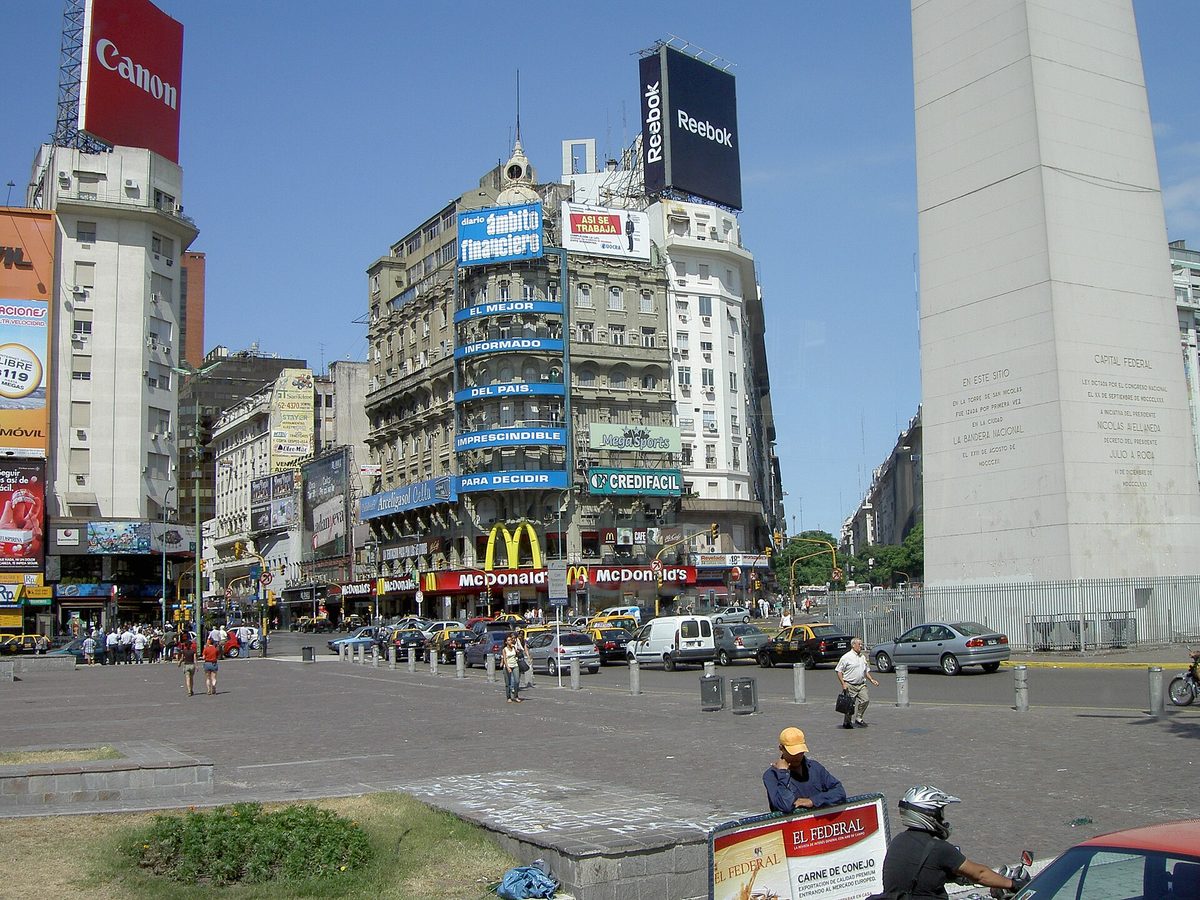
I love Buenos Aires in almost any season — but I would be doing you a disservice if I pretended every month is equally good. After more than a few summers melting on the pavement and watching my favorite parrilla pull down its shutters for the holidays, I have opinions about when not to come.
Last updated: June 2026 · Written by the Buenos Aires Tourism editorial team
The worst time to visit Buenos Aires is the peak of summer — roughly mid-December through February, and January above all — when oppressive heat and humidity, holiday closures, and the highest crowds and prices of the year all collide. It is not unvisitable, but it is the least rewarding window, and the easiest to plan around.
That said, “worst” here is relative. This is a forgiving, year-round, indoor-rich city, and even its toughest month has upsides (long warm nights, emptier sights). Below I break down what makes summer the weak spot — the heat, the January exodus, the crowd-and-price spikes, the rainy-season storms — and, crucially, how to plan around it so a midsummer trip still works. For the big-picture calendar, see our pillar guide to the best time to visit Buenos Aires.
One thing to fix in your head first: Buenos Aires is in the Southern Hemisphere, so the seasons are flipped. Summer is December to February, autumn is March to May, winter is June to August, and spring (September to November) is widely the best season. If you instinctively booked December imagining cool, festive weather, you are actually booking the hottest, stickiest stretch of the year. That single mix-up is behind most disappointing trips here.

The Worst Time to Visit Buenos Aires at a Glance
Here is the quick version — the months I would think twice about, why, and the easy alternative. Temperatures are rough averages (any given day can run hotter), and prices and exchange rates move fast, so always confirm current figures before you commit.
| Window | Avg High / Low | The problem | Crowds & prices | Better instead |
|---|---|---|---|---|
| January (worst) | 30°C / 20°C (86/68°F) | Peak heat & humidity; city half-shut for holidays | Tourist-high; some venues closed | March–April |
| February | 29°C / 20°C (84/68°F) | Still hot & muggy; storms | Medium–high | April or October |
| Late Dec (holidays) | 28°C / 18°C (82/64°F) | Christmas/New Year closures; sleepy on the 25th & 1st | Pricey, festive | Early Dec or March |
| Mid-Jul (winter break) | 15°C / 8°C (59/46°F) | Local school-holiday price bump | Short domestic spike | June or August |
Notice the pattern: the genuinely awkward windows are summer (heat plus holidays) and a couple of short local-holiday bumps. The sweet spots are the shoulder seasons — our guide to Buenos Aires in spring and Buenos Aires in autumn covers both in full.
Peak-Summer Heat and Humidity (December–February)
The headline reason summer is the hardest season is simple: it is hot, and worse, it is humid. January is the hottest month, with average highs around 30°C (86°F) and overnight lows that barely dip below 20°C (68°F). Those averages hide the real story — heatwaves regularly push the thermometer past 35°C (95°F), and humidity often sits in the muggy 65–80% range, so it feels even hotter than the number suggests. December and February are only marginally gentler.