Whenever a friend asks when they can do Buenos Aires on the cheap, my answer surprises them: go in the dead of the Southern Hemisphere winter, when everyone assumes the city shuts down. It does not. It just gets quieter, greyer and a whole lot cheaper.
The cheapest time to visit Buenos Aires is winter, roughly June through August, with July the rock-bottom month for hotels and August often the lowest for flights from the Northern Hemisphere. Expect cool, mild days, the thinnest crowds of the year and the best room rates — in exchange for shorter daylight and the odd grey, drizzly spell.
Last updated: June 2026 · Written by the Buenos Aires Tourism editorial team
Below I will walk through which months save you the most, how flights and hotels swing across the seasons, how Argentina’s famously moving prices fit in, and the honest trade-offs of travelling off-peak. For the full year-round picture, see our full guide to the best time to visit Buenos Aires, which sets the scene for everything here.

When is the cheapest time to visit Buenos Aires?
Buenos Aires sits below the equator, so the seasons are flipped from Europe and North America. That single fact is the key to the whole budget puzzle: the city’s low season falls in winter (June to August), precisely when Northern Hemisphere travellers are sweltering through their own summer and not thinking about a trip to Argentina.
Here is the rough hierarchy of value, cheapest first. Treat the figures as directional — Argentine prices move fast, so always check current rates before you book.
| Window | Months | Crowds | Prices | Weather feel |
|---|---|---|---|---|
| Low season (cheapest) | Jun–Aug | Lowest | Lowest | Cool, mild, short days |
| Shoulder value | May & Sep | Low–moderate | Low–moderate | Crisp, pleasant |
| Shoulder | Mar–Apr, Oct–Nov | Moderate | Moderate | Mild, comfortable |
| Peak (priciest) | Dec–Feb, Jul holidays | Highest | Highest | Hot, humid (summer) |
If your single goal is the lowest possible spend, aim squarely at July: it is the coldest month, school is in session for much of it, and demand for hotels bottoms out. The one caveat is the mid-July winter school break, when Argentine families travel domestically and some beach-and-mountain destinations spike — but in the capital itself the effect on city hotels is modest. For more on the periods to sidestep, our guide to the worst time to visit Buenos Aires covers the crowded, expensive stretches in detail.
How flights and hotels swing by season
The two biggest lines on any Buenos Aires budget are getting there and sleeping there, and both move with the calendar in fairly predictable ways.
Flights: aim for the winter dip
Long-haul fares tend to be lowest in the Southern Hemisphere winter, with August frequently the cheapest month to fly in from North America or Europe and May not far behind. The expensive windows are the December–February peak and the Christmas, New Year and Easter spikes, when Argentines and foreign visitors all move at once.
A few habits genuinely move the needle on airfare:
- Book roughly one to three months out. Last-minute long-haul fares to Buenos Aires are rarely kind; a little lead time usually wins.
- Be flexible on the day. Mid-week departures and even booking on a Sunday can shave a noticeable slice off the fare compared with a Friday.
- Watch both airports. Most international flights land at Ezeiza (EZE); the city’s other airport, Aeroparque (AEP), handles mostly regional and domestic routes.
- Set price alerts early. Fares to Argentina bounce around, so tracking a route for a few weeks beats a single snapshot.
Hotels: July is the buyer’s market
City hotel rates follow demand, and demand collapses in winter. Expect the best room rates of the year in June, July and August, with discounts that can run meaningfully below summer pricing for the same room. Booking a couple of months ahead still helps even in low season, because the best-value boutique stays in Palermo and Recoleta fill first.
One winter bonus: with occupancy low, it is far easier to negotiate a longer-stay rate or a free upgrade. For where to base yourself across the seasons, our complete guide to the best time to visit Buenos Aires sets the scene, and for day-to-day spending our Buenos Aires travel cost breakdown is the companion to this article.
The peso, inflation and paying smartly
No honest budget guide to Argentina can skip the currency question, and none can pin it down either — it moves faster than any article. So treat this as a framework, not a quote, and check the current rate the week you travel.
For years Argentina ran a gap between the official rate and a parallel street rate (nicknamed the "blue" dollar), and tourists paying in cash dollars or euros could stretch their money considerably. Through late 2025 and into 2026 the peso has been steadier than in the wildest years and that gap has narrowed, but inflation remains a live factor and prices can drift upward during your stay. None of it is fixed, which is exactly why you verify rather than assume.
A few hedged principles that serve me well, whatever the rate is doing:
- Bring some clean, undamaged cash in your home currency as a backup. Cash dollars or euros have historically gone further than cards at the tourist rate, though the advantage rises and falls — confirm before relying on it.
- Foreign cards can be a good deal too. Argentina has at times applied a favourable tourist rate to international card payments, sparing you the cash. Whether that beats cash depends on the moment, so check both.
- Use official or reputable exchange channels. Avoid changing money with strangers on the street; stick to authorised casas de cambio or established services.
- Pay attention to the spread, not the headline. The number that matters is what you actually receive after fees, so compare your real rate across a couple of methods on arrival.
The upshot: even with these moving parts, Buenos Aires remains one of South America’s better-value major capitals for visitors, and winter stacks a low-season discount on top of whatever the currency is doing.
Low-season trade-offs: what you give up, what you gain
Cheap is not free of compromise, so let me be straight about both sides. Winter here is mild rather than harsh — this is not a snow-bound city. Daytime highs typically sit around 14–17°C (57–63°F) and nights drop to roughly 7–9°C (45–48°F), with frost rare and snow almost unheard of. Rain is a touch more frequent than in summer, and the big one is daylight: June gives only about nine hours, so sightseeing days feel shorter.
| Pros of low season | Cons of low season |
|---|---|
| Lowest hotel and airfare prices | Cooler days, chilly evenings |
| Thinnest crowds at major sights | Shorter daylight hours |
| Easier restaurant and tango bookings | Slightly higher chance of rain |
| A more local, lived-in city feel | A few terraces and outdoor spots quieter |
For museums, tango halls, parrillas, cafes and shopping, winter is genuinely a great time — the indoor heart of the city hums year-round, and tables that are impossible in summer open up. For the warmer flip side, our guides to Buenos Aires in autumn (mild, golden March–May) and the full Buenos Aires in winter experience go deeper on the mood, while our Buenos Aires weather by month breakdown lays out the numbers.
What is on during the low season
Travelling cheap does not mean travelling to a dead city. Winter carries a surprisingly full cultural calendar. Dates shift year to year, so confirm against the official event listings before planning around any of them.
- Tango Festival and World Cup (usually August). The city’s biggest tango celebration fills theatres and milongas with performances, classes and the world championship — a highlight of the low-season calendar.
- Buenos Aires International Book Fair (around late April into May). One of the great events of the Spanish-speaking literary world, spilling into the shoulder window.
- Winter theatre and live music. The Colon and countless smaller venues lean into their indoor seasons just as the weather pushes everyone inside.
- Cafe and parrilla culture. A cold afternoon is the perfect excuse for a long lunch and a medialuna in a historic cafe.
Practical money-saving tips for any season
Timing gets you the headline discount; these habits stretch the rest of the budget once you arrive.
- Get a SUBE card on day one. The Subte, buses and city trains are remarkably cheap and all run on the rechargeable SUBE card. Our getting around Buenos Aires guide explains how to use it.
- Eat where locals eat. Bodegones and neighbourhood parrillas serve generous, well-priced plates, and weekday lunch specials (the menu del dia) are the best value in town.
- Lean on free attractions. Plenty of the city’s best experiences cost nothing — see our roundup of free things to do in Buenos Aires, from parks to Sunday markets.
- Time your sightseeing. Several museums have free or reduced-entry days; check before you go.
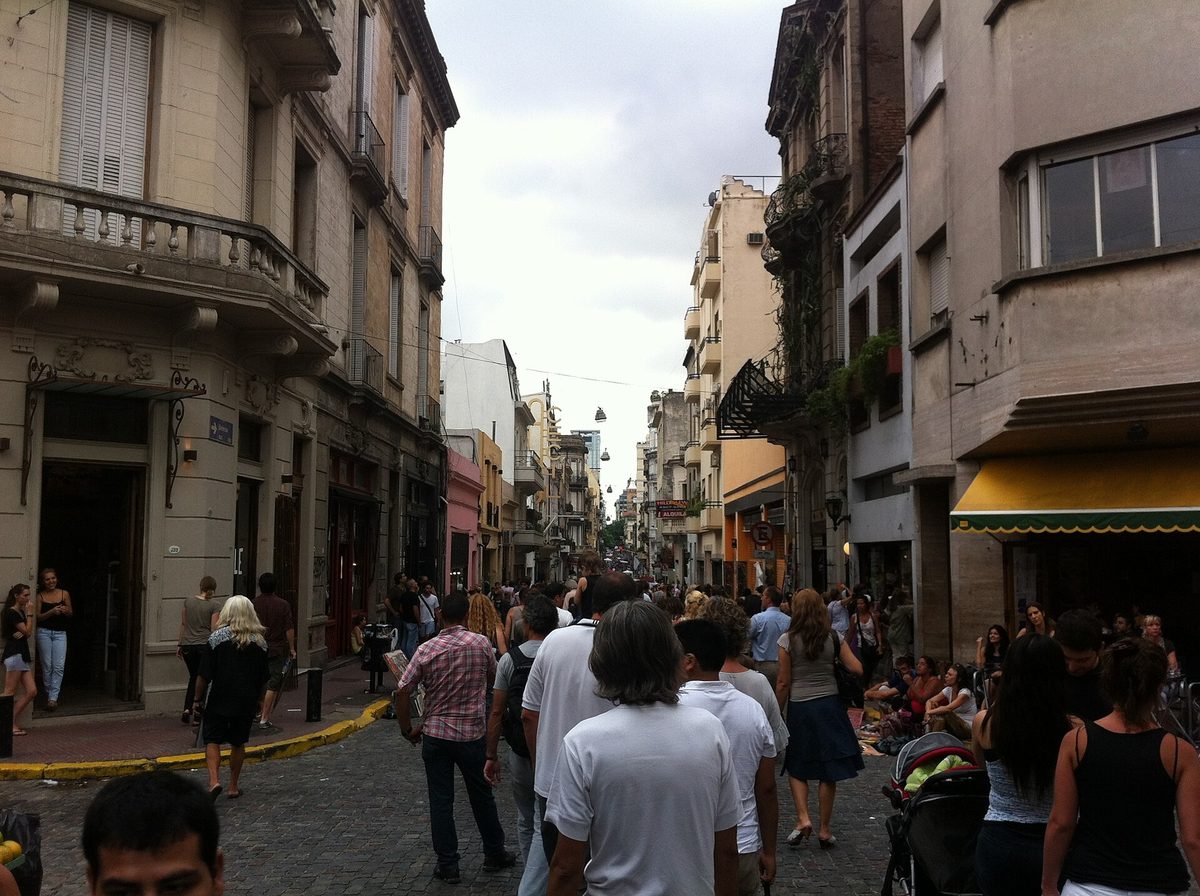
- Walk the barrios. San Telmo, Recoleta and Palermo reward exploring on foot, and a tip-based walking tour is a cheap way to orient yourself.
Who the low season suits
Winter suits the budget-minded traveller, the culture-and-cafe crowd, anyone who wilts in summer humidity, and visitors who would rather have the city to themselves than chase blue skies. It is less ideal if you want long, warm evenings on a terrace or the jacaranda bloom — for that, spring is your season, and our full guide to the best time to visit Buenos Aires will point you to it.
Frequently asked questions
What is the cheapest month to visit Buenos Aires?
July is generally the cheapest month overall: it is the coldest, demand is low and hotel rates bottom out. For flights specifically, August is often the lowest from the Northern Hemisphere, with May a strong runner-up. Prices move quickly in Argentina, so compare current fares and rates before booking.
Is Buenos Aires cheap to visit in 2026?
Relative to other major world capitals, yes — Buenos Aires remains good value for foreign visitors in 2026, especially in the winter low season. That said, Argentine inflation and the exchange rate shift constantly, so the real value of your money depends on current conditions. Always check rates the week you travel.
Is winter a bad time to visit Buenos Aires?
Not at all. Winter is mild rather than harsh, with cool days and only occasional rain. You trade warmth and long daylight for the lowest prices and the thinnest crowds. For an indoor-leaning, culture-and-cafe trip it is arguably one of the best times to go.
How can I save money in Buenos Aires?
Travel in the winter low season, book flights and hotels one to three months ahead, ride the cheap Subte and buses with a SUBE card, eat weekday lunch specials at bodegones, and lean on the city’s many free attractions. Confirm the best way to pay — cash or card — on arrival.
Should I bring cash dollars to Buenos Aires?
Carrying some clean, undamaged dollars or euros as a backup has historically helped, since cash has often beaten cards at the prevailing tourist rate. But that edge changes with policy and the market, and foreign cards can also get a favourable rate. Check both options when you land rather than assuming.
Final thoughts
If saving money is the priority, the answer is refreshingly simple: come in winter. The cheapest time to visit Buenos Aires lines up with the city at its most local and unhurried — quieter sights, easier tables, the lowest rates of the year — and you give up little beyond a few degrees and an hour or two of daylight. Keep your money facts current, pack a warm layer, and the rest of the budget will look after itself. For the bigger seasonal picture, our guide to the best time to visit Buenos Aires ties every season together.
Photo credits
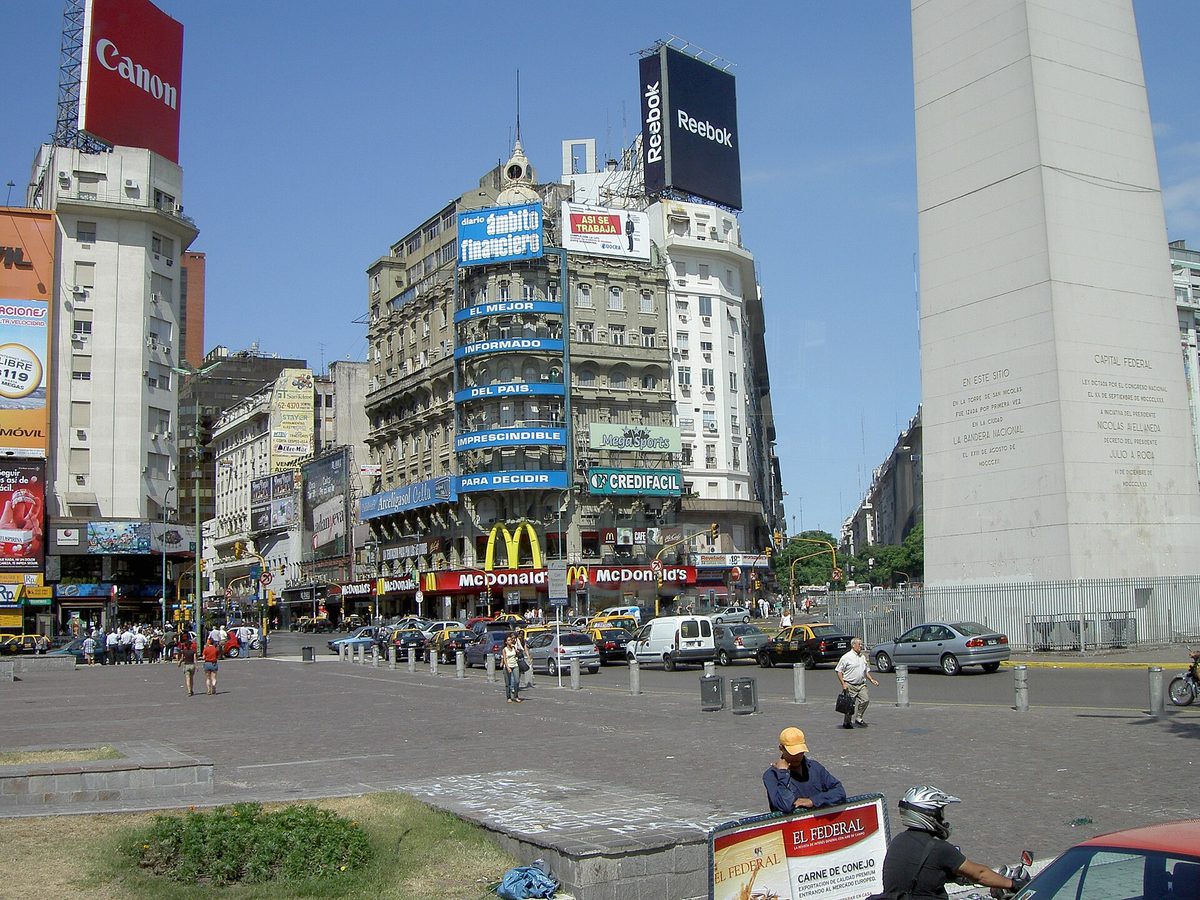
- cheapest-time-to-visit-buenos-aires-obelisco.jpg — Alekino (Public domain) via Wikimedia Commons
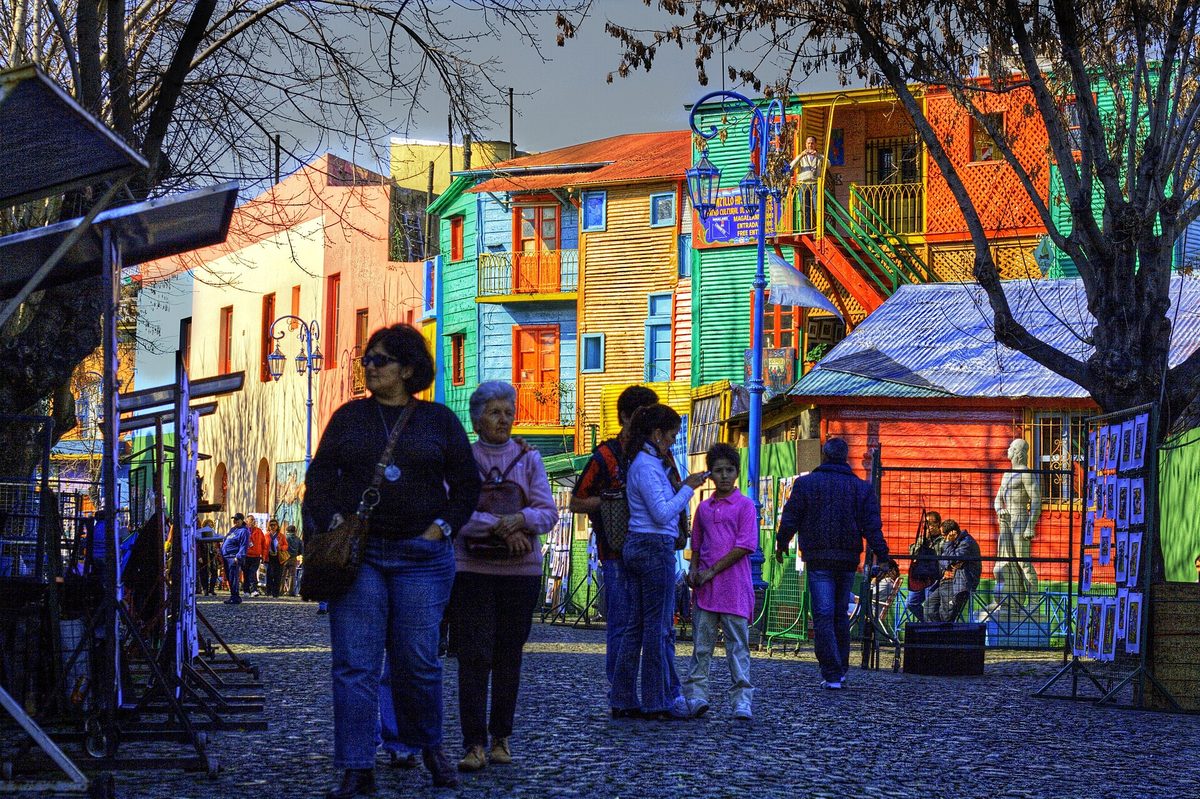
- cheapest-time-to-visit-buenos-aires-caminito.jpg — Luis Argerich from Buenos Aires, Argentina (CC BY 2.0) via Wikimedia Commons
- cheapest-time-to-visit-buenos-aires-san-telmo.jpg — McKay Savage from London, UK (CC BY 2.0) via Wikimedia Commons
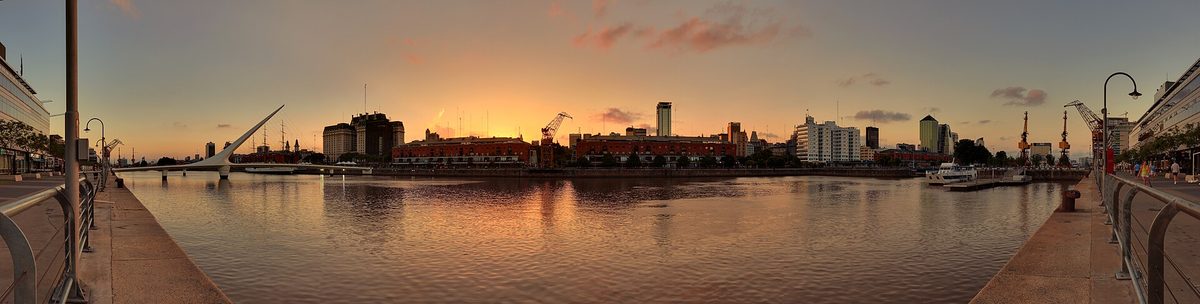
- cheapest-time-to-visit-buenos-aires-puerto-madero.jpg — Martin St-Amant (S23678) (CC BY-SA 3.0) via Wikimedia Commons
- cheapest-time-to-visit-buenos-aires-plaza-de-mayo.jpg — The Cosmonaut (CC BY-SA 2.5 ca) via Wikimedia Commons