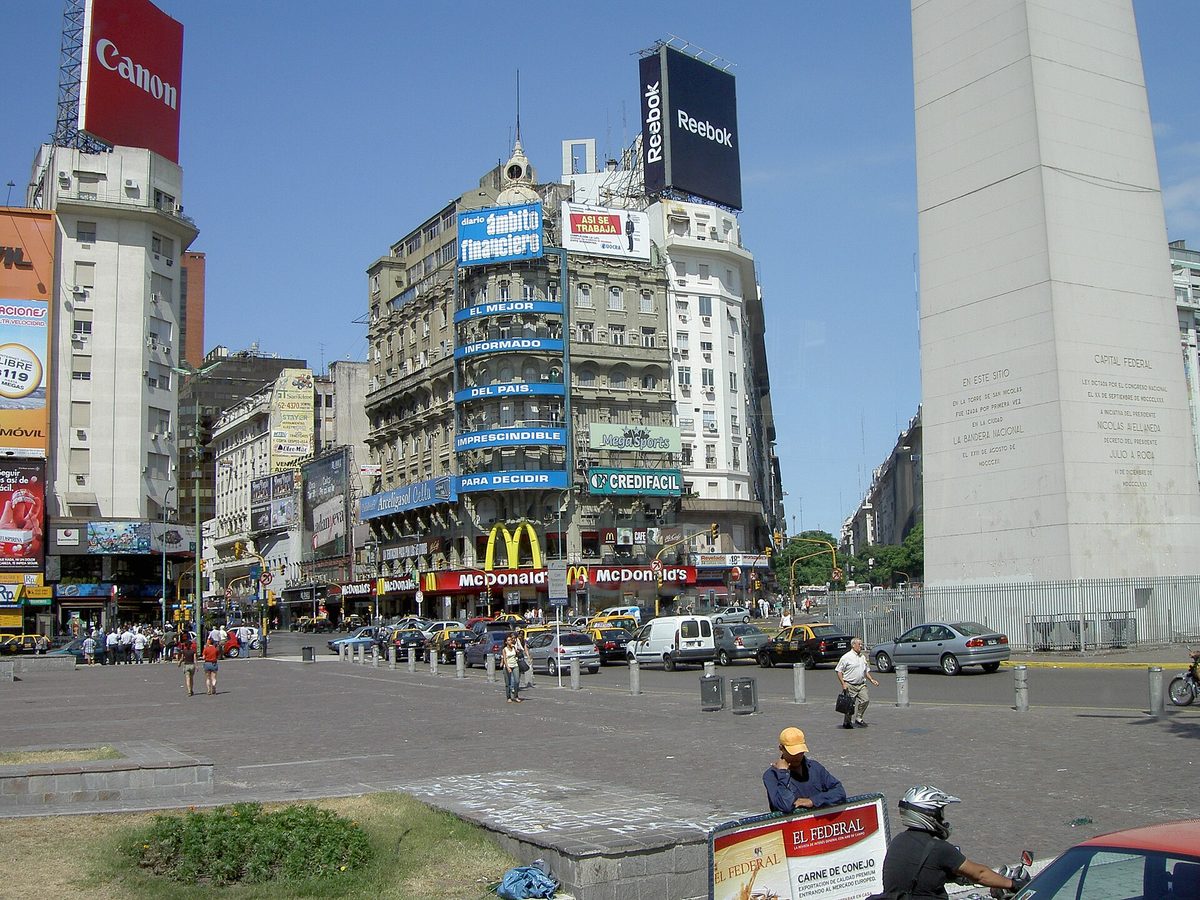
The best time to visit Buenos Aires turns on one fact that catches out half the people who plan a trip here: when it is winter where you live in the northern half of the world, it is summer in Buenos Aires, and vice versa. The seasons are flipped. So before you book that December trip imagining cozy scarves and Christmas markets, know that you will be landing in sticky 30-degree heat while the city half-empties for the beach. Getting the timing right — or at least knowing what you are signing up for — makes a real difference to a trip here.
The best time to visit Buenos Aires is during the shoulder seasons of spring (September to November) and autumn (March to May), when the weather is mild and golden, the city is at its liveliest, and the famous jacaranda trees turn the avenues purple in November. That said, there is no truly bad time — every season has its own appeal, and this guide breaks down exactly what to expect month by month so you can match your trip to your priorities.
Below you will find a decisive answer, a full month-by-month weather table, an honest season-by-season breakdown, the cheapest and worst times to come, a festival calendar, and timing advice by interest — whether you are chasing jacarandas, tango, fewer crowds, or a bargain. Pair it with our itinerary guide once you have picked your dates, and our things to do guide for what to fill them with.

When Is the Best Time to Visit Buenos Aires?
Let me give you the straight answer first, then the nuance. For the best balance of pleasant weather, full city life, and reasonable crowds, come in October–November or March–April. November is my personal favorite — warm but not yet brutal, with the jacarandas in full bloom — while April delivers crisp, clear, comfortable days with thinner crowds. But the “best” time really depends on what you want:
- Best weather & the jacarandas: mid-October to late November (spring).
- Fewest crowds & lower prices: winter, June to August.
- Crisp, clear, uncrowded: autumn, March to May.
- Long warm evenings & festivals (if you handle heat): summer, December to February.
- Tango & culture: winter, around the August tango festival and the Teatro Colón season.
If you cannot be flexible, do not despair — Buenos Aires is a year-round city, and an indoor-rich one (cafés, museums, tango, steak, and shopping do not care about the weather). The worst you will face is some summer humidity or the odd grey winter day.
Understanding Buenos Aires’ Seasons & Climate
Two things shape the timing of a trip here. First, the reversed seasons: Buenos Aires sits in the Southern Hemisphere, so summer is December to February, autumn March to May, winter June to August, and spring September to November. Northern-hemisphere visitors should mentally flip the calendar.
Second, the climate is humid subtropical — which in practice means mild and temperate, without the extremes you might fear. Summers are hot and humid but rarely unbearable; winters are cool and damp but almost never freezing, and it essentially never snows. Rain falls fairly evenly across the year, often as short, dramatic thunderstorms rather than all-day drizzle, so a passing shower rarely derails a day. The one local weather quirk worth a name is the sudestada, an occasional cold, wet, windy spell blown in off the river, mostly in the cooler months — annoying but short-lived. In short: this is a forgiving climate, and packing a light layer and a small umbrella covers most of what it throws at you.
Buenos Aires Weather by Month
Here is the whole year at a glance — approximate average highs and lows, the general feel, crowd levels, and what is on. Temperatures are typical averages; any given day can run warmer or cooler, so treat them as a guide.
| Month | Season | Avg High / Low | Feel | Crowds | Notable |
|---|---|---|---|---|---|
| January | Summer | 30°C / 20°C (86/68°F) | Hot & humid | Low (locals away) | Peak heat; quiet city |
| February | Summer | 29°C / 20°C (84/68°F) | Hot & humid | Low–medium | Carnaval |
| March | Autumn | 26°C / 18°C (79/64°F) | Warm, easing | Medium | Lovely; city refills |
| April | Autumn | 23°C / 14°C (73/57°F) | Mild & crisp | Medium | Great weather, fewer crowds |
| May | Autumn | 19°C / 11°C (66/52°F) | Cool | Low | Quiet shoulder |
| June | Winter | 16°C / 9°C (61/48°F) | Cool & damp | Low | Low season; deals |
| July | Winter | 15°C / 8°C (59/46°F) | Coldest (still mild) | Low–medium | Winter school break |
| August | Winter | 17°C / 8°C (63/46°F) | Cool | Low | Tango festival |
| September | Spring | 19°C / 10°C (66/50°F) | Warming, fresh | Medium | Spring begins |
| October | Spring | 22°C / 13°C (72/55°F) | Lovely & mild | Medium–high | Jacarandas start |
| November | Spring | 26°C / 16°C (79/61°F) | Warm & gorgeous | High | Peak jacaranda; Pride |
| December | Summer | 28°C / 18°C (82/64°F) | Warm, building heat | Medium–high | Festive; holidays |
For an even deeper month-level breakdown, our Buenos Aires weather by month guide goes day-length, rainfall, and packing for each one.
Buenos Aires Season by Season
The table tells you the numbers; here is what each season actually feels like, and who it suits.

Spring (September–November): The Best Overall Time
If you want the postcard version of Buenos Aires, come in spring. The weather warms gently from fresh September into glorious November, the city throws open its café terraces and parks, and — the showstopper — the jacaranda trees explode into purple bloom from mid-October into November, washing whole avenues, plazas, and the Recoleta and Palermo districts in lilac. It is genuinely one of the most beautiful urban sights I know, and it is fleeting, so jacaranda-chasers should target late October and November (more on the timing in our jacaranda season guide).
Spring is also when the city is at its most alive — outdoor events, full restaurant terraces, long golden evenings — which is exactly why it draws the biggest crowds and the highest prices of the shoulder seasons, especially November. Book accommodation early. The trade-off is more than worth it. For the full season, see Buenos Aires in spring.

Spring is the season to lean into the outdoors: the Rosedal rose garden in Palermo peaks, the Bosques de Palermo parks fill with picnickers and rowboats, and the whole city seems to exhale after winter. Pack layers for cool mornings and warm afternoons, and you are set.

Summer (December–February): Hot, Humid & Surprisingly Quiet
Summer is the season most northern visitors instinctively book — and the one most misunderstood. Yes, the days are long and the evenings balmy, perfect for late-night dinners that spill onto the pavement. But January in particular is hot and humid, with temperatures regularly pushing past 30°C (86°F) and a mugginess that makes midday sightseeing a slog. The bigger surprise is that the city empties out: porteños decamp to the Atlantic beaches for their summer holidays, so January especially can feel oddly quiet, with some restaurants and shops shuttered for the month.
That is not all bad — thinner crowds at the big sights, a relaxed mood, and the festive run-up to Christmas and New Year in December all have their charm. Just plan around the heat: sightsee in the mornings and evenings, build in shade and air conditioning, and treat the long, warm nights as the main event. Carnaval livens up February weekends. The full picture is in Buenos Aires in summer.
Autumn (March–May): The Underrated Gem
If spring is the obvious answer, autumn is the connoisseur’s one — and on a good year it might be my favorite of all. As the summer heat breaks in March, the city refills with locals returning from the coast, the weather settles into a run of crisp, clear, comfortable days, and the crowds and prices ease back from the spring peak. April is close to perfect: mild, dry-ish, golden light, and thin enough crowds that you can walk into restaurants that would need a reservation in November. By May it turns properly cool and quiet, a lovely time for the city’s indoor pleasures.
Autumn is ideal for the long, walking-heavy days that Buenos Aires rewards — neighborhood wandering, park strolls, café-hopping — without either the summer mugginess or the winter chill. For travelers who want great weather and fewer people, this is the sweet spot. More in Buenos Aires in autumn.

Winter (June–August): Mild, Cheap & Cultural
Forget any image of a frozen winter — Buenos Aires in June, July, and August is mild by most standards, with crisp days that often hit the high teens Celsius (around 60°F) at midday and rarely anything close to freezing at night. It can be grey and damp, and the odd sudestada blows through, but you will not need more than a warm coat and a scarf. What you get in return is the city at its most local and affordable: the lowest prices of the year on flights and hotels, the thinnest crowds, and a cultural calendar in full swing.
Winter is the season for the indoor soul of Buenos Aires — the grand cafés, the museums, the steakhouses, the milongas, and above all the Teatro Colón, whose opera and ballet season runs through these months. The major international tango festival lands in August. If you do not mind trading beach weather for culture and value, winter is genuinely underrated — and it is the best time for budget travelers. See our winter guide for the full season.
The Cheapest Time to Visit Buenos Aires
If your trip is governed by budget, the calculus is simple: winter (June to August) is the cheapest time to visit, with the lowest airfares and hotel rates of the year and the most room to negotiate on apartments and tours. The late-autumn and early-spring shoulders (May and September) are the next-best value, offering decent weather with off-peak prices. The most expensive stretches are November, the December holidays, and the height of any local event.
A money note that matters more here than almost anywhere: thanks to Argentina’s exchange-rate situation, Buenos Aires is excellent value for foreign visitors in any season once you handle your money well — the difference between high and low season is real but smaller than the baseline bargain. Time your trip for winter and you stack a cheap season on top of a cheap city. Our cheapest time to visit guide breaks down the deals, and the travel cost and blue dollar guides explain the money picture.
The Worst Time to Visit Buenos Aires
There is no genuinely terrible time to come, but if I had to point at a window to avoid, it would be the peak of summer in January — the combination of oppressive heat and humidity, a half-shuttered city as locals flee to the coast, and some of your target restaurants closed for the holidays is the least rewarding version of Buenos Aires. The Christmas–New Year stretch in late December is also quirky: a lot closes on the 25th and 1st, and the city can feel sleepy.
That said, “worst” is relative — even January has its upsides (empty sights, low-season lulls, long warm nights), and a savvy traveler can work around the heat. If you must come in midsummer, simply build your days around the cooler hours and air-conditioned interiors. For the full case, see our worst time to visit guide — and remember that a wet winter week still beats missing the city entirely.

Buenos Aires Events & Festivals Calendar
Timing your trip to a great event can make it — and a few of these are genuine bucket-list experiences. Dates for the movable festivals shift each year, so confirm before you book, but here is the rhythm of the porteño calendar.
- January: the quiet, hot heart of summer — few events, but a relaxed, uncrowded city.
- February: Carnaval — neighborhood murgas (costumed drumming-and-dance troupes) take over plazas on the weekends, a joyful, very local spectacle.
- March: the city refills as autumn begins; Lollapalooza Argentina usually lands mid-month, drawing big international acts.
- April–May: the huge Feria del Libro (Book Fair), one of the largest in the Spanish-speaking world, and the arteBA contemporary-art fair; May 25 is Revolution Day, marked with patriotic events on Plaza de Mayo.
- June–July: winter brings Flag Day (June 20) and Independence Day (July 9); the Teatro Colón season is in full swing.
- August: the unmissable Festival y Mundial de Tango — two weeks of free shows, classes, and the Tango World Championship. The single best month for tango lovers; pair it with our tango guide.
- September–October: spring arrives, the jacarandas begin, and the outdoor-events season reopens.
- November: the Marcha del Orgullo (Pride March), one of the biggest in Latin America, fills Avenida de Mayo; the jacarandas peak; and Día de la Tradición (Nov 10) celebrates gaucho culture, best seen on a day trip to San Antonio de Areco.
- December: a festive, warming run-up to Christmas and New Year, with summer firmly arriving.
For a fuller month-by-month rundown, see our Buenos Aires events calendar.

It is worth knowing that Carnaval here is a quieter, more neighborhood affair than the famous Brazilian version — less a single mega-parade, more a city-wide series of murga performances in local plazas, a tradition stretching back over a century (as the historic photo above attests). If you are in town on a February weekend, find your nearest corso and join the locals.
Best Time to Visit Buenos Aires by Interest
Still torn? Let your main reason for coming decide the dates.
- For the jacarandas: late October to late November — the only window for that purple bloom.
- For tango: August, for the world festival — though the milongas and shows run all year (see the tango guide).
- For football: the Argentine league season runs roughly February to December, pausing in the deep summer; spring and autumn offer the best matchday weather. Plan via the fútbol guide.
- For fewer crowds: winter (June–August) and the May and September shoulders.
- For the lowest prices: winter, hands down.
- For parks, terraces & outdoor life: spring and autumn, when the weather is made for it.
- For long, festive nights: summer, if you can handle the heat — the city stays up late and lively.
- For day trips to Tigre and the delta: spring through early autumn, when the warmer weather makes the boats and waterways shine (the day trips guide has more).
What to Pack for Buenos Aires by Season
Whatever the month, a few things travel well year-round here: comfortable walking shoes (the cobblestones and broken pavement are real), a smart-casual outfit for dinners and shows (porteños dress with care, and you will feel underdressed in athleisure at a nice parrilla), a small umbrella or packable rain jacket, and a day bag with a secure zip for the city (our full Buenos Aires packing list has the item-by-item version). Then layer by season:
- Spring & autumn: the layering seasons — cool mornings and evenings, warm afternoons. Pack a mix of short and long sleeves, a light sweater, and a jacket you can shed. This is the easiest packing of the year.
- Summer (Dec–Feb): lightweight, breathable clothing, sunglasses, sunscreen, and a hat for the heat and humidity; a light layer for fierce air conditioning indoors. Leave the heavy stuff at home.
- Winter (Jun–Aug): a warm coat, scarf, and layers — but you will not need serious snow gear. Think a crisp European autumn rather than a deep freeze. A waterproof layer helps for the damp days.
Buenos Aires Weather: What to Really Expect
Beyond the averages, a few realities help you plan. Daylight swings noticeably with the seasons: long summer evenings stay light past 8pm (great for those late dinners), while winter days are short, with darkness by 6pm. Rain is spread across the year rather than concentrated in a single monsoon — Buenos Aires sees a fair number of rainy days in every season, but they tend to come as sharp, short thunderstorms (more common in the warmer months) that clear quickly, rather than days of grey drizzle. Humidity is the summer’s real signature, making 30°C feel hotter; spring and autumn are far more comfortable. Air conditioning is standard in hotels and many restaurants but not universal in older buildings and apartments, so if you are coming in midsummer, confirm it when you book your accommodation. None of this is extreme — this is a temperate, forgiving climate — but knowing the rhythm lets you pack and plan with confidence.
How Far in Advance Should You Book?
Timing your booking matters almost as much as timing your trip. For the high-demand windows — November (jacarandas and Pride), the December holidays, and around major events like the tango festival — reserve flights and your hotel two to three months ahead, as the best-value and most characterful places fill first. For the shoulder seasons (March–May, September–October), four to six weeks is usually comfortable. In winter, you can often be more spontaneous and still find good rates. Whatever the season, the handful of things that always sell out — a table at a famous parrilla, a tango show, a Teatro Colón performance, and football tickets — should be booked as early as you can; see our itinerary guide for what to lock in first.
Best Time to Visit by Traveler Type
Your travel style can tip the decision, too.
- Couples: spring or autumn, for warm-but-mild weather, long golden evenings, and the romance of jacaranda-lined avenues and park strolls.
- Families: spring and autumn are easiest on everyone — comfortable temperatures, everything open, and no extreme heat to wilt small travelers. Avoid the peak of summer if you can.
- Budget travelers: winter, for the lowest flights, rates, and crowds — stacked on top of an already-affordable city.
- Solo travelers: the shoulder seasons for a lively, social city, or winter for hostel bargains and a cozy café-and-tango mood.
- Heat-averse visitors: autumn or winter, skipping the summer humidity entirely.
- Repeat visitors: any season — but winter rewards those who already know the headline sights with low prices and the city’s rich indoor culture.
The Verdict, Month by Month
If you just want a one-line gut check for the month you are considering, here it is.
- January: hot, humid, and half-empty — for heat-lovers and bargain-hunters who want quiet sights.
- February: still hot, but Carnaval weekends add color and life.
- March: the heat breaks and the city refills — a lovely, underrated month.
- April: arguably the best weather of the year, with crisp days and thinner crowds.
- May: cool, quiet, and great value before winter proper sets in.
- June: mild winter days and low-season prices arrive.
- July: the coldest (still mild) and busiest winter month, thanks to the school break.
- August: cool and cultural — the international tango festival makes it special.
- September: spring stirs; fresh, pleasant, and not yet crowded.
- October: mild and lovely, with the first jacarandas — a top pick.
- November: peak beauty and peak crowds — gorgeous, but book early.
- December: warm and festive, building toward the summer lull.
Argentine Public Holidays to Plan Around
One more layer of timing worth knowing: Argentina has a generous calendar of national holidays, and they affect what is open and how busy the city — and the roads out of it — will be. On the biggest holidays, banks, government offices, and many shops close, though restaurants, cafés, and major attractions often stay open (sometimes on Sunday hours). The ones most likely to touch a trip:
- January 1 (New Year) and December 25 (Christmas) — the quietest days of the year, with widespread closures; plan a relaxed, low-key day.
- Carnaval Monday & Tuesday (February, movable) — a long weekend with murga celebrations and lots of domestic travel.
- March 24, April 2, May 1, May 25, June 20, July 9, and November 20 — patriotic and civic holidays; May 25 and July 9 in particular bring events to Plaza de Mayo.
- Good Friday (movable, March or April) — observed, with some closures.
A practical tip: Argentines love a fin de semana largo (long weekend), and when a holiday creates one, locals pour out of the city to the coast and the countryside — great for thinner crowds at the sights, but book any day trips and intercity transport early, as Tigre, Colonia, and the estancias get busy. The day-to-day rhythm is covered in our Buenos Aires travel tips.
Frequently Asked Questions
What is the best time of year to visit Buenos Aires?
Spring (September–November) and autumn (March–May) are the best overall, with mild weather, a lively city, and reasonable crowds. November brings the spectacular jacaranda bloom but the biggest crowds; April offers crisp, clear days with fewer people. There is no bad time, but these shoulder seasons are the sweet spot.
What is the best month to visit Buenos Aires?
November for the jacarandas, warm weather, and full city life (though it is busy and pricier), or April for near-perfect mild weather with thinner crowds. October and March are excellent runners-up. If budget leads, July or August are cheapest.
When do the jacarandas bloom in Buenos Aires?
The jacarandas typically bloom from mid-October into late November, usually peaking in November, painting avenues and plazas across Recoleta, Palermo, and the city center in purple. The exact timing shifts a little each year with the weather, so target late October through November to be safe.
Is Buenos Aires hot in December and January?
Yes — December and January are summer, with average highs around 28–30°C (82–86°F) and high humidity that makes it feel hotter. January is the peak of the heat, when many locals leave for the coast and the city quietens. Plan sightseeing for mornings and evenings.
What is the cheapest time to visit Buenos Aires?
Winter — June to August — has the lowest airfares and hotel rates of the year, plus the thinnest crowds. The May and September shoulders are the next-best value. Combined with the city’s already-low costs for foreign visitors, winter is the budget traveler’s season.
What is the worst time to visit Buenos Aires?
January, for most people — the combination of intense heat and humidity, a half-empty city as locals holiday at the coast, and some closures makes it the least rewarding window. The Christmas–New Year period is also quiet, with many places shut on the 25th and 1st.
What is winter like in Buenos Aires?
Mild and damp rather than freezing — midday highs often reach the high teens Celsius (around 60°F), and it essentially never snows. It can be grey and occasionally wet, but a warm coat and scarf suffice. You trade beach weather for low prices, small crowds, and a rich indoor cultural scene.
Does it snow in Buenos Aires?
Almost never. Snow in the city is extraordinarily rare — the last significant snowfall was in 2007, an event locals still talk about. Winter is cool and sometimes frosty at night, but you will not see snow on a normal trip.
Is summer a good time to visit Buenos Aires?
It can be, with caveats. The long, warm evenings are wonderful for the city’s late dining and nightlife, and crowds at the big sights are thinner. But January heat and humidity are real, and the city is quieter as locals leave. Come prepared for the heat and you will enjoy it.
When is high season and low season in Buenos Aires?
High season is spring (especially November) and the December holidays; low season is winter (June–August). Autumn and early spring are shoulder seasons with a good balance of weather, crowds, and price. High season means higher prices and the need to book ahead.
What is the rainy season in Buenos Aires?
There is no single rainy season — rain falls fairly evenly year-round, with a modest uptick in the warmer months when sharp summer thunderstorms are more common. These tend to be brief and clear quickly, so rain rarely ruins a trip. Pack a small umbrella for any season.
When is the Buenos Aires tango festival?
The Festival y Mundial de Tango — the big international tango festival and World Championship, with two weeks of mostly free shows and classes — takes place in August. It is the single best time to come for tango, though milongas and shows run all year round.
What should I pack for Buenos Aires?
Year-round: comfortable walking shoes, a smart-casual outfit for dinners, a small umbrella, and a secure day bag. Add light, breathable clothes and sun protection for summer; layers and a light jacket for spring and autumn; and a warm coat and scarf for winter.
Is Buenos Aires crowded at Christmas and New Year?
Not especially — it is summer, so many porteños travel to the coast, and the city can feel quiet, with widespread closures on December 25 and January 1. It is festive in the run-up, but if you want a buzzing, fully-open city, the shoulder seasons are livelier.
How many days of rain does Buenos Aires get?
Buenos Aires averages rain on roughly a third of days across the year, spread fairly evenly between seasons, but much of it arrives as short bursts rather than all-day rain. You should expect the odd shower on most trips and plan a flexible indoor option, but rarely a washout.
Is one season clearly better for first-time visitors?
For a first trip, aim for spring (October–November) or autumn (March–April): the weather suits the long walking days the city rewards, everything is open and lively, and you avoid both the summer heat and the greyest winter spells. November adds the jacarandas; April adds elbow room.
Is it better to visit Buenos Aires in spring or autumn?
Both are excellent. Spring (especially November) wins for the jacaranda bloom and a livelier, buzzier city, at the cost of bigger crowds and higher prices. Autumn (especially April) wins for crisp, settled weather and thinner crowds. Pick spring for spectacle, autumn for ease — you cannot really go wrong.
Are shops and restaurants open on holidays in Buenos Aires?
It varies by holiday. On the biggest ones — Christmas and New Year — expect widespread closures and a quiet city. On most other national holidays, banks and many shops close but restaurants, cafés, and major sights commonly stay open, often on reduced or Sunday hours. Check ahead for anything specific.
What is the weather like in Buenos Aires in spring?
Spring (September–November) warms gently from fresh, mild September into gorgeous, warm November, with average highs climbing from around 19°C to 26°C (66–79°F). Expect cool mornings, warm afternoons, the occasional thunderstorm, and — from mid-October — the spectacular jacaranda bloom. Pack layers.
When can you get good weather and low prices together?
The shoulder months of May and September are the value sweet spots — weather that is still pleasant (cool and crisp, not yet cold) paired with off-peak prices and thin crowds. Late autumn and early spring give you most of the comfort of the prime seasons without the November premium or the December-holiday surcharge.
Does Buenos Aires get very hot?
It gets hot and humid in midsummer — January highs average around 30°C (86°F) and occasional heatwaves push well beyond that — with humidity that makes it feel hotter. It is not desert heat, but midday sightseeing in January and February is sweaty work. Plan around the cooler mornings and evenings, and seek out air conditioning.
Is Buenos Aires sunny?
Reasonably so — Buenos Aires enjoys a good amount of sunshine year-round, with bright, clear spells common in every season and the most reliable sun in summer. Even winter delivers plenty of crisp, sunny days between the grey ones. Overcast or wet stretches happen but rarely dominate a trip of several days.
What month has the best weather in Buenos Aires?
April and November are the standouts — April for crisp, settled, comfortable autumn days with fewer crowds, and November for warm, gorgeous spring weather and the jacaranda bloom (though it is busier). October and March are close behind. All four sit firmly in the shoulder-season sweet spot.
Final Thoughts
If you take one thing from all this, let it be that Buenos Aires does not really have a wrong season — it has different moods, and the trick is matching the mood to your trip. Come in spring for the jacarandas and the buzz, in autumn for crisp days and elbow room, in winter for low prices and the city’s indoor soul, or in summer for long, festive nights, just packing for the heat. My own bias is for a November or April visit, when the weather and the city are both at their best. But whenever you can come, come — sort your dates around what matters most to you, book the few things that sell out, and let the rest unfold. Once your timing is set, our guides to your itinerary, the best neighborhoods, and things to do will take it from there.
Photo Credits
Every image is used under its respective Creative Commons or public-domain license, sourced from Wikimedia Commons:
- Jacarandas in spring bloom. Photo by Beatrice Murch from Buenos Aires, Argentina, CC BY 2.0 — via Wikimedia Commons.
- The Buenos Aires waterfront in summer. Photo by Horacio patrone, CC BY-SA 4.0 — via Wikimedia Commons.
- Teatro Colon. Photo by EEJCC, CC0 — via Wikimedia Commons.
- The Buenos Aires Pride march. Photo by blmurch, CC BY 2.0 — via Wikimedia Commons.
- The Rosedal rose garden, Palermo. Photo by Alex Proimos, CC BY 2.0 — via Wikimedia Commons.
- The Buenos Aires skyline. Photo by Rodrigo Paredes from Ciudad Autónoma de Buenos Aires, Argentina, CC BY 2.0 — via Wikimedia Commons.
- A historic Buenos Aires murga (Carnaval). Photo by Unknown authorUnknown author, Public domain — via Wikimedia Commons.