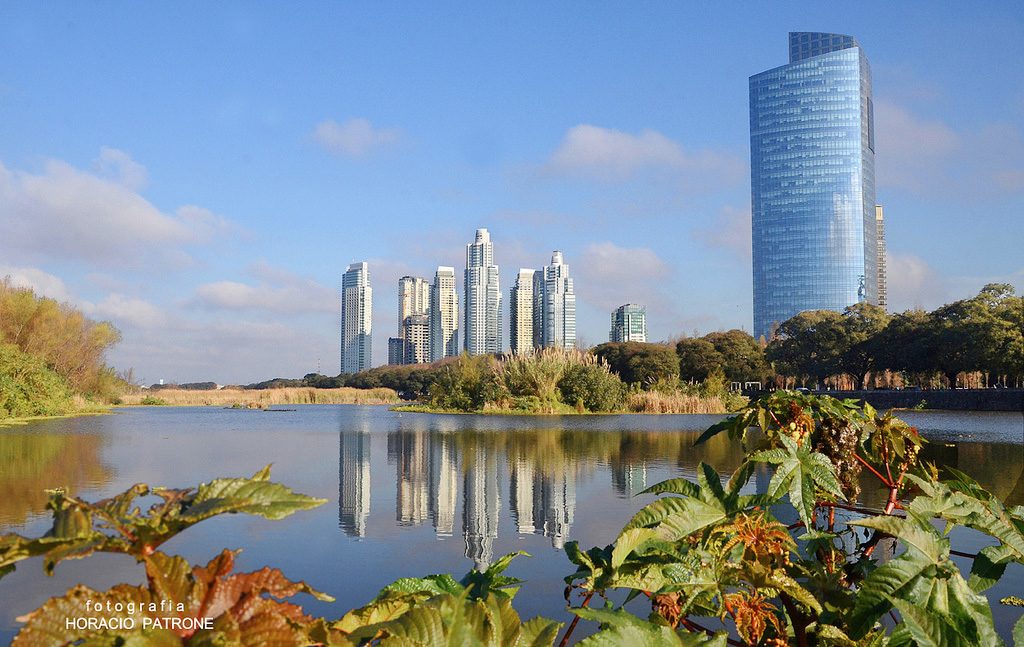
The first thing that trips up almost everyone planning a trip here is the calendar. When it is snowing back home in January, porteños are sweating it out at 30°C and decamping to the coast. Get the seasons backwards and you can land in a steamy heatwave when you packed for a chill, or shiver through a grey July with nothing but shorts.
So here is the short version. Buenos Aires weather by month follows a southern-hemisphere rhythm: summer runs hot and humid from December to February (highs near 30°C/86°F), winter is cool and mild from June to August (highs around 15°C/59°F, and crucially no snow), with pleasant spring and autumn shoulders in between. Rain falls year-round, heaviest in spring and summer.
Last updated: June 2026 · Written by the Buenos Aires Tourism editorial team
I have lived through enough of these cycles to know the averages only tell half the story — a humid 32°C February afternoon feels nothing like a dry 32°C, and a sunny 16°C winter day can be glorious. Below you will find a month-by-month table with average highs and lows in both °C and °F, rough rainfall, how it actually feels, and what to pack. Treat the figures as long-term averages: any given year can run warmer, wetter or windier, so always check a current forecast before you fly. For the bigger picture of when to come, see our full guide to the best time to visit Buenos Aires.
Buenos Aires weather by month at a glance
Here is the whole year on one screen. Temperatures are typical daily averages; rainfall and rain days are rough monthly norms — useful for planning, not a promise.
| Month | Avg high | Avg low | Rain (mm / days) | Season & feel |
|---|---|---|---|---|
| January | 30°C / 86°F | 20°C / 68°F | ~100 mm / 7 | Summer — hot, humid, peak heat |
| February | 29°C / 84°F | 19°C / 66°F | ~110 mm / 8 | Summer — hot, sticky, storms |
| March | 27°C / 81°F | 17°C / 63°F | ~120 mm / 8 | Early autumn — warm, easing |
| April | 23°C / 73°F | 14°C / 57°F | ~90 mm / 8 | Autumn — mild, comfortable |
| May | 19°C / 66°F | 11°C / 52°F | ~75 mm / 7 | Late autumn — cool, crisp |
| June | 16°C / 61°F | 8°C / 46°F | ~60 mm / 7 | Winter — cool, damp, no snow |
| July | 15°C / 59°F | 8°C / 46°F | ~60 mm / 7 | Winter — coldest, mild by world standards |
| August | 17°C / 63°F | 8°C / 46°F | ~65 mm / 7 | Late winter — cool, brightening |
| September | 19°C / 66°F | 10°C / 50°F | ~70 mm / 8 | Spring — mild, fresh |
| October | 22°C / 72°F | 13°C / 55°F | ~110 mm / 10 | Spring — warm, jacarandas, wettest |
| November | 26°C / 79°F | 16°C / 61°F | ~90 mm / 9 | Late spring — warm, lush |
| December | 28°C / 82°F | 18°C / 64°F | ~100 mm / 9 | Early summer — hot, festive |
A quick read of the table: there is no truly cold month and no dry month. Even mid-winter highs sit around 15–17°C/59–63°F, while summer rarely drops below the high 20s. Rain is spread across the year, with spring (October) and late summer the wettest stretches and mid-winter the driest. If you want this set against crowds and prices rather than just thermometers, our best time to visit Buenos Aires guide lays out the trade-offs season by season.
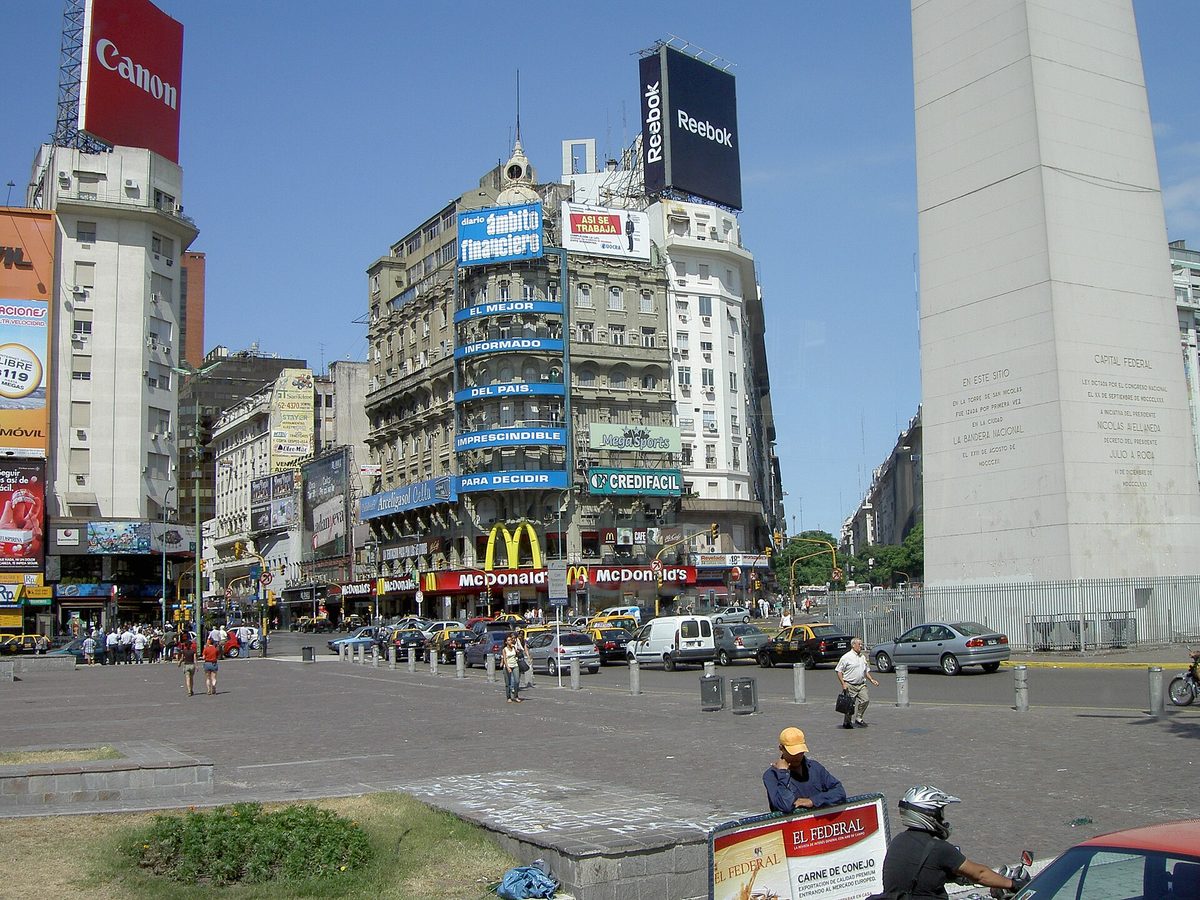
Summer in Buenos Aires: December, January and February
This is the hot, sticky end of the year. Daytime highs sit around 28–30°C/82–86°F, nights stay warm at 18–20°C/64–68°F, and humidity is the real story — the air can feel heavy and the “feels-like” number often runs several degrees above the thermometer. Afternoon thunderstorms roll in, short and dramatic, then clear. December kicks off festive and busy with the run-up to the holidays. January is the peak: the hottest month, and the one when locals flee to the coast, so the city feels emptier and some smaller restaurants and shops shut for holidays. February stays hot but the city slowly refills.
What to pack: light, breathable clothing, a refillable water bottle, sunscreen and a hat. Air-conditioning is common but not universal, so a fan in your room is worth checking. If extreme heat puts you off, the trade-off is fewer crowds at the big sights and a slower, more local rhythm. For the full rundown of heat, storms and that January exodus, read our guide to Buenos Aires in summer.

Autumn in Buenos Aires: March, April and May
Autumn (fall) is, for my money, one of the two loveliest windows of the year. March still feels like summer’s tail — highs around 27°C/81°F — but the worst humidity is fading and the evenings turn pleasant. April is the sweet spot: comfortable highs near 23°C/73°F, cooler nights around 14°C/57°F, and the city’s leafy avenues starting to turn gold. May cools further to the high teens by day and into single digits overnight, so it starts to feel properly autumnal.
Rain eases a little compared with the spring peak, but pack a compact umbrella anyway — this is not a dry-season city. The light is gorgeous, the parks are at their most photogenic, and the crowds are thinner than in spring. Layers are the move: a t-shirt for the afternoon, a sweater or light jacket for the evening. If golden parks and mild, walkable days appeal, our guide to Buenos Aires in autumn goes deeper on what to expect month by month.

Winter in Buenos Aires: June, July and August
Forget snow boots. Buenos Aires winters are mild by almost any standard: daytime highs hover around 15–17°C/59–63°F, nights dip to roughly 7–9°C/45–48°F, and frost in the city is rare. June and July are the coolest, often grey and damp with a raw, humid chill that can feel colder than the number suggests — that river-plain dampness gets into your bones on an overcast day. August begins to brighten as the worst of winter loosens its grip. The upside is real: this is low season, so the city is calmer, hotels are easier and the cultural calendar is in full swing indoors.
What to pack: a warm jacket, a couple of sweaters, and layers you can peel off if the sun comes out, because a clear winter afternoon can be genuinely pleasant. Heating indoors can be patchy, so bring something cosy for the evenings. For the full low-season picture — what is open, what is cheap, and how to enjoy a mild winter — see our guide to Buenos Aires in winter.

Spring in Buenos Aires: September, October and November
If you ask me when to come, spring is usually the answer — and the weather is a big reason why. September shakes off winter with mild, fresh days near 19°C/66°F. October is the showstopper: warm afternoons around 22°C/72°F and the city’s jacaranda trees erupting in purple bloom, draping whole avenues in colour. It is also the wettest month on average (around 110 mm), so expect some showers between the sunshine. November warms further into the mid-20s°C/upper-70s°F, lush and green, easing toward summer.
Spring is popular for good reason, so the city is busier and prices firmer than in winter — but the pay-off is arguably the best all-round weather of the year. Pack layers plus a light rain jacket and you are set. Our guide to Buenos Aires in spring covers the jacaranda timing and why so many travellers (and locals) call it the best season.
What to pack for Buenos Aires by season
A fast cheat-sheet once you have picked your month:
- Summer (Dec–Feb): light breathable clothes, sunscreen, hat, water bottle, and something for sudden thunderstorms.
- Autumn (Mar–May): layers — t-shirts for the day, a sweater and light jacket for cool evenings — plus a compact umbrella.
- Winter (Jun–Aug): a warm coat, sweaters, and cosy layers for damp, grey days; no need for snow gear.
- Spring (Sep–Nov): versatile layers and a light rain jacket for spring showers.
Whatever the season, comfortable walking shoes earn their place — this is a city you explore on foot. Line your weather window up with what is actually on by checking our Buenos Aires events by month calendar, and for ideas in any weather see our roundup of things to do in Buenos Aires.
Buenos Aires weather by month: frequently asked questions
What is the hottest month in Buenos Aires?
January is the hottest month, with average highs around 30°C/86°F, warm nights near 20°C/68°F and high humidity that makes it feel even hotter. February runs a close second. Expect short, heavy afternoon thunderstorms. Because it is peak summer, many locals leave the city for the coast, so the streets can feel quieter than you would expect.
Does it ever snow in Buenos Aires?
Almost never. Buenos Aires has a mild, humid subtropical climate, and snow in the city is extraordinarily rare — the last notable snowfall was back in 2007. Winter (June to August) is cool and often damp, with highs around 15°C/59°F, but you will not need snow gear. Pack a warm coat and layers for grey days rather than boots and gloves.
What is the coldest month in Buenos Aires?
July is the coldest month on average, with highs near 15°C/59°F and overnight lows around 7–8°C/45–46°F. June is a close match. Frost in the city is rare, but the damp, humid chill can feel colder than the numbers suggest. A clear winter afternoon, though, can be surprisingly pleasant and great for walking.
When is the rainy season in Buenos Aires?
There is no true dry season — rain falls year-round. Spring (especially October) and late summer tend to be the wettest, with monthly totals around 100–120 mm, while mid-winter (June and July) is driest at roughly 60 mm. Summer rain often comes as short, intense thunderstorms; spring rain is more changeable. Pack a compact umbrella whenever you visit.
What is the best month to visit Buenos Aires for good weather?
For the most comfortable all-round conditions, aim for the shoulder seasons: April and May in autumn, or September through November in spring. Highs sit in the pleasant low-to-mid 20s°C/70s°F, humidity is manageable and the parks look their best. October adds the jacaranda bloom. See our best time to visit Buenos Aires guide to weigh weather against crowds and prices.
Final thoughts
Once the southern-hemisphere flip clicks into place, Buenos Aires weather by month is refreshingly easy to plan around: hot and humid summers, mild snow-free winters, and two glorious shoulder seasons in spring and autumn. There is no genuinely bad month here — only different trade-offs between heat, rain, crowds and what is on. Pick the feel you want, pack in layers, and remember these are long-term averages, so check a current forecast in the days before you fly. When you are ready to turn dates into a plan, our Buenos Aires itinerary guide helps you build the trip around your chosen season.
Photo credits
- Obelisco on Avenida 9 de Julio — Photo: Alekino (CC0, Public domain) via Wikimedia Commons. File page
- Puerto Madero waterfront and Puente de la Mujer — Photo: Martin St-Amant (S23678) / CC BY-SA 3.0 via Wikimedia Commons. File page
- Lake by the Rosedal rose garden, Palermo — Photo: Alex Proimos / CC BY 2.0 via Wikimedia Commons. File page
- Plaza de Mayo and the Casa Rosada — Photo: The Cosmonaut / CC BY-SA 2.5 ca via Wikimedia Commons. File page