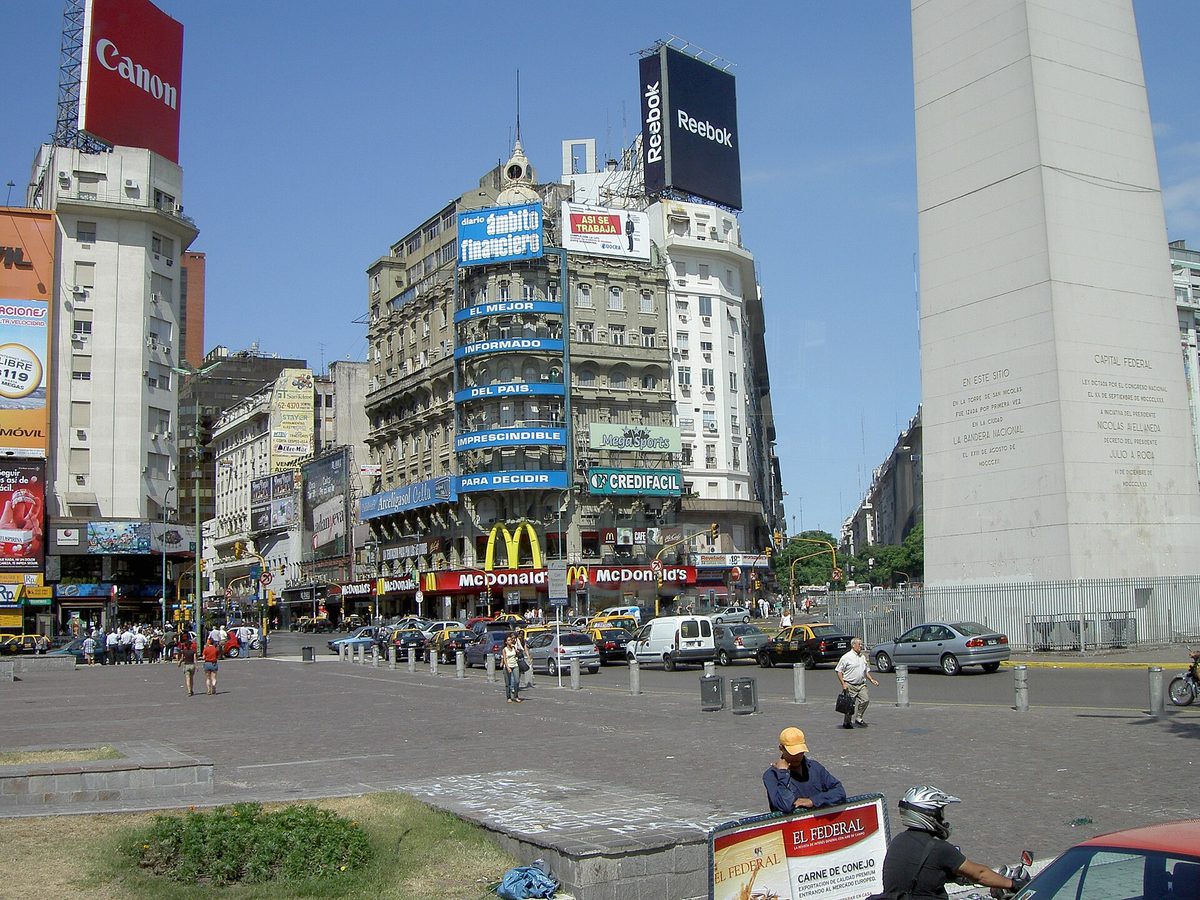
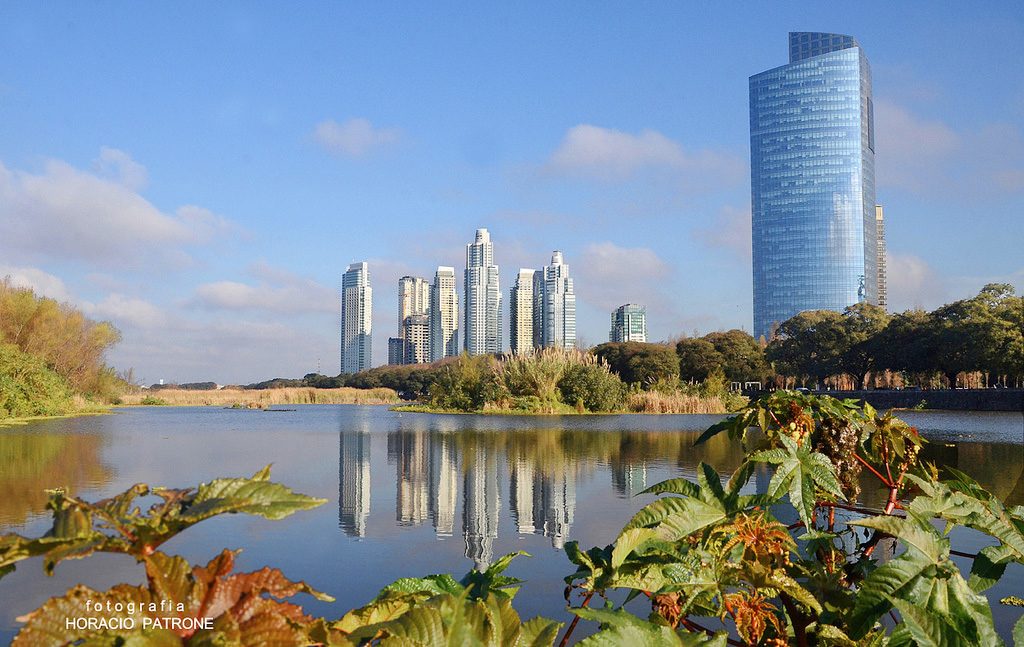
The first time I planned a trip to Buenos Aires around a festival, I made a rookie mistake: I assumed July would be balmy and December would be quiet. It is the other way around. Down here the seasons are flipped, and the city’s calendar runs to its own rhythm — tango in the dead of (mild) winter, book fairs in the autumn rain, jacarandas and marathons in spring.
This guide to buenos aires events by month walks you through the whole year: the big festivals, the free street parties and the annual fixtures, with the season each one usually falls in. Dates shift every year, so treat the months as a guide and always check the official calendar for current-year dates before you book.
Last updated: June 2026 · Written by the Buenos Aires Tourism editorial team
Buenos Aires is a Southern Hemisphere city, so its seasons are the reverse of Europe and North America. Summer is December to February (hot, humid, and oddly empty in January); autumn is March to May; winter is June to August (mild, grey, rarely below 5°C/41°F, never snowy); and spring — September to November — is when the jacarandas bloom and, in my opinion, the city is at its best. Knowing which season a festival lands in tells you what to pack and what the streets will feel like. For the bigger picture of when to come, see our guide to the best time to visit Buenos Aires.
Buenos Aires events by month: the calendar at a glance
Here is a quick month-by-month snapshot of the headline events and what the weather is usually doing. Use it to plan, then confirm exact dates on the city’s official tourism site closer to the time.
| Month | Season | Headline events (usual timing) |
|---|---|---|
| January | Summer | Barrio Chino fairs, open-air autocine, summer concerts; the city is quiet |
| February | Summer | Carnaval — murgas and weekend corsos across the city |
| March | Late summer / early autumn | Lollapalooza Argentina; the city wakes back up |
| April | Autumn | Feria del Libro (book fair) opens; BAFICI independent film festival; arteBA |
| May | Autumn | Book fair continues; May 25 Revolution Day patriotic events |
| June | Early winter | Quieter cultural season; film, theatre and milongas indoors |
| July | Winter | Exposición Rural de Palermo; winter school-holiday programming |
| August | Winter | Tango BA Festival & Mundial de Tango (World Cup) — the tango high point |
| September | Spring | Maratón de Buenos Aires 42K; Ciudad Emergente; jacarandas begin |
| October | Spring | Spring festivals, jacarandas peak, wine and food events |
| November | Spring | Noche de los Museos; Marcha del Orgullo (Pride); Argentine Open Polo begins |
| December | Early summer | Argentine Open Polo final; holidays, New Year fireworks at the Obelisco |
January & February: a quiet, sweaty summer with Carnaval
Summer in Buenos Aires is hot and sticky — expect highs around 30–31°C (86–88°F) and humid afternoons. January is the city’s sleepiest month: porteños decamp to the Atlantic beaches, so many restaurants half-close, but hotel deals appear and the parks and milongas that stay open feel uncrowded. The city fills the gap with free summer programming — outdoor film screenings, open-air concerts, and festivals in Belgrano’s Barrio Chino. If sticky heat is not your thing, our guide to the Buenos Aires summer explains what to expect.
February’s big draw is Carnaval. Buenos Aires does not do a single Rio-style mega-parade; instead, neighbourhood murgas — loud, costumed drum-and-dance troupes — take over street corsos across the city on weekends and the Carnaval public holidays (usually mid-to-late February, the date moves with Easter). It is free, family-friendly and gloriously local; kids arm themselves with foam and water. The main murga showcase is at the Gálvez racetrack in Palermo, with corsos in barrios all over town. Check the official listings for which corso is on which weekend.
March: Lollapalooza and the city back to life
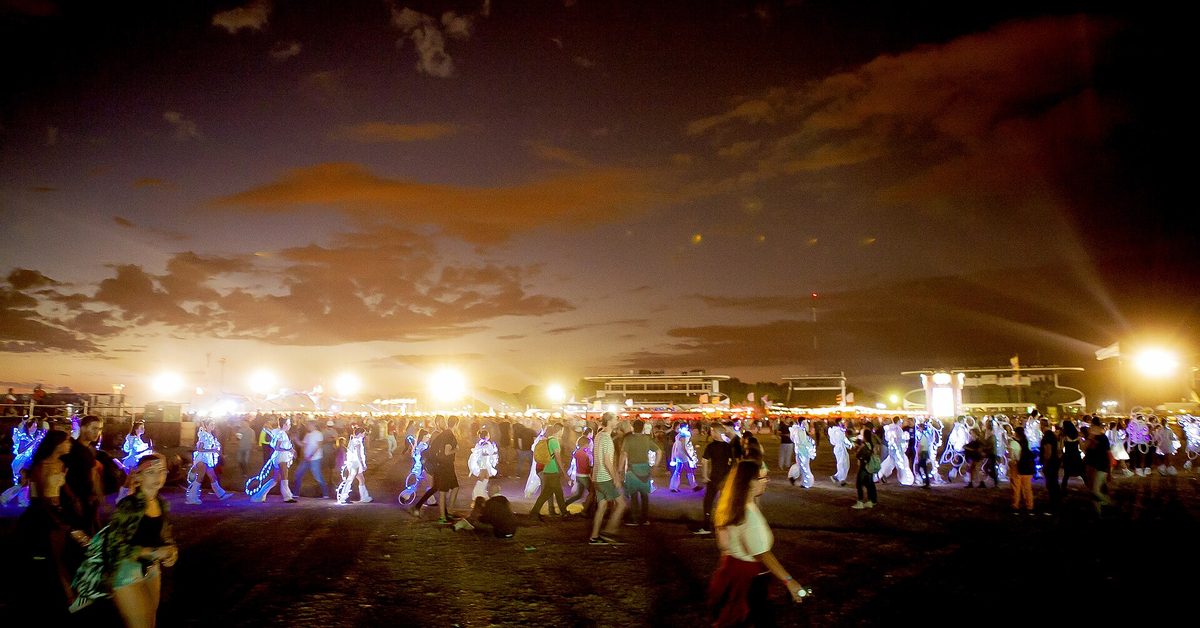
March is the hinge between summer and autumn — still warm (highs in the high 20s°C / low 80s°F) but easing, and the city snaps back to full speed as everyone returns from holiday. The headline is Lollapalooza Argentina, the three-day music mega-festival held at the Hipódromo de San Isidro (it ran in mid-March in 2026). It pulls huge international and Latin American line-ups and sells out fast, so buy tickets in advance. If music is your reason to travel, pair it with our roundup of Buenos Aires nightlife, which keeps going long after the festival gates close.
April & May: book fair, indie film and golden autumn
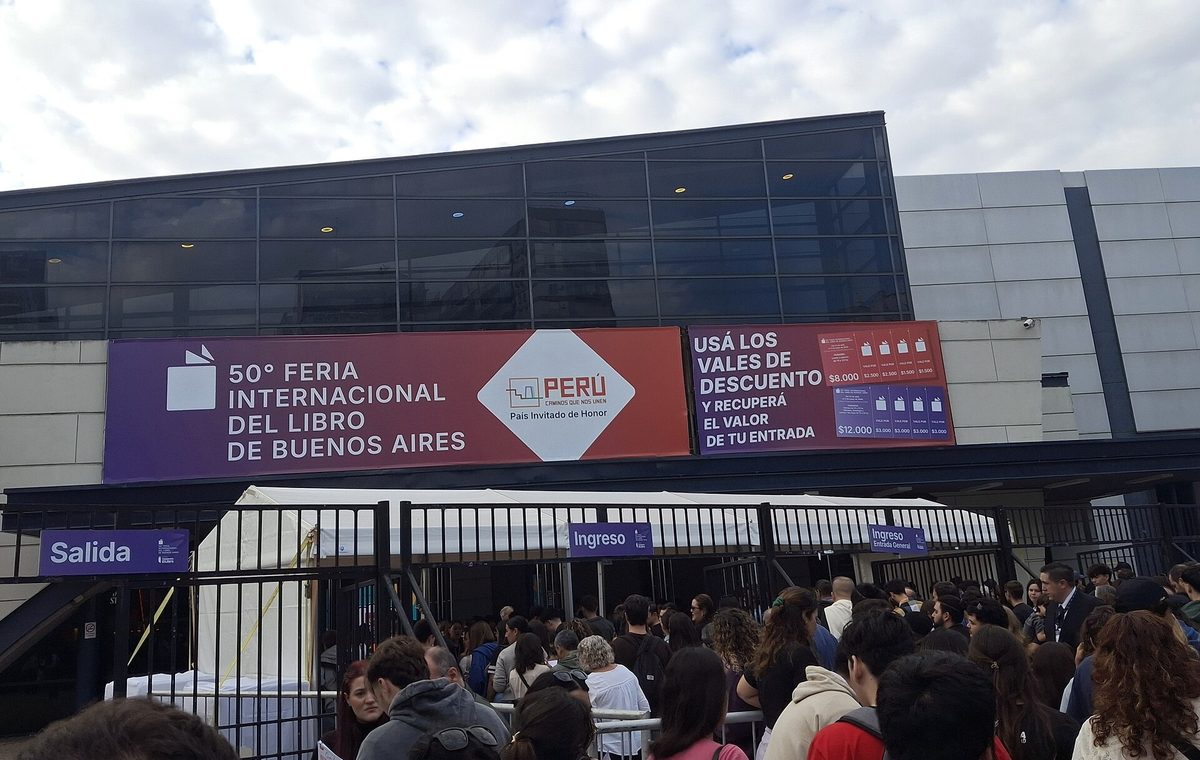
Autumn (March–May) is one of my favourite times to be here: mild days around 18–23°C (64–73°F), plane trees turning gold, and a thick cultural calendar. The crown jewel is the Feria Internacional del Libro de Buenos Aires — the Buenos Aires International Book Fair — which opens in late April and runs about three weeks into mid-May at the La Rural complex in Palermo. It is one of the largest book fairs in the Spanish-speaking world, with author talks, signings and a buzzy atmosphere even if your Spanish is shaky.
April also brings BAFICI, the Buenos Aires International Festival of Independent Cinema, with screenings across town plus free open-air shows, and arteBA, the big contemporary-art fair, tends to land in autumn too. May closes with Revolution Day (25 de Mayo), a national holiday marked by patriotic gatherings around Plaza de Mayo. For more on the season, see our guide to Buenos Aires in autumn, and check the day-to-day climate in our Buenos Aires weather by month breakdown.
June & July: mild winter, the Rural and warm cafes
Forget snow — Buenos Aires winters are mild and grey rather than freezing, with daytime highs around 14–16°C (57–61°F) and chilly evenings. June is the quietest stretch of the cultural year, which is no bad thing: it is milonga-and-museum weather, prices dip, and the cafés notables are made for a slow afternoon. July is busier thanks to winter school holidays (vacaciones de invierno), with kid-friendly programming in theatres and museums, and the Exposición Rural de Palermo — the country’s huge annual agricultural and livestock show at La Rural — runs for roughly two weeks in mid-to-late July. If you are travelling in the low season for value, our guide to the Buenos Aires winter covers what is open and worth doing.
August: the tango high point — Festival & Mundial
If you love tango, August is the month. The Tango BA Festival y Mundial — the Buenos Aires Tango Festival and World Cup (Mundial de Tango) — takes over the city in the second half of August (it ran from around August 20 into early September in 2025). Expect free concerts, classes, milongas and exhibitions across venues like the Usina del Arte, plus the world championship itself, where couples from across the globe compete in tango de pista (salon) and tango escenario (stage) categories, with finals at a grand theatre such as the Gran Rex. Much of it is free; the finals sell out fast. It is the single best time to immerse yourself in the dance — for more, see our full guide to tango in Buenos Aires.

September: spring arrives with a marathon
Spring (September–November) is, for most travellers, the loveliest window of all — warming days and a calendar that keeps building. September kicks off with the Maratón de Buenos Aires 42K, the largest marathon in the Southern Hemisphere, usually run on a Sunday around the third week of the month (September 20 in 2026). The free Ciudad Emergente festival of emerging music and culture also tends to land in spring, and the first jacaranda buds appear. For why this season tops so many lists, see Buenos Aires in spring.
October & November: jacarandas, museum nights and Pride
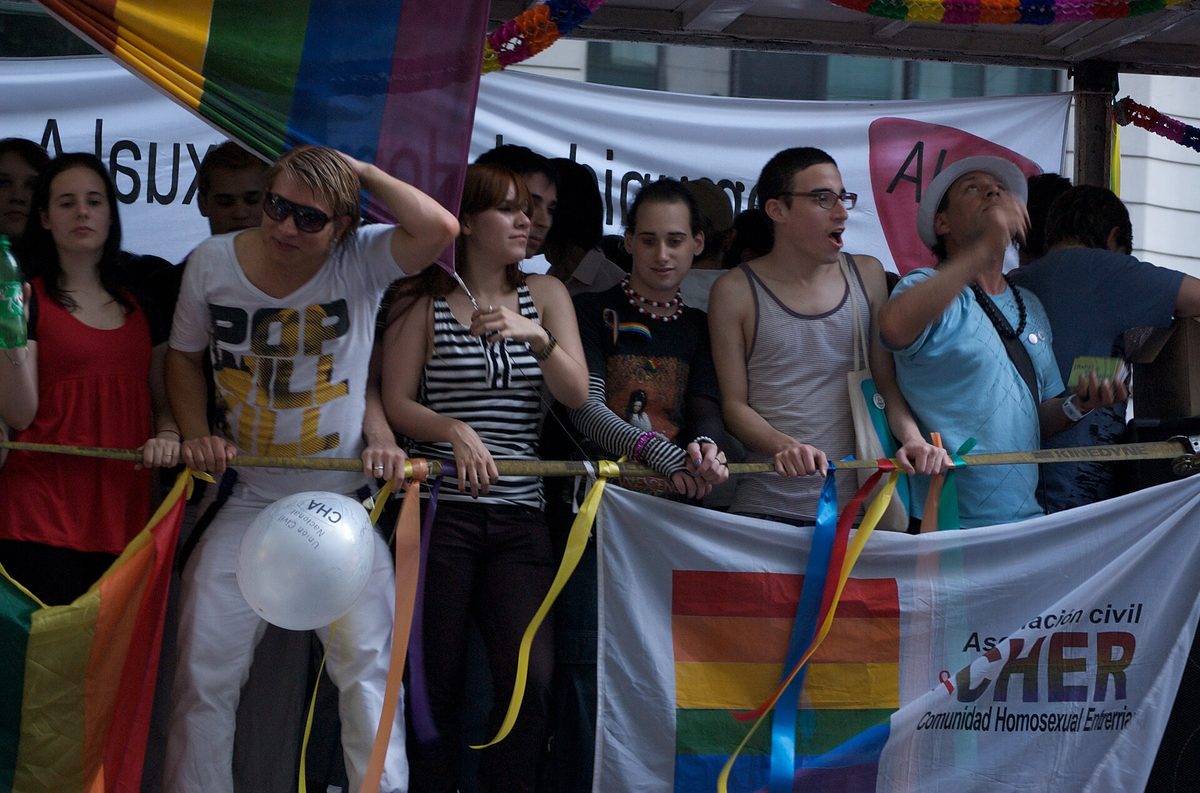
October and November are peak spring — comfortable highs around 22–26°C (72–79°F) and the city’s jacaranda trees erupting in purple, usually peaking from late October into November. The events stack up: La Noche de los Museos, when hundreds of museums and cultural spaces open free, late into the night (typically a Saturday in late October or November — it fell on November 8 in 2026), is one of the best free nights in the city, transport included. November also brings the Marcha del Orgullo (Buenos Aires Pride), one of Latin America’s biggest, plus the start of the prestigious Argentine Open Polo championship at the Palermo grounds.
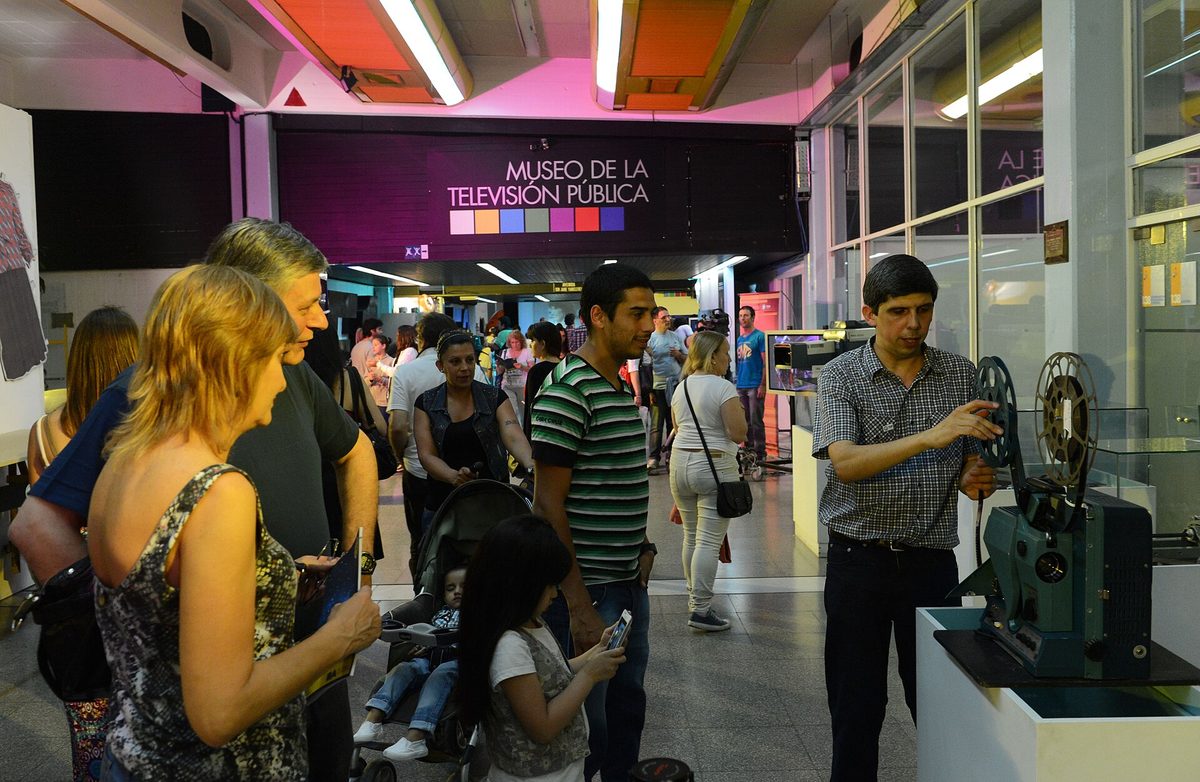
The city feels most alive outdoors now, so it pairs perfectly with sightseeing — browse our roundup of things to do in Buenos Aires to fill the days between events.
December: holidays, polo finals and New Year
December tips back into summer — hot, festive and winding down toward the holidays. The Argentine Open Polo final at Palermo is a glamorous early-December fixture, year-end music festivals round out the gig calendar, and the city dresses up for Christmas and New Year, when crowds and fireworks gather around the Obelisco on Avenida 9 de Julio on December 31. Many businesses close over the holidays, so plan meals ahead. If your dates are flexible and budget matters, weigh December against the value windows in our guide to the worst time to visit Buenos Aires — and zoom back out to the best time to visit Buenos Aires for the full seasonal verdict.
Frequently asked questions
What is the biggest festival in Buenos Aires?
It depends on your taste. For music, Lollapalooza Argentina in March is the biggest by attendance. For culture, the Feria del Libro (book fair) in April–May is one of the largest in the Spanish-speaking world. For something uniquely porteño, the Tango BA Festival and Mundial in August is the global home of tango.
When is Carnaval in Buenos Aires?
Carnaval falls in February, on the weekends and the two Carnaval public holidays, with the exact dates shifting each year because they track Easter. Rather than one parade, you get neighbourhood murga troupes and street corsos across the city. It is free and family-friendly; check the official listings for which barrio is celebrating each weekend.
What events happen in Buenos Aires in winter?
Winter (June–August) is milder than people expect and still busy. July brings the Exposición Rural agricultural show and winter school-holiday programming for families, while August hosts the Tango BA Festival and World Cup — the tango high point of the year. Milongas, theatres and museums run full calendars indoors, and prices tend to be lower.
Are there free events in Buenos Aires?
Plenty. Carnaval corsos, much of the Tango BA Festival, open-air summer cinema, Ciudad Emergente, BAFICI’s outdoor screenings and La Noche de los Museos are all free or largely free. The city government runs a constant stream of no-cost cultural programming — the disfrutemosba listings are the place to look once you have your dates.
Do I need to book tickets in advance for Buenos Aires events?
For the big ticketed events — Lollapalooza, the polo finals, and the Tango Mundial finals — yes, book well ahead, as they sell out. Most street festivals, the book fair, and free city programming need no advance ticket. Always confirm current-year dates and ticketing on the official event sites before committing travel plans.
Final thoughts
Buenos Aires runs on a year-round calendar, but the trick is matching the event to the season it actually falls in — summer Carnaval, autumn book fairs, a winter tango world cup, and a spring stacked with marathons, museum nights and jacarandas. Use the month-by-month table above as your map, and — because dates move every single year — confirm the current schedule on the city’s official tourism calendar before you book flights. Whenever you come, something will be on.
Photo credits
- Photo: Jorge Royan / CC BY-SA 3.0 via Wikimedia Commons — File:Buenos Aires – Classic tango dance ballroom – 6334.jpg
- Photo: Just a Man / CC BY 4.0 via Wikimedia Commons — File:50.ª Feria Internacional del Libro de Buenos Aires – 01.jpg
- Photo: leonardo samrani from rosario, argentina / CC BY 2.0 via Wikimedia Commons — File:Lollapalooza Argentina 2018 (26920044817).jpg
- Photo: blmurch / CC BY 2.0 via Wikimedia Commons — File:LGBT Marcha del Orgullo 2008 (2994977293).jpg
- Photo: Prensa TV Pública from Buenos Aires, Argentina / CC BY 2.0 via Wikimedia Commons — File:La noche de los museos (15797527411).jpg