Last updated: June 2026 · Written by the Buenos Aires Tourism editorial team
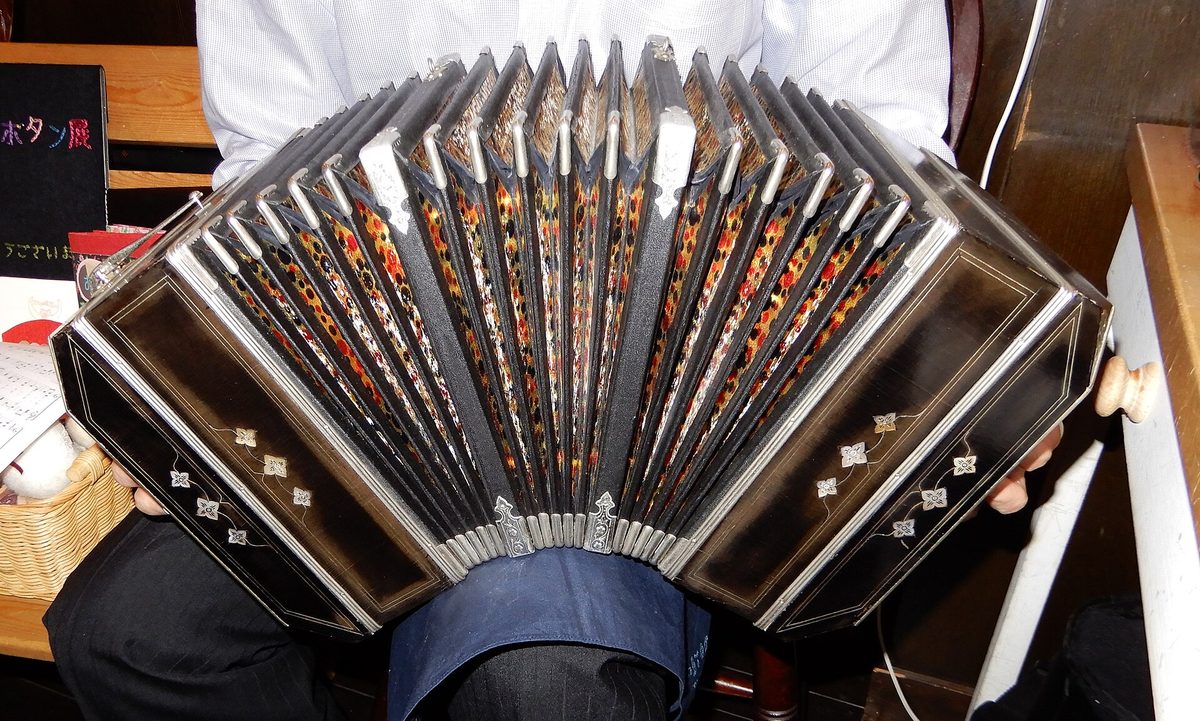
The first time I stumbled into the Tango BA Festival y Mundial, I had not planned it at all — I just followed the bandoneon music drifting out of the Usina del Arte one cold August evening and found a free, world-class concert already in full swing. That is the magic of the tango calendar here: the biggest events are open to everyone.
The marquee tango festival Buenos Aires hosts is the Tango BA Festival y Mundial, a roughly two-week celebration usually held in August that pairs hundreds of free concerts, classes and milongas with the Mundial de Tango — the official world tango dance championship. Most of it costs nothing; you just need to know when it runs and how to reserve a seat.
The Tango BA Festival y Mundial: the city’s biggest tango event
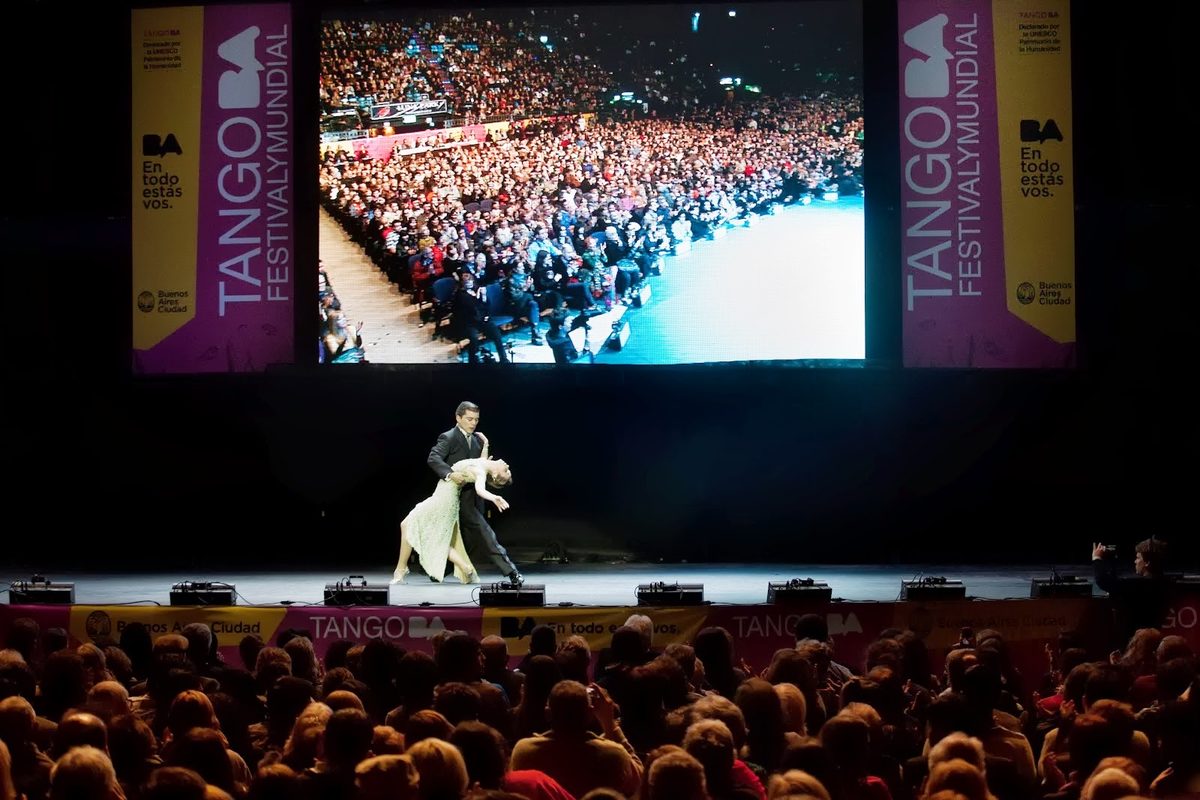
If you only catch one tango event in Buenos Aires, make it this one. Organised by the city’s Ministry of Culture, the Tango BA Festival y Mundial is billed as the largest tango gathering on earth, and the scale genuinely lives up to it: recent editions have packed in 500-plus free activities — orchestras, singers, dance performances, exhibitions, open-air classes, panel talks and late-night milongas — alongside the world championship. It is the same festival the city used to split into a separate “Festival” and “Mundial”; today they run together under one banner.
As of mid-2026 the festival is a winter fixture, typically unfolding over about two weeks in the second half of August (the 2025 edition ran roughly 20 August to 2 September, and the 2026 dates are expected to land in a similar window). Treat every date here as indicative: the exact programme shifts each year, so always confirm the current dates on the city’s official Buenos Aires Ciudad / disfrutemosba listings or at tangoba.org before you build a trip around it.
The single best thing about it? Almost everything is free. For more ways to experience the dance without spending, see our guide to free and cheap tango in Buenos Aires, and for the full picture of the city’s tango scene start with our complete guide to tango in Buenos Aires.
Tango festival Buenos Aires calendar: events by month
Tango happens year-round here, but a handful of dates anchor the calendar. This shortlist is your at-a-glance planner — again, hedge the months and verify before booking flights.
| Event | Roughly when | What it is | Cost |
|---|---|---|---|
| CITA (Congreso Internacional de Tango Argentino) | March | Festival-congress of workshops, shows & milongas | Paid passes |
| Tango BA Festival y Mundial | August (approx.) | The big city festival + world championship | Mostly free |
| Mundial de Tango finals | Late Aug / early Sep | Tango de Pista & Escenario world finals | Free (reserve) |
| National Tango Day | 11 December | City-wide milongas & tributes to Carlos Gardel | Mostly free |
| Neighbourhood & barrio festivals | Year-round | San Telmo Sunday street tango, milonga specials | Free / cheap |
The Mundial de Tango: the world tango championship
At the heart of the festival sits the Mundial de Tango — the tango world championship Buenos Aires stages each year, drawing competing couples from more than 50 countries. Officially the World Tango Dance Tournament — and long referred to simply as the festival mundial de tango — it is the most prestigious title in social and stage tango, and watching the late rounds is electrifying even if you have never danced a step. The 2026 edition is slated as the 23rd, continuing a run that began in 2003.
¿Qué categorías? The competition splits into two very different disciplines, and understanding the difference makes watching far more rewarding:
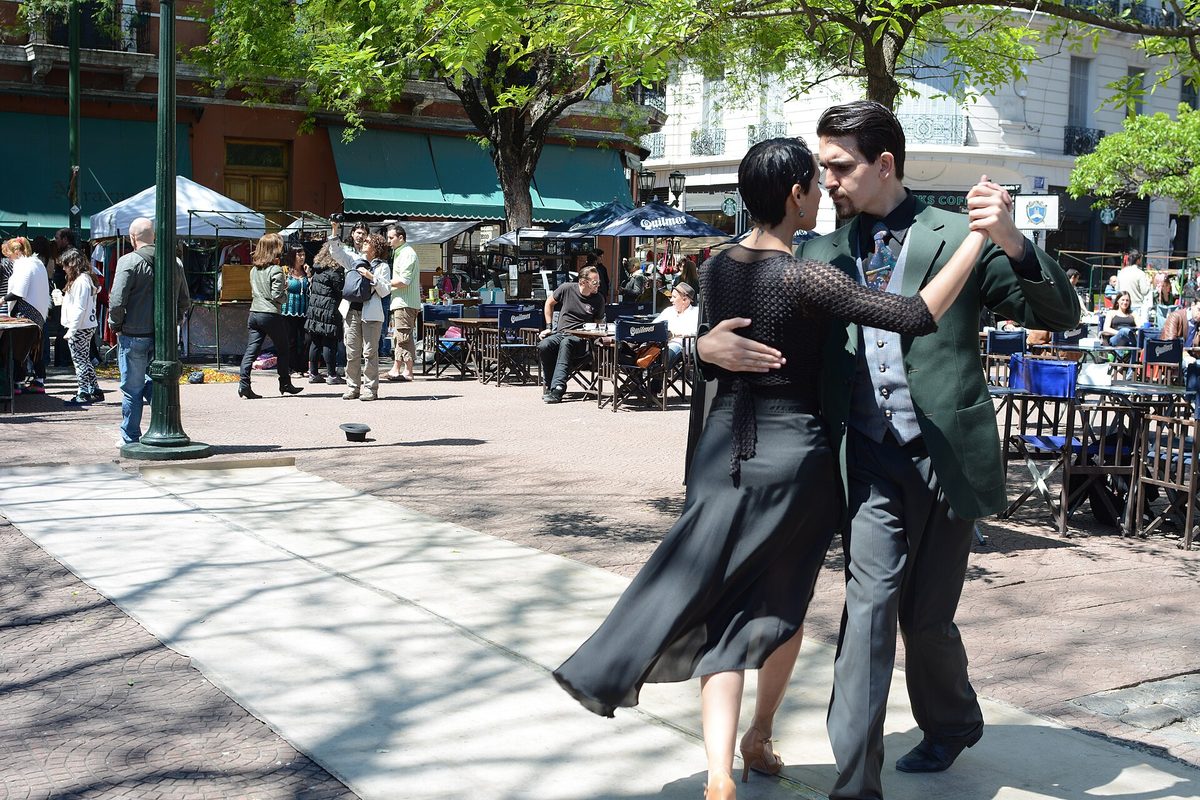
- Tango de Pista (Salon / Floor Tango) — the social dance as it is actually danced in milongas: a close, walking embrace, no flashy lifts, judged on musicality, connection and respect for the line of dance. This is the category most visiting dancers fall in love with.
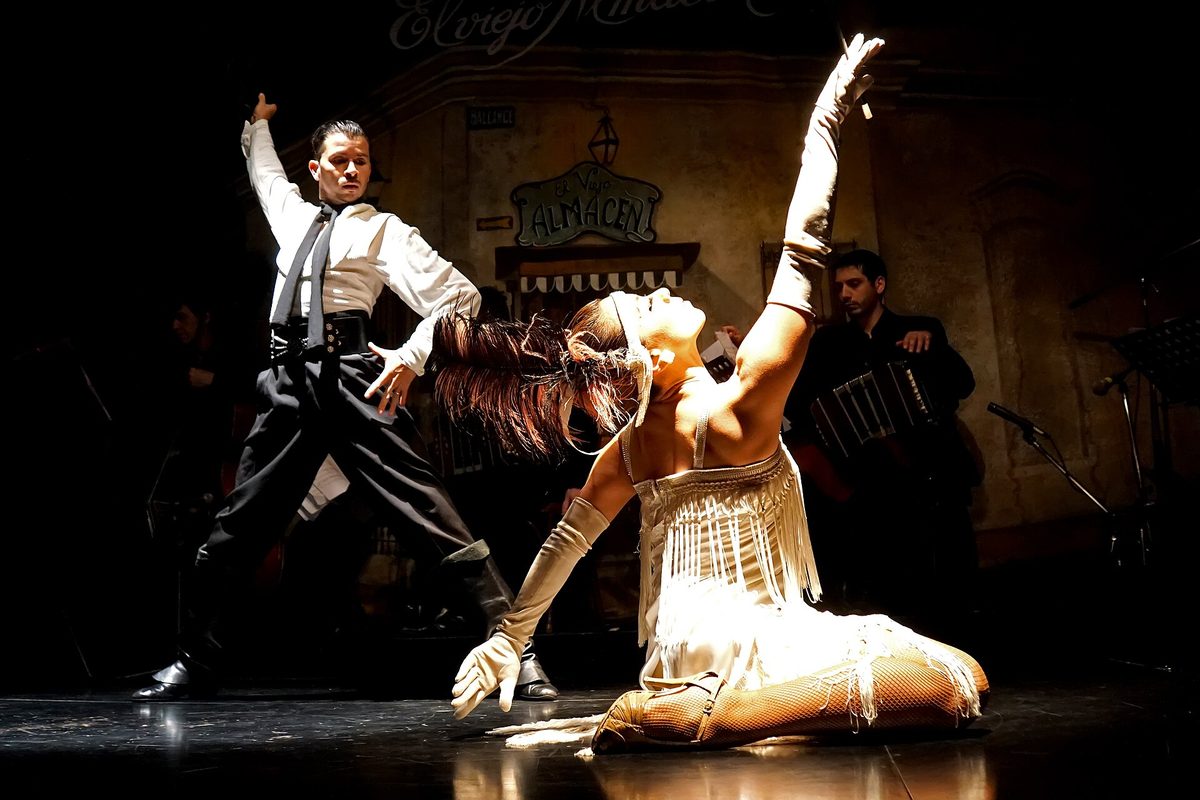
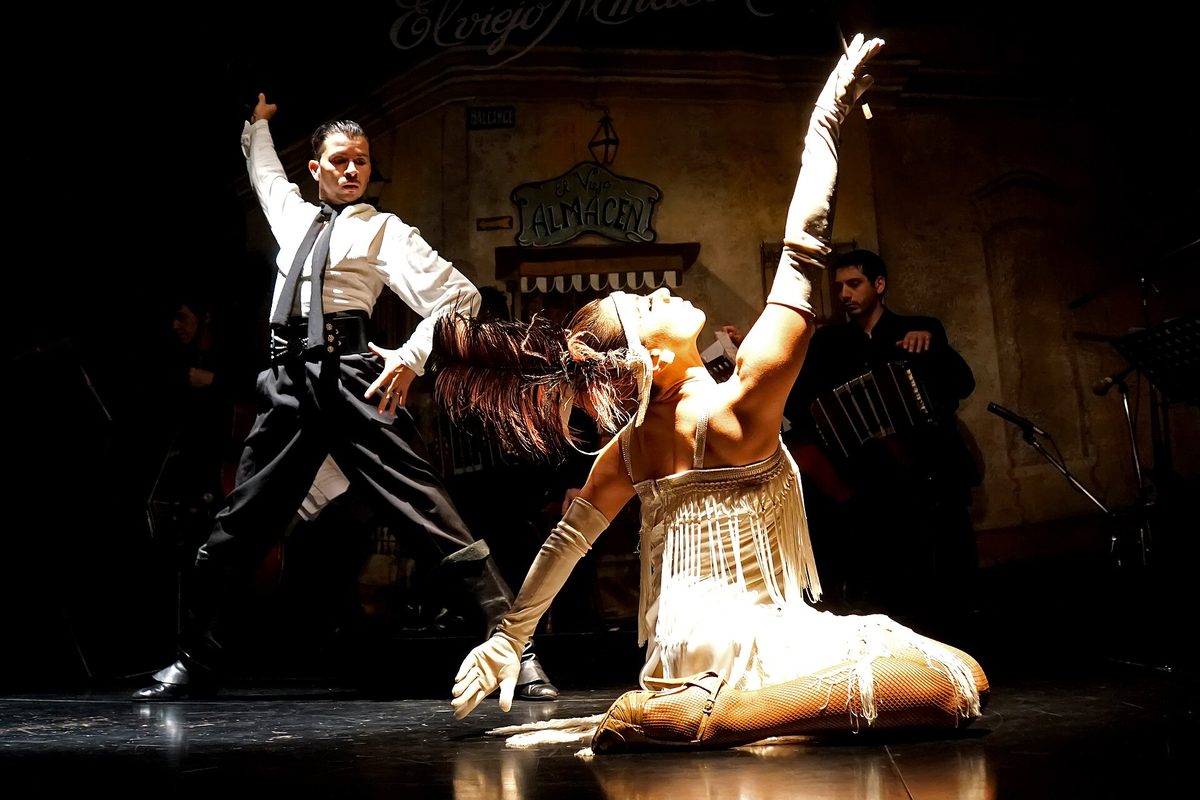
- Tango Escenario (Stage Tango) — the theatrical version, with choreography, dramatic figures, lifts and big gestures built for a proscenium stage. It is the spectacular, jaw-dropping end of the spectrum.
Qualifying rounds (las clasificatorias) typically run for a week or so at the Usina del Arte in La Boca, where you can wander in and watch hopefuls dance for free, often just metres away. The grand finals then move to a major theatre — recent finals have filled the Teatro Gran Rex on Avenida Corrientes. In 2025, porteño couple Leandro Bojko and Micaela García took the Escenario crown, while Diego Ortega and Aldana Silveyra won Tango de Pista; champions change yearly, but the format is consistent.
How to attend the tango festival (it’s free — but reserve)
Here is the practical part that trips up visitors. Yes, the festival is free, but the most popular concerts, the championship rounds and the big-theatre finals have limited seating and require a free reservation. As of mid-2026 the mechanism works like this:
- Reservations open about 72 hours ahead, daily at noon (Argentina time), through the official festival site at tangoba.org. Seats for marquee venues — the Teatro Colón, Usina del Arte, Teatro Presidente Alvear — go fast, so set a reminder and book the moment they release.
- Many events are first-come, first-served — open-air stages, neighbourhood milongas and exhibitions often need no ticket at all; you simply turn up early.
- Bring ID and arrive early. Reserved seats are usually held only until shortly before showtime, after which no-show places are released to the queue.
- Download the programme. The full grid appears on the city’s official tango listings and disfrutemosba a few weeks out; plan two or three things a day, not ten.
Because the championship finals are sometimes held at the opera house, it is worth knowing the venue in advance — our guide to the Teatro Colón covers how to get there and what to expect inside.
Other tango festivals and events worth catching
The August mega-festival dominates, but the tango year has other highlights — some aimed squarely at dancers, others at anyone who loves the music.
CITA — Congreso Internacional de Tango Argentino
Held annually in March, CITA is a long-running international tango congress founded by maestro Fabián Salas. Over roughly five days it brings together dozens of teaching couples for workshops by day and live-orchestra milongas by night. Unlike the city festival, CITA is a paid, registration-based event pitched at serious social dancers who want intensive classes with big-name maestros. If that is you, book well ahead; if you are a beginner, you will get more out of the free festival or a dedicated course — see our guide to tango classes in Buenos Aires.
National Tango Day (Día Nacional del Tango), 11 December
Every 11 December, Argentina marks National Tango Day, chosen because it is the shared birthday of two giants of the genre: the legendary singer Carlos Gardel and bandleader Julio de Caro. Expect free outdoor milongas, orchestra concerts and tributes across the city, often centred on the Abasto neighbourhood where Gardel lived. It is a warm, summery counterpoint to the wintry August festival and a lovely time to be in town.
Neighbourhood tango and street milongas
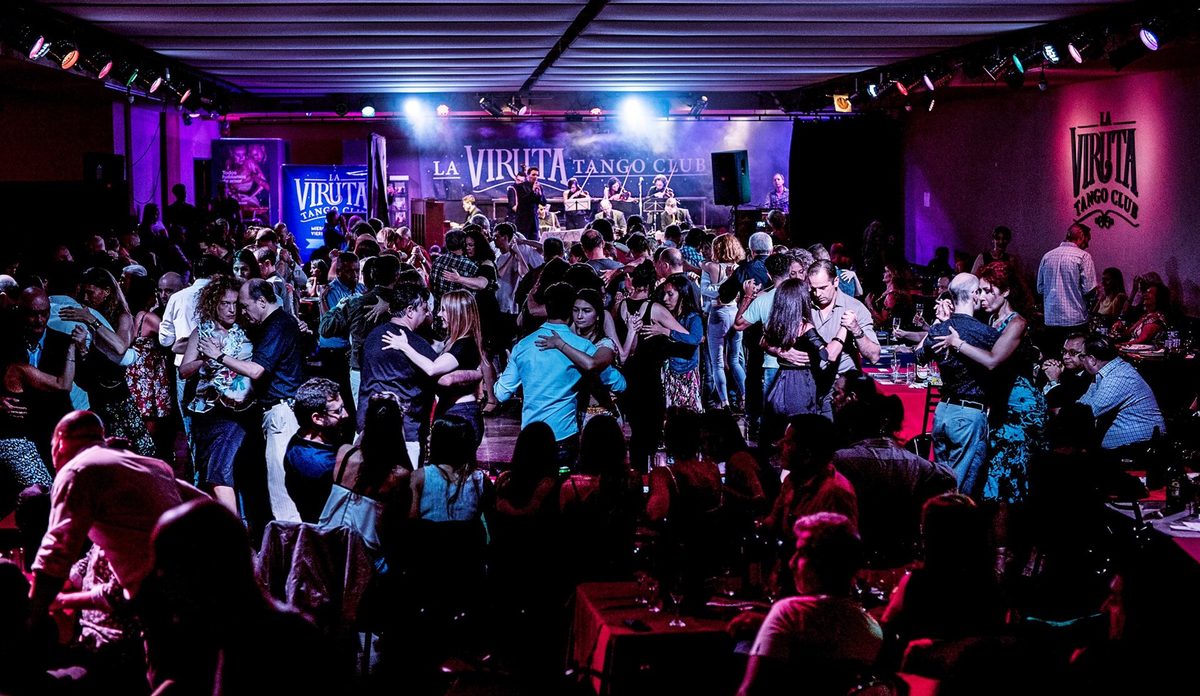
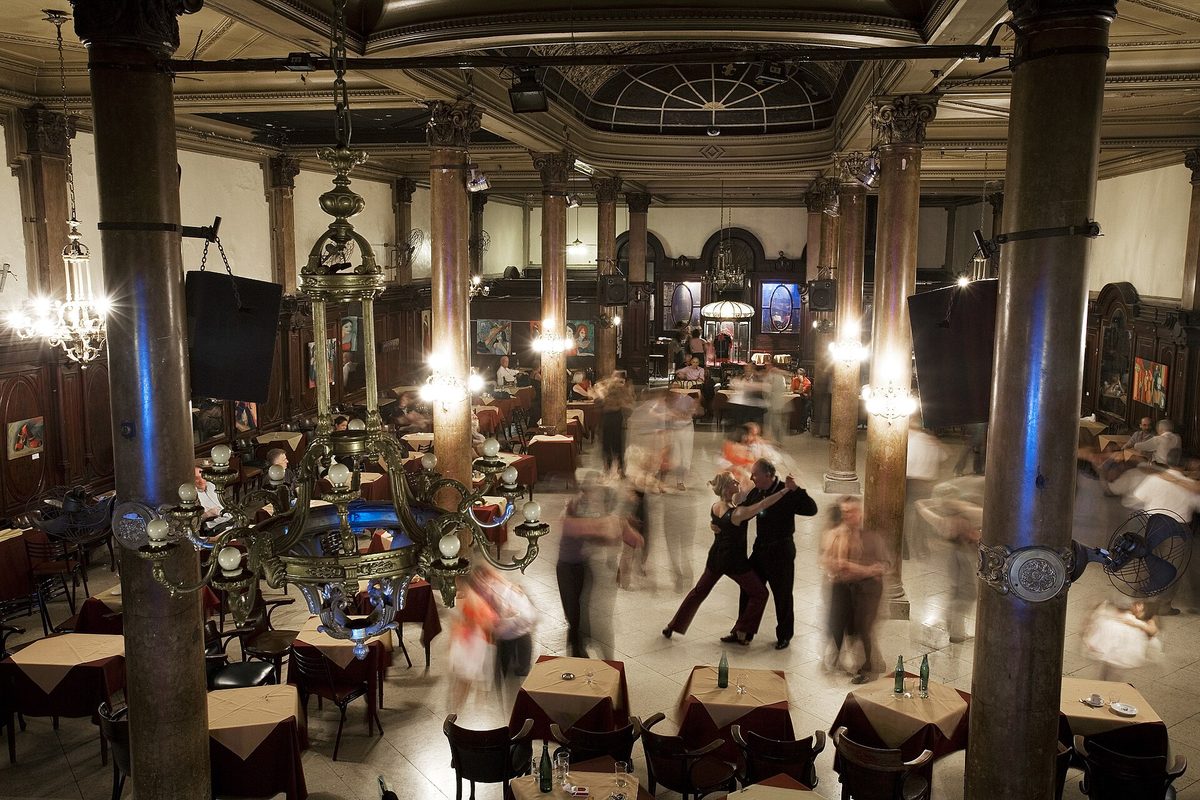
You do not need a festival to find tango in the barrios. The San Telmo Sunday fair spills couples onto Plaza Dorrego for impromptu street tango every week; La Boca’s Caminito has daytime performers; and milongas across Palermo, Boedo and San Telmo run their own anniversary parties and themed nights year-round. To find what is on any given evening, check the live listings rather than a fixed calendar — our guides to the city’s milongas and the best tango shows in Buenos Aires point you to the venues that consistently deliver.
Tips for visiting during tango festival season
A few hard-won pointers for making the most of festival time without the rookie mistakes:
- Come in August for the Mundial, but pack for cold — it is the depth of the Southern Hemisphere winter, with chilly evenings. If you would rather pair tango with better weather, our guide to the best time to visit Buenos Aires weighs the trade-offs.
- Build the festival around the free shows, not the paid ones. With 500-plus activities you can fill a week without buying a ticket to a commercial dinner show — though if you want one polished, sit-down spectacular, our tango show guide covers the best.
- Reserve at noon, 72 hours out. Set a phone alarm for the release time; the Colón and Gran Rex finals can “sell out” (free) within minutes.
- Learn the two championship categories before you watch — knowing Pista from Escenario turns a pretty show into a genuinely gripping contest.
- Don’t fixate on exact dates months out. Programmes are usually confirmed only weeks ahead on Buenos Aires Ciudad / disfrutemosba and tangoba.org — book refundable flights if the festival is your sole reason for the trip.
Frequently asked questions
When is the tango festival in Buenos Aires?
The main Tango BA Festival y Mundial is usually held in August, running about two weeks into early September, with the world championship finals at the end. Smaller events fall elsewhere: CITA in March, National Tango Day on 11 December. Dates shift yearly, so confirm the current schedule on the official Buenos Aires Ciudad / disfrutemosba listings or tangoba.org.
Is the Buenos Aires tango festival free?
Mostly, yes. The Tango BA Festival y Mundial offers hundreds of free concerts, classes, milongas and the championship rounds. The catch is capacity: popular shows and theatre finals need a free reservation, released around 72 hours ahead at noon on tangoba.org. Open-air stages and many milongas are simply first-come, first-served.
What is the difference between Tango de Pista and Tango Escenario?
They are the two championship categories. Tango de Pista (salon/floor tango) is the social dance from the milongas — a close walking embrace, no lifts, judged on connection and musicality. Tango Escenario (stage tango) is theatrical and choreographed, full of dramatic figures and lifts built for a stage.
Where is the Mundial de Tango held?
The qualifying rounds are typically danced at the Usina del Arte in La Boca, where admission is free, while the grand finals move to a large theatre — recent finals filled the Teatro Gran Rex, and concerts spread across venues such as the Teatro Colón and Centro Cultural 25 de Mayo. Always check the current year’s venues.
Do I need to speak Spanish to enjoy the festival?
No. Music, dance and milongas need no translation, and festival staff at major venues are used to international visitors. A little Spanish helps for reservations and reading the programme, but the championship and concerts are fully enjoyable in any language. For the wider scene, lean on our complete tango in Buenos Aires guide.
Final thoughts
The tango festival Buenos Aires builds its winter around the Tango BA Festival y Mundial, and it is one of the great free cultural experiences anywhere: a whole city handing you world-class music, dance and a genuine world championship at no charge. Plan loosely, reserve the headline shows the moment seats drop, learn your Pista from your Escenario, and leave room to simply follow the bandoneon wherever it leads. Confirm this year’s dates on the official listings, and let the rest unfold.
Photo Credits
- tango-festival-buenos-aires-festival-stage.jpg: virginiainnocenti / CC BY 2.0 via Wikimedia Commons
- tango-festival-buenos-aires-dancers-embrace.jpg: M M from Switzerland / CC BY-SA 2.0 via Wikimedia Commons
- tango-festival-buenos-aires-ballroom-milonga.jpg: Jorge Royan / CC BY-SA 3.0 via Wikimedia Commons
- tango-festival-buenos-aires-bandoneon.jpg: Wiki Taro / Public domain via Wikimedia Commons