Last updated: June 2026 · Written by the Buenos Aires Tourism editorial team
The first time I landed here I did the one thing every guidebook warns against: I flagged a taxi outside the terminal and watched the meter sprint like it was training for a marathon. Lesson learned. These days I move around the city on a mix of apps and licensed cabs, and here is how I actually choose.
Uber Buenos Aires, Cabify or taxi: the quick answer
Yes, Uber Buenos Aires works and locals use it constantly — alongside Cabify, DiDi and the city’s black-and-yellow street taxis. Uber sits in a long-running legal grey area here (taxi unions have fought it in court for years), so its status has been contested rather than cleanly settled; in practice the app runs all day, every day. For most visitors I’d default to an app for the upfront price and card payment, and keep licensed radio taxis as a reliable backup.
This guide is the tight, practical version: how each option works, what you’ll really pay, how to pay it, the airport rules, and the handful of taxi scams worth knowing. For the bigger picture of trains, the Subte and buses, see our full guide to getting around Buenos Aires, which sets all of this in context.

Your options at a glance
Four ways to get a car in Buenos Aires, and they overlap more than you’d think — the same driver might do all of them on the same day. Here’s how I rank them for a typical visitor.
| Option | Typical cost | Payment | Safety | Availability |
|---|---|---|---|---|
| Uber | Lowest–mid; price fixed upfront, surges at peak | Card in-app (cash possible) | High — tracked, rated, no meter to rig | Excellent in the city; busier zones fastest |
| Cabify | Similar to Uber, sometimes flat-rate quotes | Card in-app or cash | High — licensed fleet, fixed price | Very good; popular for airport runs |
| DiDi | Often the cheapest of the apps | Card in-app or cash | High — tracked and rated | Good and growing; thinner late at night |
| Street taxi | Metered; fine if honest, costly if not | Cash (some take cards/QR) | OK with a licensed radio taxi; flagging blind is the risk | Everywhere — just raise a hand |
My short version: for predictability and paying by card, an app wins almost every time. For a two-minute hop when a cab is sitting right there, a licensed taxi is perfectly good. The trouble only starts when you flag an unknown cab at the airport or a tourist hotspot — that’s where the meter tricks live.
Is Uber legal in Buenos Aires?
This is the question everyone asks, so let’s be straight about it. The honest answer in 2026 is: it’s complicated, and you should treat anything definitive with caution. Uber launched here in 2016 and has been contested ever since — the powerful taxi unions have repeatedly taken it to court, there have been protests, and various rulings and city regulations have pushed back and forth over whether the model is properly licensed. Cabify and DiDi tend to attract less heat because they lean on licensed fleets, but the broader ride-hailing rulebook in Buenos Aires has been a moving target for years.
What does that mean for you, the traveller? In day-to-day reality, Uber operates normally across Buenos Aires and millions of people use it without incident. You request a car, it arrives, you go. The legal wrangling plays out between the companies, the unions and the courts — not at your door. I still recommend checking the current situation close to your trip, because regulations in Argentina can shift quickly, but I have never had a problem hailing rides through any of the major apps here.
A couple of quirks born from that grey area: occasionally a driver will ask you to sit in the front seat (so a roadside check looks like a friend getting a lift rather than a paid fare), and at flashpoints like the airports there have been periods of friction between app drivers and taxi queues. Go with the flow, be polite, and you’ll be fine.
How the apps work (and how to pay)
If you’ve used Uber anywhere else, you already know the drill — the local versions of Uber, Cabify and DiDi behave just as you’d expect. Download before you arrive, sign in, drop your pin, and request.
Setting up before you go
Install Uber, Cabify and DiDi at home while you still have easy data and app-store access, and add a payment card to each. Having all three matters: at busy times one app may be surging or slow while another has a car around the corner, so I price-check across two before booking. You’ll want a local SIM or eSIM with data to request rides on the street — our Buenos Aires travel tips cover SIM cards, money and the day-to-day logistics that make the apps frictionless.
Paying: card vs cash
Here’s where Buenos Aires has a genuine twist. Argentina’s high inflation means peso prices move fast and cash is bulky, so paying by card in-app is a real convenience — the fare is fixed before you get in, charged automatically, no fumbling with notes and no “sorry, no change” routine. All three apps accept a linked card; they also offer a cash option if you prefer. Street taxis are primarily cash (carry small notes), though a growing number now take cards or a QR transfer. My rule: apps on card for anything that matters, a little cash on hand for short metered hops and tips.
What you’ll actually pay
Fares in pesos are a moving target thanks to inflation, so treat any number you read — including mine — as indicative and check the live quote in the app. As a rough feel in 2026, a short cross-neighbourhood hop (say Palermo to Recoleta, 10–15 minutes) is usually a low single-digit US-dollar equivalent, and even a longer ride across town rarely feels expensive to a visitor paying in hard currency. Apps quote the total before you confirm; metered taxis tick upward with distance and time, plus small surcharges late at night. Peak-hour surge pricing on the apps is real, so if the multiplier is ugly, wait ten minutes or compare apps. For how rides fit your overall daily spend, see our guide to getting around Buenos Aires.
Apps and taxis at the airports
Both airports are where transport decisions get expensive if you wing it, so plan this leg. At Ezeiza (EZE), the international gateway about 22 km out, and at Aeroparque (AEP), the close-in domestic airport on the riverfront, the apps generally work — but rules and designated pickup points change, drivers sometimes ask you to walk to a specific spot away from the taxi rank, and at peak times waits can be long. Official airport taxis and pre-booked transfer companies are the fuss-free alternative, with a fixed price agreed up front.
I won’t duplicate the full breakdown here because we have dedicated guides: read Ezeiza airport to Buenos Aires city for every option from EZE, and Aeroparque airport to Buenos Aires city for the short hop from AEP. The one universal rule: never get into an unmarked “taxi” touted inside the terminal by someone approaching you — walk to the official rank or use an app or a booked transfer.
Taxi scams to avoid — and how to ride safely
Buenos Aires’ black-and-yellow taxis are mostly fine, and thousands of honest drivers earn a living in them. But a small, persistent minority work the tourist trade, and the tricks are predictable enough that you can sidestep all of them. This is exactly why I lean on apps: there’s no meter to rig, the route is on the map, and you don’t handle cash.
The classics, and the fix
- The rigged or “fast” meter. A doctored meter that races, or one mysteriously already running when you get in. Fix: only use clearly marked radio taxis, note the rough fare a route should cost, and if the meter behaves oddly, ask to stop and get out.
- The fake-bill swap. You hand over a real high-value note; the driver palms it and shows you a torn or counterfeit one, claiming you tried to short them. Fix: pay with small notes, say the denomination out loud as you hand it over, and — best of all — pay by card in an app so cash never changes hands.
- “No change.” The driver claims to have no change for your big note, hoping you’ll wave it off. Fix: carry small bills, or use an app.
- The scenic detour. A longer route to pad the meter, betting you don’t know the city. Fix: follow along on your phone map; apps quote a fixed price so the detour costs the driver, not you.
How to take a taxi safely
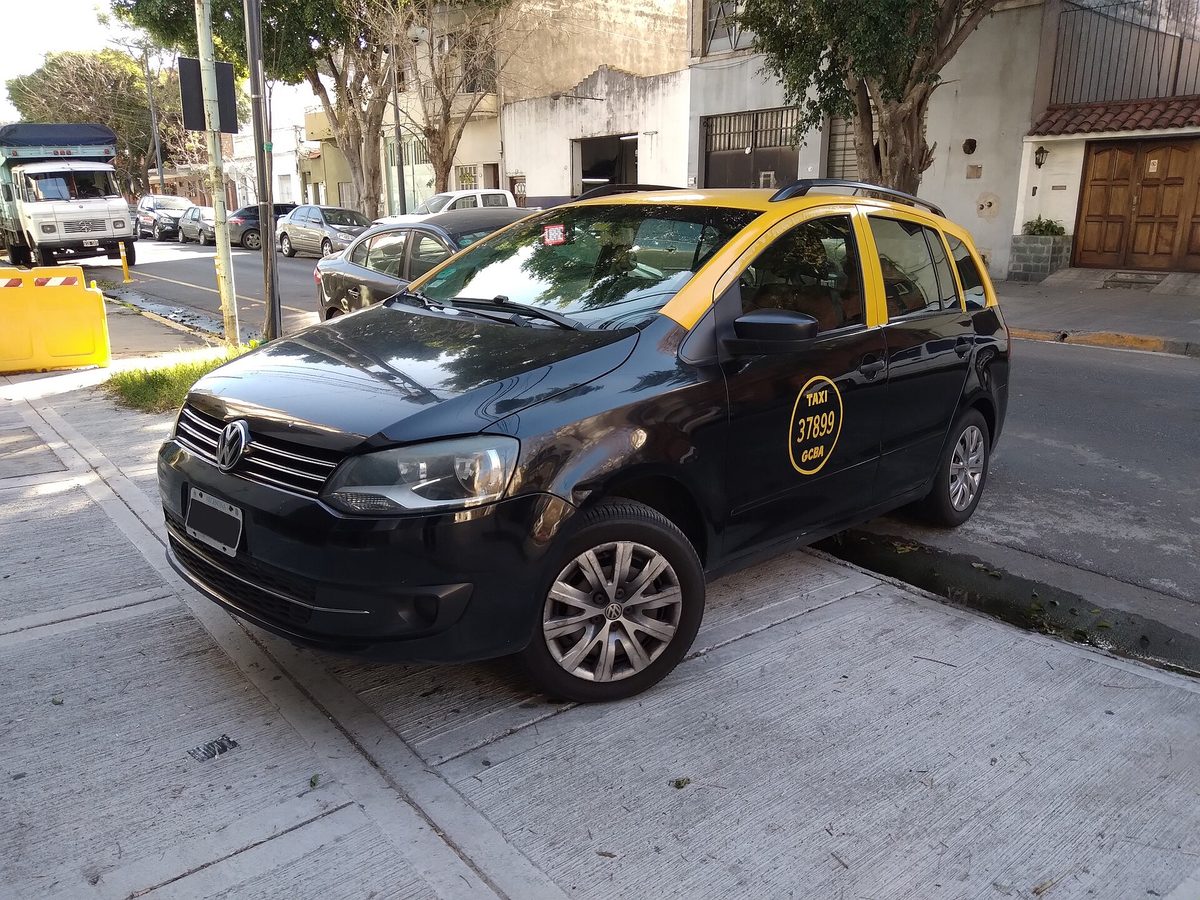
When you do want a cab, use a licensed radio taxi (the company name and a phone number are painted on the doors) rather than flagging an unknown car, and where you can, book through a taxi app such as BA Taxi, which dispatches official cabs with a record of your trip. Sit where you like, keep your bag on your lap rather than the seat or boot, have small notes ready, and share your live location with someone if you’re travelling solo. For a wider safety and neighbourhood picture, our notes on the safest places to stay and on solo travel in Buenos Aires are worth a read before you arrive.

Tipping drivers in Buenos Aires
Tipping drivers is not a strict obligation here, and locals often just round up to a convenient note. For a normal ride I’ll round up or add a little; for a heavy-bags airport run or a driver who waited and helped, a slightly more generous tip is a kind gesture. In the apps you can usually add a tip after the trip — the easy, cashless way to do it. It’s appreciated, not expected.
So which should you use?
After enough rides to lose count, here’s how I’d steer you.
- Default to an app (Uber, Cabify or DiDi) for the fixed upfront price, the map record, card payment and zero scam surface. Compare two if one is surging.
- Pick Cabify if you like its sometimes-flat quotes and licensed-fleet feel, especially for airport runs.
- Try DiDi when you’re watching the budget — it’s often the cheapest, though thinner late at night.
- Use a licensed radio taxi for a quick hop when one’s right there, or as a backup when the apps are slow — just use marked cabs and follow the safety basics.
- Mix in public transport for longer or rush-hour trips: the Subte and colectivos are dirt cheap and often faster than sitting in traffic. See our colectivo bus guide and grab a SUBE card for those.
Frequently asked questions
Is Uber legal in Buenos Aires?
It’s a long-running grey area rather than a clean yes or no. Uber has operated since 2016 and is contested by taxi unions in the courts, so its legal status has been disputed; in everyday practice the app runs normally across the city and is widely used. Check the current situation close to your trip, as Argentine regulations can shift.
Is Uber or Cabify cheaper in Buenos Aires?
They’re usually close, and prices swing with demand, so the honest move is to open both and compare the live quotes before you book. DiDi is often the cheapest of the three. All quote a fixed total upfront, which beats a metered taxi for predictability — especially with Argentina’s fast-moving peso prices.
Can I pay for rides with a card?
Yes — link a card to Uber, Cabify or DiDi and the fare is charged automatically, no cash needed. That’s a real plus given inflation makes peso notes bulky and “no change” a common excuse. Street taxis are mainly cash, though more now accept cards or QR; carry small notes for them either way.
Are taxis in Buenos Aires safe?
Licensed radio taxis are generally fine, and most drivers are honest. The risks are overcharging tricks — rigged meters, fake-bill swaps, long routes — that target tourists flagging unknown cabs. Use marked radio taxis or a taxi app, follow your route on your phone, pay with small notes, and you sidestep nearly all of it.
Do the apps work from Ezeiza and Aeroparque airports?
Generally yes, but pickup points and rules change and waits can be long at peak times, so have a backup. Official airport taxis and pre-booked transfers offer a fixed price with no fuss. See our dedicated guides to getting from Ezeiza and from Aeroparque into the city for the full breakdown.
Final thoughts
Getting around Buenos Aires by car is genuinely easy once you know the playbook: lean on Uber, Cabify or DiDi for fixed prices and card payment, keep a licensed radio taxi as your back-pocket option, and never get into an unmarked cab touted at the airport. Do that and the only thing you’ll remember about the rides is how cheap and quick they were — not a meter sprinting toward the horizon. For everything beyond cars, our full getting around Buenos Aires guide ties the whole network together.
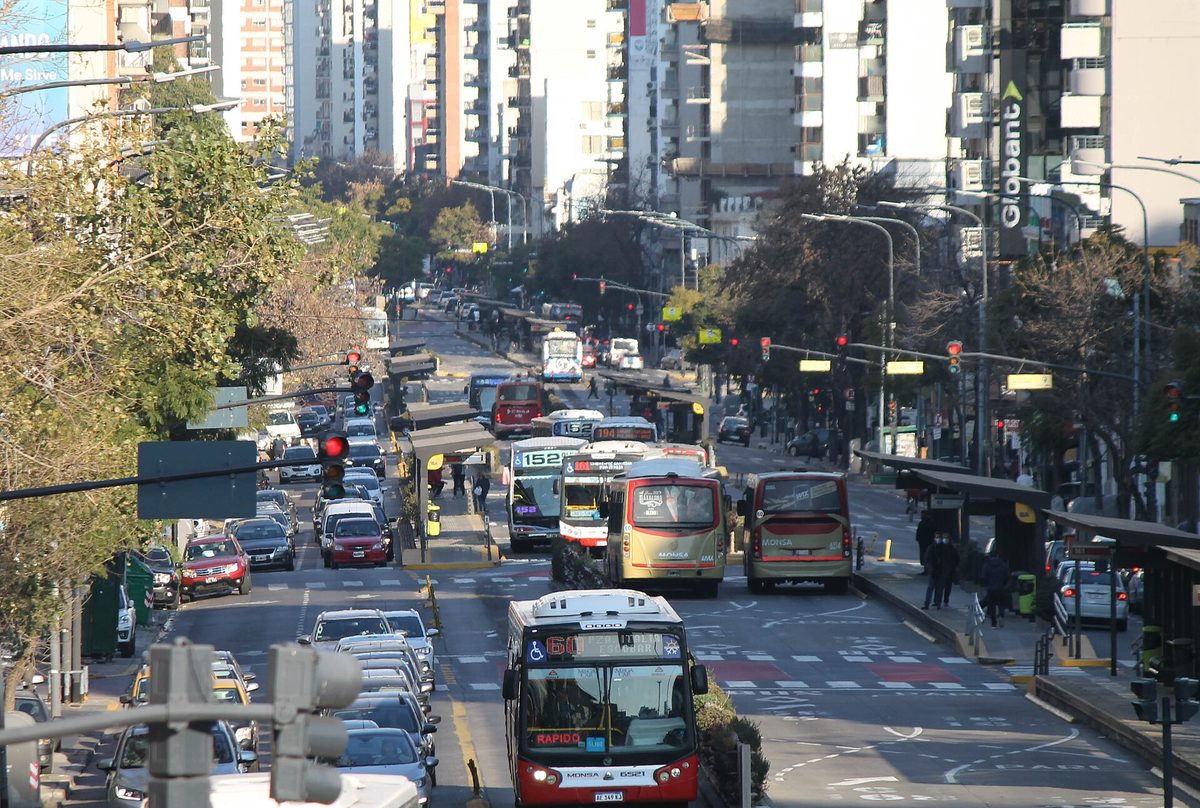
Photo credits
- Black-and-yellow Buenos Aires taxi — Aleposta, public domain, via Wikimedia Commons.
- Traffic and the Obelisco on Avenida 9 de Julio — Facumissing, public domain, via Wikimedia Commons.
- Taxis on a Palermo street — Facumissing, public domain, via Wikimedia Commons.
- Buenos Aires taxi on a residential street — Maxi-Napo-99, CC BY-SA 4.0, via Wikimedia Commons.
- Traffic on Avenida Cabildo — Lombardia1, CC BY-SA 4.0, via Wikimedia Commons.