Last updated: June 2026 · Written by the Buenos Aires Tourism editorial team
After a few days of porteño noise I always start craving somewhere slower — somewhere with horses tied up outside the bar and silver knives hammered by hand. That somewhere is San Antonio de Areco, the easiest authentic escape Buenos Aires has.
A san antonio de areco day trip from buenos aires takes you about 110 km northwest onto the pampas to Argentina’s spiritual gaucho capital — a tidy 18th-century town of cobbled streets, a famous pink bridge, working silversmiths and criollo cafes. It is roughly two hours each way by bus, doable as a long day, and best paired with a nearby estancia lunch.
Why a san antonio de areco day trip from buenos aires is worth it
Plenty of places in Argentina sell you a gaucho costume and a folklore show. Areco does not need to. This is the real thing: a town of about 25,000 on the Río Areco that has kept its rural traditions alive since the 1700s and gave the country one of its defining books — Ricardo Güiraldes’ 1926 gaucho novel Don Segundo Sombra, set right here. It leans into that heritage without feeling like a theme park.
What you get is a day that feels different from the capital: low adobe houses, plane trees, the slow ritual of mate on a riverbank, silver workshops you can walk straight into, and on the right weekend hundreds of gauchos on horseback. If you have time for just one taste of rural Argentina, this is it — and it sits naturally among the wider day trips from Buenos Aires.
The Areco day trip in numbers (mid-2026)
Here is the trip at a glance — all figures approximate, for 2026, and worth re-checking, since fares and tour prices move fast.
| Detail | What to expect |
|---|---|
| Distance from Buenos Aires | ~110–113 km northwest |
| By bus (Chevallier, from Retiro) | ~2 hours each way |
| By car (Ruta 8) | ~1.5 hours each way |
| Organised day tour + estancia | ~9–9.5 hours door to door |
| Bus fare (round trip) | modest — a few thousand pesos; check current |
| Private estancia day tour | ~US$200–230 per person |
| Time you need in town | 3–5 hours for the highlights |
| Best for | Culture, history, slow travel, families |
How to get to San Antonio de Areco from Buenos Aires
You have three sensible options, and which one suits you depends mostly on whether you want to do it yourself or have everything arranged.
By bus — the independent traveller’s choice
The classic way is the bus from Retiro, the city’s main long-distance terminal. Chevallier (Nueva Chevallier) is the operator most people use, with several departures a day; the ride takes roughly two hours and drops you at Areco’s small terminal, an easy walk or short cab from the centre. Fares are modest — a few thousand pesos each way as of mid-2026 — bought online or at the terminal. Take an early bus out and a late-afternoon one back, and always check current timetables.
By car — fastest and most flexible
Driving is quicker: head northwest on Ruta 8 and you are there in about 90 minutes, tolls included. A car lets you combine the town with an estancia further out, or simply linger past the last bus. If a self-drive day appeals, our guide to getting around Buenos Aires covers driving out of the city.
By organised tour — the easiest, usually with an estancia
The path of least resistance is a full-day tour with hotel pickup, typically bundling a guided wander through Areco with an afternoon at a historic estancia — horseback riding, a folklore display and a proper asado lunch. These run roughly nine hours door to door and cost around US$200–230 per person for a private trip as of mid-2026, less per head in a group. It is the stress-free option, and the one I would pick if the estancia is your priority — we go deeper in our estancia day trip from Buenos Aires guide.
What to do in San Antonio de Areco
The town is small and walkable — you can see the headline sights on foot in half a day. Here is how I would spend it.
Cross the Puente Viejo and the Río Areco
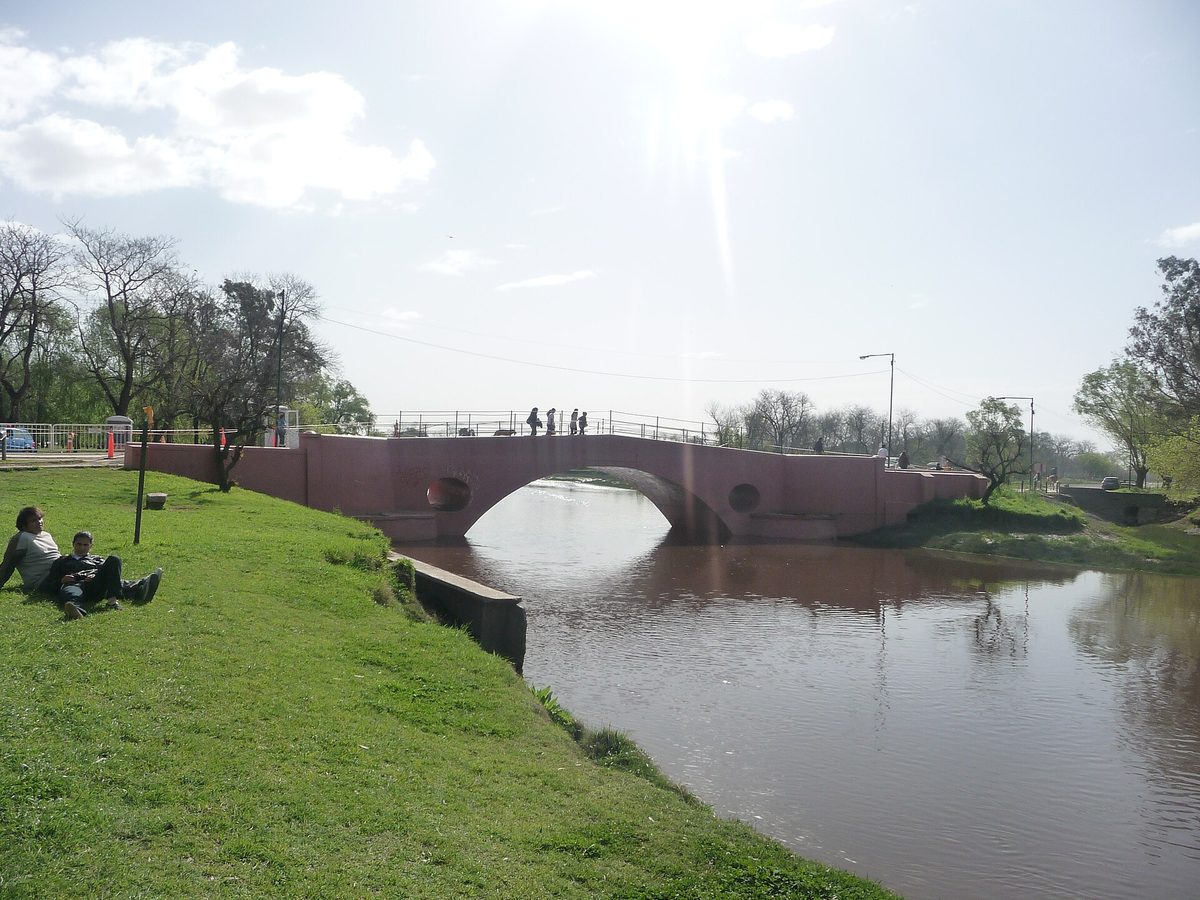
Start at the Puente Viejo, the salmon-pink old bridge over the Río Areco dating from 1857, when it carried the cart road north. It is the town.s emblem, on every postcard, and a lovely spot to watch locals fish and sip mate on the banks. Cross it on foot toward the Parque Criollo.
Museo Gauchesco Ricardo Güiraldes
Just over the bridge in the Parque Criollo sits the Museo Gauchesco Ricardo Güiraldes, the definitive gaucho museum, opened in 1938 and named for the local author of Don Segundo Sombra. Inside is a superb collection of 19th-century silver facones (gaucho knives), ornate horse gear, mate paraphernalia and rural artefacts in a reconstructed estancia house. It is the best place anywhere to understand the gaucho. Entry is cheap; hours vary, check current.
Watch the silversmiths at work
Areco is famous for platería criolla — the silverwork that decorates gaucho knives, belts and mate gourds. Several workshops let you watch artisans at the bench; the best known is the Draghi family’s silversmith workshop and small museum, where the work is genuinely museum-grade and you can often see a piece being made. Even if you are not buying, it is a window into a craft passed down generations.
A drink in a historic pulpería
No Areco day is complete without a pause in an old pulpería, the traditional country bar-cum-store. La Esquina de Merti, on the corner of the main plaza, is the photogenic favourite: vintage bottles, worn wood, a salami sandwich and a glass of wine. Touristy but charming — the slow lunch this town is built for.
Día de la Tradición: the big gaucho festival
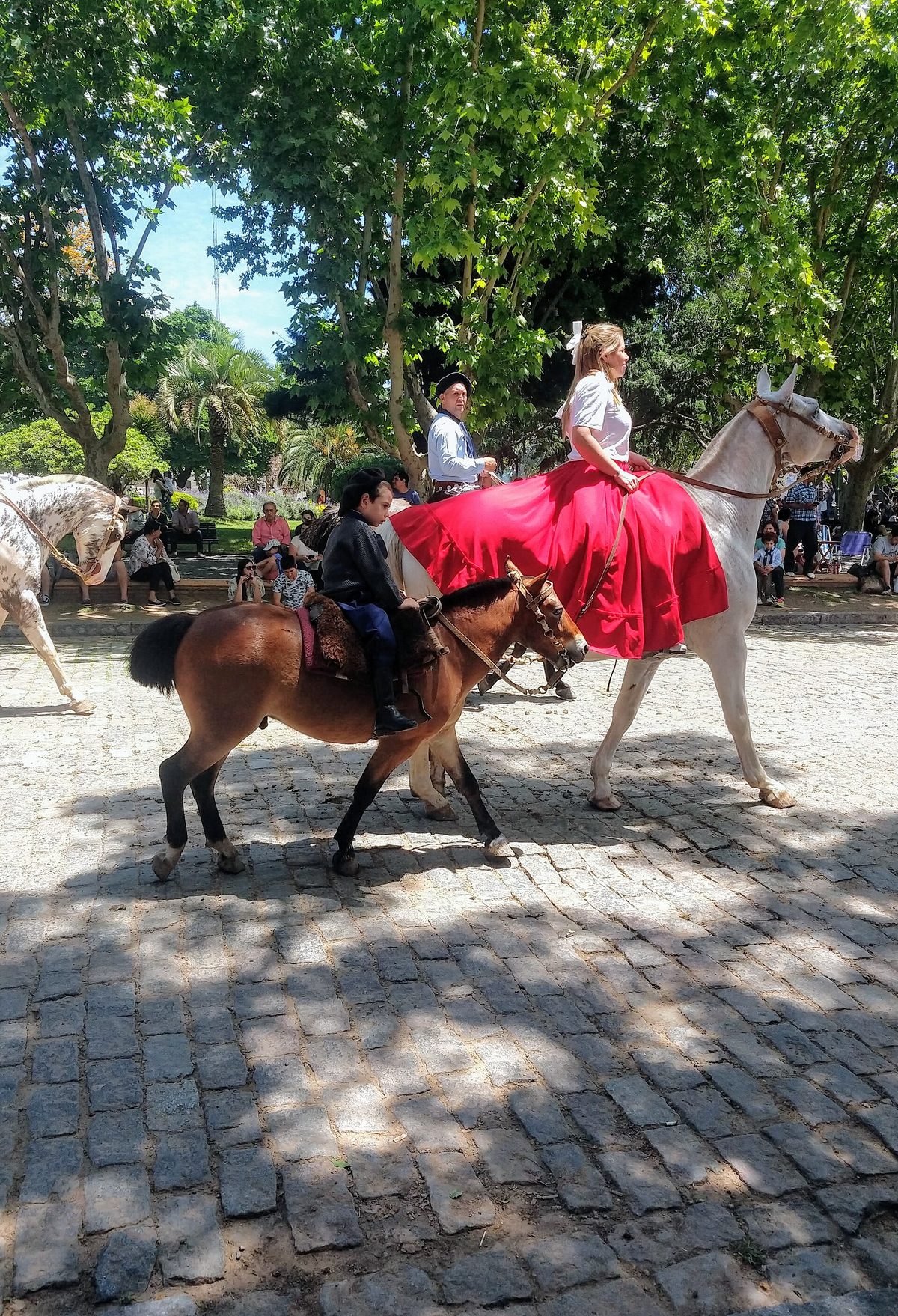
If you can time it, do. Each November Areco hosts the Fiesta de la Tradición, Argentina.s oldest and most important gaucho celebration, running here since the late 1930s. It centres on Día de la Tradición (10 November, marking the birth of Martín Fierro author José Hernández), with the main festivities on the nearest weekend.
Expect more than a thousand horses and riders in full gaucho dress parading through town, jineteadas (rodeo bronc-riding) at the Parque Criollo, folk music, artisan and livestock fairs and asados everywhere. It is spectacular — and crowded, with rooms booking out months ahead. Exact dates shift yearly, so check the current programme well ahead; on any other weekend the town is far quieter.
Pairing Areco with an estancia
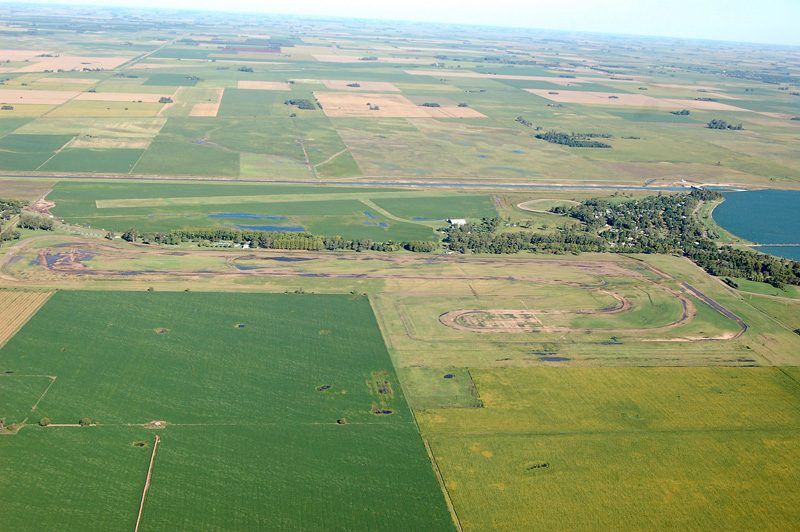
Here is the move that turns a good day into a great one: combine the town with a working estancia on the surrounding pampas. The area around Areco holds some of the most historic ranches in the country — places like Estancia El Ombú and La Bamba de Areco — many of which open for a día de campo: horse rides, a demonstration of gaucho horsemanship, an open-fire asado and time to simply sit under the trees.
Most organised Areco tours build this in, and it is the part guests rave about afterwards. If the estancia is the main event for you, our dedicated estancia day trip from Buenos Aires guide compares the ranches. Areco and an estancia together is, for my money, the most rewarding rural day the region offers.
How long do you need, and who is it for?
As a self-guided day trip, the town itself needs about three to five hours — enough for the bridge, the museum, a silversmith and a long lunch. With the bus each way it is a full but comfortable day. Add an estancia and you are looking at the whole day, roughly nine hours.
It suits anyone drawn to history, craft, food and a slower pace — couples, solo travellers and especially families, since kids love the horses and the open space. The best months are spring (September–November) and autumn (March–May), when the weather is kind and crowds are thin. If you have a few days in the city, see how it fits a Buenos Aires itinerary, and weigh it against the other options in our roundup of the best day trips from Buenos Aires.
Costs and practical tips for 2026
Areco is inexpensive once you arrive: museum entry is a token amount, a pulpería lunch is cheap and the bus is modest. The only big-ticket cost is a private estancia tour. On money: Argentina lifted most currency controls in 2025, so the old advice to hoard cash for the “blue dollar” is now largely outdated and foreign cards are charged close to the official rate — see our guides to the blue dollar in Buenos Aires and Argentina currency for tourists. Still, carry some pesos — not every workshop or cafe takes cards.
Frequently asked questions
Is San Antonio de Areco worth a day trip from Buenos Aires?
Yes — for most visitors it is the best single taste of rural gaucho Argentina within easy reach of the capital. The town is small, walkable and genuinely authentic, with a famous old bridge, a first-rate gaucho museum and working silversmiths. A day covers the highlights comfortably, and adding an estancia lunch makes it one of the most rewarding excursions from the city.
How do I get from Buenos Aires to San Antonio de Areco?
The simplest independent route is the Chevallier bus from Retiro terminal, about two hours each way. Driving northwest on Ruta 8 takes around 90 minutes. Many people instead book an organised full-day tour with hotel pickup, which usually bundles the town with an estancia visit. Bus is cheapest; a tour is easiest. Check current timetables and prices before you travel.
How long do you need in San Antonio de Areco?
About three to five hours covers the town itself — the Puente Viejo, the Museo Gauchesco Ricardo Güiraldes, a silversmith workshop and a leisurely lunch in a pulpería. With travel each way it fills a full day. If you add an afternoon at a nearby estancia, plan on the whole day, roughly nine hours door to door from Buenos Aires.
When is the gaucho festival in San Antonio de Areco?
The Fiesta de la Tradición takes place each November around Día de la Tradición (10 November), usually on the nearest weekend. It is Argentina’s biggest gaucho celebration, with parades of over a thousand riders, rodeos, folk music and asados. Dates shift year to year and the town books out early, so confirm the current programme well ahead if you want to attend.
Can you visit an estancia from San Antonio de Areco?
Absolutely — the pampas around Areco hold some of Argentina.s most historic ranches, several of which open for a day in the country with horse rides, gaucho displays and an open-fire asado. Most organised Areco tours include one, and it is the highlight for many visitors. See our estancia day trip guide for which ranches to choose.
Final thoughts
San Antonio de Areco delivers exactly what it promises: a real, unhurried slice of gaucho Argentina, close enough to do in a day. Take the early bus or book a tour, cross the pink bridge, lose an hour in the gaucho museum, watch a silversmith work, eat slowly in a pulpería — and if you can, add an estancia for the afternoon. You will return to the city glad you escaped it, with a richer sense of where Argentina.s national myth comes from. Our complete guide to day trips from Buenos Aires ties Areco together with every other option, and pairs naturally with the best things to do in Buenos Aires.
Photo credits
- san-antonio-de-areco-day-trip-from-buenos-aires-puente-viejo.jpg — Photo: Fernando Bonsembiante / CC BY-SA 3.0 via Wikimedia Commons (Puente Viejo over the Río Areco) — Wikimedia file page
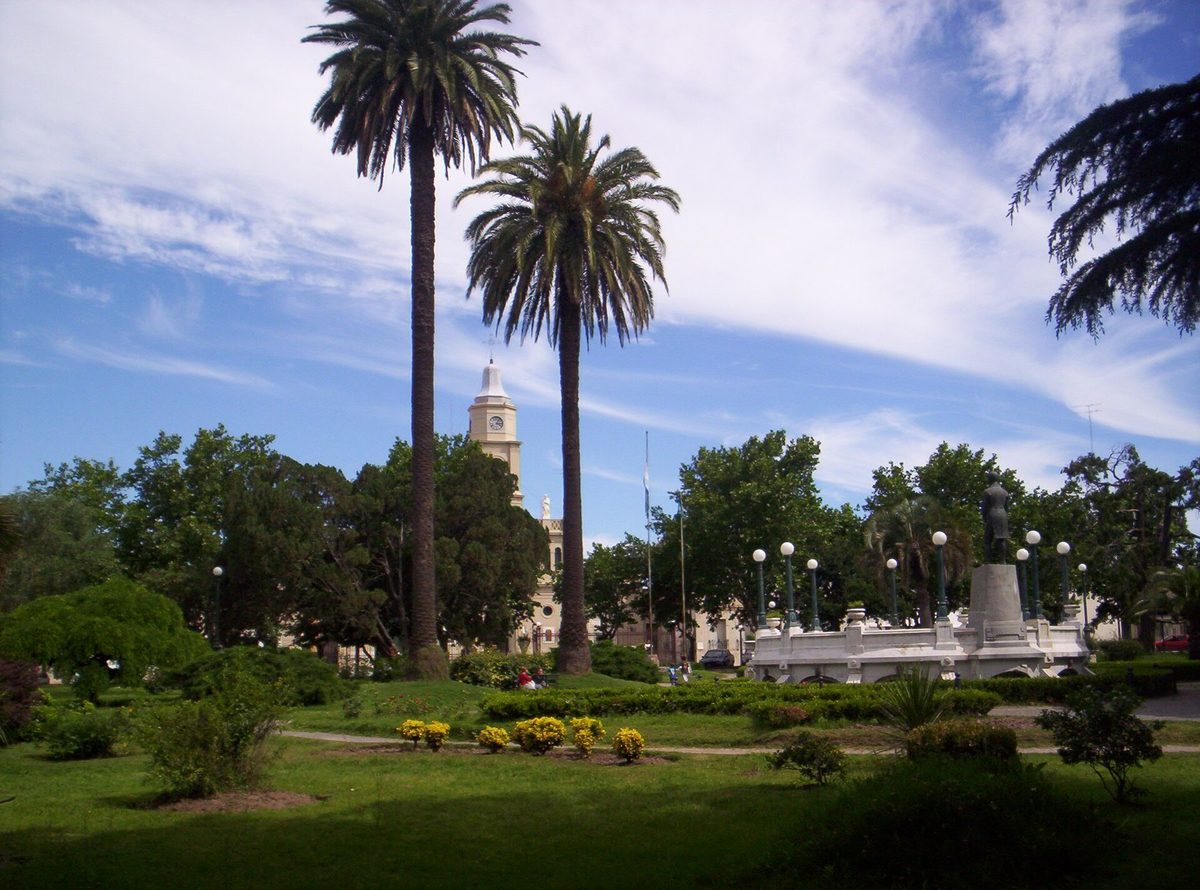
- san-antonio-de-areco-day-trip-from-buenos-aires-town.jpg — Photo: Banfield (CC0, public domain) via Wikimedia Commons (Plaza Ruiz de Arellano, San Antonio de Areco) — Wikimedia file page
- san-antonio-de-areco-day-trip-from-buenos-aires-tradicion.jpg — Photo: Mximenabenitez / CC BY-SA 4.0 via Wikimedia Commons (horse riders in San Antonio de Areco) — Wikimedia file page
- san-antonio-de-areco-day-trip-from-buenos-aires-pampas.jpg — Photo: Javier Gabrielli (CC0, public domain) via Wikimedia Commons (pampas near San Antonio de Areco) — Wikimedia file page