I still remember the morning I realized Buenos Aires had quietly handed me a second city. I’d spent four days in Palermo and San Telmo, full of steak and tango and late nights, and I was a little wrung out — so on a whim I took the Mitre train from Retiro up to Tigre, twenty-eight kilometres and fifty minutes later stepping off into a green delta of brown rivers, wooden launches and houses on stilts. Same SUBE card, same morning, completely different world — my first real taste of how good the day trips from Buenos Aires can be. That is the thing nobody quite tells you before you arrive: the capital is also the doorway to gaucho towns, river deltas, a whole other country across the water, and one of the great waterfalls on earth.
Day trips from Buenos Aires range from easy half-day escapes to ambitious cross-border adventures. The classics are Tigre and the Paraná Delta, the Uruguayan town of Colonia del Sacramento by ferry, the gaucho town of San Antonio de Areco, and a “día de campo” on a pampas estancia. This guide ranks them honestly — what you can truly do in a day, and what is really a weekend — with current 2026 logistics and costs.
I’ve been sending friends to Buenos Aires for years, and day trips are where most of them go wrong — not by picking a bad destination, but by misjudging the distance. Argentina is enormous, and a depressing number of online lists cheerfully file Iguazú Falls, Mendoza or Mar del Plata under “day trips” when each is really a flight or a five-hour drive away. So I’ve organised this guide around the single question that actually matters: can you genuinely do this in a day and be home for dinner? I’ll give you the honest verdict for every option, then the practical detail to pull it off — the exact train line, the ferry operators worth comparing, the costs in plain US dollars, and whether to bother with a guided tour or just go yourself.
This is the hub of our day-trips coverage, so wherever you want to go deeper, I’ll point you to a dedicated guide — the full best day trips from Buenos Aires ranking, or individual walkthroughs for Tigre, Colonia and the rest. And because a good day trip is best slotted into a well-planned visit, it pairs naturally with our Buenos Aires itinerary and the big-picture list of things to do in Buenos Aires.
One quick piece of housekeeping before we leave the city. Argentina’s economy moves fast, and 2025 brought a major shake-up to the currency (more on that near the end), so treat every price here as a 2026 ballpark, not gospel — especially ferry fares and flights, which swing with the season and how far ahead you book. Always confirm the current rate and timetable when you reserve. With that said, let’s get out of town.

Day Trips from Buenos Aires at a Glance
Here is the whole field on one screen — the comparison table I wish every other guide had. It is sorted roughly from the easiest, do-it-before-lunch escapes down to the ones that are really overnight or weekend trips in disguise. Costs are rough 2026 estimates per person for transport only; “day-trippable” is my honest verdict, not wishful thinking.
| Destination | Direction & distance | Time each way | How to get there | Rough transport cost | Day trip? | Best for |
|---|---|---|---|---|---|---|
| Tigre & Paraná Delta | N, ~28 km | 50–65 min | Mitre train from Retiro; delta boats | A couple of US$ (SUBE) | Yes — half or full day | Nature, first-timers, families |
| San Isidro | N, ~25 km | ~40 min | Mitre train / Tren de la Costa | A couple of US$ | Yes — half day | Riverside stroll, easy escape |
| Colonia del Sacramento (UY) | Across the Río de la Plata | ~1–1¼ hr ferry | Buquebus / Colonia Express / Seacat | ~US$80–160 round trip | Yes — the classic (passport!) | History, couples, a second country |
| San Antonio de Areco | NW, ~115 km | ~2 hr bus | Chevallier bus from Retiro | ~US$12–18 each way | Yes — full day | Gaucho culture, crafts |
| Estancia (día de campo) | ~70–120 km out | 1–2 hr by transfer | Tour transfer or self-drive | ~US$150–365 all-in | Yes — full day | Asado, horses, the pampas |
| Luján | W, ~70 km | ~1½ hr | Train/bus, or tour | A few US$ | Yes — half or full day | Pilgrimage basilica, museums |
| La Plata | SE, ~60 km | ~70–80 min | Roca train from Constitución | A couple of US$ | Yes — full day | Architecture, museums, dinosaurs |
| Feria de Mataderos | Within Greater BA | ~45 min by car/bus | City bus or taxi | Local fare | Yes — half day (Sun) | Gaucho fair without leaving town |
| Montevideo (UY) | Across the river | ~2¼–2¾ hr ferry | Direct Buquebus, or ferry+bus | ~US$120–200+ round trip | Long day — better overnight | Uruguay’s capital, food |
| Iguazú Falls | NE, ~1,300 km | ~1¾–2 hr flight | Fly from Aeroparque (AEP) | ~US$120–350 round-trip air | No — 2–3 days | Bucket-list nature |
| Mar del Plata | S, ~400 km | ~5 hr bus / 1 hr fly | Long-distance bus or flight | ~US$20–50 bus | No — weekend | Atlantic beaches |
| Tandil | S, ~360 km | ~4½ hr | Long-distance bus / car | ~US$20–40 bus | No — weekend | Sierras, salami & cheese |
| Rosario | NW, ~300 km | ~3½ hr / 55-min fly | Bus or flight | ~US$20–45 bus | No — weekend | Riverfront city, Messi’s home |
| Mendoza | W, ~1,000 km | ~2 hr flight | Fly | ~US$120–300 round-trip air | No — 2–4 days | Wine country, Andes |
If you only skim one thing, skim that table. The top block is your genuine day-trip menu; the bottom block (Iguazú down) is where people overreach. Now let me help you choose, and then we’ll go through every one in detail.
How to Choose Your Day Trip
With a dozen-plus options it helps to start from what you actually want out of a day away, not from a ranked list. Here is how I steer people, depending on the kind of day they’re after.
If you want nature and a slower pace, go to Tigre and the delta — it’s the closest, cheapest and most reliably lovely escape, and you can scale it from a two-hour boat ride to a full lazy day. If you want to feel like you crossed into another country (because you did), take the ferry to Colonia del Sacramento; its cobbled UNESCO old town is the single most satisfying day trip on this list. If you’re here for gaucho culture — horses, asado, silverwork, the myth of the pampas — pair San Antonio de Areco with an estancia day, ideally on the same outing. If you’re travelling with kids, Tigre’s fairground, the Temaikèn wildlife park, or La Plata’s natural-history museum and the República de los Niños will win the day; our Buenos Aires with kids guide has more. If you’re short on time but want a story to tell, a half-day at the Feria de Mataderos gives you gauchos and folk dancing without ever leaving the city limits.
And if your heart is set on Iguazú, the beaches or the wine country — wonderful, do it, but build in at least one night. I’ll explain exactly why in the weekend-trips section, and where to read more. Think of your trips in three tiers: the easy wins, the worth-the-effort outings, and the ones that deserve an overnight. We’ll take them in that order.
The Easy Wins: Day Trips You Can Genuinely Do in a Day
These are the trips I recommend without hesitation. Each is comfortably doable between breakfast and dinner, needs little or no advance planning, and rewards you out of all proportion to the effort. I’ve led with the two flagships — Tigre and Colonia — because if you only have time for one or two day trips, these are the ones.
Tigre & the Paraná Delta
Tigre is the day trip I send almost everyone on first, because it is the easiest possible escape that still feels like a real change of scene. Twenty-eight kilometres north of the centre, the Paraná River fractures into a labyrinth of channels and islands — a sub-tropical delta where people commute by boat, groceries arrive by launch, and weekend houses sit on stilts above the tea-coloured water. You step off a commuter train and, twenty minutes later, you’re gliding past all of it.
The trip itself is half the pleasure. Take the Mitre line train from Retiro to Tigre station; it runs every fifteen to twenty minutes, takes around fifty to sixty-five minutes, and costs only a couple of dollars on a SUBE card (the rechargeable transit card you’ll want for the whole city — see the logistics section below). For a prettier ride, take the Mitre train to Bartolomé Mitre, cross to the Maipú terminus and board the scenic Tren de la Costa, which trundles along the upmarket northern riverfront to the delta. Once in Tigre, the unmissable thing is to get on the water: the touristy catamaran tours (around an hour) are fine, but I much prefer riding a lancha colectiva — the public commuter boats that leave from the Estación Fluvial — deeper into the delta and back. They’re cheaper, slower, and far more authentic.
On dry land, the Puerto de Frutos craft and furniture market is the big draw (busiest and best at weekends), and the Museo de Arte Tigre, a Belle Époque former social club on the riverbank, is worth an hour for the building alone. A word to the wise: don’t confuse the slow scenic Tren de la Costa with the fast commuter train when you’re trying to get home — if you’re tired, take the regular Mitre train both ways. For the full playbook, including which boat operators go where, see our dedicated Tigre day trip guide. Verdict: the perfect half-day, easily stretched to a full one.
Colonia del Sacramento, Uruguay
If Tigre is the easiest day trip, Colonia is the most satisfying — the one people come home raving about. It’s a small, ridiculously photogenic Portuguese-founded town directly across the Río de la Plata in Uruguay, and crossing the water by ferry for the day feels like a small adventure in itself. Its Barrio Histórico is a UNESCO World Heritage site: a few square blocks of cobbled streets, plane-tree plazas, a stubby colonial lighthouse you can climb, ruined convent walls, and the famous Calle de los Suspiros (the “street of sighs”), all of it lined with vintage cars and easygoing cafés. You can see the lot on foot in an afternoon, and that’s exactly the point.

Three ferry companies make the crossing from the Buenos Aires waterfront: Buquebus (the premium, most frequent option), Colonia Express and Seacat (both more budget-friendly, often the same fast boat). The quick catamarans do the crossing in about an hour to an hour and fifteen minutes. Fares swing wildly with demand — I’ve seen round trips anywhere from roughly US$80 to well over US$160, with holiday weekends spiking far higher — so book two to three weeks ahead and compare operators directly. Two things first-timers always forget: you need your passport (it’s a genuine international border, with immigration on both sides, usually cleared before you board), and Uruguay can be an hour ahead of Buenos Aires depending on the season — don’t miss your return boat over a time-zone slip. Bring some US dollars or a card; Argentine pesos are less useful over there. The full breakdown of operators, prices and timetables lives in our Colonia del Sacramento ferry guide. Verdict: the classic, and rightly so — just don’t forget the passport.

San Antonio de Areco
For the real pampas — gauchos, not gift shops — Areco is the town. About 115 kilometres northwest of the city, it’s the spiritual home of Argentine gaucho culture, the setting for Ricardo Güiraldes’s classic novel Don Segundo Sombra, and still a working country town where silversmiths and leather workers ply trades that have barely changed in a century. Wander the low colonial streets, cross the old Puente Viejo over the Río Areco, visit the Museo Gauchesco Ricardo Güiraldes, and have lunch at a pulpería (a historic country bar-restaurant). If you can time it for early-to-mid November, the Día de la Tradición festival fills the town with horsemanship, folk music and gauchos in full kit.

Getting there is simple but needs a little forethought. Chevallier buses leave from Retiro and take around two hours, costing roughly US$12–18 each way, but there are only a handful of departures a day — and the town has no proper terminal, so you’re dropped at a highway service station and walk or grab a short taxi into the centre. Plan your return bus before you arrive. Many people pair Areco with an estancia day (below), which solves the transport question and doubles the gaucho immersion. Our San Antonio de Areco guide has the bus timetable logic and the best workshops to visit. Verdict: a proper full-day trip and the most authentic gaucho town within reach.
Spend a Day on an Estancia (Día de Campo)
If you do one quintessentially Argentine thing outside the city, make it a día de campo — a “day in the country” at a historic estancia (ranch). The format is gloriously consistent: you arrive to empanadas and a drink, ride horses or a horse-drawn carriage across the flat, enormous pampas, watch a folklore show and a display of gaucho horsemanship (the carrera de sortijas, a ring-spearing race on galloping horses), and then sit down to a vast asado — the Argentine barbecue in its natural habitat — with wine included. It is touristy in the best sense: a genuine tradition, packaged so you can actually take part.

The most popular option is Estancia Santa Susana near Los Cardales, about 70–80 kilometres out, which runs the full programme daily and is the one most city tours use. For something more intimate and authentic, the estancias around San Antonio de Areco — El Ombú, the luxurious La Bamba de Areco, or La Candelaria near Lobos — feel less like a coach-tour stop, though they’re farther out. Expect to pay somewhere between US$150 and US$365 per person depending on the ranch’s luxury level and, crucially, whether round-trip transport from the city is included — that’s the single biggest cost variable, so confirm it before booking. You’ll eat better Argentine beef in the city’s parrillas and steakhouses, but you won’t eat it under an ombu tree with a folk guitarist and your own horse tied up nearby. Our estancia day trip guide compares the main ranches. Verdict: a full, joyful day — the most “Argentina” you can pack into one.
La Plata
La Plata is the day trip for the curious — architecture buffs, museum lovers, and anyone who likes a city built on a single audacious idea. The provincial capital, about 60 kilometres southeast, was planned from scratch in the 1880s as a perfect grid pierced by diagonal avenues, with a monument or plaza at every intersection. The showpiece is the colossal neo-Gothic Catedral de La Plata, one of the largest churches in the Americas, whose towers you can ride a lift up for a view over the whole geometric city. The Museo de La Plata is one of South America’s great natural-history museums — dinosaurs, Patagonian megafauna, the works — and families should know about the República de los Niños, a 1950s miniature-city theme park on the outskirts that supposedly helped inspire Disneyland.

Getting there couldn’t be easier: the Roca line train from Plaza Constitución runs to La Plata in about 70–80 minutes for a couple of dollars on your SUBE. The cathedral, main plaza and museum are walkable from the centre; the República de los Niños is out in Gonnet, so budget a taxi and extra time if it’s on your list, and check museum opening days before you go. Our La Plata day trip guide maps out a sensible loop. Verdict: an easy, underrated full day, especially for museum and architecture fans.
Luján
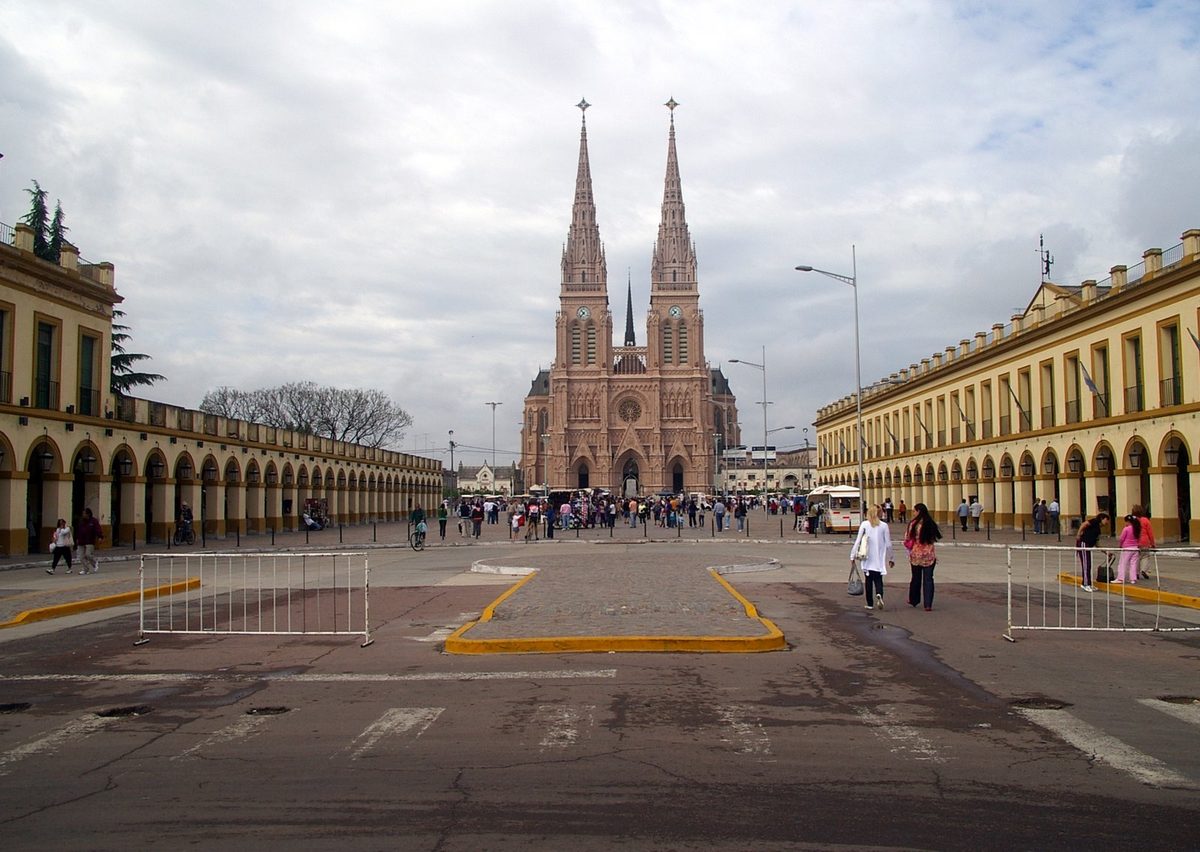
About 70 kilometres west sits Luján, home to the Basílica Nacional de Nuestra Señora de Luján — a soaring neo-Gothic pilgrimage church dedicated to Argentina’s patron saint, and the spiritual heart of the country’s Catholic life. Entry is free, the twin spires are genuinely stirring, and the riverside town around it is pleasant for a wander. Right beside the basilica, the Complejo Museográfico Enrique Udaondo is a sprawling complex of colonial, historical and (surprisingly good) transport and automobile museums built around the old Cabildo.

You can reach Luján by train or bus in around an hour and a half, and it pairs neatly with a Tigre or estancia outing if you’re ambitious. If you want spectacle, the great October pilgrimage draws over a million of the faithful, many walking from Buenos Aires — extraordinary to witness, but expect crowds; any other day is calm. More detail and the current train logistics are in our Luján day trip guide. Verdict: a half-day for the basilica, a full day if you add the museums.
San Isidro & the Tren de la Costa
For the lowest-effort escape of all, ride north to San Isidro, a leafy riverside suburb about 25 kilometres up the coast. Its cobbled old centre clusters around a striking neo-Gothic cathedral, with a weekend crafts market, riverside parks, and the genteel air of old money. It’s the natural stop on the Tren de la Costa, so you can combine it with Tigre on a single northern loop — train up, potter around San Isidro, carry on to the delta, and come home. It barely qualifies as a day trip, which is exactly why it’s perfect when you want fresh air and river views without committing a whole day.
Carlos Keen & the Countryside Parrillas
Near Luján, the tiny rural village of Carlos Keen has reinvented itself around weekend countryside dining — its old railway streets are lined with parrillas and family restaurants serving long, lazy lunches of grilled meat and homemade pasta. It needs a car (or a tour), and it’s really a weekend-lunch institution for porteños rather than a sight in itself, but if you want to see where the city goes to eat in the country, it’s a charming, low-key half-day.
Feria de Mataderos
Here’s a “day trip” that never leaves the city. On Sundays (and some holidays, mostly outside the peak summer heat), the Feria de Mataderos in the far west of Buenos Aires becomes a gaucho fair: folk dancing in the street, horsemanship games, regional food stalls, and crafts from all over the provinces. It’s a half-day by bus or taxi from the centre and a wonderful, low-cost taste of rural Argentine culture for anyone who can’t spare a full day for Areco. Check it’s running before you trek out, as the schedule shifts with the seasons.
Worth the Extra Effort: Longer & Special-Interest Day Trips
These take a bit more time, money or planning than the easy wins, but each pays off for the right traveller. Go into them with eyes open about the hours involved.
Montevideo, Uruguay
Uruguay’s capital is reachable from Buenos Aires, but let me be straight with you: as a day trip it’s a stretch. The direct Buquebus fast ferry takes about two and a quarter to two and three-quarter hours each way, and with limited same-day return sailings you’d get only a few hours in the city before turning around. Montevideo deserves better — an overnight at minimum. If you do go, the rewards are the atmospheric Ciudad Vieja (old town), the legendary Mercado del Puerto, a cavernous hall of parrilla grills where you eat superb grilled meat elbow-to-elbow with locals, and the long seaside Rambla. Time it for late summer and you can catch Uruguay’s remarkable Carnaval, the longest in the world.

Practically, you can take the direct ferry (faster, pricier — figure US$120–200+ round trip) or save money with a ferry-to-Colonia-plus-bus combination that’s cheaper but adds hours. Same passport and time-zone notes as Colonia apply. My honest advice: if you have a single day for Uruguay, give it to Colonia and save Montevideo for an overnight. If you’re set on the capital, our Montevideo from Buenos Aires guide lays out the realistic timings. Verdict: doable as a very long day, but far better as a weekend.
Wine Country Close to the City
Argentina’s great wine region is Mendoza, a thousand kilometres and a flight away — emphatically not a day trip. But you can still have a proper tasting day without leaving Buenos Aires province: a handful of boutique wineries within an hour or two of the city, such as the well-known Bodega Gamboa, host tastings paired with lunch. It’s not the Andes, but it’s a relaxed, civilised way to spend a day among the vines when the real wine country is too far. You’ll generally need a car or a small-group tour to reach them.
Temaikèn Bioparque
About 50 kilometres north near Escobar, Temaikèn is a modern, well-regarded wildlife park — spacious, conservation-minded, and a reliable winner with children. It’s an easy half- to full-day outing by car or tour, and an obvious pairing with Tigre if you’re heading that direction with kids. If a wildlife day appeals, our family travel guide rounds up the best options for younger travellers.
Capilla del Señor
One of the most rewarding small pampas towns you can reach on public transport, Capilla del Señor (about 80 kilometres northwest) was the first town in the country declared of national historic interest. Its well-preserved colonial architecture, old printing-press heritage and sleepy plazas make for a quietly atmospheric half-day, and reaching it by train is part of the appeal for rail romantics. It’s niche, but if you’ve already done the headline trips and want somewhere with very few other tourists, this is a lovely pick.
Parque Nacional Ciervo de los Pantanos
For nature lovers, this marsh-and-grassland national park near Campaña protects the rare marsh deer and a wealth of birdlife within easy reach of the city. It’s a peaceful, offbeat day for hikers and birdwatchers who’d rather have wetlands and wildlife than cobblestones and cafes — the kind of place almost no day-trip list mentions, which is precisely its charm.
A Polo Day
Argentina is the world’s polo superpower, and you can spend a day at an estancia built around the sport — watching a match, taking a beginner lesson, and rounding it off (of course) with an asado. It’s often combined with a gaucho day, and it’s a memorable, slightly different way to get out onto the pampas. If you’re here during the high-goal season in spring, you can also catch top-flight matches closer to the city.
The “Day Trips” That Are Really Weekend Trips
Now the honest part that most guides skip. The following destinations turn up on “day trips from Buenos Aires” lists constantly, and technically you can bolt some of them into a single, punishing day. But you shouldn’t — you’ll spend the day in transit and see almost nothing. Here’s what each really takes, so you can plan properly instead of being disappointed.
Iguazú Falls
Let me say this plainly: do not try to day-trip Iguazú from Buenos Aires. The falls are roughly 1,300 kilometres northeast, on the Brazilian border, and you reach them by a flight of about one hour forty-five to two hours from Aeroparque into Puerto Iguazú. Even setting the flights aside, the Argentine side alone needs the better part of a day — the Upper and Lower Circuits plus the train and boardwalk out to the jaw-dropping Garganta del Diablo (Devil’s Throat) — and the Brazilian side, with its grand panoramic views, is a separate park across an international border.

To do Iguazú justice, fly in the evening, spend a full day on the Argentine side, a half-day on the Brazilian side, and fly back — a two-night, three-day trip minimum. The good news is that budget carriers (Flybondi, JetSMART) sometimes sell flights startlingly cheap if you book early, though round trips more typically run US$120–350, and low-cost carriers have had reliability wobbles, so build in buffer. It is one of the most overwhelming natural sights on the planet and worth every hour — just give it the hours. Our Iguazú Falls from Buenos Aires guide covers flights, which side to prioritise, and where to stay. Verdict: a bucket-list trip, not a day trip — plan 2–3 days.
Mar del Plata & the Atlantic Beaches
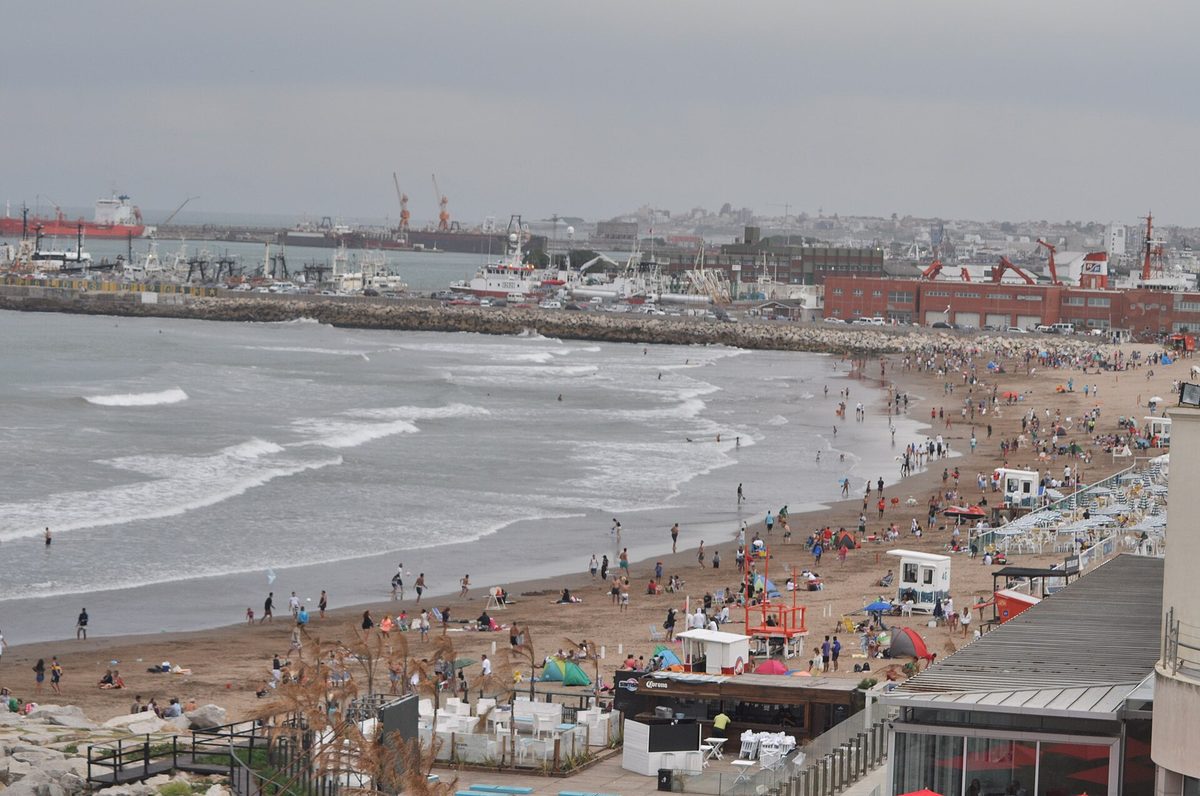
“Mardel” is where Buenos Aires goes to the beach, but at around 400 kilometres south — roughly five hours by bus or a short flight — it’s a weekend destination, not a day trip. In summer (December to February) the wide Atlantic beaches, casino, port and sea-lion colony are heaving with holidaying porteños; book buses and accommodation well ahead. Out of season it’s quieter, cheaper and cooler. The same goes for the dune-backed resort town of Pinamar a little closer up the coast. Go for a couple of nights or not at all. Our Mar del Plata guide explains how to make a proper trip of it.
Tandil
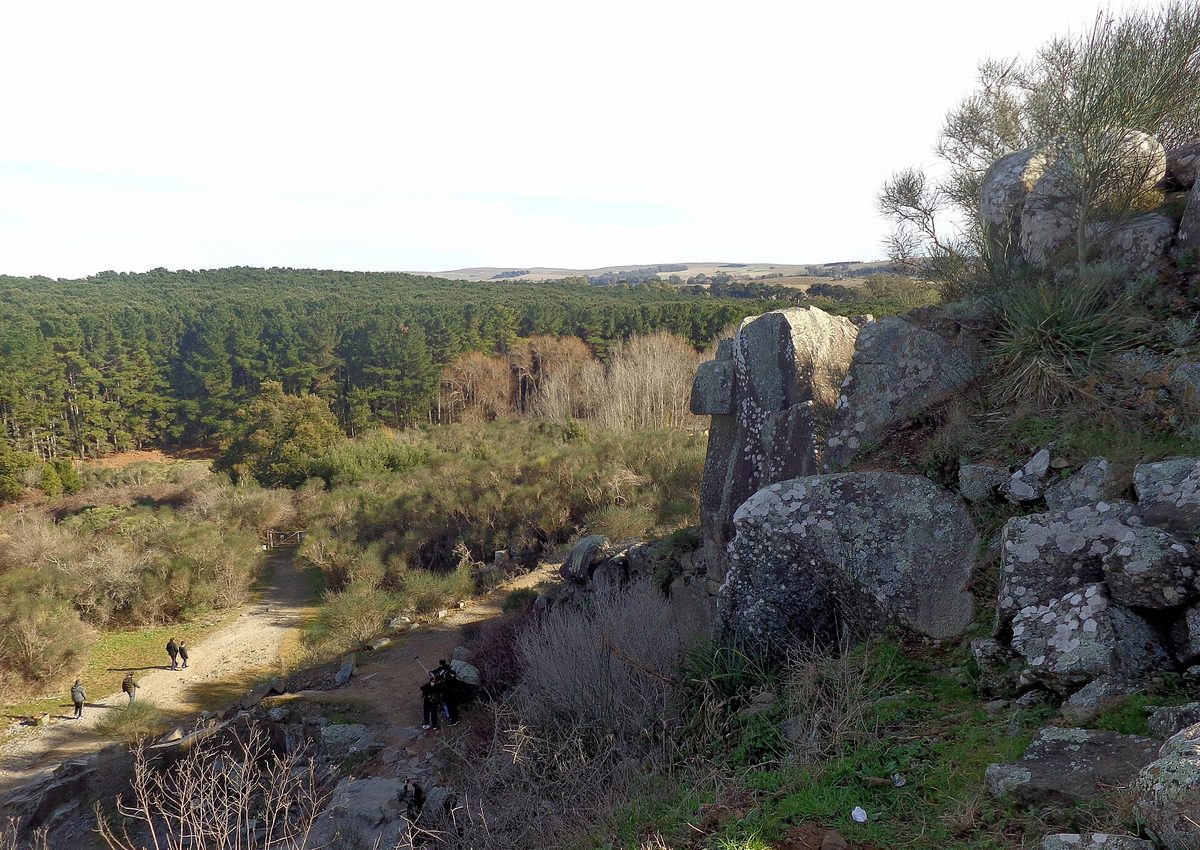
Tandil is a gem — rolling ancient sierras for hiking, a famous tradition of artisanal salami and cheese, and the dramatic Monte Calvario and balancing-rock legend of the Piedra Movediza — but it’s about 360 kilometres and four and a half hours south, which puts it firmly in weekend-getaway territory. It’s busiest and most atmospheric during the Semana Santa (Holy Week) pilgrimage. Come for two or three days, hike the hills, and don’t leave without a picada of local cured meats and cheese. Plan it with our Tandil guide.

Rosario
Argentina’s third city, about 300 kilometres northwest on the Paraná, is a handsome riverfront place with grand architecture, a great food scene, the colossal Monument to the Flag, and bragging rights as the birthplace of Lionel Messi and Che Guevara. At three and a half hours by bus (or a 55-minute flight) it’s a stretch for a day — far better as an overnight, especially if you want to enjoy the riverside nightlife. File it under “easy weekend,” not “day trip.”
Mendoza
The heartland of Argentine Malbec sits at the foot of the Andes, about a thousand kilometres and a two-hour flight west. It is one of the world’s great wine regions and absolutely worth a trip — just not this one. Give Mendoza three or four days for the bodegas, the mountain scenery and a possible high-Andes excursion. If wine is the whole point of your visit, build it in as its own leg rather than trying to graft it onto a city break.
Villa Epecuén, the Drowned Town
You’ll occasionally see the eerie ruins of Villa Epecuén — a lakeside resort town that flooded and sat underwater for decades before re-emerging, bleached and skeletal — on day-trip lists. It is unforgettable and intensely photogenic, but it’s some 550 kilometres away and in no sense a day trip. I mention it only so you know what it is when you see it: a haunting overnight curiosity for photographers, not an afternoon out.
Getting Out of the City: Stations, Ferries & the SUBE Card
Half the battle with day trips is knowing where to leave from. Buenos Aires has several terminals, each serving different directions, and getting this right saves you a stressful morning.
The SUBE card is your first job. It’s a rechargeable contactless card that pays for the subte (metro), city buses and the commuter trains to Tigre, La Plata and beyond. Buy one at a station kiosk or many corner shops, load a few hundred pesos, and you’re set — fares are trivially cheap in dollar terms, often well under a dollar a ride. You really can’t do the train-based day trips smoothly without it. There’s more on this in our getting around Buenos Aires guide.
For the commuter trains, the key stations are Retiro (the Mitre line to Tigre and San Isidro), Plaza Constitución (the Roca line to La Plata), and Once (the Sarmiento line west towards Luján). For long-distance buses to Areco, Mar del Plata, Tandil and Rosario, you want the giant Retiro bus terminal next to the train station; book ahead online for the popular routes. The ferry terminals for Colonia and Montevideo are on the Buenos Aires waterfront in and around Puerto Madero — arrive a good 45–60 minutes early to clear the two-country immigration check. And for Iguazú and Mendoza, you’ll fly from Aeroparque (AEP), the convenient downtown domestic airport on the river, rather than the international Ezeiza.
Should you book a guided tour or go independently? My rule of thumb: the train trips (Tigre, La Plata, San Isidro) and the Colonia ferry are easy and cheap to do yourself, and you’ll have more freedom for it. Estancia days, polo days, the far wineries and Areco-plus-estancia combinations are where an organised tour earns its fee, mostly by solving transport and timing. Renting a car is the other fix for those countryside days — our guide to car rental in Buenos Aires covers when it is worth it and what you need to book. There’s no wrong answer — it’s a trade of money for convenience.
Money, Passports & Entry Rules in 2026
A few practical realities worth understanding before you go, because Argentina’s have changed recently.
The currency situation has shifted. For years, savvy visitors chased the unofficial “blue dollar” rate, which paid far more pesos for cash than the official rate. After the government lifted most currency controls in 2025, the official, financial (MEP) and blue rates have largely converged — sitting within a few percent of each other in early 2026, somewhere around 1,400–1,500 pesos to the US dollar as I write, though that number moves constantly. The practical upshot is big: paying by foreign credit card is now competitive or even slightly better than cash, reversing the old advice to bring stacks of dollars. I’d still carry some US cash for small vendors, ferry-town shops and tips, but you no longer need to smuggle in a brick of bills. Rates are volatile, so check a live source before you travel, and read our full Buenos Aires travel costs and money guide for the current picture.
Entry rules. Citizens of the US, UK, EU, Canada and Australia don’t need a visa for tourism in Argentina (up to 90 days), and the old reciprocity fee is gone. Make sure your passport has at least six months’ validity. One genuinely new rule worth flagging: as of mid-2025, Argentina has moved to require foreign visitors to carry proof of travel/health insurance covering their stay — the kind of thing rarely checked but easy to arrange, and sensible to have anyway. For the Uruguay day trips (Colonia, Montevideo), remember you’re crossing an international border: bring your passport, as a driving licence or ID card won’t do. Rules can change, so confirm your nationality’s current requirements before booking, and see our Buenos Aires travel tips and safety guide.
When to Go: Seasons & Timing
Remember that the seasons are flipped from the Northern Hemisphere. Spring (September to November) and autumn (March to May) are the sweet spots for day trips — mild, comfortable, and ideal for the delta, the pampas towns and walking around Colonia. The summer (December to February) is hot and humid in the city, which makes the river breeze at Tigre and the Atlantic at Mar del Plata especially welcome, though the beach towns are at their most crowded and expensive. Winter (June to August) is cool and grey but perfectly fine for Colonia, museums in La Plata, or a cosy countryside asado — and there are fewer crowds everywhere. November is a sweet spot for gaucho culture thanks to Areco’s Día de la Tradición. For a month-by-month breakdown, our best time to visit Buenos Aires guide goes deeper, and if you’re still sorting where to base yourself, see where to stay in Buenos Aires.
Frequently Asked Questions
What is the best day trip from Buenos Aires?
For most visitors it’s a toss-up between two: Colonia del Sacramento, the UNESCO town across the river in Uruguay, is the most rewarding and memorable, while Tigre and the Paraná Delta is the easiest and cheapest. If you only have time for one, choose Colonia for history and the thrill of a second country, or Tigre if you want a relaxed, low-effort half-day on the water.
How far is Colonia del Sacramento from Buenos Aires?
Colonia sits directly across the Río de la Plata, roughly 50 kilometres away as the crow flies. The fast ferries cross in about an hour to an hour and fifteen minutes, which is what makes it such a viable day trip despite being in another country. Slower, cheaper ferry services also run and take a little longer.
Do you need a passport to visit Colonia or Uruguay from Buenos Aires?
Yes. Colonia and Montevideo are in Uruguay, a separate country, so you must bring your passport and clear immigration on both sides — usually done at the terminal before you board. A national ID or driving licence isn’t enough for most non-South American travellers. Most Western tourists get 90 days visa-free, but check your nationality’s rules before you go.
Can you do Iguazú Falls as a day trip from Buenos Aires?
Technically yes, but you really shouldn’t. Iguazú is a one-hour-forty-five-minute to two-hour flight each way, and the Argentine side alone needs most of a day, with the Brazilian side a separate park. A rushed single day means spending it in airports. Plan a minimum of two nights and three days to see it properly.
How do you get to Tigre from Buenos Aires?
Take the Mitre line train from Retiro station straight to Tigre — about 50 to 65 minutes, paid with a SUBE card for a couple of dollars. For a scenic alternative, connect to the Tren de la Costa along the riverfront. Once there, get on the water via a tourist catamaran or, better, a public lancha colectiva boat.
Which ferry to Colonia is best — Buquebus, Colonia Express or Seacat?
All three are reliable. Buquebus is the premium operator with the most departures and the highest prices; Colonia Express and Seacat are the budget choices and often run the same fast boats. Compare them directly for your date, since prices swing a lot, and book two to three weeks ahead to avoid the worst fares, especially on holiday weekends.
How many days do you need in Buenos Aires before adding day trips?
I’d give the city itself three to four full days before heading out of town, which is enough for the main neighbourhoods, a tango night, and a couple of long lunches. Then add day trips on top. If you have a week or more, you can comfortably fit two or three day trips around your city time. Our itinerary guide shows how to slot them in.
Is San Antonio de Areco worth visiting?
Yes, if you want authentic gaucho culture rather than a staged show. It’s a real working pampas town with silversmiths, a good gaucho museum, historic pulperías and the lovely Puente Viejo. It pairs perfectly with an estancia day. Just plan your return bus in advance, as departures are limited.
What is an estancia día de campo?
A “day in the country” at a historic ranch: you’re welcomed with empanadas, ride horses or a carriage across the pampas, watch folklore music and gaucho horsemanship, and sit down to a big asado with wine. Many estancias include round-trip transport from the city. It’s the most complete taste of rural Argentine tradition you can get in a single day.
How do you get to Montevideo from Buenos Aires?
The direct Buquebus fast ferry takes about two and a quarter to two and three-quarter hours; a cheaper option combines a ferry to Colonia with an onward bus. As a same-day return it’s a very long day for only a few hours in the city, so Montevideo is much better enjoyed as an overnight or weekend.
Is Mendoza a day trip from Buenos Aires?
No. Mendoza is about a two-hour flight west, so it needs three or four days to enjoy the wineries and Andes scenery. The same goes for far-flung spots like Salta. If wine country is a priority, plan it as its own leg of your trip rather than a day out.
How far is Luján from Buenos Aires and what is there?
Luján is about 70 kilometres west, roughly an hour and a half by train or bus. The draw is the vast neo-Gothic basilica dedicated to Argentina’s patron saint, plus the adjoining Enrique Udaondo museum complex with its colonial and transport collections. It’s an easy half- to full-day, and calm except during the huge October pilgrimage.
Final Thoughts
Here’s what I most want you to take away: Buenos Aires is a brilliant base, but don’t let anyone talk you into spending a precious day trapped in transit chasing a sight that’s really a flight away. The magic of day-tripping here is how much variety sits within genuine reach — a delta of islands and launches, a UNESCO town in another country, gauchos breaking horses on the pampas, a cathedral you can climb, all of them an easy morning’s travel from your hotel. Do Tigre for the water and Colonia for the cobblestones, give a full day to the gauchos at Areco and an estancia, and save Iguazú and Mendoza for the proper multi-day trips they deserve. Get that balance right and the city stops being just a destination and becomes a doorway. When you’re ready to build the rest of the trip around these escapes, our guides to things to do, the city’s neighbourhoods, and a day-by-day itinerary are the natural next stops.
Photo Credits
Every image is used under its respective Creative Commons or public-domain license, sourced from Wikimedia Commons:
- Wooden boats on the Parana Delta at Tigre, one of the easiest day trips from Buenos Aires. Photo by pandrcutts (Robert Cutts), CC BY 2.0 — via Wikimedia Commons.
- The colonial old town of Colonia del Sacramento and the Rio de la Plata, seen from the lighthouse. Photo by Heretiq, CC BY-SA 3.0 — via Wikimedia Commons.
- The cobbled Calle de los Suspiros in Colonia del Sacramento. Photo by Ypsilon from Finland, CC0 — via Wikimedia Commons.
- The historic old bridge over the river at San Antonio de Areco, gaucho country. Photo by Fernando bonsembiante, CC BY-SA 3.0 — via Wikimedia Commons.
- A gaucho riding a bronco at a doma on the Argentine pampas, the heart of an estancia day trip. Photo by tucul_photo, CC BY-SA 2.0 — via Wikimedia Commons.
- The neo-Gothic Catedral de La Plata, the largest church in Argentina. Photo by Bando daval, CC BY-SA 4.0 — via Wikimedia Commons.
- The twin neo-Gothic spires of the Basilica of Lujan above Plaza Belgrano. Photo by Dario Alpern, CC BY-SA 3.0 — via Wikimedia Commons.
- The Devil's Throat at Iguazu Falls, a fly-in trip from Buenos Aires. Photo by Luca Galuzzi (Lucag), CC BY-SA 2.5 — via Wikimedia Commons.
- A historic street in the Ciudad Vieja of Montevideo, Uruguay. Photo by Intendencia de Montevideo, CC BY-SA 4.0 — via Wikimedia Commons.
- The sierra hills around Tandil in Buenos Aires province. Photo by Roberto Fiadone, CC BY-SA 4.0 — via Wikimedia Commons.