The first thing I tell anyone arriving in Buenos Aires is this: before you do anything else, get a SUBE card. I learned the hard way on my first trip, standing at a turnstile in Subte station Catedral with a fistful of coins and a queue of porteños sighing behind me. You cannot pay cash on the Subte, and you cannot pay cash on the vast majority of colectivos. The little plastic card is the key to the entire city.
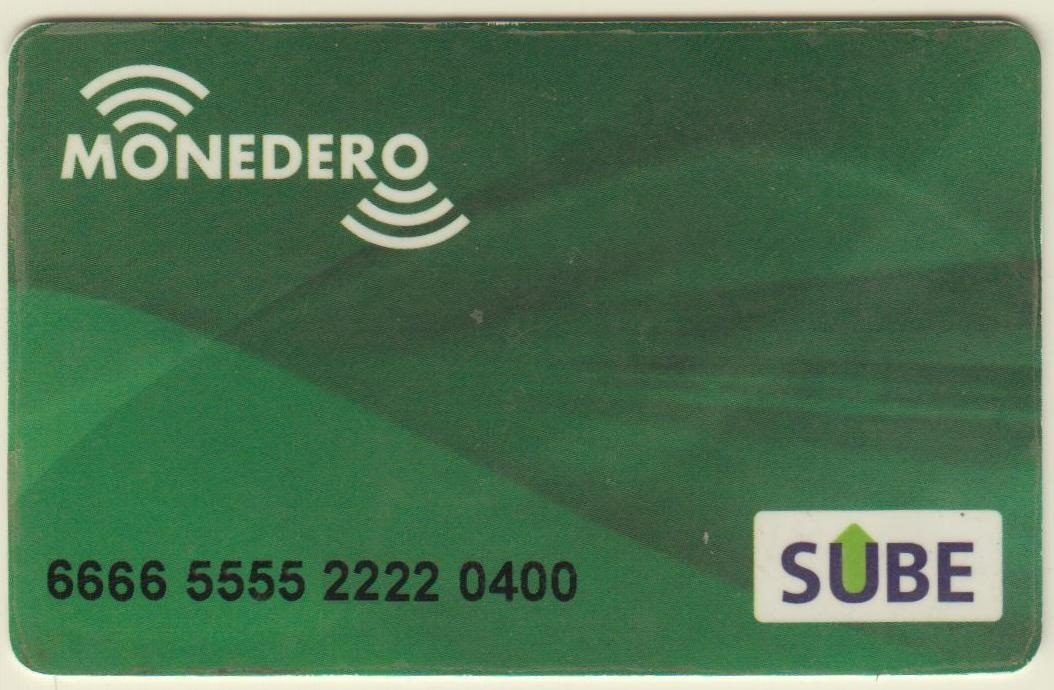
The SUBE card Buenos Aires travellers rely on (SUBE stands for Sistema Único de Boleto Electrónico) is a single contactless smart card that pays your fare on the Subte (metro), the colectivos (city buses) and the suburban trains — one card for the whole network. You buy it once for a few hundred pesos, load it with credit, and tap it as you board. This guide covers exactly how to get one, where to buy it, how to load it and the tourist tricks that save you time.
Last updated: June 2026 · Written by the Buenos Aires Tourism editorial team
The SUBE card Buenos Aires explained (and why you can’t travel without one)
SUBE is Argentina’s national transit card, run by the federal government rather than any one operator. That is what makes it so useful: the same card works on the Buenos Aires Subte, on city and provincial colectivos, on the Mitre, Sarmiento, Roca and other commuter trains, and even on public transport in dozens of other Argentine cities. It is a stored-value card — a digital wallet you top up in advance — not a credit card and not linked to your bank by default.
Here is the part that trips up almost every first-timer: you cannot pay your fare with cash on the Subte at all, and only a handful of colectivos still take coins (and at a worse fare). The turnstiles and onboard bus machines read the SUBE card and nothing else. No card, no ride. So this is not an optional convenience — for getting around the city by public transport, it is essential. For the full picture of every way to move around town, see our complete guide to getting around Buenos Aires.
How to get a SUBE card: where to buy it
Getting your hands on a card is genuinely easy once you know what to look for. The single best answer to how to get SUBE card in Buenos Aires is: walk into the nearest kiosco (the little corner newsstands that are on practically every block) and ask — “¿Tienen tarjeta SUBE?” Most of them sell the cards and recharge them too. You will also find them at Subte station booths, some Correo Argentino post offices, official SUBE service centres and a number of lottery/Quiniela outlets. Below is my honest shortlist of where to look.
Where to buy & where to load — at a glance
| Outlet | Buy a card? | Load credit? | Notes |
|---|---|---|---|
| Kioscos / newsstands | Usually yes | Yes | The easiest option — on nearly every corner. Look for the SUBE sticker. |
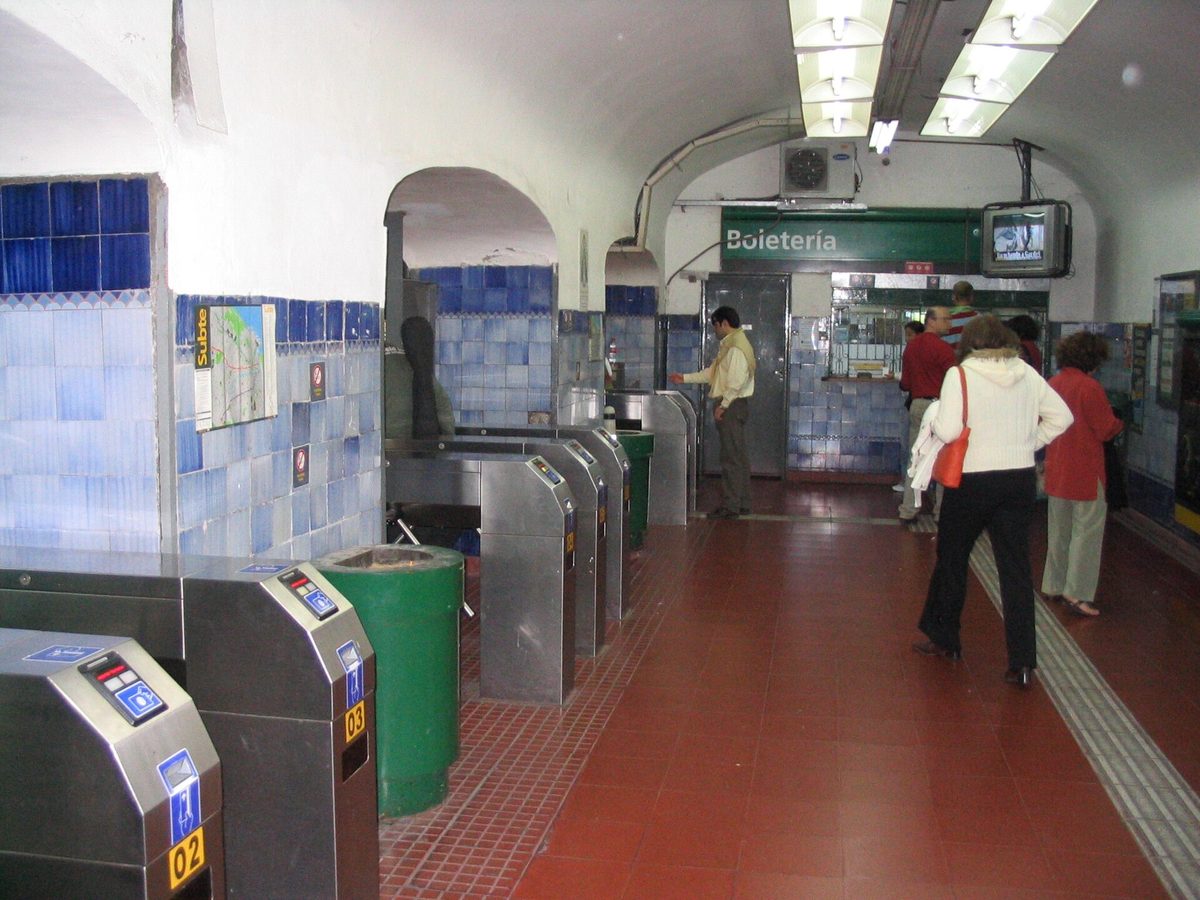
| Subte station booths (boletería) | Often yes | Yes | Handy when you are already at a station; ask the attendant. |
| Self-service recharge machines | No | Yes | In larger Subte stations and transport hubs — cash and sometimes card. |
| Correo Argentino & lottery outlets | Sometimes | Yes | Availability varies by branch — check current before relying on it. |
| Airports (EZE & Aeroparque) | Sometimes | Sometimes | Convenient on arrival but not guaranteed — hedge and have a backup kiosco plan. |
| SUBE app (Android NFC) | No | Yes | Top up from your phone if it has NFC — see below. |
Two honest caveats. Kioscos sometimes run out of physical cards, so if the first says “no hay” just try the next — you are rarely more than a block from another. And airport availability fluctuates: sometimes there is a clearly signed SUBE counter at Ezeiza or Aeroparque, sometimes not. If you are arriving by air, our guide to getting from Ezeiza Airport to Buenos Aires city gives you a transfer plan that does not hinge on buying a card the second you land.
How much does the SUBE card cost?
The card itself costs a small one-off fee — in 2026 typically a few hundred pesos (roughly a dollar or two, though Argentina’s inflation moves this constantly, so check current pricing). That price is just for the plastic and includes no travel credit, so you load money on top. Given how cheap public transport is here, the card pays for itself almost immediately — for how fares fit a wider budget, see our Buenos Aires travel cost breakdown.
One card for a small group: “voy con SUBE”
Here is a tourist secret that surprises a lot of visitors: a single SUBE card can pay several fares in one go. When you board a colectivo, after you tap, the driver’s machine briefly shows a prompt — you (or the driver) can select additional passengers (“voy con SUBE” / extra boletos) so one card covers two, three or four people. On the Subte you simply tap the same card through the turnstile once per person. So a couple or a family does not strictly need a card each; one well-loaded card can move the whole group, which is brilliant if you have run out of time to buy extras.
How to load and recharge your SUBE card
Loading credit (in Spanish, “cargar saldo”) is just as easy as buying the card. You have three main ways to do it, and I have used all of them at different points.
1. At a kiosco
The classic method: hand the card to the kiosco owner, say how much you want to load (“cargame quinientos”, say, for 500 pesos), pay in cash, and they tap it on their little terminal. Done in ten seconds. This is by far the most common way locals top up, and it is the one I default to because kioscos are everywhere and open late.
2. At a self-service recharge machine
Larger Subte stations and major hubs have automatic SUBE terminals where you place the card on the reader, choose an amount on the touchscreen and pay. Many take cash; some accept debit/credit cards. They are quick when there is no kiosco queue, though out-of-order machines are not unheard of, so keep a fallback in mind.
3. With the SUBE app
If you have an Android phone with NFC, the official SUBE app loads credit straight from your phone — pay in-app, then tap the card to the back of the handset. Handy for late-night top-ups. NFC support is mainly an Android feature; iPhone functionality is more limited and keeps changing, so check the current app capabilities for your device first.
One quirk worth knowing: if you pay online or via the app, the credit is sometimes not instant. You may need to “acreditar” (claim) it by tapping the card at a station validator or recharge machine before the balance appears — so if you load money and the card still reads low, find a terminal and tap to finalise it.
How to check your balance
To see your saldo, the simplest method is to tap the card at any recharge machine or station validator, which displays the remaining balance. The SUBE app shows it too (again, NFC-dependent), and when you tap to board, the bus machine and Subte turnstile flash your remaining credit. A practical habit: glance at the balance after each ride so you are never caught short at a turnstile with people waiting behind you.
Registered vs unregistered cards, refunds and leftover balance
A standard SUBE card works perfectly fine straight out of the wrapper without registering it — tap and go. Registering it (online via the official SUBE site or app) is optional but adds protection: a registered card can have its balance recovered if lost or stolen, and registration unlocks social tariffs and resident discounts. For a short-stay visitor, an unregistered card is usually all you need; if you are staying longer or want the safety net, registering is worth the few minutes.
What about money left on the card when you leave? Realistically, leftover saldo is hard to cash out as a tourist — refunds are limited and bureaucratic, so I would not count on getting pesos back. Load modest amounts as you go rather than dumping a big sum on day one, and run the balance down toward the end of your trip. Better still, the card does not expire, so pass it to a friend visiting next or tuck it away for your own return.
Using your SUBE card on the Subte, colectivos and trains
The beauty of one card across every mode is that the routine barely changes from one to the next. Here is how it plays out on each.
On the Subte (metro)
Tap the card flat on the reader on top of the turnstile, wait for the green light and the beep, and push through. The fare is a flat rate per journey regardless of distance. If you have a connection between lines inside the same station you usually do not pay again. For lines, hours, frequencies and the etiquette of riding it, our dedicated Buenos Aires Subte guide goes deep.
On the colectivos (city buses)
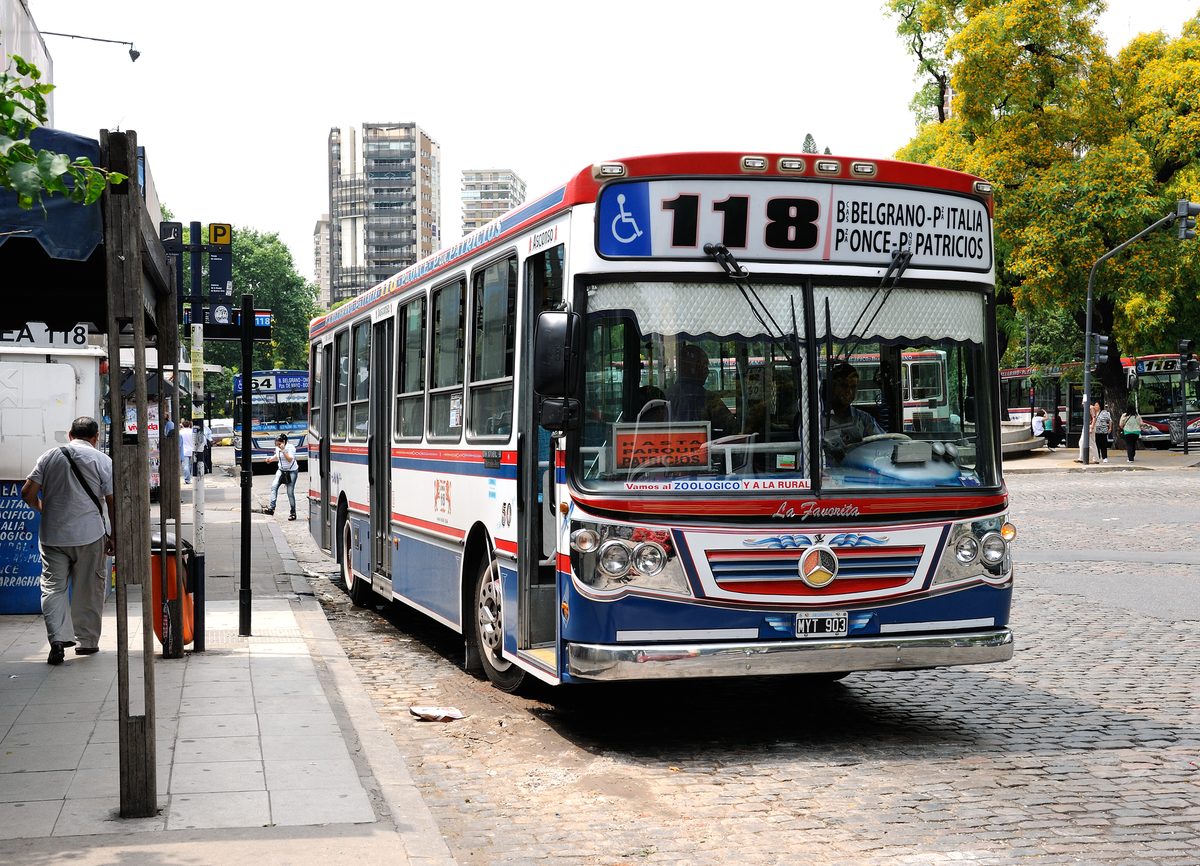
Colectivos are where SUBE really earns its keep, because cash is barely accepted. As you board, tell the driver your destination or nearest cross-streets (the fare is distance-banded, so they key in a zone), then tap the card on the machine beside the driver and watch for the green light. It is faster than fumbling coins and you get the cheaper electronic fare. The bus network is dense and cheap but genuinely confusing at first — our colectivo bus guide explains how to read the routes and apps like Como Llego.
On the trains
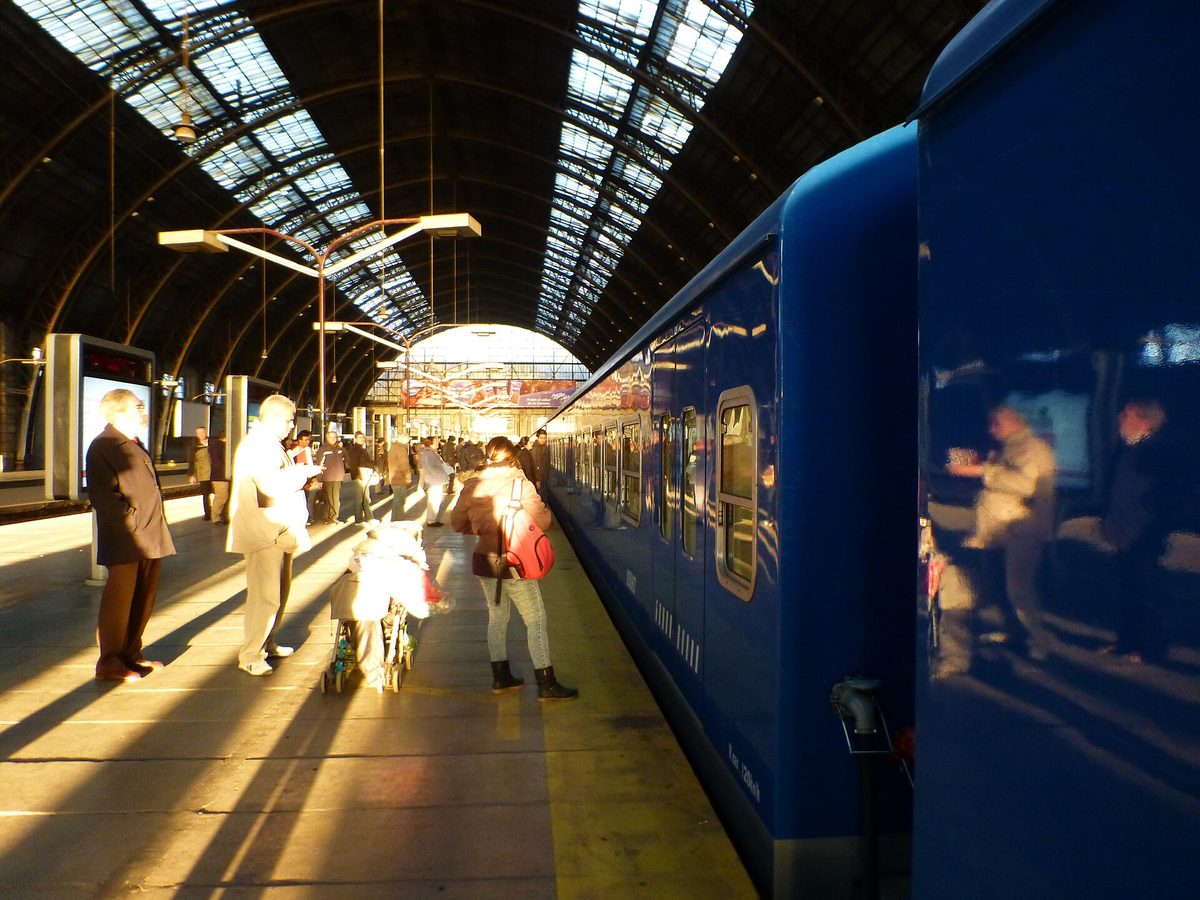
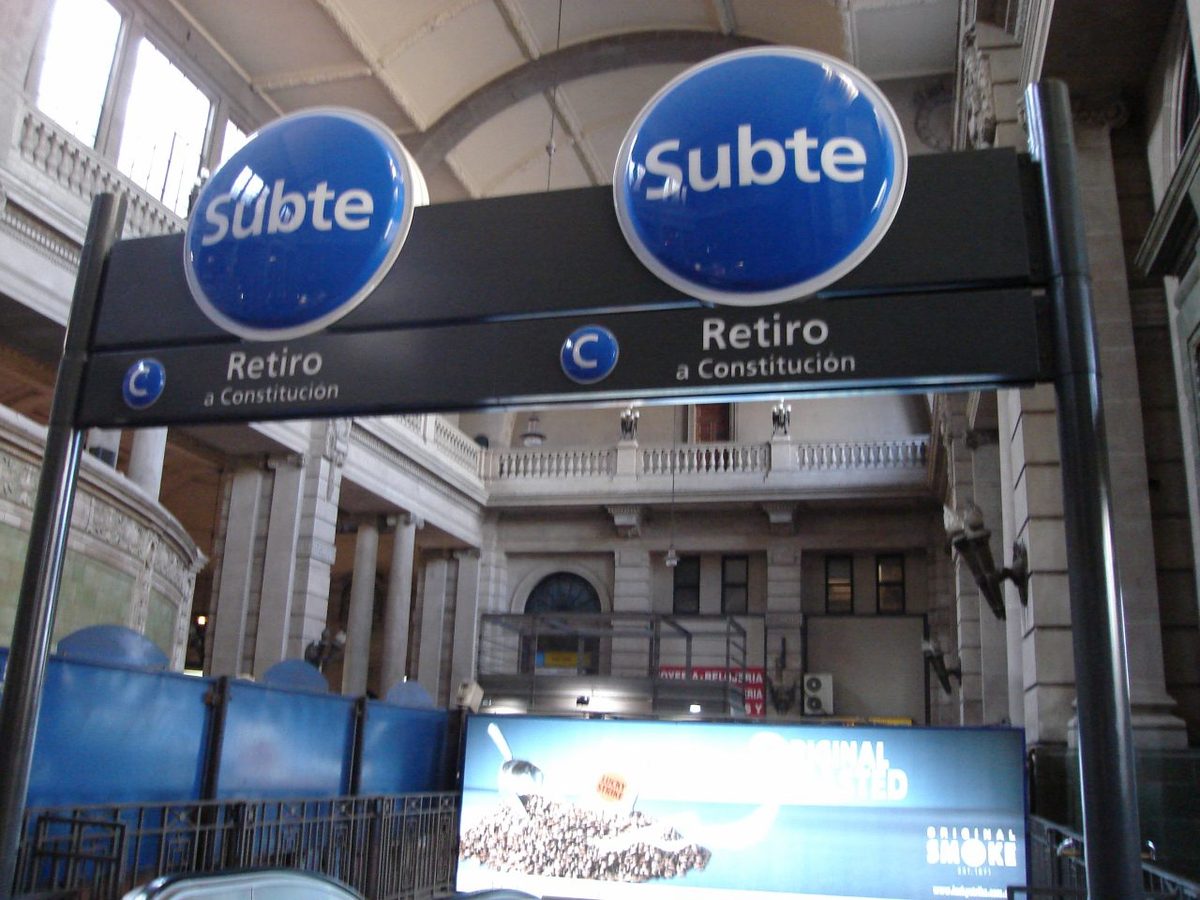
The same card opens the turnstiles on the Mitre, Roca, Sarmiento and other commuter lines that fan out from Retiro, Constitución and Once. Tap to enter and, on many lines, tap again to exit so the system charges the correct distance — so do not toss the card the moment you are through. Planning a day trip to Tigre or the suburbs? See the Buenos Aires trains guide for routes and timings.
Are contactless bank cards and QR coming in?
This is the question I hear most, and the honest answer is that it is changing fast, so verify before you travel. Argentina has been gradually rolling out contactless bank-card (Visa/Mastercard) and QR payments on parts of the network, and pilots keep expanding — but coverage is patchy and not yet universal across every Subte line, colectivo and train. For now the SUBE card is the only method that reliably works everywhere, so I still tell visitors to get one rather than gamble on tapping a foreign bank card at the turnstile. Check the latest official announcements close to your trip in case the open-payment rollout has reached your routes.
Tourist tips for using the SUBE card
- Buy it on day one. The very first kiosco you pass — do not put it off, because you will want it the moment you reach a turnstile.
- Load a little, often. Inflation and refund limits make big top-ups risky; small recharges keep things flexible.
- Keep it easy to reach. A jacket or outer pocket beats digging in a bag while a bus driver waits.
- Mind your belongings while you tap. Turnstiles and busy buses are exactly where a distracted tourist is a target; our Buenos Aires travel tips cover staying street-smart.
- Pair it with a transport-light plan. If you are watching costs, a Buenos Aires budget itinerary leans on the Subte and colectivos — exactly what SUBE is for.
SUBE card FAQ
Where can I buy a SUBE card as a tourist?
Your easiest bet is a kiosco — the corner newsstands on nearly every block — where you ask “¿Tienen tarjeta SUBE?” You can also buy one at many Subte station booths, some Correo Argentino offices, lottery outlets and SUBE service centres, and sometimes at the airports. If one kiosco is out, the next one usually has them, so it is rarely a real obstacle.
How much credit should I load to start?
Because individual fares are very cheap, even a modest top-up covers a lot of rides. Loading enough for several days at a time is sensible, but avoid dumping a large sum on day one — leftover balance is hard to refund and inflation moves prices. Recharge in small amounts at kioscos as you go; it takes seconds and keeps you flexible.
Can two people share one SUBE card?
Yes. On colectivos you can pay multiple fares from a single card using the extra-passenger option (“voy con SUBE”) when you tap. On the Subte, simply tap the same card through the turnstile once for each person. A couple or small family can travel comfortably on one well-loaded card, though having one each is more convenient if you split up.
Can I just tap my contactless bank card instead?
Sometimes, on some routes — Argentina is rolling out contactless bank-card and QR payments on parts of the network, but it is not yet universal and the situation is changing. For reliable travel on every Subte line, colectivo and train, the SUBE card is still the safe choice. Check current coverage before your trip in case open payments have reached your routes.
Final thoughts
The SUBE card is the single most useful thing you can pick up in your first hour in the city. For a couple of dollars of plastic and a small float of pesos, you unlock the Subte, hundreds of colectivo lines and the commuter trains — the same tap-and-go everywhere. Get one early, load little and often, keep an eye on your balance, and you will move around like a local for a fraction of taxi money. When you are ready to plan the actual journeys, our complete guide to getting around Buenos Aires ties every transport mode together so your SUBE card takes you exactly where you want to go.
Photo credits
- SUBE card (tarjeta monedero): Photo by Metronec S.A. (Public domain / CC0) via Wikimedia Commons.
- Subte station turnstiles and ticket booth: Photo by Christian Cordova from Santiago, Chile (CC BY 2.0) via Wikimedia Commons.
- Buenos Aires colectivo bus (line 118): Photo by Tim Adams from San Francisco (CC BY 2.0) via Wikimedia Commons.
- Subte signage at Retiro (Line C): Photo by Galio (Public domain / CC0) via Wikimedia Commons.