The first time I rode the Mitre line out to Tigre, I watched the city peel away — tower blocks, then leafy suburbs, then the brown channels of the Paraná delta — all for less than the price of a coffee. Buenos Aires’ suburban trains are an open secret: scruffy, cheap, and capable of whisking you to the region’s best day trips.
This buenos aires trains guide is the practical answer most visitors need: the city’s commuter rail, run by Trenes Argentinos, fans out from three downtown terminals — Retiro, Constitución and Once — on seven lines. You pay with a contactless SUBE card, fares are absurdly cheap, and the stars for tourists are the Mitre line to Tigre and the Roca line to La Plata.
Last updated: June 2026 · Written by the Buenos Aires Tourism editorial team
Trains vs the Subte: what this guide covers
First, a distinction that trips people up. The Subte is the city’s underground metro — six lettered lines covered in our separate Buenos Aires Subte guide. The trains here are the overground suburban network: longer commuter lines running out to greater Buenos Aires and beyond. Think of the Subte as your in-town shuttle and the trains as your way out to the suburbs, the delta and the satellite cities.
For how it all fits together, start with our complete guide to getting around Buenos Aires. This page zooms in on the rail network: which lines are useful, how to pay and board, what it costs, and how to stay safe.
Is it worth taking the train at all?
For sightseeing inside the city, honestly, no — the Subte and the colectivos serve you better. But the moment you want a day trip, the trains come into their own: the Mitre line to Tigre and the Roca line to La Plata both beat every alternative on price, and the bus on comfort.
The suburban rail network at a glance
Here is the quick comparison I give friends weighing up how to get out of town. Treat the peso figures as ballpark — more below.
| Option | Rough cost (one way) | Best for | Watch out for |
|---|---|---|---|
| Suburban train | Cheap — a SUBE fare, often well under US$1 | Tigre, La Plata, budget trips | Crowding, basic comfort |
| Subte (metro) | ~AR$1,560 (about US$1.30) | Getting around the city centre | Does not leave the city |
| Colectivo (bus) | From ~AR$550 | Reaching spots trains miss | Slow in traffic |
| Uber / taxi | From several US dollars | Door-to-door, night | Cost climbs for long trips |
Argentina’s stubborn inflation nudges peso fares up almost monthly, so every figure here is a rough guide — confirm the current price and live timetable before you set out.
The lines, line by line
Seven lines radiate from the centre, each named for a historic railway. Here is the cheat-sheet of where each starts and whether a visitor will use it.
| Line | From terminal | Runs toward | Useful for visitors? |
|---|---|---|---|
| Mitre | Retiro | Tigre / J. L. Suárez | Yes — the star (Tigre) |
| Roca | Constitución | La Plata / Ezeiza / Korn | Yes — La Plata |
| Sarmiento | Once | Moreno / Mercedes | Occasionally (Luján) |
| San Martín | Retiro | Pilar / Cabred | Rarely |
| Belgrano Norte | Retiro | Villa Rosa | Rarely |
Belgrano Sur and Urquiza, left out above, are purely commuter. Three lines — Mitre, San Martín and Belgrano Norte — all leave from Retiro, really three adjacent stations under one roof. The two you are most likely to ride are Mitre and Roca, so I focus there.
The Mitre line to Tigre — the one to ride
If you take one suburban train in Buenos Aires, make it the Mitre line to Tigre. From Retiro it runs about 50 minutes through the prosperous northern suburbs — Belgrano, Olivos, San Isidro — to Tigre, gateway to the Paraná delta. The fare is a handful of pesos; the payoff is a maze of jungle-lined waterways you explore by launch. It is one of the best-value day trips from Buenos Aires, and the train is half the fun.
My routine: take the Subte’s Line C to Retiro, follow signs to the Mitre line (the “a Tigre” platforms), tap my SUBE, and grab a window seat on the left for the river views near the end. Go on a weekday if you can — weekends are crowded — and pair the trip with our Buenos Aires itinerary to slot the delta into a longer stay. There is also a romantic alternative for the final stretch: the Tren de la Costa, a restored tourist tramway from Maip that hugs the river up to Tigre. It costs more and service has been on-and-off lately, so check it is running first.
The Roca line to La Plata
The other train worth a tourist’s time is the Roca line from Constitución down to La Plata, the planned provincial capital about an hour south, with its thunderous neo-Gothic cathedral, geometric street grid and good museums. The express is reasonably quick; the all-stops local is slower and busier. The fare is tiny — by far the cheapest way to reach La Plata.
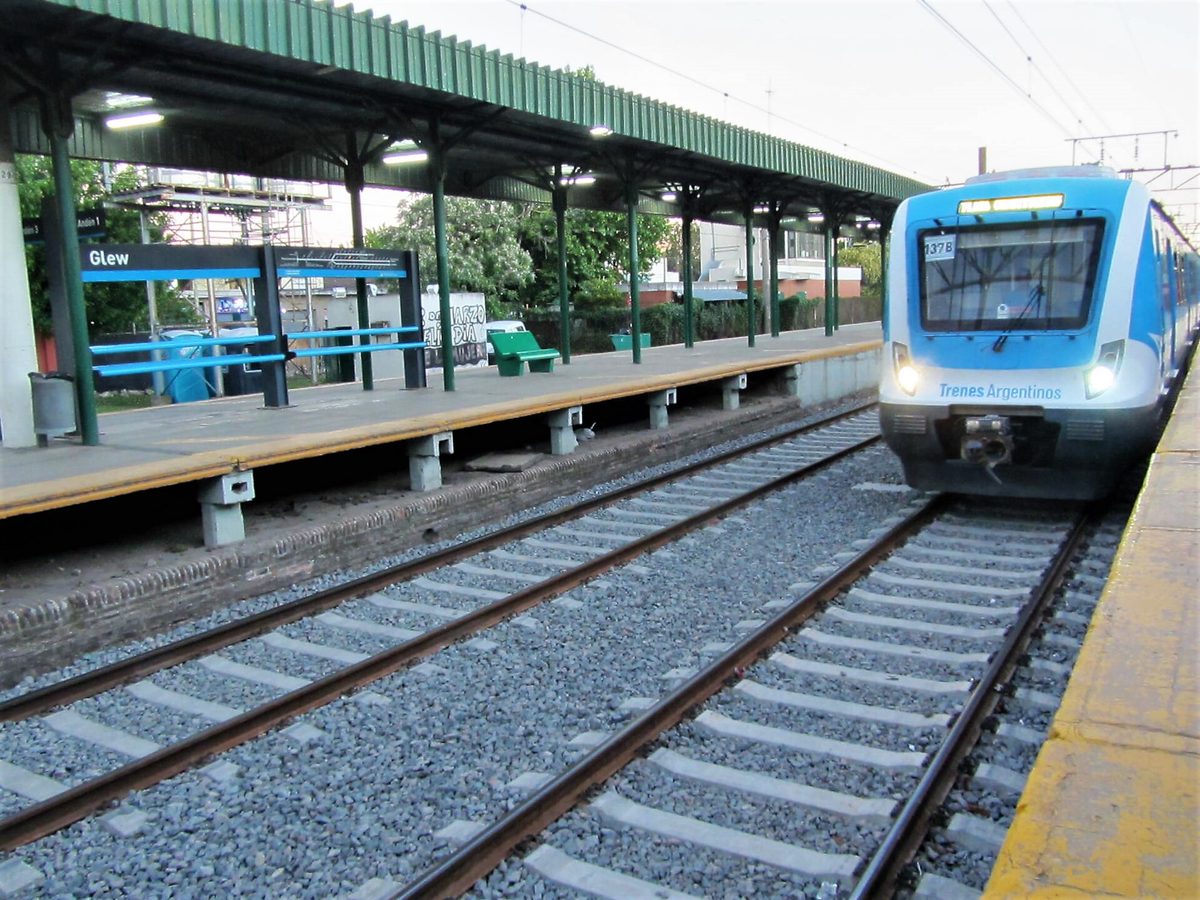
The Roca is the busiest network in the country and the most modernised, with newer Chinese-built electric trains on the core La Plata route that are genuinely comfortable. Constitución station itself, though, sits in a rougher part of town (see safety, below).

The other lines: useful occasionally, mostly commuter
The remaining lines rarely feature in a visitor’s plans, but a couple have their moments:
- Sarmiento (from Once) heads west toward Moreno and, with a change, the Mercedes line for the town of Luján and its vast pilgrimage basilica. It is doable but fiddly; many travellers take a bus instead.
- San Martín and Belgrano Norte (both from Retiro) serve the northern suburbs — handy if you are staying out that way, otherwise skip.
- Belgrano Sur and Urquiza are essentially pure commuter lines, with little tourist interest.
In short: Mitre for Tigre, Roca for La Plata, and treat the rest as local infrastructure unless your hotel sits near a particular line.
How to pay: the SUBE card
This is the single most important point in this buenos aires trains guide: you pay with a contactless SUBE card, the same tap card used on the Subte and colectivos. You tap in at the gate when you board and, on many lines, tap out at your destination — keep the card handy for both ends or you may be charged the maximum fare.
If you do not have one yet, our guide to buying and loading a SUBE card walks through every step. Buy and load it before you reach the platform; not every small station has a working top-up booth, and cash is not accepted. The trains have been slower than the Subte to take international bank cards, so the SUBE is the reliable way to ride.
What a train ride costs
Suburban rail is the cheapest motorised transport in the city — often well under the equivalent of one US dollar for a long ride to Tigre or La Plata. Because fares rise with inflation almost monthly, any exact peso figure will be out of date by the time you travel, so confirm the current amount at the station or in the app. For the wider money picture, see our Buenos Aires travel cost breakdown; whatever the figure, the train is a bargain.
Reading the schedules
Core routes run every 10 to 20 minutes at peak on the Mitre and Roca trunks, thinning out in the evenings and on the outer branches. The city’s BA Cómo Llego app and the Trenes Argentinos website publish timetables and live alerts. I always check first, because engineering works, weather and occasional union stoppages (paros) can suspend a line at short notice.

The three big terminals
Almost every useful journey starts at one of three downtown terminals; knowing their character helps you plan and stay safe.
Retiro
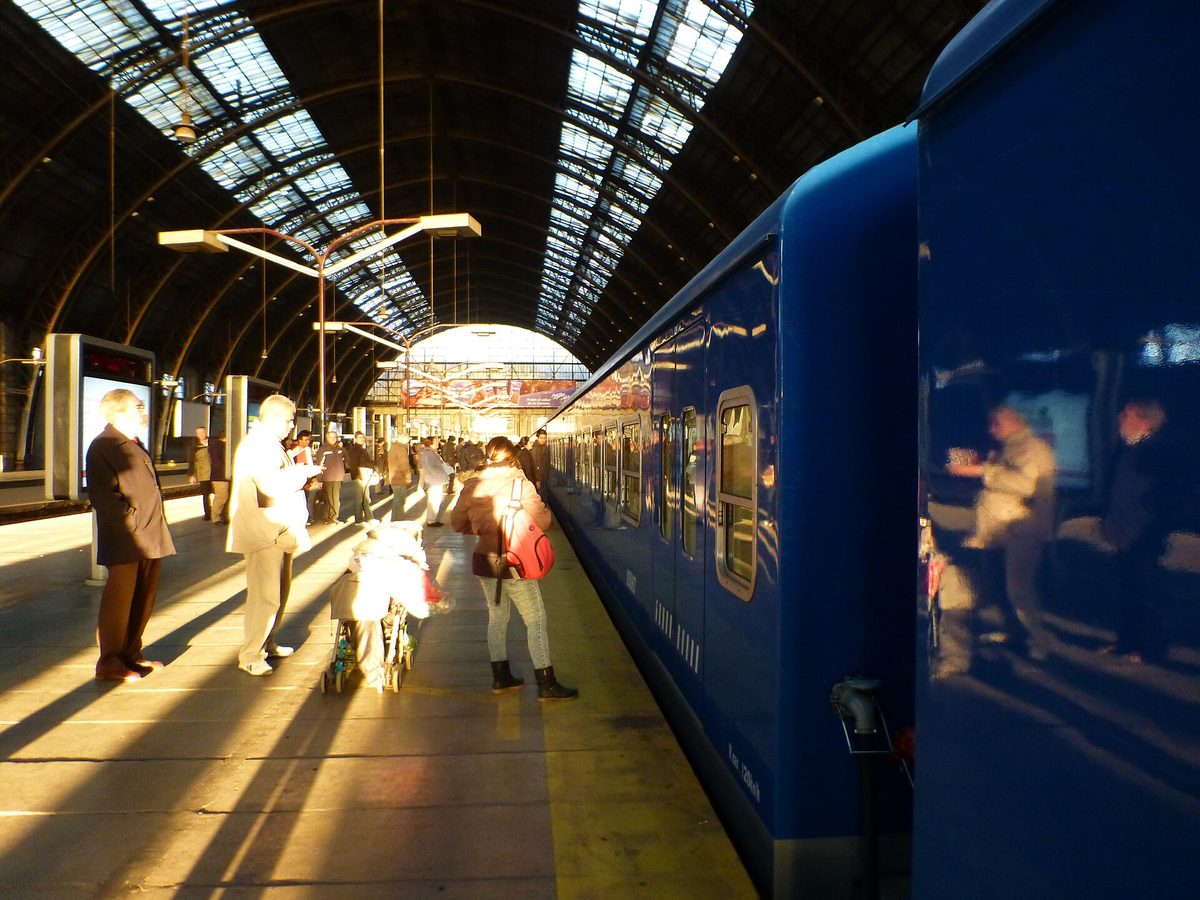
The grandest of the three, Retiro is really three stations side by side (Mitre, San Martín and Belgrano), the Mitre hall a Belle Époque landmark with a soaring iron-and-glass roof. It sits beside the bus terminal and Subte Lines C and E, so it is a major interchange. It borders some poorer neighbourhoods, so keep your bag close, but the main halls are busy and fine in daylight.
Constitución
Constitución, the southern terminus of the Roca line, is the busiest of the lot and sits in a grittier part of the city. It works fine and is the gateway to La Plata, but the surrounding area has a rougher reputation, so I treat it as a place to arrive, tap through and board rather than linger. Go in daylight and watch your belongings.
Once
Once (officially Once de Septiembre, or Plaza Miserere) is the Sarmiento line’s head, in the bustling garment district, and connects to Subte Line H. Like the others it is crowded and demands street-smarts, but it is a functional, central hub.
Safety, comfort and crowding
Let me be straight, because the trains have a mixed reputation. The core tourist routes — Mitre to Tigre and the modernised Roca to La Plata — are perfectly usable, and millions ride them safely daily. But the network is more frayed than the Subte, and comfort and security vary by line and time of day. A few honest pointers:
- Pickpocketing is the main risk, especially in packed carriages and at the big terminals. Keep your phone away from open doors, wallet in a front pocket, and your bag on your front in a crush.
- Travel in daylight. For day trips this is easy — out in the morning, back before dark. Late-night outer-line services are where you are most exposed, and I would avoid them as a visitor.
- Comfort is basic. Newer trains (much of the Roca, parts of Mitre) are clean and air-conditioned; older stock can be hot and crowded.
- Sit in busier carriages rather than an empty one, and stay near other passengers late in the day.
For more street-smarts, see our Buenos Aires travel tips. Used sensibly — right line, daytime, eyes open — the trains are a safe, brilliant-value way to reach the region’s best escapes.
Who the trains suit
The trains are made for budget-minded day trippers who want to reach Tigre or La Plata for next to nothing and do not mind a no-frills ride. With heavy luggage, small children, or a need for door-to-door ease, a remís car or Uber may suit you better — at several times the price. For a day entirely in the city centre, ride the Subte instead; for a cross-river escape, the ferry to Uruguay reaches Colonia or Montevideo.
Buenos Aires trains guide FAQ
How do I get from Buenos Aires to Tigre by train?
Take the Mitre line from Retiro toward Tigre; the ride is about 50 minutes through the northern suburbs. Pay with a SUBE card, tapping in at Retiro and out at Tigre. For a scenic finish you can switch to the Tren de la Costa near Maip, when that line is running. Check the current timetable first.
How much do trains in Buenos Aires cost?
Very little — suburban rail is the cheapest transport in the city, often well under the equivalent of one US dollar even for a long ride to Tigre or La Plata. Fares are charged to a SUBE card and rise with inflation almost monthly, so confirm the current amount before you travel.
Do I need a SUBE card for the trains?
Yes. The trains are paid for with a contactless SUBE card, the same one used on the Subte and colectivos — cash is not accepted at the gates. Unlike the metro, the trains have been slower to take international bank cards, so buy and load a SUBE before you reach the platform.
Are Buenos Aires trains safe for tourists?
The core tourist routes — Mitre to Tigre and the modernised Roca to La Plata — are safe in daylight, and millions ride them daily. The main risk is pickpocketing in crowds and at the big terminals. Travel by day, keep valuables secure, and avoid late-night outer-suburb services.
Which train goes to La Plata?
The Roca line from Constitución runs to La Plata in about an hour, the express quicker than the all-stops local. It is by far the cheapest way to reach the provincial capital and its famous cathedral. As ever, confirm the live timetable and fare before you head out.
Final thoughts
The trains are not where you will spend most of your sightseeing, but for almost nothing they unlock the region’s best escapes — the delta at Tigre on the Mitre line, the boulevards of La Plata on the Roca. Get a SUBE card, ride the right line in daylight, watch your bag at the terminals, and grab a window seat. From here, line up the rest of your trip with our getting around Buenos Aires hub, weigh up the wider day trips from Buenos Aires, and decide when to swap the train for the Subte. ¡Buen viaje!
Photo credits
- Mitre line train under the roof of Retiro station — Photo: Galio / CC BY-SA 3.0 via Wikimedia Commons.
- Trenes Argentinos train at Glew station on the Roca line — Photo: Ulises Icardi / CC BY-SA 4.0 via Wikimedia Commons.
- Sarmiento line platform at Ramos Mejía station — Photo: Diegazo2000 / CC BY-SA 4.0 via Wikimedia Commons.
- Electrified Roca line tracks and catenary poles — Photo: Diaz de vivar gustavo / CC BY-SA 4.0 via Wikimedia Commons.