The first time I dropped underground at Plaza de Mayo and rattled north under the city in a rush-hour carriage, I understood Buenos Aires far better than I had from any taxi window. The Subte is fast, dirt-cheap and gloriously direct — once you crack a few local quirks.
This buenos aires subte guide is the fast, practical answer: the Subte is the city’s underground metro, with six lettered lines (A, B, C, D, E and H) plus the Premetro tram. You pay with a contactless SUBE card or bank card — never cash — trains run roughly 5am to 11pm, and a single ride costs only a little over a US dollar.
Last updated: June 2026 · Written by the Buenos Aires Tourism editorial team
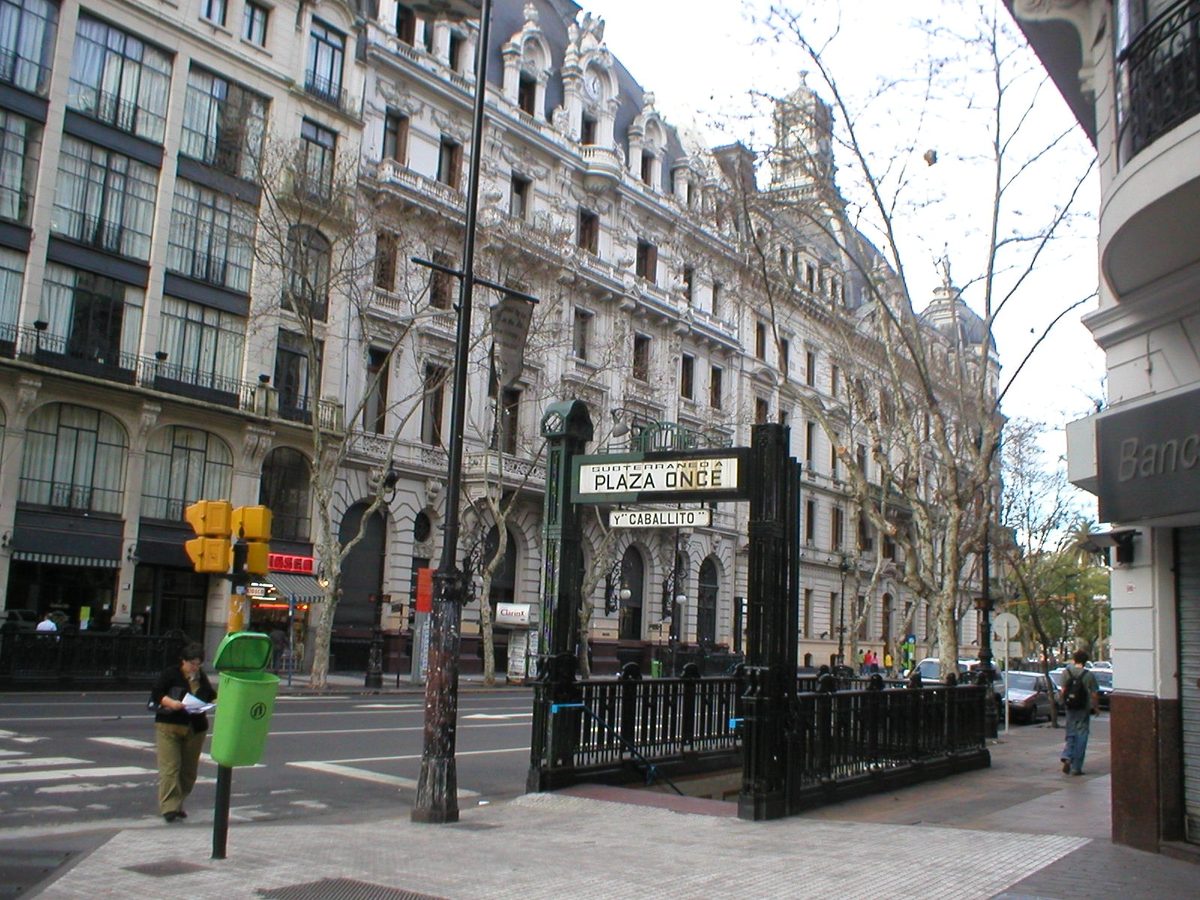
Your Buenos Aires Subte guide at a glance
The Subte (short for subterráneo) opened in 1913, making Line A the oldest underground railway in Latin America, the Spanish-speaking world and the entire Southern Hemisphere. More than a century later it carries over half a million riders a day across six lines and roughly 90 stations, run since 2021 by the operator Emova. For a visitor it is hands-down the quickest way to cover long downtown distances — no traffic, no haggling, and fares that shame almost any metro in the world.
It is not a sprawling system by London or Paris standards: most lines fan out from the centre rather than circling it, so for some cross-town hops you will still reach for a bus or your own two feet. But for the classic tourist axis — Plaza de Mayo, the Obelisco, Congreso, Recoleta and Palermo — the Subte is your best friend. For the bigger picture of how all the pieces fit together, start with our complete guide to getting around Buenos Aires.
Subte vs the alternatives
How does it stack up against the other ways to move around town? Here is the quick comparison I give friends.
| Option | Rough cost (one trip) | Speed in centre | Best for |
|---|---|---|---|
| Subte (metro) | ~AR$1,560 (about US$1.30) | Fastest, no traffic | Long downtown hops, beating gridlock |
| Colectivo (city bus) | ~AR$550 and up | Slower in traffic | Streets the Subte misses, scenery |
| Uber / Cabify / taxi | From a few US dollars | Door-to-door | Night, luggage, groups |
| Suburban train | Cheap, SUBE fare | Fast but to the suburbs | Day trips, Tigre, the delta |
Prices move fast in Argentina — the country’s stubborn inflation means peso fares are nudged up almost monthly — so treat every figure here as a ballpark and check the current amount before you travel.
The six Subte lines, line by line
Every line has a letter and a colour, and locals use both interchangeably — you will hear “take the green line” as often as “take the D.” Here is the cheat-sheet I wish I had on day one.
| Line | Colour | Runs between | Key stops for visitors |
|---|---|---|---|
| A | Light blue | Plaza de Mayo – San Pedrito | Plaza de Mayo, Perú (historic centre), Congreso |
| B | Red | L. N. Alem – J. M. de Rosas | Carlos Pellegrini (Obelisco), Callao (theatres), Carlos Gardel (Abasto) |
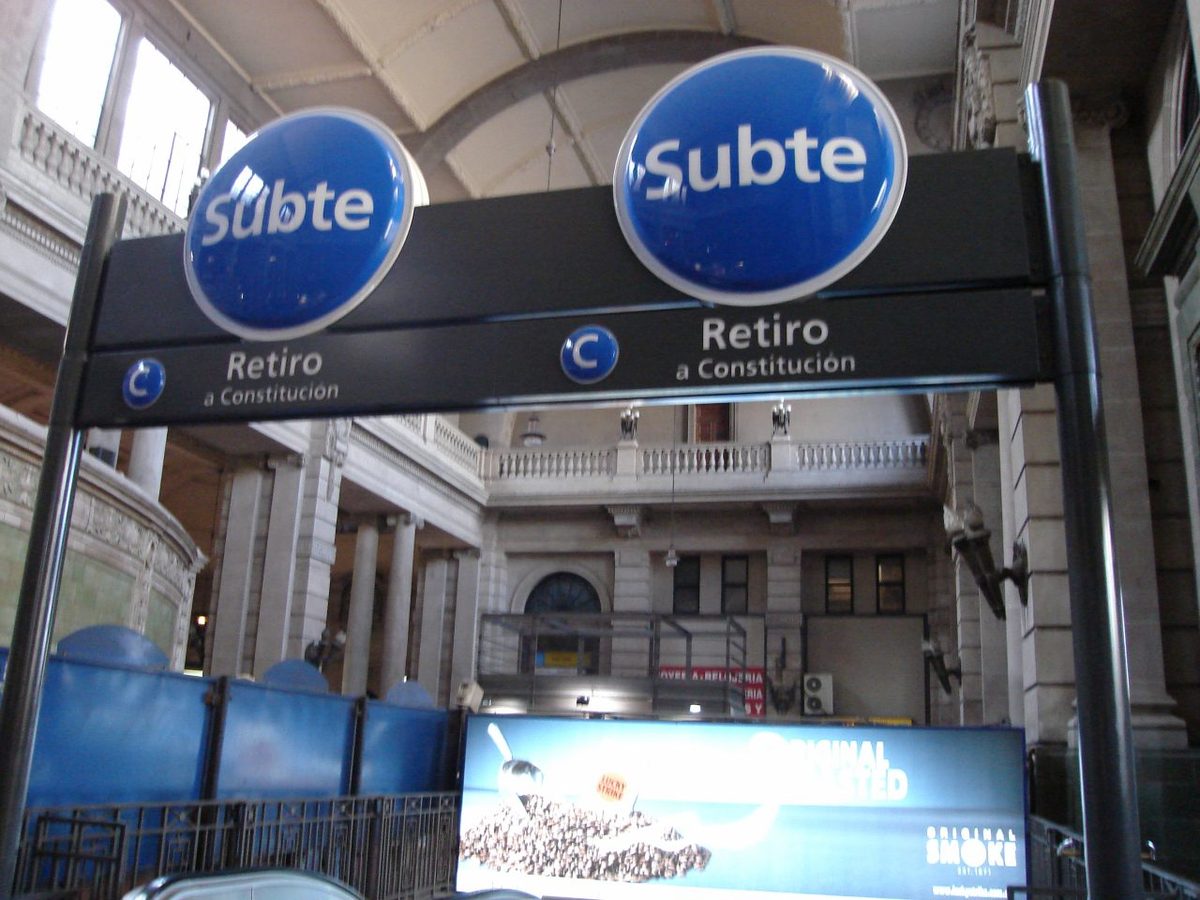
| C | Blue | Retiro – Constitución | Retiro, 9 de Julio (Obelisco), San Martín |
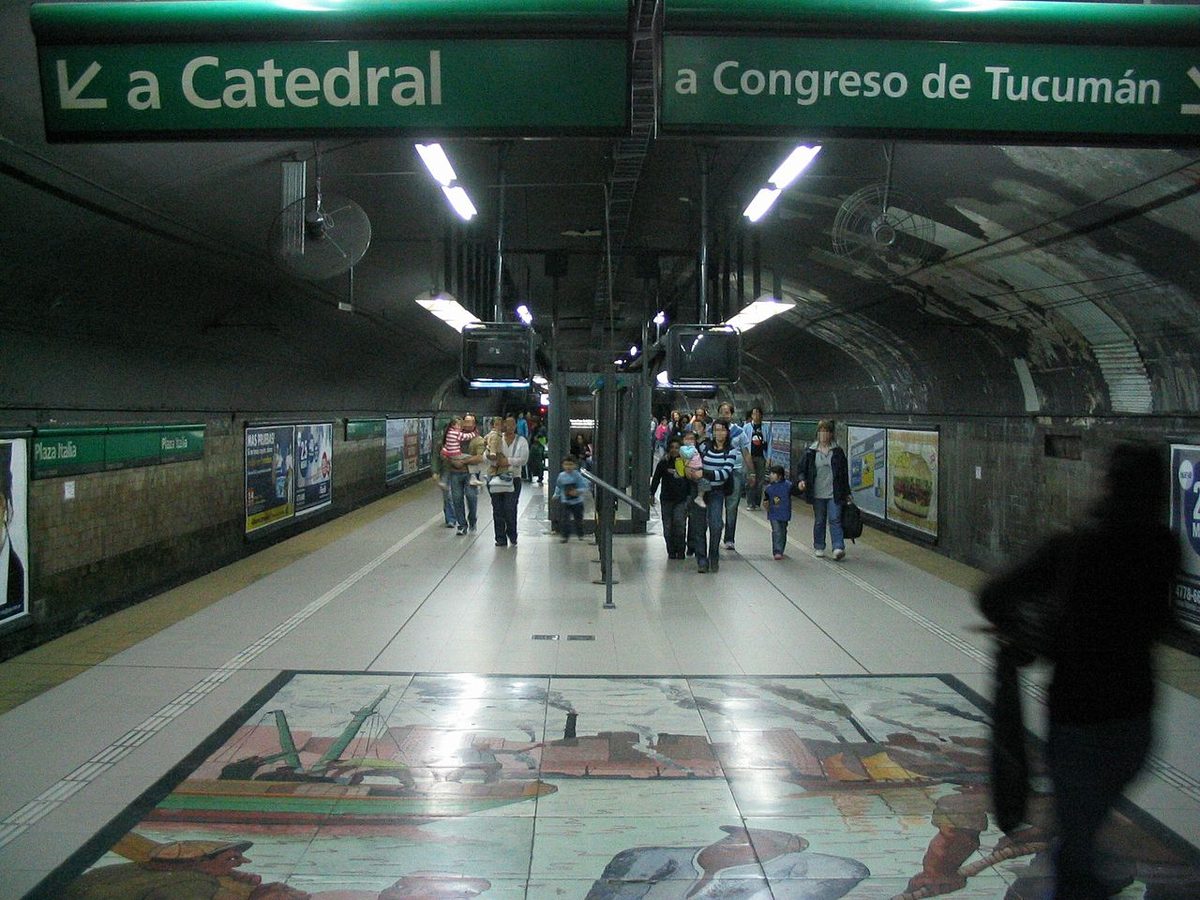
| D | Green | Catedral – Congreso de Tucumán | Catedral (Plaza de Mayo), Tribunales (Teatro Colón), Plaza Italia (Palermo zoo & gardens), Pueyrredón (Recoleta) |
| E | Purple | Retiro – Plaza de los Virreyes | Bolívar (San Telmo edge), Correo Central, Independencia |
| H | Yellow | Hospitales – Facultad de Derecho | Once, Corrientes, Las Heras, Facultad de Derecho (Recoleta) |
Line A — the historic one
Line A is the headliner. It opened in December 1913 and for a century ran charming Belgian wooden carriages, “La Brugeoise,” that were retired around 2013 and replaced with modern Chinese-built cars. The heritage tilework and grand old entrances survive, though, and the line still runs dead through the historic heart — Plaza de Mayo, the Casa Rosada and the colonial Cabildo are all a staircase away. Riding it is a small piece of sightseeing in itself.
Line D — the tourist workhorse
If you only learn one line, make it D (green). It links Plaza de Mayo to the Obelisco, Teatro Colón at Tribunales, then up to Recoleta and Palermo. Pueyrredón and Facultad de Medicina put you within walking distance of the Recoleta Cemetery, while Plaza Italia drops you at the gateway to Palermo’s parks, the Eco-Parque and the Botanical Garden.
Line H — the crosstown shortcut
Line H (yellow) is the newest line and a quiet hero: it runs roughly north–south and crosses every other line, so you can skip the congested downtown core. It is how I reach the Recoleta cultural cluster (Facultad de Derecho, near the Floralis Genérica) without changing in the crush at the Obelisco. Lines C (Retiro to Constitución) and E round out the network, with C usefully joining the two big railway terminals.
Beyond the lettered lines there is the Premetro, a surface tram that feeds Line E out to the south-western suburbs — useful for residents, rarely needed by visitors.
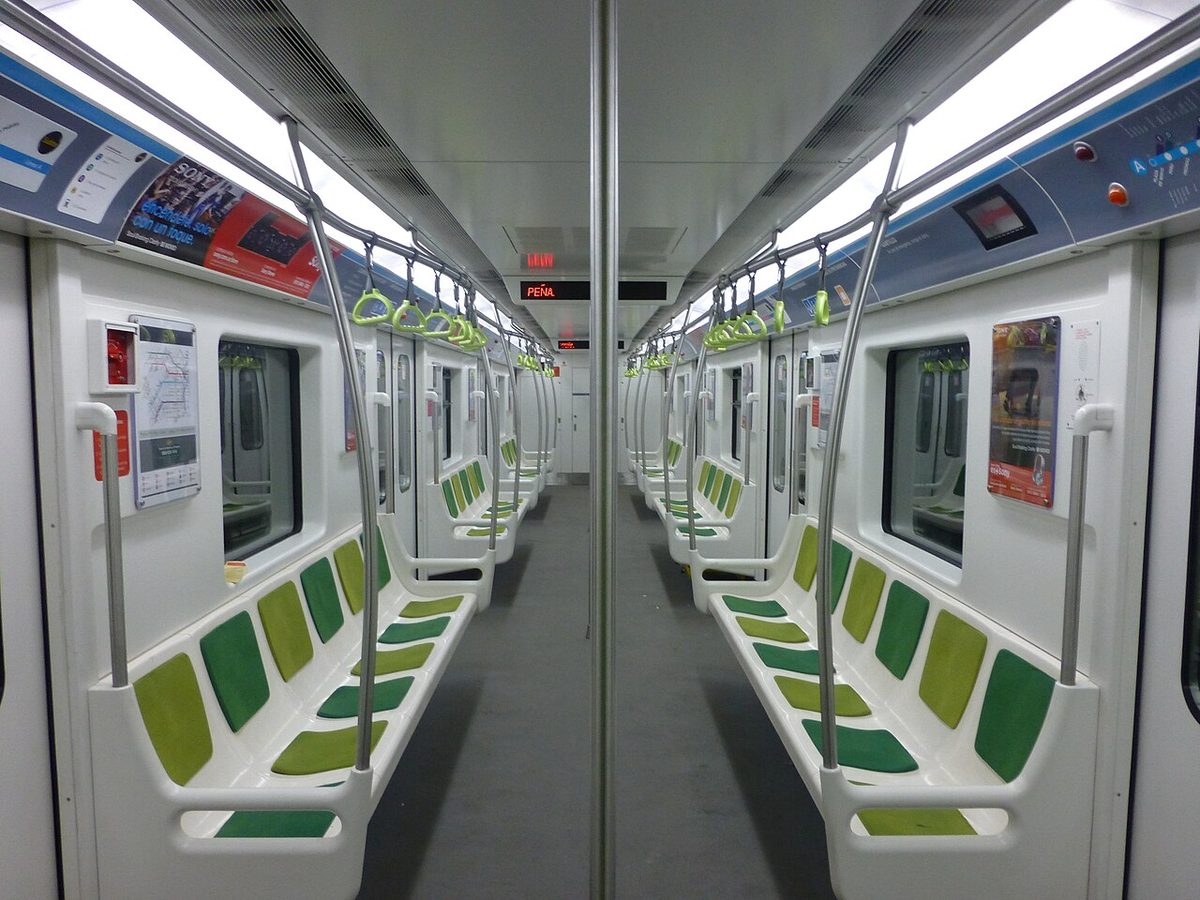
How to pay: the SUBE card and contactless
This is the single most important thing in this buenos aires subte guide: you cannot pay with cash at the turnstile. There are no ticket windows selling single rides and no coin slots on the gates. You need a contactless card.
For most visitors there are two routes. The traditional one is the SUBE card — a rechargeable tap card sold at station booths, kiosks and lottery shops, which you top up with pesos and tap to enter. The same card works on the colectivos and trains, so it is worth getting if you are in town for more than a day or two; our dedicated guide to buying and loading a SUBE card walks through every step.
The newer, easier option for short stays: since late 2024 the turnstiles also accept contactless international bank cards (Visa and Mastercard, debit or credit) and phone wallets such as Apple Pay and Google Pay. Just tap your card or phone and walk through — no card to buy, no balance to load. It costs a touch more per ride than a registered SUBE, but for a few days in the city it is wonderfully simple.
What a ride costs
The Subte is one of the great travel bargains. As of June 2026 a single ride with a registered SUBE card was around AR$1,560 — roughly US$1.30 at the going rate — with a higher fare if you tap an unregistered card or bank card. Frequent-rider discounts kick in after 20, 30 and 40 trips in a calendar month. Because fares are indexed to inflation and rise almost monthly, the exact peso figure will likely be higher by the time you visit, so confirm the current price at the booth or in the app. For the broader money picture, see our getting-around-Buenos-Aires overview.
Hours and frequency
Trains run roughly 5am to 11pm Monday to Saturday, with a later start (around 8am) and a slightly earlier close on Sundays and public holidays. At peak times trains come every three to five minutes; off-peak and late evening you might wait eight to ten. There is no all-night service, so for anything after 11pm you are back to a taxi or Uber. Service can also be hit by sudden union stoppages (paros), so if your day hinges on the Subte, glance at the status before you set out.
Which lines reach the big sights
Here is where the Subte earns its keep for sightseeing. A few pairings I lean on constantly:
- Plaza de Mayo, Casa Rosada, San Telmo edge: Line A (Plaza de Mayo) or Line E (Bolívar).
- The Obelisco and Avenida Corrientes theatres: Lines B, C and D converge around 9 de Julio / Carlos Pellegrini.
- Recoleta (cemetery, museums): Line D to Pueyrredón, or Line H to Facultad de Derecho.
- Palermo (parks, zoo, gardens): Line D to Plaza Italia.
- Abasto and the Carlos Gardel tango trail: Line B to Carlos Gardel.
For the full list of what to do once you surface, pair this with our roundup of things to do in Buenos Aires and our deeper dive into the city’s neighbourhoods. Many of the best stops are also free things to do, which makes a cheap metro ride even better value.
Safety, heat and rush-hour crowds
The Subte is generally safe — violent crime is rare — but pickpocketing is real, especially in packed carriages and at busy hubs like Retiro, Once and the downtown interchanges. The usual rules apply: phone away from the doors, wallet in a front pocket, and swing your backpack round to your chest in a crush. Keep an eye on your belongings as the doors close, the classic moment for a grab.
The other thing nobody warns you about is the heat. Many older carriages are not air-conditioned (newer trains are better), and a rush-hour summer ride between December and February can be genuinely sweltering. If you can avoid the peaks — roughly 7:30 to 10am and 5 to 8pm on weekdays — do; the trains are cooler, calmer and far more pleasant. Carry water in summer.
Accessibility
Accessibility is improving but patchy. Around half of the stations have lifts and step-free access, but coverage is uneven and escalators and elevators are frequently out of service, so a station listed as accessible is not a guarantee on the day. There can also be a noticeable gap and step between train and platform, particularly on the older lines. If you use a wheelchair or are travelling with a stroller, check the operator’s app for live lift status and have a taxi or Uber as a backup plan.
Insider tips for riding the Subte
- Board the middle cars. The end carriages near the stairs get the densest crush; the middle of the train is usually roomier, and stations tend to put exits mid-platform anyway.
- Learn your terminus. Platforms are signed by the line’s end station, not “northbound” — so know whether you want, say, “a Catedral” or “a Congreso de Tucumán” on Line D.
- Use an app. BA Cómo Llego (the city’s official planner) and the Emova Subte app give routes, live status and lift information; Google Maps and Moovit work well too.
- Mind the women-and-children history. You may read about reserved “pink” carriages; in practice this was a proposal that never became standard, so do not count on it — just choose a busier middle car if you prefer company late in the evening.
- Keep small balance on your SUBE. You cannot top up on the train, and a flat card at a turnstile with a queue behind you is a needless stress.
Buenos Aires Subte FAQ
Do I need a SUBE card to ride the Subte?
You need a contactless card of some kind — cash is not accepted at the gates. A SUBE card is the classic choice and also works on buses and trains, but since late 2024 you can also just tap an international contactless bank card or phone wallet, which is the simplest option for a short visit.
How much does the Buenos Aires Subte cost?
As of mid-2026, around AR$1,560 per ride with a registered SUBE card, roughly US$1.30. Argentina’s inflation pushes fares up almost monthly, so the peso figure will likely be higher when you travel — but it remains one of the cheapest metros anywhere. Check the current price at a station booth.
What are the Subte’s operating hours?
Roughly 5am to 11pm Monday through Saturday, with a later start (about 8am) and a slightly earlier close on Sundays and public holidays. Trains run every three to five minutes at peak and up to eight to ten minutes late in the evening. There is no overnight service.
Is the Subte safe for tourists?
Yes, broadly — violent crime is uncommon. The main risk is pickpocketing in crowded carriages and at busy stations like Retiro and Once. Keep your phone and wallet secure, especially near the doors at peak hours, and you will almost certainly have no trouble.
Which Subte line goes to Palermo and Recoleta?
Line D (green) is the one. It serves Plaza Italia for Palermo’s parks and zoo, and Pueyrredón or Facultad de Medicina for Recoleta. Line H (yellow) also reaches the Recoleta side at Facultad de Derecho and is handy for crossing the city without going through downtown.
How do I read the Subte map?
Each line has a letter (A–E, H) and a colour, and both are used. Follow your line’s colour to its end-station name, which is how direction is signed on the platform. Interchange stations — clustered around the Obelisco and at Retiro — let you switch lines. Free maps are posted in every station.
Final thoughts
For all its summer heat and rush-hour squeeze, the Subte is the smartest, cheapest way to move around central Buenos Aires — and Line A is a genuine slice of history you can ride for the price of a coffee. Sort out your tap card, learn lines A, D and H, dodge the peak crush, and the city opens up beneath your feet. From here, line up the rest of your trip with our getting around Buenos Aires hub and decide when to swap the metro for a colectivo or the train. ¡Buen viaje!
Photo credits
- Plaza Once Subte station entrance — Photo: Svenska84 (Public domain) via Wikimedia Commons.
- Modern Subte car interior — Photo: Banfield / CC BY-SA 2.5 AR via Wikimedia Commons.
- Line C Subte signs at Retiro — Photo: Galio (Public domain) via Wikimedia Commons.
- Line D platform at Plaza Italia — Photo: Christian Córdova / CC BY 2.0 via Wikimedia Commons.
1 comment