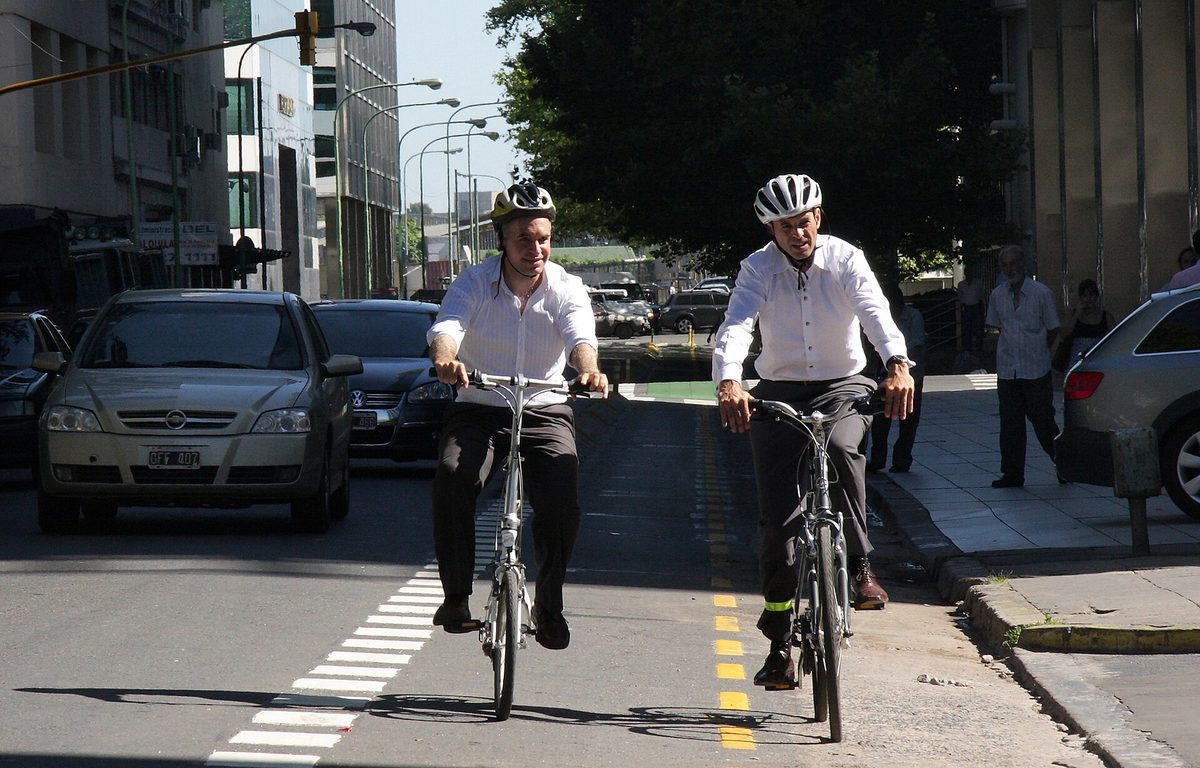
The first time I rented a bike in Buenos Aires I braced for chaos — this is a city where taxis treat lane markings as gentle suggestions. Twenty minutes later I was gliding along a tree-shaded ciclovía in Palermo, completely separated from the traffic, wondering why I hadn’t done it years earlier. The truth is that beneath its reputation for aggressive driving, B.A. is one of the flattest, most bike-friendly capitals in Latin America.
Cycling in Buenos Aires is genuinely easy and often the most enjoyable way to see the city: the terrain is pancake-flat, there are well over 250 km of protected bike lanes, and the city runs EcoBici, a public bike-share you can tap into from an app. Stick to the ciclovías and the park circuits and you’ll have a relaxed, scenic ride; venture onto open avenues and you’ll meet the famous porteño traffic. This guide covers how to do it well.
Last updated: June 2026 · Written by the Buenos Aires Tourism editorial team
If you’re piecing together how you’ll move around the city more broadly, start with our complete guide to getting around Buenos Aires, then come back here when you’re ready to swap the Subte for two wheels. Bikes pair beautifully with public transport: ride the parks by day, take the Subte metro when distances get long or the heat climbs.
Your options on two wheels at a glance
There are three realistic ways to get pedalling here, and they suit different travellers. Here’s how they stack up before we dig into each one.
| Option | Rough cost | Best for | Watch out for |
|---|---|---|---|
| EcoBici (city bike-share) | Free / low daily fee for short trips; residents favoured | Quick A-to-B hops between stations | App registration, 30–60 min time limits, finding a free dock |
| Private bike rental | Around US$10–20 per day (check current) | A full day exploring at your own pace | Returning before closing; leaving a deposit/ID |
| Guided bike tour | Around US$30–55 for a half day (check current) | First-timers wanting context and safety in numbers | Fixed route and timing |
The bike-lane network: bigger than you think
Here’s the thing most visitors don’t expect: Buenos Aires has spent more than a decade building out a serious network of protected bike lanes, known locally as ciclovías or bicisendas. The figure quoted by the city is comfortably north of 250 km, and many of the best lanes are physically separated from cars by a kerb or a row of bollards rather than just painted on the asphalt. That separation is what turns nervy city riding into something genuinely pleasant.
You’ll find dedicated lanes threading down the centre or side of major arteries — near Avenida Corrientes, through the microcentro, across to Recoleta, and all through Palermo. The lanes are usually two-way and marked in a distinct colour, so they’re easy to spot, and Google Maps and the city’s own journey planner now route you along them.
A few honest caveats
The network is good but not seamless. Lanes occasionally end abruptly, dumping you onto a busy corner, and at intersections you’ll need to stay alert for turning cars and the odd delivery moto cutting across. Many porteño streets are one-way, and the bike lanes often run against the flow of traffic, so look carefully before you cross. None of this is dangerous if you ride defensively — just don’t assume a green light means everyone will stop.
EcoBici: the city’s public bike-share
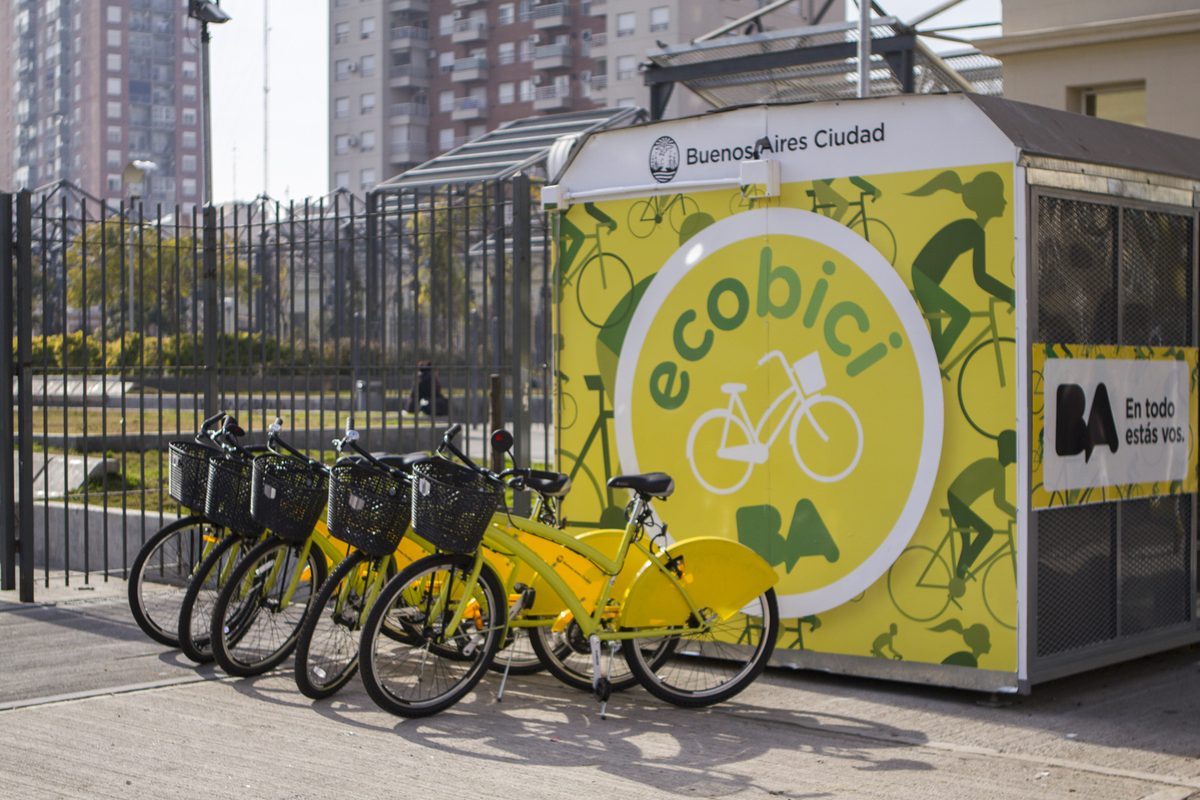
EcoBici is the government-run bike-share, and you’ve probably already spotted the cheerful yellow bikes parked at branded stations around town. It’s station-based: you unlock a bike at one dock and return it to any other. The whole thing is now run through an app rather than the old physical card, so your phone is your key.
How to register and ride
Access runs through the official EcoBici / “BA Cómo Llego” app (the city’s all-in-one transport app). You download it, create an account, and add a payment method. Historically the system has strongly favoured Buenos Aires residents, who get a generous number of free or near-free rides; visitors have generally been able to sign up too, often via a low-cost daily or weekly tourist pass. The exact tiers, prices and tourist eligibility have changed more than once, so check the current rules in the app before you count on it — don’t arrive assuming free bikes.
Once you’re in, the model is simple: unlock, ride, and dock at any station before your time window closes. Trips are capped — typically in the 30-to-60-minute range per ride before extra charges kick in — so EcoBici is built for short hops between neighbourhoods, not for keeping a bike all afternoon. Two practical headaches to plan around: stations can run empty of bikes (or full, with no free dock) at peak times, and you’ll want a working local data connection to operate the app on the move.
Private rentals and bike tours
If EcoBici’s time limits and resident-first quirks feel like a hassle, renting privately is the stress-free move — and it’s what I usually recommend for a proper day out. Plenty of shops in Palermo, Recoleta and San Telmo hire out city bikes by the half-day or day, typically for around US$10–20 (confirm current rates, and expect to leave an ID or a deposit). You keep the bike as long as you like within opening hours, and many places throw in a helmet, lock and a basic map of the lane network.
Guided bike tours are the gentlest possible introduction. A good guide keeps the group on the safe lanes, handles the scary intersections, and folds in history and snack stops along the way — think a morning loop through the parks of Palermo or a ride down to the southern barrios. Half-day tours generally run around US$30–55 (check current). If you’ve never cycled in a big Latin American city, the peace of mind is worth every peso. For ideas on weaving a ride into a fuller day, our roundup of the best things to do in Buenos Aires pairs nicely with a morning on the bike.
Why the riding here is so easy: flat, green and made for it
Buenos Aires sits on the pancake-flat pampas, and you feel it the moment you start pedalling — there is essentially not a single real hill in the whole city. No climbs, no white-knuckle descents, just gentle, even cruising. The only seasonal caveats are the humid January heat, when you’ll want to ride early or late, and the occasional summer downpour.
The best low-stress rides in Buenos Aires
You don’t need to brave a single busy avenue to have a brilliant ride here. These are the zones I send everyone to first — flat, scenic and largely traffic-free.
The Bosques de Palermo and the Rosedal
The sprawling parklands of Palermo — the Bosques de Palermo — are the obvious headline ride. Wide paved paths loop past lakes, the rose garden (El Rosedal), the planetarium and acres of jacaranda, and on weekends some roads close to cars entirely, which is bliss on a bike. It’s the perfect base; see our neighbourhood guide to Palermo for where to refuel afterwards.
Puerto Madero’s promenades
The redeveloped docklands of Puerto Madero have wide, smooth waterfront promenades on both sides of the old port basins, with barely a car in sight. It’s an easy, photogenic spin past the brick warehouses and the white Puente de la Mujer bridge, and it links neatly to the nature reserve next door.
The Reserva Ecológica and the Costanera
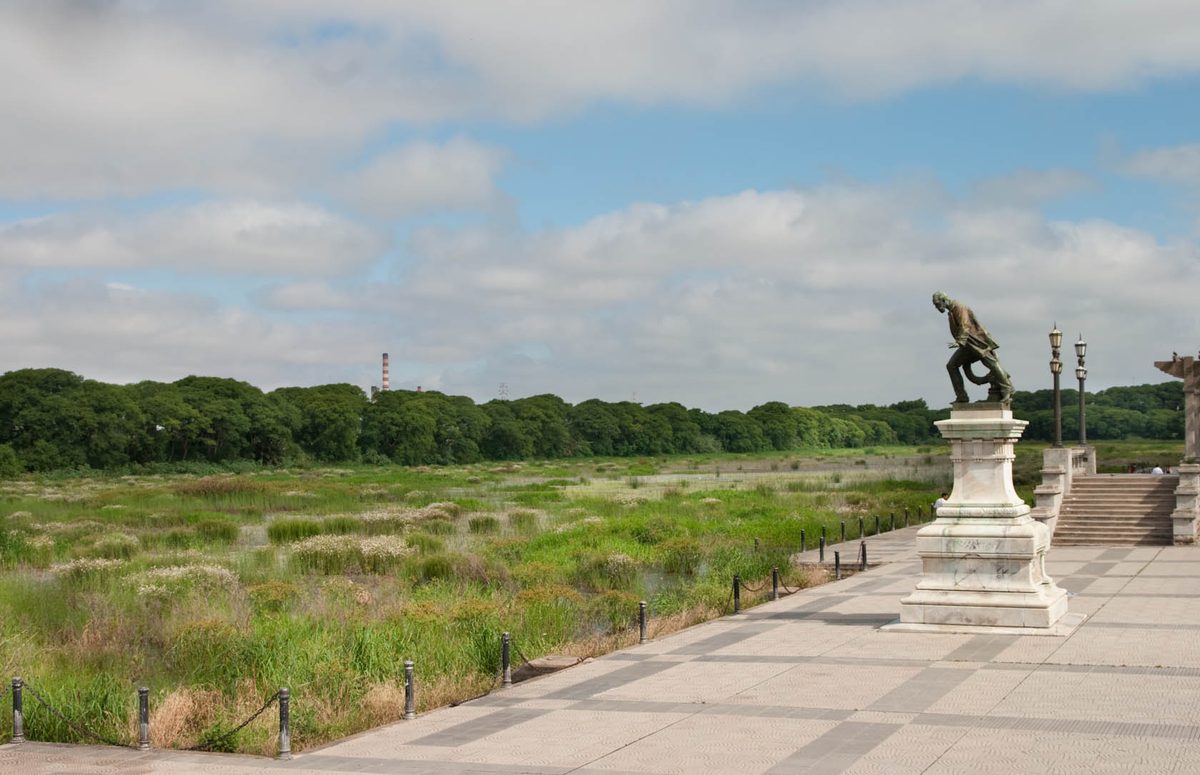
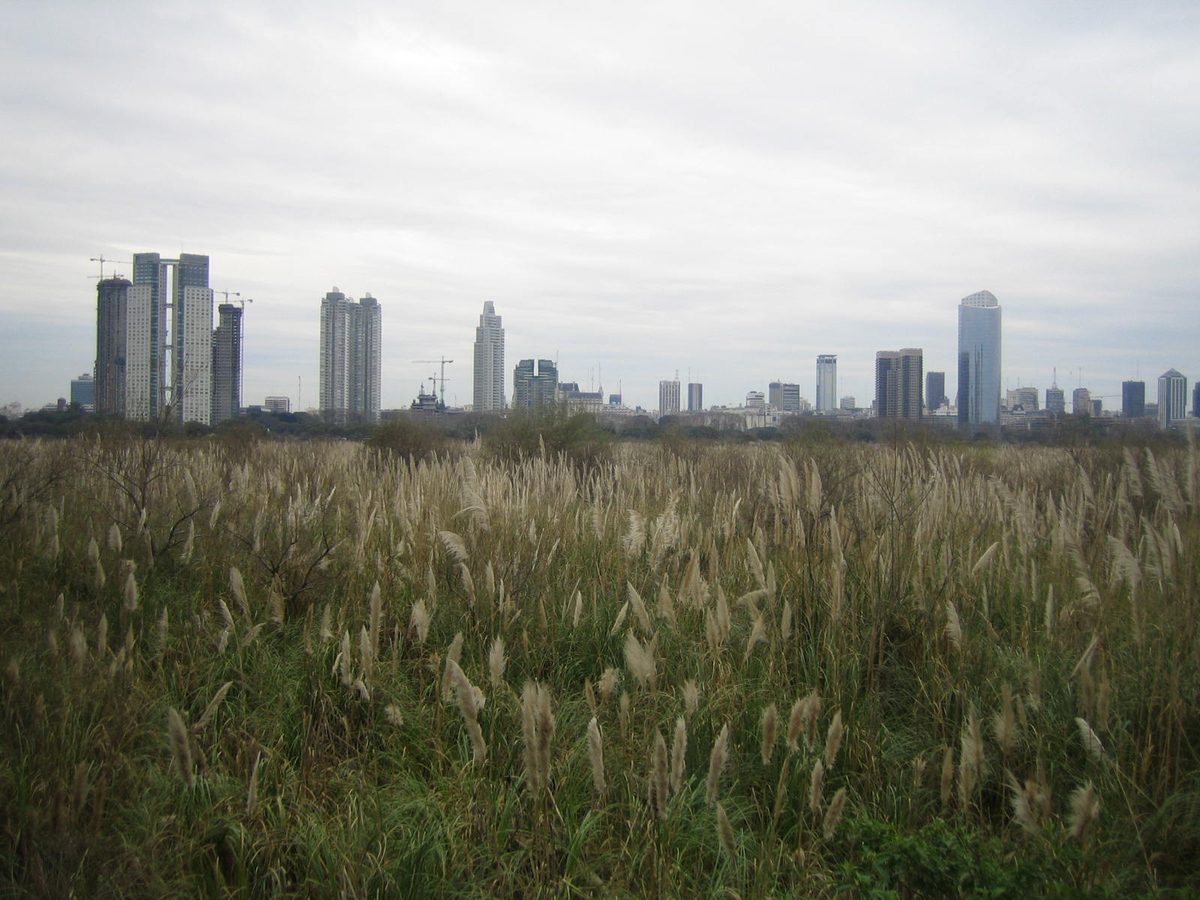
Just behind Puerto Madero lies the Reserva Ecológica Costanera Sur, a surprising 350-hectare wetland on the river’s edge laced with flat dirt trails. It’s a wild, birdsong-filled escape five minutes from skyscrapers, and rolling along the riverfront Costanera promenade beside it is one of the city’s great simple pleasures. Note the reserve has its own opening hours and is closed on certain days, so check before you go.
Staying safe on a bike here
Let’s be straight about the traffic, because that’s the one thing that genuinely catches visitors out. Porteño drivers are fast and assertive, buses are enormous, and motos weave everywhere. The single best safety decision you can make is simple: stay on the protected ciclovías and park circuits, and avoid mixing it with cars on open avenues. Do that and cycling here feels calm; ignore it and it can feel like a contact sport.
A few more habits that keep you upright and your bike yours:
- Wear a helmet. Many rentals and tours provide one — take it, even though you’ll see plenty of locals without.
- Mind the one-way streets. Lanes often run counter-flow; double-check the direction of traffic at every junction.
- Lock up properly with a solid U-lock through the frame and a wheel, and never leave a bike unattended on the street. Take anything removable with you.
- Stay alert at intersections, where most near-misses happen — assume turning cars haven’t seen you.
- Ride by day. The lanes and parks are far more pleasant and safer in daylight; the parks in particular are best avoided alone after dark.
Exploring on foot: Buenos Aires is a walker’s city too
Not everyone wants to pedal, and the good news is that B.A. is one of the most walkable big cities in the Americas. The grid layout is easy to navigate, the blocks are a manageable size, and the great strolling barrios reward slow wandering. Palermo is endlessly walkable, leafy Recoleta invites an afternoon amble, and cobblestoned San Telmo — especially around its Sunday antiques market — is made for it. Puerto Madero’s flat promenades are as good on foot as on wheels.
A self-guided or organised Buenos Aires walking tour is the perfect complement to a day on the bike — cover the parks and the riverfront by bike, then slow right down to absorb the architecture and café culture on foot. Many of the city’s pleasures, from people-watching in the plazas to window-shopping the bookshops of Avenida Corrientes, are best enjoyed at walking pace and cost nothing at all; our guide to free things to do in Buenos Aires has plenty more.
Insider tips for a great ride
- Go on a Sunday morning. Traffic is at its lightest, some park roads close to cars, and the city feels like it belongs to cyclists.
- Pair bikes with the bus or metro. If a station is empty or you’re tired, hop on a colectivo or the Subte. Our colectivo bus guide explains the network, and you’ll want a SUBE card to ride either.
- Have a backup for awkward gaps. When a route doesn’t suit a bike, a quick rideshare fills the gap — see our take on Uber and taxis in Buenos Aires.
- Carry water and sunscreen in summer; shade is patchy on the open promenades.
- Download maps offline so you can navigate the lanes even if your data drops.
Frequently asked questions about cycling in Buenos Aires
Is cycling in Buenos Aires safe?
Yes, if you ride smart. The city traffic is fast and assertive, so the key is to stick to the 250 km-plus of protected ciclovías and the car-free park circuits rather than mixing with cars on open avenues. Wear a helmet, ride by day, lock your bike securely, and take extra care at intersections, where most incidents happen. Done that way, it’s a relaxed and rewarding experience.
Can tourists use EcoBici in Buenos Aires?
Generally yes, but with caveats. EcoBici is run through the city’s app and has historically favoured registered residents with free rides, while visitors usually access it via a low-cost daily or weekly pass. The rules, prices and tourist eligibility have shifted more than once, so confirm the current terms in the official app before relying on it. If it looks fiddly, a private rental is simpler.
Do I need a helmet to cycle in Buenos Aires?
You’ll see many locals riding without one, but we strongly recommend wearing a helmet given the assertive traffic. Most reputable rental shops and all good bike tours provide one at no extra cost — just ask. It’s a small inconvenience for a meaningful safety margin, especially if you’re not used to riding in a busy Latin American city.
Is Buenos Aires flat and good for cycling?
Wonderfully so. The city sits on the flat pampas, so there are essentially no hills anywhere — no climbs, no steep descents, just easy cruising. That, plus a large bike-lane network and big green parks, makes it one of the easier major cities in the Americas to explore by bike. Heat and the odd summer storm are the only real obstacles.
Where are the best places to cycle in Buenos Aires?
For relaxed, low-stress riding, head to the Bosques de Palermo and the Rosedal, the wide promenades of Puerto Madero, the trails of the Reserva Ecológica Costanera Sur, and the riverside Costanera. These are flat, scenic and largely free of cars, making them ideal for first-timers and families alike.
Final thoughts
For all its reputation as a traffic free-for-all, Buenos Aires quietly rewards anyone willing to get on a bike. The terrain is effortless, the lane network is far more developed than most visitors expect, and a single morning circling the lakes of Palermo will likely become a trip highlight. Keep to the protected lanes, hedge your EcoBici expectations against the current app rules, and lock up well. When you want the bigger picture on moving around town, our Buenos Aires transport guide ties every mode together. Enjoy the ride.
Photo credits
- EcoBici station — Photo: Gobierno de la Ciudad de Buenos Aires / CC BY 2.5 ar via Wikimedia Commons (file page).
- Protected ciclovía / bicisenda — Photo: Gobierno de la Ciudad de Buenos Aires / CC BY 2.0 via Wikimedia Commons (file page).
- Costanera promenade beside the Reserva — Photo: Dan DeLuca / CC BY 2.0 via Wikimedia Commons (file page).
- Reserva Ecológica Costanera Sur — Photo: Rcidte / Public domain (CC0) via Wikimedia Commons (file page).