Last updated: June 2026 · Written by the Buenos Aires Tourism editorial team
The first time I paid a restaurant bill in Buenos Aires, I left a 20% tip on the card machine out of pure North American habit—and my waiter gently pushed a few peso notes back across the table and explained, kindly, that here it works differently. That small moment taught me more than any guidebook had.
So, how does tipping in buenos aires actually work in 2026? In short: a tip (la propina) of around 10% is customary and appreciated in sit-down restaurants, ideally left in cash so your server actually keeps it. Tipping is genuinely voluntary, not obligatory, and outside restaurants it’s usually a matter of rounding up or a small gesture. This guide covers exactly who to tip, how much, and the local quirks—like the cubierto—that trip up first-time visitors.
Tipping in Buenos Aires at a glance: who to tip and how much
If you only read one section, make it this one. Here’s the practical shortlist I’d hand a friend flying in tomorrow. Peso figures are rough guides for mid-2026 and will drift with inflation—treat the percentages as the real rule and check a current rate (Google “ARS to USD” or a quick currency primer for tourists) before you travel.
| Who | Customary tip | Notes |
|---|---|---|
| Restaurant (sit-down) | ~10% (up to 15% if excellent) | Leave it in cash if you can; not added by default |
| Café with table service | 5–10%, or round up | A coffee & medialunas? Leaving ARS 500–1,000 is plenty |
| Café counter / takeaway | Not expected | Tip jar optional for a fancy order |
| Parrilla (steakhouse) | 8–10% | Same as restaurants; 15% for a knockout asado |
| Bar / drinks | Round up, or ~10% with table service | A few hundred pesos per round is fine |
| Taxi / Cabify | Round up to the nearest convenient note | Not required; more for help with luggage |
| Food delivery (Rappi, PedidosYa) | ~5% | The app suggests it in-checkout |
| Hotel porter | A small note per bag | Roughly ARS 1,000–2,000 per bag |
| Housekeeping | A few notes per night | Left at the end of your stay is fine |
| Tour guide | ~10%, or a set tip you’re happy with | Free walking tours: tip what the tour was worth to you |
| Hairdresser / barber | Optional, rare | Locals often don’t; a small tip is a nice touch |
None of this is enforced and nobody will chase you down the street. Argentines themselves tip modestly, and many tip nothing on a quick coffee. A tip here says “thank you, that was good,” not “I’m obliged.” If you want the bigger picture of what a trip actually costs, our complete Buenos Aires travel cost guide puts these small gratuities in context alongside meals, transport and hotels.
Tipping at restaurants: the 10% rule (and why cash still wins)
Sit-down restaurants are where tipping matters most. The tacit standard is 10% of the bill for good service, nudging to 15% if the meal and service genuinely impressed you, and dropping (or vanishing) if service was poor. You won’t see a suggested-tip line pre-printed the way US receipts do it, and a service charge is not normally baked into the total—so the 10% is on you to add.
Here’s the part that surprises visitors: even though Argentina now legally allows you to add a tip on a card (more on that below), cash is still the smarter way to tip. For years, card terminals simply had no tip field, so locals built the habit of leaving propina in physical pesos on the table or in the little folder with the bill. Cash also guarantees the money goes straight to your server rather than through the business. I keep a few small notes in my pocket precisely for this.
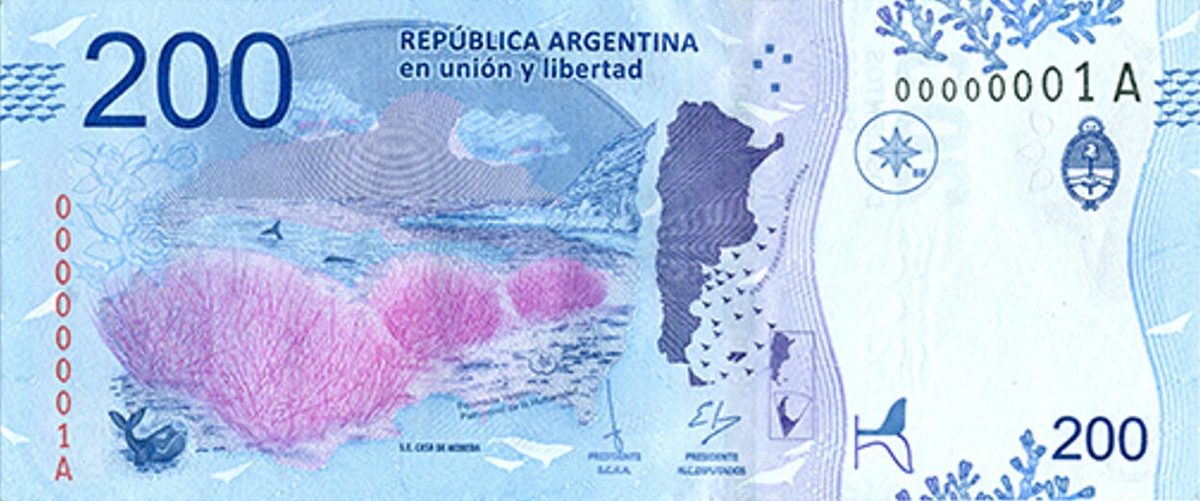
A practical tip on the practical tip: don’t stress about exact math. On a bill of, say, ARS 30,000 (very roughly US$20–22 in mid-2026—whether that feels expensive depends on where you’re from), leaving ARS 3,000 is bang on. Round to whatever notes you’re carrying.
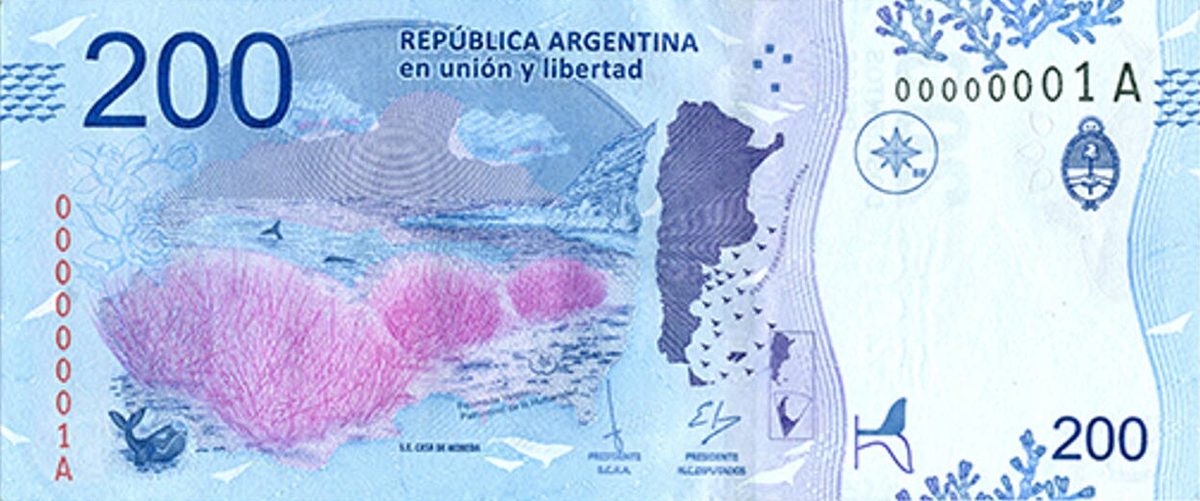
Can you tip by card in Buenos Aires now?
Yes—and this is the big 2026 change most older guides miss. Under Decree 731/2024, in force since November 2024, restaurants, bars, hotels, fuel stations and delivery platforms across Argentina are required to offer an electronic way to tip—via debit card, credit card or a digital wallet like Mercado Pago. When you pay, the system can let you add a percentage or a fixed amount (on Mercado Pago QR, capped at 15%), and crucially these digital tips can’t have tax withheld from them, so more reaches the worker than before.
That said, “allowed” doesn’t mean “universal.” Plenty of smaller cafes and older spots still don’t have it set up, and many waiters still prefer cash. My rule: if the machine offers a tip and you have no cash, use it guilt-free; otherwise, cash. For the full lay of the land on paying, see our guide to cash vs card in Argentina.
What is the “cubierto”? (It is NOT a tip)
This one catches almost everyone. The cubierto is a per-person cover charge you’ll see as a line item on many Buenos Aires restaurant bills. It pays for the table setting—cutlery, napkins, the basket of bread—and it goes to the restaurant, not to your waiter. Think of it as a table-service fee, a custom inherited from Argentina’s deep Italian roots (where the coperto works the same way).
The key point: the cubierto is not a tip and does not replace one. You still leave your ~10% propina on top. The cover itself is usually modest—think the rough equivalent of US$1–3 per person—though some tourist-heavy places lean on it harder to offset inflation. If you spot a sign reading “No se cobra cubierto” (“no cover charge”), that’s the restaurant telling you there’s no table fee.
One more thing to scan for: a few restaurants do add an optional servicio (service charge) to the bill. It’s uncommon, but if you see one, that effectively covers the tip—check the bill so you’re not tipping twice.
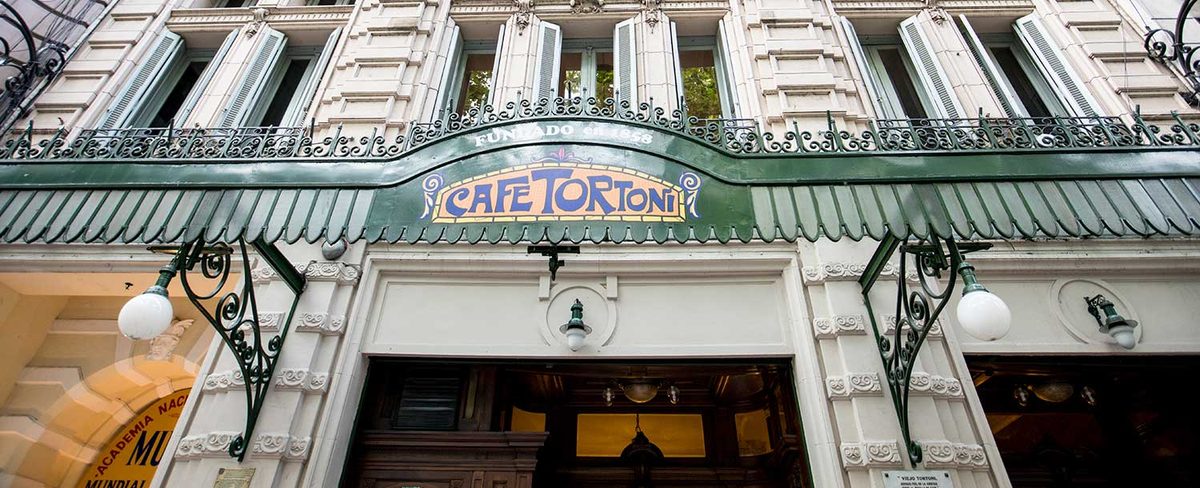
Cafes, bars and parrillas
Buenos Aires runs on coffee, and the cafe is its own little institution. With table service—you sit, a waiter brings your cortado and medialunas—5–10% or simply rounding up is the move. Leaving ARS 500–1,000 on a coffee-and-pastry stop is generous and welcome. At a counter or for takeaway, no tip is expected, though a tip jar has crept in at specialty spots; dropping in your coins for a fussy flat white is a kind gesture, not an obligation.
Parrillas—the temples of Argentine asado—follow the restaurant rule: around 8–10%, climbing toward 15% for a truly memorable grill. Bars are looser: with table service, treat it like a restaurant; standing at the bar, rounding up the tab or leaving a few hundred pesos per round is plenty. If you’re building an eating itinerary, our roundup of where to eat in Buenos Aires pairs well with all this.
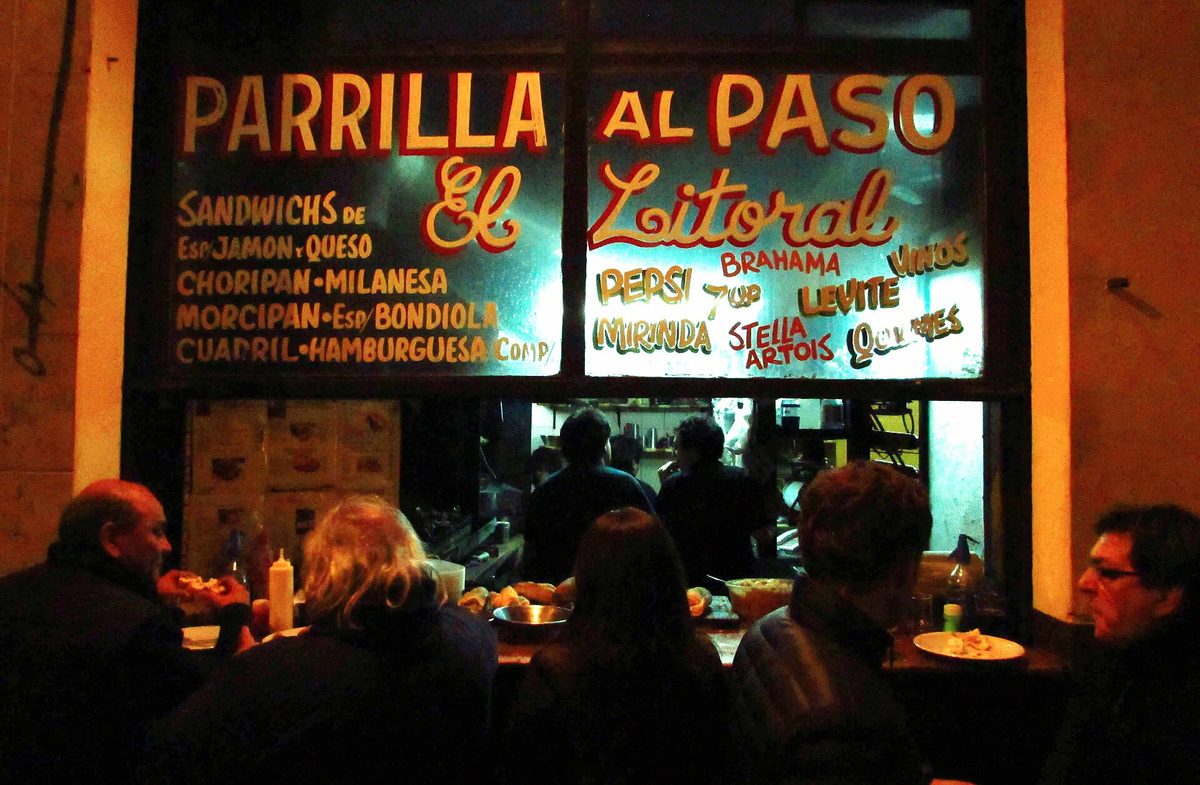
Taxis, delivery and getting around
Taxis don’t require a tip. The done thing is to round up to a convenient note—if the meter reads ARS 4,200, handing over ARS 4,500 and saying “así está bien” (“that’s fine, keep it”) is the local shorthand. Tip a little more if the driver wrestled your suitcase into the boot. Ride-apps like Uber and Cabify also let you add a tip in-app, which is handy when you’ve no cash.
Food delivery is where a small tip is genuinely expected: about 5% of the order, and the apps—Rappi, PedidosYa—prompt you for it at checkout. A few coins handed to the rider at the door is appreciated too, especially in the rain.
Hotels, tours and other services
At hotels, there’s no rigid scale. A small note per bag for the porter (roughly ARS 1,000–2,000 each in mid-2026) and a few notes left for housekeeping at the end of your stay cover it. A helpful concierge who scores you a hard reservation deserves a tip scaled to the favor.
Tour guides are customary to tip—around 10% of a paid tour’s price, or simply an amount you’re happy with. For the city’s popular free walking tours, the guide works almost entirely on tips, so tip what the couple of hours were genuinely worth to you—think the price of a nice lunch. The same warmth applies to a food tour guide who’s walked you through six neighborhoods of empanadas.
Hairdressers and barbers? Locals often don’t tip at all, and it’s never expected—but a small token for a great cut is a nice, unexpected touch. For spa treatments and massages, a modest tip for excellent service is similarly appreciated, never required.
A few insider tips on tipping etiquette
- Carry small notes. The whole system runs on cash you can leave on a table. Break big bills when you can—our currency guide explains how to keep small denominations on hand.
- Tip in pesos, not dollars. Handing a server US dollars sounds generous but leaves them with cash that’s a hassle to change. Pesos are the kind move.
- Don’t double-tip. Glance at the bill for a servicio line before adding propina, and remember the cubierto is a cover charge, not a gratuity.
- It’s appreciated, not obligatory. Argentina’s tipping culture is far gentler than the US. A 10% propina is a genuine thank-you—no need to agonize over the percentage.
- Budget a little for it. Gratuities add up over a trip; folding them into your daily spend keeps the math honest, as we lay out in the daily Buenos Aires budget breakdown.
Frequently asked questions
Is tipping mandatory in Buenos Aires?
No. Tipping in Buenos Aires is voluntary—there’s no legally set percentage and no service is automatically entitled to one. A roughly 10% restaurant tip is customary and appreciated, but you’re free to leave less for mediocre service or nothing for poor service. Locals tip modestly, so don’t feel pressured into US-style 20% gratuities.
How much do you tip at a restaurant in Argentina?
Around 10% of the bill for good service is the standard across Argentina, rising to about 15% if the food and service genuinely impressed you. It’s best left in cash, since card tip options—though now legally required to be offered—aren’t universal yet, and cash ensures your waiter keeps the full amount.
What is the cubierto and do I have to pay it?
The cubierto is a per-person cover charge for the table setting—cutlery, napkins and bread—that goes to the restaurant, not the waiter. It’s a legitimate line item (usually the equivalent of US$1–3 per person) and yes, you pay it where it’s charged. It is not a tip and does not replace your propina, so still leave ~10% on top.
Can I tip with a credit card in Buenos Aires?
Increasingly, yes. Since Decree 731/2024 took effect in late 2024, restaurants, hotels, fuel stations and delivery apps must offer an electronic tipping option via card or digital wallet, often capped around 15%. Not every small cafe has it set up, though, and many waiters still prefer cash—so carrying small peso notes remains the most reliable way to tip.
Do you tip taxi drivers in Buenos Aires?
It’s not required. The custom is to round up to a convenient note—say from ARS 4,200 to ARS 4,500—and tell the driver “así está bien.” Tip a bit more if they help with heavy luggage. Ride-hailing apps like Uber and Cabify also let you add a tip in-app if you’re short on cash.
Should I tip in pesos or US dollars?
Always in Argentine pesos. While US dollars are valuable here, tipping in foreign cash leaves your server with money that’s inconvenient to exchange and may cost them in fees. Carrying small peso denominations specifically for tips is the considerate—and locally expected—way to do it.
Final thoughts
Tipping in Buenos Aires is refreshingly low-stress once you internalize a couple of rules: about 10% in restaurants, ideally in cash; round up taxis; tip delivery and tour guides a little; and never confuse the cubierto with a gratuity. It’s a culture of appreciation rather than obligation, so a warm “gracias” and a fair propina go a long way. Keep a pocket of small peso notes, fold gratuities into your overall trip budget, and you’ll tip like you’ve been coming here for years.

Photo credits
- Bar Roma interior, Buenos Aires — photo by Roberto Fiadone, CC BY 4.0 via Wikimedia Commons.
- Café Tortoni facade, Buenos Aires — photo via Wikimedia Commons, CC BY-SA 2.5.
- Parrilla El Litoral, Buenos Aires — photo by Cazadoroculto, CC BY-SA 4.0 via Wikimedia Commons.
- Argentine 200 peso banknote — image by Casa de Moneda, CC BY-SA 2.0 via Wikimedia Commons.
- Calle Florida street scene, Buenos Aires — photo by Horacio Cambeiro, CC BY-SA 4.0 via Wikimedia Commons.