Last updated: June 2026 · Written by the Buenos Aires Tourism editorial team
My first proper glass of Argentine Malbec wasn’t in Mendoza — it was on a rainy Tuesday in Palermo, poured by a sommelier who talked with his hands and refused to let me leave until I’d tried a white Malbec I didn’t know existed. That night reframed the whole trip for me, and it’s why I now tell everyone the same thing: you do not need to leave the capital to drink brilliantly.
Here’s the short version: wine tasting Buenos Aires style is one of the city’s great low-key pleasures — a chance to taste Malbec, Torrontés and a dozen lesser-known grapes in intimate wine bars and sommelier-led sessions, usually for somewhere around USD 35 to USD 55 a person. The wine comes from Mendoza and Salta, hundreds of kilometres west, but the tasting happens right here, between dinner reservations and a tango show. This guide covers where to go, what to drink, and how to do it without overpaying.
I’ve come back to this city more times than I can count, and the wine scene keeps getting better. For the full picture of eating and drinking here, start with our complete guide to Buenos Aires restaurants; this article zooms in on the glass in your hand.
Why drink Argentine wine in Buenos Aires at all?
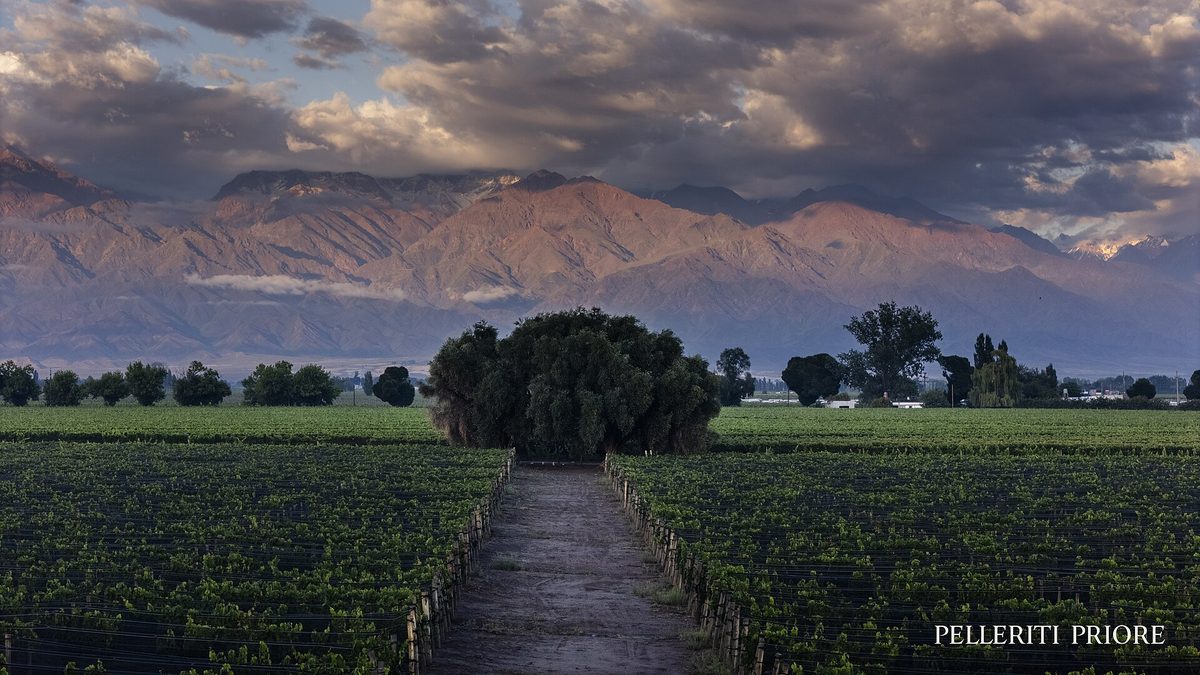
Here’s the honest answer to the question every first-timer asks: the vineyards are far away, but the wine isn’t. Argentina is the world’s fifth-largest wine producer, and Buenos Aires acts as the country’s tasting room. Bottles that are hard to find abroad — tiny-production Malbecs, old-vine field blends, experimental Cabernet Franc — turn up here at prices that feel almost unfair once you convert from pesos.
The practical case is simple. A serious trip to Mendoza eats two or three days; a great tasting in the city eats two hours. If wine country is calling, that’s a separate adventure — see our day trips from Buenos Aires guide for how to reach the vineyards. But if you’re short on time, the capital delivers ninety per cent of the experience with none of the logistics.
A quick shortlist: where to taste in the city
| Spot | Barrio | Best for | Rough price |
|---|---|---|---|
| La Malbequería | Palermo | Malbec deep-dive (450+ labels) | $$ |
| Pain et Vin | Palermo Soho | Small-producer tasting + bread | ~USD 50 |
| Aldo’s Vinoteca | San Telmo | Wine-shop-meets-restaurant | $$–$$$ |
| 1853 The Wine Experience | San Telmo | Guided flights near the market | $$ |
| Sommelier-led group tour | Palermo | First-timers, learning the grapes | USD 35–55 |
Prices swing with the peso, so treat these as ballpark and check current rates when you book. For broader budgeting, our Buenos Aires travel cost breakdown puts wine in context.
Malbec and wine tasting Buenos Aires loves: start with the king
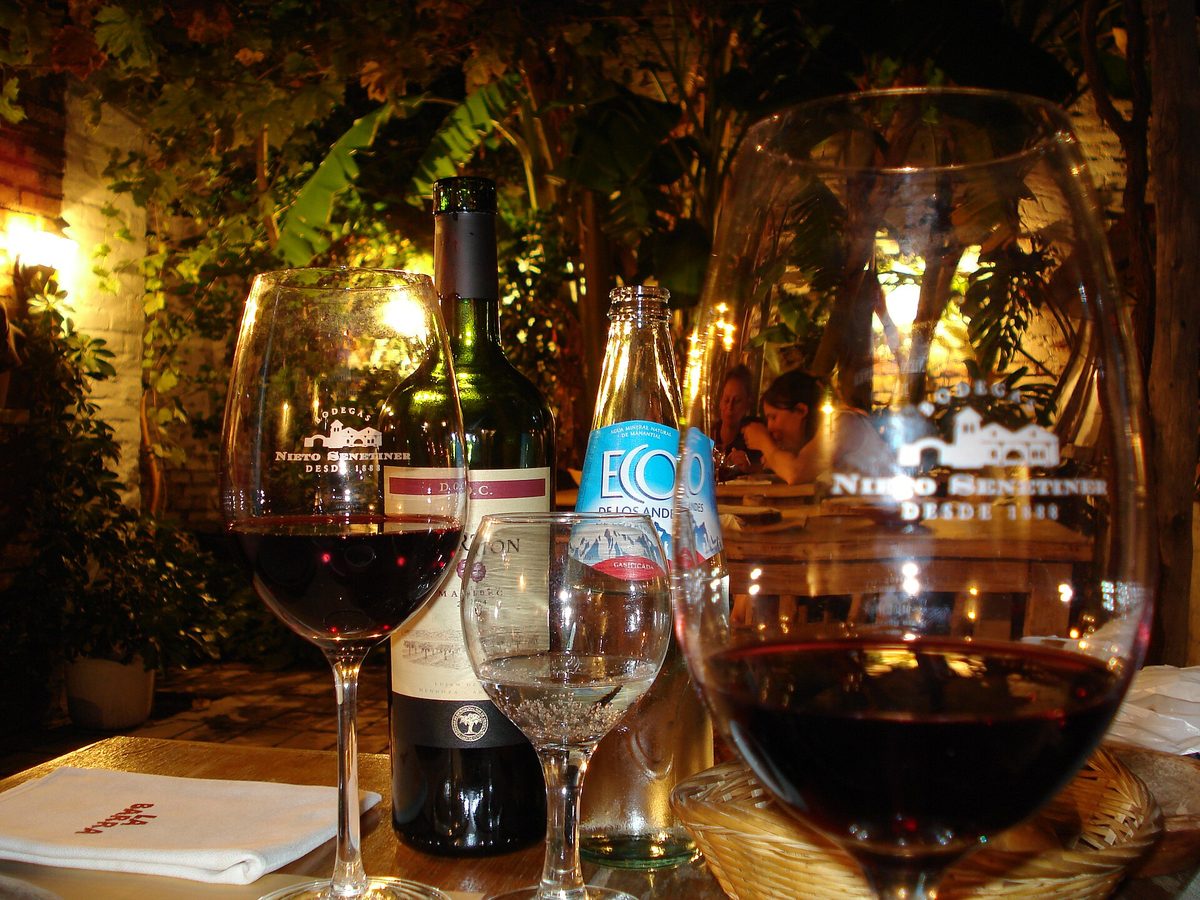
If you taste one thing here, taste Malbec. It’s the grape that put Argentina on the map — plush, dark-fruited, faintly violet, and at altitude it gains a freshness that lifts it well above the jammy reputation it once had abroad. A proper Malbec tasting in Buenos Aires usually walks you from a young, juicy Lujan de Cuyo bottling up to a structured, oak-aged Uco Valley wine, and the difference is genuinely eye-opening.
My favourite place to obsess over the grape is La Malbequería in Palermo, a bar built entirely around Malbec with well over 400 labels — reds, rosés, sparkling, and that strange, lovely white Malbec that converts skeptics. Order a flight of three regions and you’ll taste how the same grape changes from Mendoza to the high desert of Salta. Pair it with a picada of cured meats and you’ve basically replicated a vineyard lunch in the middle of the city.
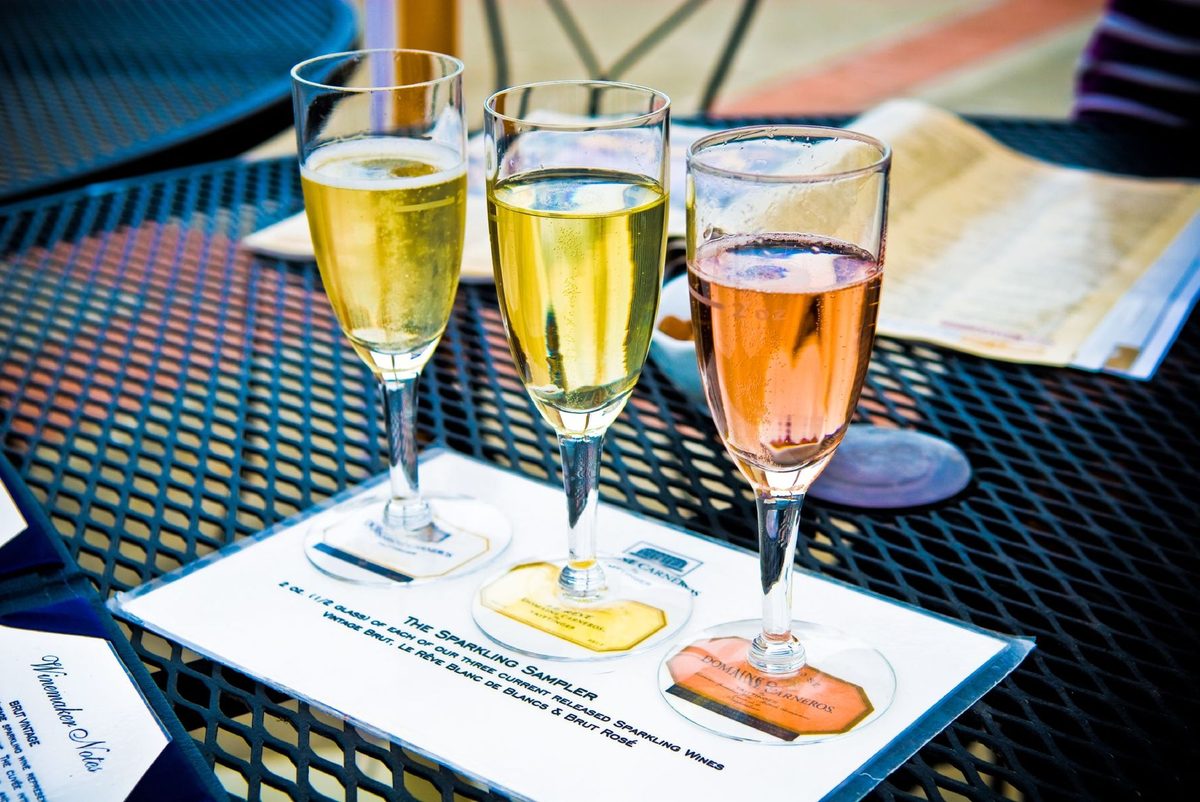
For something more guided, the small-group sommelier tastings in Palermo are the gentlest on-ramp. A typical session pours four or five wines — almost always a Torrontés, a couple of Malbecs and something offbeat — with a sommelier explaining altitude, oak and terroir in plain language between sips. Groups cap at around a dozen people, so you can actually ask questions.
Beyond Malbec: the grapes worth seeking out
The mistake I made on my first visit was drinking only Malbec. Argentina’s range is far wider, and a good tasting room will nudge you sideways into grapes you’ve never tried. Here’s what I now order on purpose.
Torrontés — the white you didn’t expect
Torrontés is Argentina’s signature white: floral and perfumed on the nose — think peach, jasmine and apricot — but crisp and dry on the palate, which catches everyone off guard. The best examples come from Cafayate up in Salta. It’s the perfect aperitif and a brilliant foil for empanadas; chase that pairing further in our guide to the best empanadas in Buenos Aires.
Bonarda — the quiet number two
Bonarda is the second most-planted red in the country and shamefully underrated. It pours an intense purple, with round tannins and dark, fruity warmth that makes it dangerously easy to drink. Sommeliers love slipping it into a tasting because nobody expects to like it as much as they do.
Cabernet Franc and the new wave
Once a blending afterthought, Argentine Cabernet Franc has come into its own — herbal, structured and increasingly the darling of serious drinkers. You’ll also run into Pinot Noir from Patagonia and old-vine field blends from forgotten vineyards. Ask the sommelier what’s exciting them this month; the answer is rarely Malbec.
Where to go, barrio by barrio
The city’s wine culture clusters in a few neighbourhoods, and which one you pick sets the whole mood of the evening.
Palermo — the engine room
Palermo Soho and Palermo Hollywood are the beating heart of the scene, packed with the trendiest wine bars and most of the guided tastings. Beyond La Malbequería, I love Pain et Vin, a tiny bakery-and-wine spot where the tastings come with house-baked bread, and the focus is squarely on small producers. The whole barrio is walkable, street-art-lined and easy to combine with dinner — our best restaurants in Palermo guide pairs perfectly with a tasting here, and the wider Palermo neighbourhood guide maps out the rest.
San Telmo — old-world and atmospheric
San Telmo trades trendiness for cobblestoned romance. Aldo’s Vinoteca is the classic call — part wine shop, part restaurant, with hundreds of labels you can buy at retail price and drink on the spot for a small corkage. Around the corner, 1853 The Wine Experience runs approachable guided flights a stone’s throw from the San Telmo market, which makes for an easy afternoon of grazing and sipping.
Recoleta and the rest
Recoleta leans refined — think moody, high-ceilinged rooms like Danzón pairing Argentine bottles with cocktails and a polished kitchen. Wherever you land, a tasting slots neatly into an evening that rolls on into the city’s bars; see our Buenos Aires nightlife guide for where the night goes next.
How to taste like you mean it (without the snobbery)
You don’t need a sommelier diploma to get the most from a tasting — a few small habits go a long way.
Go in the early evening. Many wine bars run a generous happy hour roughly 5–8pm, sometimes two-for-one, which is the cheapest way to sample widely. Eat as you drink: Argentine wine is built for food, so order a picada of cheese and cured meats rather than tasting on an empty stomach. And do the obvious things — look, swirl, smell, then sip — not to perform, but because the aromas really are half the wine, especially with Torrontés.
A few logistics. Tastings often run Tuesday to Saturday and book out, so reserve a day or two ahead. Tipping around ten per cent is normal and appreciated. And because the peso moves fast, the USD price you saw last month may not hold — confirm when you book, and carry some cash. For more on money and rhythm of the city, our Buenos Aires travel tips are worth a skim before you go.
If you’d rather have the whole evening organised for you, a culinary tour is the move — many fold wine into a wider crawl of food. See our Buenos Aires food tour guide, and if a parrilla is on the agenda, a big Malbec is the only correct pour alongside our pick of the best steak in Buenos Aires.
Frequently asked questions
How much does a wine tasting in Buenos Aires cost?
Most sommelier-led city tastings run roughly USD 35 to USD 55 per person, typically including four or five wines and a small picada of cheese and cured meats. Longer or private experiences can climb toward USD 100 and up. Because the peso shifts constantly, always confirm the current price when you book rather than trusting an older quote.
Do I need to go to Mendoza to taste good Argentine wine?
Not at all. Mendoza and Salta grow the grapes, but Buenos Aires is the country’s tasting room, with wine bars stocking bottles that are hard to find even at the wineries. The city delivers most of the experience in two hours instead of two days. If you do want vineyards, treat it as a separate trip rather than a day outing.
Which neighbourhood is best for wine bars?
Palermo — especially Soho and Hollywood — is the hub, with the most bars and nearly all the guided tastings. San Telmo offers more atmospheric, classic spots like Aldo’s, and Recoleta leans refined. If it’s your first tasting, start in Palermo, where it’s easy to combine wine with dinner and a walk.
What Argentine wines should I try besides Malbec?
Start with Torrontés, the floral-but-dry white from Salta, then try Bonarda, an underrated juicy red. Adventurous drinkers should ask for Cabernet Franc or a Patagonian Pinot Noir. A good sommelier will steer you toward whatever small-producer bottle is exciting them that week — lean into it.
Can I do a wine tasting without speaking Spanish?
Yes. Most group tastings and tours in Palermo run in English or have bilingual sommeliers, and the staff at wine-focused bars are used to international visitors. Booking an English-language small-group session is the safest bet if you want the full explanation of grapes and regions.
Final thoughts
Wine tasting in Buenos Aires is the rare travel experience that’s both effortless and memorable — a couple of unhurried hours, a generous sommelier, and a parade of bottles you’ll struggle to find back home. Skip the snobbery, order the picada, say yes to the grape you’ve never heard of, and let Malbec do the rest. For the bigger food picture around it, our guide to the best restaurants in Buenos Aires will keep the good meals coming long after the last glass.
Photo credits
- Glass of Malbec — Photo: Ricardo Martins / CC BY 2.0 via Wikimedia Commons.
- Mendoza vineyard and the Andes — Photo: PP2025 / CC0 via Wikimedia Commons.
- Wine tasting flight — Photo: John / CC BY-SA 2.0 via Wikimedia Commons.
- Pouring a glass of red — Photo: Missvain / CC BY 4.0 via Wikimedia Commons.