Last updated: June 2026 · Written by the Buenos Aires Tourism editorial team
On my first trip to Buenos Aires I did what every guidebook said: I stuffed a sock with US$100 bills and changed them on Calle Florida with a guy whispering “cambio, cambio.” It felt like a spy film. By 2026 standards it was also completely unnecessary — the rules changed, and most of the internet hasn’t caught up.
So here is the honest, up-to-date answer on cash or card argentina tourist questions: pay by card for almost everything — hotels, restaurants, shops, museums — because foreign Visa and Mastercard now get the favourable “tourist” (MEP) exchange rate automatically, which is roughly as good as the famous blue-dollar cash rate. Keep some cash (ideally pesos, plus a little USD) only for taxis, markets, tips and tiny vendors. The old “bring a brick of dollars, never use cards” advice is out of date.

What changed: why “cash only” is outdated advice in 2026
For years, Argentina ran two parallel realities: the punishing official exchange rate the banks and your credit card used, and the dólar blue — the street cash rate — which could be 50–80% better. So tourists were rightly told to bring physical US dollars, change them via Western Union or the black market, and never touch a card, because paying by card meant losing nearly half your money.
Two things broke that logic. First, in late 2023 Argentina began billing foreign Visa and Mastercard at the tourist-friendly MEP rate (dólar MEP, a legal financial-market rate) instead of the official one — roughly doubling cards’ value for visitors. Second, in April 2025 the Milei government lifted most currency controls (the cepo) and moved to a managed float, backed by a large IMF deal. With the controls gone, the gap between the official, MEP and blue rates collapsed.
As of mid-2026 those three rates sit within roughly 2–3% of each other — all in the rough neighbourhood of 1,400–1,500 pesos to the US dollar, a number that climbs with inflation, so check a live source like dolarhoy.com or Google before you rely on it. The upshot: the arbitrage era is over. Your card and a stack of cash now buy almost the same number of pesos. For how this feeds into your trip budget, see our guide to the overall cost of a Buenos Aires trip.
Cash or Card Argentina Tourist: The At-a-Glance Cheat Sheet
If you skim one thing, skim this — where each method wins in 2026.
| Situation | Best choice | Why |
|---|---|---|
| Hotels & registered lodging | Foreign card | Gets the MEP rate and the automatic 21% VAT (IVA) refund — cash loses that discount |
| Restaurants, bars, cafes (sit-down) | Card | Widely accepted, MEP rate, no need to carry much cash |
| Shops, malls, supermarkets, museums | Card | Accepted everywhere, safe, good rate |
| Taxis | Cash (or app) | Many street taxis are cash-only; apps like Uber/Cabify/BA Taxi take cards |
| Ferias, street markets, San Telmo stalls | Cash | Small vendors often take cash or QR only |
| Tips (propina) | Cash | Card tipping is inconsistent; cash is appreciated and reliable |
| Tiny kiosks, empanada windows, small cafes | Cash | Card minimums or cash-only are common for small amounts |
When card wins (which is most of the time)
For the bulk of a normal city trip, the foreign card is now the smart default. Here’s why I reach for it first.
You get the good rate automatically
When you pay with a foreign-issued Visa or Mastercard and you let the charge go through in pesos, your card network converts at the MEP rate. You don’t sign up for anything, you don’t ask for a special rate — it just happens. In 2026 that MEP rate is essentially the same as the blue-dollar cash rate, so you’re no longer leaving money on the table by tapping a card. A foreign credit card in Argentina is, at last, a first-class way to pay.
The 21% VAT refund on hotels
This one matters and almost nobody mentions it. Foreign tourists get a refund of Argentina’s 21% IVA (VAT) on registered accommodation — hotels, apart-hotels, hostels, B&Bs — but only when you pay with a foreign-issued card or international transfer. It’s automatic at billing, no paperwork. Pay your hotel in cash and you forfeit it: on a US$1,000 bill, that’s roughly US$170 thrown away. Card wins, decisively, for lodging.
Safety and convenience
Carrying a fat envelope of dollars or pesos is a stress you don’t need. Cards mean less cash on you, fewer trips to dodgy cuevas (informal exchange houses), and no panic if your wallet walks off. They also dodge the change problem — Argentine vendors are perpetually short of small bills, and a 20,000-peso note can be hard to break for a coffee.
Visa vs Mastercard: a minor footnote now
You may read that Visa applies the MEP rate at purchase, while Mastercard charges the official rate first and refunds the difference a few days later. That was a meaningful gap in 2023; in 2026, with the rates converged, it’s a rounding error, not a strategy. Bring whichever card you have. American Express gets a decent rate too but is accepted in far fewer places, so treat it as a backup.
When cash is still essential
Cards have won the big-ticket battle, but Argentina remains a deeply cash-loving economy. There are everyday moments where plastic won’t help you, and turning up with zero pesos will leave you stuck.
Taxis
Plenty of Buenos Aires street taxis still take cash only. A growing share have a MercadoPago or card reader (look for the window sticker, or ask “¿tarjeta?” before you get in), and ride-hail apps like Uber, Cabify and BA Taxi let you pay in-app. But if you flag a cab on the street, assume you’ll need pesos. Our getting around Buenos Aires guide breaks down taxis, buses and the SUBE card.
Ferias, markets and small vendors
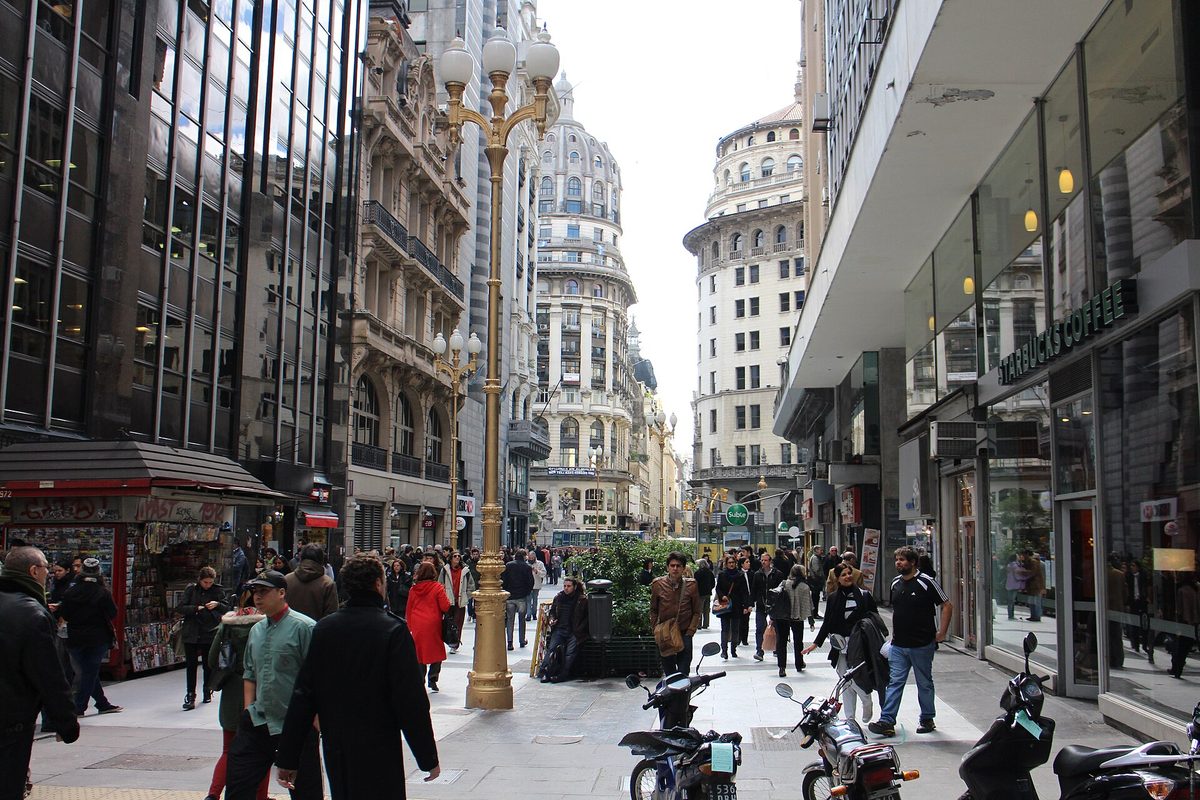
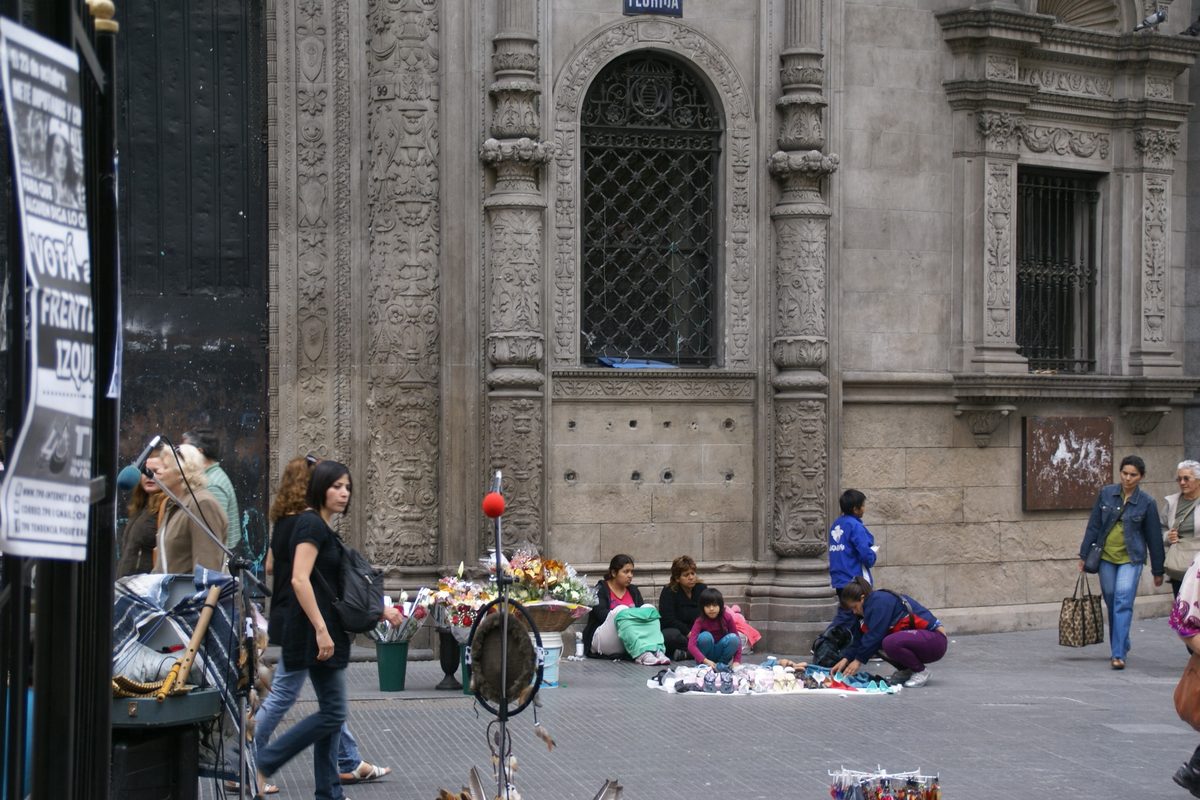
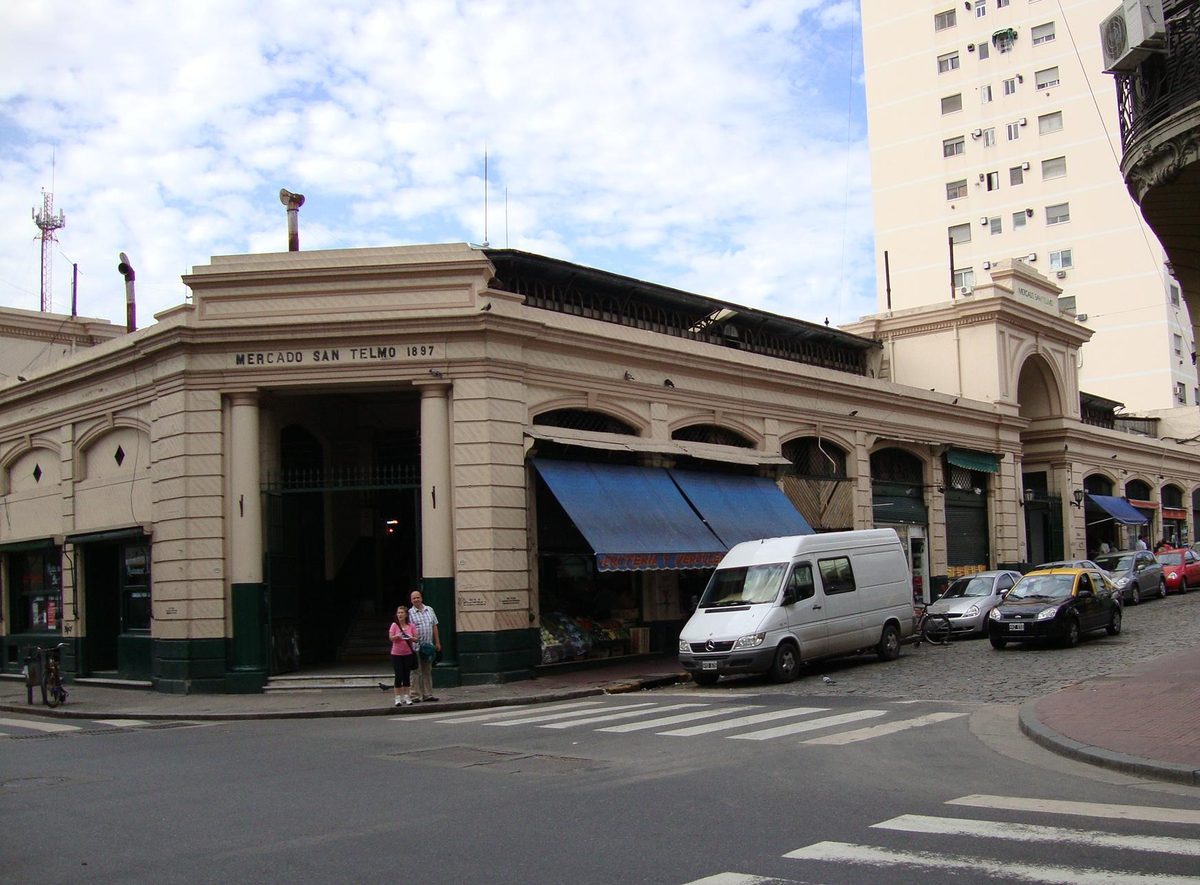
The Sunday San Telmo antiques fair, the artisan stalls in Recoleta, a leather belt in Palermo, a choripán from a street cart — these are cash (or increasingly QR) territory. Small independent vendors often can’t or won’t take a foreign card, and even with a reader, a card minimum is common. This is the Buenos Aires where cash still rules.
Tips (la propina)
Tipping restaurants, tour guides and hotel porters is customary — usually around 10% in a sit-down restaurant. Card terminals here often have no tip line, and even when they do, staff much prefer cash in hand, which they actually receive. Keep small peso notes for tipping. Our guide to tipping in Buenos Aires covers exactly how much, and when.
Tiny purchases and the corner kiosko
A bottle of water, a SUBE top-up, an alfajor from a kiosko, a quick cortado at a neighbourhood bar — for amounts under a few thousand pesos, cash is faster and sometimes the only option. You don’t need much, but you do need some.
The dynamic currency conversion trap — always pay in pesos
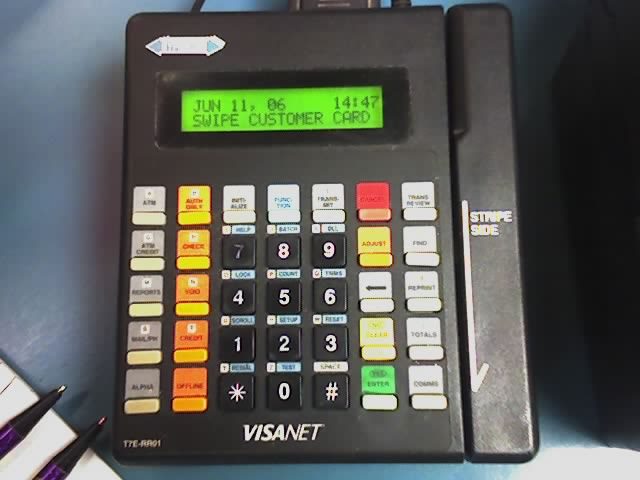
This is the single most important rule on this page, and it’s where careless tourists quietly lose money even in 2026. When you pay by card, the terminal (or an ATM, or an online checkout) may offer to charge you “in your home currency” — dollars, euros, pounds — instead of pesos. This is dynamic currency conversion (DCC), and it is almost always a bad deal.
Accept DCC and the merchant’s bank picks the exchange rate and bakes in a markup of 3–8%. Worse, you lose the favourable MEP rate entirely, because the conversion no longer runs through your own card network — it happens at the terminal, at a rate someone else chose to profit from. So the rule is simple and absolute:
- Always choose to be charged in Argentine pesos (ARS).
- If a screen asks “pay in USD or ARS?”, pick ARS every time.
- If a waiter or cashier asks whether you want it “in dollars,” say pesos.
- This applies at restaurants, shops, hotels and especially ATMs.
Pay in pesos and your card converts at the good rate; pay in your home currency and you’ve handed a stranger a tip you didn’t mean to leave. To trim fees further, use a card with no foreign-transaction fee — issuers like Charles Schwab, Capital One and many fintech accounts charge 0%, versus the typical 1–3%.
How much cash should you actually carry?
Less than you think. With cards covering hotels, restaurants and shopping, cash is just a top-up for the small stuff. A reasonable approach for a one or two-week city trip:
- Day-to-day pesos: carry roughly US$30–50 worth for taxis, tips, kiosks and markets, and refill as needed.
- A USD reserve: bring a few hundred dollars in clean $100 bills as a backstop — for emergencies, or to change for pesos if you’d rather not use an ATM.
- Getting pesos: three main routes — an ATM (convenient but capped and fee-heavy), a casa de cambio or Western Union (often the best cash rate), or changing dollars informally.
Before committing a wad of dollars, compare your cash options. Our guides to the blue dollar in Buenos Aires and Western Union exchange rates in Argentina cover which gives you the most pesos legally. If you’ll lean on ATMs, read up first on Argentina ATM fees for tourists — the per-withdrawal charges are steep and limits low, which is exactly why cards-plus-a-little-cash beats living off ATMs. For the bigger pesos-versus-dollars question, see our Argentina currency guide for tourists.
My recommendation
Here’s how I travel in Buenos Aires now, and what I’d tell a friend flying in:
- Use your foreign card as the default — hotels (for the VAT refund), restaurants, shops, museums, supermarkets, anything with a terminal.
- Always pay in pesos, never your home currency. Refuse DCC every time.
- Carry modest cash — pesos for taxis, tips, ferias and small vendors, plus a USD reserve.
- Stop obsessing over the blue dollar. The rates have converged, so optimise for convenience and safety, not arbitrage.
It’s a genuinely less paranoid way to handle money than the old sock-full-of-dollars routine, and you’ll lose almost nothing to fees. For sample daily numbers, line this up with our Buenos Aires travel cost breakdown and the pointers in our Buenos Aires travel tips. On a tight budget? The Buenos Aires budget itinerary shows where cash-heavy choices (ferias, street food) stretch your pesos.
Frequently asked questions
Is it better to use cash or card in Argentina as a tourist in 2026?
For most spending, card is better or equal. Since late 2023 foreign Visa and Mastercard have been billed at the favourable MEP rate, and after the April 2025 lifting of currency controls the card, official and blue-dollar rates converged to within a few percent. So pay by card for hotels, restaurants and shops, and keep cash only for taxis, markets, tips and tiny vendors.
Do I still need to bring US dollars in cash to Argentina?
Far less than you used to. You no longer need a brick of dollars to get a decent rate, because cards now match the cash rate. It’s still smart to bring a few hundred US dollars in clean $100 bills as an emergency reserve and to change for pesos if you prefer a good cash rate, but most of your spending can go on a card.
Why should I always choose to pay in pesos and not my home currency?
Because being charged in your home currency triggers dynamic currency conversion (DCC), where the terminal applies its own marked-up rate — often 3–8% worse — and you lose the favourable MEP rate your card would otherwise give you. Always select Argentine pesos (ARS) at terminals, ATMs and online checkouts to keep the better rate.
Will I get the blue dollar rate if I pay by credit card?
Effectively, yes, in 2026. Foreign cards are billed at the MEP rate, a legal financial-market rate that now sits within roughly 2–3% of the blue-dollar cash rate. They’re no longer the wildly different numbers they were in 2022–2023, so paying by card gets you close to the street cash rate — without the risk of carrying it.
Can I pay for taxis and small purchases by card in Buenos Aires?
Sometimes, but don’t count on it. Many street taxis are cash-only, though a growing number take cards or MercadoPago QR, and ride-hail apps (Uber, Cabify, BA Taxi) let you pay in-app. Small kiosks, street stalls and ferias frequently take only cash or QR. Carry enough pesos for these everyday moments even if cards cover everything else.
Final thoughts
Buenos Aires used to reward the traveller who treated money like a heist. In 2026 it rewards the one who keeps it simple: tap your card for the big stuff, claim that 21% hotel VAT refund, carry sensible cash for taxis and ferias, and refuse dynamic currency conversion without exception. The rate gap that made the old advice essential has closed, so you can stop worrying and start enjoying the steak, the wine and the late-night tango instead. Confirm the live rate before you travel, pack a little less paranoia, and you’ll handle this city’s money like you’ve done it for years.
Photo credits
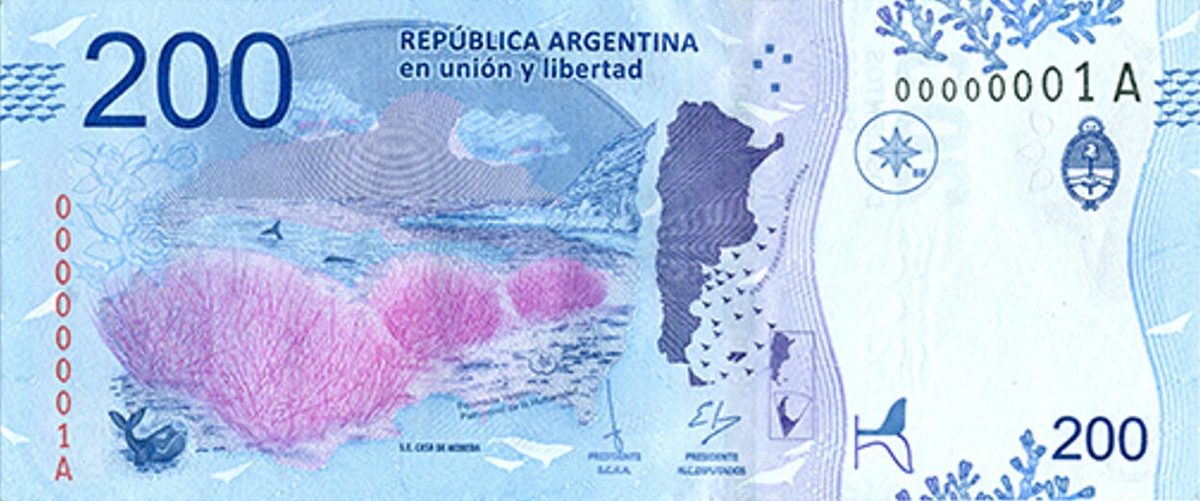
- Argentine 200-peso banknote — Casa de Moneda / CC BY-SA 2.0, via Wikimedia Commons.
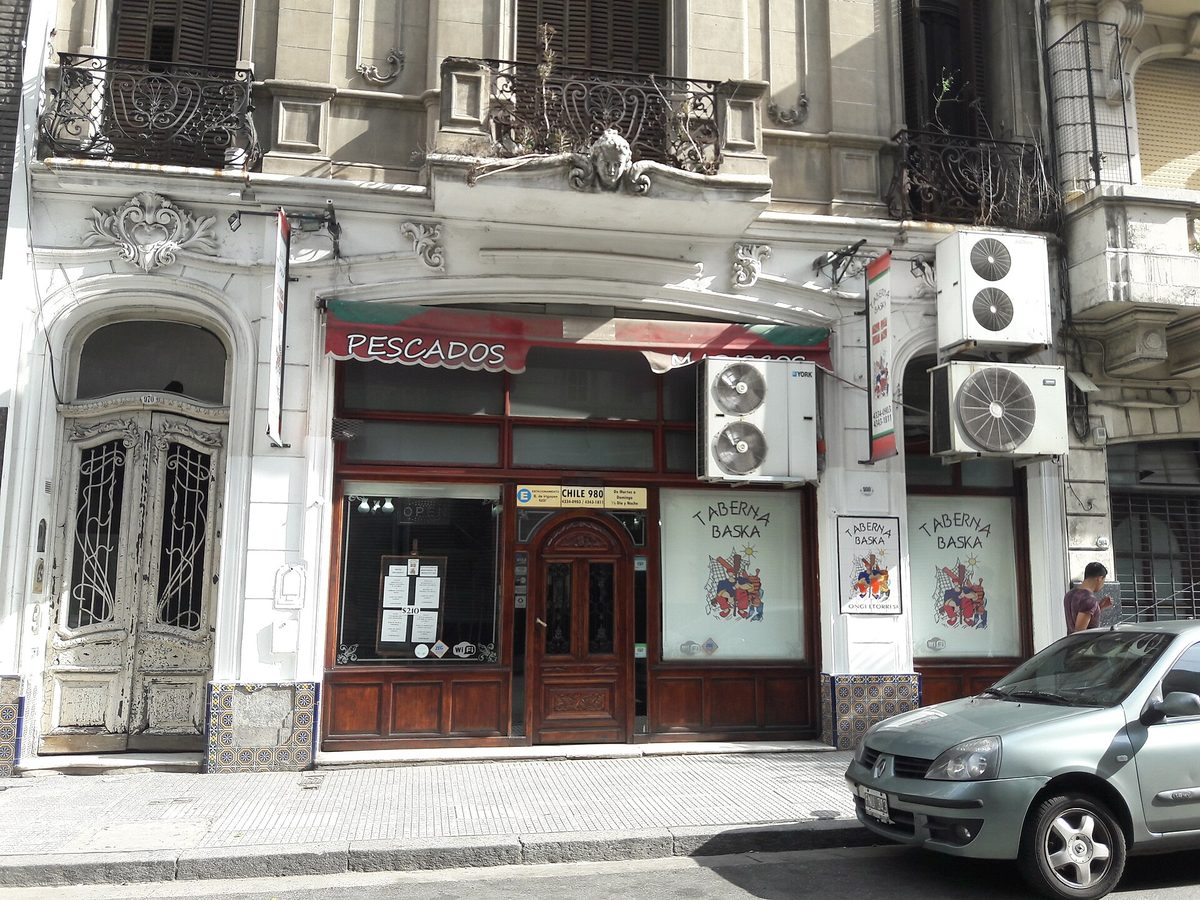
- Restaurant facade, Buenos Aires — Gastón Cuello / CC BY-SA 4.0, via Wikimedia Commons.
- Mercado de San Telmo, Buenos Aires — Elsapucai (CC0 / public domain), via Wikimedia Commons.
- Café Tortoni facade, Buenos Aires — Unknown author / CC BY-SA 2.5, via Wikimedia Commons.
- Card payment terminal — Izcool at English Wikipedia (CC0 / public domain), via Wikimedia Commons.