Last updated: June 2026 · Written by the Buenos Aires Tourism editorial team
The barista replied in something that sounded half-Italian, half-Spanish — and that “sh” sound for “ll” threw me completely. Buenos Aires has its own flavour of the language, and knowing the right spanish phrases for buenos aires will get you further than any generic phrasebook. This guide covers what makes porteño Spanish distinctive, then gives you ready-to-use phrase tables for greetings, transport, restaurants, shopping, emergencies, and local slang — everything you need as a visitor in 2026.
See also our Buenos Aires travel tips & safety guide and our etiquette guide for Buenos Aires tourists to pair language with cultural know-how.
Why Buenos Aires Spanish Is Different
Rioplatense Spanish diverges from school Spanish and Castilian in three ways. Knowing them stops you sounding puzzled when porteños speak — and earns instant warmth when you use the local forms yourself.
1. Voseo: “Vos” Instead of “Tú”
In Argentina, vos replaces tú as the second-person pronoun. This system — called voseo — also changes verb endings. The rule: drop the infinitive “r”, add “s”, accent the final vowel.
| Standard Spanish (tú) | Buenos Aires (vos) | English |
|---|---|---|
| tú tienes | vos tenés | you have |
| tú quieres | vos querés | you want |
| tú hablas | vos hablás | you speak |
| tú haces | vos hacés | you do/make |
| tú vienes | vos venís | you come |
| tú eres | vos sos | you are |
Slip into tú and porteños will understand fine — they will just answer in vos. But use “vos sabés” and you will get a grin.
2. Sheísmo: The “Sh” Sound for “ll” and “y”
In Buenos Aires, both ll and y are pronounced like the English “sh” in “shower” — a feature called sheísmo. So lluvia (rain) sounds like “SHOO-vyah”, pollo (chicken) becomes “POH-sho”, and yo (I) is “sho”. Once your ear catches it, everything clicks.
3. Italian-Influenced Intonation
Between 1880 and 1930, millions of Italian immigrants — mainly Neapolitans and Genoese — settled in Buenos Aires. The result is a distinctive lilting, musical cadence that sounds more like Naples than Madrid. Lean into it; don’t fight it.
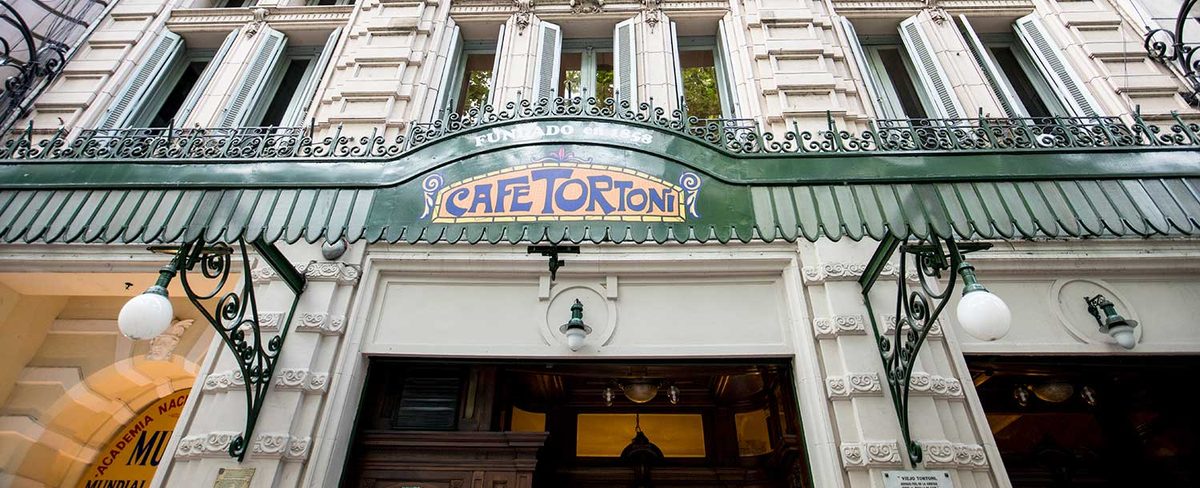
Essential Spanish Phrases for Buenos Aires: Greetings & Courtesy
Porteños are warm but with strangers a simple buenos días goes a long way. These are the phrases you will use every day.
| Phrase | Pronunciation hint | English meaning |
|---|---|---|
| Buenos días | BWE-nos DEE-as | Good morning |
| Buenas tardes | BWE-nas TAR-des | Good afternoon/evening |
| Buenas noches | BWE-nas NO-ches | Good night |
| ¿Cómo estás? | KO-mo es-TAS | How are you? (informal) |
| ¿Y vos? | ee VOS | And you? (BA form) |
| Bien, gracias | BYEN GRA-syas | Fine, thanks |
| Por favor | por fa-BOR | Please |
| Gracias | GRA-syas | Thank you |
| De nada | de NA-da | You’re welcome |
| Disculpá | dis-kool-PA | Excuse me (polite) |
| Perdón | per-DON | Sorry / Pardon me |
| Mucho gusto | MOO-cho GOOS-to | Nice to meet you |
| ¿Hablás inglés? | ah-BLAS een-GLES | Do you speak English? (BA form) |
| No entiendo | no en-TYEN-do | I don’t understand |
Getting Around Buenos Aires: Transport Phrases
Buenos Aires has an excellent public transport network — the Subte (metro), colectivos (buses), and taxis — and knowing how to ask for directions or buy a ticket in local Spanish will make you feel far more confident. Our full getting around Buenos Aires guide covers routes and apps in detail.
| Phrase | English meaning |
|---|---|
| ¿Dónde está la estación de Subte? | Where is the Subte station? |
| ¿Cómo llego a [place]? | How do I get to [place]? |
| Una SUBE, por favor | A SUBE card, please |
| ¿Esta colectivo va a [barrio]? | Does this bus go to [neighbourhood]? |
| ¿Cuál es la próxima parada? | What is the next stop? |
| ¿Podés llamar un taxi / remís? | Can you call a taxi / private car? |
| Llévame a esta dirección, por favor | Take me to this address, please |
| Quiero ir a [Palermo / San Telmo / Recoleta] | I want to go to [neighbourhood] |
| Pare acá, por favor | Stop here, please |
Tip: Uber operates in Buenos Aires as of mid-2026; locals also use InDriver and Cabify. In a regular taxi, always agree on the meter (taxímetro) before setting off.
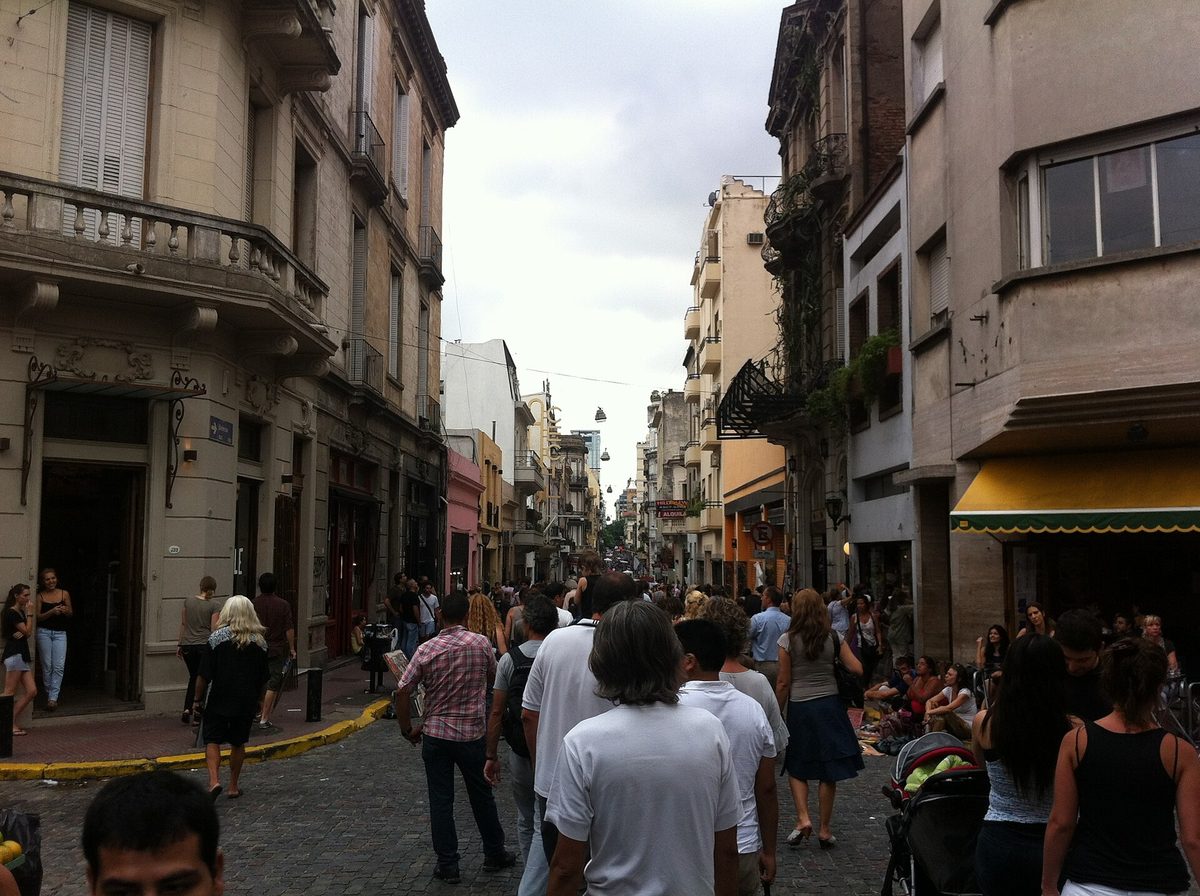
Restaurant, Café & Ordering Phrases
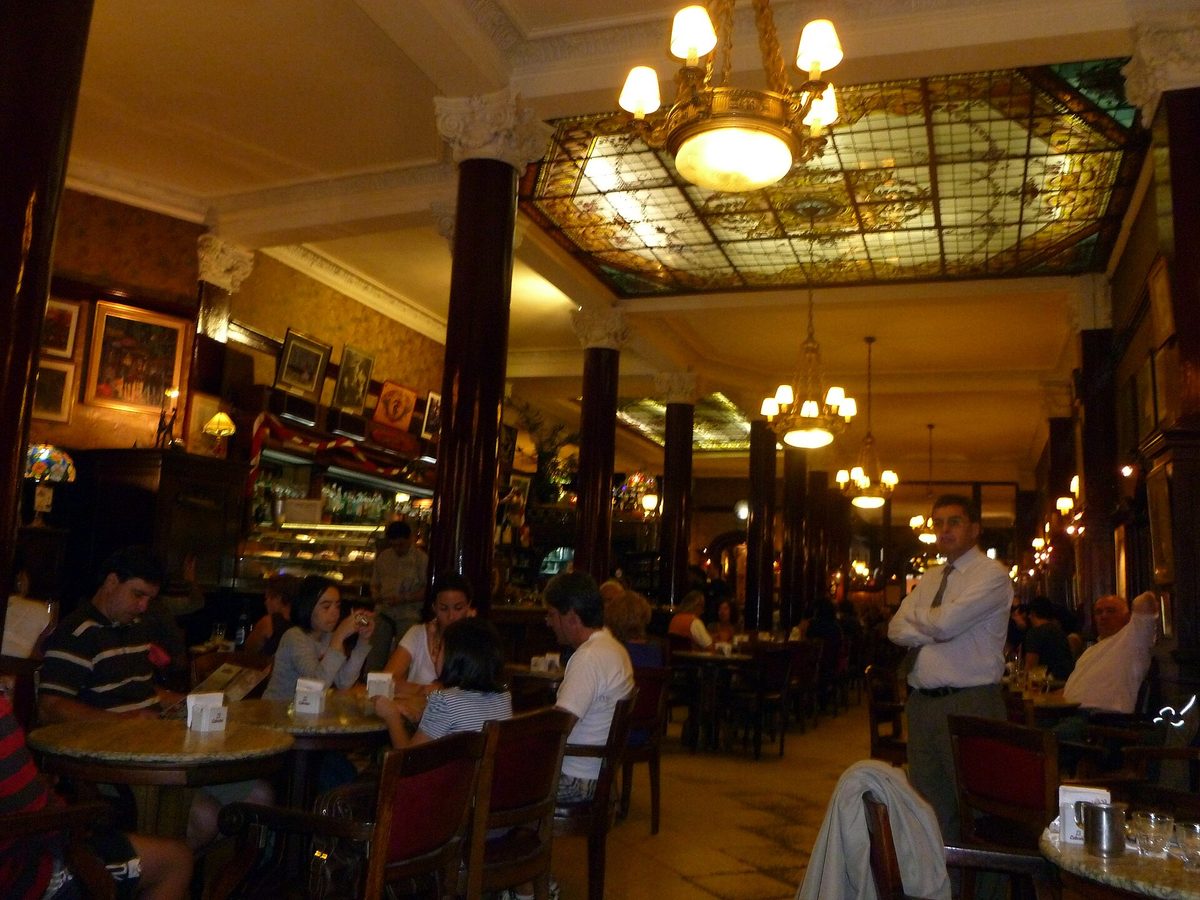
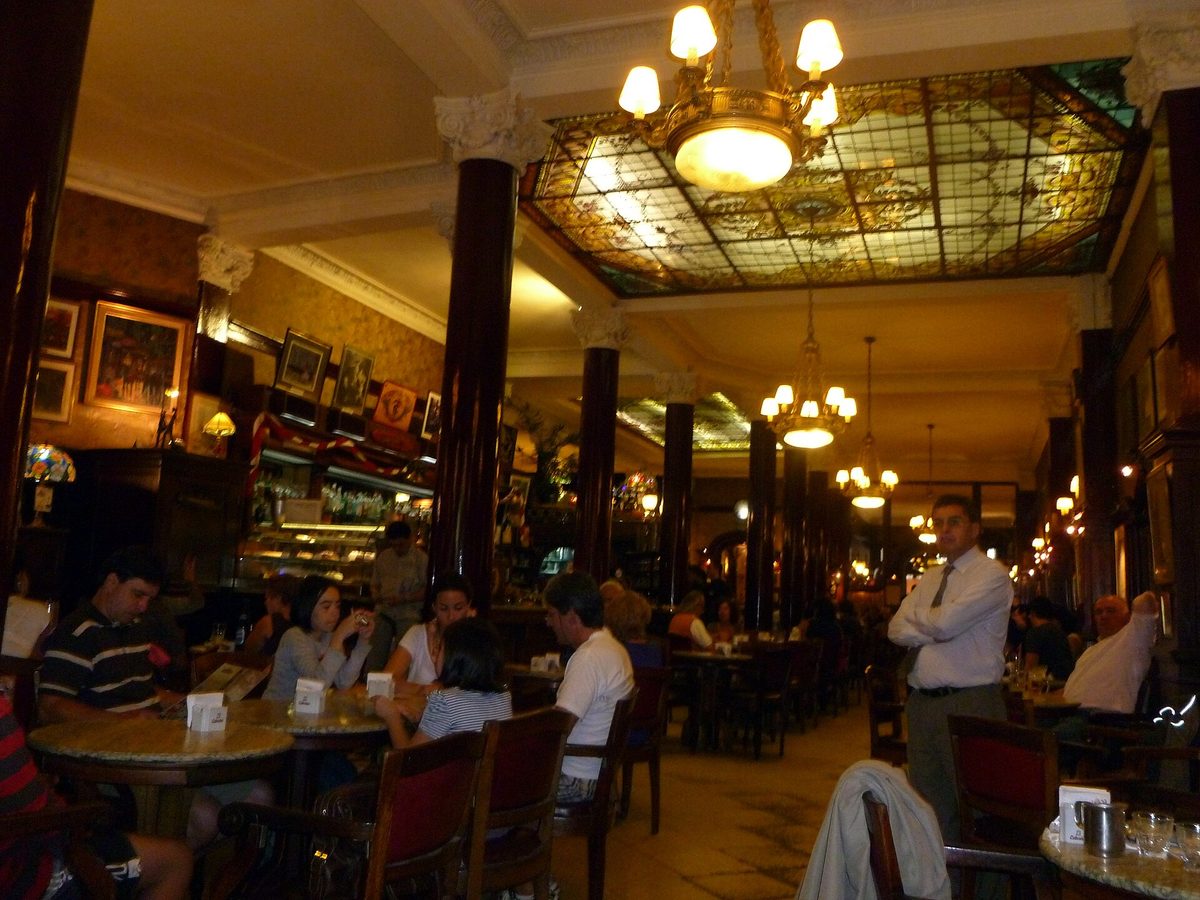
The café culture in Buenos Aires is a serious institution. A cortado (espresso cut with a splash of milk), a medialunas (croissant-style pastries) and an hour reading the paper is a daily ritual for many porteños. Nail these phrases and you will fit right in. For restaurant recommendations, see our Buenos Aires restaurants guide.
| Phrase | English meaning |
|---|---|
| Una mesa para dos, por favor | A table for two, please |
| ¿Tenés la carta / el menú? | Do you have the menu? (BA form) |
| ¿Qué me recomendás? | What do you recommend? (BA form) |
| Quiero pedir… | I would like to order… |
| Un cortado / Un café con leche, por favor | An espresso with a splash of milk / A white coffee, please |
| ¿Tiene opciones vegetarianas? | Do you have vegetarian options? |
| Sin gluten, por favor | Gluten-free, please |
| ¿Me traés la cuenta? | Can you bring me the bill? (BA form) |
| ¿Está incluido el cubierto? | Is the cover charge included? |
| ¿Me podés traer agua? | Can you bring me water? (BA form) |
| Estuvo muy rico | It was delicious |
Local note: A cubierto (cover charge for bread and cutlery) is standard — it is legal, not a scam. Cards are widely accepted since the April 2025 currency reform; the “cash-only” advice in older guides is outdated.
Shopping & Money Phrases
Whether you are browsing boutiques in Palermo or antiques at San Telmo fair, these phrases will get you through transactions smoothly. Argentina’s Buenos Aires travel tips guide has a full section on money mechanics in 2026.
| Phrase | English meaning |
|---|---|
| ¿Cuánto cuesta esto? | How much does this cost? |
| ¿Tiene algo más barato? | Do you have something cheaper? |
| ¿Podés hacerme un descuento? | Can you give me a discount? (BA form) |
| Me lo llevo | I’ll take it |
| ¿Aceptan efectivo? | Do you accept cash? |
| ¿Dónde hay un cajero automático? | Where is an ATM? |
| Sólo estoy mirando | I’m just browsing |
| ¿Tienen talla [número]? | Do you have size [number]? |
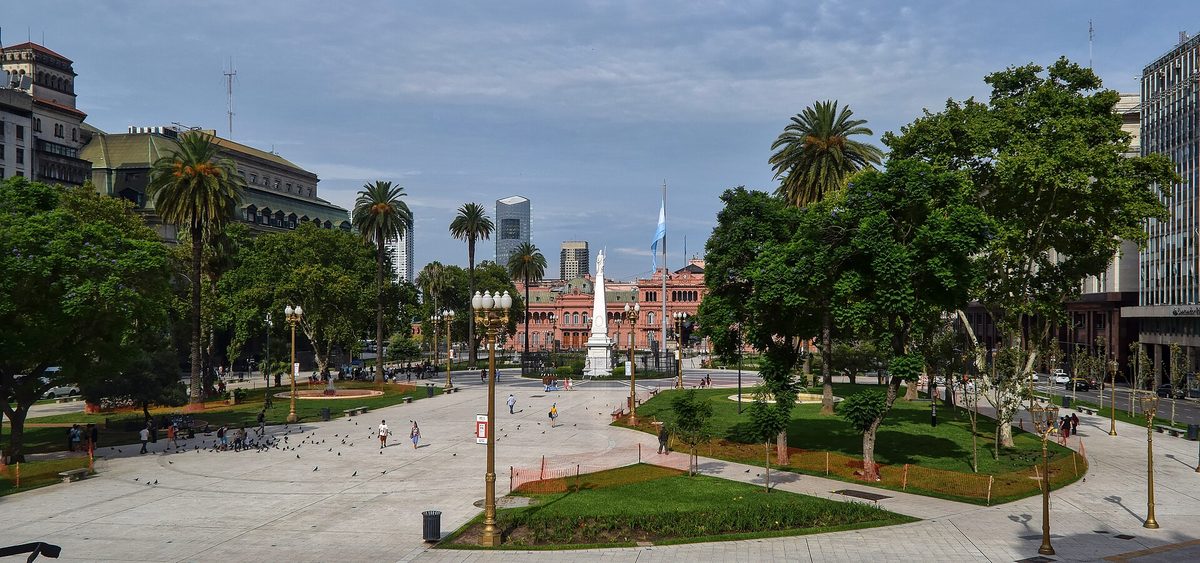
Emergency & Safety Phrases
Buenos Aires is generally safe for tourists, with petty crime — pickpocketing, phone-snatching, and distraction scams — being the main risk rather than violent crime. Our is Buenos Aires safe guide gives the honest picture. If something does go wrong, these phrases are the ones to know cold.
| Phrase | English meaning |
|---|---|
| ¡Ayuda! / ¡Socorro! | Help! |
| ¡Llamá a la policía! | Call the police! |
| ¡Llamá a una ambulancia! | Call an ambulance! |
| Me robaron | I was robbed |
| Me sacaron la mochila / el celular | They took my backpack / phone |
| Perdí mi pasaporte | I lost my passport |
| Necesito ir a un hospital | I need to go to a hospital |
| Tengo una alergia a… | I have an allergy to… |
| Necesito contactar a mi embajada | I need to contact my embassy |
Practical note: Argentina’s emergency number is 911 (police, fire, ambulance). Tourist police operate in the city centre. Check the UK FCDO, US State Department, or Smartraveller for the latest Argentina travel advisory before you go.
Fun Local Slang: Lunfardo & Porteño Expressions
Lunfardo is Buenos Aires’ street slang — a colourful blend of Italian, Spanish, and other immigrant tongues born in the city’s late-19th-century tenements. You will hear these words constantly. Use them and you will get warmth back; mind the register notes.
| Word / Expression | Literal feel | When & how to use it | Register |
|---|---|---|---|
| Che | Hey / mate | Universal attention-getter: “Che, ¿sabés dónde está el subte?” (Hey, do you know where the metro is?). Perfectly polite with anyone. | Casual, always OK |
| Dale | OK / go ahead / sure | “¿Vamos?” — “Dale.” Means yes, agreement, or “let’s do it”. One of the most-used words in BA. | Casual, always OK |
| Copado/a | Cool / awesome | “Ese restaurante está re copado” (That restaurant is really cool). A safe, friendly compliment. | Casual, always OK |
| Boludo/a | Technically a crude anatomical insult | Between close male friends it is affectionate (“che, boludo” = mate / dude). Do not use it with strangers, older people, or in any formal context — it will cause genuine offence. Hear it; don’t deploy it as a tourist. | Vulgar — friend-only |
| Quilombo | Chaos / mess / a mess of a situation | “Qué quilombo con el tráfico hoy” (What chaos with the traffic today). Used freely in conversation; mildly vulgar in origin but widely used by all ages. | Casual, acceptable |
| Laburo | Work / job | “Tengo mucho laburo” (I have a lot of work). From Italian lavoro; used constantly. | Casual, always OK |
| Re- | Super / very | Intensifier prefix: re lindo (really beautiful), re caro (really expensive). Drop it before any adjective. | Casual, always OK |
| Buena onda | Good vibes / nice person | “El guía tiene buena onda” (The guide has good vibes). High compliment; use freely. | Casual, always OK |
| Pinta | Looks / appearance | “Ese plato tiene buena pinta” (That dish looks good). Safe anywhere. | Casual, always OK |
Reminder on boludo: it is everywhere between friends, but offensive with strangers. Stick to che and dale until you genuinely know someone well.
Quick-Reference Survival Cheat Sheet
- Yes/No: Sí / No
- I don’t speak Spanish well: No hablo bien el español
- Can you help me?: ¿Me podés ayudar?
- How much?: ¿Cuánto cuesta?
- Where is…?: ¿Dónde está…?
- I want / I would like: Quiero / Me gustaría
- I don’t understand: No entiendo
- Speak more slowly, please: Más despacio, por favor
- Thank you very much: Muchas gracias
- Cheers! (toast): ¡Salud!
Before your trip, also read our Buenos Aires packing list and our page on tap water safety in Buenos Aires to round out your practical preparation.
FAQ: Spanish Phrases for Buenos Aires
Do I need to speak Spanish to visit Buenos Aires?
Not strictly — English is understood in tourist areas, hotels, and many restaurants. But venturing into local cafés, buses, and markets is far more rewarding with even basic Spanish. A handful of phrases from this guide will take you a long way.
Is Buenos Aires Spanish very different from what I learned in school?
In two key ways: vos replaces tú (with different verb endings), and “ll” and “y” make a “sh” sound. Vocabulary is otherwise mostly standard Spanish, with some lunfardo words added. Your school Spanish will be perfectly understood.
What is the most useful Argentine Spanish word to know?
Dale. It covers “OK”, “sure”, “go ahead”, and “understood” all in one. You will hear it dozens of times a day. Close runners-up: che (hey/mate) and gracias.
Will porteños be patient if my Spanish is rough?
Yes. Buenos Aires has always welcomed immigrants and visitors, and genuine effort is appreciated. If stuck, say “Disculpá, no hablo bien el español” and most people will slow down, gesture, or try English.
What is voseo in Argentine Spanish?
Voseo is using vos instead of tú as the second-person singular pronoun, with matching verb endings: “you have” is vos tenés, “you want” is vos querés. It is standard formal usage in Argentina, not slang.
Is it rude to use “boludo” in Buenos Aires?
Between close friends it is affectionate; with strangers, service staff, or in any professional setting it is vulgar and offensive. As a tourist, leave it to the locals and stick with che and dale.
Final Thoughts
Buenos Aires rewards language effort more than almost any city in South America. Porteños are proud of their distinctive Spanish — the sheísmo, the voseo, the Italian lilt — and light up when a visitor makes the effort. You do not need to master it; you just need to try. Bookmark the tables on your phone, learn che, dale, and copado, and you will have far more genuine encounters than any tour could offer.
For the bigger picture, explore our Buenos Aires travel tips & safety guide, see things to do in Buenos Aires to put your phrases to work, and read our etiquette guide to read the cultural cues alongside the language.
Photo Credits
- Calle Florida, Buenos Aires — Gobierno de la Ciudad de Buenos Aires / CC BY 2.5 ar via Wikimedia Commons
- Café Tortoni entrance — Unknown author / CC BY-SA 2.5 via Wikimedia Commons
- San Telmo market, Buenos Aires — McKay Savage / CC BY 2.0 via Wikimedia Commons
- Plaza de Mayo, Buenos Aires — Fede Racchi / CC BY-SA 2.5 via Wikimedia Commons
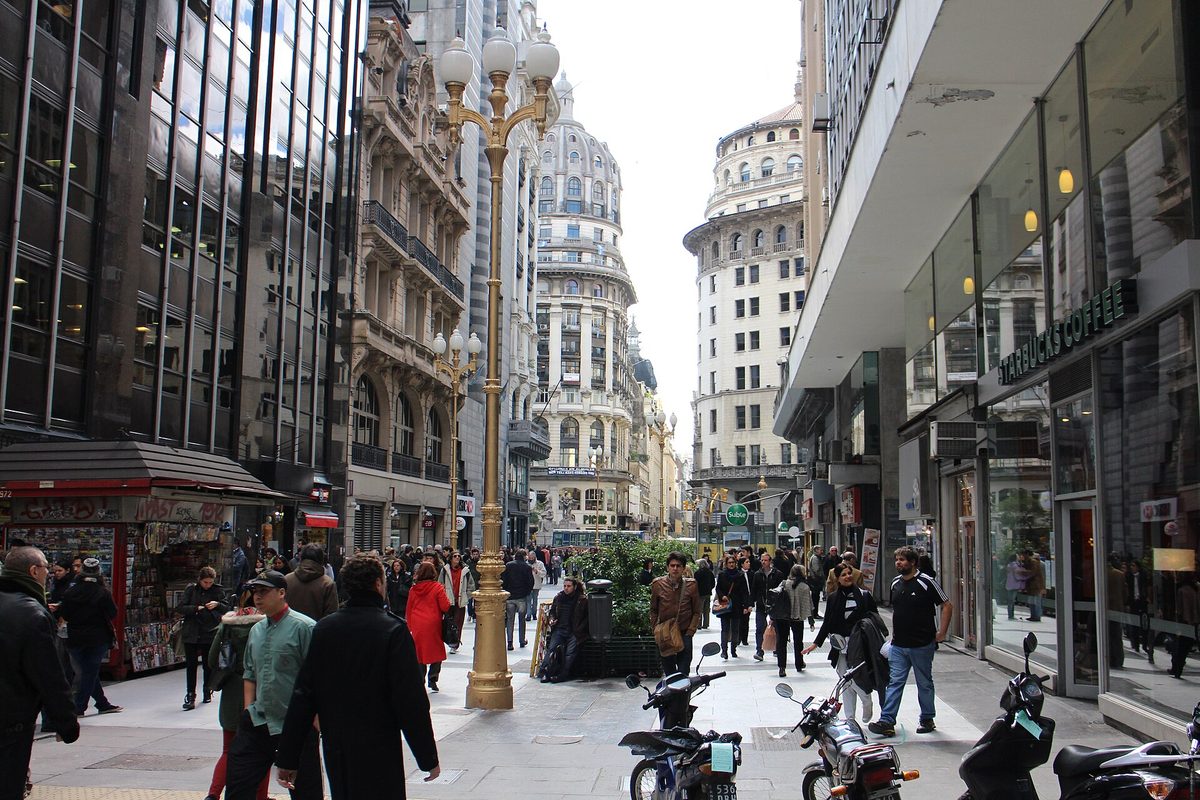
- Street scene, Av. Roque Sáenz Peña, Buenos Aires — Hermann Luyken / CC0 via Wikimedia Commons