Last updated: June 2026 · Written by the Buenos Aires Tourism editorial team
The first time a Buenos Aires local leaned in to kiss my cheek at a dinner party I hadn’t yet sat down at, I froze — classic tourist. Understanding Buenos Aires etiquette for tourists transforms those awkward moments into genuine connections: porteños (Buenos Aires residents) are warm, expressive, and proud of their city, and a little cultural literacy goes a very long way.
| Situation | Do | Don’t |
|---|---|---|
| Greetings | One cheek kiss, even with strangers | Extend a stiff handshake at a social gathering |
| Dinner timing | Arrive at a restaurant at 9–10 pm | Show up at 7 pm expecting a lively scene |
| Tipping | Leave ~10% in cash on the table | Assume service charge covers the waiter |
| Mate | Accept if offered; say gracias when done | Ask to sip a stranger’s personal mate |
| Politics | Listen more than you speak | Call the islands “the Falklands” |
| Dress | Smart casual — neat, put-together | Wander tourist spots in flip-flops and cargo shorts |
Greetings: The One-Cheek Kiss Rule
In Buenos Aires, the standard social greeting is a single kiss on the right cheek — between women and men, between women, and yes, between men in social (non-business) settings too. It is not a full lip-to-cheek peck; it is more a touching of cheeks with a light air-kiss sound. When you enter a room, you greet every single person individually. When you leave, you do the same. Skipping someone is considered rude.
In formal business contexts — think a first meeting with a corporate contact — a firm handshake is the norm. But the moment you are at someone’s home, a neighbourhood asado, or a social event, the cheek kiss applies. As a foreigner, locals will often extend a hand first if they sense you might be unsure — follow their lead. The main thing to remember: don’t back away in alarm. Lean in, touch cheeks briefly, and you’re done.
The Late Schedule: When Buenos Aires Actually Eats and Goes Out
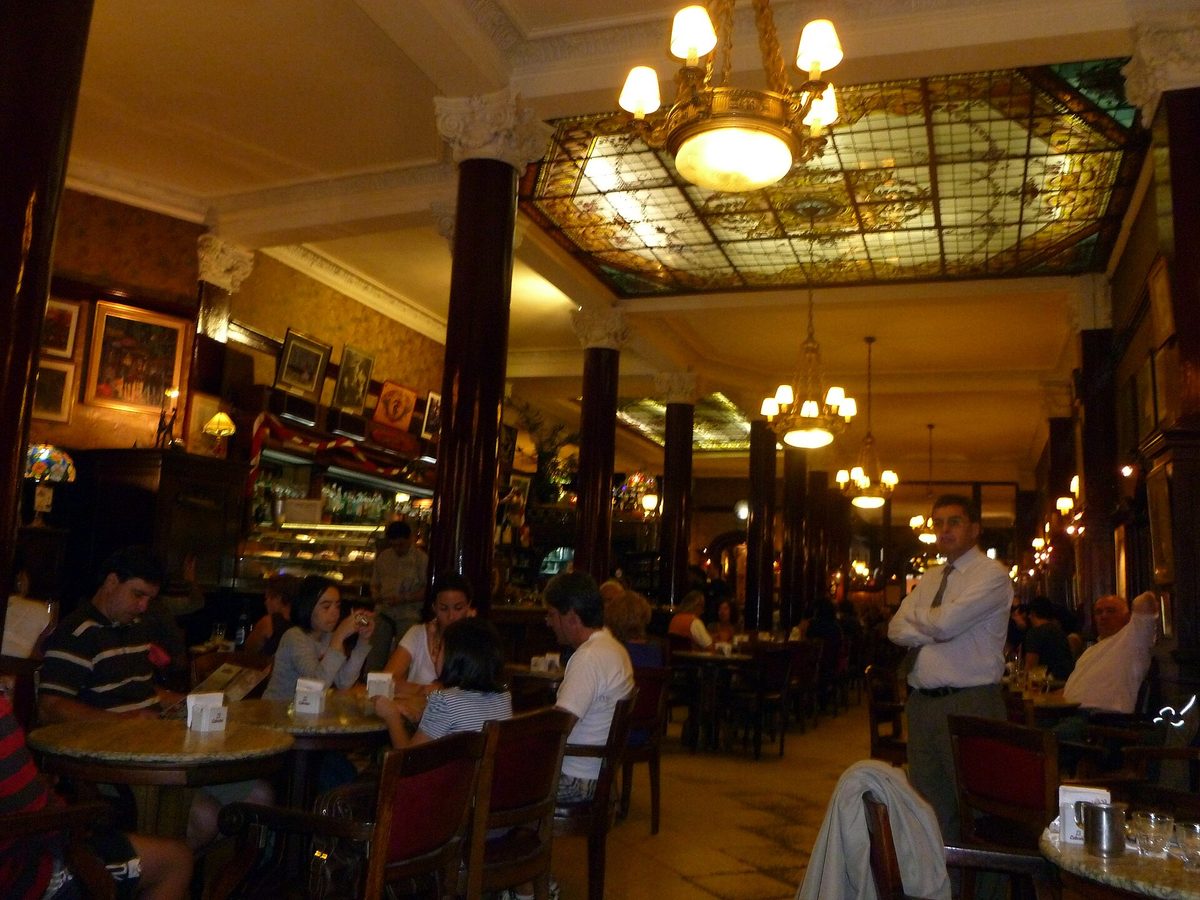
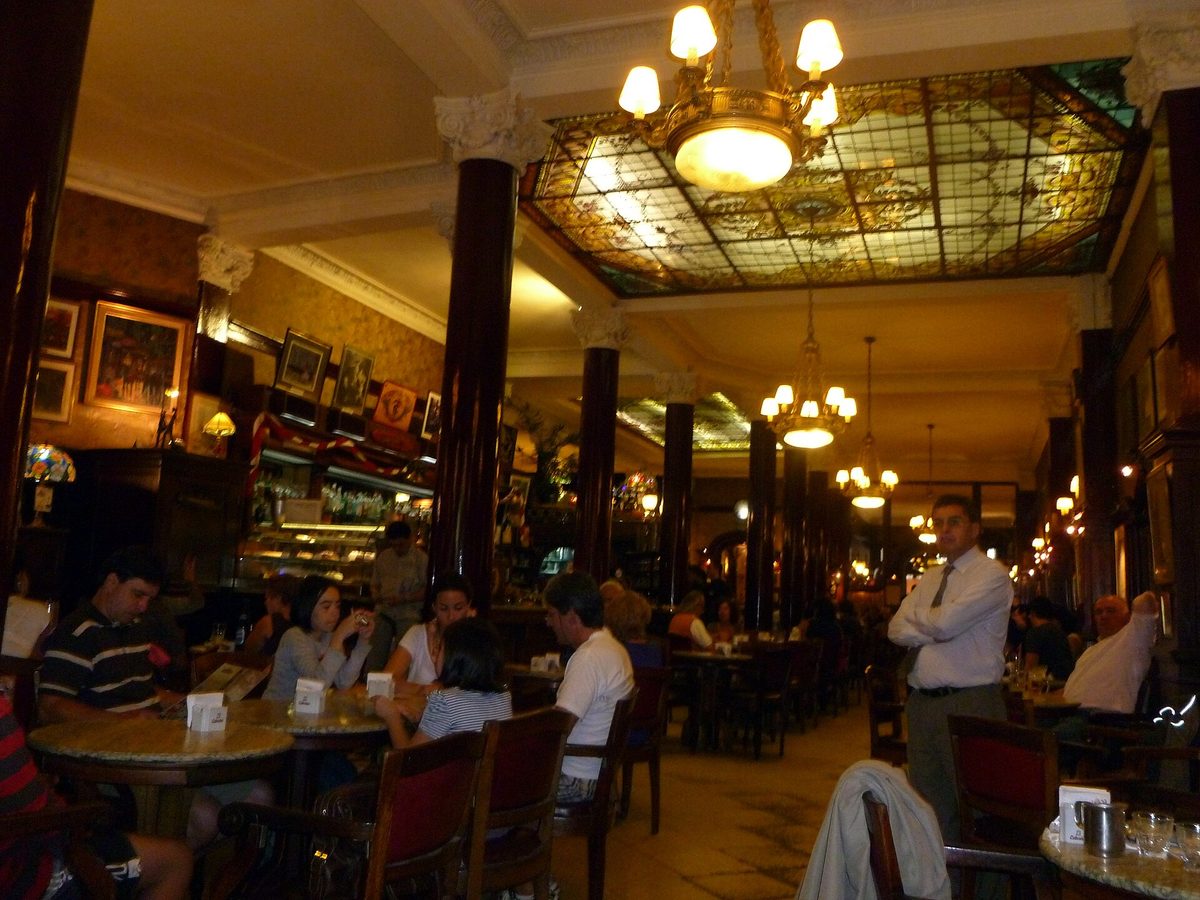
This is the single thing that most surprises visitors. Buenos Aires operates on a dramatically later clock than almost anywhere in Europe or North America. Restaurants open for dinner around 8 pm but genuinely don’t fill up until 9 or 10 pm. Showing up hungry at 7 pm means eating alone in an empty room with bored waitstaff — the experience feels nothing like what the city offers at 10 pm when the place is buzzing.
Weekend dinner at a friend’s house? Expect to sit down around 11 pm. That’s normal. Nightlife follows the same logic: bars warm up around midnight, and nightclubs — especially in Palermo, Recoleta, or San Telmo — don’t hit their stride until 2 or 3 am, staying open until dawn. If you want to party like a porteño, take a long nap before you go out.
Social punctuality is equally relaxed. For casual meetups, 30–40 minutes late is standard. For a dinner invitation to someone’s home, arriving 20–30 minutes after the stated time is not rude — it is expected. Arriving exactly on time can actually put your host in an awkward position while they’re still preparing. Read more about navigating the city after dark in our guide to Buenos Aires travel tips.
Dining Etiquette: The Cubierto, the Bill, and the Tip
Argentine dining has a few quirks that can catch tourists off guard. The most common is the cubierto — a table-setting charge that appears as a line item on your bill. It covers the bread, cutlery, and placemats and goes directly to the restaurant, not the waiter. Think of it like a European couvert. It is perfectly legal and non-negotiable; you are not being scammed. What it means, however, is that you should still leave a separate tip for the server.
The standard tip in Buenos Aires restaurants is around 10% of the bill, left in cash directly on the table. Tipping by card is technically possible but often does not reach the waiter, so cash is the right move. If the service genuinely impressed you, 15% is generous but appreciated. For our full breakdown of amounts by venue type, see the dedicated tipping in Buenos Aires guide.
A few more dining norms to know: the bill will not arrive at your table unless you ask for it — flagging down the waiter and saying “la cuenta, por favor” is necessary. Hands should rest visible on the table (wrists on the edge), not in your lap. Eating while walking down the street or on public transport is considered poor form. And when you sit down at a nice restaurant, expect to stay — porteños linger over meals for hours, and the pace is intentionally unhurried.
Mate Culture: Don’t Ask, Do Accept
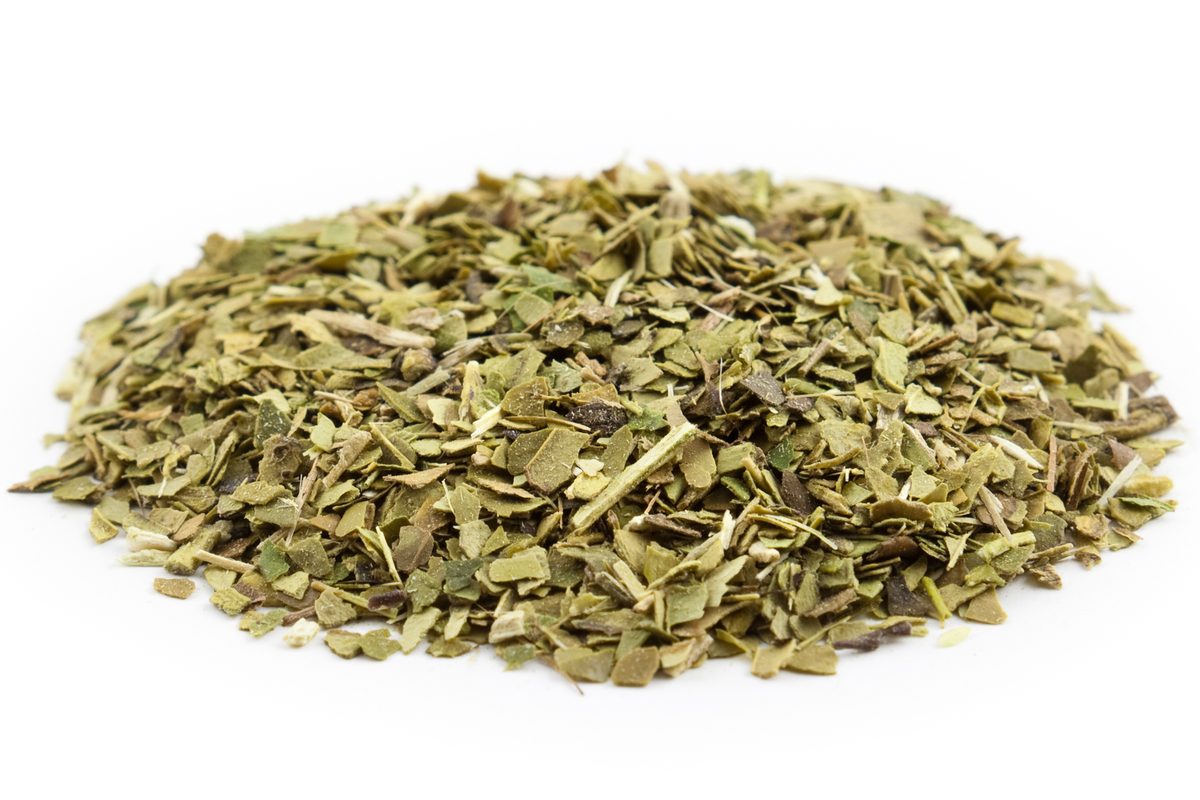
Mate is Argentina’s national drink, and in Buenos Aires it is as much a social ritual as it is a beverage. You’ll see people carrying a thermos of hot water and a gourd (the mate) everywhere: in parks, on park benches, at university, at work, and on the subway. The drink is prepared by the cebador (the person who serves) and passed around in a circle, each person drinking the full gourd through the shared metal straw (bombilla) before returning it to be refilled.
The rules for tourists are simple. First: if someone offers you mate from their personal circle, accept it graciously. Refusing is considered impolite — it is an act of trust and inclusion. Drink the full gourd, return it, and do not move the bombilla or stir the yerba inside. When you have had enough, say “gracias” as you return the gourd — that signals you are done and the cebador will skip you on the next round.
Second, and equally important: do not walk up to a stranger in a park and ask to have a sip of their mate. Unlike the communal offering, a stranger’s personal mate is personal. The ritual is about who invites you, not about helping yourself.
One practical note: mate is an acquired taste — intensely bitter, grassy, and very hot. You are not obliged to love it. But trying it and accepting the gesture is part of authentic Buenos Aires travel. For more on eating and drinking well in the city, see our Buenos Aires restaurants guide.
Dress, Language, and Social Courtesy
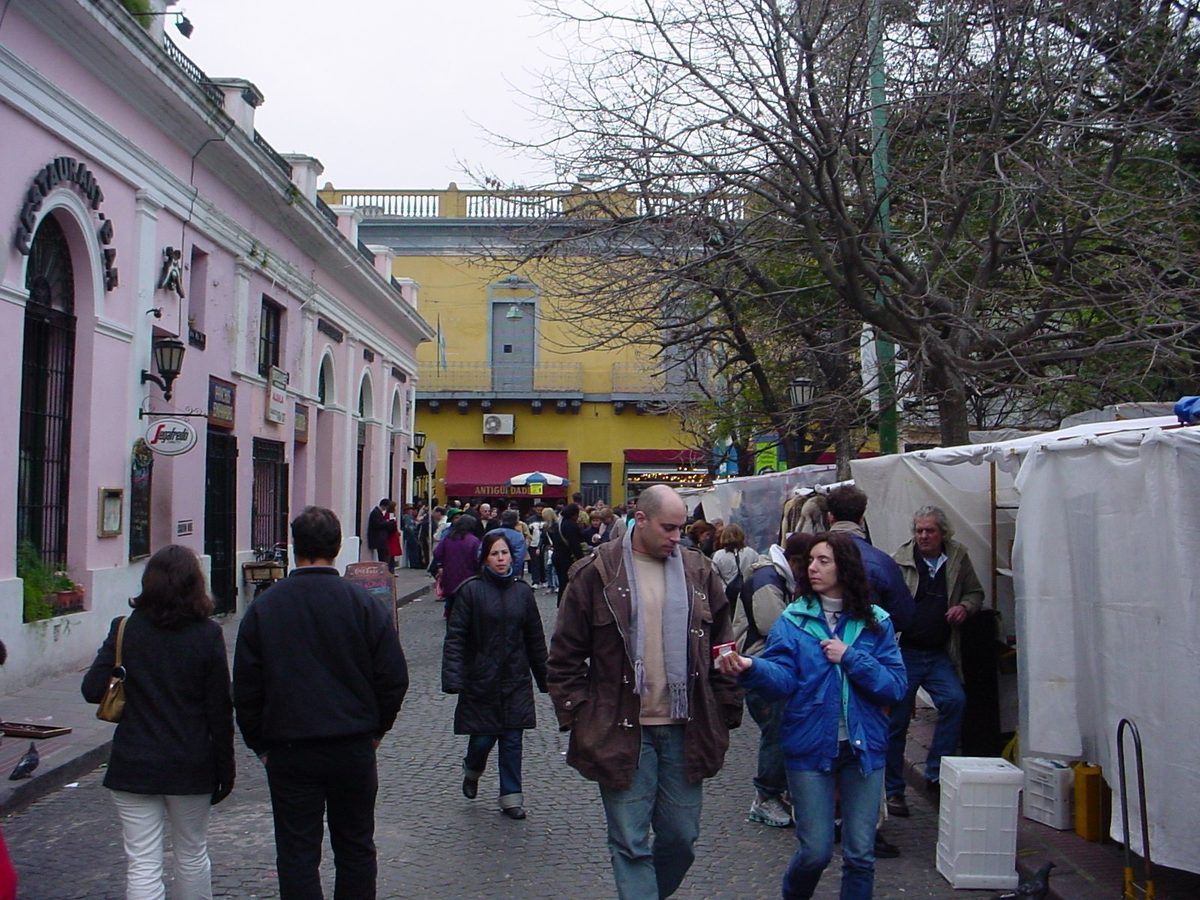
Buenos Aires is one of Latin America’s most fashion-conscious cities. Porteños lean toward polished, neutral looks — fitted dark jeans, crisp shirts, quality shoes. Smart casual is the right register for restaurants, bars, and tango milongas. Turning up in logo-heavy sportswear or sandals marks you as an obvious visitor and, at some milongas, will get you turned away. Our Buenos Aires packing list covers exactly what to bring.
A little Spanish earns disproportionate goodwill. Greet shopkeepers with “buen día” on entering, use “por favor” and “gracias” consistently, and say “disculpe” to get someone’s attention politely. Our guide to Spanish phrases for Buenos Aires has the essential vocabulary.
Politics, Football — and the Malvinas
The golden rule on politics: listen more than you speak. Argentina is deeply politically engaged, and opinions on the current economic situation run hot. As a visitor without full context, offering strong positions can derail an otherwise warm conversation fast.
One sensitivity deserves specific mention. What the UK calls the Falkland Islands are always “Las Malvinas” in Argentina. Referring to them casually as “the Falklands” is, at best, tone-deaf. The islands appear on banknotes, road signs, and school uniforms; the 1982 war remains deeply emotional. It costs nothing to use the Argentine name.
Football is an entirely different topic — here, passion is an invitation to connect. Ask about someone’s team, show genuine interest, and join the conversation. But tread carefully around club rivalries. For more on experiencing the city, see our things to do in Buenos Aires guide.
Street Smarts: Phones and Personal Space
Porteños are physically close and tactile in conversation — don’t back away, it reads as unfriendly. In queues and formal settings, standard Western norms apply.
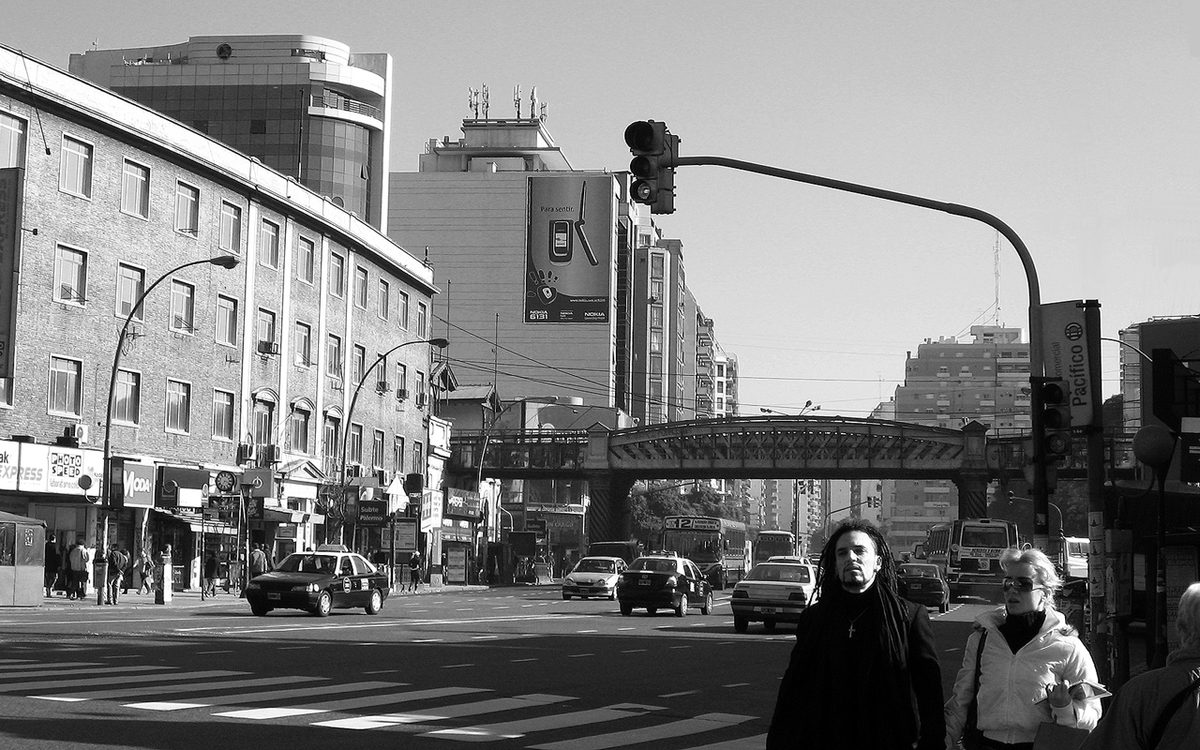
One firm don’t: avoid using your phone openly on street corners, particularly in busy Microcentro or La Boca tourist edges. Phone snatching from motorcyclists is the most common petty crime targeting tourists in Buenos Aires as of mid-2026. Keep your phone in a pocket or bag and use it inside cafes. Our Buenos Aires safety guide covers the full picture, and our tourist scams guide covers distraction techniques used around phones.
Photography: always ask before photographing people, particularly in La Boca’s Caminito where costumed performers expect a small tip.
Buenos Aires Etiquette for Tourists: Quick Reference
- DO greet everyone with a single cheek kiss in social settings — entering and leaving.
- DO eat dinner at 9–10 pm and expect bars to fill only after midnight.
- DO leave a 10% cash tip separate from the cubierto cover charge.
- DO accept mate if offered; say gracias to opt out of the next round.
- DO dress smart casual — neat, put-together, minimal logos.
- DON’T refer to the Malvinas as “the Falklands” in conversation.
- DON’T use your phone openly on street corners.
- DON’T ask to sip a stranger’s personal mate.
- DON’T eat on the street or on public transport.
- DON’T arrive at a dinner party exactly on time (20–30 min late is expected).
For the full practical picture of navigating Buenos Aires, the Buenos Aires travel tips guide is the best starting point. And if you are travelling solo, our Argentina SIM card guide will keep you connected.
Frequently Asked Questions
Do men really kiss other men on the cheek in Buenos Aires?
Yes — in social contexts, a single cheek kiss between men is completely normal in Argentina. It is a sign of friendship, not a formal gesture. In business meetings with new contacts, a handshake is more common. Follow the local’s lead and you will not go wrong.
What time do locals actually eat dinner in Buenos Aires?
Most porteños sit down for dinner between 9 pm and 11 pm. On weekends, midnight dinners at home are common. Restaurants open around 8 pm but stay near-empty until 9:30 pm or later. Eating early is fine, but you will have the place to yourself.
Is it offensive to call the Falkland Islands by their English name?
It can be, yes. In Argentina the islands are always “Las Malvinas,” and the 1982 conflict remains deeply emotional. Using “the Falklands” casually signals insensitivity. Saying “Las Malvinas” costs nothing and is a basic courtesy most travellers overlook.
Is it rude to tip on a card in Buenos Aires?
Not rude, but unhelpful to your waiter. Card tips often do not reach the server. Leaving 10% in cash pesos directly on the table is the standard. See our tipping in Buenos Aires guide for full detail by venue type.
Can I drink the tap water in Buenos Aires?
Buenos Aires tap water is treated and generally considered safe to drink. Most locals drink it without issue. For the full picture, including what to watch for if you have a sensitive stomach, see our is tap water safe in Buenos Aires guide.
Final Thoughts
Buenos Aires etiquette for tourists is not complicated — it is mostly about adjusting your clock and showing genuine respect for a proud, vibrant culture. Lean into the cheek kiss, stay out late for dinner, tip in cash, and call the islands by their Argentine name. Porteños are generous and welcoming to visitors who make genuine effort. The small gestures open doors that a camera-first tourist approach never will.
Use our Buenos Aires travel tips guide as your full practical companion, and check our safety guide before you arrive.
Photo Credits
- Café Tortoni interior, Buenos Aires — Wikimedia Commons / CC BY 2.0
- Yerba mate leaves — Wikimedia Commons / CC BY-SA 3.0
- San Telmo street scene, Buenos Aires — Wikimedia Commons / CC BY 3.0
- Palermo, Buenos Aires — Wikimedia Commons / CC BY 2.0