Last updated: June 2026 · Written by the Buenos Aires Tourism editorial team
After dozens of trips to Buenos Aires and countless conversations with fellow travellers, I get asked the same question constantly: is Buenos Aires safe? The honest answer is yes — with the same street smarts you’d apply in any major city. Buenos Aires is genuinely safe for tourists who stay alert, choose their neighbourhoods wisely, and know which risks are real and which are overblown.
This guide cuts through the fear and the naive optimism to give you an accurate 2026 picture: what the actual risks are, where to be careful, and how to enjoy one of South America’s most exciting cities without incident. For the full range of practical travel advice, see our Buenos Aires travel tips & safety guide.
Is Buenos Aires Safe? The 2026 Overview
As of mid-2026, Argentina holds a Level 1 — Exercise Normal Precautions advisory from the US State Department (updated May 2026) — the same rating as Canada and Japan. The UK’s FCDO issues no advisory against travel. That tells you something important: this is not a dangerous country for tourists.
Buenos Aires ranks among South America’s safer capitals. Violent crime targeting tourists is rare. The real risk — and it is a real one — is petty crime: pickpocketing, phone snatching, and distraction scams. These are opportunistic and non-violent, but they happen, especially in busy tourist areas and on public transport.
| Risk type | Level | Main hotspots |
|---|---|---|
| Violent crime (tourists) | Low | La Boca side streets after dark; Constitución |
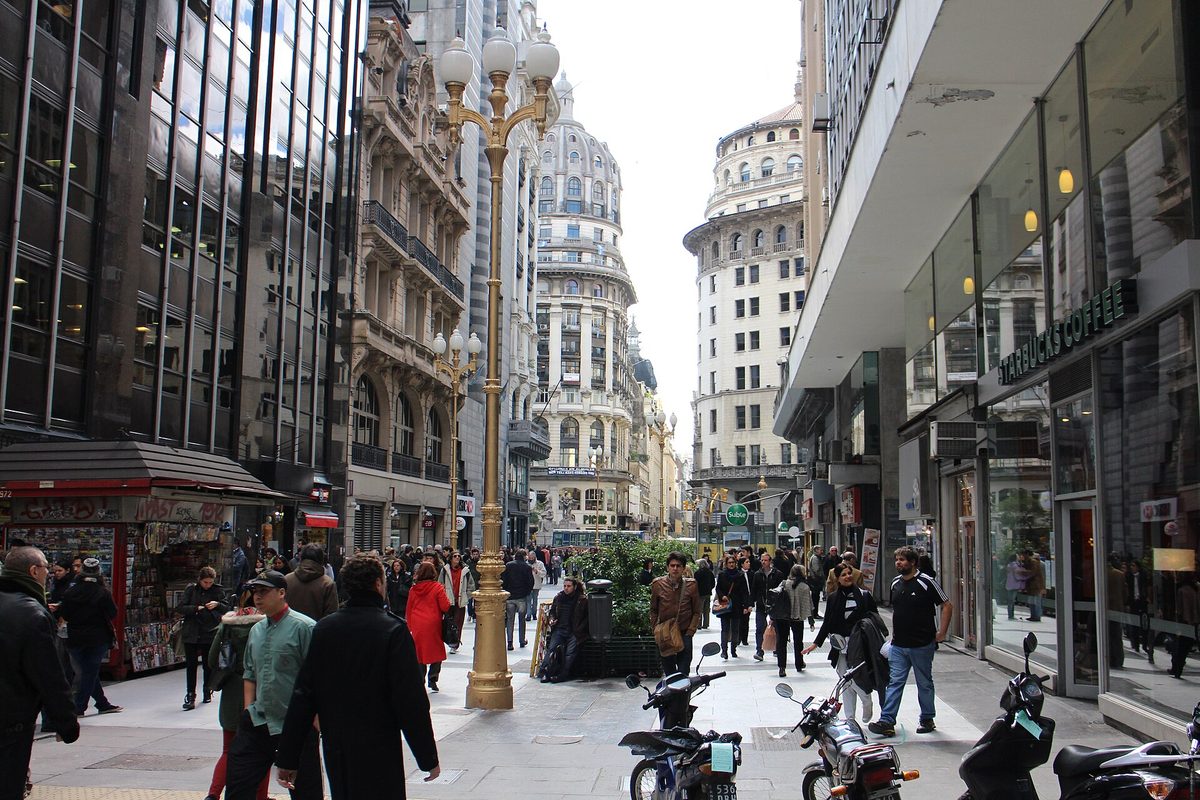
| Pickpocketing / phone snatching | Medium | Calle Florida, Subte, Plaza de Mayo, Retiro |
| Distraction scams | Medium | Centro, Calle Florida, busy markets |
| Taxi overcharging | Low–medium | Airport, Retiro terminal |
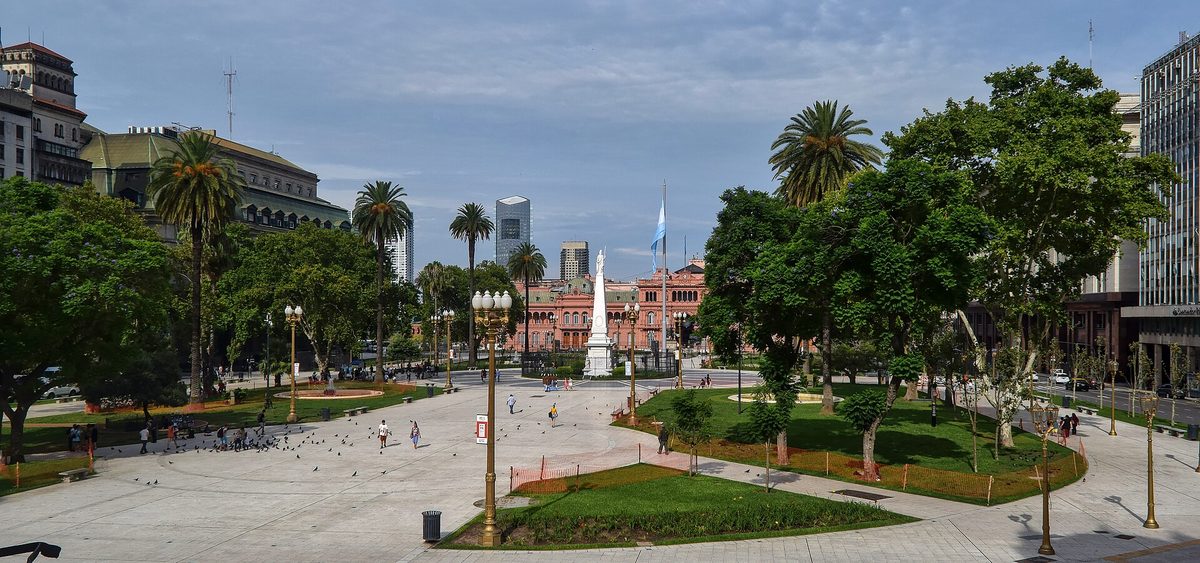
| Demonstrations / protests | Low (disruption) | Plaza de Mayo, Congreso |
Crime in Buenos Aires: What Tourists Actually Face
Crime statistics for Buenos Aires have ticked up modestly in the broader metropolitan area over 2024–2025, but the central tourist neighbourhoods remain comparatively calm. The picture you need to hold in your head: pickpocketing, not mugging; scams, not violence.
The most common incidents reported by tourists in 2026:
- Phone snatching — someone grabs your phone while you’re looking at it on the street or in a taxi
- Pickpocketing — on Calle Florida, the Subte, and crowded markets
- Distraction theft — a team, one distracts (drops something, “helps” with directions), another takes your wallet
- The mustard scam — someone squirts a substance on you; a “helpful” stranger offers to clean it while an accomplice picks your pocket
- Taxi overcharging — rare with apps but still happens with unlicensed cabs at the airport or Retiro
For a deep dive into each scam and exactly how to avoid them, read our dedicated guide to Buenos Aires tourist scams.
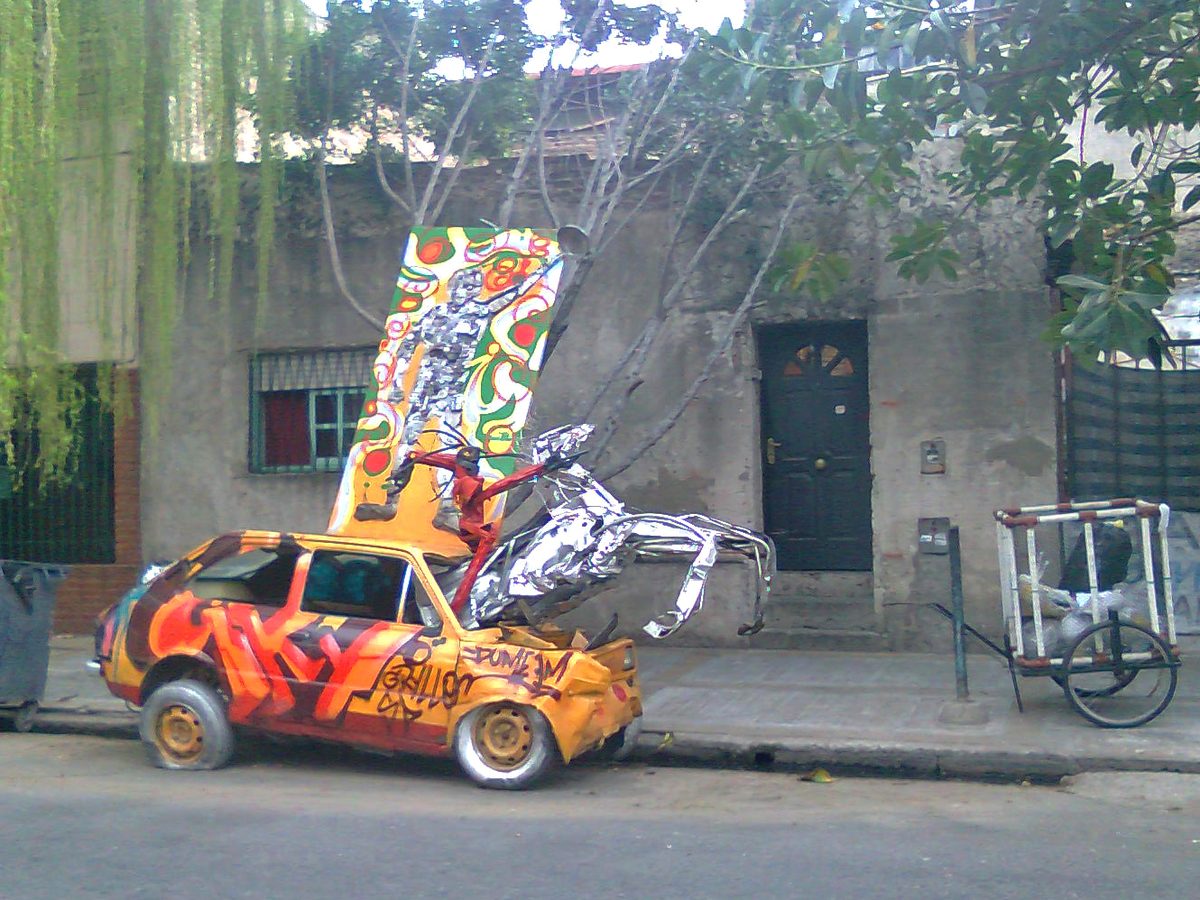
Safest Neighbourhoods vs Areas to Take Care
Buenos Aires is not uniformly safe or unsafe — neighbourhood choice matters enormously. As a rough rule: the wealthier barrios north of Avenida Corrientes have significantly lower crime rates than the southern districts.
Lowest risk for tourists (stay here, explore freely):
- Recoleta — elegant, well-policed, the most tourist-dense neighbourhood
- Palermo (Soho, Hollywood, Las Cañitas) — lively restaurant and nightlife district, very walkable day and night
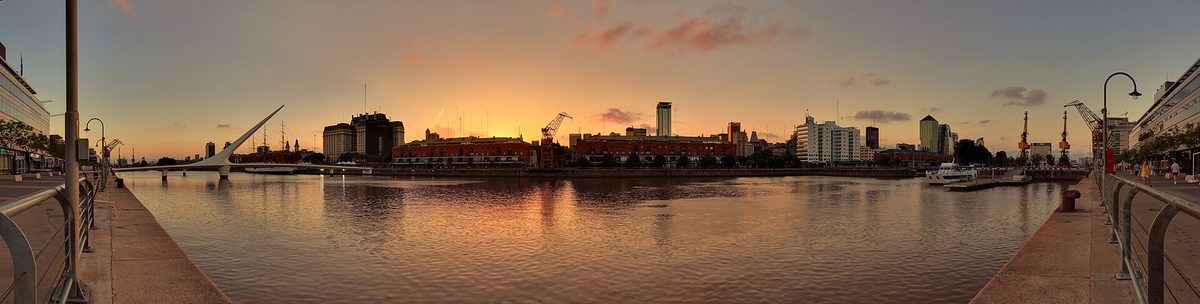
- Puerto Madero — the redeveloped waterfront, modern and extremely safe, albeit pricey
- Belgrano — residential, quiet, statistically the lowest crime rate of any neighbourhood
- San Telmo (daytime) — great for the Sunday market; stick to the main streets
Exercise extra caution:
- La Boca — the Caminito strip is fine in daylight with other tourists; the surrounding streets are not safe to wander, and it transforms after dusk
- Constitución and Once/Balvanera — busy transport hubs with concentrated petty crime, especially at night
- Retiro bus terminal and Villa 31 — the shantytowns behind Retiro station have high reported crime; the terminal itself is fine but stay alert
- Greater Buenos Aires suburbs — areas like La Matanza and parts of the Conurbano have higher violent crime, but tourists have no reason to go there
For a detailed neighbourhood-by-neighbourhood breakdown, see our guide to Buenos Aires areas to avoid and our overview of the safest areas to stay in Buenos Aires.
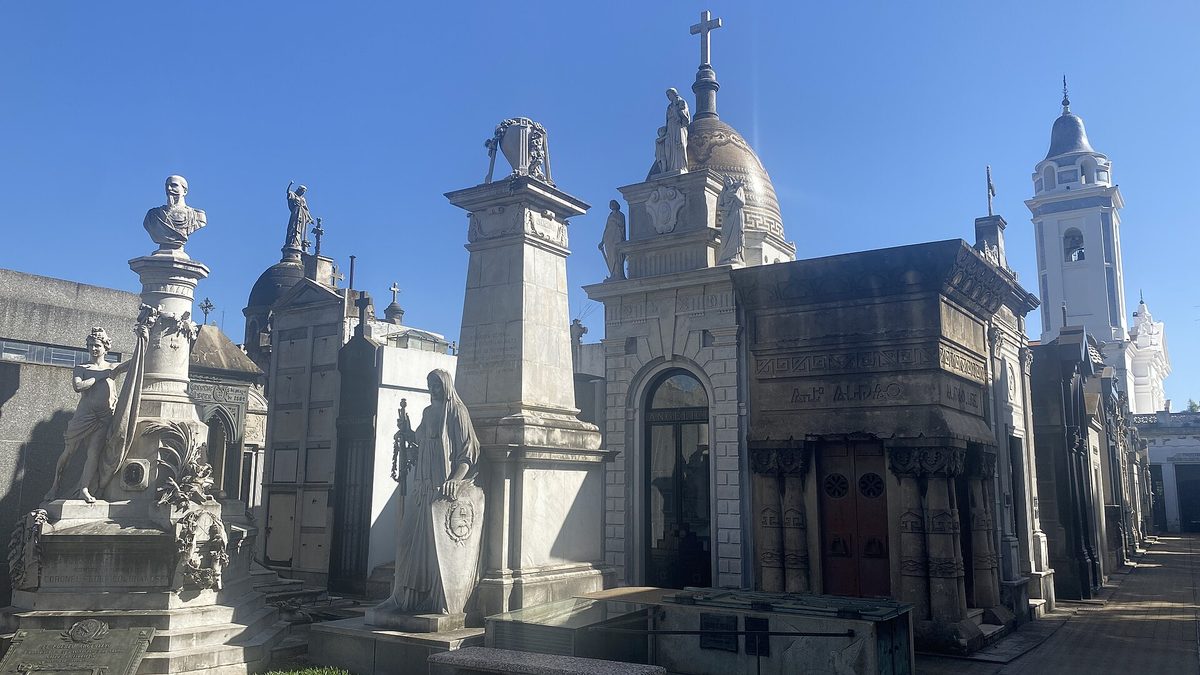
Is Buenos Aires Safe at Night?
Buenos Aires is genuinely a late city — porteños dine at 9pm and hit bars at midnight, so the streets stay lively well into the early hours in the right areas. In Palermo, Recoleta, and San Telmo’s main streets, walking at night feels similar to any European capital: busy, lit, and reasonably safe if you keep your wits about you.
That said, three night-specific rules matter:
- Use Uber or a radio taxi app (Cabify, BA Taxi) rather than flagging a street cab. App-hailed rides show you the driver, plate, and fare before you get in.
- Avoid La Boca, Constitución, and Once after dark — these change character quickly once foot traffic drops.
- Keep your phone in your pocket when walking; phone snatches spike at night when there are fewer witnesses.
The Subte (metro) closes around midnight — after that, Uber is your best option. Buenos Aires’ Subte guide covers lines, hours, and the SUBE card in full.
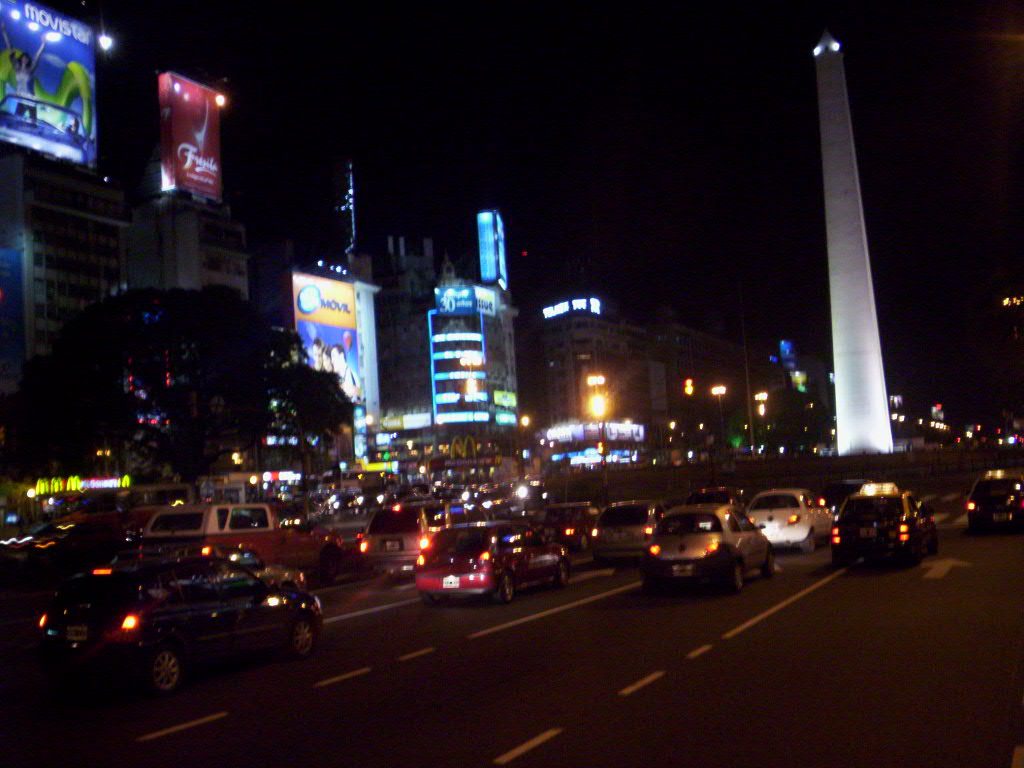
Transport Safety in Buenos Aires
Getting around safely is one of the most practical safety questions tourists have. Here’s the honest picture for 2026:
- Uber — works well in Buenos Aires and is the recommended option for solo travellers, especially at night. Drivers accept the app; passengers pay by card. See our Uber in Buenos Aires guide for the latest on how it operates.
- Radio taxis / Cabify — safe when booked via app; avoid hailing unmarked cabs on the street
- Subte — the metro is generally safe but pickpockets work crowded rush-hour trains; keep bags in front of you
- Colectivo buses — extensive network, very cheap with the SUBE card, safe during the day. Our colectivo bus guide explains routes and fares.
- Walking — fine in tourist areas; use Google Maps but don’t walk with your phone visible; a quick glance then pocket it
Is Buenos Aires Safe for Solo Female Travellers?
Buenos Aires ranks among South America’s better cities for women travelling alone, and many female travellers report feeling more comfortable here than in other regional capitals. The tourist police (Policía Turística) patrol major attractions and speak English.
The genuine concerns are harassment (catcalling is unfortunately common in some areas) and the same petty theft risks everyone faces — not targeted violent crime. Standard big-city sense applies: avoid walking alone in quiet streets late at night, don’t leave drinks unattended in bars, trust your instincts.
Our full guide to Buenos Aires solo female traveller safety goes into much more detail on specific neighbourhood advice, nightlife safety, and harassment response. For solo travel generally, see Buenos Aires solo travel.
Practical Safety Tips for 2026
These are the habits that actually make a difference — not paranoia, just calibrated awareness:
- Use a crossbody bag or money belt for valuables, not a back-zipped backpack
- Carry a “decoy wallet” with a small amount of pesos; if confronted, hand it over without resistance
- Split your cash and cards across two locations; never keep everything in one pocket
- Download Uber and Cabify before you arrive and link a payment card
- Know your nearest embassy or consulate — US Embassy is in Palermo, UK Embassy in downtown BA
- Register with your government’s travel advisory before departure (STEP for Americans; FCDO alerts for Brits)
- Keep a photo of your passport on your phone and email a copy to yourself — if your passport is stolen, this speeds replacement enormously
- Check current advisories before you fly — the US State Department page and UK FCDO Argentina page are updated regularly
For the complete travel tips picture — insurance, connectivity, health, money — our Buenos Aires travel tips & safety hub links to every relevant guide in this series.
Frequently Asked Questions
Is Buenos Aires safe for tourists in 2026?
Yes. Buenos Aires is safe for tourists who take standard big-city precautions. The US State Department rates Argentina Level 1 (Exercise Normal Precautions) as of May 2026. Violent crime against tourists is rare; the main risks are pickpocketing, phone snatching, and distraction scams in busy areas like Calle Florida and the Subte.
What are the most dangerous areas in Buenos Aires for tourists?
La Boca (away from Caminito), Constitución, and Once after dark present the highest risk. Villa 31 behind Retiro station has high reported crime. Tourists generally have no reason to visit these areas, and staying in Recoleta, Palermo, or Puerto Madero minimises risk significantly.
Is it safe to walk around Buenos Aires at night?
In Palermo, Recoleta, and San Telmo’s main streets, yes — these areas stay lively until very late. Avoid quieter streets in La Boca and southern neighbourhoods after dark. Use Uber or a taxi app rather than walking alone in unfamiliar areas after midnight.
Is Buenos Aires safe for solo female travellers?
Generally yes, though catcalling and low-level harassment occur. The Tourist Police patrols major areas. Stay in well-lit, busy neighbourhoods at night, use app-based transport, and trust your instincts. Buenos Aires is considered safer for solo women than many other South American capitals. See our full solo female traveller safety guide.
Is pickpocketing bad in Buenos Aires?
It’s the single most common risk. Hotspots are Calle Florida, Plaza de Mayo, the Subte during rush hour, and Retiro station. Keep phones pocketed when not in use, use a crossbody bag, and keep valuables split across locations. Awareness reduces risk dramatically.
Do I need travel insurance for Buenos Aires?
Strongly recommended. Argentina’s private healthcare is excellent but expensive, and theft is a real possibility. Good travel insurance covers medical, evacuation, and theft of belongings. Our Argentina travel insurance guide explains what to look for in a policy.
What to Do If Something Goes Wrong
Despite the best precautions, incidents do occasionally happen. If you are pickpocketed, do not resist — hand over valuables without confrontation. For phone theft or bag snatching, report it immediately to the Policía Turística (Tourist Police), whose officers patrol areas like Calle Florida, San Telmo, and the Microcentro and speak basic English. Their emergency number is 911; for non-emergency reports you can visit a comisaría (police station) to get an official crime report (denuncia), which you’ll need for any insurance claim. Keep digital copies of your passport and travel insurance documents saved to email — if your passport is stolen, contact your nearest embassy or consulate immediately for emergency travel documents. If you have Argentina travel insurance, most insurers have a 24-hour emergency helpline.
Final Thoughts
Buenos Aires is safe — genuinely, enjoyably safe — for tourists who go in with realistic expectations. The city rewards the aware traveller: keep your phone in your pocket on Calle Florida, use Uber after midnight in unfamiliar areas, avoid La Boca’s side streets after dark, and you’ll almost certainly spend your whole trip marvelling at the food, the tango, the architecture, and the warmth of the people rather than worrying about crime.
For everything else you need before you go, our complete Buenos Aires travel tips & safety guide is your starting point — covering neighbourhoods, money, connectivity, health, and packing in one place.
Photo Credits
- is-buenos-aires-safe-palermo-street.jpg: Public domain via Wikimedia Commons — Wikimedia Commons: Palermo, Buenos Aires
- is-buenos-aires-safe-plaza-de-mayo.jpg: Wikimedia Commons contributor / CC BY-SA 2.5 ca — Wikimedia Commons: Plaza de Mayo
- is-buenos-aires-safe-obelisco-night.jpg: Public domain via Wikimedia Commons — Wikimedia Commons: Obelisco de Buenos Aires
- is-buenos-aires-safe-recoleta-cemetery.jpg: Wikimedia Commons contributor / CC BY 2.0 — Wikimedia Commons: Recoleta Cemetery
- is-buenos-aires-safe-puerto-madero.jpg: Martin St-Amant (S23678) / CC BY-SA 3.0 — Wikimedia Commons: Puerto Madero