After a long flight and a taxi ride through BA’s sprawling streets, the first question most travellers ask me is: is tap water safe in Buenos Aires? The short answer is yes — the city’s water is treated by AySA (Agua y Saneamientos Argentinos) and is generally considered safe to drink, meeting Argentina’s national potability standards. That said, a few practical caveats are worth knowing before you fill your bottle.
Last updated: June 2026 · Written by the Buenos Aires Tourism editorial team
This guide covers everything a visitor needs to know about drinking water Argentina-wide versus the capital, food and street-food safety, staying hydrated in Buenos Aires’ scorching summer heat, and how to find medicine if your stomach does decide to protest. For the full picture on staying healthy and safe in the city, see our Buenos Aires travel tips & safety guide.
Is Tap Water Safe in Buenos Aires? The Direct Answer
Buenos Aires’ water supply comes primarily from the Río de la Plata estuary. AySA — the state-owned utility — treats it at several large plants, most notably the Planta Potabilizadora General San Martín, using filtration, flocculation and chlorination before it reaches household taps. As of mid-2026, the city’s water quality meets Argentina’s national standards and is routinely tested.
The official Buenos Aires City Tourism website confirms that tap water is drinkable. Locals drink it without a second thought, and it is the water served in restaurants (unless you request bottled). The main complaints are aesthetic rather than medical: a mild chlorine taste that some people find off-putting, and water that is slightly hard (mineral-rich) compared to what travellers from softwater countries are used to.
| Water option | Safety | Cost | Best for |
|---|---|---|---|
| Tap water (ciudad) | Generally safe | Free | Most visitors staying in the city |
| Filtered tap (hotel/hostel) | Safe | Free | Sensitive stomachs, first few days |
| Agua sin gas (still bottled) | Safe | Low (~ARS 800–1,500/1.5L) | Personal preference, day trips |
| Agua con gas (sparkling) | Safe | Low | Fans of bubbly water |
| Tap water (rural Argentina) | Variable — verify locally | Free | Approach with caution outside the capital |
When to choose bottled water
You do not need to buy bottled water to be safe in Buenos Aires. However, it makes sense if: you have a sensitive digestive system and are in your first few days adapting to a new environment; you are staying in a very old building whose internal plumbing may be aged; or you simply dislike the chlorine aftertaste. Bottled agua sin gas (still) or agua con gas (sparkling) is sold everywhere — kiosks, supermarkets, almacenes — at low prices.
Drinking Water Argentina: What Changes Outside Buenos Aires
If your trip takes you beyond the capital — to Mendoza wine country, Iguazú Falls or Patagonia — the water situation changes. In secondary cities and rural areas, treatment standards vary. As a general rule: tap water is fine in large Argentine cities (Córdoba, Rosario, Mendoza) but use bottled in smaller towns and rural destinations. Ask your accommodation — locals know immediately. For day trips to Tigre and the Paraná Delta, stick to bottled when in doubt.
Food Safety Buenos Aires: What You Actually Need to Know
Buenos Aires has a genuine restaurant culture, and food safety buenos aires-wide is generally good at established venues. Argentine food safety regulations cover restaurants, and health inspections do occur. That said, a few smart habits significantly reduce any risk:
- Choose busy restaurants. High turnover means fresh ingredients. A full parrilla on a Saturday night is almost always a better bet than an empty one on a Monday afternoon.
- Watch cross-contamination. Argentine kitchens handle a lot of raw meat; cross-contamination between raw meat and salads is an area travellers sometimes flag. If you see a kitchen cutting the same board without cleaning, that is a warning sign.
- Salads and raw veg. These are generally safe at established restaurants in Buenos Aires. If you are particularly cautious in your first couple of days, order cooked dishes until your digestive system adjusts.
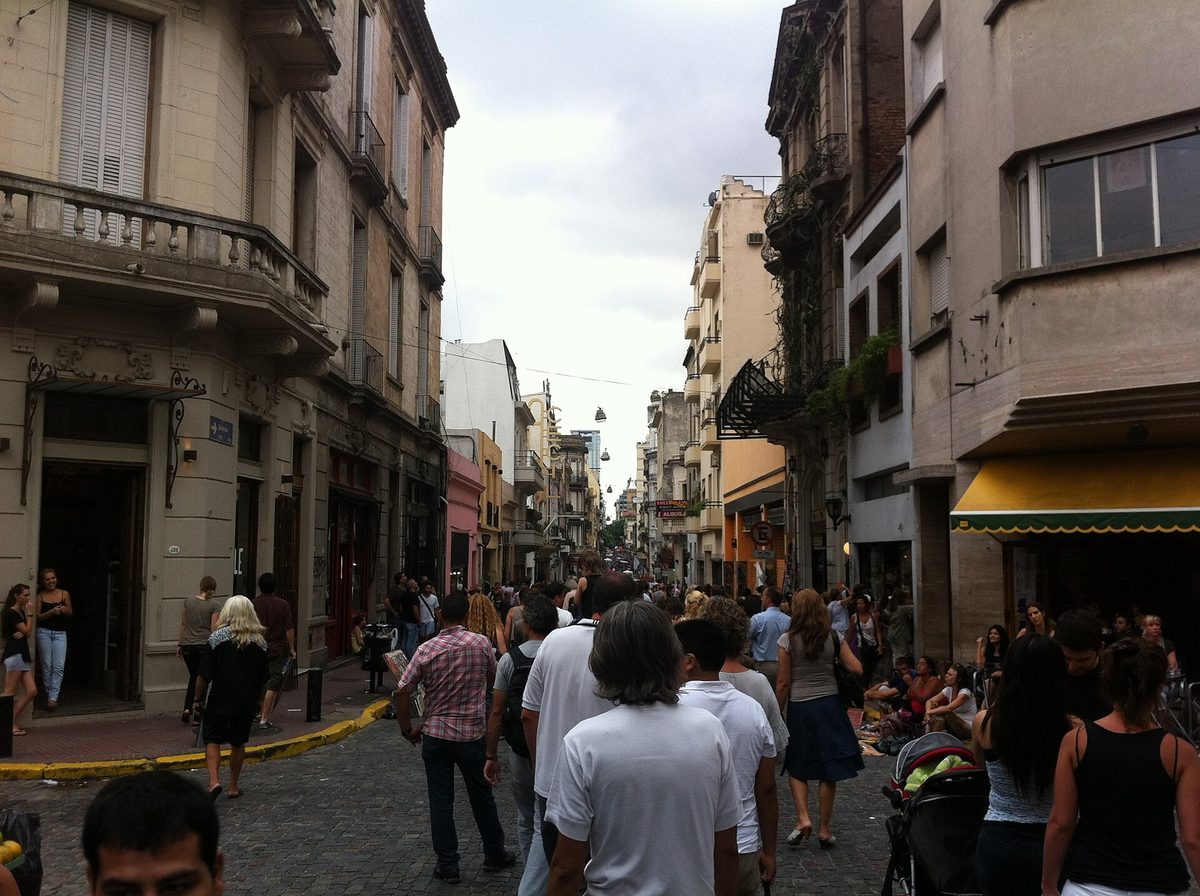
- Street food and festivals. BA’s street food scene at fairs (ferias) and markets is vibrant and mostly safe. Avoid beverages served from large communal canister-style dispensers at crowded outdoor festivals. Empanadas, choripán, and medialunas from busy stalls are low risk.
- Ice. In Buenos Aires restaurants and hotels, ice is made from the same treated tap water and is considered safe. This is consistent with official local guidance.
- Wash hands. Obvious, but often overlooked in the excitement of exploring. Hand sanitiser in your pocket is one of the most effective things you can carry — it belongs on your Buenos Aires packing list.
San Telmo Market, the Palermo weekend fair, and the Belgrano Chinatown all have strong track records. The city’s Buenos Aires restaurant scene ranges from corner parrillas to tasting menus, and hygiene standards at well-reviewed venues are generally solid.
Traveller’s Stomach: Prevention and What to Do
Even when you do everything right, some travellers experience digestive upset simply from encountering different microbial flora in a new country — this is not a sign that Buenos Aires water or food is unsafe, just that your gut is adjusting. The risk is classified as medium for Argentina, comparable to other South American capitals.
Before you go
- Pack loperamide (Imodium) and oral rehydration sachets (ORS) — both are available in Argentine pharmacies, but having them on hand saves time when you are already unwell.
- If you have a sensitive digestive history, ask your GP whether to carry a course of azithromycin for severe bacterial diarrhoea — a travel medicine question, not something to self-prescribe.
If you get sick
Most cases resolve in three to five days. Rehydrate with oral rehydration salts (suero oral in Spanish) and use loperamide for symptom control. See a doctor if symptoms persist beyond 72 hours, if there is blood in stool, or if you develop a high fever. This is general health information only — consult a medical professional for your personal situation.
Staying Hydrated in Buenos Aires
Buenos Aires summers (December through February) are genuinely brutal: temperatures regularly top 35°C with high humidity, and the city radiates heat from its dense concrete and asphalt. Dehydration is a real risk for visitors who underestimate this, especially if you are doing a lot of walking between neighbourhoods or attending an outdoor event.
Practical hydration tips:
- Carry a refillable bottle. Ask for agua de la canilla (tap water) at any café — most will fill it for free. This saves money and is perfectly safe.
- Sip continuously. By the time you feel thirsty, you are already slightly dehydrated. Shade breaks in BA’s excellent cafés are hydration strategy as much as tourism.
- Watch alcohol and caffeine. Both accelerate fluid loss. Match each glass of wine with a glass of water at dinner.
- Electrolytes. In extreme heat, plain water alone may not suffice. Gatorade is sold at every kiosko; a pinch of salt and a squeeze of lemon in water works equally well.
The shoulder seasons — September–November and March–May — are much milder and comfortable for long walks. If you want to time your visit for pleasant weather, our guide to the best time to visit Buenos Aires breaks it all down.
Farmacias in Buenos Aires: Your Health Safety Net
Farmacias are everywhere in Buenos Aires — look for the green-and-white cross. The chain Farmacity operates dozens of modern branches across Palermo, Recoleta, San Telmo and Microcentro, many open 24 hours. Key things to know:
- OTC availability is generous. Loperamide, rehydration sachets, ibuprofen, paracetamol and antihistamines are all available without a prescription.
- Generics by law. Pharmacists must offer a generic equivalent if asked. Prices are very reasonable.
- Some English spoken in tourist-area Farmacity branches. A few health-vocabulary phrases — covered in our Buenos Aires Spanish phrases guide — go a long way.
- Farmacias de turno. By law, one pharmacy per neighbourhood stays open overnight on rotation. Your hotel can tell you which one, or check the list posted on any closed pharmacy door.
When to See a Doctor and Emergency Contacts
Buenos Aires has excellent medical facilities by regional standards. Private clinics (clínicas) like Hospital Alemán, Hospital Británico and Sanatorio Güemes offer a high standard of care and have English-speaking staff. The emergency number in Argentina is 911 for police, fire and medical emergencies — the same number as in the US.
Seek medical attention promptly if:
- Diarrhoea persists beyond 72 hours or you have blood in stool
- You have a fever above 38.5°C (101°F)
- You are unable to keep fluids down
- You show signs of severe dehydration: dizziness, very dark urine, confusion, rapid heartbeat
- You have any other health concern you would normally see a GP for at home
This is why good Argentina travel insurance matters. Private clinic treatment in Buenos Aires is affordable by international standards, but repatriation costs can be very large. Cover that includes emergency medical care and medical evacuation is non-negotiable. Our Buenos Aires travel tips & safety guide has more on pre-trip health preparation, and our is Buenos Aires safe guide and solo female traveller safety guide cover emergency contacts in full.
Quick Practical FAQ
Is the tap water safe to drink in Buenos Aires hotels?
Yes. Hotels in Buenos Aires use the same AySA municipal supply, which is treated and considered safe. Most modern hotels also have additional building-level filtration. You can brush your teeth, make tea, and drink directly from the tap without concern. If you are sensitive to chlorine taste, use the in-room kettle to boil water first, which reduces the flavour.
Can I eat salads and raw vegetables in Buenos Aires restaurants?
Generally yes, at established restaurants. Raw vegetables are washed with treated tap water, and the risk at mainstream venues is low. If you are in your first 24–48 hours in the country and your stomach is still adjusting, sticking to cooked dishes temporarily is a reasonable precaution, though not strictly necessary.
Is ice safe in Buenos Aires?
Yes. Ice in restaurants and bars in Buenos Aires is made from municipal tap water, which meets potability standards. You do not need to avoid ice the way you might in some other travel destinations. Commercial ice-making machines produce ice from treated water, so it is safe.
What should I do if I get traveller’s diarrhoea in Buenos Aires?
Start with oral rehydration salts and rest. Loperamide (available OTC at any farmacia) helps manage symptoms while your body recovers. Most cases resolve within three to five days. If symptoms are severe, persistent, or accompanied by high fever or blood in stool, visit a private clinic. A good travel insurance policy — see our Argentina travel insurance guide — covers these costs.
Where can I buy bottled water in Buenos Aires?
Everywhere. Kioscos (corner shops) are on almost every block and sell bottled agua sin gas (still) and agua con gas (sparkling) at low prices. Supermarkets like Dia, Coto and Carrefour sell large 1.5L and 2L bottles more cheaply still. All hotels have bottled water available, usually for purchase.
Final Thoughts
Buenos Aires water is one of the non-worries of a trip to Argentina. The city’s municipal supply is professionally treated and safe to drink — you do not need to buy bottled water unless you prefer it. Where health caution pays off is in the basics: handwashing, choosing busy well-reviewed restaurants, staying genuinely hydrated in the summer heat, and carrying solid Argentina travel insurance so that if something does go wrong medically, you are covered.
Pack rehydration sachets and loperamide in your day bag, save 911 in your phone, and go enjoy one of South America’s great food cities. For the broader picture, our Buenos Aires travel tips & safety guide and things to do in Buenos Aires are the natural next reads.
Photo Credits
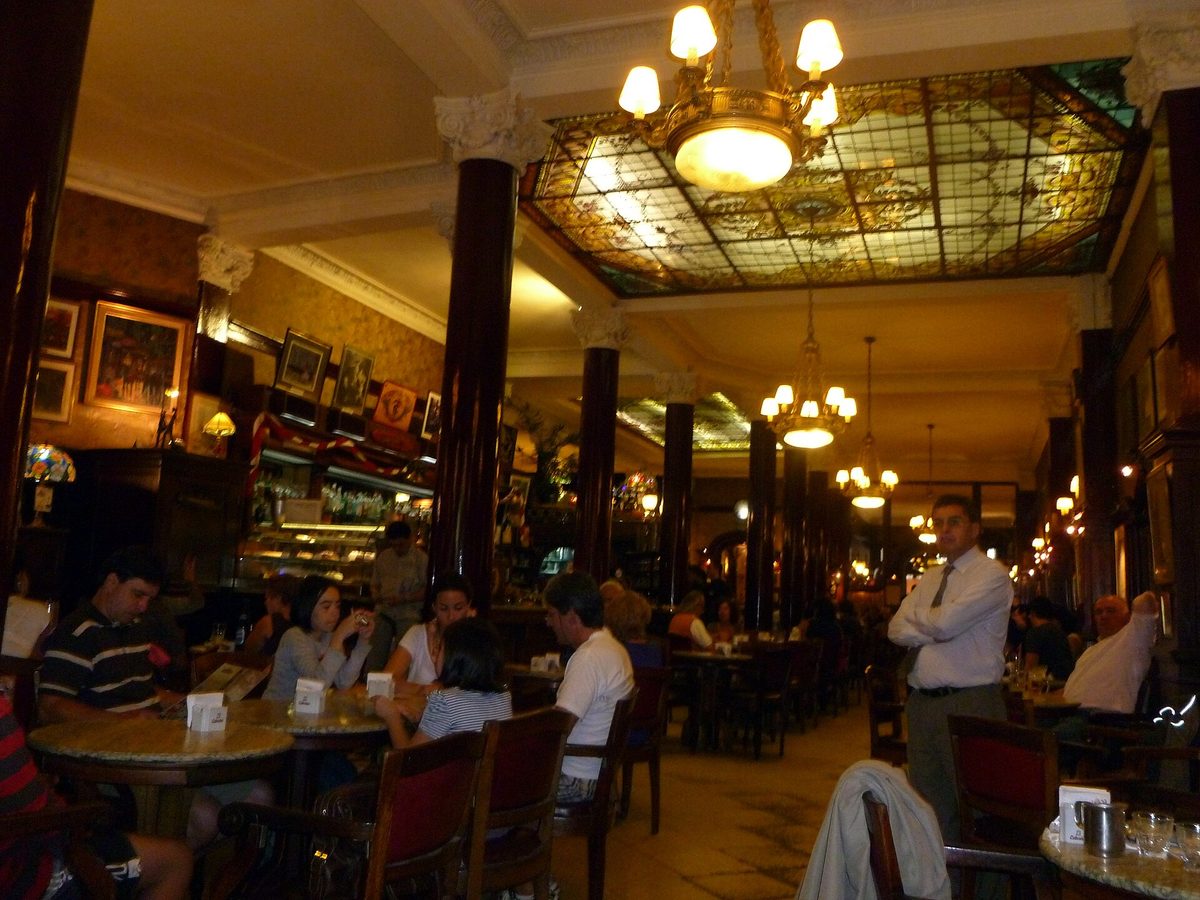
- Classic Buenos Aires café interior: Locoluis (CC BY-SA 3.0) via Wikimedia Commons
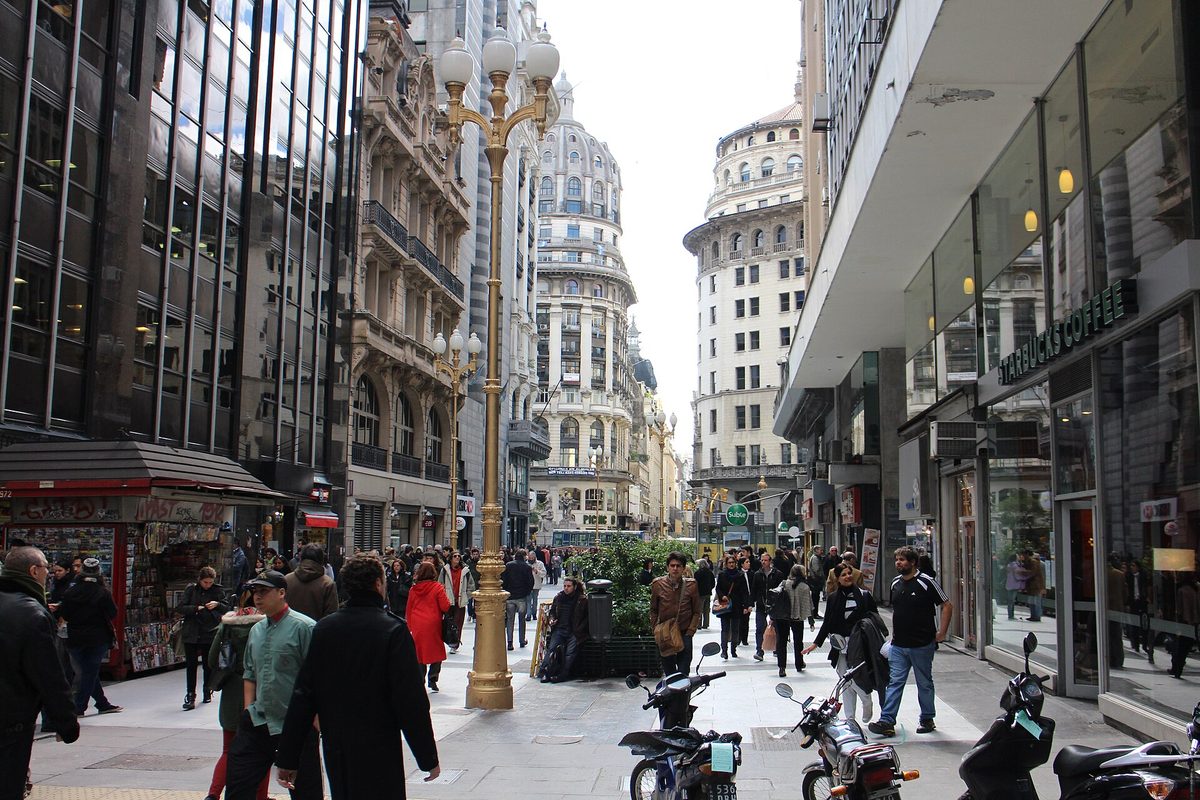
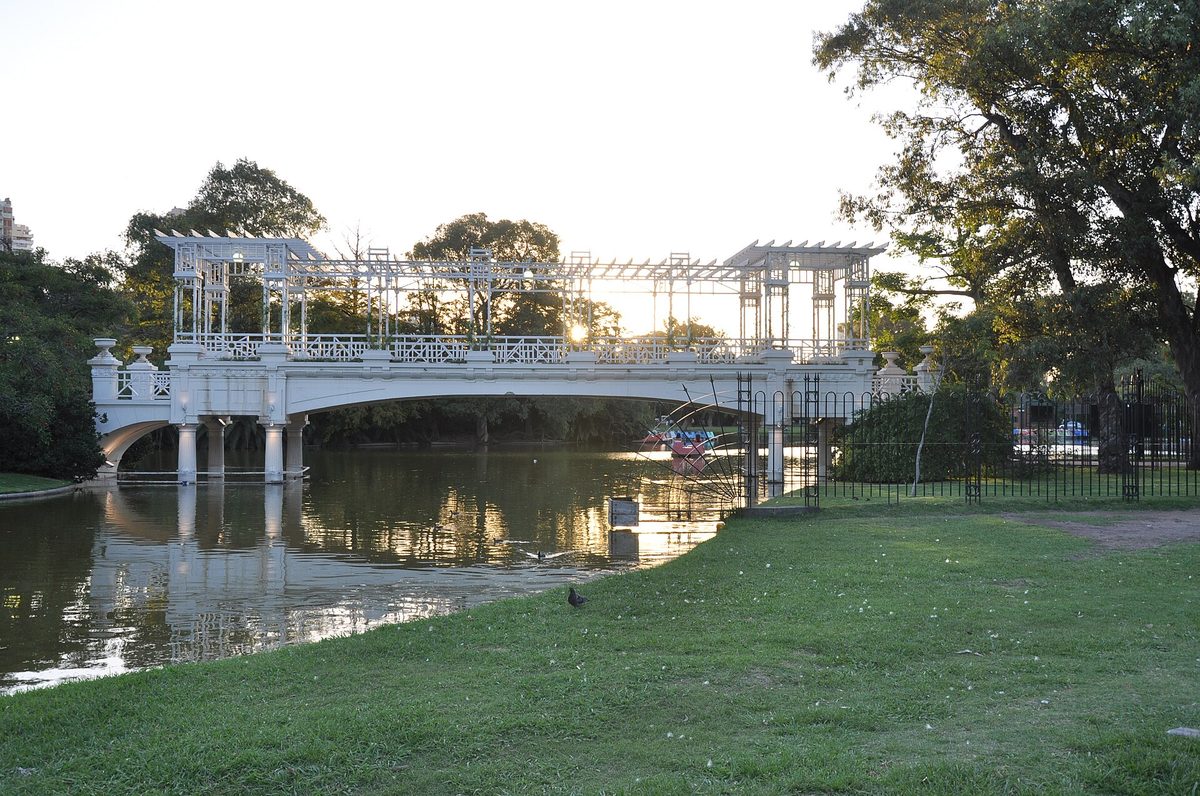
- San Telmo pedestrian street: Ezequiel Scagnetti (CC BY 2.0) via Wikimedia Commons
- Buenos Aires street scene: Alex Proimos (CC BY 2.0) via Wikimedia Commons
- Plaza de Mayo: Marcelogrillo4 (CC BY-SA 2.5 CA) via Wikimedia Commons