I have lost whole afternoons in this city’s museums, and I have also walked out of a few after twenty minutes wondering why I bothered. Buenos Aires has more museums than you could see in a month, so the real question is not “what is there?” but “which ones are worth your limited time?”
The best museums in Buenos Aires are a tight, opinionated shortlist: the free national fine-arts collection in Recoleta, MALBA’s confident Latin American art in Palermo, a couple of jewel-box palaces, and a few quirky, deeply local museums that tell you more about Argentina than any guidebook. This is the curator’s pick — what to prioritise, what to skip, and how to time it so you pay little or nothing.
Last updated: June 2026 · Written by the Buenos Aires Tourism editorial team
The best museums in Buenos Aires at a glance
Before the detail, here is the at-a-glance version I wish someone had handed me on day one. Prices swing with Argentina’s inflation, so treat every figure as a rough mid-2026 feel and check the current rate before you go — happily, since the country lifted most currency controls in 2025, you can now just tap a foreign card at almost all of these. For the bigger picture of the city’s cultural scene, our complete guide to Buenos Aires museums maps out everything this shortlist leaves on the table.
| Museum | Focus | Typical ticket | Nearest barrio | Best for |
|---|---|---|---|---|
| Museo Nacional de Bellas Artes (MNBA) | European & Argentine fine art | Free | Recoleta | First-timers, art lovers on a budget |
| MALBA | Modern Latin American art | ~US$8 (less Wed) | Palermo | Frida Kahlo, modern-art fans |
| Museo Nacional de Arte Decorativo (MNAD) | Decorative arts in a Belle Époque palace | Free / low | Recoleta | Architecture & interiors |
| Museo Evita | Eva Perón & 20th-c. history | ~US$5–8 | Palermo | History buffs |
| Museo Benito Quinquela Martín | Port-side Argentine painting | Low / donation | La Boca | Caminito visitors |
| Colección Fortabat | Argentine & international art | ~US$6–10 | Puerto Madero | Waterfront half-day |
| MAMBA (Museo Moderno) | Argentine modern & contemporary | Low (free Wed) | San Telmo | Contemporary art |
If you only do one, make it the MNBA. If you do two, add MALBA. Everything after that depends on which neighbourhood you are already in — which is exactly how I think locals actually use these places.
The two you should not miss
Museo Nacional de Bellas Artes — and it is free
If I had to send a first-time visitor to a single museum, it would be the Museo Nacional de Bellas Artes (MNBA) on Avenida del Libertador in Recoleta. It holds the country’s most important art collection, and general admission is free for everyone, residents and foreigners alike — a genuine rarity, and the single best-value cultural hour in the city. No reservation, no queue to speak of, just walk in.
The ground floor runs from European masters — there are Goya, Rembrandt, El Greco, Rodin, and a small but real cluster of Impressionists including Monet, Degas and Van Gogh — through to the Argentine rooms upstairs, where painters like Prilidiano Pueyrredón, Cándido López (his extraordinary, naive battlefield panoramas of the Paraguayan War) and Antonio Berni come into their own. Give it ninety minutes; do the upstairs Argentine galleries even if you skim the Europeans, because that is the art you cannot see anywhere else. It usually closes Mondays; check current hours. We go far deeper in our dedicated guide to the Museo Nacional de Bellas Artes.
MALBA — Latin America’s modern art, beautifully done
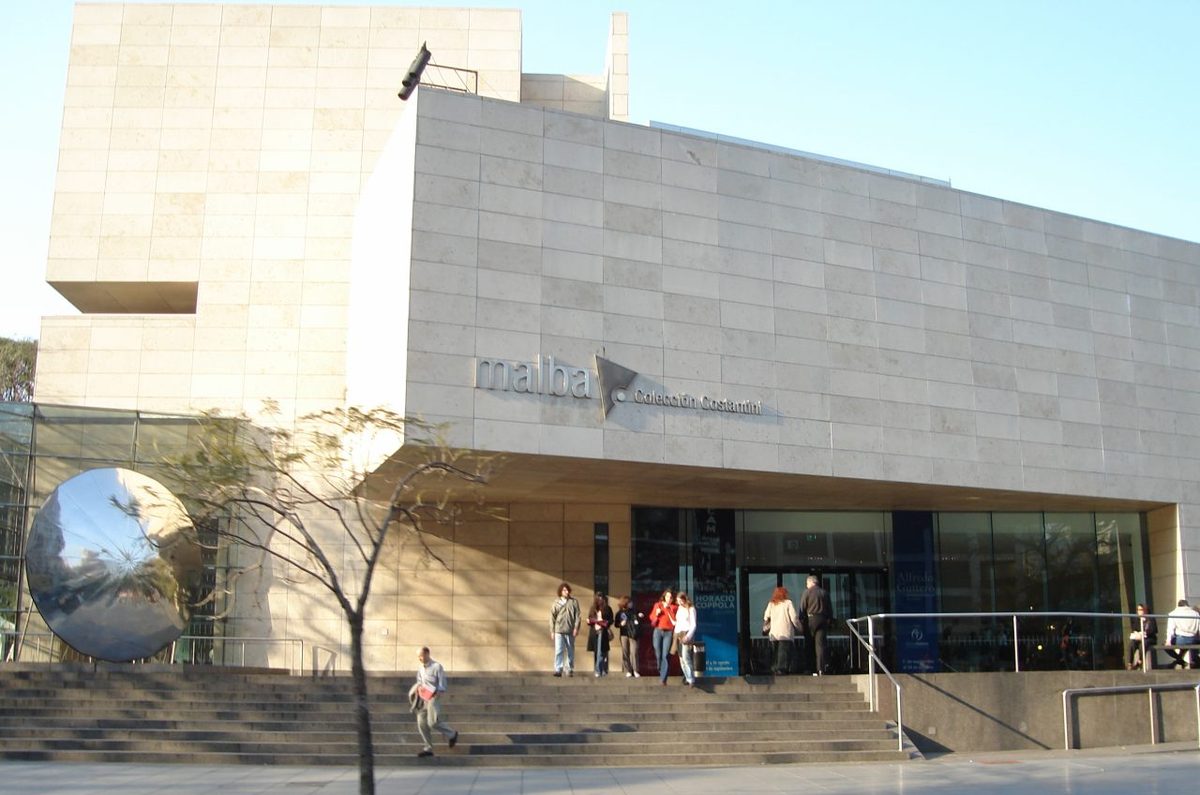
MALBA (the Museo de Arte Latinoamericano de Buenos Aires) is the other unmissable, and the one most worth paying for. Its angular limestone-and-glass building on Avenida Figueroa Alcorta in Palermo is a pleasure in itself, and the permanent collection is a confident sweep through 20th-century Latin American art: Frida Kahlo’s Autorretrato con chango y loro, Tarsila do Amaral’s iconic Abaporu, Diego Rivera, Xul Solar’s tiny private universes, Antonio Berni’s monumental Juanito Laguna works. Expect to pay around US$8 as of mid-2026 (check current); it is reduced on Wednesdays, and it is usually closed on Tuesdays, so plan around that.
It is compact — you can do the highlights in an hour — and the ground-floor café and bookshop are genuinely good. In 2025 MALBA nearly doubled its holdings and is expanding for its 25th anniversary, so the temporary shows are worth checking before you go. Our full MALBA museum guide covers tickets, the best works and how to combine it with Palermo.
The next tier: worth it if the theme grabs you
Museo Nacional de Arte Decorativo — the palace is the point
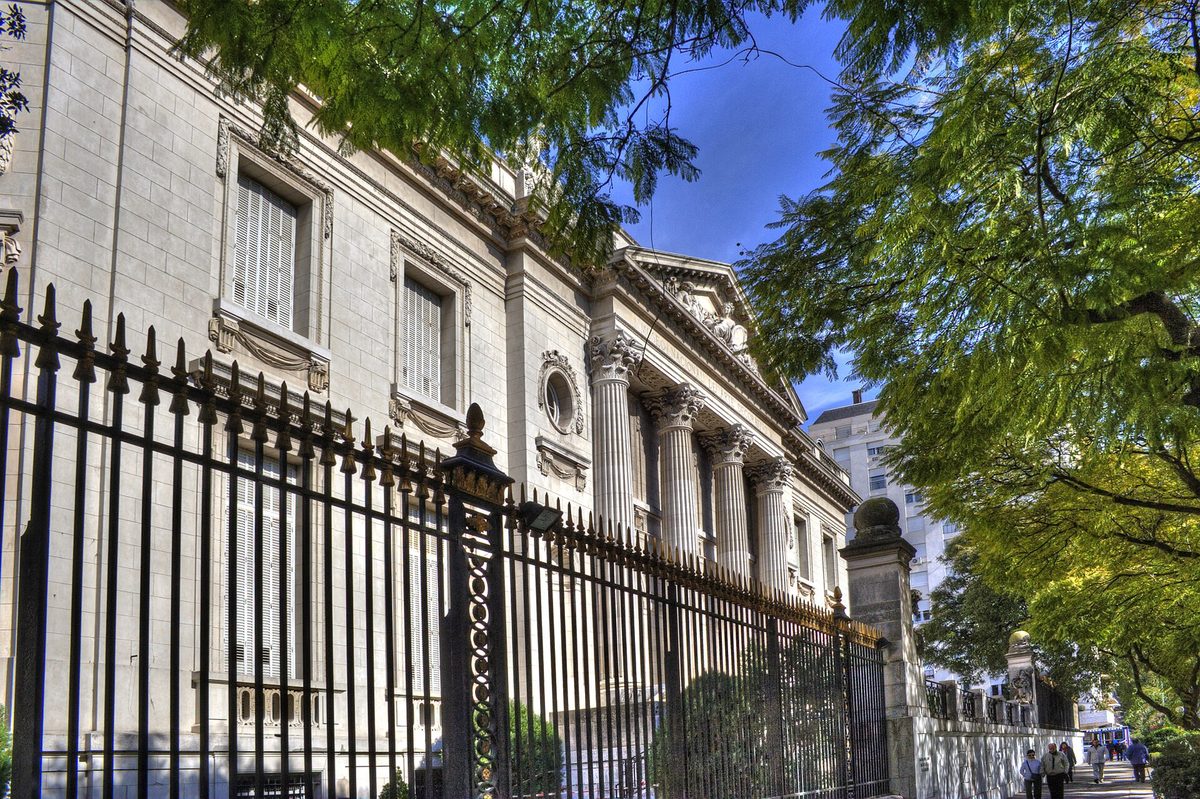
A ten-minute walk from Bellas Artes, the Museo Nacional de Arte Decorativo (MNAD) lives inside the Errazuriz Alvear Palace, a 1911 Beaux-Arts mansion that is arguably more impressive than its contents. You wander through the actual rooms of an aristocratic Belle Époque family — the boiserie-panelled hall, the grand staircase, the dining room set as if for a banquet — with furniture, porcelain, silver and tapestries from the 14th to 20th centuries. Admission is free or very low; it is usually open afternoons only, Wednesday to Sunday. Go for the building and the lifestyle it preserves, not for any single masterpiece. It sits in the heart of the Recoleta neighbourhood, an easy add-on to a Bellas Artes morning.
Museo Evita — the most Argentine museum of all
If you want to understand why Eva Perón still divides this country, spend an hour at the Museo Evita in Palermo, set in a former women’s shelter her foundation ran. Her dresses, her ballot box, the newsreels and the propaganda are all here, and the museum is honest enough to show both the myth and the machinery behind it. Tickets run around US$5–8 as of mid-2026 (check current); it is generally closed Mondays. The leafy courtyard café is a lovely spot to decompress afterwards.
Museo Benito Quinquela Martín — pair it with Caminito
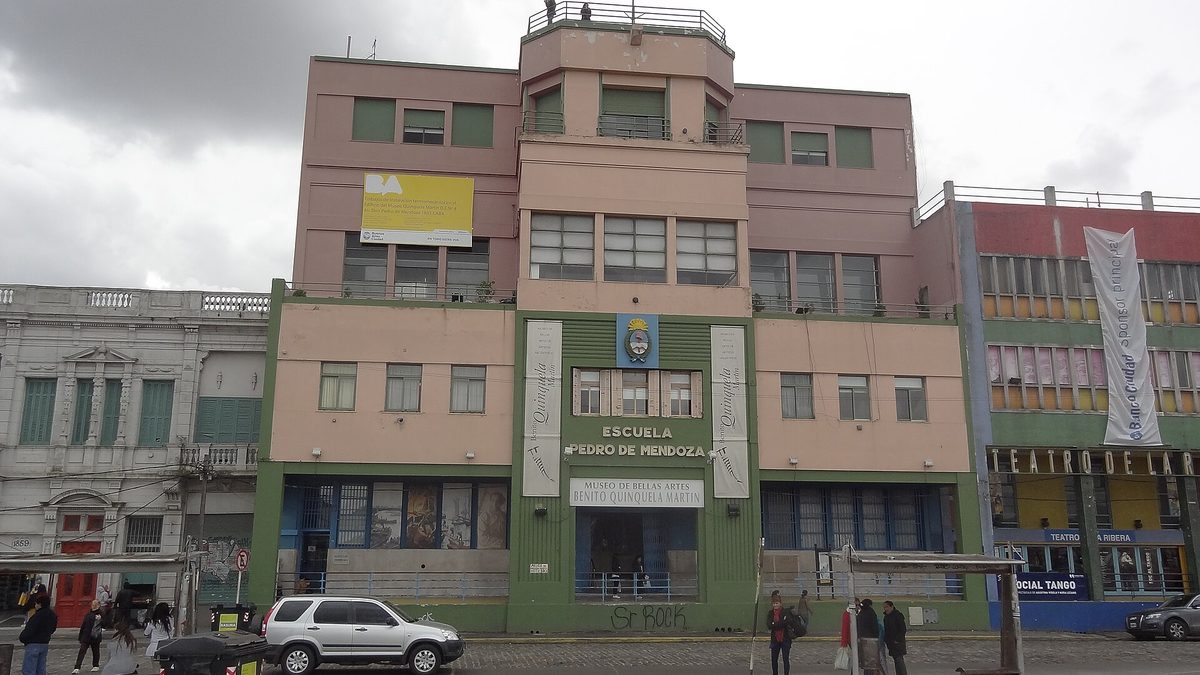
Down in La Boca, the Museo Benito Quinquela Martín sits above the old Pedro de Mendoza school, overlooking the Riachuelo. Quinquela painted the port — its smoke, ships, dockworkers and fires — in thick, brooding colour, and seeing those canvases a hundred metres from the water they depict is genuinely moving. The rooftop terrace has sculpture and a view over the corrugated-iron rooftops. It is cheap or donation-based, and it is the one museum I would actively build into a La Boca day. Pair it with Caminito a few blocks away — but mind the area and stick to the tourist streets by day. It is an easy stop on a wider list of things to do in Buenos Aires.
Colección Fortabat & MAMBA — for the half-day in the right barrio
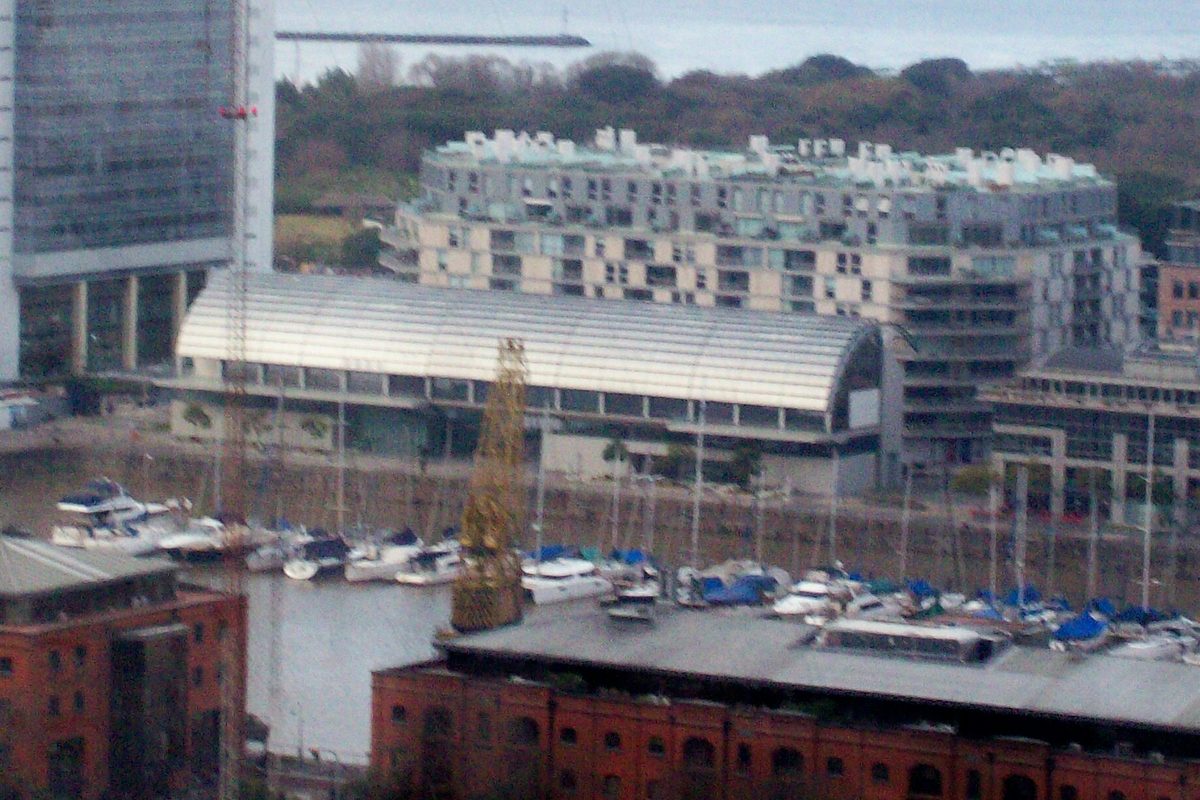
Two more earn a spot if you are already nearby. The Colección Fortabat in Puerto Madero is a sleek waterfront art space holding Amalia Fortabat’s private collection — Argentine heavyweights like Antonio Berni and Raquel Forner alongside a Turner and a Bruegel — with a glass roof and dock views; expect around US$6–10 (check current), generally open Thursday to Sunday. In San Telmo, MAMBA (the Museo de Arte Moderno, or “Moderno”) is the city’s home of Argentine modern and contemporary art; entry is low and free on Wednesdays, though note that on some city-run museums the free day applies to residents while foreigners pay — another reason to check before you go. If contemporary galleries are your thing, our Buenos Aires art galleries guide picks up where the institutions leave off.
How to do the museums cheaply (and skip the duds)
The single best free-admission tip is the simplest: the Museo Nacional de Bellas Artes is free, every day it is open, for everyone — so you never need to “save up” for art here. Beyond that, Wednesday is the magic word: MALBA is reduced, MAMBA is free, and several city museums drop their price. But read the small print, because at a number of city-run museums the free or discounted day applies to Argentine residents while foreigners still pay a (modest) fee. It is rarely much, but it is worth knowing before you queue.
On money generally: forget the old “bring a wad of cash for the blue dollar” advice. Since Argentina lifted most currency controls in 2025 the gap largely closed, and you can pay for tickets at MALBA, Fortabat, Museo Evita and the rest by card at a fair rate. If you want the current detail, see our notes on free museum days and other no-cost ideas, which folds the free museum days into a wider budget plan.
And the honest “skip” calls. Buenos Aires has a long tail of tiny, single-room or specialist museums — niche history collections, sparsely-curated house museums, the more obscure thematic spots — that are fine if the subject is your passion but a poor use of a short trip otherwise. The football-mad will enjoy the Boca Juniors museum at La Bombonera, but treat it as a stadium-tour add-on, not a great museum. My rule: in a three-or-four-day visit, do two or three museums well rather than six in a rush. Slot them between barrios using our Buenos Aires museums guide and a sensible walking route, and you will see the best of the city’s art without museum fatigue.
Which museums suit which traveller
For a first-timer with one free morning: MNBA, full stop — free, central, world-class. For an art lover with two slots: MNBA plus MALBA, ideally on a Wednesday. For architecture and interiors people: the Decorative Art palace and, if you can, a Teatro Colón tour. For history and politics: Museo Evita, and the memory sites around the former ESMA if the dictatorship era interests you. For families: keep visits short — the Moderno and the natural-sciences museum hold kids’ attention better than rooms of oil paintings.
Frequently asked questions
What are the best museums in Buenos Aires for a first visit?
Start with the Museo Nacional de Bellas Artes in Recoleta — it is free, central and holds the country’s finest art — then add MALBA in Palermo for modern Latin American work. Those two cover the essentials. If you have more time, the Decorative Art palace, Museo Evita and the Fortabat collection round out a strong, varied museum itinerary without overdoing it.
Are museums in Buenos Aires free?
Some are. The Museo Nacional de Bellas Artes has free general admission for everyone, every open day. Many city and national museums offer a free or reduced day (often Wednesday), but at several of those the free day applies to Argentine residents while foreign visitors pay a small fee. Paid museums like MALBA generally cost only a few US dollars; always check the current price.
Which day are Buenos Aires museums closed?
Most close one weekday, commonly Monday or Tuesday. MALBA is usually shut on Tuesdays; the MNBA typically closes Mondays; the Decorative Art museum and Fortabat tend to open only Wednesday/Thursday to Sunday. Hours shift with the season and holidays, so confirm before you travel. Wednesday is the best single day to visit, as several museums are free or discounted then.
How much do museum tickets cost in Buenos Aires?
Less than you might expect. Many of the best museums are free or only a couple of US dollars, and even MALBA is around US$8 as of mid-2026 (cheaper on Wednesdays). Prices move with inflation, so treat any figure as a rough guide. Since Argentina relaxed currency controls in 2025, you can pay by foreign card almost everywhere at a fair rate.
How many museums can I see in a day?
Two well, or three if they are small and close together. Recoleta lets you pair the MNBA and the Decorative Art palace in one morning; Palermo pairs MALBA and Museo Evita. I would not try more than three in a day — museum fatigue is real, and these collections reward attention rather than a rushed lap.
Final thoughts
The best museums in Buenos Aires are not about ticking off a long list — they are about choosing the two or three that match what you love and giving them real time. Make the free MNBA your anchor, add MALBA for modern art, and let your neighbourhood decide the rest. Do that and you will leave with a genuine feel for Argentine culture, not just a camera roll. For the full picture, lean on our Buenos Aires museums guide as you plan.
Photo credits
- MALBA exterior — Photo: Galio (CC0) via Wikimedia Commons
- Errazuriz Alvear Palace (Museo Nacional de Arte Decorativo) — Photo: HalloweenHJB / CC BY-SA 4.0 via Wikimedia Commons
- Museo Benito Quinquela Martín, La Boca — Photo: Mauricio V. Genta / CC BY-SA 3.0 via Wikimedia Commons
- Colección Fortabat, Puerto Madero — Photo: Roberto Fiadone / CC BY-SA 3.0 via Wikimedia Commons