The first time I tried to tackle the Buenos Aires museums in a single afternoon, I made every rookie mistake in the book. I showed up at MALBA on a Tuesday (closed), wandered to the Bellas Artes assuming I’d need to pay (I didn’t), and completely missed the fact that half the city’s best art is free on Wednesdays. Fifteen years of living here later, I’ve learned that this is a city where culture isn’t cordoned off in a few marble halls — it spills out of converted power plants, old tobacco factories, a cemetery that doubles as an open-air sculpture park, and an opera house regularly ranked among the finest on earth.
Buenos Aires museums are among the richest and most affordable in Latin America, and many are free. The essentials are MALBA for Latin American art, the Museo Nacional de Bellas Artes for the European and Argentine classics, and the Museo de Arte Moderno in San Telmo — plus cultural landmarks like Teatro Colón and Recoleta Cemetery. Most museums close on Monday or Tuesday, and many city-run museums are free on Wednesdays.
This guide is the one I wish someone had handed me on day one. It covers the art museums, the history museums, the cultural landmarks that aren’t technically “museums” but absolutely belong on your list, what everything costs in 2026 (with the currency situation explained honestly), which days to avoid, and how to string it all together into a sane itinerary instead of the death march I attempted. If you’re still mapping out your trip, pair this with our overview of things to do in Buenos Aires and our guide to the city’s neighborhoods, since where you stay shapes which museums you’ll actually get to.
Why Buenos Aires is a museum lover’s city
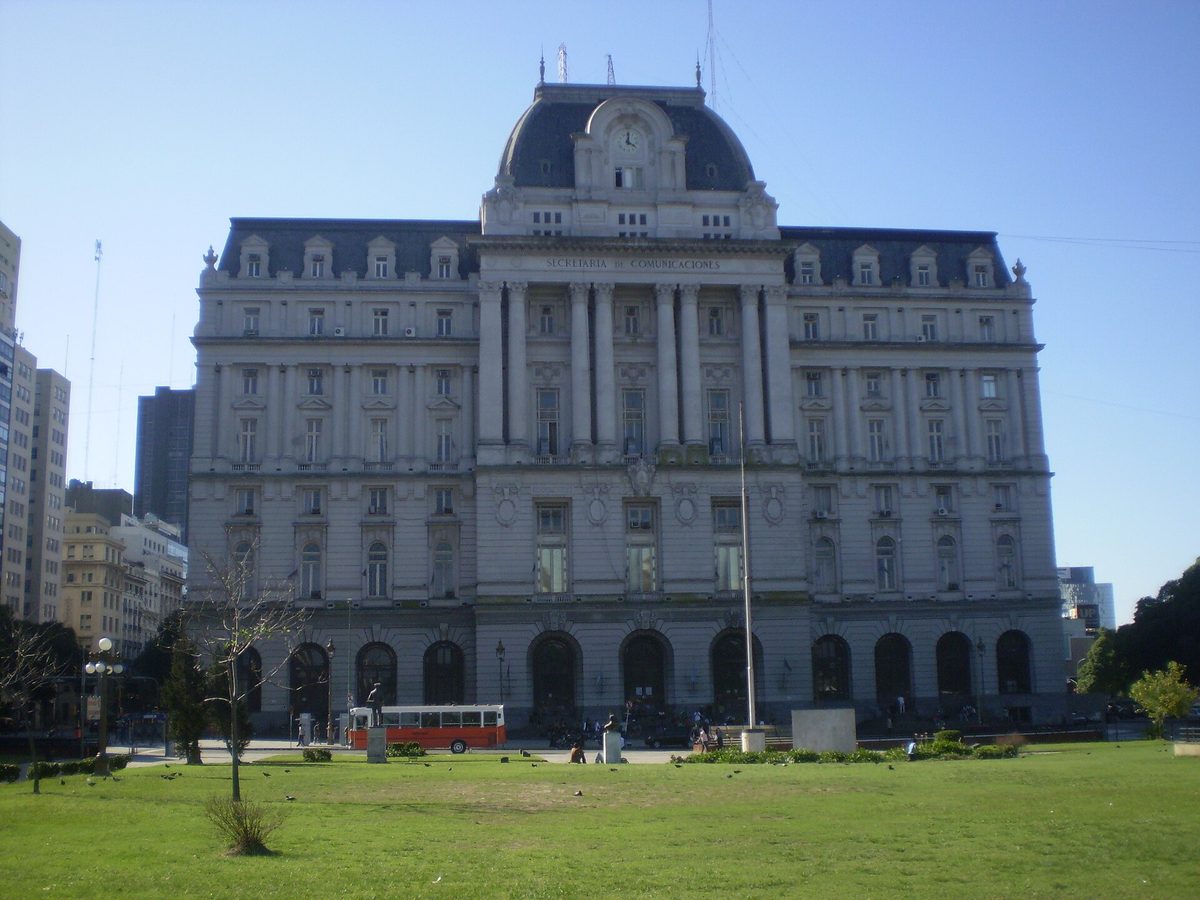
People call Buenos Aires the cultural capital of Latin America, and for once the marketing line holds up. The city has somewhere around 150 to 160 museums depending on how you count, ranging from world-class art institutions to gloriously niche one-room affairs dedicated to a single painter, a religious order, or the history of the city’s water supply. What makes the scene special isn’t just the quantity, though — it’s the texture. The art lives in extraordinary buildings: a deconstructivist limestone box in Palermo Chico, a Belle Époque palace on Avenida del Libertador, an Italianate power station on the La Boca waterfront, the old Central Post Office turned into one of the largest cultural centres on the continent.
There’s also a deep, slightly melancholic seriousness about culture here that you feel the moment you walk in. Argentines treat art, literature, and music as part of daily life, not as a special occasion. Bookshops stay open past midnight, a free symphony concert can fill a hall on a Tuesday, and even the cemetery is treated as a gallery of sculpture and national memory. For a visitor, that means you can build an entire trip around the cultural side of the city and never run dry.
Two rules will save you more grief than anything else in this guide, so I’ll put them right up front. First, most museums close on Mondays, Tuesdays, or both — always check before you cross town. Second, many of the city-run (Ciudad) museums are free on Wednesdays, and several national museums are free or donation-based every day. Plan around those two facts and you’ll see more, for less, with fewer locked doors.
Buenos Aires museums at a glance
Here’s a scannable shortlist of the heavy hitters to orient you before we go deep. Prices are approximate and in Argentine pesos (ARS) as of mid-2026; treat them as ballpark and always confirm on the official site, because Argentina re-prices with inflation faster than any guide can keep up.
| Museum / landmark | Best for | Neighborhood | Rough price (2026) | Closed |
|---|---|---|---|---|
| MALBA | Latin American art (Kahlo, Berni) | Palermo Chico | ~ARS 12,000 (½ price Wed) | Tuesday |
| Museo Nacional de Bellas Artes | European masters + Argentine art | Recoleta | Free | Monday |
| Museo de Arte Moderno | Modern & contemporary Argentine art | San Telmo | ~ARS 4,000–16,000 (free Wed) | Tuesday |
| Colección Fortabat | A dazzling private collection | Puerto Madero | ~ARS 16,000 | Monday |
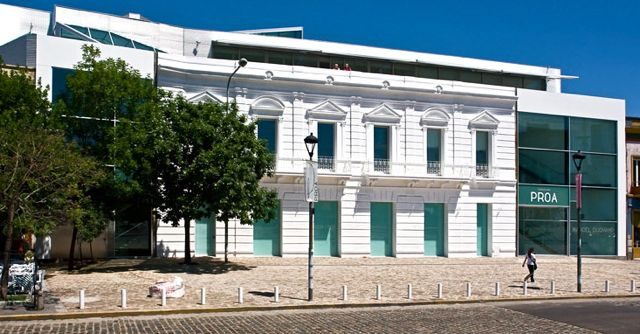
| Fundación Proa | Cutting-edge contemporary shows | La Boca | ~ARS 5,000–6,000 (free Wed) | Mon–Tue |
| Museo Evita | The Eva Perón story | Palermo | ~ARS 11,000 | Monday |
| Museo Histórico Nacional | Argentine history | San Telmo | Free | Mon–Tue |
| Teatro Colón (tour) | One of the world’s great opera houses | Centro | ~ARS 30,000 (foreigners) | Open daily |
| Recoleta Cemetery | Eva Perón’s grave & mausoleum art | Recoleta | ~ARS 21,000–24,000 (tourists) | Open daily |
If you only have time for the short version, our guide to the best museums in Buenos Aires ranks the must-sees; below, I’ll go well beyond the obvious.

What Buenos Aires museums cost in 2026 (and the money situation no one explains)
Here’s the good news that most travel articles bury: by global standards, culture in Buenos Aires is a steal. A general ticket to MALBA, the priciest of the major art museums, runs around ARS 12,000 — call it eight or nine US dollars at mid-2026 rates. Plenty of the best museums are free. You can fill three or four days with serious art and history and spend less on admission than you would on a single big-city museum back home.
The 2026 currency situation, honestly explained
For years, the advice for Argentina was “bring crisp US dollar bills and change them on the street at the blue rate.” That world has largely ended, and it changes how you’ll pay for everything, museums included. The government lifted the strict currency controls (the so-called cepo) in April 2025, and the once-enormous gap between the official rate and the parallel “blue” dollar has narrowed to a few percent. In practice, that means foreign credit and debit cards now give you a fair, near-market rate automatically — the workaround dance of the past few years is mostly unnecessary.
What does that mean on the ground? Bring a card you don’t mind tapping, carry some pesos for the few cash-only spots, and don’t stress about hunting down a cueva to change money. That said, this is Argentina, and the macro-economic picture can shift quickly. I’d verify the current state of the exchange rate before you travel, and our Buenos Aires travel cost guide keeps a closer eye on the money question than I can in a museum article. For day-to-day logistics like the SUBE transit card, see getting around Buenos Aires.
Resident vs. tourist pricing — the thing that confuses everyone
A handful of the marquee attractions now charge foreign visitors more than Argentine residents, sometimes a lot more. This trips people up at the ticket window, so know it going in. The Teatro Colón tour is around ARS 30,000 for foreigners versus roughly half that for residents. Recoleta Cemetery is free for Argentine residents but costs tourists somewhere in the ARS 21,000–24,000 range. The Museo de Arte Moderno runs a three-tier scale — a few thousand pesos for residents, more for Mercosur visitors, and the most for everyone else. It feels a little jarring the first time, but it’s standard practice across South America, and the foreigner price is still modest by international standards.
Free days and always-free museums
This is where Buenos Aires really rewards a bit of planning. The pattern is worth memorizing: many city-run museums are free on Wednesdays, and several national museums are free (or pay-what-you-wish) every day. String a Wednesday together well and you can see a fortune in art for nothing. One caveat — free Wednesdays are popular, so the big names get busy; arrive early. Note too that some donation-based museums (the Bellas Artes among them) take contributions by card or QR only, with no cash box.
| Museum | When it’s free | Notes |
|---|---|---|
| Museo Nacional de Bellas Artes | Always (donation) | Card/QR donation only, no cash |
| Museo Histórico Nacional | Always (donation) | Free guided tours, some in English |
| Museo del Cabildo | Always | On Plaza de Mayo |
| Museo de Arte Moderno (Moderno) | Wednesdays | Otherwise tiered pricing |
| Fundación Proa | Wednesdays | La Boca; great rooftop café |
| MALBA | Half-price Wednesdays | Not free, but the discount is real |
| Palacio Libertad (ex-CCK) | Always | Free programming; some events need booking |
| Usina del Arte | Always | Free concerts & exhibitions |
Every figure above is time-sensitive. Argentina’s prices move with inflation and policies change, so use these as a planning baseline and confirm the current price and free-day rules on each museum’s official website before you go.
The best art museums in Buenos Aires
If your trip has an art spine, these are the institutions to build it around. I’ve ordered them roughly by how often I send first-time visitors their way, but honestly there isn’t a dud in the list.
MALBA — Museo de Arte Latinoamericano de Buenos Aires
MALBA is the one museum I tell everyone to prioritize. Opened in 2001 to house Eduardo Costantini’s collection, it’s the best place on the continent to understand twentieth-century Latin American art in one sitting. The headline piece is Frida Kahlo’s Autorretrato con chango y loro, but the real joy is the breadth: Tarsila do Amaral’s dreamlike Abaporu, Antonio Berni’s monumental social realism, Xul Solar’s tiny invented worlds, Botero, Diego Rivera, and a deep bench of Argentine modernists. The building itself — sharp, angular, full of light — is part of the experience, and there’s a genuinely good café and an art-house cinema downstairs.
It sits in Palermo Chico (Av. Figueroa Alcorta 3415), open Thursday to Monday and Wednesday, closed Tuesday. Plan on an hour and a half to three hours. General admission is around ARS 12,000 as of mid-2026, with Wednesdays at half price (verify before you go). There’s big news here, too: MALBA recently acquired the huge Daros Latinamerica Collection, roughly doubling its holdings, and an underground expansion is underway for its 25th anniversary. There’s even a free sister branch, MALBA Puertos, out in Escobar if you’re exploring beyond the city. Our complete MALBA visitor guide goes room by room.

Museo Nacional de Bellas Artes (MNBA)
If MALBA is the city’s contemporary heart, the Museo Nacional de Bellas Artes is its classical soul — and it’s free, which still feels slightly unbelievable given what’s on the walls. This is the largest public art collection in Latin America, and the ground floor reads like a greatest-hits tour of European art: Goya, Rembrandt, El Greco, Rodin, Van Gogh, Degas, Manet, Renoir, Modigliani. Upstairs, the focus shifts to Argentine art, which is where I’d actually spend most of my time — it’s the best single introduction to the country’s painters you’ll find anywhere.
You’ll find it in Recoleta on Avenida del Libertador, a two-minute walk from the cemetery and the giant Floralis Genérica flower sculpture. It’s open Tuesday to Sunday and closed Monday; allow about ninety minutes. Admission is free, with a voluntary donation taken by card or QR only — there’s no cash box, which surprises people. Free guided tours run on a schedule. For the full breakdown of highlights and how to navigate the upper floors, see our Bellas Artes guide.
Museo de Arte Moderno & MACBA (San Telmo’s modern-art duo)

San Telmo has quietly become the city’s modern-art quarter, and two museums sit almost next door to each other on Avenida San Juan. The Museo de Arte Moderno de Buenos Aires (everyone just says “el Moderno,” or MAMBA) occupies a beautifully converted former tobacco factory and holds more than 7,000 works of Argentine modern and contemporary art, plus a strong photography collection and the occasional Picasso or Matisse. Hours are Wednesday through Monday with longer weekend hours, closed Tuesday, and it’s free on Wednesdays (otherwise the tiered resident/foreigner pricing applies).
A few doors down, MACBA (Museo de Arte Contemporáneo) is a sleek private museum focused on geometric abstraction — a tight, well-curated counterpoint that you can pair with the Moderno in a single morning. Combined, they make San Telmo a fantastic half-day, especially if you tack on the Sunday antiques fair along Defensa. While you’re in the barrio, our San Telmo neighborhood guide maps out the cafés and markets nearby.
Colección de Arte Amalia Lacroze de Fortabat (Amalita)
The Fortabat collection in Puerto Madero is the city’s most underrated big-hitter, and the building alone — a glass-and-steel vault by Rafael Viñoly with a retractable shade roof — is worth the trip. Inside is the private collection of the late cement magnate Amalia “Amalita” Fortabat: Turner, Klimt, Dalí, Gauguin, Brueghel, a Warhol portrait of Amalita herself, and an excellent survey of Argentine art organized by decade. It’s compact enough to do properly in ninety minutes and almost never crowded.
It’s open Tuesday to Sunday, closed Monday, with general admission around ARS 16,000 (less for Argentines and students; verify current rates). Puerto Madero gets a bad rap as sterile, but pairing Amalita with a riverside walk makes for a lovely afternoon — see our Puerto Madero guide for where to eat afterward.
Fundación Proa

Out on the colorful La Boca waterfront, Fundación Proa is where Buenos Aires goes for ambitious, well-produced contemporary shows — think major international retrospectives in a crisp, modern space behind a restored old facade. There’s no permanent collection; it’s all rotating exhibitions, so check what’s on before you commit. The rooftop café, with its view over the old port and the Riachuelo, is one of my favorite places in the city to sit with a coffee.
Proa is open Wednesday to Sunday (closed Monday and Tuesday), with admission around ARS 5,000–6,000 and free entry on Wednesdays. It’s a five-minute walk from the famous Caminito, so combine it with the La Boca sights — just plan to visit by day and follow the usual common-sense advice in our Buenos Aires travel tips.
Museo Xul Solar & Museo Nacional de Arte Decorativo
Two smaller museums round out the art circuit and reward the curious. The Museo Xul Solar, on the Recoleta–Palermo border, is a shrine to one of Argentina’s strangest geniuses — a painter, mystic, and friend of Borges who invented languages, a tarot variant, and a form of chess, all rendered in luminous little geometric paintings. The award-winning conversion of his former home is a quiet delight. The Museo Nacional de Arte Decorativo, meanwhile, lets you walk through a genuine Belle Époque palace on Avenida del Libertador — the building is the exhibit as much as the porcelain and silver inside, and it’s free or near-free.
History and identity museums
Art is only half the story. To understand Buenos Aires — and Argentina’s turbulent, passionate sense of itself — these are the collections that matter.
Museo Histórico Nacional
Tucked into a 19th-century mansion beside leafy Parque Lezama in San Telmo, the National History Museum walks you from indigenous cultures through the Spanish conquest, the May Revolution of 1810, and the independence wars. The relics that stop you cold are personal: San Martín’s sword, the camp furniture of the liberators, portraits of a young nation arguing about what it wanted to be. It’s free (donation), open Wednesday to Sunday, and offers free guided tours including some in English — well worth timing your visit around one.
Museo Evita
No figure looms over Argentina like Eva Perón, and the Museo Evita — set in a graceful 1900s mansion in Palermo that once housed women and children aided by her foundation — tells her story with real care. Her gowns, her work with the descamisados, the mythology and the controversy: it’s all here, and the leafy courtyard café is a lovely spot to process it over a coffee. It’s a private museum, so expect to pay around ARS 11,000 with no free days; open Tuesday to Sunday, closed Monday.
El Zanjón de Granados
This is my favorite “secret” in San Telmo. Beneath a restored 1830s mansion lies a network of excavated tunnels and original cisterns — the literal foundations of early Buenos Aires, uncovered by one obsessive owner over decades. It’s tour-only and requires a reservation, with English tours running daily (around midday and late afternoon), about fifty minutes long. There’s nothing else quite like descending into the city’s hidden plumbing while a guide unspools four centuries of history.
The Cabildo, Plaza de Mayo & Jewish heritage
On Plaza de Mayo, the whitewashed colonial Cabildo is where the May Revolution kicked off in 1810; it’s small, free, and a quick, atmospheric stop while you’re seeing the Casa Rosada and the cathedral. Buenos Aires is also home to the largest Jewish community in Latin America, and its heritage is moving and important: the Museo del Holocausto and the memory of the 1994 AMIA bombing are powerful counterpoints to the lighter sightseeing. Our guide to Jewish heritage and the Holocaust Museum covers this thread in depth, and you can fold the Cabildo into a wider walk using our things to do overview.
Iconic cultural landmarks beyond the museums
Some of the most unforgettable cultural experiences in Buenos Aires don’t carry the word “museum” at all. Skip these and you’ve missed the city’s soul.
Teatro Colón

The Teatro Colón is, by common consent, one of the three or four greatest opera houses in the world, with acoustics that performers rhapsodize about. Even if you can’t catch a performance, the daytime guided tour is essential — fifty minutes through the Golden Hall, the Bust Gallery, and the breathtaking main auditorium, with departures every fifteen minutes from around 10am to late afternoon. Tours run about ARS 30,000 for foreigners (roughly half that for residents); buy directly at the box office on Tucumán 1171 rather than through resellers, who pile on big markups.
A newer add-on for the truly curious is Colón Fábrica in La Boca, the theatre’s scenery-and-costume workshop, where you can wander among the colossal painted sets and props from past productions. Our complete Teatro Colón guide covers tour times, ticket tiers, and how to book. If seeing a show is on your list, our guide to Buenos Aires nightlife and the broader cultural calendar will help you plan the evening.
Recoleta Cemetery

Calling Recoleta Cemetery a “cemetery” undersells it. It’s an open-air city of the dead — narrow marble avenues lined with hundreds of ornate mausoleums, some crumbling romantically, others grand as small cathedrals. Presidents, generals, and Nobel laureates rest here, but the grave everyone seeks is Eva Perón’s, in the relatively modest Duarte family vault. Give yourself an hour to get pleasantly lost; pick up a map of notable tombs at the entrance, or take a guided walk to catch the stories you’d otherwise stroll right past.
It’s open daily, roughly 9am to 5pm. Entry is free for Argentine residents and around ARS 21,000–24,000 for tourists (card only at the gate; verify the current fee). It sits right beside the Bellas Artes and the Recoleta cultural centre, so the whole area makes a tidy half-day — our Recoleta neighborhood guide ties it together, and our dedicated Recoleta Cemetery guide maps the must-see graves.
Palacio Libertad (formerly the Centro Cultural Kirchner)

Housed in the monumental former Central Post Office near Puerto Madero, this is one of the largest cultural centres in Latin America — and a name-change you should know about. Long known as the Centro Cultural Kirchner (CCK), it was officially renamed Palacio Libertad in 2024, with the old lettering removed from the facade in early 2025. Whatever you call it, the draw is the same: free exhibitions across eight floors and the extraordinary “Ballena Azul” (Blue Whale) symphony hall, one of the finest concert spaces anywhere. Programming is free but some events require advance reservation, so check the schedule.
For more on the city’s network of centros culturales — including the Usina del Arte, a stunning converted power plant in La Boca that hosts free concerts — see our guide to Buenos Aires cultural centres.
Buenos Aires museums by neighborhood
One of the smartest ways to plan is by barrio, because the museums cluster geographically and you’ll waste hours if you crisscross the city at random. Here’s how the cultural map breaks down.
Recoleta is the densest culture zone: the Bellas Artes, the cemetery, the Recoleta cultural centre, the Museo Nacional de Arte Decorativo, and the Xul Solar museum are all within walking distance, making this the single best base for a museum-focused trip. Palermo (specifically Palermo Chico) holds MALBA and the Museo Evita, with the Botanical Garden and parks for breaks in between. San Telmo is the modern-and-history quarter — the Moderno, MACBA, the Museo Histórico Nacional, and El Zanjón, plus the famous Sunday fair. La Boca gives you Fundación Proa, the Quinquela Martín museum of port painting, and Colón Fábrica. And Puerto Madero / Centro covers the Fortabat collection, Palacio Libertad, and the Teatro Colón. If you’re still deciding where to base yourself, cross-reference our neighborhoods guide and our advice on where to stay — staying in Recoleta or Palermo puts the most culture within walking range, and there are excellent hotels in Recoleta for exactly this kind of trip.
How to plan your museum days: three itineraries
Knowing what’s good is one thing; sequencing it sanely is another. Here are three plans I’ve tested, scaled to how much time you have.
One perfect culture day in Recoleta
Start at the Museo Nacional de Bellas Artes when it opens to beat the crowds (it’s free, so you’ve nothing to lose). Walk five minutes to Recoleta Cemetery for a mid-morning wander among the mausoleums, then break for lunch in the cafés around Plaza Francia. Spend the afternoon at the Museo Nacional de Arte Decorativo or pop over to MALBA in nearby Palermo Chico, and you’ve seen a serious slice of the city’s art without ever needing a taxi. This compact day is ideal if you only have a short stay — it pairs well with our one day in Buenos Aires itinerary.
A free-Wednesday museum crawl
Build a Wednesday around the free and discounted days. Morning: the Museo de Arte Moderno and MACBA in San Telmo (free Wednesday at the Moderno), then the free Museo Histórico Nacional nearby. Early afternoon: head to La Boca for Fundación Proa (free Wednesday) and its rooftop café. Late afternoon: catch MALBA at half-price. You’ll have seen four or five excellent museums and spent almost nothing on admission — just budget for transport and lunch, and check our list of free things to do for more no-cost ideas.
A three-day art and culture itinerary
With three days you can do it all without rushing. Day one — Recoleta & Palermo: Bellas Artes, the cemetery, then MALBA and the Museo Evita. Day two — San Telmo & the centre: the Moderno and MACBA, El Zanjón, the Cabildo on Plaza de Mayo, and a Teatro Colón tour to finish. Day three — La Boca & Puerto Madero: Fundación Proa and Colón Fábrica, then the Fortabat collection and Palacio Libertad across the water. For a fuller framework that mixes museums with the rest of the city, our three-day Buenos Aires itinerary and the master Buenos Aires itinerary are the place to start.
Buenos Aires art and culture beyond the museums

The title of this guide is “Museums, Art & Culture,” and that last word does a lot of work in Buenos Aires. Culture here isn’t confined to institutions — it’s woven through the city, and some of the most memorable cultural hours of your trip will happen outside any museum.
Tango is the obvious one. You can watch a polished show, but for the real thing, visit a milonga — a neighborhood dance hall where locals of all ages dance until dawn. Our guides to tango in Buenos Aires and the best tango shows break down the options. Street art is another: Buenos Aires has a thriving, legal mural scene, and the local fileteado sign-painting style is recognized by UNESCO — a guided street art tour opens your eyes to a whole layer of the city.
Then there are the bookstores. El Ateneo Grand Splendid, a century-old theatre converted into a bookshop with the stage now a café and the balconies full of books, is regularly called one of the most beautiful bookstores in the world — see our El Ateneo guide. Add the city’s contemporary art galleries and its astonishing architecture, and you start to see why a “museum trip” to Buenos Aires never really stays inside the museums.
Practical tips for visiting Buenos Aires museums
A few hard-won pointers that will make your cultural days smoother:
- Mind the closing days. Monday and Tuesday are the danger zones — MALBA, the Moderno, and Proa are all shut on one or both. Always check the day before you trek across town.
- Go early on free days. Free Wednesdays are wonderful and popular; the big museums fill up by late morning, so start at opening.
- Carry a card and a little cash. Post-2025 the card rate is fair, and several places (the Bellas Artes donation, the Recoleta Cemetery gate) are card-only. Keep some pesos for small museums and cafés.
- Get a SUBE card. The museums sprawl across barrios; the subte and buses are cheap and easy with a SUBE card. See getting around Buenos Aires.
- Ask about English tours. The Bellas Artes, the Museo Histórico Nacional, and El Zanjón all offer guided visits in English at set times — they transform the experience.
- Build in café time. Several museums (Proa, MALBA, Museo Evita) have excellent cafés; they’re part of the day, not an afterthought.
- Check accessibility ahead. The modern museums (MALBA, the Moderno, Proa, Fortabat) are largely step-free; some older palaces and San Telmo sites are trickier, so call ahead if it matters.
One more seasonal note: Buenos Aires summers (December–February) are hot and many porteños leave town, while autumn and spring are ideal for combining indoor culture with walkable weather. Our guide to the best months for a trip has the full rundown, and rainy days are practically made for museum-hopping. Traveling with little ones? Many of these — the cemetery, the Moderno’s open spaces, the Colón tour — work surprisingly well for families; see our Buenos Aires with kids guide.
Frequently asked questions about Buenos Aires museums
What are the best museums in Buenos Aires?
For most visitors, the top three are MALBA (Latin American art), the Museo Nacional de Bellas Artes (European masters and Argentine art, and free), and the Museo de Arte Moderno in San Telmo. Beyond those, the Colección Fortabat, Fundación Proa, and the Museo Evita round out a fantastic shortlist, while Teatro Colón and Recoleta Cemetery are unmissable cultural landmarks even though they aren’t traditional museums.
Are museums in Buenos Aires free?
Many are. Several national museums — including the Museo Nacional de Bellas Artes and the Museo Histórico Nacional — are free or pay-what-you-wish every day. Many city-run museums are free on Wednesdays, and MALBA is half-price that day. Private museums like the Museo Evita charge a standard ticket with no free days. Always confirm current rules on the museum’s website.
What days are Buenos Aires museums closed?
Most close on Monday or Tuesday. MALBA, the Museo de Arte Moderno, and the Colección Fortabat close on Tuesday or Monday; Fundación Proa closes both Monday and Tuesday. The Bellas Artes closes Monday. Teatro Colón tours and Recoleta Cemetery, by contrast, operate every day. Check before you go, because a wasted trip across the city stings.
How much does the Teatro Colón tour cost?
As of mid-2026, the guided tour is around ARS 30,000 for foreign visitors and roughly half that for Argentine residents, with student and senior discounts. Tours run daily, about every fifteen minutes, and last around fifty minutes. Buy tickets directly at the box office on Tucumán 1171 or the official website — third-party resellers charge significantly more. Prices change, so verify before your visit.
Is Recoleta Cemetery free?
It’s free for Argentine residents but charges foreign tourists roughly ARS 21,000–24,000 (payable by card at the entrance), as of mid-2026. It’s open daily, about 9am to 5pm. Pick up a map of notable graves — including Eva Perón’s — at the gate, or join a guided walk for the stories behind the mausoleums. Confirm the current tourist fee before you go.
Is MALBA worth visiting?
Absolutely — it’s the museum I recommend first. MALBA holds the best collection of twentieth-century Latin American art on the continent, including Frida Kahlo, Tarsila do Amaral, and Antonio Berni, in a striking modern building with a great café and cinema. Budget 1.5 to 3 hours. Go on a Wednesday for half-price admission, and check out the new wing as its expansion completes.
What happened to the Centro Cultural Kirchner (CCK)?
It was renamed. In 2024 the government rebranded the Centro Cultural Kirchner as Palacio Libertad, and the old facade lettering was removed in early 2025. The building, programming, and free admission are unchanged — it’s still the same monumental cultural centre in the former Central Post Office, complete with the famous “Blue Whale” symphony hall. Many older guides still call it the CCK.
How many days do you need for Buenos Aires’s museums?
One focused day covers the Recoleta highlights; two days lets you add San Telmo and a Teatro Colón tour; three days is the sweet spot, giving you Recoleta, Palermo, San Telmo, La Boca, and Puerto Madero without rushing. If you’re a serious art lover, you could happily spend a week. Pace yourself — two or three museums a day is plenty before fatigue sets in.
Final thoughts
If there’s one thing I want you to take from all this, it’s that the museums and culture of Buenos Aires reward the unhurried. This isn’t a city to speed-run with a checklist. It’s a place to linger over a single Berni canvas at MALBA, to lose an afternoon among the mausoleums of Recoleta, to stumble into a free concert at Palacio Libertad and realize you’ve had the kind of evening you’ll still be telling people about years later.
Start with the big three — MALBA, the Bellas Artes, and the Moderno — anchor a day around Teatro Colón and the cemetery, and then follow your curiosity into the smaller, stranger places: a painter’s invented universe, a mansion’s hidden tunnels, a power station turned concert hall. Keep an eye on the closing days, lean into free Wednesdays, carry a card, and confirm the prices and hours that I’ve flagged throughout, because in Argentina the numbers move. Do that, and you’ll experience the cultural capital of Latin America the way it’s meant to be experienced — generously, and on its own terms. For everything else your trip needs, our complete things-to-do guide and Buenos Aires itinerary are waiting. And if the city gets under your skin the way it does for so many, our day trips and even our living in Buenos Aires guide will be there when you’re ready.
Photo credits
All images are used under their respective Creative Commons or public-domain licenses via Wikimedia Commons:
- MALBA exterior — Photo: Iridescent, CC BY-SA 3.0, via Wikimedia Commons
- Museo Nacional de Bellas Artes facade — Photo: Leandro Kibisz, CC BY-SA 3.0, via Wikimedia Commons
- Teatro Colón auditorium — Photo: Roger Schultz, CC BY 2.0, via Wikimedia Commons
- Museo de Arte Moderno (MAMBA) — Photo: Gobierno de la Ciudad de Buenos Aires, CC BY 2.5 AR, via Wikimedia Commons
- Fundación Proa — Photo: Fundación PROA, public domain (CC0), via Wikimedia Commons
- Recoleta Cemetery entrance — Photo: Sking, CC BY-SA 3.0, via Wikimedia Commons
- Palacio Libertad (former CCK) — Photo: Lorena Cacciola, CC BY-SA 4.0, via Wikimedia Commons
- El Ateneo Grand Splendid — Photo: Philip Choi, CC BY 2.0, via Wikimedia Commons
About the author: Written by the Buenos Aires Tourism editorial team — locals and long-term residents who have spent years exploring the city’s museums, galleries, and cultural corners. We update our guides regularly to keep prices, hours, and practical details as current as possible.
Last updated: June 2026. Prices, opening hours, and entry rules change frequently in Argentina — please confirm the latest details on each museum’s official website before your visit.
Photo Credits
Every image in this guide is used under its respective Creative Commons or public-domain license, sourced from Wikimedia Commons:
- MALBA museum modern building exterior in Buenos Aires. Photo: Iridescent / CC BY-SA 3.0 via Wikimedia Commons.
- Museo Nacional de Bellas Artes facade, one of the top buenos aires mus. Photo: Leandro Kibisz / CC BY-SA 3.0 via Wikimedia Commons.
- Museo de Arte Moderno de Buenos Aires (MAMBA) in San Telmo. Photo: Gobierno de la Ciudad de Buenos Aires / CC BY 2.5 ar via Wikimedia Commons.
- Fundacion Proa contemporary art museum on the La Boca waterfront. Photo: Fundación PROA (CC0) via Wikimedia Commons.
- Ornate golden auditorium of Teatro Colon opera house in Buenos Aires. Photo: Roger Schultz from BUENOS AIRES, ARGENTINA / CC BY 2.0 via Wikimedia Commons.
- The neoclassical entrance gate to Recoleta Cemetery in Buenos Aires. Photo: Sking / CC BY-SA 3.0 via Wikimedia Commons.
- The monumental Palacio Libertad (former Centro Cultural Kirchner) in B. Photo: Lorena Cacciola / CC BY-SA 4.0 via Wikimedia Commons.
- El Ateneo Grand Splendid, a former theatre that is now a grand booksto. Photo: Philip Choi / CC BY 2.0 via Wikimedia Commons.