Last updated: June 2026 · Written by the Buenos Aires Tourism editorial team, who have wandered the Recoleta Cemetery at opening time to have Evita’s tomb almost to themselves and then crossed the road for a flat white at La Biela.
Recoleta buenos aires: the short answer
Recoleta buenos aires is the city’s most elegant, European-feeling barrio: a compact, walkable district of grand Belle Époque mansions, leafy plazas and world-class museums, anchored by the extraordinary Recoleta Cemetery where Eva Perón is buried. It suits first-time visitors, culture lovers and anyone wanting refined, safe, central Buenos Aires within easy strolling distance of its sights.
People often tell me Recoleta reminds them of Paris, and they are not wrong — the wide avenues, the mansard roofs, the pavement cafes. But it has a very Argentine heart too: a cemetery that doubles as an open-air sculpture gallery, a weekend craft fair on the grass, and a giant metal flower that opens with the sun. You can see it properly on foot in a day or two.
If you are still deciding where to base yourself, start with our full guide to the Buenos Aires neighbourhoods and how they connect. Below I focus on Recoleta alone — what to see, how to visit the cemetery, where to eat and stay, and who it suits.

The barrio and its vibe
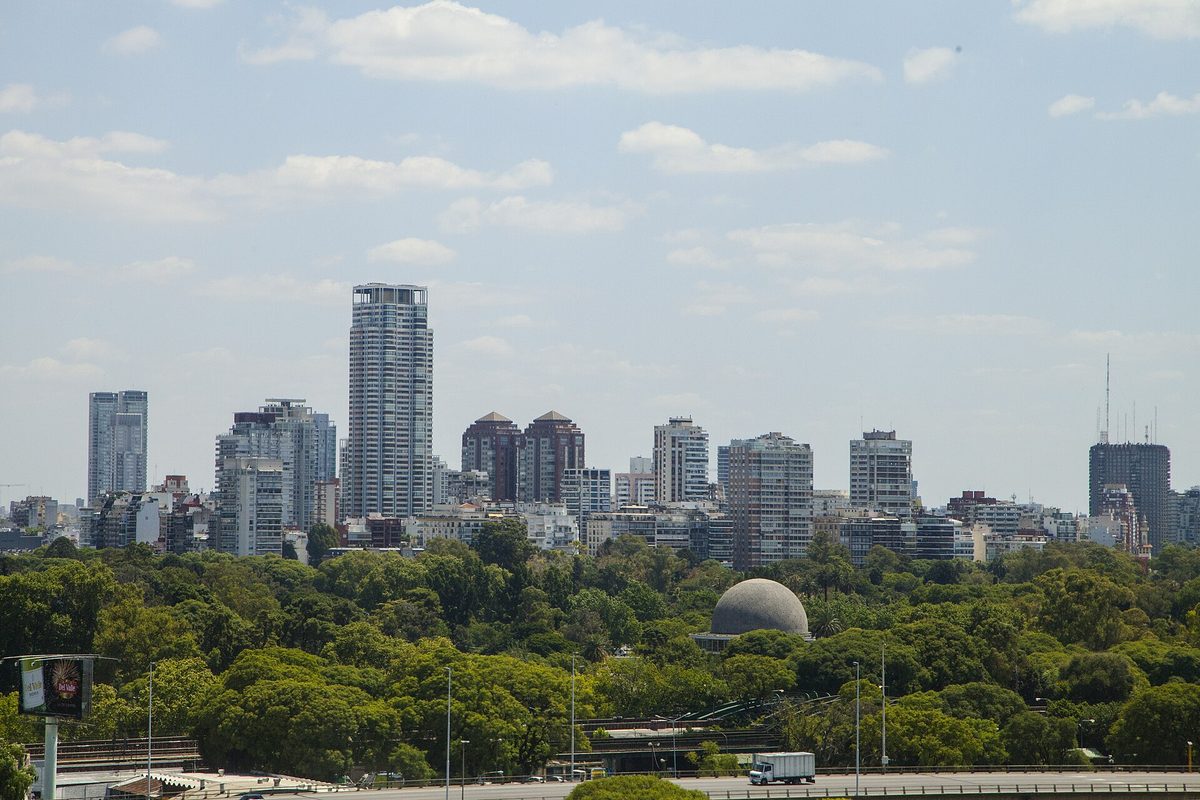
Recoleta sits in the city’s north-east, between downtown and Palermo, and has long been the address of Buenos Aires’ old money. When a yellow fever epidemic swept the southern barrios in the 1870s, the wealthy fled north to this higher ground and never went back, building the French-style palaces that still define the streets. The result feels genteel, established and a little hushed beside the buzz of San Telmo or Palermo.
That elegance is the whole point. Expect broad tree-lined avenues, designer boutiques, antique galleries, grand cafes and several of the city’s most important cultural institutions within a few blocks. It is polished rather than edgy: for nightlife you drift to Palermo, but for daytime sightseeing and refined wandering, few barrios are better placed. The walkable core orbits the cemetery, the Basílica del Pilar and the green parks below, then fans out to the museums and Avenida Alvear.
Recoleta Cemetery: the barrio’s soul
If you do one thing in Recoleta, make it the Cementerio de la Recoleta: not a gloomy graveyard but one of the great sights of South America. It is a walled city of the dead, a grid of marble avenues lined with more than 4,500 elaborate mausoleums in Art Deco, Art Nouveau, Baroque and neo-Gothic styles. Presidents, Nobel laureates and founding families lie here under angels, domes and weeping statues. It is astonishing, and admission is free.
How to visit, and finding Evita
The cemetery is generally open daily from around 8am to 5.30pm, slightly longer in summer, though times can change — check before you go. Come early to beat the heat and the tour groups. The single most visited tomb belongs to María Eva Duarte de Perón — Evita — in her family’s modest black Duarte vault. It is famously hard to find in the labyrinth; follow the small crowds, ask a guard, or look for the lane where everyone is photographing a comparatively plain granite tomb. Her body lies several metres underground, a security measure after it was stolen and spirited to Italy following the 1955 coup.
Beyond Evita, look for the tombs of former presidents Domingo Faustino Sarmiento and Bartolomé Mitre, and the resident cats dozing among the marble. Free guided tours run in Spanish on set days, and English-language walking tours are well worth it for the stories behind the stone. Give yourself at least an hour to get pleasantly lost.
Admission is free and hours run roughly 8am–5.30pm daily, but opening times, tour schedules and prices shift with the season and the economy — confirm locally before you go.
Churches and culture
Recoleta is wall-to-wall with culture, much of it free or cheap. Right beside the cemetery stands the dazzling white Basílica de Nuestra Señora del Pilar, consecrated in 1732 and one of the oldest buildings in the city. Step inside for its Baroque altar and Peruvian silverwork, then climb to the small upstairs museum for views over the cemetery rooftops — a serene counterpoint to the marble city next door.

Centro Cultural Recoleta
Adjoining the basílica, the Centro Cultural Recoleta fills a rambling former convent and is one of the liveliest arts spaces in Buenos Aires, with rotating contemporary exhibitions, installations and a famously playful, often free programme. Even the building is worth it, its old cloisters frequently wrapped in bold murals. A reliable rainy-day option, and a favourite with families.

Museums: Bellas Artes and MALBA
A short stroll from the cemetery, the Museo Nacional de Bellas Artes holds Argentina’s premier art collection — European masters through a deep sweep of Argentine painting — and entry is typically free. A little further, on the Recoleta–Palermo border, the sleek MALBA showcases modern Latin American art. Together they make this one of the richest museum districts in the city; our guide to Buenos Aires museums maps out the rest.
Parks, plazas and the Floralis Genérica
Below the cemetery and basílica, the land falls away into connected green spaces: Plaza Intendente Alvear (universally called Plaza Francia) and the lawns running down towards the law school. On a sunny afternoon they fill with families, dog-walkers, mate-drinkers and buskers. It is the barrio’s back garden, and a lovely place to slow down between sights.

The weekend craft fair
Every weekend and on public holidays, the slopes of Plaza Francia host the Feria de Artesanos de Plaza Francia, a sprawling craft fair running since 1970. Hundreds of white-tented stalls sell handmade leather, ceramics, jewellery, wool and mate gourds — original work, much of it made by the sellers — with street performers and food carts adding to the buzz. It runs roughly late morning to early evening; bring cash. For more open-air shopping, see our roundup of the best Buenos Aires markets.
The Floralis Genérica
A few minutes’ walk away, in the wide Plaza de las Naciones Unidas opposite the law school, stands the Floralis Genérica — a giant steel-and-aluminium flower some twenty metres across, built to open its petals at dawn and close them at dusk. The mechanism is temperamental now, but the sculpture is still a striking, free photo stop and a fine excuse to wander the parkland.
Eating and cafes in Recoleta
Recoleta does grand, old-world cafe culture better than anywhere. The institution is Café La Biela on Avenida Quintana, right across from the cemetery, where Borges once sat and where you can still nurse a coffee under the huge gum tree on the terrace. It is touristy and not cheap, but the people-watching is worth the premium once. Beyond it, the streets hold smart parrillas, Italian trattorias and patisseries, plus the cafe terraces ringing the parks. Our roundup of the best restaurants in Recoleta picks out the ones actually worth booking. This is a sit-down-lunch barrio more than a street-food one; for the wider picture of where to eat, see our guide to things to do in Buenos Aires.
Shopping and Avenida Alvear
For luxury, head to Avenida Alvear, the barrio’s most aristocratic street — a short run of French-style palaces now home to international fashion houses, the storied Alvear Palace Hotel and antique dealers. Even window-shopping, it is a beautiful stroll, and nearby Patio Bullrich is an upscale mall in a converted auction house.
One short walk away, just over the line in Barrio Norte, is a sight no book lover should miss: El Ateneo Grand Splendid, a 1919 theatre turned breathtaking bookshop, with shelves rising into the old boxes and a stage now serving as a cafe. Read more in our guide to El Ateneo Grand Splendid.
Where to stay in Recoleta
Recoleta is a superb base for first-time visitors: central, safe-feeling, well connected and walkable to a cluster of major sights. It skews upmarket — grand five-stars like the Alvear Palace plus comfortable mid-range hotels and apartments — and is quieter at night than Palermo. The trade-off is exactly that: limited nightlife and higher prices than San Telmo. Stay near the cemetery or Avenida Callao to be in the thick of it, and compare areas in our where to stay in Buenos Aires guide first.
Recoleta or Palermo?
It is the classic Buenos Aires dilemma — here is the short version.
| Recoleta | Palermo | |
|---|---|---|
| Vibe | Elegant, classic, European | Trendy, leafy, bohemian-chic |
| Best for | First-timers, culture, museums | Foodies, nightlife, repeat visitors |
| Nightlife | Quiet | Buzzing |
| Dining | Grand cafes, smart restaurants | Hottest restaurants and bars |
| Feel | Central and walkable to sights | Spread out, more local |
Many travellers with four or more nights split their stay — Recoleta first for classic Buenos Aires, then Palermo for a contemporary finish. With only a few days, Recoleta’s central position is hard to beat.
Getting there and around
Recoleta is one of the few central barrios without its own Subte (metro) station at its heart, which catches people out. The nearest lines are a walk away — Line D stops at Callao and Pueyrredón on Avenida Santa Fe, a few blocks south of the cemetery — so many visitors arrive on foot from downtown, by bus or by taxi. You will want a rechargeable SUBE card, sold at stations and kiosks.
Within the barrio, everything worth seeing is walkable: the cemetery, basílica, cultural centre, parks and Avenida Alvear sit in a tight cluster. Taxis and rideshare apps (Uber, Cabify, DiDi) are cheap for hops elsewhere. Recoleta pairs naturally with neighbouring Palermo, while historic San Telmo and waterfront Puerto Madero make easy contrasts on other days.
Who Recoleta suits
Recoleta is made for first-time visitors, culture and museum lovers, comfort-minded travellers, and anyone who wants a safe, central, walkable base with a touch of grandeur. If your priority is buzzing nightlife and the city’s coolest restaurants, you may lean towards Palermo; if you crave gritty, atmospheric history, San Telmo will call. But for elegant, easy, sight-packed Buenos Aires, Recoleta is the natural choice — see how it stacks up against every district in our guide to the best neighbourhoods in Buenos Aires for tourists.
Quick tips
- Go to the cemetery early. The first hour after the 8am opening is cooler, quieter and far better for photos.
- Come on a weekend for the fair. The Plaza Francia craft market only runs Saturdays, Sundays and holidays.
- Pair sights smartly. Cemetery, basílica, cultural centre and parks form one easy cluster; do the museums and Alvear as a second loop.
Frequently asked questions
Is Recoleta worth visiting?
Yes — for most visitors it is unmissable. The cemetery alone, with Evita’s tomb and thousands of ornate mausoleums, ranks among the great sights of South America, and around it sit grand cafes, top museums and a famous craft fair. It is also safe, central and walkable, ideal for a first day in Buenos Aires.
How much time do you need in Recoleta?
Half a day covers the essentials — the Recoleta Cemetery, the Basílica del Pilar, the Centro Cultural and a wander through the parks and craft fair. Add the Museo Nacional de Bellas Artes, MALBA and Avenida Alvear and you can easily fill a full, relaxed day. If you are based in the barrio, two days lets you enjoy it without rushing.
How do I find Evita’s grave in Recoleta Cemetery?
Eva Perón rests in the Duarte family vault, a relatively plain black tomb that is famously tricky to locate in the maze of avenues. The easiest method is to follow the small crowd of visitors photographing it, or ask a guard or guided tour to point the way. Maps are posted near the entrance.
Is Recoleta safe for tourists?
Recoleta is one of the safer, more affluent barrios in Buenos Aires and feels comfortable to walk by day. As anywhere, stay alert in crowds — mind your phone and bag at the weekend fair and on busy cafe terraces, and take a taxi late at night rather than walking quiet streets. With normal care, most visits are trouble-free.
Recoleta or Palermo — which is better?
They suit different travellers. Recoleta is elegant, classic and central, strong on museums and sightseeing and quieter at night — great for first-timers. Palermo is leafier, trendier and more spread out, with the city’s best restaurants and boutiques — better for nightlife and repeat visitors. For a short first trip, choose Recoleta; with more time, split your stay.
Final thoughts
Recoleta is the polished, cultured face of Buenos Aires — the barrio where a single morning can take in a cemetery like no other, a colonial basílica, a free art museum and a coffee where Borges used to sit. Go early to the cemetery, find Evita, lose yourself among the marble, then drift down to the parks for the craft fair and a long lunch. To see how it fits with the rest of the city, head back to our full guide to the Buenos Aires neighbourhoods.
Photo credits
- Grand marble mausoleums lining a walkway in the Recoleta Cemetery in recoleta buenos aires — photo by lamblukas, CC BY 2.0, via Wikimedia Commons.
- White colonial facade of the Basilica de Nuestra Senora del Pilar beside Recoleta Cemetery in Buenos Aires — photo by Butterfly austral, CC BY-SA 3.0, via Wikimedia Commons.
- Green lawns and shaded paths of Plaza Francia, home of the weekend craft fair, in Recoleta, Buenos Aires — photo by ProtoplasmaKid, CC BY-SA 4.0, via Wikimedia Commons.
- The Centro Cultural Recoleta in Buenos Aires, its colonial facade painted with a bold contemporary mural — photo by Julia Sumangil, CC BY-SA 4.0, via Wikimedia Commons.