Last updated: June 2026 · Written by the Buenos Aires Tourism editorial team
The first time I boarded a fast ferry at Puerto Madero and watched the Buenos Aires skyline shrink behind me, I was in another country before my second coffee had cooled. Crossing to Uruguay is one of the easiest, most rewarding day trips from the city — and once you know how it works, it is almost absurdly simple.
The buenos aires to uruguay ferry is the quickest, most scenic way to hop the Río de la Plata, with fast catamarans reaching the UNESCO town of Colonia del Sacramento in around an hour and Montevideo in roughly two and a half. Three operators — Buquebus, Colonia Express and Seacat Colonia — run the route; you clear both countries’ immigration at the Buenos Aires terminal before you board, so you step off in Uruguay and simply walk into town.
Below is everything I have learned from this crossing: the operators, the routes and times, the terminals, how to book, rough fares, and how to turn it into a brilliant day trip. Argentina’s economy moves fast, so treat every price and timetable here as a starting point and always check current schedules before you travel. Most travellers reach the city first by flying into Ezeiza — see our guide on getting from Ezeiza airport to the city or, for domestic flights, from Aeroparque into Buenos Aires — then add the ferry as a day’s escape.
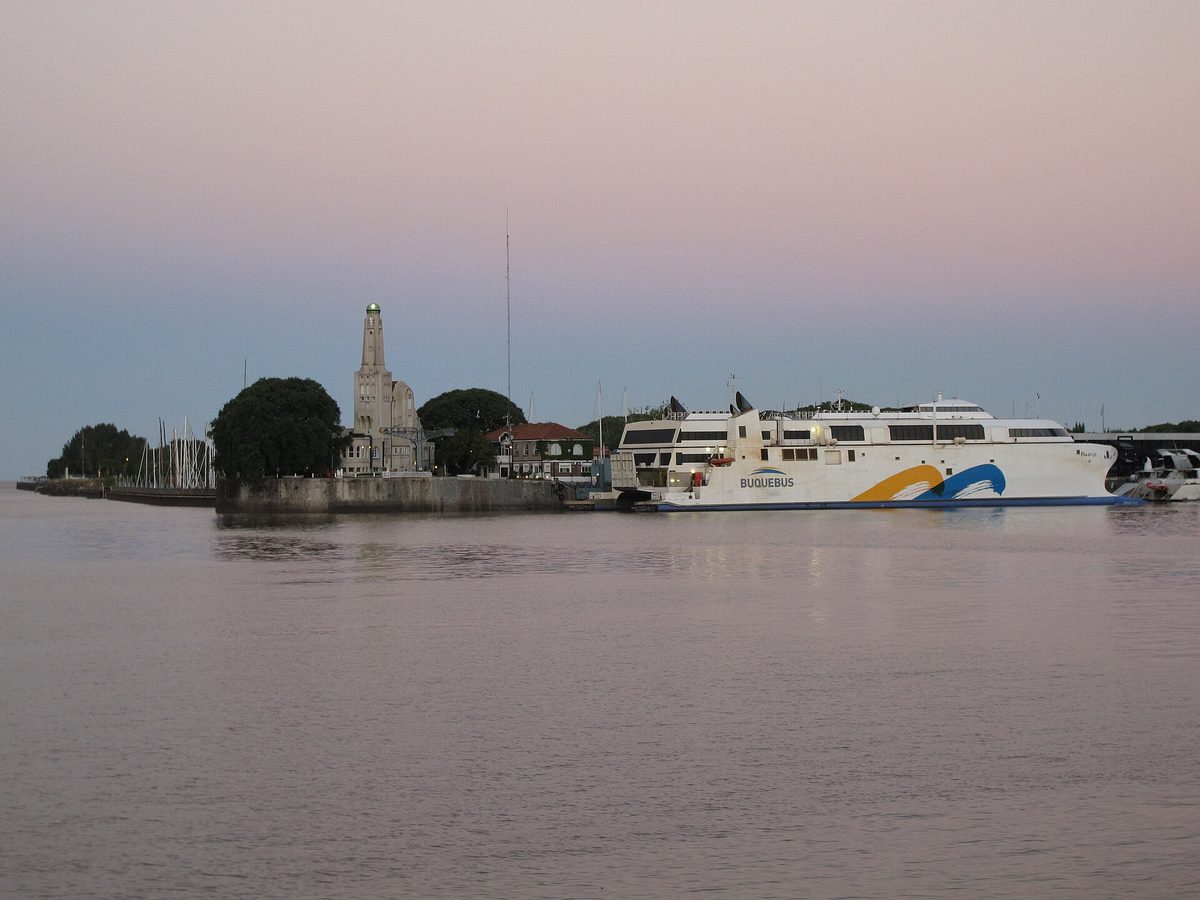
The buenos aires to uruguay ferry at a glance
There are really only two decisions to make: which town you are heading for, and which operator you book. Almost everyone starts with Colonia del Sacramento — it is the closest Uruguayan port, the crossing is shortest, and the old town is made for a day trip. Montevideo, the capital, is farther and reached either by a direct (slower) ferry or by a fast ferry to Colonia plus a connecting bus.
Here is how the main services compare. Times are approximate, as vessels and timetables change seasonally — confirm current schedules before booking.
| Operator | Main route | Approx crossing time | Notes |
|---|---|---|---|
| Buquebus | BA – Colonia (direct fast ferry) | ~1 h 15 min | Largest operator; Dársena Norte terminal. Day-return deals common. |
| Buquebus | BA – Montevideo (direct) | ~2 h 15 min | Fewer sailings; book ahead. Also ferry + bus via Colonia. |
| Colonia Express | BA – Colonia (fast ferry) | ~1 h – 1 h 15 min | Own terminal further south. Often cheapest if booked early. |
| Seacat Colonia | BA – Colonia (fast ferry) | ~1 h 15 min | From the Buquebus terminal; ferry + bus to Montevideo & Punta del Este. |
For most visitors I steer them straight to a fast ferry to Colonia: leave Buenos Aires after breakfast, wander a 17th-century town all afternoon, be back for dinner. If Uruguay itself is the goal, aim for Montevideo or Punta del Este and give it an overnight.

The three ferry operators
Buquebus
Buquebus is the big, established name — the one most porteños mean when they say “the ferry to Uruguay.” It runs the most sailings, the largest vessels and the slick terminal at Dársena Norte in Puerto Madero, with direct crossings to Colonia and Montevideo plus combined ferry-and-bus tickets to Punta del Este. Rarely the absolute cheapest, but the most frequent and comfortable, with a big duty-free shop on board.
Colonia Express
Colonia Express is the value option, running lean fast catamarans to Colonia from its own terminal south of the centre (near the Boca/Barracas waterfront, not Puerto Madero — double-check your ticket, as turning up at the wrong terminal is the classic rookie mistake). Booked a few weeks out, its fares are frequently the lowest, especially off-peak.
Seacat Colonia
Seacat shares the Buquebus terminal at Dársena Norte and runs fast ferries to Colonia, with through-tickets by bus to Montevideo and Punta del Este. A solid middle option worth a price check — it sometimes undercuts Buquebus on the same crossing from the same building.
The routes and crossing times
Buenos Aires to Colonia del Sacramento
This is the headline crossing and the one I recommend first. The fast ferry covers the roughly 50 km of river in about 1 hour to 1 hour 15 minutes direct. Colonia’s terminal sits a five-minute stroll from the cobbled Barrio Histórico, so you are inside the old town almost as soon as you disembark — no onward transport needed unless you are continuing into Uruguay.
Buenos Aires to Montevideo and Punta del Este
You have two ways to reach the Uruguayan capital. The direct ferry takes around 2 hours 15 minutes but runs fewer times a day. The alternative is the ferry-plus-bus combination: a fast ferry to Colonia, then a coach onward to Montevideo (roughly 2–3 hours). Total door-to-door time is similar, but the combo often has more departures and can be cheaper. For the glitzy beach resort of Punta del Este there is no direct ferry — you cross to Colonia or Montevideo and continue by connecting bus, which the operators bundle into one through-ticket.
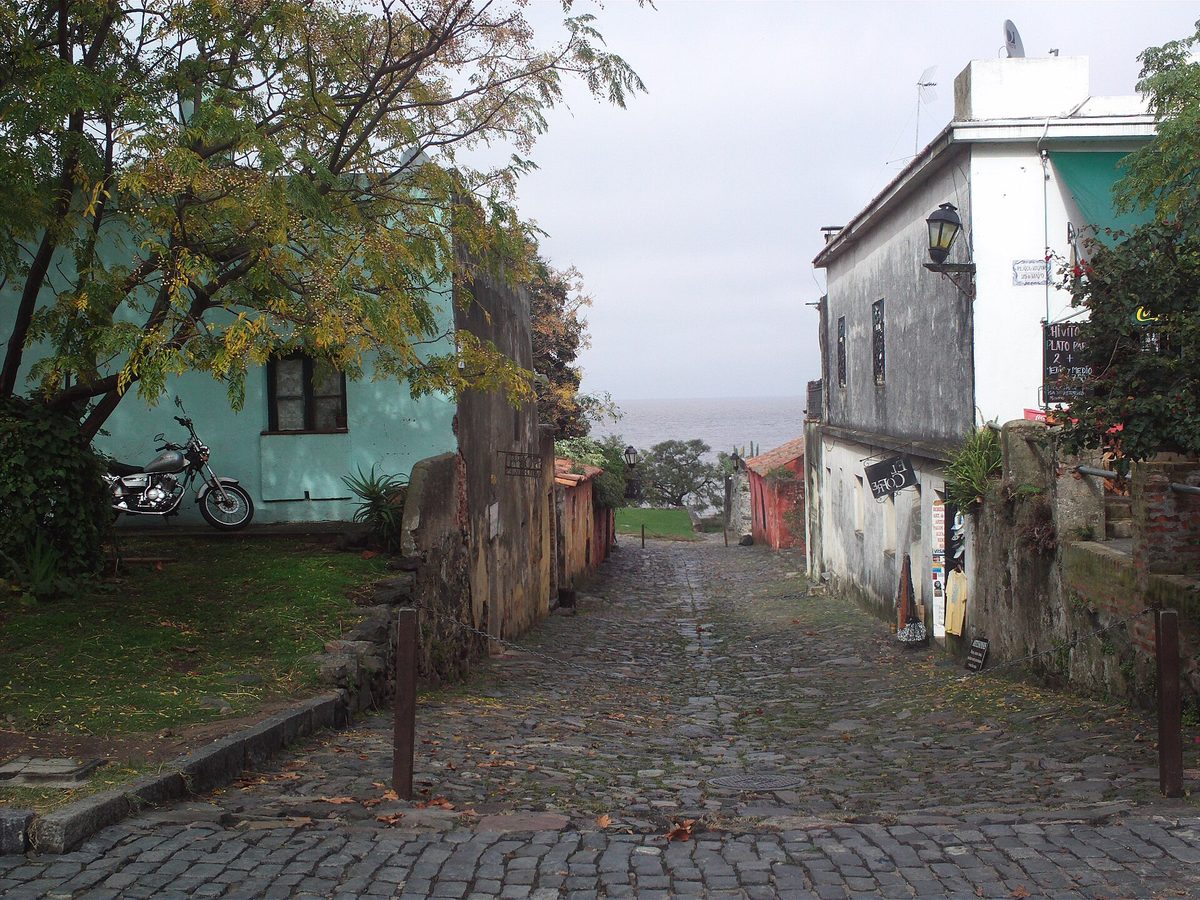
The terminals in Buenos Aires
This trips people up more than anything: the two Buenos Aires terminals are not in the same place.
- Buquebus & Seacat Colonia — Terminal Buquebus at Dársena Norte, on the edge of Puerto Madero near Retiro. The big, modern terminal, with check-in desks, duty-free and a café.
- Colonia Express — its own terminal further south on the city’s waterfront (toward Barracas/La Boca). Smaller and out of the way; budget extra time and take a taxi or Cabify, as it is not a comfortable walk.
Whichever you choose, the terminal printed on your ticket is the only one that matters. Confirm it the night before. A taxi or Uber from the central neighbourhoods to either terminal is cheap and quick; getting to Puerto Madero is also walkable if you are staying nearby. For more on moving around the city, see our full guide to getting around Buenos Aires, which covers taxis, the Subte and the SUBE card.
Immigration, passports and duty-free
Here is the part travellers love: you do both countries’ border formalities at the Buenos Aires terminal before you board. Argentine exit control and Uruguayan entry control sit side by side, so by the time you step onto the ferry you are officially entering Uruguay. When you land in Colonia or Montevideo you simply walk out — no second queue.
You need your passport — this is an international crossing, not a domestic hop, even though it feels like one. A photo or national ID is not enough for most non-Mercosur visitors. Arrive early: operators ask you to check in well before departure (often 60–90 minutes ahead) because of immigration, and the lines balloon on summer weekends.
The ferries and terminals have duty-free shops worth a look — spirits, perfume, electronics and chocolate are often cheaper than on either shore. Just mind your allowances for the return.
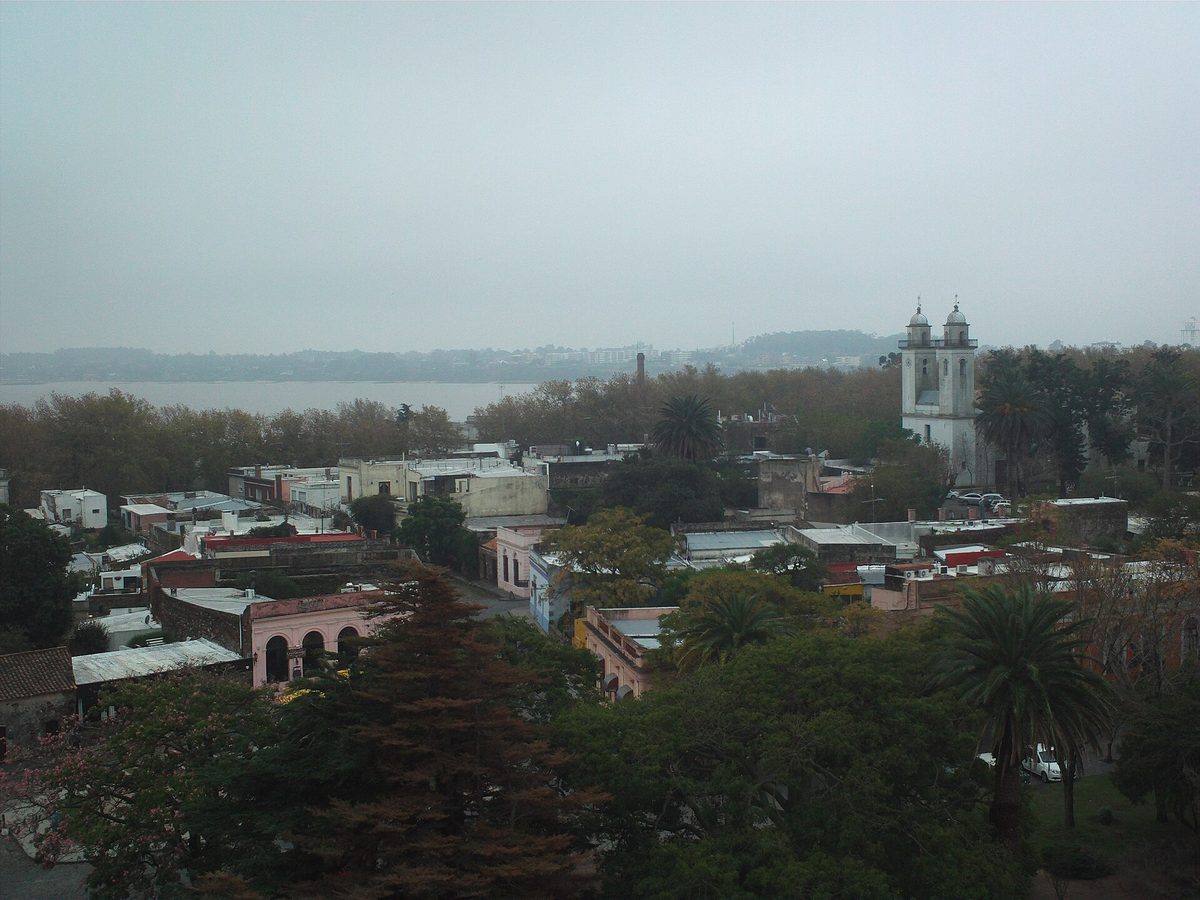
Booking and rough fares
Book online, and book early. Prices are dynamic: the same Colonia crossing swings widely with how far ahead you buy, the day of the week and any promo. As a very rough 2026 guide, a return fast-ferry day trip to Colonia often lands around US$60–110 per person, with Montevideo higher — but Argentina’s high inflation and a volatile peso move these numbers constantly, so check current fares before you commit.
A few booking tips that consistently save money and stress:
- Buy ahead for deals. Two to four weeks out, especially mid-week, gives the best prices; last-minute summer-weekend fares are the most expensive.
- Hunt for day-return promos to Colonia. Operators regularly run discounted same-day round trips — ideal if you only want the old town and will be back by evening.
- Compare all three. Prices for the identical crossing differ between Buquebus, Colonia Express and Seacat, so check each.
- Watch the payment currency. Paying by foreign card sometimes beats the peso rate — compare at checkout.
The ferry is one of the bigger single line items on a trip, so fold it into your wider Buenos Aires travel cost planning alongside hotels and meals.
What to do in Colonia del Sacramento
Colonia is the reason most people take this ferry, and it earns the trip. Founded by the Portuguese in 1680, its Barrio Histórico is a UNESCO World Heritage site of cobbled lanes, shaded plazas and low colonial houses in faded ochre and blue. It is tiny — you can walk the whole old town in an afternoon — and gloriously easy after the bustle of Buenos Aires.
On a day trip I always make time for:
- Calle de los Suspiros — the “Street of Sighs,” a perfect cobbled lane sloping to the river and the most photographed spot in town.
- The lighthouse (El Faro) — climb it for a sweeping view over the red rooftops and the brown sweep of the Río de la Plata.
- Puerta de la Ciudadela — the restored 18th-century city gate and drawbridge at the entrance to the old quarter.
- Renting a golf buggy or bike — a fun way to reach the quieter beaches and the old bullring just outside the centre.
Colonia comfortably ranks among the best day trips from Buenos Aires — arguably the single best, because it adds a whole new country for the price of a ferry ticket. If you would rather stay on the Argentine side, that guide covers Tigre, the Pampas estancias and more.
Making it to Montevideo or Punta del Este
If you want more of Uruguay than an afternoon in Colonia, the same ferries are your gateway. Montevideo is an easy, laid-back capital — a long waterfront rambla, a handsome old town (Ciudad Vieja), a famous covered market for grilled meat, and a calmer pace than Buenos Aires — and it rewards an overnight. Punta del Este, all beaches and summer glamour, is farther still and best in the December–February high season.
For either, skip the day-trip idea and build it into your route as a proper stop. If you are mapping out how the days fit together, our Buenos Aires itinerary guide is a good place to slot a Uruguay leg.
Pros, cons and who the ferry suits
The ferry suits almost everyone, which is why it is so popular: fast, scenic, painless at the border, and it drops you in the heart of a beautiful town. The main downsides are that fares are not cheap by South American standards and that summer-weekend sailings sell out and queue up. On a budget, a weekday day-return promo to Colonia is the sweet spot; for comfort, pay up for a premium seat on a Buquebus fast ferry.
It is ideal for first-timers wanting an easy international day trip and anyone with a few days who fancies adding a second country. It also pairs naturally with time in Puerto Madero, since the main terminal sits on that revitalised dockside.
Frequently asked questions
How long is the buenos aires to uruguay ferry crossing?
The fast ferry from Buenos Aires to Colonia del Sacramento takes about 1 hour to 1 hour 15 minutes direct. The direct ferry to Montevideo runs around 2 hours 15 minutes, while the ferry-plus-bus combination via Colonia takes a little longer overall. Always confirm current timetables, as sailings change seasonally.
Do I need a passport for the ferry to Uruguay?
Yes. Even though it feels like a short hop, this is an international crossing, so you must carry your passport. You clear Argentine exit and Uruguayan entry formalities at the Buenos Aires terminal before boarding, then simply walk off the ferry on the Uruguayan side with no further queue.
Which ferry company is best — Buquebus, Colonia Express or Seacat?
Buquebus runs the most sailings and the comfiest, largest vessels from the Puerto Madero terminal. Colonia Express is often cheapest if booked early but uses its own terminal further south. Seacat shares the Buquebus terminal and is worth a price check. Compare all three for your date.
How far in advance should I book?
For the best fares, book two to four weeks ahead, especially for summer weekends, which sell out and cost the most. Mid-week sailings are cheaper and quieter. Watch for discounted same-day return promotions to Colonia, which are excellent value if you plan to come back the same evening.
Can I do Colonia as a day trip from Buenos Aires?
Absolutely — it is the classic day trip. Take a morning fast ferry, spend the afternoon wandering the UNESCO old town, and catch an evening sailing back. The compact Barrio Histórico is easily seen in a few hours on foot, making it one of the most satisfying day trips from the city.
Final thoughts
Of all the ways to leave Buenos Aires for a day, none feels as effortless or as rewarding as the ferry across the Río de la Plata. You clear the border with a coffee in hand, watch one capital fade and a 17th-century town appear, and you are back by dinner with a whole new country added to your trip. Book ahead, bring your passport, double-check your terminal, and check current schedules. For the bigger picture on moving in and out of the city, our complete guide to getting around Buenos Aires ties the ferry together with the airports, the Buenos Aires train network and everything in between.
Photo credits
- Buquebus fast ferry on the Río de la Plata — Photo: Andrzej Otrébski / CC BY-SA 4.0 via Wikimedia Commons.
- Puerto Madero waterfront at sunset, Buenos Aires — Photo: Martin St-Amant (S23678) / CC BY-SA 3.0 via Wikimedia Commons.
- Calle de los Suspiros, Colonia del Sacramento, Uruguay — Photo: Ypsilon from Finland (CC0) via Wikimedia Commons.
- View over Colonia del Sacramento and the Río de la Plata — Photo: Ypsilon from Finland (CC0) via Wikimedia Commons.

2 comments