Last updated: June 2026 · Written by the Buenos Aires Tourism editorial team after years of crashing in this city’s dorms, patios and rooftop bars.
The first time I landed in Buenos Aires I had a frayed backpack, a dwindling stack of pesos and no plan beyond “find a bed, find an asado.” A decade and dozens of stays later, I still think this is one of the great hostel cities on earth — sociable, walkable and astonishingly cheap if you book smart.
Looking for the best hostels in Buenos Aires? In short: base yourself in Palermo for nightlife and leafy cafe streets, San Telmo for bohemian charm and walking tours, or Microcentro and Recoleta for central, budget-friendly digs near the big sights. Dorm beds run roughly a few dollars to mid-teens; privates a bit more — always check current rates, because the peso moves fast.
This guide is built for backpackers and anyone chasing budget accommodation in Buenos Aires: where to stay, the difference between party and chill hostels, rough price bands, safety, and how to book without getting burned. For the bigger picture, start with our full guide on where to stay in Buenos Aires, then come back here to lock in the budget end.
Best areas for hostels in Buenos Aires at a glance
Buenos Aires is huge and flat, and the metro (the subte) plus a dirt-cheap bus network mean you don’t have to pay a premium to be perfectly central. Most backpackers cluster in four barrios. Here’s how I’d match them to traveller type before we go deeper.
| Area | Vibe | Who it suits |
|---|---|---|
| Palermo | Leafy, trendy, bars and brunch on every corner | First-timers, social butterflies, nightlife seekers |
| San Telmo | Cobblestones, tango, bohemian and historic | Backpackers who want culture and a sociable scene |
| Microcentro | Busy, central, transport hub, quiet at night | Budget hunters and short-stay sightseers |
| Recoleta | Elegant, calm, grand boulevards and museums | Calmer travellers, solo women, light sleepers |
If you can’t decide, my default recommendation is Palermo or San Telmo — that’s where the best hostel social scene lives. For a fuller barrio-by-barrio breakdown across all budgets, see our guide to the best area to stay in Buenos Aires.
Palermo: the backpacker default
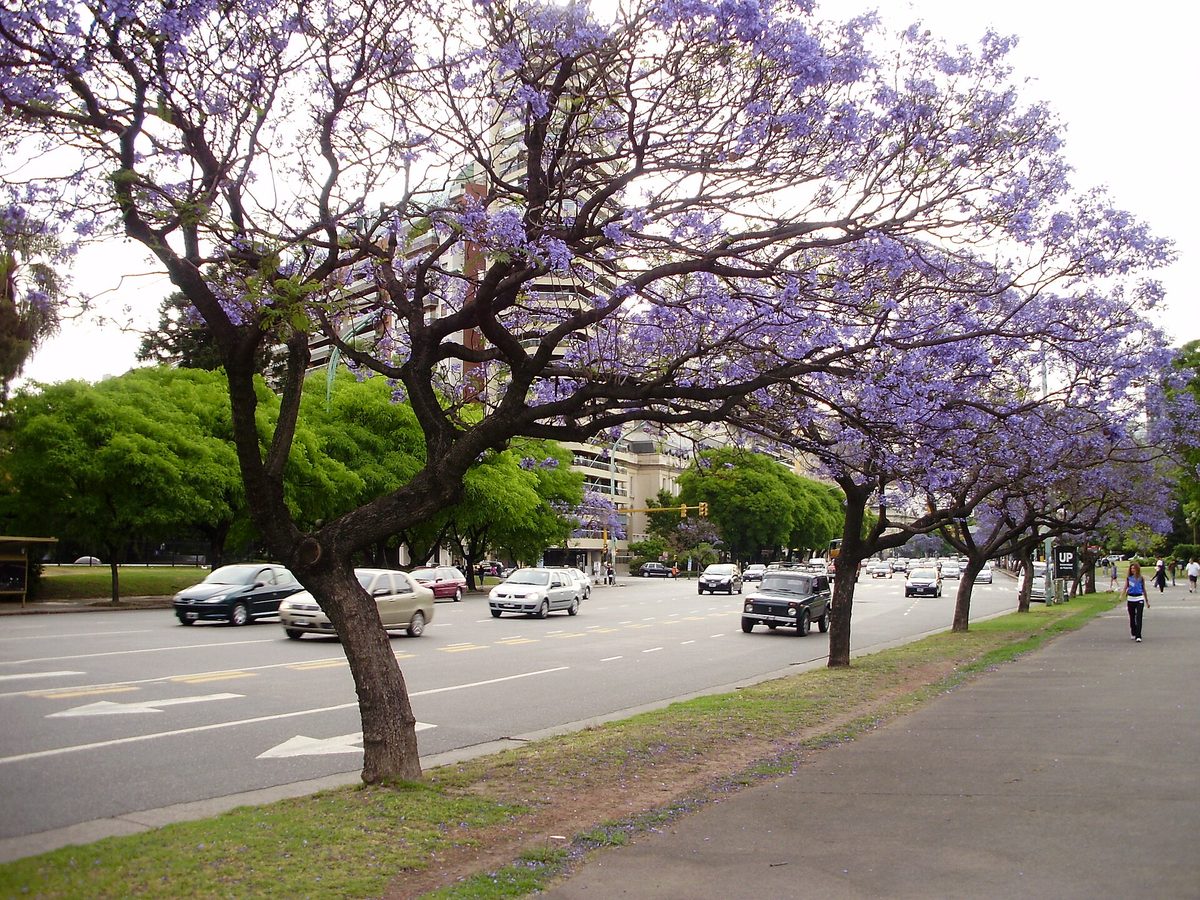
Palermo is the obvious first choice. It’s a cluster of sub-neighbourhoods — Palermo Soho with its boutiques and street art, Palermo Hollywood with its restaurants and clubs, and the greener stretches near the Bosques de Palermo parks. Hostels here put you steps from craft-beer bars, late-night parrillas and the city’s best brunch, on tree-lined streets that feel a world away from the downtown bustle.
This is where you’ll find polished, design-led party hostels with rooftop terraces and pool tables, as well as quieter garden hostels tucked into restored Tudor-style houses. Expect to pay a touch more than Microcentro for a dorm bed, but the trade-off is location, safety and a built-in social life. If you’re travelling alone, Palermo makes it almost impossible not to meet people — pair this with our Buenos Aires solo travel tips and you’ll have a crew by your second night.
Want the full picture of the barrio beyond budget stays? Our neighbourhood deep-dive on Palermo, Buenos Aires covers what to do once you’ve dropped your bags.

San Telmo: bohemian, historic and sociable
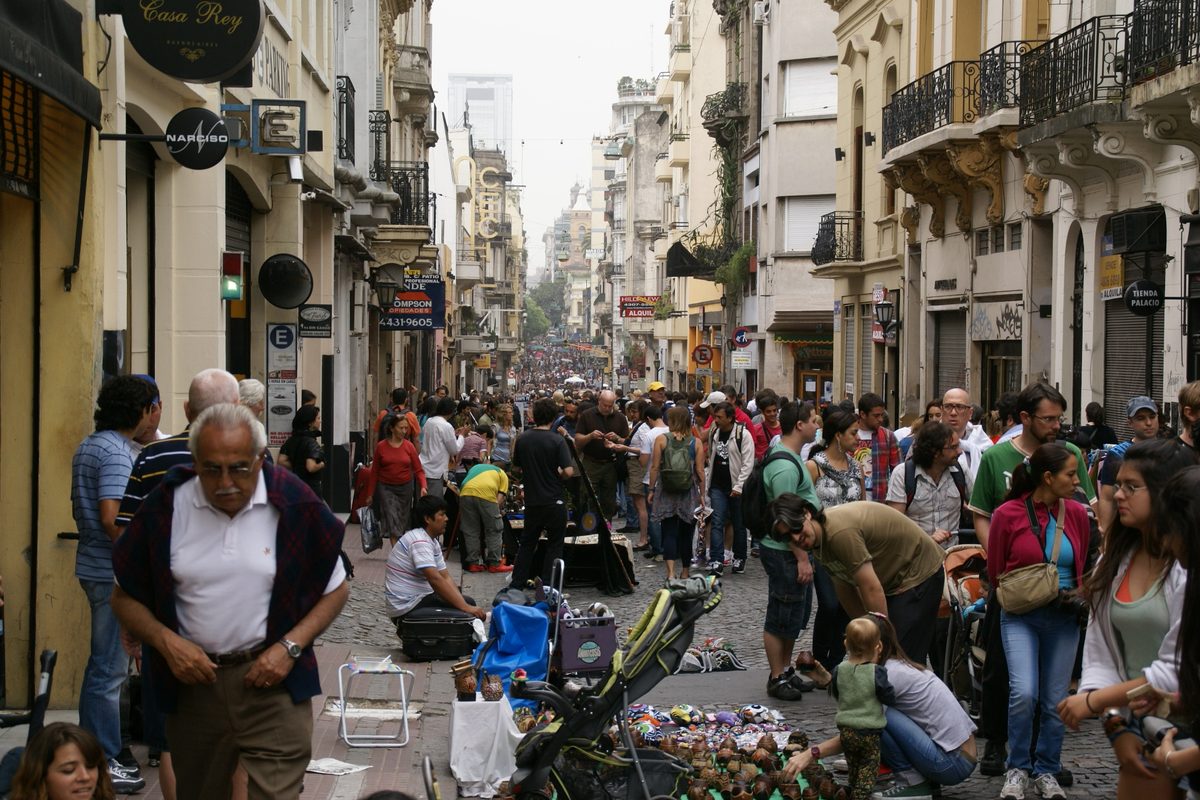
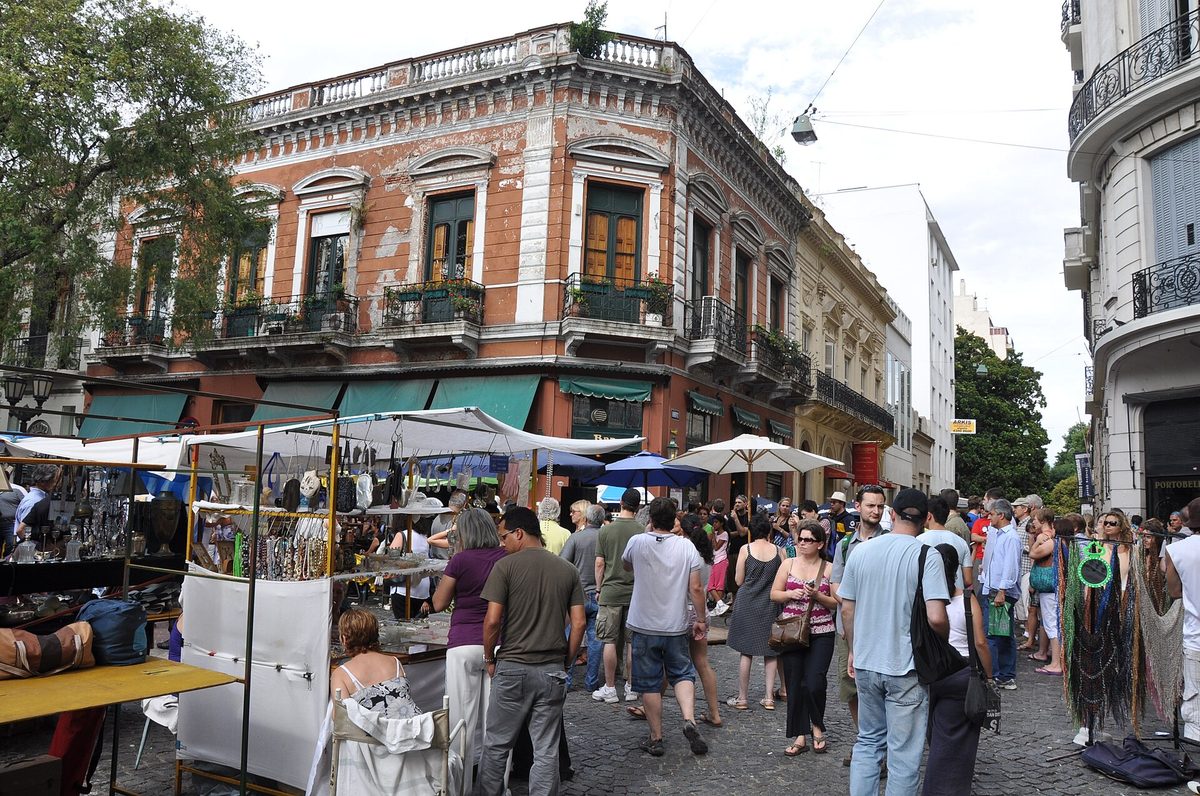
San Telmo is my sentimental favourite. This is the oldest barrio in the city — cobblestone streets, crumbling-grand facades, antique shops and the legendary Sunday fair around Plaza Dorrego, where tango dancers perform between the market stalls. Some of the best cheap hostels in Buenos Aires live here, set in restored old mansions with high ceilings, leafy patios and nightly asado (barbecue) events that pull the whole place together.
San Telmo hostels tend to be the most reliably sociable in the city, with free walking tours, communal dinners and an easy walk to the Microcentro sights and the colourful streets of La Boca. It’s a little rougher around the edges than Palermo after dark, so keep your wits about you on quiet streets late at night — but by day it’s pure atmosphere. Read more about the barrio in our San Telmo, Buenos Aires guide.
Microcentro and Recoleta: central and easy on the wallet
Microcentro is the downtown core — Plaza de Mayo, the pedestrianised Florida and Lavalle streets, and the gateway to almost every bus and subte line. It’s the most central area and often the cheapest, with grand old hostels set inside early-1900s buildings along Avenida de Mayo. The catch: it empties out after office hours, so it lacks Palermo’s buzz. For a sightseeing-heavy trip on a tight budget, though, it’s hard to beat.
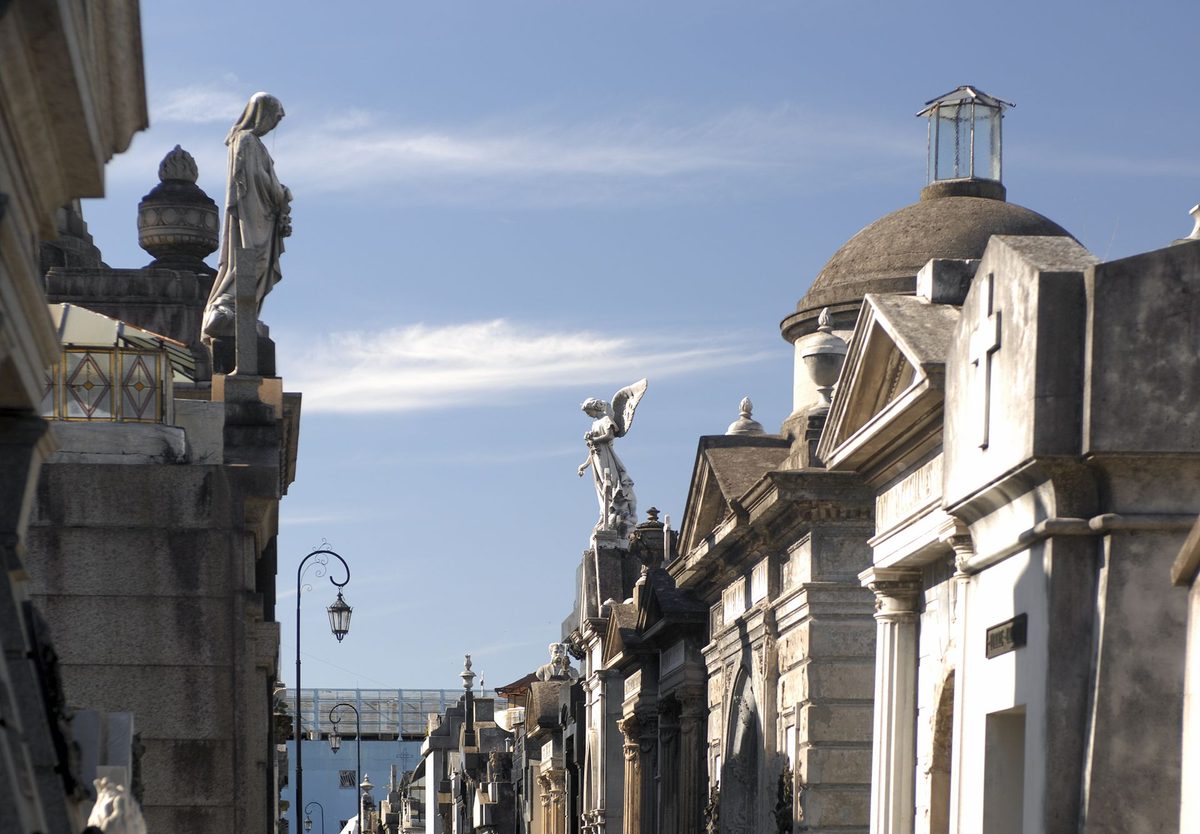
Recoleta is the city’s most elegant barrio — wide French-style boulevards, the famous cemetery, leafy plazas and a calmer feel. There are fewer hostels here, but they tend to be smaller, quieter and well suited to light sleepers and solo female travellers who want a gentler landing. You’ll pay a little more for the postcode, but you’re walking distance from museums and some of the safest streets in town. If safety is your top filter, cross-reference our guide to the safest areas to stay in Buenos Aires.
Types of hostels: party, chill, boutique and female-only
Not all hostels are built for the same trip, so match the property to your mood — nothing ruins a stay faster than booking a 4am party house when you actually wanted to sleep.
Party hostels
These are the social engines: rooftop bars, in-house pub crawls, beer pong, tango lessons that dissolve into late nights. They’re brilliant for solo travellers who want an instant crew, and most cluster in Palermo, San Telmo and along Avenida de Mayo. The trade-off is noise and a younger, hard-partying crowd, so they’re not the place for early flights or quiet recovery days. If a buzzing nightlife base is the whole point of your trip, also see where to stay in Buenos Aires for nightlife.
Chill and boutique hostels
The flip side: smaller, design-led places with patios, hammocks, good coffee and a more grown-up, mixed-age crowd. You’ll still meet people over a shared dinner, but the volume is dialled down and bedtimes are respected. These are my pick for couples, digital nomads working remotely, and anyone over 30 who still loves the hostel social model but not the 3am singalong. Many double as quasi apart-hotels in Buenos Aires, offering private studios with kitchenettes alongside the dorms.
Female-only and female-friendly options
Most reputable hostels offer female-only dorms, and a few market themselves specifically to solo women, with extra security, female staff and a noticeably calmer vibe. Recoleta and the quieter pockets of Palermo are the sweet spot here. Look for 24-hour reception, key-card access and secure lockers — all standard at the better places.
How much do hostels in Buenos Aires cost?
Here’s the honest answer: prices swing with Argentina’s volatile economy, and the peso-to-dollar rate can shift noticeably within a single trip. So treat these as rough 2026 bands and always check current rates when you book rather than trusting a number you read months ago.
| Room type | Rough price band (per night) | Notes |
|---|---|---|
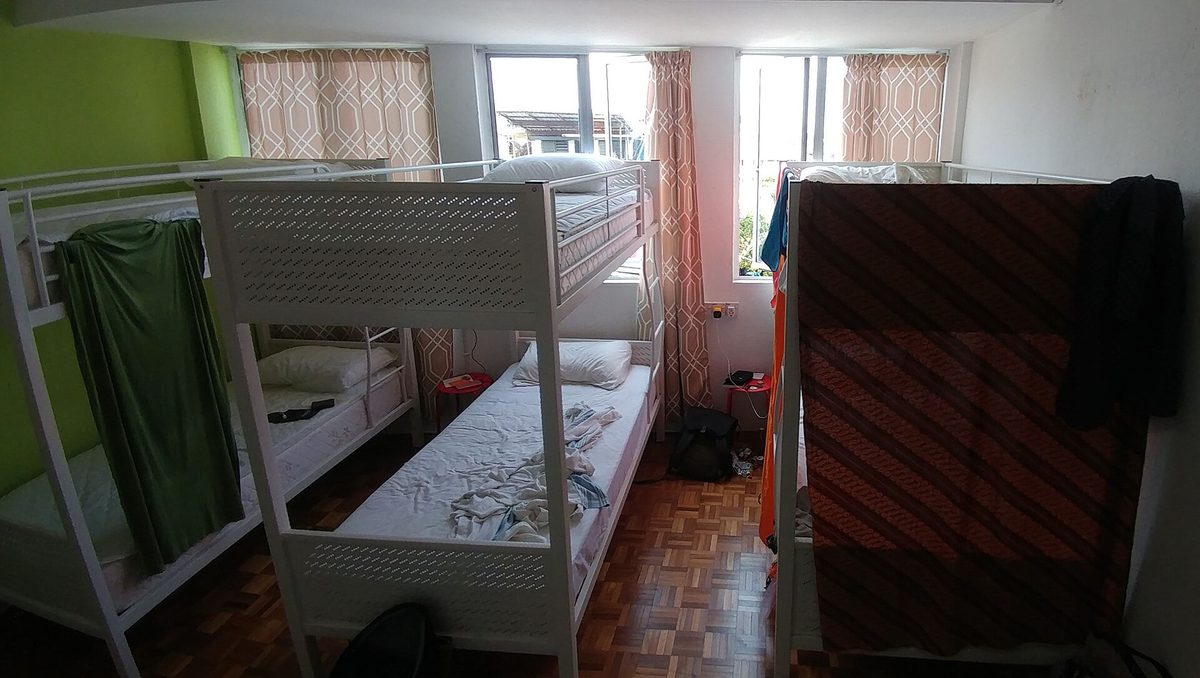
| Dorm bed (basic) | ~US$6–12 | Larger 6–10 bed rooms, Microcentro / San Telmo |
| Dorm bed (better) | ~US$12–20 | Smaller dorms, Palermo, privacy curtains, pool |
| Private room in a hostel | ~US$30–55 | Double, often with shared or private bathroom |
Many backpackers still find paying in physical US dollars gets the friendliest exchange rate, but card payments are increasingly common — confirm with each hostel. Breakfast, free walking tours and asado nights are often thrown in, which stretches a budget further than the headline rate suggests. For a full breakdown of daily spending — food, transport, nightlife — see our Buenos Aires travel cost guide.

What to look for in a budget hostel (and how to stay safe)
Cheap is easy in Buenos Aires; cheap and comfortable takes thirty seconds of checking. Before I book a budget bed anywhere in the city, I run down a short mental list:
- Beds with privacy curtains and a reading light — the single biggest upgrade to dorm life.
- Large, lockable lockers (bring your own padlock just in case) for laptops and passports.
- 24-hour reception and key-card access — non-negotiable for late arrivals and security.
- A real social space: patio, rooftop or bar if you want to meet people; a quiet lounge if you don’t.
- Recent reviews mentioning cleanliness and hot water — older buildings can be charming but temperamental.
On safety: Buenos Aires is broadly safe for hostel travellers, and most incidents are petty theft, not anything worse. Keep your phone off the table at pavement cafes, use the locker for valuables, take a registered or app-based taxi late at night, and stick to busier streets after dark in San Telmo and Microcentro. Solo female travellers consistently report feeling comfortable here with the usual big-city precautions, and a good hostel with a switched-on front desk makes it all easier.
Booking tips for backpackers
A few hard-won habits that have saved me money and headaches over the years:
- Book the first two nights, then decide. Arrive, feel out the barrio, and extend or move once you know the vibe. The best hostels rarely sell out completely except over Christmas, New Year and during big events.
- The cheapest bed is rarely the best deal. A dollar or two more for a smaller dorm in Palermo often beats a cavernous 12-bed room downtown.
- Read the most recent reviews, not the average. Ownership and upkeep change fast in this city.
- Ask about free activities. Walking tours, asados and pub crawls turn a cheap bed into a genuinely great-value stay.
- Consider an apartment for longer stays. If you’re around for a week or more, a private rental can undercut a hostel private room — compare with our guide to Buenos Aires Airbnb options.
Whatever you book, anchor your decision in location first. Our complete guide to where to stay in Buenos Aires lays out how the barrios connect, so you can pick a budget bed close to everything you came to see.
Frequently asked questions
Where is the best area for hostels in Buenos Aires?
Palermo and San Telmo are the two strongest picks. Palermo wins for nightlife, leafy streets and a polished social scene, while San Telmo offers cobblestone charm, the best value and the most reliably sociable hostels. For a central, ultra-budget base near transport and sights, Microcentro is the cheaper, quieter alternative.
How much does a hostel cost in Buenos Aires?
As a rough 2026 guide, basic dorm beds run around US$6–12 a night, nicer dorms in Palermo around US$12–20, and private rooms inside hostels roughly US$30–55. Prices swing with Argentina’s volatile peso, so always check current rates when you book rather than relying on older figures.
Are hostels in Buenos Aires safe?
Yes, broadly. Most reputable hostels have 24-hour reception, key-card access, secure lockers and female-only dorm options. The main risk is petty theft rather than anything serious. Use the locker for valuables, stay alert on quiet streets at night, and take registered taxis late — standard big-city sense applies.
What is the difference between a party hostel and a chill hostel?
Party hostels are built around socialising — rooftop bars, pub crawls and a young, lively crowd, with the noise to match. Chill or boutique hostels are smaller and calmer, with patios, good coffee and respected bedtimes, suiting couples, remote workers and older travellers who still want a social base without the 3am singalong.
Do hostels in Buenos Aires have female-only dorms?
Most of the well-run ones do, and a handful cater specifically to solo women with extra security and a calmer atmosphere. Recoleta and the quieter edges of Palermo are the best areas to look. Always confirm female-only availability at the time of booking, as the number of beds is often limited.
Final thoughts
Few cities reward budget travellers as generously as this one. With a smart pick of barrio and a hostel that fits your trip — party or chill, dorm or private — you can land in one of the world’s great capitals for the price of a fancy coffee back home, and walk straight into a built-in community. Sort your neighbourhood, book a couple of nights, and let Buenos Aires do the rest. Buen viaje.
Photo credits
- Cobblestone street and flea market in San Telmo — Photo: Hermann Luyken (CC0) via Wikimedia Commons.
- Street art in Palermo — Photo: Germanx (Public domain) via Wikimedia Commons.
- Plaza Dorrego Sunday fair, San Telmo — Photo: Jorge Láscar (CC BY 2.0) via Wikimedia Commons.
- Hostel dormitory with bunk beds — Photo: Sgroey (CC BY 4.0) via Wikimedia Commons.
- Plaza de Mayo and the Pirámide de Mayo, downtown Buenos Aires — Photo: Lorena Cacciola (CC BY-SA 4.0) via Wikimedia Commons.