The first apartment I rented in Buenos Aires was a sixth-floor walk-up in Palermo with a balcony just big enough for one chair, a wobbly cafe table, and a pot of basil I somehow kept alive for a whole winter. I’d come to try living in Buenos Aires for three months. That was years ago. What hooked me wasn’t a single grand thing — it was the accumulation of small ones: the smell of medialunas from the bakery downstairs at 8am, the doorman who corrected my Spanish without ever making me feel stupid, the way a Tuesday night dinner could start at 10pm and feel completely normal. This is a city that gets under your skin slowly, and then all at once.
Living in Buenos Aires in 2026 means trading a bit of stability for an enormous amount of life: a beautiful, walkable, deeply cultured European-feeling capital where a foreign income still stretches a long way, even though it is no longer the giveaway it was during the blue-dollar years. If you earn in dollars or euros and you can stomach a dose of inflation and bureaucracy, it is one of the best-value great cities on earth to call home for a while.
This guide is the one I wish someone had handed me on that first jet-lagged morning. I’ll walk you through what it actually costs to live here in 2026, how the maddening-but-improving money situation works, the visa reality (including the digital nomad visa and how long you can really stay), which neighbourhoods suit which kind of person, how renting actually works when you don’t have a local guarantor, plus healthcare, safety, Spanish, coworking and the slow art of making friends. It’s written for digital nomads, long-stay expats and would-be retirees alike. Where you base yourself shapes everything, so pair this with our deeper guide to where to stay in Buenos Aires and our overview of the city’s neighbourhoods as you plan.
One honest caveat before we start: Argentina’s economy and immigration rules are moving fast in 2026. Every price, exchange rate and visa fee below is a mid-2026 snapshot meant to set expectations, not a guarantee. Treat the numbers as ranges and confirm the current figures before you rely on them — I’ll flag the most volatile ones as we go.
What living in Buenos Aires is really like (honest expectations)
Let me set expectations before you fall in love with the postcard. Buenos Aires rewards a very specific kind of person and quietly frustrates another. The single biggest variable isn’t the neighbourhood or the weather — it’s where your income comes from. If you’re paid from abroad, the city feels generous: dinners out, taxis, a gym, a cleaner, weekend trips, all within reach. If you earn in pesos on a local salary, you’re riding the same inflation rollercoaster as everyone else, and the maths is much harder. Almost everything good I have to say about the cost of living assumes a foreign income.
The other thing to make peace with is that this is a city of contradictions held in permanent, affectionate tension. It is sophisticated and shambolic, European in its cafes and bookshops yet unmistakably Latin American in its warmth and its chaos. The infrastructure can be patchy, the bureaucracy can be Kafkaesque, and the economy is a national obsession discussed at bus stops and asados with the fluency other countries reserve for sport. If you need everything to work smoothly and predictably, you will struggle. If you can roll with it — and find the dysfunction a little bit charming — you’ll thrive.
The economy, inflation and the peso, in one honest paragraph
You cannot understand daily life here without a basic grip on the money story. For years Argentina ran punishing inflation and strict currency controls, which spawned the famous “blue dollar” — a parallel black-market rate that gave visitors with cash an outrageous advantage. That world has changed. Since the Milei government lifted most currency controls in 2025 (backed by a large IMF programme), the official, “blue” and MEP rates have converged to within a few percent of one another, sitting somewhere around 1,400–1,460 pesos to the US dollar as of mid-2026. Inflation has cooled dramatically from its eye-watering peaks but is still high by world standards, so prices drift upward through the year and locals still think in dollars for big-ticket items. The practical upshot for you: the “bring a brick of cash” hack matters far less than it used to, and a foreign card is now genuinely useful. More on exactly how to handle money shortly — and our Buenos Aires travel costs guide goes deeper on the day-to-day numbers.
Should you live in Buenos Aires? The quick pros and cons
Here’s my candid scorecard after years of doing exactly this. None of the cons are dealbreakers on their own; together they’re a useful gut-check on whether your temperament fits the city.
| The case for living here | The trade-offs to accept |
|---|---|
| Excellent value on a foreign income — great food, culture and services for the money | High inflation; prices and the exchange rate move under your feet |
| World-class cafe, restaurant, theatre and bookshop culture | Bureaucracy is slow; getting a DNI or bank account tests your patience |
| Beautiful, leafy, walkable barrios with a real street life | Petty crime (phone-snatching) is the main day-to-day annoyance |
| Warm, sociable culture; easy to meet people once you try | Imported goods and electronics are expensive and hard to find |
| Fast path to residency and citizenship compared with most countries | The late schedule (10pm dinners) takes adjusting to |
| A huge, established expat and nomad community to plug into | You really do need some Spanish for daily life |
If that table reads as “yes, obviously” rather than “absolutely not”, you’re my kind of reader. Let’s get into the details, starting with the question everyone asks first: what does it actually cost?
The cost of living in Buenos Aires in 2026
Let’s talk numbers, with the loud disclaimer that costs here are a moving target — the figures below are mid-2026 estimates in US dollars, and you should sanity-check them against current listings before you budget seriously. The short version: Buenos Aires is no longer the absurd bargain it was in 2022, but for anyone earning abroad it remains outstanding value for a capital city of this calibre. You can live well here for what a cramped room costs in London or New York.
Three realistic monthly budgets
I find personas more useful than a single magic number, because your lifestyle swings the total enormously. Here’s roughly what I’d budget for three common situations, all-in, including rent, in mid-2026.
| Monthly budget (USD) | Lean nomad | Comfortable single | Couple living well |
|---|---|---|---|
| Rent (furnished, central) | $550 | $850 | $1,100 |
| Groceries | $180 | $250 | $420 |
| Eating & drinking out | $150 | $350 | $600 |
| Transport (SUBE + taxis) | $30 | $60 | $110 |
| Utilities, internet, phone | $70 | $110 | $160 |
| Coworking / gym / fun | $120 | $250 | $400 |
| Approx. total | ~$1,100 | ~$1,870 | ~$2,790 |
So can you live in Buenos Aires on $1,000 a month? Yes — just. I know nomads who do it by renting a room or a studio in a value barrio, cooking most nights and using the subte instead of taxis. But it’s lean. A single person who wants a nice one-bedroom, eats out a few times a week and travels a bit on weekends should plan closer to $1,500–$2,000, and a couple living comfortably lands around $2,000–$2,800. None of this counts upfront costs like flights, a deposit, or health insurance.
Rent: what you’ll actually pay
Rent is your biggest lever, and what you pay depends heavily on how you rent. Foreigner-facing, furnished, short-term apartments — the ones you book online before you arrive, with English-speaking agencies — are the most expensive: a central furnished one-bedroom in Palermo or Recoleta typically runs around $600–$1,000+ a month, sometimes more for something stylish. The local long-term market is much cheaper — a comparable one-bedroom can go for roughly $400–$600 — but those unfurnished, two-to-three-year contracts require a local guarantor and a level of paperwork that’s hard for a newcomer. I’ll explain how people bridge that gap in the renting section. My honest advice: book somewhere furnished for your first month, then hunt on the ground once you understand the barrios. For a deeper breakdown, see our detailed guide on the cost of living in Buenos Aires and the dedicated monthly apartment rental guide.
What’s still cheap — and what now stings
The value here is wonderfully lopsided, and knowing the pattern helps you live well. Things made and grown in Argentina are a joy: a steak dinner with a bottle of excellent Malbec, a long lunch, a haircut, a massage, a dentist appointment, a taxi across town, a gym membership, fresh produce from the verdulería — all cheap to mid-range by Western standards. Where it stings is anything imported or technological: laptops, phones, cameras, brand-name trainers, imported cosmetics and electronics can cost noticeably more than back home, when you can find them at all. The rule of thumb every expat learns fast: bring your electronics and a stock of any specific clothing or gear with you, and spend your pesos locally on food, services and experiences, which is where the city shines. Foodies should bookmark our Buenos Aires food and restaurants guide — eating here is half the reason to stay.
Money, banking and the peso-dollar puzzle
Handling money is the single most confusing part of settling in, and the rules have genuinely changed — so ignore older blog posts that tell you to only ever pay with black-market cash. Here’s how it actually works in 2026.
Official, “blue” and MEP — and why the gap closed
For years there were wildly different exchange rates: the official rate, the parallel “blue” cash rate, and the MEP or “dollar bolsa” rate you get through the financial markets. The drama was the spread between them. As of mid-2026, after the lifting of most currency controls, those rates have largely converged — they tend to sit within roughly 2–3% of each other, around 1,400–1,460 pesos per dollar. The blue market still exists, because there’s always demand for undeclared cash, but it no longer hands you a 50% bonus for showing up with hundred-dollar bills. This is the fact most likely to be out of date by the time you read it, so check a live source like a reputable local exchange tracker or your card’s posted rate the week you arrive.
How to actually get pesos
Three methods cover almost everyone. First, a foreign Visa or Mastercard: card payments are now processed at a rate close to the favourable MEP rate, so tapping your card for restaurants, supermarkets and bigger purchases is convenient and no longer the rip-off it once was — this is my default for day-to-day spending. Second, Western Union (or similar transfer services) remains a popular way to turn dollars into a pile of pesos at a competitive rate, picked up in cash; expect queues and bring your passport. Third, cash dollars exchanged at a cueva or with a trusted contact still works and is handy for paying rent, which landlords often want in US dollars or pesos cash. ATMs exist but charge stiff fees and dispense limited amounts, so they’re a backstop, not a strategy. Our getting around guide covers the SUBE transport card, which you’ll also load with pesos.
Bank accounts, cash culture and paying bills
Opening a local bank account generally requires a DNI (the national ID you get with residency), so most short-stay nomads simply never bother and run their lives on a foreign card plus cash. If you do go the residency route, banks offer accounts and there are foreigner-friendly options, but expect paperwork and patience. Day to day, Argentina is still surprisingly cash-loving: plenty of small shops, ferias and neighbourhood spots prefer pesos, and you pay many bills and top-ups at ubiquitous Pago Fácil and RapiPago kiosks rather than online. Keep a stash of small notes — getting change for a large bill can be a minor daily quest.
Visas: how long can you actually stay in Buenos Aires?
This is where I see the most confusion and the most outdated advice online, so let’s be precise. Argentina’s rules are unusually relaxed by global standards, but they shifted under the current government, and the figures below — especially fees — change often. Always confirm the current procedure with the official migration authority (migraciones.gov.ar) or your nearest Argentine consulate before acting. Think of your options as a ladder you climb only as far as you need.
The 90-day tourist entry
Citizens of the US, UK, EU, Canada, Australia, New Zealand and many other countries enter visa-free as tourists and get 90 days on arrival, no application required. For a huge number of nomads, this alone is enough — three months is a proper test-drive of the city. You can typically combine the tools below to stretch a single trip toward six months or more without ever touching a formal residency process.
Extending your stay: the prórroga
You can extend your 90-day stay by another 90 days with a prórroga de permanencia, granted once per calendar year. You apply through migraciones, ideally in the last week or so before your current permit expires, and pay a fee — recently cited anywhere from around 7,000 to 20,000 pesos depending on who you ask and when, because it’s peso-denominated and drifts with inflation. That one step takes a 90-day tourist stay to a comfortable six months. We cover the mechanics step by step in our tourist visa extension guide.
The border run to Colonia
The classic move for years has been the “border run”: hop the ferry across the river to Colonia del Sacramento or Montevideo in Uruguay for the day, and re-enter Argentina with a fresh tourist stamp. It still works, and Colonia is a lovely cobblestoned half-day trip in its own right. Two honest caveats: officers have reportedly grown a little stricter about repeat, back-to-back runs used to live here indefinitely, so don’t treat it as a guaranteed forever-loophole; and it’s a grey area rather than a formal status. As a once-or-twice tool to bridge a gap, though, it’s cheap and easy. Our day trips guide covers Colonia if you fancy making a proper outing of it.
Overstaying: the pay-on-exit fee
Plenty of long-stayers simply overstay and pay a fee on the way out. If you’ve outstayed your permit, you settle an overstay charge (the habilitación de salida) — recently in the region of 12,000–50,000 pesos depending on circumstances — and you’re generally expected to leave within about ten days of paying. For a single, modest overstay this has historically been treated as an administrative formality rather than a black mark, but enforcement and amounts change, so don’t bank on it being trivial forever, and never let it run for months.
The Argentina Digital Nomad Visa
Argentina launched a dedicated digital nomad visa in 2022, and it’s the right tool if you want a more official footing than tourist stamps. The essentials as of 2026: it’s open to nationals of countries that can already enter Argentina visa-free; it grants a temporary stay of up to 180 days, renewable once for roughly another 180, so about a year maximum; you must show regular income from foreign clients or an overseas employer (there’s no fixed minimum, but you prove stable earnings via contracts, invoices or bank statements); and you must carry private health insurance valid in Argentina for the whole stay. You can often apply online through the electronic processing system (commonly the “TIE 24H” route) with a turnaround of roughly two to six weeks, and the government application fee has been cited around USD 117, though exactly what you pay varies by channel and consulate.
Two things people misunderstand. First, it is not a residency and won’t get you a DNI or a local bank account in the way true residency does — it’s a longer, sanctioned tourist-plus status. Second, it’s strictly for foreign-sourced remote work; you can’t use it to take a job with a local Argentine company. If a clean year of legitimate remote-work status sounds right, our Argentina digital nomad visa guide walks through the documents and application in detail, and the broader digital nomad guide to Buenos Aires covers the lifestyle around it.
Longer-term residency and the surprisingly fast path to citizenship
If you want to actually settle, residency is where Buenos Aires quietly beats most other nomad hubs. The common routes are the rentista (proof of steady passive or foreign income), the pensionado (for retirees with a pension — popular with the over-50s), plus student, work and family-based visas. Income thresholds for the income-based visas have hovered around a few multiples of the local minimum wage — recently in the rough ballpark of USD 1,400–2,000 a month — but the minimum wage is adjusted frequently, so verify the current figure. The headline perk: Argentina offers one of the world’s faster routes to citizenship, with naturalisation possible after just two years of residency, and it permits dual nationality. Issuance can be slow and the rules are fluid under the current administration, but compared with the decade-long slogs elsewhere, that’s remarkable. Our expat life guide digs into the residency and DNI process.
The best neighbourhoods in Buenos Aires for expats and nomads
Where you live here matters more than in most cities, because the barrios have genuinely distinct personalities and your daily mood is shaped by which cafe is your local. I always tell newcomers to rent short-term first and actually walk the streets — ideally at night, too — before committing. Here’s my opinionated rundown of where foreigners tend to land, and who each one suits. For the full picture, our best neighbourhoods for expats guide goes block by block.
Palermo: the default nomad hub
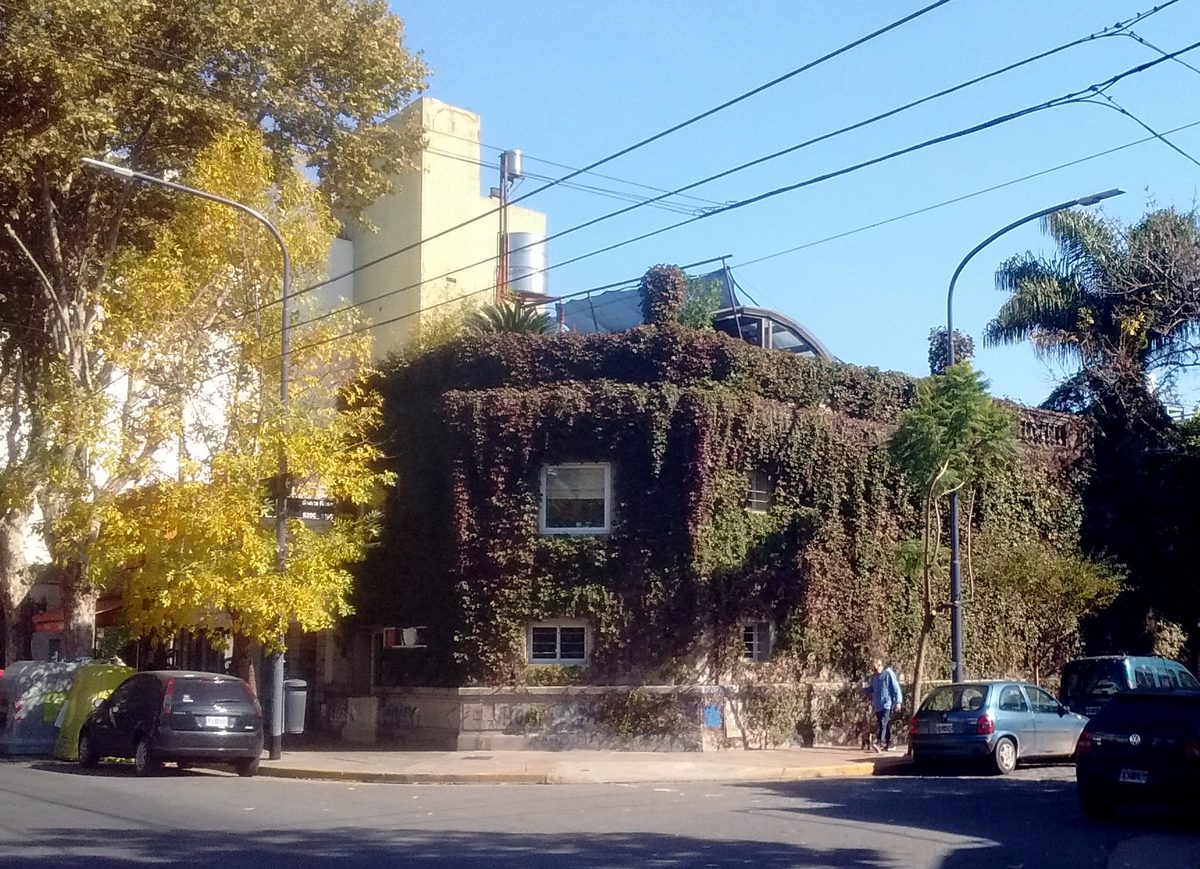
If you do nothing else, you’ll probably end up in Palermo, and that’s fine — it’s popular for good reasons. This sprawling barrio splits into sub-zones: Palermo Soho is all leafy low-rise streets, design shops, brunch spots and cocktail bars; Palermo Hollywood is a touch grittier and full of restaurants and production studios; Palermo Chico is grand and quiet. It’s walkable, safe by local standards, packed with specialty coffee and coworking, and it’s where the nomad scene clusters. The trade-off is that it’s pricier and, in the busiest pockets, can feel like an international bubble where you barely practise Spanish. I still think it’s the smartest first base.
Recoleta: elegant, leafy and a little formal
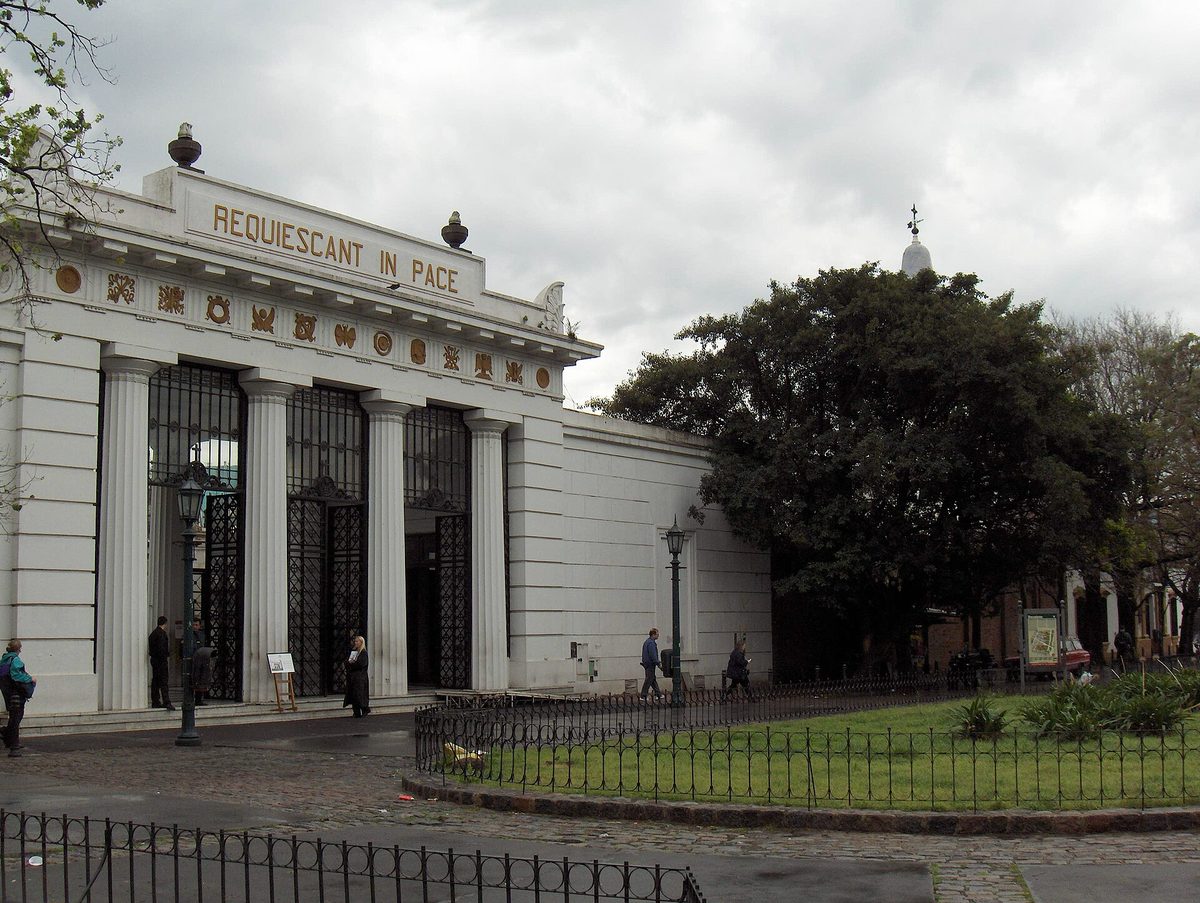
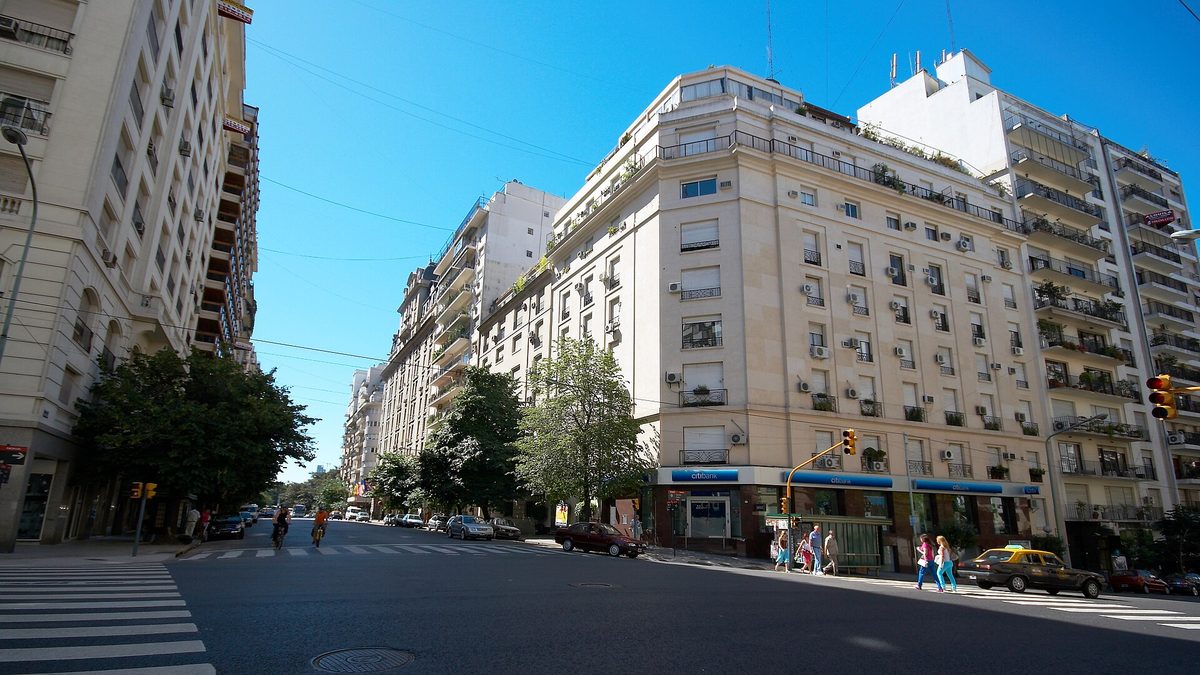
Recoleta is the city at its most European — wide belle-époque avenues, embassies, grand apartment blocks with wrought-iron balconies, the famous cemetery, and a slightly older, more moneyed feel. It’s safe, central and beautiful, and a great fit if you want refinement over hipness. It skews a bit quieter and more traditional than Palermo, which some love and others find sleepy.
San Telmo: bohemian, historic and cheaper
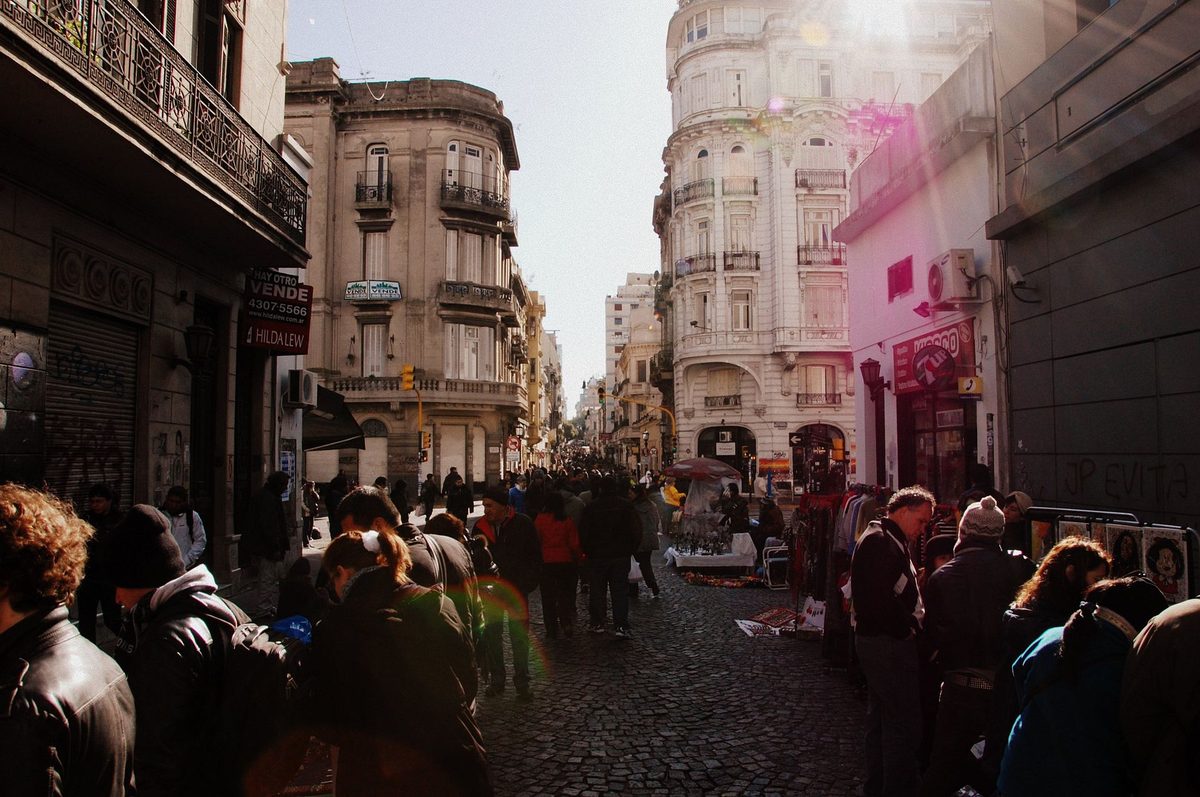
San Telmo is the old colonial heart — cobblestones, antique shops, tango in the squares, and the famous Sunday market spilling down Defensa street. It’s atmospheric, more affordable than Palermo, and beloved by artists and long-stay budget nomads. It’s also a little rougher around the edges and busier with tourists in the historic core, so choose your exact block with care. If character and value matter more to you than polish, this is your barrio.
Belgrano, Núñez and the leafy north
Heading north, Belgrano and Núñez are residential, green and a bit more local — wide streets, good transport, the Barrio Chino (Chinatown) for groceries, and a calmer pace. Families and longer-term expats who want a real neighbourhood rather than a scene often settle up here. You trade some nightlife buzz for quiet and space.
Villa Crespo, Chacarita and Colegiales: value next to Palermo
My favourite tip for value: the barrios bordering Palermo. Villa Crespo, Chacarita and Colegiales give you much of Palermo’s cafe-and-restaurant life — often just a few blocks away — at noticeably lower rents, with a more local, less touristy texture. Chacarita in particular has become quietly cool. If you want the lifestyle without the price tag, look here first.
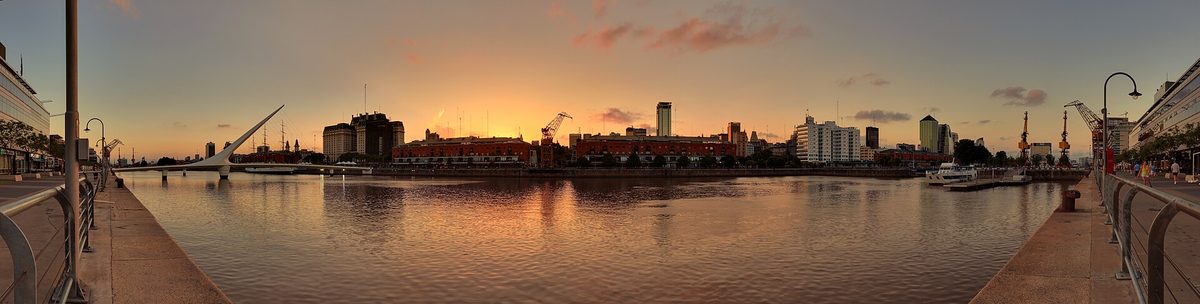
Puerto Madero, the gleaming waterfront district of glass towers above, is worth a mention as the priciest and most modern option — safe, polished, and a bit sterile, popular with those who want a new-build apartment and a riverside run. It’s lovely to visit; whether you want to live in its corporate calm is a matter of taste.
Where I’d be a little more careful
No scaremongering, just honesty: a few areas reward extra caution, especially after dark. The microcentro and Congreso area empties out and feels desolate at night; Constitución, Once and the fringes of Retiro near the bus terminal warrant your wits; and parts of La Boca outside the few tourist blocks are best avoided after dark. These aren’t no-go zones so much as places to keep your phone in your pocket and take a registered taxi or rideshare home. We go deeper on this in our Buenos Aires safety and travel tips guide.
How to rent an apartment in Buenos Aires
Renting is the most bureaucratic thing you’ll do here, and understanding the two parallel markets saves a lot of grief.
Temporary furnished vs long-term contracts
There are essentially two worlds. Alquiler temporario (temporary furnished rentals) are aimed at foreigners and short-stayers: furnished, bills often included, rented in dollars or dollar-linked pesos, bookable from abroad, minimal paperwork, and priced at a premium. Long-term local contracts are the opposite: typically unfurnished, multi-year, much cheaper per month, paid in pesos — and gated behind serious paperwork. Most people start in the first world and only graduate to the second once they have residency and local footing.
The garantía problem (and how foreigners get around it)
The wall every newcomer hits is the garantía propietaria — a requirement that someone who owns property in the city co-signs (guarantees) your lease. If you don’t have a property-owning friend or family member in Buenos Aires, you simply can’t access most standard long-term leases directly. The workarounds: stick with foreigner-focused furnished rentals (which waive it); use a seguro de caución, an insurance product that stands in for the guarantor for a fee; or go through expat-oriented agencies and relocation services that specialise in exactly this gap. It’s the number-one thing that catches people off guard, so plan around it from day one. Our monthly rental guide lists the agencies and the seguro-de-caución route in detail.
Where to search and what to check
For furnished short-term places, expat agencies and dedicated platforms are easiest; for longer local listings, the big property portals and neighbourhood groups are where deals appear. Wherever you look, check three things before you commit: that the wifi is actually fast enough to work (ask for a speed-test screenshot), that there’s real heating for the grey, damp winter and air-conditioning for the sticky summer, and that the block feels right at night, not just in the daytime photos. And don’t pay a deposit on anything you haven’t seen in person or via a live video walk-through.
Internet, SIM cards and staying connected
If you work online, connectivity is non-negotiable, and the good news is that Buenos Aires is well-wired for a city its size. Fixed home internet in the central barrios is generally solid — fibre is widely available and perfectly capable of video calls and big uploads, though reliability varies by building, so confirm the actual setup before you sign anything. For a SIM, the three carriers are Personal, Claro and Movistar. In my experience Personal often posts the fastest mobile data, Claro has the broadest coverage and reliable value plans, and Movistar is the third option; all sell cheap prepaid (prepago) chips. Bring your passport to buy and register a local SIM.
My recommended workflow: install an eSIM (Airalo, Holafly or similar) before you fly so you land already connected, then pick up a cheap local prepaid chip in your first few days for a proper Argentine number — you’ll need one for bank apps, delivery apps and the odd two-factor code. Data top-ups are inexpensive; you load credit at the same Pago Fácil kiosks you’ll use for everything else. For navigating buses, trains and the subte once you’re online, our getting around Buenos Aires guide is the companion piece.
Coworking and getting work done
The remote-work scene here is mature, and the city’s rhythm is part of the appeal. Buenos Aires sits roughly two hours ahead of US Eastern time, which is a genuine advantage for nomads with American clients — your morning lines up with theirs, and the late local schedule means your evenings are still your own. There’s a thriving network of coworking spaces: international names like WeWork sit alongside well-loved local spots such as La Maquinita Co., AreaTres, Huerta and Impact Hub, mostly clustered in and around Palermo, with day passes and monthly memberships to suit drop-ins and regulars alike. Our coworking spaces guide compares them on price, vibe and location.
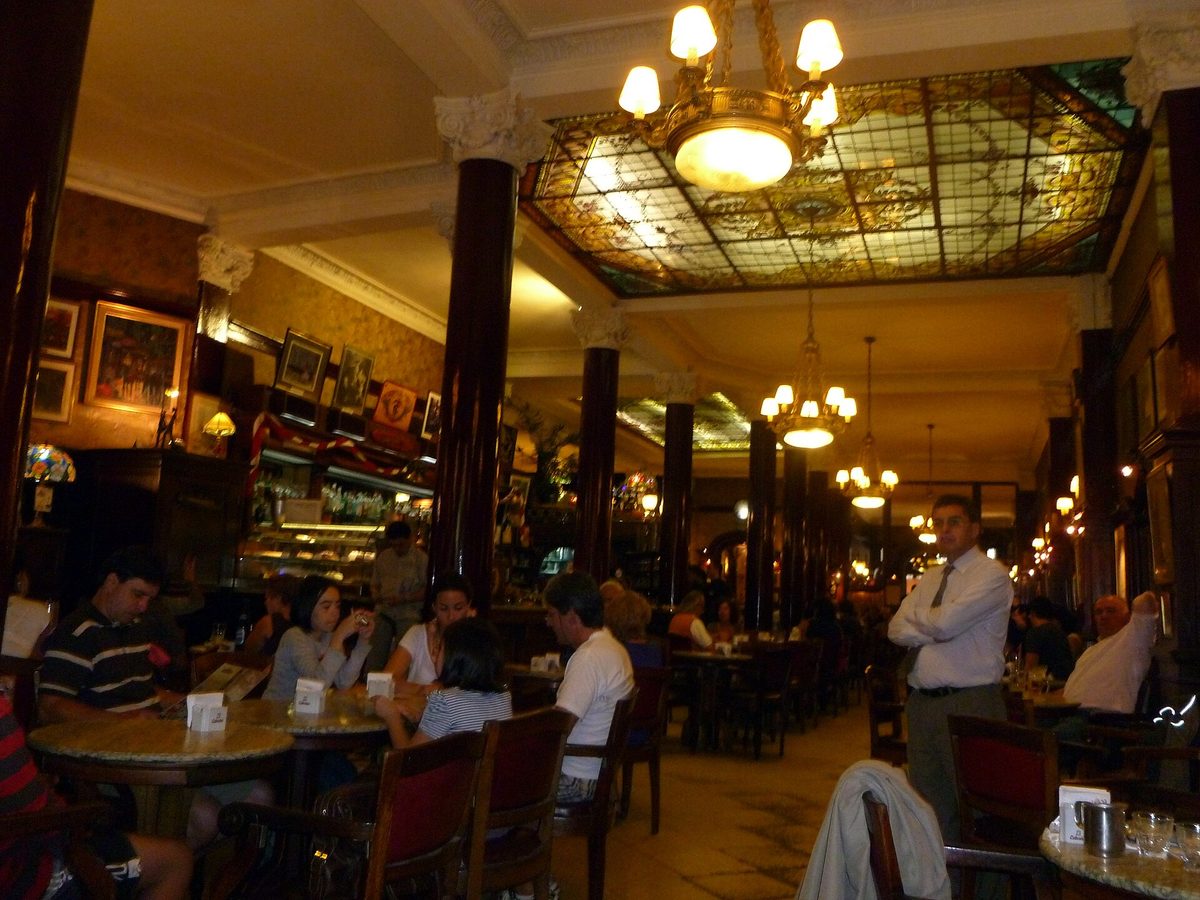
If you prefer a laptop and a flat white, the cafe culture is world-class — this is a city that treats coffee and lingering as a birthright, from grand historic cafes like Tortoni to a wave of excellent specialty roasters in Palermo and Chacarita. One local rule worth learning the hard way: check the wifi before you order, and don’t assume a beautiful old cafe has a working connection or that it’s polite to camp for four hours at peak lunch. A cortado, a medialuna and a quiet corner table, though, is one of the real pleasures of working here.
Healthcare for expats and nomads
Healthcare is one of Argentina’s underrated strengths, and it works on three tiers. The public system is universal and free at the point of use — genuinely, even for foreigners in an emergency — though it can be stretched and Spanish-only. Most expats who settle pay into a prepaga, a private health plan from providers like OSDE, Swiss Medical, Galeno or Medicus, which buys you English-speaking doctors, short waits and excellent private hospitals. Mid-tier prepaga plans for a healthy adult in their 30s or 40s have run roughly USD 120–280 a month, rising steeply with age and plan level — and enrolling usually requires a DNI, so this is really for residents. All of these are peso-priced and inflation-exposed, so treat the figures as indicative and get a current quote.
If you’re here short-term without a DNI, the standard answer is nomad or travel health insurance (the SafetyWing-style policies many remote workers use), which also satisfies the digital nomad visa’s insurance requirement. Two practical bonuses: pharmacies are everywhere and pharmacists are genuinely helpful for minor issues, and Argentina is a well-known destination for affordable, high-quality dental and medical care — plenty of expats time a check-up or dental work for while they’re here. Don’t skip insurance, but do take comfort that you’re in a country that takes medicine seriously.
Is Buenos Aires safe to live in?
Yes, with the same street-smarts you’d use in any big city — and one specific thing to watch. Buenos Aires has relatively low violent crime for a major Latin American capital; the day-to-day issue is petty theft, above all phone-snatching. The local term to know is motochorros — thieves on motorbikes who grab phones from hands and tables, especially near traffic. The single best habit you can build is to stop waving your phone around on the street and at pavement cafe tables; keep it away when you’re not actively using it, and you eliminate most of your risk in one move.
Beyond that, the usual playbook applies: wear a backpack on your front in crowds and on the subte, use registered taxis or ride apps like Cabify and Uber late at night rather than walking through empty areas, keep an eye on your bag at restaurants, and favour the busy, well-lit streets after dark. Some barrios warrant more care than others (see the neighbourhoods section above), but huge swathes of the city — Palermo, Recoleta, Belgrano and more — feel calm and walkable day and night. Women travelling and living solo generally report feeling comfortable here. For the full safety playbook, our travel tips and safety guide has you covered.
Learning Spanish (and the Argentine twist)
Do you need Spanish to live in Buenos Aires? For a frictionless daily life and any dealings with bureaucracy: yes, at least some. English is far less widely spoken than in many European capitals, and while you can get by in nomad-bubble Palermo on English and goodwill, you’ll feel locked out of the real city without Spanish. The flip side is that this is a wonderful place to learn, because Porteños are patient, chatty and delighted that you’re trying.
Be ready for the local accent, though — castellano rioplatense has its own music. They use vos instead of tú (with its own verb endings), the “ll” and “y” sounds turn into a soft “sh” (so calle sounds like “ca-shay”), and the city runs on lunfardo, a rich vein of local slang. It throws beginners at first and then becomes one of the things you love. Buenos Aires has excellent, affordable Spanish schools — long-running names like Expanish, Vamos, Ibero and others run group and private classes, and studying enough hours can even open a student-visa path. Mix formal classes with iTalki tutors and a daily habit of actually talking to people, and you’ll progress fast. Our Spanish school guide compares the best options.
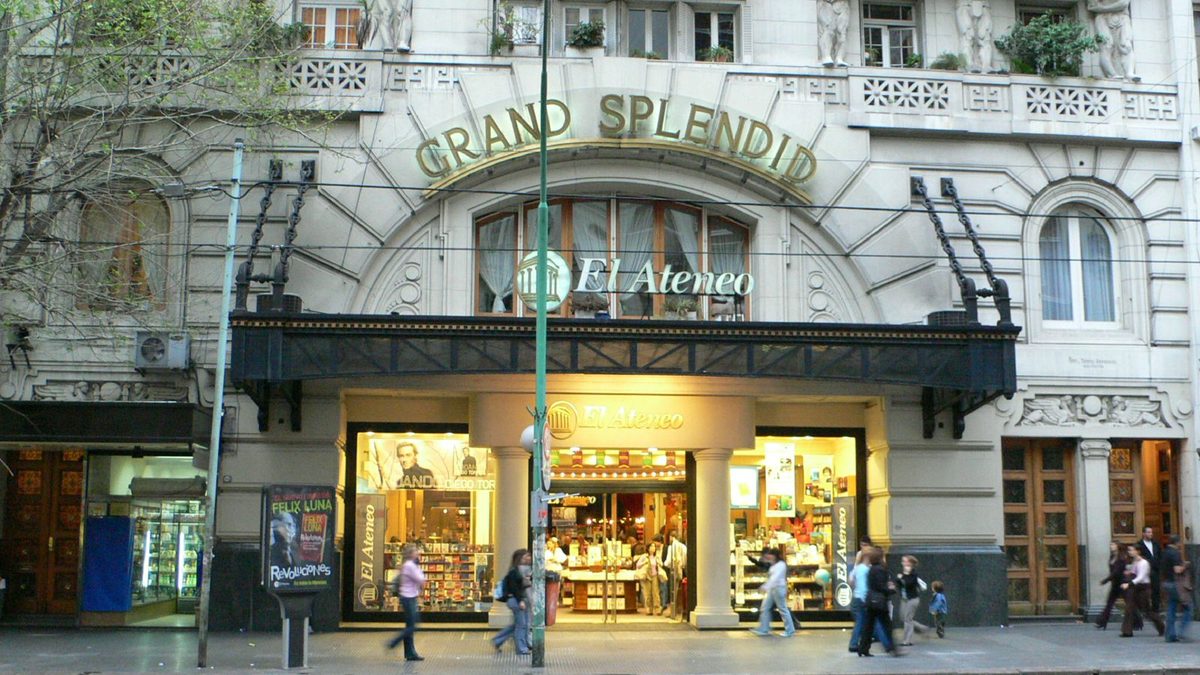
Making friends and building a real life
This is the part that turns a long stay into a home, and it’s easier here than in most places — if you put yourself out there. Buenos Aires has a huge, well-organised expat and nomad community, so you’re never starting from zero. Look up InterNations and Meetup events, the legendary Mundo Lingo language-exchange nights (free, sociable, beer in hand), running crews, and the various “Buenos Aires expats” and “digital nomads Buenos Aires” groups online where people swap apartments, advice and plans daily.
To meet locals rather than just other foreigners, lean into what the city does best: take a tango class even if you’re hopeless (it’s a social institution, not just a performance), get invited to an asado and never show up empty-handed, join a language exchange, or adopt a football team. Porteños socialise late and often, and friendships form over long dinners and longer overflowing tables. Our guides to tango in Buenos Aires, the city’s nightlife and bars and even its football culture are all really guides to meeting people.
Daily life: getting around, groceries and the city’s rhythm
The texture of an ordinary day is what you’re really signing up for, so here’s what mine tends to look like.
Getting around
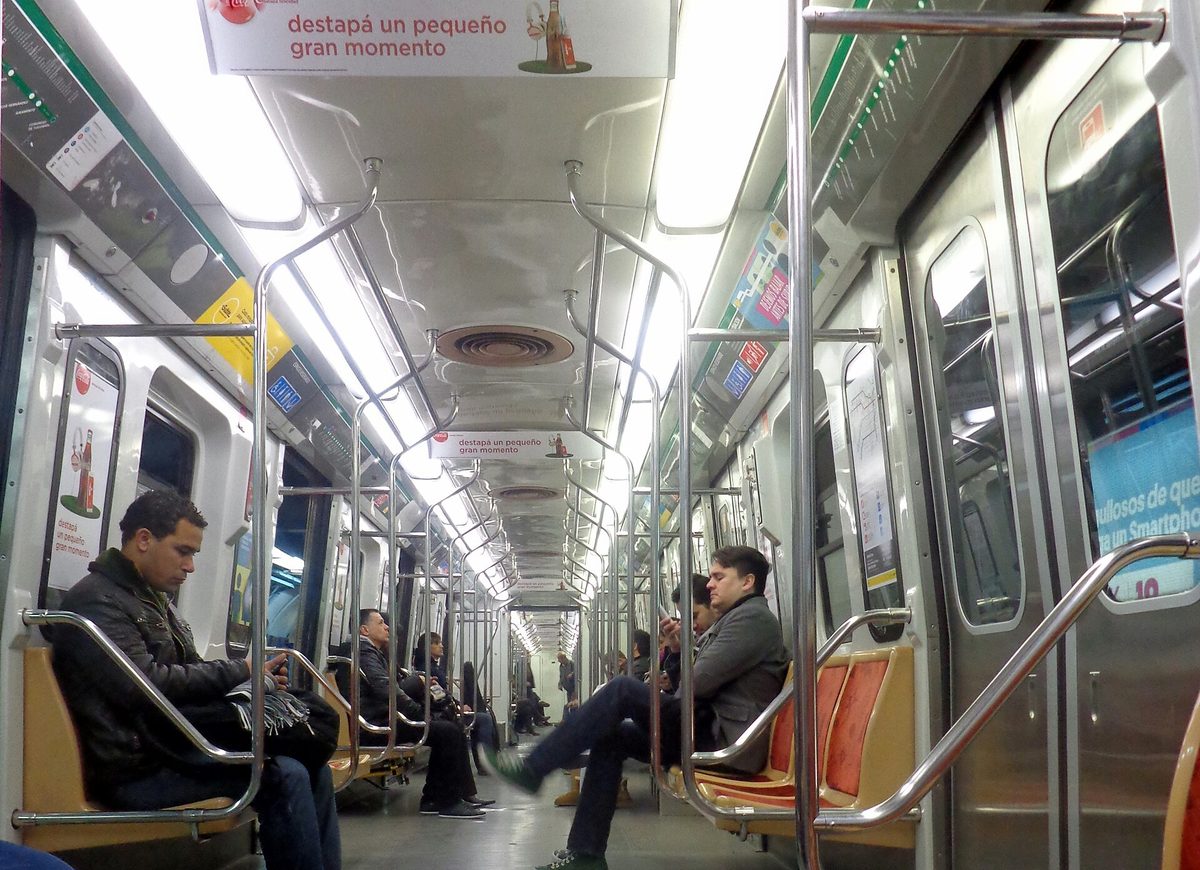
Buenos Aires is a fantastic walking city, and for everything else there’s cheap, extensive public transport run on the rechargeable SUBE card — one card for the subte (underground), the colectivos (buses) and the trains. The subte is fast for longer hops; the buses go everywhere but take a little learning (flag them with a raised hand, and tell the driver roughly where you’re going so it charges the right fare). Taxis are plentiful and reasonable, and ride apps like Cabify and Uber are widely used and handy at night. Most of the time, though, I just walk — it’s how you fall for the place. Full details are in our getting around guide.
Groceries and eating
You’ll shop in layers: the ubiquitous Chinese-owned corner supermarkets (everyone calls them “los chinos”) for everyday basics, the neighbourhood verdulería for gorgeous cheap fruit and veg, the carnicería for that famous beef, and a bigger supermarket or the weekly feria for the rest. Buying fresh and local is both cheaper and better. And then, of course, you eat out — constantly — because it’s affordable and joyous; our food and restaurants guide is the one to save.
The rhythm — and weekend escapes
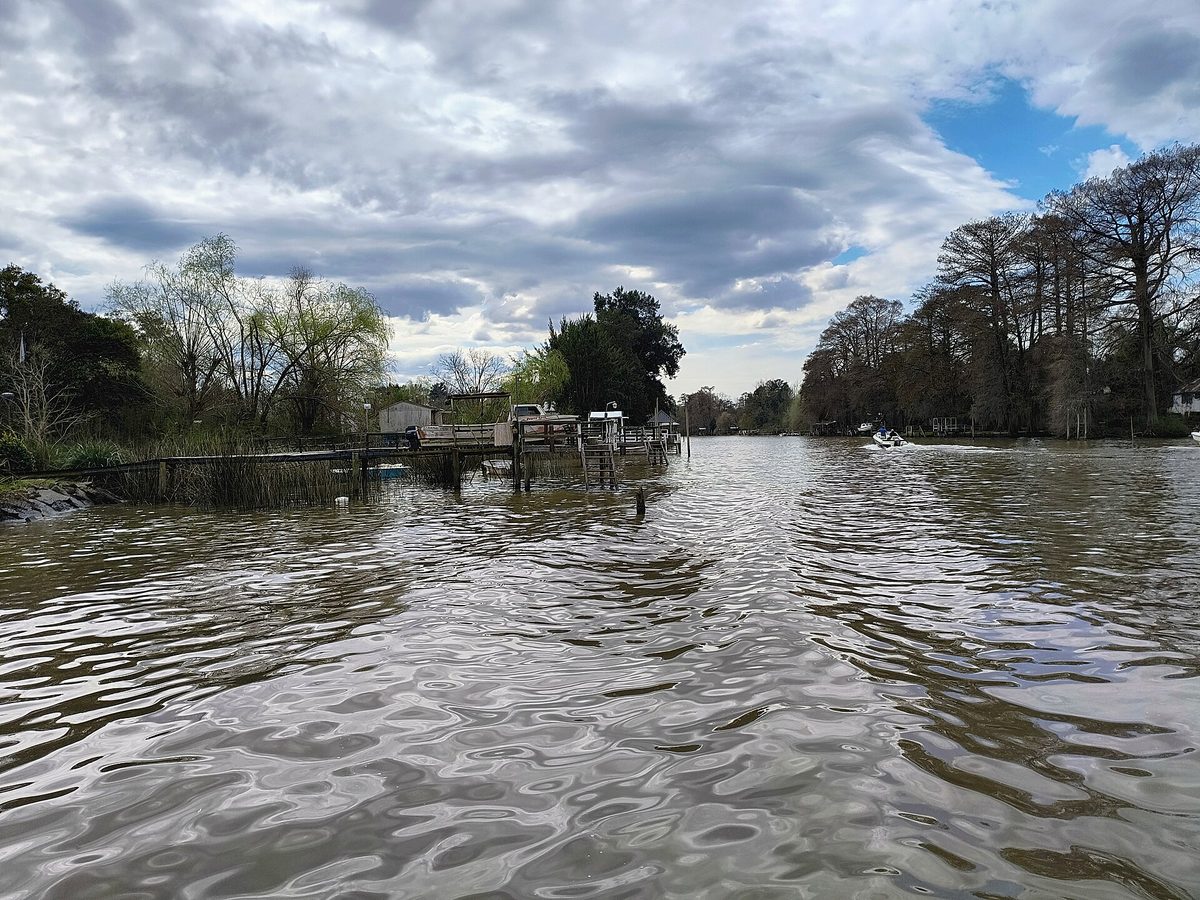
The clock here runs late and you’ll adjust whether you mean to or not: lunch at 1–2pm, dinner rarely before 9–10pm, nightlife that doesn’t get going until well after midnight. Spring (September–November) and autumn (March–May) are the loveliest times to arrive, with mild weather; summer is hot and humid and half the city decamps to the coast, while winter is grey and damp but rarely freezing. When you need a break from the capital, the Paraná Delta at Tigre is an hour away by train, Colonia is a ferry ride across the river, and the wine country of Mendoza or the beaches of Uruguay are a short flight. Our best time to visit guide and day trips guide help you plan the escapes.
What I wish I’d known before moving to Buenos Aires
A handful of hard-won lessons that would’ve saved me time and money. Bring your tech and a stash of specific clothing — replacing a laptop or your favourite trainers here is painful and pricey. Never take a peso salary if you can possibly avoid it; earning abroad is the whole financial game. Make peace with bureaucracy early — a DNI or anything official can take many months, so start sooner and expect detours. Adjust your body clock; fighting the late schedule just makes you tired and lonely. Learn enough Spanish to be polite and persistent, because warmth and effort open every door here. And keep your phone out of sight on the street — the one habit that prevents the one annoyance most likely to befall you. Whatever you’re planning, balance the practical with the fun: our big list of things to do in Buenos Aires and a sensible first-week itinerary are great for settling in, and if you’re arriving as a family, our Buenos Aires with kids guide helps too.
Frequently asked questions about living in Buenos Aires
Is Buenos Aires a good place to live for expats and digital nomads?
For most people earning a foreign income, yes — it’s one of the best-value great cities in the world to live in, with superb food, culture and walkability for the money. It suits sociable, flexible people who can roll with inflation and bureaucracy. It’s a harder fit if you need everything to run smoothly and predictably, or if you’ll be paid in local pesos.
How much does it cost to live in Buenos Aires per month in 2026?
As a mid-2026 estimate, a lean nomad can manage around $1,100 a month all-in, a comfortable single person should budget roughly $1,500–$2,000, and a couple living well around $2,000–$2,800. Rent is the biggest variable. Inflation moves these numbers, so treat them as ranges and check current listings before you commit.
Can you live in Buenos Aires on $1,000 a month?
Just about, if you’re disciplined: a room or studio in a value barrio, cooking most meals, and using the subte rather than taxis. It’s doable but lean, with little buffer for travel or emergencies. Most nomads find $1,500 or so gives a far more comfortable life with the eating-out and weekend trips that make the city worth it.
Is Buenos Aires safe to live in?
By big-city standards, yes. Violent crime is relatively low; the real day-to-day risk is petty theft, especially phone-snatching by motochorros. Keep your phone out of sight on the street, wear a backpack on your front in crowds, and use registered taxis or ride apps at night. With those habits, most central barrios feel calm and walkable around the clock.
What are the best neighbourhoods in Buenos Aires for expats?
Palermo is the default — walkable, safe and full of coworking and cafes. Recoleta is elegant and central; San Telmo is bohemian and cheaper; Belgrano and Núñez are leafy and residential. For value, look at Villa Crespo, Chacarita and Colegiales right next to Palermo. Rent short-term first and walk the streets before you choose.
How long can you stay in Argentina on a tourist visa?
Visa-free nationals get 90 days on arrival, extendable once per calendar year by another 90 via a prórroga. Many long-stayers further stretch things with a border run to Colonia or by paying a modest overstay fee on exit. For a sanctioned year, the digital nomad visa grants 180 days, renewable once. Confirm current rules with migraciones before relying on any of this.
What is the Argentina Digital Nomad Visa and who qualifies?
It’s a temporary stay for remote workers earning from abroad, open to nationals who can already enter Argentina visa-free. It grants up to 180 days, renewable once (about a year total), and requires proof of stable foreign income plus private health insurance. It’s not a residency and won’t get you a DNI, and you can’t work for local Argentine companies on it. The government fee has been cited around USD 117.
How do digital nomads get pesos — blue dollar, MEP or Western Union?
In 2026 the rates have largely converged, so the old blue-cash advantage has mostly vanished. A foreign Visa or Mastercard now pays close to the favourable MEP rate and is my default for everyday spending. Western Union is great for turning dollars into a lump of pesos, and cash dollars still help for paying rent. Always check the live rate the week you arrive.
Can a foreigner rent an apartment in Buenos Aires without a guarantor?
Yes, but usually not on a standard long-term local lease, which requires a property-owning garantía. Foreigners get around it by renting furnished, foreigner-facing apartments (which waive the requirement), buying a seguro de caución guarantor-insurance product, or going through expat relocation agencies. Plan to start with a furnished place and sort the long-term route once you’re established.
How good is the internet, and which SIM is best for remote work?
Central Buenos Aires has solid fibre home internet that handles video calls and uploads fine, though it varies by building, so confirm before signing. For mobile, Personal tends to be fastest, Claro has the broadest coverage and good value, and Movistar is the third option. Land on an eSIM, then add a cheap local prepaid chip (bring your passport) for a local number.
How does healthcare work for foreigners, and what does private insurance cost?
There are three tiers: free universal public care, private prepaga plans (OSDE, Swiss Medical, Galeno and others), and nomad/travel insurance for those without a DNI. Mid-tier prepaga plans have run roughly USD 120–280 a month for a healthy adult, rising with age, and usually need residency to enrol. Short-stayers use travel health insurance, which also satisfies the nomad visa requirement.
Can you retire in Buenos Aires, and what income do the visas require?
Yes — it’s popular with retirees, who typically use the pensionado (pension) or rentista (passive-income) visas. Income thresholds have hovered in the rough range of USD 1,400–2,000 a month, but they track the local minimum wage and change often, so verify the current figure. A big draw is the fast path to citizenship: naturalisation is possible after about two years of residency, and dual nationality is allowed.
Final thoughts: is living in Buenos Aires right for you?
I came for three months and I’m still here, so take my objectivity with a grain of salt. But the honest summary is this: Buenos Aires asks you to give up a little predictability and rewards you with a richer daily life than almost anywhere at the price. The food, the cafes, the walkability, the warmth of the people, the late late nights, the ridiculous value on a foreign income — they add up to a city that’s very hard to leave once it has you. The inflation, the bureaucracy and the phone-snatching are real, but they’re the cost of admission, not the main event.
If you’re sold, here’s the concrete first-30-days plan I give every friend who moves here: book a furnished apartment for your first month in or near Palermo; set up an eSIM before you fly and grab a local SIM in week one; sort your money method (a good foreign card plus a Western Union run); spend your first fortnight walking different barrios at different hours before you commit to a longer rental; trial a coworking space and join one or two community groups so you’re not lonely; start Spanish classes early; and decide which visa rung you actually need rather than over-engineering it. Do that, and within a month Buenos Aires stops being a destination and starts being home. Come say hi at a Mundo Lingo night — I’ll be the one still butchering the subjunctive and loving every minute.
About the author: Written by the Buenos Aires Tourism editorial team — long-term residents and expats who have navigated the rentals, the visa runs, the bank queues and the cafe wifi first-hand. We update our guides regularly to keep prices, rates and rules as current as we can.
Last updated: June 2026. Argentina’s exchange rates, costs, visa fees and immigration rules change frequently — please confirm the latest details with official sources (migraciones.gov.ar, your nearest consulate) and current listings before making decisions.
Photo credits
All images are used under their respective Creative Commons or public-domain licenses via Wikimedia Commons:
- Leafy residential street in Palermo — Photo: Roberto Fiadone, CC BY-SA 4.0, via Wikimedia Commons
- El Ateneo Grand Splendid bookstore — Photo: Philip Choi, CC BY 2.0, via Wikimedia Commons
- Avenida Alvear, Recoleta — Photo: User:Barcex, CC BY-SA 3.0, via Wikimedia Commons
- San Telmo Sunday market on Defensa — Photo: LWY, CC BY 2.0, via Wikimedia Commons
- Puerto Madero waterfront at dusk — Photo: Martin St-Amant (S23678), CC BY-SA 3.0, via Wikimedia Commons
- Palermo skyline and parks from above — Photo: Ricardo Patiño, CC BY-SA 2.0, via Wikimedia Commons
- Interior of the historic Cafe Tortoni — Photo: David Berkowitz from New York, NY, USA, CC BY 2.0, via Wikimedia Commons
- Inside a Buenos Aires Subte carriage — Photo: Roberto Fiadone, CC BY-SA 4.0, via Wikimedia Commons
- The Obelisco on Avenida 9 de Julio — Photo: Alekino, Public domain, via Wikimedia Commons
- The Parana Delta at Tigre — Photo: Vlasta x, CC BY-SA 4.0, via Wikimedia Commons
Photo Credits
Every image in this guide is used under its respective Creative Commons or public-domain license, sourced from Wikimedia Commons:
- Leafy, low-rise street in Palermo, a favourite neighbourhood for livin. Photo: Roberto Fiadone / CC BY-SA 4.0 via Wikimedia Commons.
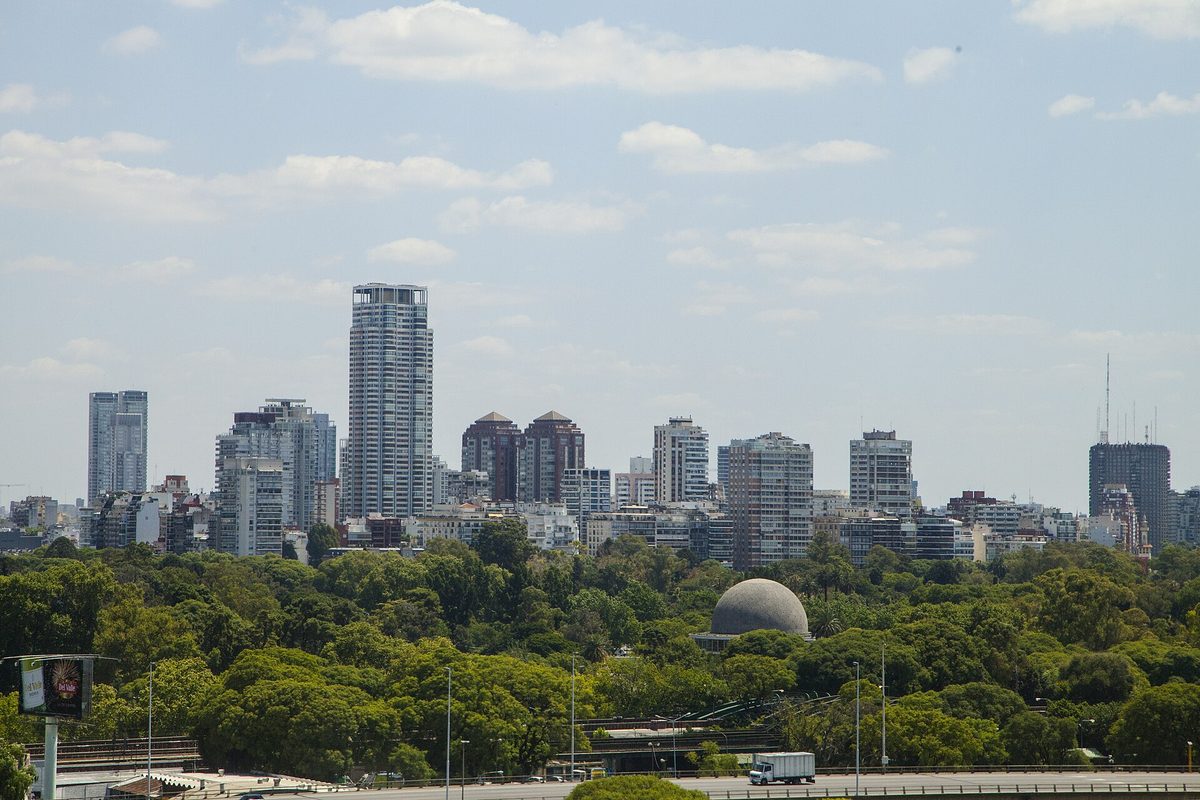
- Aerial view of the dense residential barrios and skyline of Buenos Air. Photo: Ricardo Patiño / CC BY-SA 2.0 via Wikimedia Commons.
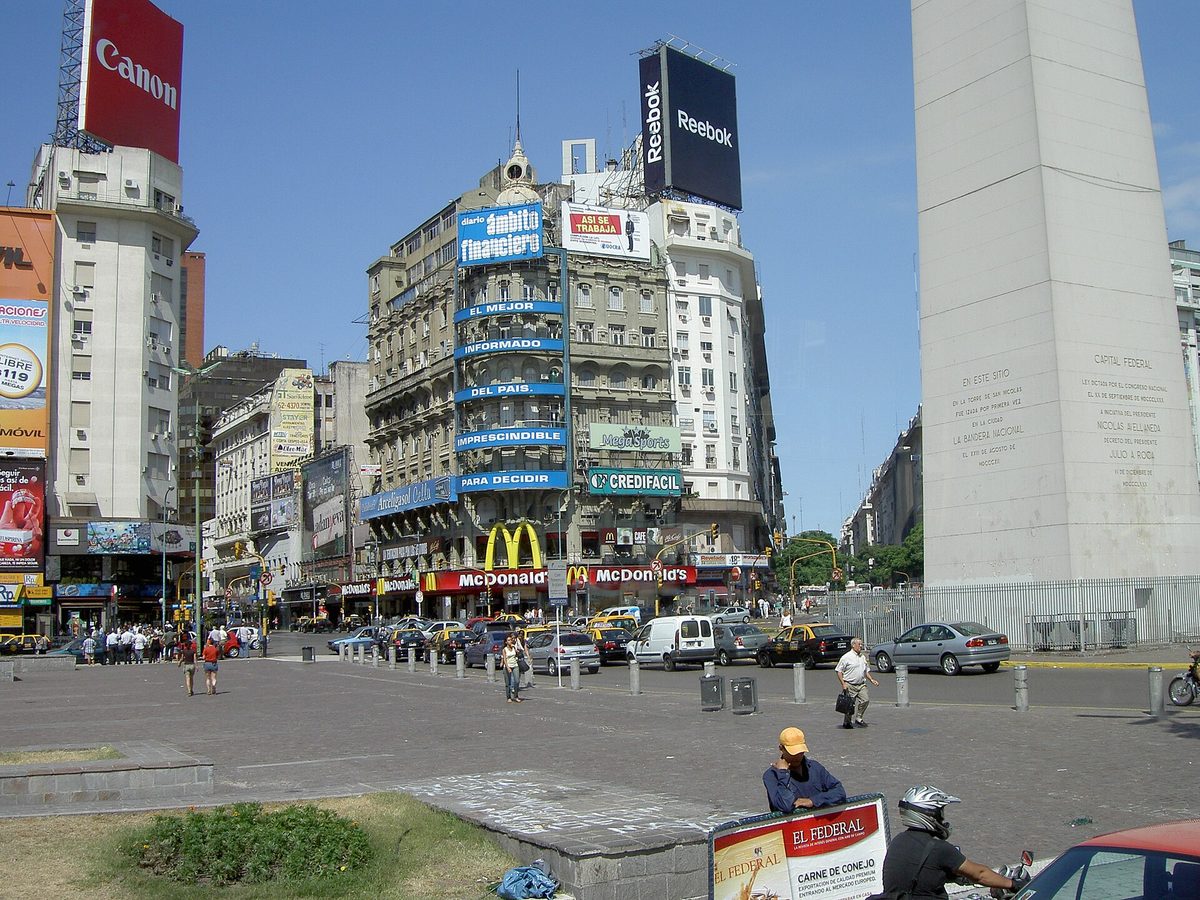
- The Obelisco on Avenida 9 de Julio in central Buenos Aires. Photo: Alekino (CC0) via Wikimedia Commons.
- Belle-Epoque apartment buildings along Avenida Alvear in Recoleta, an . Photo: User:Barcex / CC BY-SA 3.0 via Wikimedia Commons.
- Sunday antiques market on Defensa Street in San Telmo, Buenos Aires. Photo: LWY / CC BY 2.0 via Wikimedia Commons.
- Modern waterfront high-rises in Puerto Madero, Buenos Aires. Photo: Martin St-Amant (S23678) / CC BY-SA 3.0 via Wikimedia Commons.
- The historic Cafe Tortoni, part of the celebrated cafe culture of Buen. Photo: David Berkowitz from New York, NY, USA / CC BY 2.0 via Wikimedia Commons.
- El Ateneo Grand Splendid, the landmark theatre-turned-bookstore in Bue. Photo: Philip Choi / CC BY 2.0 via Wikimedia Commons.
- A Subte underground train, part of getting around Buenos Aires day to . Photo: Roberto Fiadone / CC BY-SA 4.0 via Wikimedia Commons.
- The Parana Delta at Tigre, a popular weekend escape from Buenos Aires. Photo: Vlasta x / CC BY-SA 4.0 via Wikimedia Commons.