Of all the decisions you will make about a trip to Buenos Aires, the one that quietly shapes everything else is where you put your head down at night. This is a sprawling city of 48 barrios, and the one you choose becomes your version of it — the cafe you adopt, the walk home after dinner, how long you spend on the Subte, whether you feel like you are living in the city or just visiting it. Pick well and the whole trip clicks into place.
Deciding where to stay in Buenos Aires comes down to matching a barrio to your trip. For most first-timers, Recoleta (elegant, central, safe) or Palermo (leafy, hip, packed with restaurants) is the right call. Budget travelers love San Telmo; luxury and business travelers lean to Puerto Madero; long-stay nomads gravitate to Villa Crespo. Below I break down every area honestly — with real prices, safety notes, and where not to book.
This is the lodging decision guide. For the deeper character of each barrio — the history, the local life, what to actually do there — pair it with our Buenos Aires neighborhoods guide, and once you have a base, our things to do in Buenos Aires guide maps the sights onto it. One thing I will flag up front, because most guides are years out of date on it: Argentina’s money situation has changed dramatically, and the old “bring a suitcase of cash” advice no longer applies the way it did. More on that below.

How to Choose Where to Stay in Buenos Aires
Before the area-by-area rundown, answer three quick questions and your shortlist almost writes itself.
1. How long are you staying? For one or two nights focused on sightseeing, prioritize being central and walkable — Recoleta, San Telmo, or the historic center. For four nights or more, comfort and neighborhood vibe matter more, which is where Palermo shines. For a month or more, you are really renting an apartment in a residential barrio like Villa Crespo or Belgrano.
2. What is your priority — sights or vibe? If you want to tick off the landmarks on foot, stay central. If you want great food, bars, and tree-lined wandering, stay in Palermo and treat the center as a day trip.
3. What is your budget? Buenos Aires runs from $15 hostel dorms to $600 palace suites, and the area you pick sets the floor. San Telmo and the center are the cheapest central options; Puerto Madero and Recoleta’s grand hotels are the priciest.
A final word on geography: Buenos Aires is big, and not every barrio has a Subte (metro) stop. Where you sleep relative to transport matters more here than in most cities — I will flag it for each area. See our getting around Buenos Aires guide for the full transport picture.
The Best Areas to Stay in Buenos Aires, at a Glance
Here is the cheat sheet I give friends — the best area to stay matched to the kind of trip you are taking, with a rough nightly price band. Prices are in US dollars and move with the exchange rate, so treat them as a guide and check current rates when you book.
| You are a… | Best area | Runner-up | Rough price/night |
|---|---|---|---|
| First-time visitor | Recoleta | Palermo | $80–$200 |
| Couple / romantic trip | Palermo Soho | Recoleta | $120–$300 |
| Budget / backpacker | San Telmo | Palermo | $15–$70 |
| Foodie / nightlife | Palermo Hollywood | Palermo Soho | $90–$220 |
| Family with kids | Recoleta | Belgrano | $100–$250 |
| Luxury traveler | Recoleta | Puerto Madero | $300–$600+ |
| Business / safety-first | Puerto Madero | Recoleta | $180–$450 |
| Digital nomad / long stay | Villa Crespo | Palermo | $600–$1,200/mo |
| Very short stopover | Microcentro | San Telmo | $60–$150 |
Where to Stay in Buenos Aires, Area by Area
Now the detail. Each area below covers who it suits, what to expect, transport, safety, and roughly what you will pay — with a few named places to anchor your search at each price tier.
Palermo: The Best Overall Area to Stay
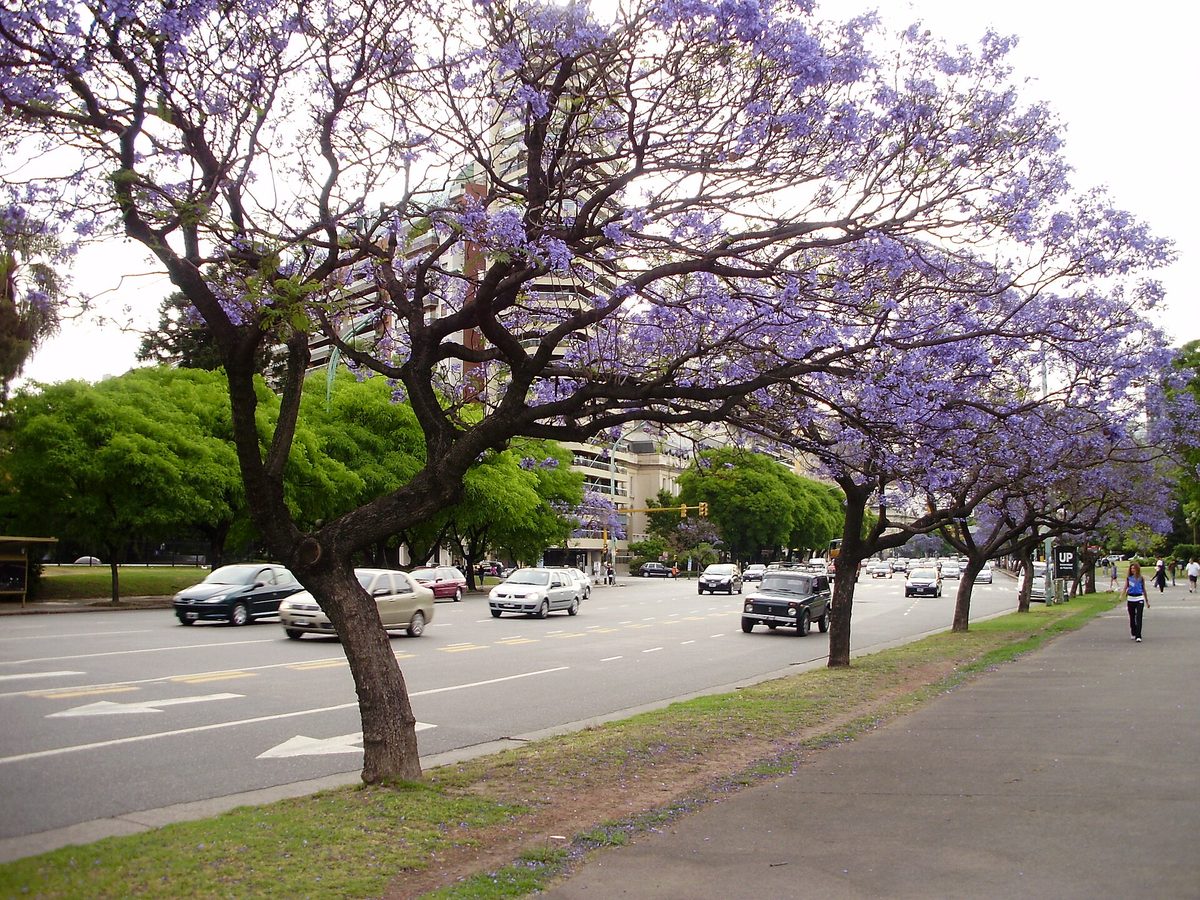
Palermo is where I send most people, most of the time. It is the city’s largest and leafiest barrio, with the best restaurant and bar scene in Argentina, endless tree-lined streets, boutique shopping, and a safe, walkable, low-rise feel. It splits into sub-areas that matter when you book: Palermo Soho is the cobblestoned, boutique-and-cafe core around Plaza Serrano (prettiest, most boutique hotels); Palermo Hollywood, across the railway tracks, is denser with restaurants and nightlife; and Las Cañitas is a quiet, upscale little grid of bistros. The trade-offs: it is the most international-feeling barrio (you will hear English), and the streets around Plaza Serrano get loud on weekend nights, so ask for a room off the plaza.
On price, Palermo is mostly mid-range to boutique — think roughly $90–$220 a night, with few true budget hotels but plenty of stylish apartments and a handful of social hostels. At the design end, BE Jardín Escondido (Francis Ford Coppola’s former home, now a boutique hotel) and Home Hotel are longtime favorites; for hostels, Casa Caravan and the party-leaning Milhouse are well known. Transport is good: Line D of the Subte runs through it to downtown in about fifteen minutes. It is also the heart of the city’s nightlife and dining scenes. For the full lineup, see our guides to the best hotels in Palermo and, if you want to be where the bars are, where to stay for nightlife.

Recoleta: Best for First-Timers and Luxury
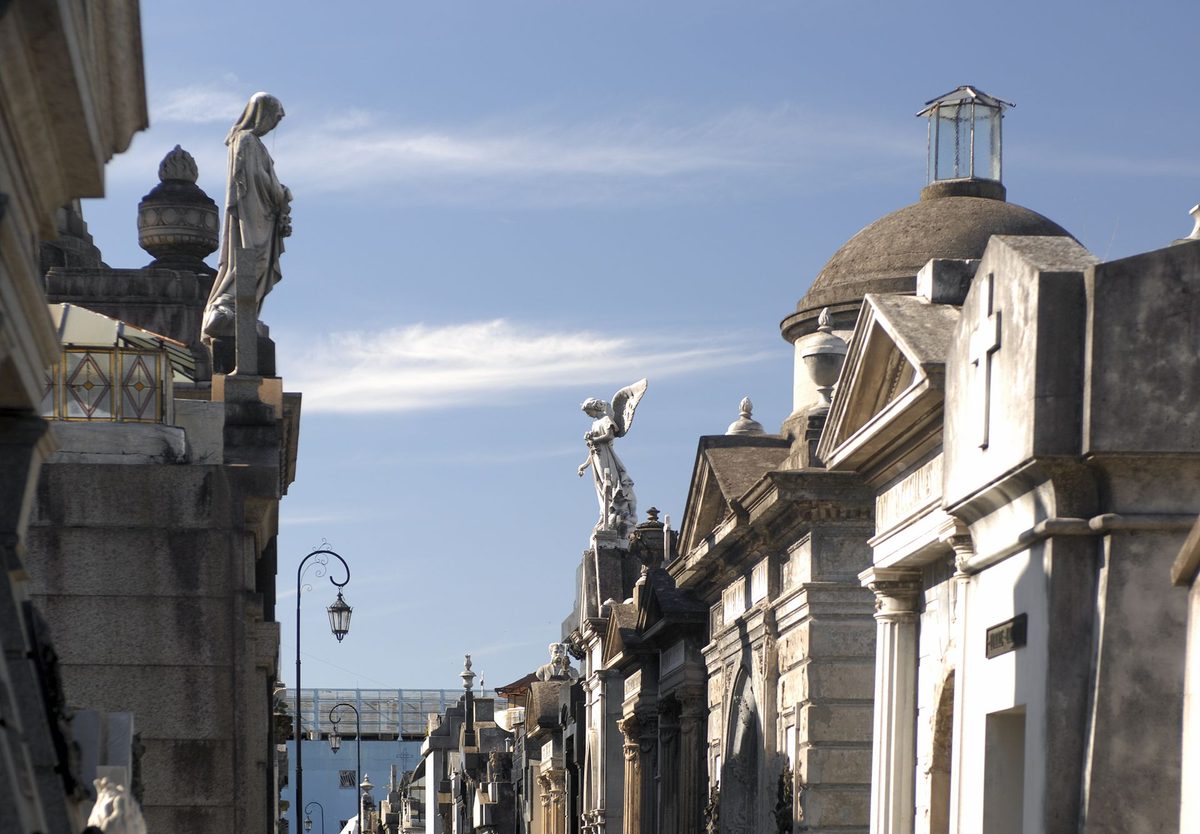
If Palermo is the city at play, Recoleta is the city in its good coat — the most European-feeling barrio, all wide boulevards, Belle Époque apartment blocks, embassies, and grand old hotels. It is elegant, leafy, genuinely safe, central, and within walking distance of downtown, which makes it my top pick for first-timers who want comfort and ease, and for families and couples who value calm over buzz. It is also where the city’s grandest hotels sit: the storied Alvear Palace, the Park Hyatt Palacio Duhau, and the Four Seasons all cluster here, alongside excellent mid-range options. Expect anything from around $80 for a solid mid-range room to $500-plus for a palace suite.
The one honest caveat is transport: Recoleta is famously under-served by the Subte (only the H line clips its edge), so you will walk or grab a taxi more than in Palermo — not a problem given how central and walkable it is, but worth knowing. It is quieter at night than Palermo, which is a feature or a bug depending on your trip. Go deeper with our best hotels in Recoleta roundup and the dedicated luxury hotels in Buenos Aires guide, and read the barrio’s full character in our Recoleta neighborhood guide.

San Telmo: Best for Budget Travelers and Culture Seekers
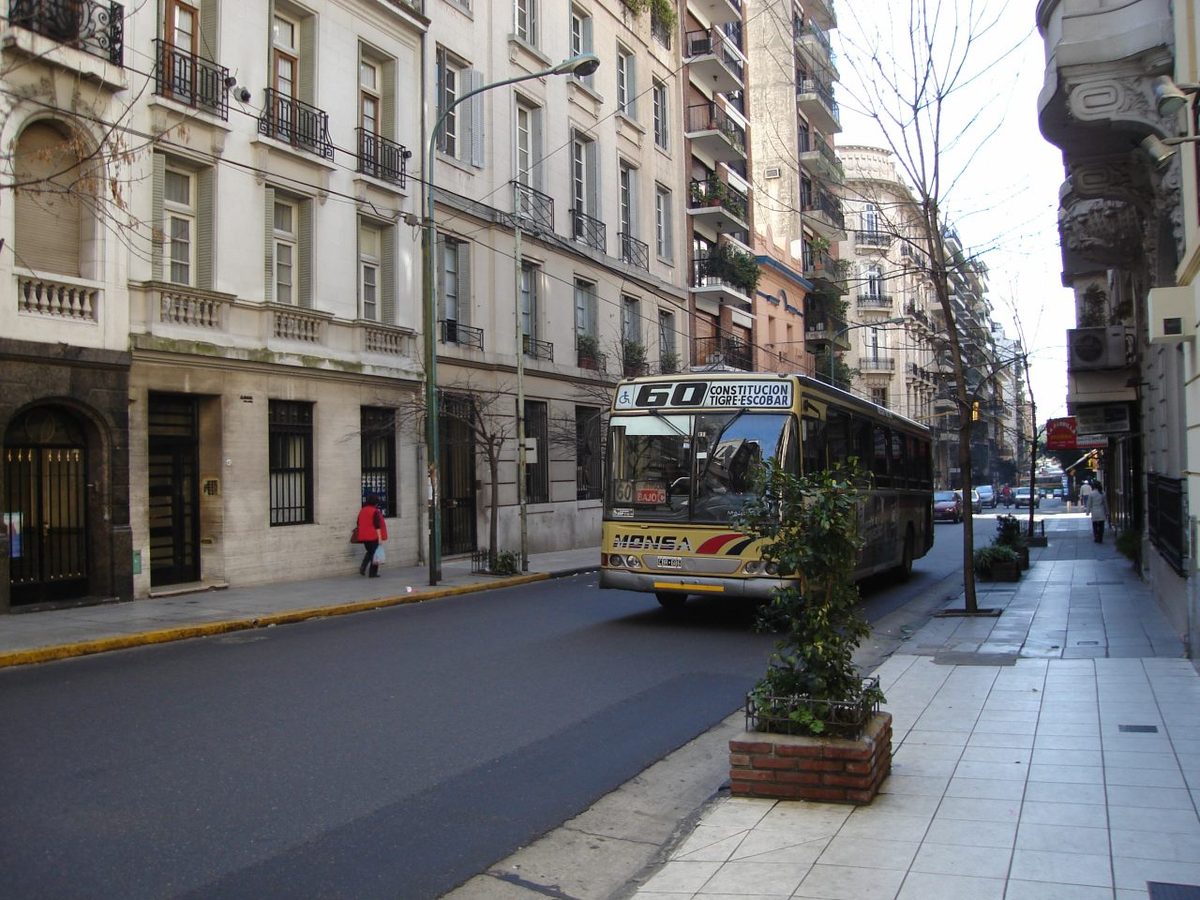
San Telmo is the cheapest of the central barrios and the most atmospheric — cobblestones, faded mansions, antique shops, tango on the corners, and the famous Sunday feria right outside your door. For backpackers, culture lovers, and anyone doing a short, sightseeing-heavy trip, it is hard to beat: you are walking distance to the historic center, Puerto Madero, and (a longer walk or short taxi) La Boca. It has the city’s best concentration of hostels — Viajero and America del Sur are reliable social picks — plus a growing crop of boutique hotels in restored old houses, with dorms from around $15 and private rooms or boutique doubles roughly $60–$160.
The honest note is safety: San Telmo has improved enormously but still sits next to rougher pockets, so book on the main corridors (Defensa, Bolívar, Balcarce), keep your phone away on the street, and take a taxi late at night rather than wandering the dark fringes. It is also the spiritual home of the city’s tango scene. For more, see the San Telmo neighborhood guide and our roundup of the best hostels in Buenos Aires.

Microcentro & Centro: Best for Very Short Stays
The downtown core — the Microcentro and historic Monserrat — puts you on the doorstep of the big-ticket sights: the Obelisco, Teatro Colón, Plaza de Mayo, Calle Florida, the Avenida de Mayo. If you have just one or two nights and want to see the landmarks on foot, or you are a business traveler who wants the international chains (Marriott, NH, Hilton), it is convenient and well-priced, with rooms from around $60 to $300. My one piece of advice: if you stay here, book along the charming, cafe-lined Avenida de Mayo rather than on the roaring Avenida 9 de Julio. The downside, and the reason I do not recommend it for longer stays, is that downtown is a business district — lively and a little frenetic by day, but it empties out and feels less inviting in the evenings and on weekends.
Puerto Madero: Best for Modern Luxury and Maximum Safety
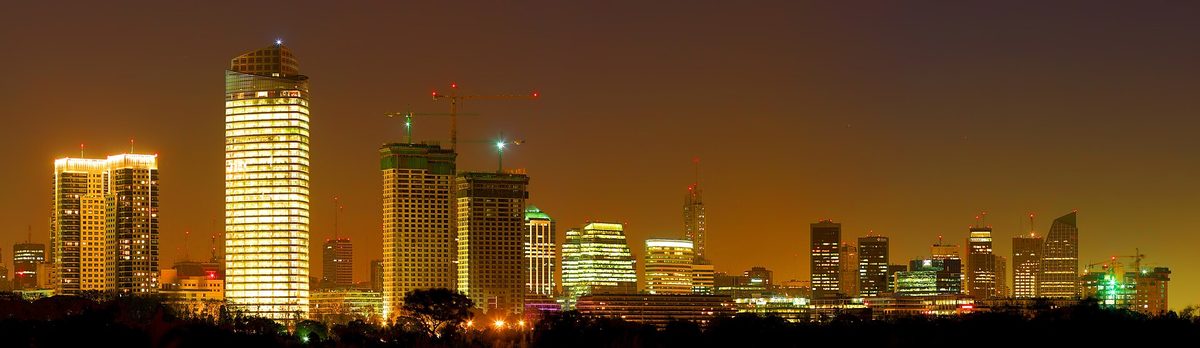
Puerto Madero is the gleaming redeveloped docklands — glass towers, converted brick warehouses, a waterfront promenade, and the city’s most polished, secure, resort-like feel. It is statistically the safest barrio in Buenos Aires, which is exactly why business travelers, honeymooners, and safety-first visitors love it. The hotels are correspondingly upscale: the theatrical Faena, the Alvear Icon, and a family-friendly Hilton anchor a strip where you should expect roughly $180 to $600 a night. Behind it lies the wonderful, free Costanera Sur ecological reserve.
The honest trade-offs are character and connectivity. Puerto Madero is immaculate but can feel a little anonymous — it could be a smart waterfront in any global city, and it lacks the street life of the older barrios. It also has no Subte, and its limited entry roads mean you will rely on taxis and rideshare. Wonderful for a quiet, secure, view-rich base; less so if you want to feel the city’s pulse outside your window. The full picture is in the Puerto Madero neighborhood guide.
Villa Crespo: Best Off-the-Beaten-Path Base
Just one block south of Palermo, Villa Crespo is the savvy traveler’s secret: the same leafy, creative energy without the Palermo price tag. It is residential and genuinely local, with a strong street-art scene, a leather-shopping district on Calle Murillo, and an easy hop into Palermo’s restaurants and bars. There are few formal hotels here — the dominant format is apartments and apart-hotels — which makes it ideal for travelers who want a neighborhood feel and better value, and especially for digital nomads. Expect to pay noticeably less than in Palermo for comparable space. Read its character in the Villa Crespo guide.

Belgrano: Best for Families and Long Stays
Belgrano is prosperous, leafy, and thoroughly residential — wide sidewalks, playgrounds, good supermarkets, the small Barrio Chino (Chinatown), and excellent transport on Line D plus train lines. It is not where a first-timer on a short sightseeing trip should base themselves (it is a little removed from the headline sights), but for families and anyone staying a week or more it is a calm, comfortable, very safe home with a real neighborhood rhythm. Accommodation is mostly apartments and a handful of mid-range hotels. For families specifically, see where to stay in Buenos Aires with kids and our Buenos Aires with kids guide.
Chacarita & Colegiales: For the Palermo-Over Crowd
If you have been to the city before, or you just want to stay where porteños actually eat and drink in 2026, look at Chacarita and neighboring Colegiales, just west of Palermo Hollywood. Chacarita is the fastest-rising barrio in the city — natural-wine bars, specialty coffee, terrific new restaurants — while Colegiales is quieter, with a great flea market and a young-professional calm. This is apartment territory (few hotels), it is meaningfully cheaper than Palermo, and it is brilliantly placed for the food-forward traveler or remote worker. More in the Chacarita and Colegiales guide.
Types of Accommodation in Buenos Aires
Beyond the area, the kind of place you book shapes your trip. Buenos Aires does a few things especially well.
Boutique hotels are the city’s strong suit — characterful, design-led, often in restored old mansions, mostly in Palermo, Recoleta, and San Telmo, typically $100–$300 a night. If you want something with personality, start here. Luxury hotels cluster in Recoleta and Puerto Madero and punch well above their price by global standards; a true five-star palace runs $300–$600-plus. Mid-range hotels (around $70–$150) are plentiful in every central barrio, a mix of local independents and international chains.
Hostels are excellent and social, concentrated in San Telmo, Palermo, and the center, with dorms from roughly $15–$35 and private rooms from around $50. Apart-hotels — serviced apartments with a front desk — are the sweet spot for stays of five nights or more: you get a kitchen, more space, and a local feel for often less than a hotel. And Airbnb and serviced apartments are abundant and good value, especially in Palermo, Villa Crespo, and Belgrano; filter for Superhosts and book early for the best inventory. Our guide to Buenos Aires Airbnb and apartment rentals goes deeper, and apart-hotels and long-stay options have their own breakdown.

Money, Payments & Booking: What Actually Matters in 2026
This is the section every other guide gets wrong, because the ground has shifted under Argentina’s feet. For years the advice was to bring a thick envelope of US dollars and change them on the street at the “blue” rate, because the gap between the official and parallel rates was enormous. That gap has largely closed. As of 2026 the difference between the rates is modest, which changes the playbook for paying for your accommodation in a few practical ways.
Cards now work well. Foreign credit and debit cards generally settle at a favorable, near-parallel rate at most hotels, restaurants, and shops, so you no longer need to hoard cash to avoid getting fleeced. Carry a modest buffer of clean US dollars — a few hundred, not a few thousand — for taxis, tips, markets, and the occasional cash-only guesthouse, and rely on your card for the rest. ATMs still give a poor rate and charge stiff fees, so withdraw sparingly. For the current, constantly-updated detail, see our blue dollar guide and the full Buenos Aires travel cost breakdown.
Should you prepay online or pay on arrival? For larger and international-brand hotels, prepaying online in dollars gives you price certainty and is usually the simplest path. For smaller boutiques, guesthouses, and apartments, it is worth asking whether they prefer payment in pesos or dollars on arrival — some offer a small discount for cash. Either way, confirm the currency and the cancellation terms before you book. Booking.com is the dominant platform locally, Airbnb and VRBO rule for apartments, and booking direct with a hotel can sometimes shave a little off the rate.
Palermo vs. Recoleta: The Head-to-Head
This is the single most common question I get, so let me settle it. Both are excellent, safe, central choices — you genuinely cannot go wrong — but they suit different trips.
| Palermo | Recoleta | |
|---|---|---|
| Vibe | Leafy, hip, young, lively | Grand, European, refined, quiet |
| Best for | Food, nightlife, longer stays | First-timers, couples, luxury, families |
| Transport | Subte Line D + B | Limited Subte; walk or taxi |
| Nights | Buzzing late | Calm and quiet |
| Price | Mid-range to boutique | Mid-range to ultra-luxury |
My rule of thumb: choose Recoleta for a first visit, a shorter trip, or if you prize elegance and quiet; choose Palermo for four nights or more, or if great food and nightlife are the point of your trip. And if you are staying a week or longer, consider splitting your stay — a couple of nights in each is the best way to feel the difference. For the deeper character behind the comparison, see the neighborhoods guide, and our best area to stay breakdown weighs every option side by side.
Safety and Where NOT to Stay in Buenos Aires
For many travelers, safety is the deciding factor in where to book, so let me be both honest and calm about it. Buenos Aires is one of the safer big cities in Latin America, and violent crime against tourists is rare. The real risk is petty theft — phone-snatching, distraction scams, the occasional moto grab — concentrated in crowded tourist areas. None of this should put you off; it just means choosing your base sensibly and staying aware.
Ranked roughly from safest, the best barrios to base yourself are: Puerto Madero and Recoleta at the top, followed closely by Palermo, Belgrano, and Las Cañitas; then Villa Crespo, Chacarita, and the core of San Telmo, all fine with normal city sense. Our dedicated guide to the safest areas to stay in Buenos Aires ranks them in detail, and the citywide picture is in our is Buenos Aires safe guide, with the broader street-smarts — scams, taxis, late-night moves — covered in our Buenos Aires travel tips.
Now the places I would steer you away from for a hotel:
- La Boca. Essential to visit for Caminito and La Bombonera — but do not stay here. Beyond the small tourist core it is a poor, working barrio with real safety issues after dark, and there is no good reason to sleep here when better areas are minutes away.
- The Avenida 9 de Julio corridor in the Microcentro. Not dangerous so much as noisy, impersonal, and dead at night. If you stay downtown, choose Avenida de Mayo instead.
- Constitución and the Once market area. Budget hotels exist around these transport hubs, but both have genuine street-crime issues and neither is set up for tourists. Save the money another way.
- Far-flung residential barrios with no Subte. Not unsafe, just logistically punishing — a cheap room is no bargain if every outing is a 40-minute haul. Check the transport links before you book somewhere that looks central on a map but is not.
Planning a Long Stay in Buenos Aires (30+ Days)
Buenos Aires has quietly become one of the world’s great cities for remote workers and long-stay travelers — a big, cultured, affordable city with great food, fast-enough internet, and a thriving community. If you are coming for a month or more, the calculus shifts from hotels to apartments.
The best neighborhoods for a long stay depend on your priority: Palermo for the most social, restaurant-rich life; Villa Crespo for the same energy at lower rents; Belgrano for quiet, family-friendly residential calm; and Chacarita or Colegiales for the up-and-coming food scene. Furnished one-bedrooms typically run somewhere around $600–$1,200 a month depending on barrio and standard. Find them through Airbnb’s monthly rates, VRBO, local listing sites, and the expat Facebook groups, where landlords often quote and prefer US dollars. For the full remote-work rundown — visas, coworking, SIM cards, cost of living — see our living in Buenos Aires guide.
Practical Tips for Booking Your Stay
- Book boutique hotels and top apartments early — inventory is limited and the best places fill six to eight weeks out, especially in spring and around major events.
- Mind the season. Summer (December to February) is hot and humid; if you are visiting then, air conditioning and ideally a pool become real booking criteria. Spring and autumn are milder and more pleasant for Palermo’s outdoor-cafe life — see the best time to visit guide.
- Airport logistics. The international airport, Ezeiza (EZE), is around 45–60 minutes by car from all the recommended areas; the domestic airport, Aeroparque (AEP), is just 15–20 minutes from Palermo and Recoleta. Factor it in if you have an early flight.
- Light sleeper? Avoid rooms facing Plaza Serrano in Palermo or the big downtown avenues, and ask for an interior or upper-floor room.
- Confirm the essentials — payment currency, cancellation policy, and whether there is an elevator (many charming old buildings do not).
Where to Stay by Length of Trip
How long you are in town is one of the best filters for where to book. Here is how I think about it.
One or two nights: stay central and walkable so you can see the headline sights on foot. The historic center (on Avenida de Mayo) or San Telmo are ideal — you will not waste your short trip in transit.
Three to five nights: the classic first-timer trip. Base yourself in Recoleta for elegance and easy access, or Palermo for food and atmosphere, and day-trip into the center and La Boca. This is the sweet spot for either of the city’s two best all-round barrios.
A week or more: comfort and neighborhood feel start to matter. Palermo rewards a longer stay because you can really sink into its restaurants and parks — or split your week between Recoleta and Palermo to feel both sides of the city. An apart-hotel with a kitchen pays off at this length.
A month or longer: you are renting, not hoteling. Take a furnished apartment in Palermo, Villa Crespo, Belgrano, or Chacarita, settle into a local routine, and treat the city as home. See apart-hotels and long-stay options for the details.
A Few More Areas Worth Considering
The big seven cover most travelers, but a handful of other areas come up often enough to mention.
Las Cañitas, technically a corner of Palermo near the polo grounds, is a tidy, upscale grid of restaurants that is quieter and one of the safest pockets in the city — lovely for a calm base with Palermo’s dining on your doorstep. Barrio Norte is not an official barrio at all but a loose, smart zone straddling Recoleta and Palermo around Avenida Santa Fe; if a hotel lists itself there, read it as “the comfortable streets between the two,” which is no bad place to be. Almagro and the adjacent Abasto are classic, central-ish, middle-class barrios with deep tango roots and increasingly good value — a solid pick for travelers who want to be near the action without paying Palermo prices. And Núñez, up north by River Plate’s stadium, is quiet and residential with a quietly excellent dining scene, best for longer or repeat stays. For the character of any of these, our neighborhoods guide has the full map.
What Your Money Gets You: A 2026 Price Guide
To set expectations, here is roughly what each budget buys in Buenos Aires right now, and where to look for it. Prices are per night in US dollars and shift with the exchange rate — always confirm at the time of booking.
| Budget/night | What you get | Best areas |
|---|---|---|
| $15–$35 | Hostel dorm bed, often social and central | San Telmo, Palermo, Centro |
| $50–$90 | Private hostel room or simple budget hotel | San Telmo, Centro |
| $90–$160 | Comfortable mid-range hotel or stylish apartment | Palermo, Recoleta, Villa Crespo |
| $160–$300 | Design-led boutique hotel with character | Palermo, Recoleta, San Telmo |
| $300+ | Five-star luxury and palace hotels | Recoleta, Puerto Madero |
The headline, again: by world-city standards Buenos Aires is a bargain at every tier, and a little goes a long way here — which is a large part of why it is such a rewarding place to stay.
Common Mistakes to Avoid When Booking Where to Stay in Buenos Aires
After helping a lot of people plan this trip, I see the same booking mistakes again and again. Sidestep these and you are most of the way to a great stay.
- Choosing a hotel purely because it looks central on a map. Buenos Aires is huge, and a place that looks middle-of-everything can be a long haul from a Subte stop. Check the transport links, not just the dot on the map.
- Following outdated money advice. Guides written a few years ago will tell you to bring thousands in cash for the blue-dollar rate. That era has largely passed — bring a modest dollar buffer and use your card for most things.
- Booking on Avenida 9 de Julio or another roaring avenue. It seems convenient, but the noise is relentless. If you stay downtown, pick the quieter, prettier Avenida de Mayo instead.
- Sleeping in La Boca because it is iconic. Visit by day, absolutely — but do not book a room there. Stay in a safer, equally central barrio and taxi over to see Caminito.
- Leaving boutique bookings too late. The most characterful hotels and apartments are small and fill fast; reserve six to eight weeks out, especially in spring.
- Forgetting the summer heat. If you are visiting between December and February, confirm there is reliable air conditioning — it is not a given in older buildings, and you will want it.
- Over-committing to one base on a longer trip. On a week-plus visit, splitting your stay between two barrios — say Recoleta and Palermo — lets you experience two very different sides of the city.
Frequently Asked Questions
What is the best area to stay in Buenos Aires for first-time visitors?
Recoleta is the easiest first base — elegant, central, very safe, and walkable to downtown — with Palermo the best alternative if you prioritize food, nightlife, and a younger, leafier vibe. Both are excellent and hard to get wrong.
Is Palermo or Recoleta better to stay in?
Recoleta suits first-timers, shorter trips, couples, and luxury travelers who want quiet elegance; Palermo suits longer stays and anyone who wants the best restaurants and nightlife on their doorstep. For a week-plus trip, consider splitting your stay between the two.
Where should I stay in Buenos Aires on a budget?
San Telmo is the best budget base — the most atmospheric central barrio, with the city’s best hostels (dorms from around $15) and cheap boutique rooms, all walkable to the main sights. Palermo and the center also have good hostels.
What is the best area to stay for couples?
Palermo Soho for a stylish, boutique, dinner-and-bars romantic trip, or Recoleta for grand, quiet elegance. For a splurge, the design hotels of Palermo and the palace hotels of Recoleta are both wonderful.
Where should families stay in Buenos Aires?
Recoleta for central convenience with parks and space, or Belgrano for a calmer, residential, very safe base with playgrounds and good transport. Both have family-friendly hotels and apartments; see our where-to-stay-with-kids guide.
How much does a hotel in Buenos Aires cost?
Roughly: hostel dorms $15–$35, budget and mid-range hotels $60–$150, boutique hotels $100–$300, and luxury from $300 to $600-plus per night. Prices move with the exchange rate, so check current rates when you book.
Should I stay in Palermo Soho or Palermo Hollywood?
Soho is prettier and more boutique, with cobblestone streets and the Plaza Serrano scene; Hollywood is denser with restaurants and nightlife and slightly more residential. Soho for charm and shopping, Hollywood if eating and drinking out is your priority.
Is it safe to stay in San Telmo?
Yes, with sensible precautions. The core around Defensa and Plaza Dorrego is fine, and the barrio has improved a lot, but book on the main streets, keep your phone out of sight, and take a taxi rather than walking the dark fringes late at night.
Why shouldn’t you stay in La Boca?
Because beyond the small Caminito tourist core, La Boca is a poor working barrio with genuine safety issues, especially after dark. It is a must-visit by day but not a place to sleep, and far better, equally central options are only minutes away.
Is Puerto Madero worth staying in?
If you want the safest, most modern, most resort-like base with a waterfront view — and you do not mind that it feels less local than other barrios and has no Subte — yes, especially for business and luxury travelers. For street life and character, base elsewhere.
How does the blue dollar affect hotel prices in 2026?
Far less than it used to. The gap between Argentina’s exchange rates has largely closed, so foreign cards now settle at a fair rate and you no longer need stacks of cash. Carry a modest dollar buffer for incidentals and pay for most things by card.
Should I prepay my hotel online or pay on arrival?
For big and international-brand hotels, prepaying online in dollars gives price certainty and is simplest. For boutiques, guesthouses, and apartments, ask whether they prefer pesos or dollars on arrival — some give a small cash discount. Always confirm the currency and cancellation terms first.
What is the best area for a long stay or remote work?
Palermo for the most social, restaurant-rich life; Villa Crespo for the same vibe at lower rents; Belgrano for quiet residential calm; Chacarita for the rising food scene. Rent a furnished apartment monthly (roughly $600–$1,200) via Airbnb, VRBO, or expat groups.
Final Thoughts
There is no single best place to stay in Buenos Aires — there is only the best place for your trip. Most first-timers should plant themselves in Recoleta or Palermo and not overthink it; budget travelers will be happy in San Telmo; long-stayers should rent an apartment in Villa Crespo or Belgrano and settle in. Whatever you choose, sort your payments out before you arrive, book the characterful places early, and remember that in a city this rich, you are never more than a short taxi from everything else. Once your base is set, let our things to do in Buenos Aires and neighborhoods guides build the rest of your trip around it.
Photo Credits
Every image is used under its respective Creative Commons or public-domain license, sourced from Wikimedia Commons:
- A leafy street in Palermo. Photo by Carlos Adampol Galindo from DF, México, CC BY-SA 2.0 — via Wikimedia Commons.
- Puerto Madero at night. Photo by Luis Argerich from Buenos Aires, Argentina, CC BY 2.0 — via Wikimedia Commons.
- San Telmo. Photo by Taken by the uploader, w:es:Usuario:Barcex, CC BY-SA 3.0 — via Wikimedia Commons.
- A Buenos Aires apartment building. Photo by Anastasiya Lvova, CC BY 3.0 — via Wikimedia Commons.
- Avenida de Mayo, central Buenos Aires. Photo by Roberto Fiadone, CC BY 4.0 — via Wikimedia Commons.
- Residential Belgrano. Photo by Svenska84 at English Wikipedia, Public domain — via Wikimedia Commons.
- Recoleta architecture. Photo by Colores Mari, CC BY 2.0 — via Wikimedia Commons.