Last updated: June 2026 · Written by the Buenos Aires Tourism editorial team after years of booking long stays, hosting visiting friends and helping remote-working readers settle in.
The first time I needed a base in Buenos Aires for six weeks rather than six nights, a regular hotel room started to feel like a very expensive shoebox. What saved me was an apart hotel Buenos Aires regulars swear by — an apartment with a real kitchen, a sofa and a desk, but with a front desk, daily-ish cleaning and someone to take a parcel while I was out. If you are staying a week or more, this hybrid is often the smartest middle ground between a hotel and a private rental.
An apart-hotel (also called an aparthotel, apartment-hotel or serviced apartment) is a building of self-contained flats run like a hotel: you book by the night or month, you get a kitchenette and living space, and you keep hotel comforts such as reception, security, Wi-Fi and housekeeping. For long stay accommodation in Buenos Aires — think families, slow travellers and remote workers — it is hard to beat for flexibility. Here is the quick shape of your options.
| Option | Best for | Typical stay length |
|---|---|---|
| Apart-hotel / serviced apartment | Families and remote workers who want a kitchen plus hotel services and zero paperwork | A few nights to ~3 months |
| Airbnb / short-term rental | Couples and solo travellers wanting character, neighbourhood feel and self check-in | 2 nights to ~2 months |
| Temporary furnished rental (alquiler temporario) | Stays of 1–6 months where you want the lowest monthly rate and don’t mind a deposit | 1 to 6 months |
| Standard 2-year lease (alquiler permanente) | People actually relocating who can sign a local contract and provide a guarantor | 2 years minimum |
This guide stays tight to the furnished, no-fuss options — and especially to apart-hotels, the sweet spot for most visitors. For the wider picture of neighbourhoods and hotel types, our full guide on where to stay in Buenos Aires is the place to start.
What an apart-hotel actually is (and isn’t)
The simplest way to picture an apart hotel in Buenos Aires is a hotel where every room is a small apartment. You walk into a lobby with a reception desk, take a lift up, and open the door to a studio or one-bedroom flat with a kitchenette — usually a couple of hobs, a full-size fridge, a microwave and enough pots and plates to actually cook — plus a proper living area, a desk and often a little balcony.
What you keep from the hotel world matters just as much: a front desk that takes deliveries, building security and a doorman (the encargado), reliable Wi-Fi, fresh linens, and cleaning a few times a week. What you give up, compared with a full hotel, is daily housekeeping, room service and an on-site restaurant — trade-offs most long-stayers happily make for space and a kitchen.
The label is loose in Argentina — you will see “apart”, “suites” and “residence” used almost interchangeably. The practical test is simple: does the unit have a kitchen, and is it run by a front desk rather than a remote host? If yes, it behaves like an apart-hotel whatever the sign says.
Why an apart-hotel is ideal for long stays, families and remote workers
The kitchen is the headline benefit, and it pays for itself faster than you would think. Buenos Aires has wonderful restaurants, but eating out three times a day for a month adds up. Being able to keep yoghurt, fruit, good steak from the local carnicería and a bottle of Malbec in your own fridge changes the maths of a long visit completely.
For families, the appeal is space and sanity. Two adults and two kids in a single hotel room means early bedtimes and frayed nerves; a one- or two-bedroom apart-hotel gives you a separate sleeping area, a sofa for film nights and room to spread out toys and suitcases. Many buildings have a small pool, handy for burning off energy before a dinner that in Argentina rarely starts before 9pm. Families comparing room types may also like our guide to Buenos Aires family hotels.
For remote workers and digital nomads, an apart-hotel solves the two things short lets often get wrong: a real desk and dependable internet. You get a front desk to receive packages, a stable address, and Wi-Fi that is the hotel’s responsibility rather than a host’s afterthought. Pair that with the city’s café culture — Palermo in particular is full of laptop-friendly spots — and Buenos Aires becomes a genuinely comfortable place to work for a month or three. If you are weighing up a longer move, our guide to living in Buenos Aires goes deeper.
Best barrios for an apart-hotel in Buenos Aires
Where you base yourself shapes the whole stay. Four neighbourhoods stand out for apart-hotels and longer-term comfort, each with a different personality.

Recoleta — elegant, leafy and central
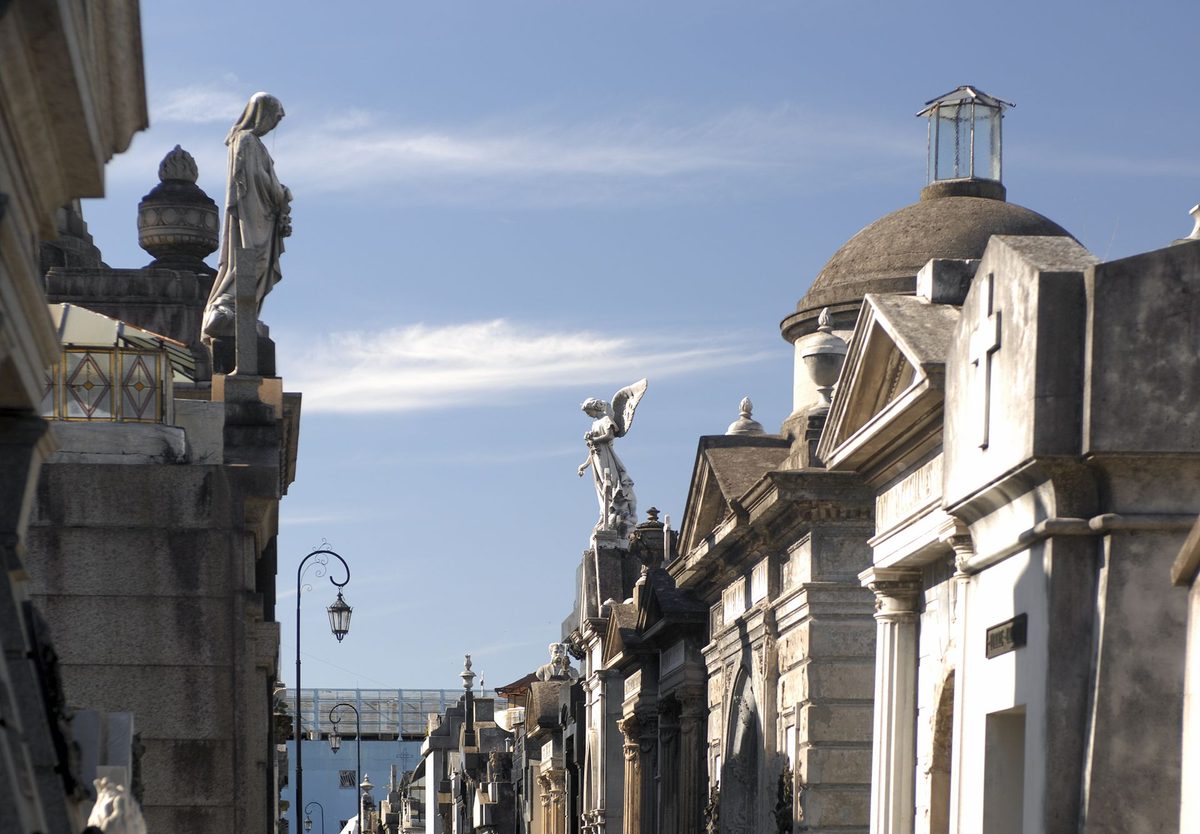
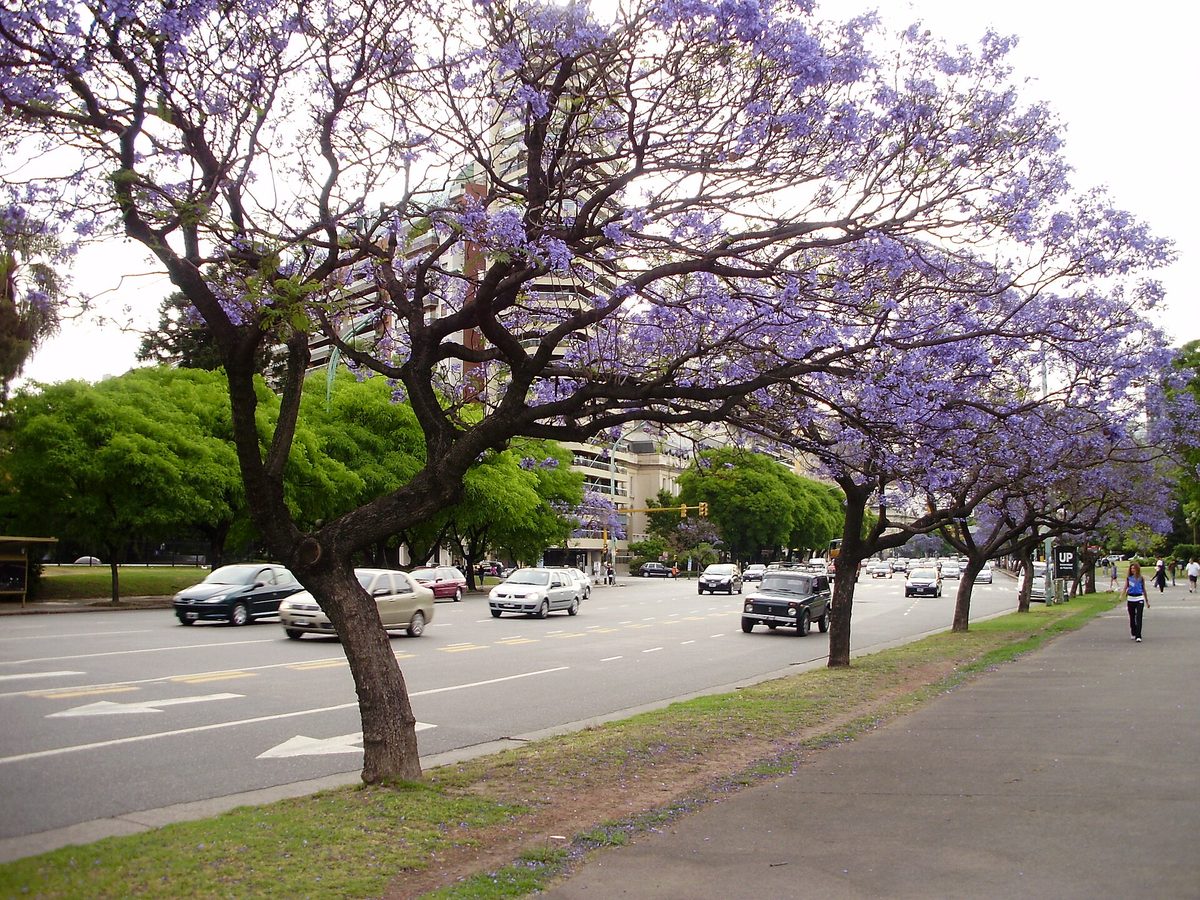
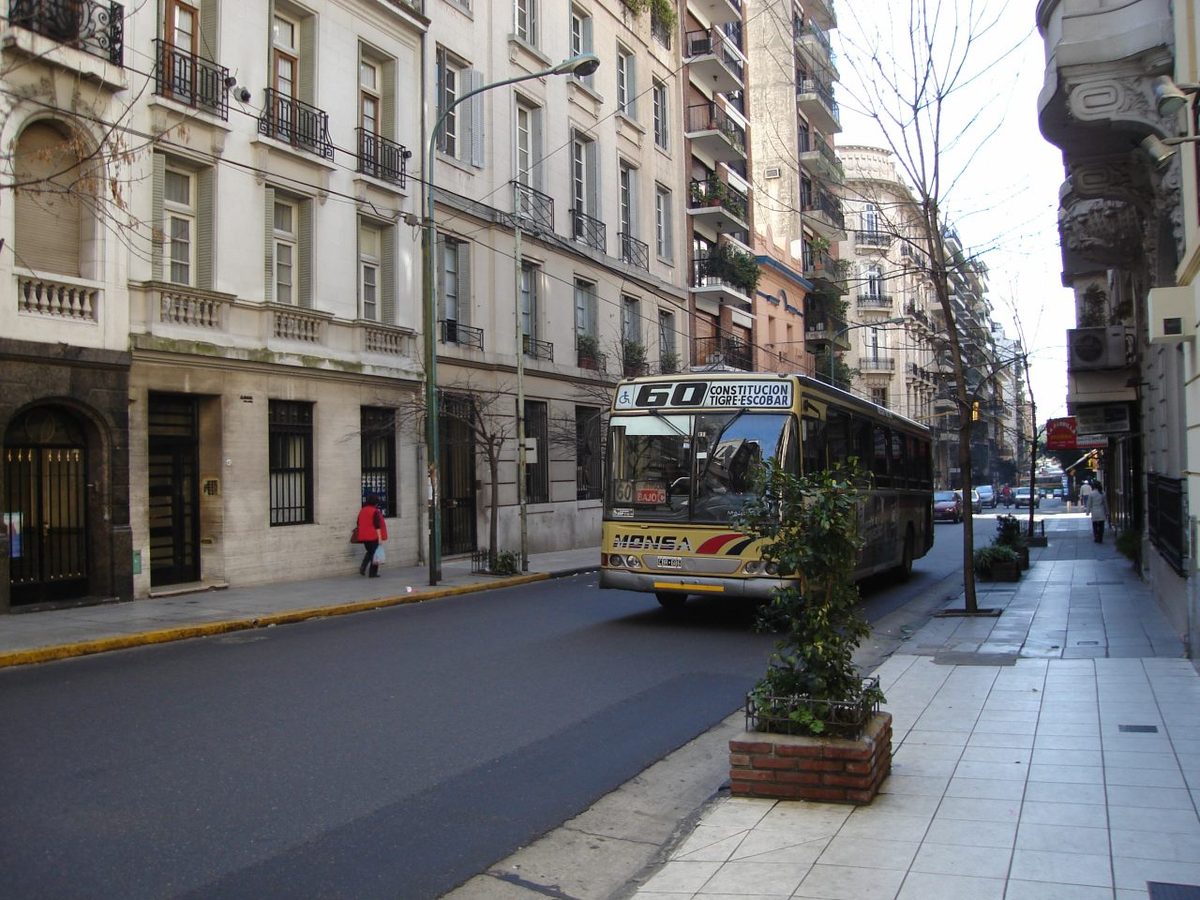
Recoleta is my default recommendation for a first long stay. The streets around Avenida Callao, Quintana and Alvear are lined with French-style apartment buildings, embassies and cafés, within walking distance of museums, the famous cemetery and the parks toward Palermo. It feels safe, well-kept and grown-up — ideal for families and anyone who wants calm at the end of a working day. Plenty of serviced apartments cluster here; see our guide to Recoleta and our roundup of hotels in Recoleta, Buenos Aires.
Barrio Norte — Recoleta’s practical neighbour
Bordering Recoleta and Palermo, Barrio Norte is slightly more local and often a touch cheaper for the same quality of building. It is dense with apartments, supermarkets and subte (metro) lines, which makes day-to-day life frictionless when you are cooking at home and commuting to a co-working space. Many long-stayers quietly prefer it to its glossier neighbours.
Microcentro — budget-friendly and well connected
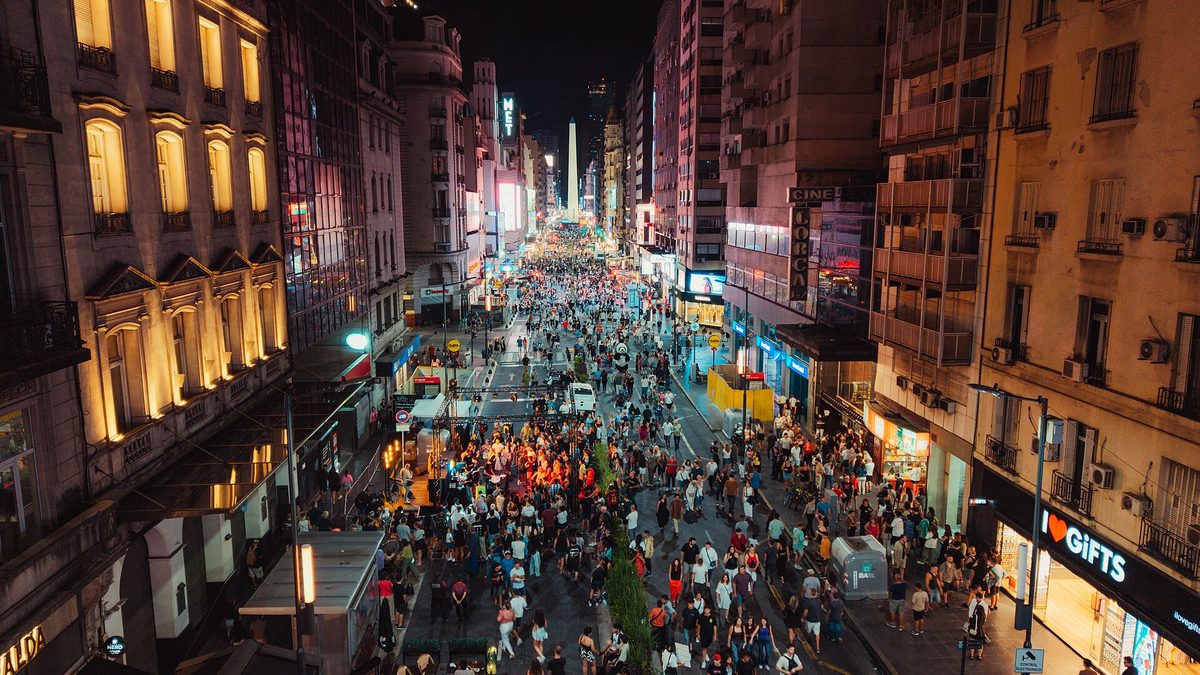
The Microcentro and the blocks around Avenida Corrientes put you in the transport heart of the city, steps from the Obelisco and multiple subte lines. Rates here tend to be the lowest of the four, and the choice of apart-hotels is wide. The trade-off is that the core empties out at night and on weekends, so it suits practical, transit-loving travellers more than those chasing after-dark atmosphere.
Palermo — greenery, cafés and nightlife
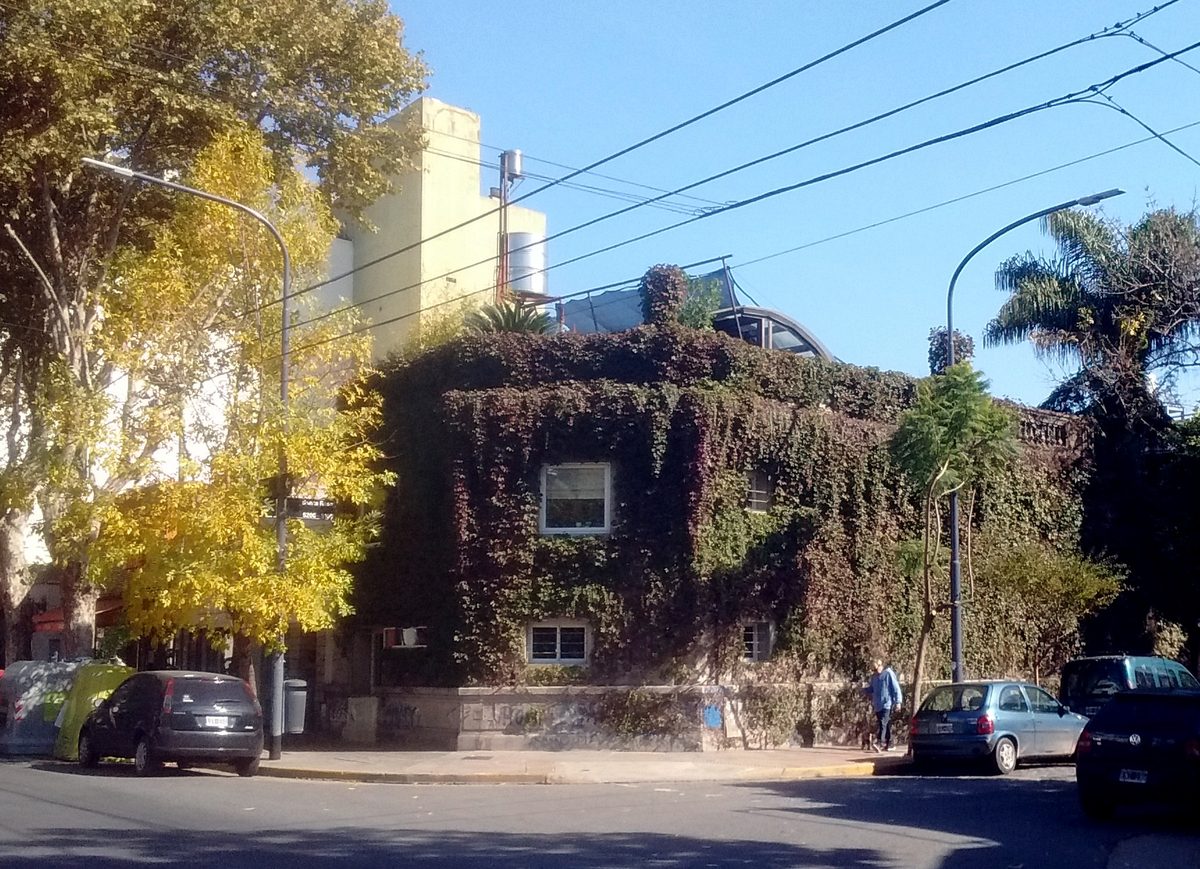
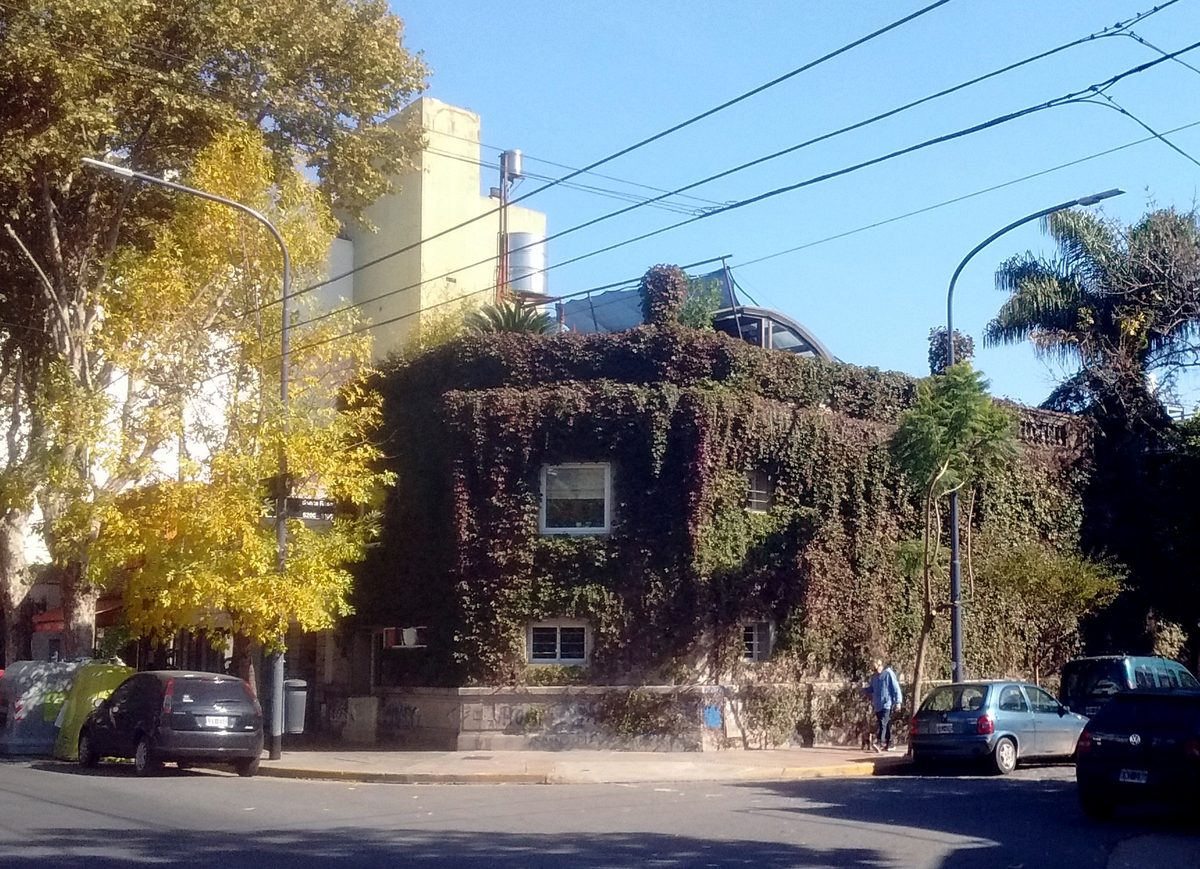
Palermo is the trendiest base and the one remote workers gravitate to. Palermo Soho and Hollywood are full of leafy streets, design shops, restaurants and cafés that actively court laptops. It is the most fun for a sociable long stay, though prices run higher and some streets get lively late. To compare areas, see our piece on the best area to stay in Buenos Aires.
Apart-hotel vs Airbnb vs monthly rental: the real trade-offs
These three options overlap, but they suit different stays. Here is how I weigh them.
Apart-hotel. Best when you want services and certainty with no paperwork. You book online, pay by card, get a receipt, and there is always someone at the desk if the boiler sulks. You pay a premium for that reliability, and units can feel a little generic, but for a first long stay — or any stay with kids in tow — the peace of mind is worth it. No deposit dramas, no guarantor, no hunting for the host’s WhatsApp at midnight.
Airbnb and short-term rentals. Best for character and neighbourhood feel. You will often get a more stylish, more local apartment than an apart-hotel, with self check-in. The catch in Buenos Aires is price: foreigner-facing listings can run several times the local rate and quality varies, so book established hosts with a wall of recent five-star reviews. Our guide to Buenos Aires Airbnb walks through how to choose well.
Temporary furnished rental (alquiler temporario). Best for the lowest monthly cost on a one-to-six-month stay. These are furnished flats let by owners or local agencies on short, foreigner-friendly contracts — cheaper per month than either of the above, with utilities often bundled in. You usually pay a deposit and sometimes an agency fee, and there is less hand-holding, but for a committed few months it is the value play. A standard permanente lease, by contrast, runs a minimum of two years and needs a local guarantor — which is why most visitors stick to the temporary route.
What a month roughly costs (and why to think in dollars)
Honest caveat first: prices in Argentina move fast, and the peso has a habit of lurching, so treat every figure here as a rough feel for mid-2026 and always check current rates before you book. Many apart-hotels and temporary rentals quote in US dollars because it is more stable, and paying in USD — or with a card that gives a fair exchange rate — often beats changing money on the street.
As a ballpark, a studio or one-bedroom apart-hotel in a good barrio tends to land around USD 35–70 a night, with meaningful discounts once you book by the week or month. A furnished one-bedroom temporary rental often runs roughly USD 500–1,200 a month depending on neighbourhood, with budget barrios at the lower end and Palermo or Puerto Madero at the top. A solo remote worker covering rent, food and transport can realistically plan on roughly USD 1,000–1,800 a month all in, lifestyle depending.
For a fuller breakdown of day-to-day spending, our guide to Buenos Aires travel costs is worth a read before you commit.
What to check before you book a long stay
A few minutes of due diligence saves a lot of grief over a month-long stay. Run through this checklist with any apart-hotel or rental:
- Wi-Fi that actually works. If you are working remotely, ask for the connection type and speed — fibre of 100 Mbps or more is common in central barrios — and whether it is dedicated to your unit. A speed-test screenshot beats a vague “yes, fast Wi-Fi”.
- Laundry. Confirm whether there is a washing machine in the unit, a shared laundry room, or only a nearby lavandería. For families and long stays this matters more than almost anything.
- Minimum stay and cancellation. Some apart-hotels set a minimum of two to seven nights; temporary rentals often want a month. Check the cancellation terms too.
- The real monthly price. Ask what is included — utilities, building expensas, cleaning, taxes — and whether the rate is in pesos or dollars, so you compare like with like.
- Kitchen kit. “Kitchenette” can mean a full hob and oven or a single induction ring and a kettle. If you plan to cook properly, ask for photos.
- Location and safety. Walk the block on a map, check distance to a subte stop and a supermarket, and read recent reviews. Our overview of the best area to stay in Buenos Aires helps you sanity-check the neighbourhood.
Apart hotel Buenos Aires: frequently asked questions
What is an apart-hotel?
An apart-hotel is a building of self-contained apartments run like a hotel. Each unit has a kitchenette and living space, but you book by the night or month and keep hotel services such as a reception desk, security, Wi-Fi and housekeeping. That blend of apartment comfort and hotel convenience is why it suits stays of a week or longer.
Is an apart-hotel cheaper than a hotel in Buenos Aires?
For a short stay, a plain hotel room can be cheaper. For anything from a week upward, an apart-hotel usually wins, because weekly and monthly rates drop sharply and a kitchen lets you skip a meal or two out each day. The longer you stay, the better the value tilts toward apart-hotels and temporary rentals.
Can I rent an apartment monthly in Buenos Aires as a foreigner?
Yes. Most visitors use furnished temporary rentals (alquiler temporario) or apart-hotels, which welcome foreigners and ask only for payment and ID. The cheaper two-year permanente leases require a local guarantor and are aimed at residents, so for a stay of a few months the temporary route is far simpler.
How do I pay, given the volatile peso?
Many apart-hotels and rentals quote in US dollars for stability, and paying in USD or with a card offering a fair rate often beats changing cash. Whatever the currency, confirm the total in writing and check the day’s exchange rate before you commit, because the peso can move noticeably from week to week.
Final thoughts
For a long stay in Buenos Aires — a family holiday, a slow-travel month, a remote-work stint — an apart-hotel is the option I reach for first. You get a kitchen, room to breathe and a desk that works, wrapped in the reliability of a front desk and building security, with none of the guarantor-and-deposit hassle of a local lease. Base yourself in Recoleta or Barrio Norte for calm and convenience, Palermo for buzz, or Microcentro to keep costs down, hedge the peso by thinking in dollars, and run the quick checklist before you book. Do that, and the city stops feeling like somewhere you are visiting and starts feeling like somewhere you live. When you are ready to compare every type of stay, our complete guide to where to stay in Buenos Aires ties it all together.
Photo credits
- Recoleta residential buildings — Photo: Aleposta (Public domain / CC0) via Wikimedia Commons. File page.
- Avenida Callao, Recoleta — Photo: Roberto Fiadone (CC BY-SA 3.0) via Wikimedia Commons. File page.
- Avenida Corrientes and the Obelisco, central Buenos Aires — CC BY 2.5 AR via Wikimedia Commons. File page.
- Leafy corner in Palermo — Photo: Roberto Fiadone (CC BY-SA 4.0) via Wikimedia Commons. File page.