Last updated: June 2026 · Written by the Buenos Aires Tourism editorial team, who have unpacked our bags in Palermo, Recoleta, San Telmo and downtown across more trips than we can count.
Buenos Aires is not one city but a loose federation of villages, and where you sleep shapes the whole trip. So before booking a single night, the best area to stay in Buenos Aires for most first-time visitors is Recoleta — elegant, central, safe and walkable to the big sights. Choose Palermo for restaurants, bars and boutiques; San Telmo for old-city character on a budget; Puerto Madero for quiet waterfront luxury. This guide walks through each barrio — who it suits, the vibe, safety and price feel.
This page is designed to help you make the call. For the bigger picture — how the whole city fits together, plus hotel and hostel shortlists — start with our full guide on where to stay in Buenos Aires. Below, I help you choose the area first; then you can drill into specific hotels and apartments.
The best area to stay in Buenos Aires at a glance
Buenos Aires sleeps late, eats later and sprawls further than people expect, so a five-minute scan of the main barrios saves a lot of second-guessing. Here is how the tourist-friendly areas compare before we go deeper on each.
| Area | Vibe | Best for | Price feel |
|---|---|---|---|
| Recoleta | Elegant, Parisian, central | First-timers, culture, comfort | Mid–high |
| Palermo | Leafy, trendy, buzzy | Food, nightlife, longer stays | Mid–high |
| San Telmo | Historic, bohemian, gritty-chic | Atmosphere, budget, walkers | Low–mid |
| Puerto Madero | Modern, polished, quiet | Luxury, safety, river views | High |
| Microcentro / city centre | Busy, functional, downtown | Short trips, value, transit | Low–mid |
| Belgrano | Residential, calm, local | Long stays, families, quiet | Mid |
If you only remember one line: most visitors are happiest in Recoleta or Palermo, the two safest and most enjoyable bases, and the choice between them comes down to sightseeing-and-elegance versus dining-and-nightlife. Everything below fleshes that out, barrio by barrio.
Recoleta — the safe, central choice for first-timers
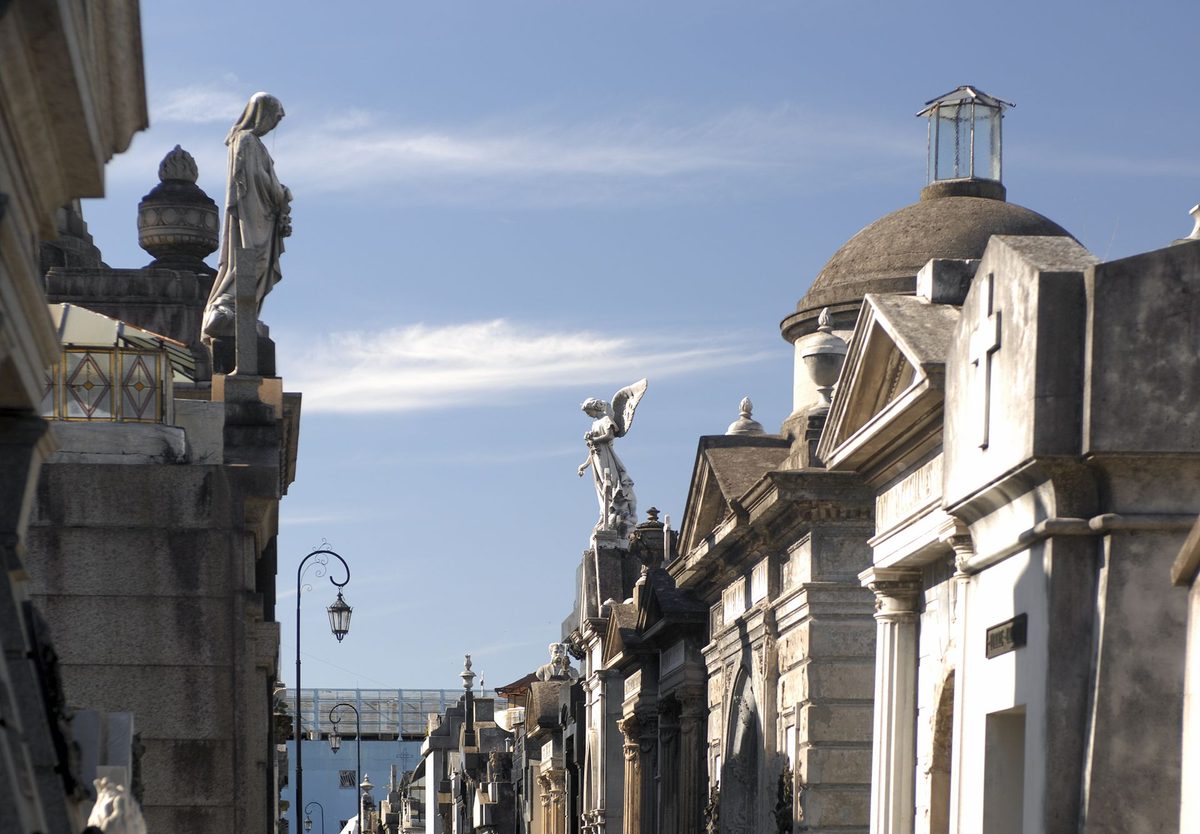
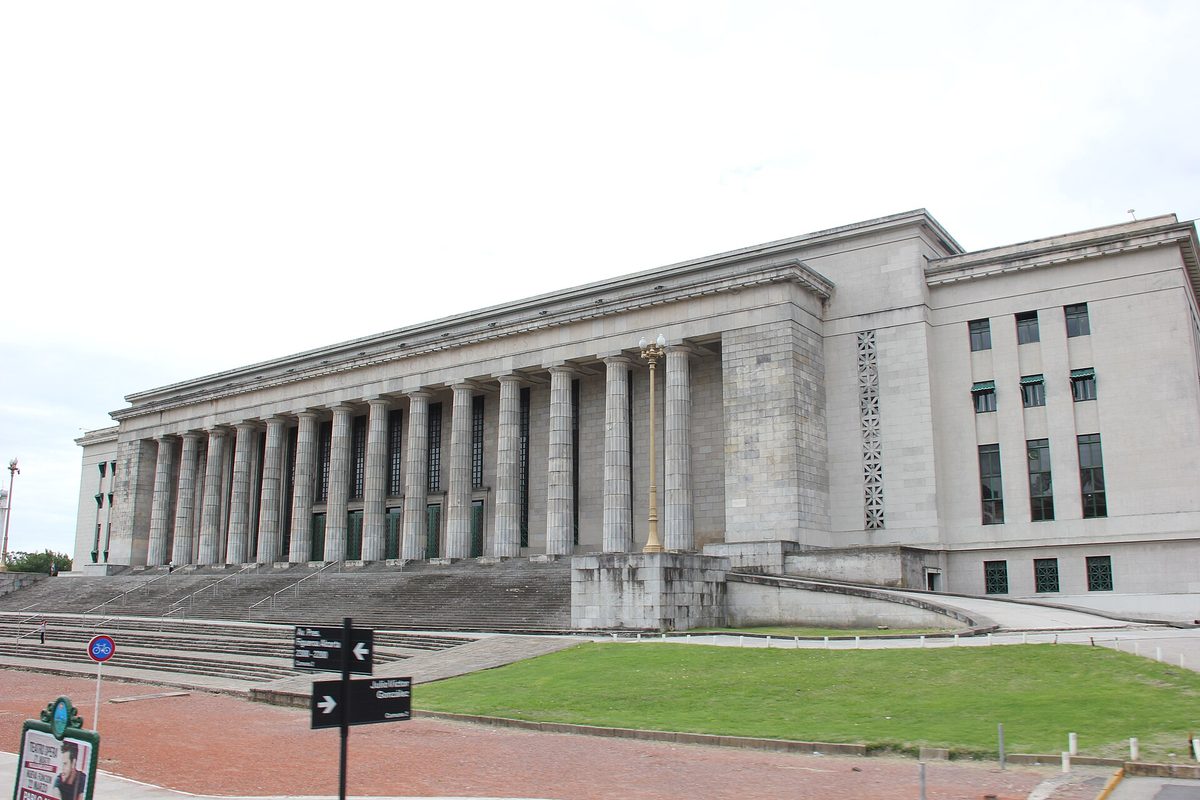
If you want one barrio that does almost everything well, it is Recoleta. This is the city’s most elegant district — Parisian-style mansard roofs, leafy avenues, grand cafes and a famous cemetery where Evita is buried. It sits between downtown and Palermo, so you are walkable to a surprising amount and a short, cheap taxi from the rest.
Who it suits: first-time visitors, culture lovers, and anyone who values comfort and a central address over being in the thick of the nightlife. Vibe: refined and a little hushed, more daytime than late-night. Safety: one of the safest barrios, comfortable to walk by day and into the evening. Price feel: mid to high — you pay for the polish, though there are value pockets towards Barrio Norte.
One quirk: Recoleta has no Subte (metro) station at its heart, so you will walk to Line D on Santa Fe or rely on buses and taxis. For a deep dive on the barrio, see our guide to Recoleta, Buenos Aires, and for where to bed down, our roundup of hotels in Recoleta.
Palermo — best for food, nightlife and longer stays
Palermo is the city’s largest and trendiest barrio, the default for repeat visitors and anyone whose holiday is built around eating and drinking well. It splits into sub-areas with the same surname: Palermo Soho (cobbled boutique-and-cafe streets around Plaza Serrano), Palermo Hollywood (quieter by day, then the densest run of restaurants and bars after dark) and the leafier Botanico near the gardens.
Who it suits: food lovers, night owls, design-minded travellers and anyone staying a week or more. Vibe: leafy, creative and buzzy, with the city’s best independent restaurants and late-night bars. Safety: Soho and Hollywood are well-patrolled and safe at night, with the usual care for phones and bags. Price feel: mid to high, similar to Recoleta, from smart hostels to design hotels.
The one trade-off: Palermo is further from the historic downtown sights, so first-timers on a short trip may prefer Recoleta’s central position. For longer or repeat stays it is hard to beat. Read our full neighbourhood guide to Palermo, Buenos Aires, and for properties, our pick of the best hotels in Palermo.
San Telmo — historic character on a budget
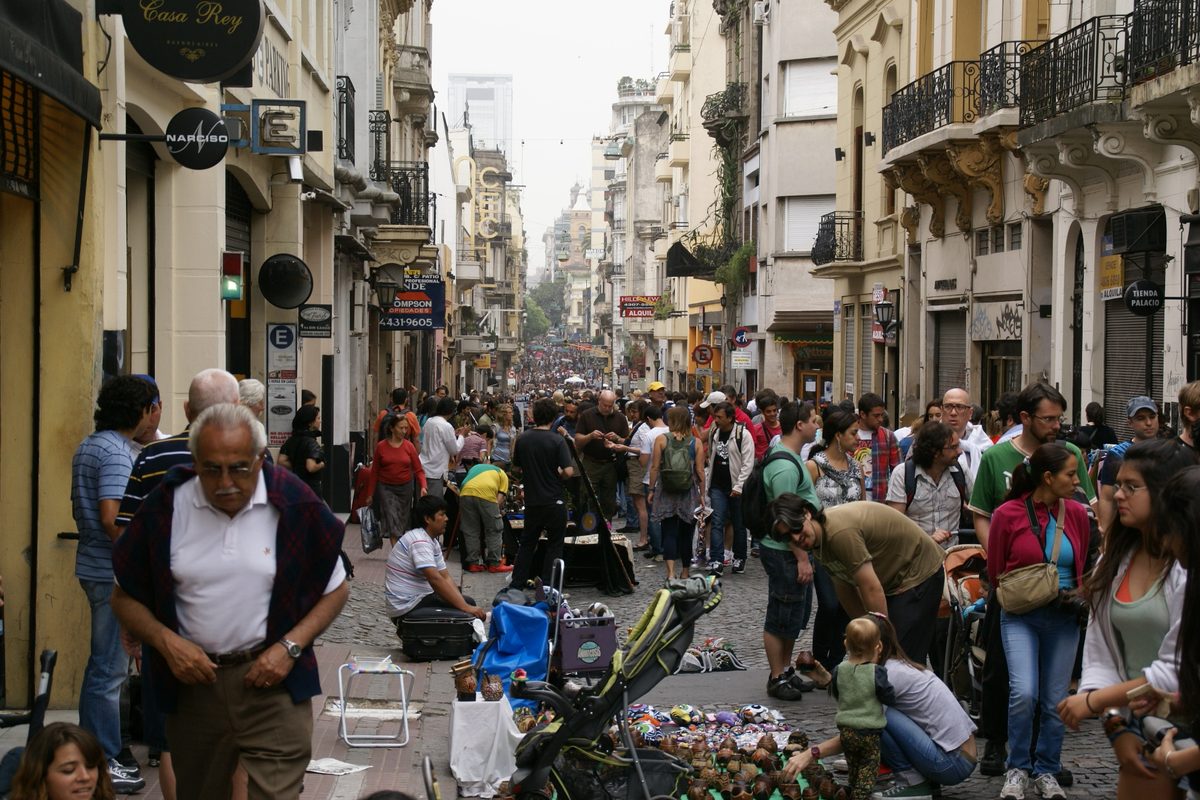
San Telmo is the oldest, most atmospheric barrio — cobbled streets, faded grand houses, antique shops, tango in the squares and a huge Sunday market that fills Defensa street from Plaza Dorrego to Plaza de Mayo. It is also the most central for old-city sightseeing: you can walk to Plaza de Mayo, the Casa Rosada and Puerto Madero without a taxi.
Who it suits: budget and solo travellers, walkers and anyone who prizes character over polish. Vibe: bohemian, lived-in and a touch gritty, liveliest at the weekend. Safety: fine by day, but grittier than Recoleta or Palermo — watch your phone in market crowds and take a taxi rather than walking quiet blocks late at night. Price feel: low to mid, with the city’s best concentration of hostels and budget guesthouses.
It is my pick for travellers who want to feel Buenos Aires’ history from their front door and do not mind a rougher edge. Dig into the barrio in our guide to San Telmo, Buenos Aires, and if you are counting pesos, compare the city’s hostels in Buenos Aires.
Puerto Madero — quiet waterfront luxury
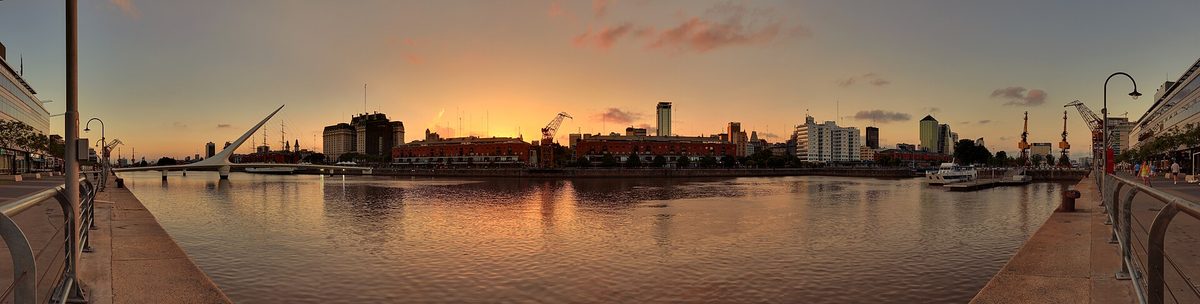
Buenos Aires’ newest and most expensive barrio is a reclaimed dockland of glass towers, converted brick warehouses and a wide waterside promenade crossed by the photogenic Puente de la Mujer. It feels a world apart: orderly, polished and calm, with the marquee international hotels and a string of upscale restaurants.
Who it suits: luxury travellers, business visitors, nervous first-timers who want maximum safety, and couples after a smart, low-key base. Vibe: sleek and quiet — more resort-like than characterful. Safety: the safest-feeling barrio in the city, well-lit and pleasant to stroll at any hour. Price feel: high; this is where the five-star towers cluster, though the adjacent ecological reserve is free.
The honest caveat is that Puerto Madero can feel a little sterile — you will taxi over to San Telmo or downtown for the city’s grittier soul. But for river views and peace of mind it is unmatched. Compare top-end options in our guide to luxury hotels in Buenos Aires, or read more in our Puerto Madero guide.
Microcentro and the city centre — central and good value
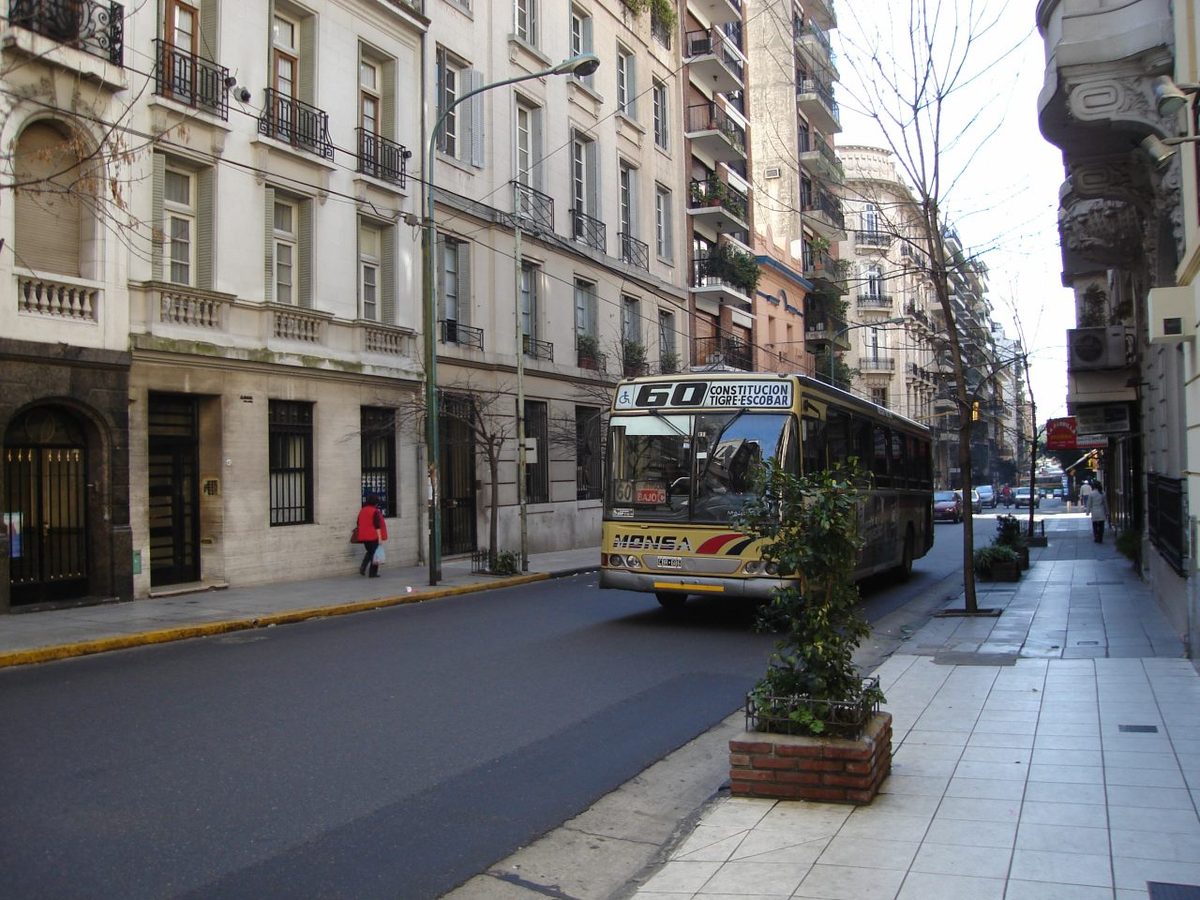
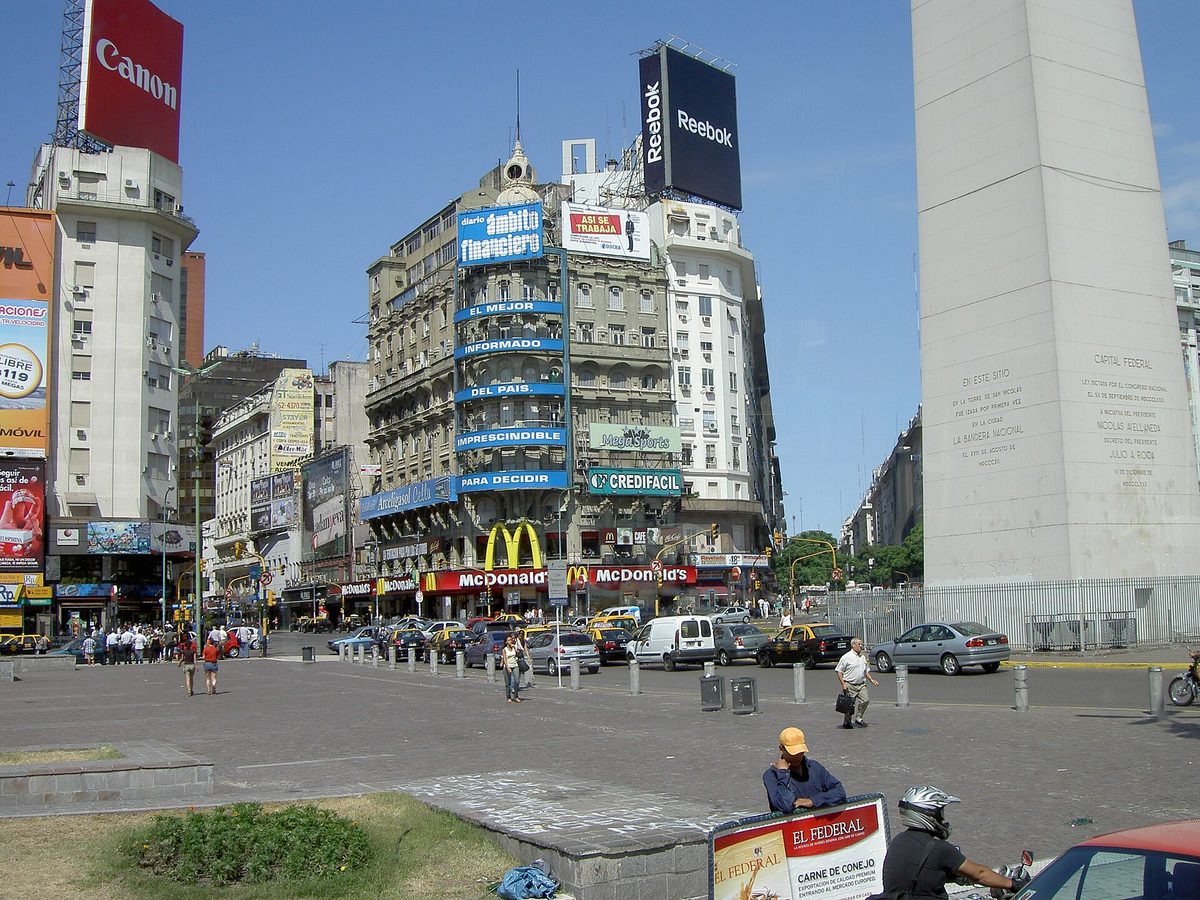
Downtown — the Microcentro, San Nicolas and Monserrat — is the city’s functional heart: the Obelisco, Avenida 9 de Julio, the Teatro Colon, Plaza de Mayo and the main transport hub. It is the most connected part of Buenos Aires, with several Subte lines crossing, and the widest spread of reasonably priced hotels.
Who it suits: short-trip and value-minded travellers, anyone arriving and leaving in a hurry, and transit-dependent visitors who want every metro line on the doorstep. Vibe: busy and businesslike by day, notably quieter at night and on weekends when the offices empty. Safety: fine and crowded during business hours, but stay alert for pickpockets and choose your blocks at night, when some streets feel deserted. Price feel: low to mid — arguably the best value for a central bed.
It will not give you the dreamy, leafy Buenos Aires of the postcards, but for a couple of practical nights it is hard to beat. See our guide to Microcentro, Buenos Aires for the lay of the land.
Belgrano — calm, residential and local
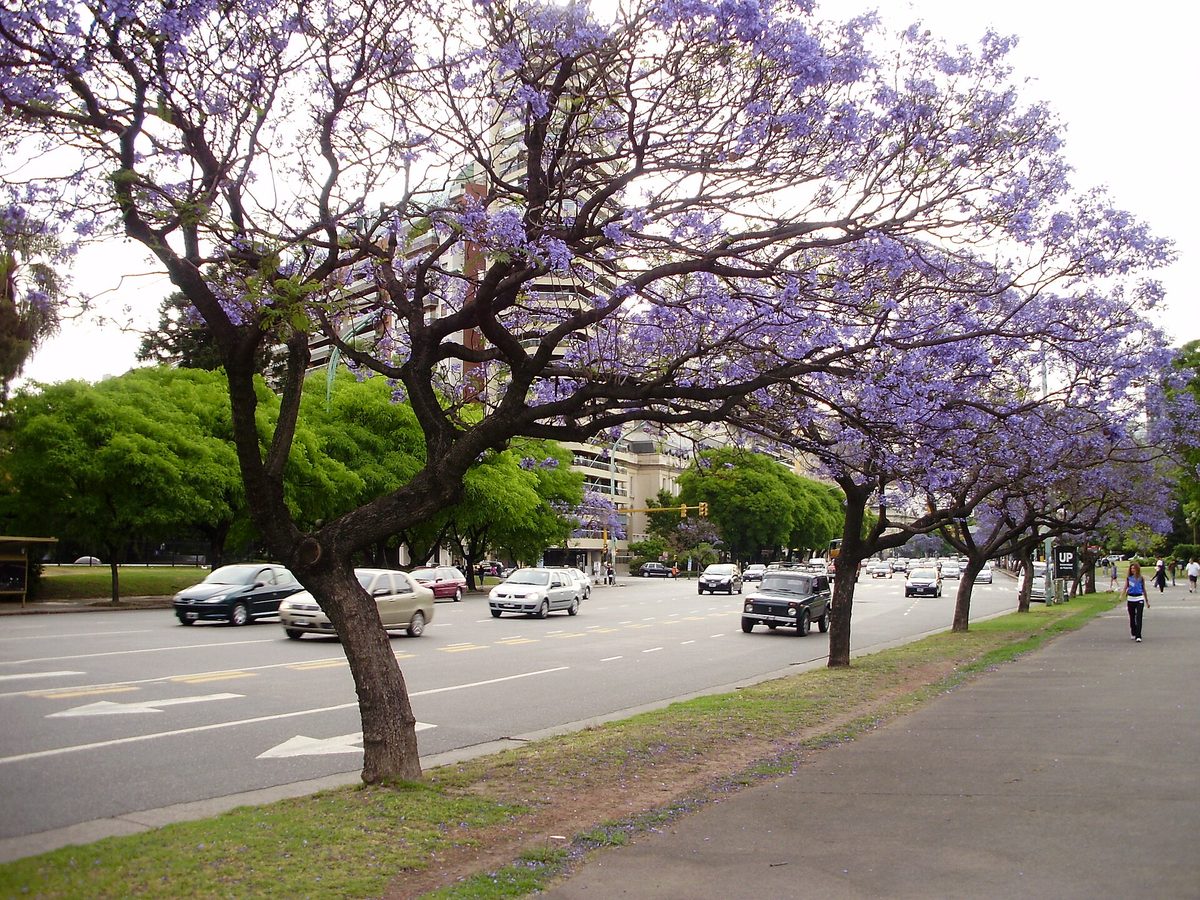
North of Palermo, Belgrano is a leafy, well-to-do residential barrio that most tourists pass through rather than sleep in — which is exactly its appeal for some. Think cobbled side streets under big trees, a small Chinatown, good shopping along Cabildo and a genuine neighbourhood rhythm.
Who it suits: longer-stay visitors, families and remote workers who want a quiet, local base and do not mind being further out. Vibe: calm, green and residential, with everyday cafes and parks instead of nightlife. Safety: very safe to walk, day and night. Price feel: mid, with more apartments than hotels — an apartment or apart-hotel rental is the natural choice.
If a buzzing scene is your goal, look elsewhere; if you want to live like a porteño for a week or two, Belgrano delivers. For more on its character, browse our guide to Buenos Aires neighborhoods.
Which is the best area for your kind of trip?
Still torn? Match your priority to a barrio. These are the picks I give friends depending on what they are travelling for.
- Best for first-timers: Recoleta. Central, safe, walkable and beautiful, it shows you the classic city with the least friction. San Telmo or downtown work too if you are watching the budget.
- Best for nightlife: Palermo (Hollywood and Soho) for restaurants, wine bars and clubs; San Telmo for tango and a more bohemian, late-night scene. Our guide to where to stay in Buenos Aires for nightlife goes deeper.
- Best for families: Palermo, for its huge parks (the Bosques and the rose garden), the zoo-turned-Ecoparque and space to roam; or quiet, residential Belgrano for an apartment stay.
- Best for budget: San Telmo and the city centre, home to most of the affordable hostels and guesthouses, with easy walking access to the sights.
- Best for luxury: Puerto Madero for waterfront towers, or Recoleta for grand, old-world five-stars near the museums.
Whichever area wins, the next step is the property type. Branch down to our specific guides — the best hotels in Palermo, the city’s luxury hotels or budget hostels — or back up to the where to stay in Buenos Aires guide for the full overview.
How the areas connect — and a word on safety
Distances feel bigger on the map than in practice. Recoleta, Palermo, San Telmo, Puerto Madero and downtown form a rough arc, and a taxi or rideshare (Uber, Cabify, DiDi) between any two is cheap and quick — so do not agonise over being perfectly placed. Pick up a rechargeable SUBE card for the Subte and buses.
On safety, Buenos Aires is broadly safe for visitors who use normal big-city sense. The affluent northern barrios — Recoleta, Palermo, Belgrano and Puerto Madero — feel calmest; San Telmo and the centre reward more vigilance with phones in crowds and on quiet streets after dark. Wherever you stay, taxi home late at night. For a barrio-by-barrio read, see our guide to the safest areas to stay in Buenos Aires.
Frequently asked questions
What is the best area to stay in Buenos Aires for first-time visitors?
Recoleta is the safest, most convenient first-timer base — elegant, central and walkable to the cemetery, the big museums and grand cafes, with Palermo’s parks one stop away. If your budget is tighter, San Telmo or the city centre put you close to the historic sights for less.
Is Palermo or Recoleta better for tourists?
They suit different trips. Recoleta is elegant, central and strong on sightseeing — better for first-timers and short stays. Palermo is leafier, trendier and more spread out, with the city’s best restaurants and bars — better for foodies, nightlife and longer visits. With four nights or more, many people split their stay between the two.
What are the safest areas to stay in Buenos Aires?
Recoleta, Palermo (Soho and Hollywood), Belgrano and Puerto Madero are the safest-feeling barrios, well-patrolled and comfortable to walk by day and evening. San Telmo and the Microcentro are fine but grittier — mind your belongings in crowds and take a taxi at night. With normal precautions, most visitors have no trouble in the main tourist areas.
Which area is best for nightlife in Buenos Aires?
Palermo is the nightlife capital: Hollywood and Soho pack in restaurants, wine bars and clubs that fill up well after midnight. San Telmo offers a more bohemian, tango-flavoured night out. If late dinners and late nights are the point of your trip, sleep in Palermo so you can walk or take a short taxi home.
What is the most central area to stay in Buenos Aires?
For old-city sights, San Telmo and the Microcentro are the most central — you can walk to Plaza de Mayo, the Casa Rosada and Puerto Madero. Recoleta is the best-placed of the smarter barrios. Palermo and Belgrano are further north, lovely but more reliant on the metro and taxis to reach the centre.
Final thoughts
There is no single best area to stay in Buenos Aires — there is the best area for the trip you are taking. For a first visit, book Recoleta and let the classic city unfold at your feet. For food and nightlife, choose Palermo and settle in for long dinners. For atmosphere on a budget, San Telmo; for calm waterfront luxury, Puerto Madero; for value and connections, the centre. Whichever you pick, the barrios sit close enough that a cheap taxi closes any gap. Now choose your area, then head to our where to stay in Buenos Aires guide to lock in the perfect hotel, hostel or apartment.
Photo credits
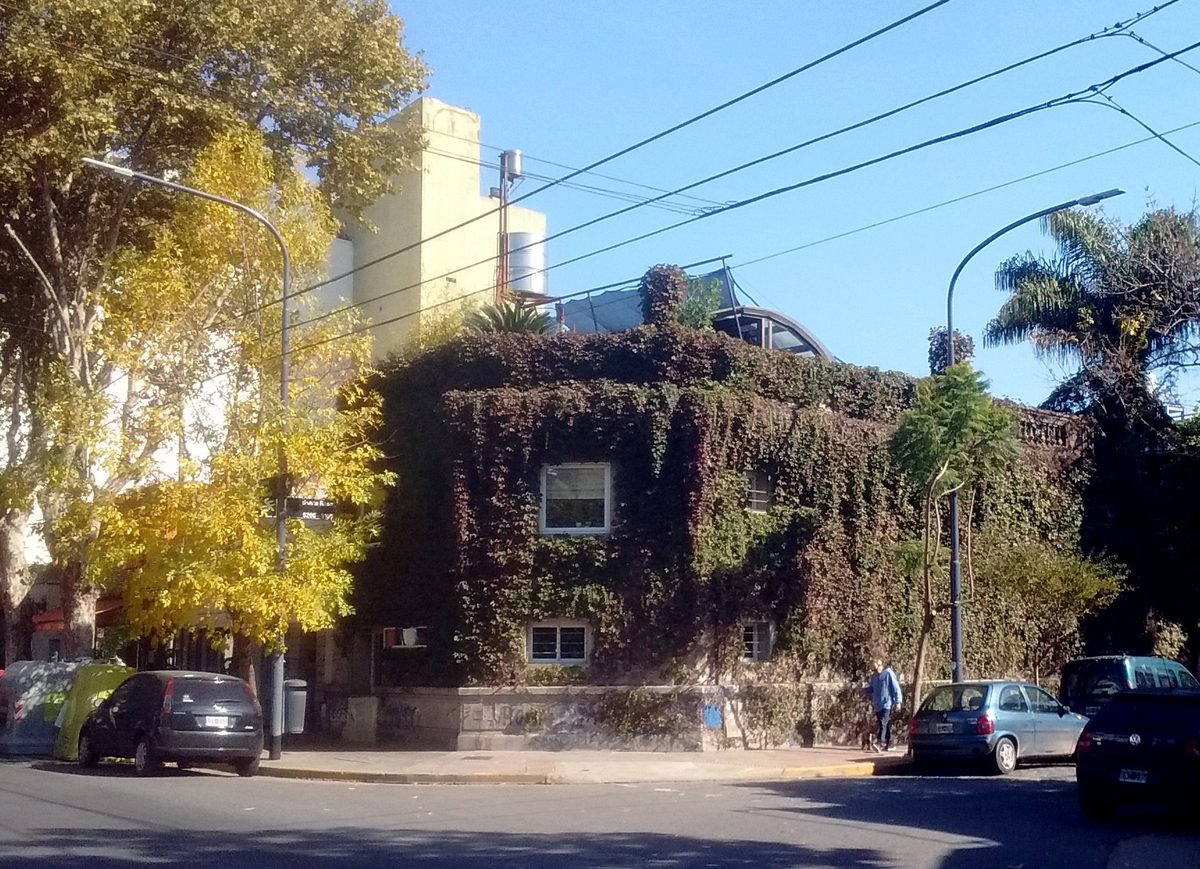
- An ivy-covered corner building on a leafy, tree-lined street in Palermo, the best area to stay in Buenos Aires for first-time visitors who want nightlife and dining — photo by Roberto Fiadone, CC BY-SA 4.0, via Wikimedia Commons.
- The grand neoclassical colonnade of the University of Buenos Aires Law Faculty in Recoleta — photo by Lars Curfs (Grashoofd), CC BY-SA 3.0 nl, via Wikimedia Commons.
- Crowds browsing the Sunday flea market along historic cobblestone Defensa street in San Telmo, Buenos Aires — photo by Hermann Luyken, CC0, via Wikimedia Commons.
- Sunset over the water in Puerto Madero, with the Puente de la Mujer footbridge and modern glass towers — photo by Martin St-Amant (S23678), CC BY-SA 3.0, via Wikimedia Commons.
- The Obelisco rising over the busy Avenida 9 de Julio in Microcentro, downtown Buenos Aires — photo by Alekino, CC0, via Wikimedia Commons.