Last updated: June 2026 · Written by the Buenos Aires Tourism editorial team
After helping hundreds of travellers plan trips to Argentina, I get this question more than almost any other: do I actually need argentina travel insurance? The short answer as of mid-2026 is yes — both technically (Argentina introduced a mandatory health insurance requirement in July 2025) and practically (the real risks of travelling without it far outweigh the cost). Here is exactly what you need to know before you book.
| Coverage type | Minimum recommended | Why it matters in Argentina |
|---|---|---|
| Emergency medical | USD 50,000 | Private hospitals require upfront payment |
| Medical evacuation | USD 100,000 | Evacuation to home country can exceed USD 30,000 |
| Theft / personal belongings | USD 1,000+ | Phone and camera snatching is common in BA |
| Trip cancellation | 100% of prepaid costs | Flight disruptions and cancellations are frequent |
| Adventure activities | Add-on required | Hiking, trekking, water sports not on basic plans |
Is Travel Insurance a Legal Entry Requirement for Argentina?
Since July 1, 2025, Argentina officially requires all foreign visitors to hold valid travel medical insurance covering medical care, hospitalisation, repatriation, and emergency evacuation for the full duration of their stay. The decree applies to tourists, not just visa applicants.
In practice, enforcement at the border for visa-free tourists has been inconsistent. As of mid-2026, most travellers report not being asked to show proof at Ezeiza airport or land crossings. However, the legal requirement exists, and the situation could change. More importantly, even if you slip through without being checked, you are still taking on enormous financial risk by arriving uninsured. Argentina is not a cheap country for medical emergencies.

Argentina’s official position is clear: bring proof of coverage. I strongly recommend having digital and printed documentation ready, particularly if you are arriving at a land border where spot-checks are more likely than at the main international terminals. Check the current entry requirements with your government’s official travel advisory — the US State Department, UK FCDO, and Australia Smartraveller all maintain up-to-date Argentina pages.
Why Argentina Travel Insurance Is Essential, Not Optional
Even if the entry requirement were dropped tomorrow, I would still tell every visitor to get insured. Here is why Argentina specifically demands proper coverage.
Public vs. Private Healthcare for Tourists
Argentina has a mixed healthcare system. Public hospitals are constitutionally required to treat anyone in an emergency, regardless of nationality or insurance status — and in Buenos Aires, hospitals like the Hospital Italiano and Hospital Británico have solid reputations. But “public” does not mean “free for tourists.” Foreigners are routinely asked to pay for services, and the quality gap between public and private care is significant, especially outside the capital.
Private hospitals in Buenos Aires are good — genuinely comparable to European or North American facilities — but they require upfront payment before treatment. A single night in a private hospital room can cost around USD 500–2,000. Emergency surgery can run USD 10,000–30,000 or more. Without insurance, you are paying those bills from your bank account before the doctor sees you.
For context on the city you will be exploring and the practical realities of getting around safely, our comprehensive Buenos Aires travel tips guide covers the full picture — insurance fits into a broader preparation strategy that includes knowing the city well.
Theft and Personal Belongings
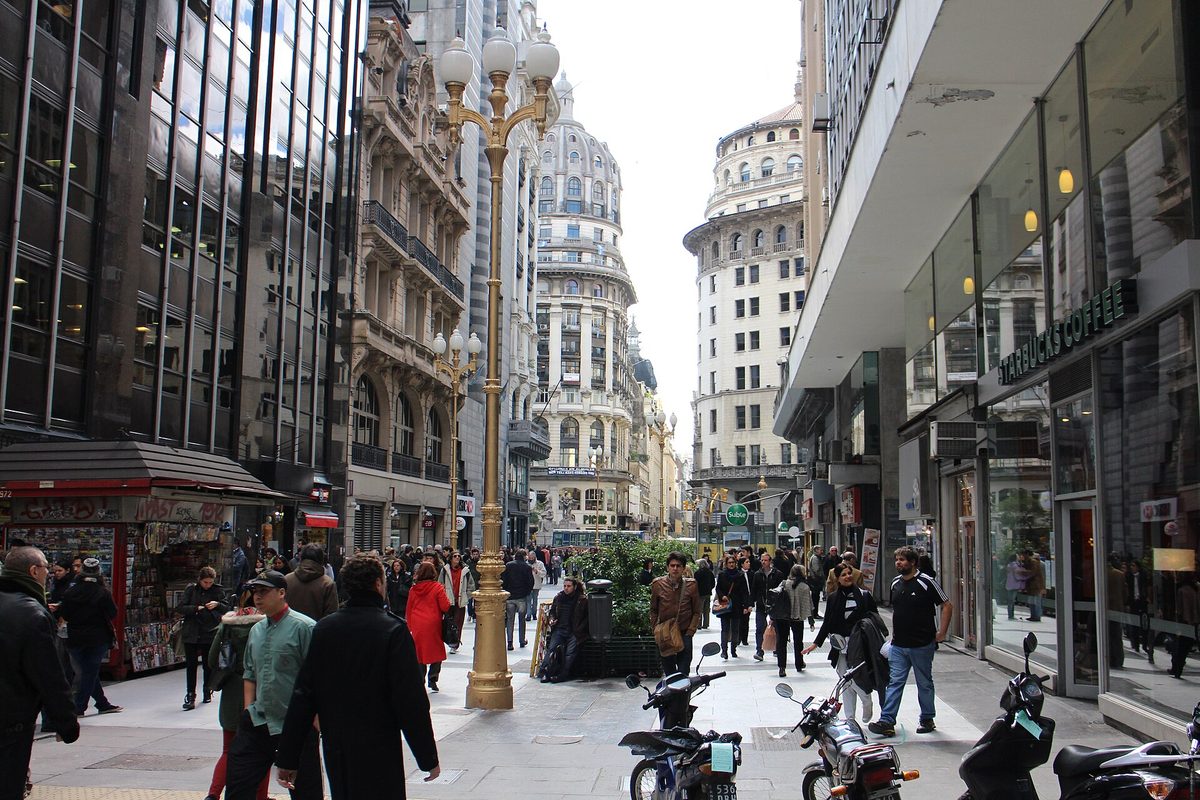
Buenos Aires has a real petty crime problem. Phone snatching — where thieves on motorcycles or on foot grab devices from people’s hands — is one of the most common incidents tourists face. Pickpocketing is prevalent in crowded areas like Calle Florida, San Telmo market, and on the Subte. Cameras, bags, and laptops left visible in cafes or on tables are also targeted.
Our guide to Buenos Aires tourist scams runs through the most common tactics thieves use, but even the most alert traveller can be caught off guard. A good travel insurance policy with a personal belongings clause — ideally with a specific high-value items schedule for phones, cameras, and laptops — means a snatched device does not derail your trip financially. Check the per-item limits carefully: standard plans often cap electronics at USD 200–500, which will not cover a modern smartphone. Look for plans that let you specify and declare high-value items separately.
Trip Disruptions and Flight Cancellations
Argentina’s domestic airline network and international connections have a turbulent history. Strikes, weather delays, and operational issues affect Aerolineas Argentinas and smaller carriers with some regularity. If you have booked multi-leg itineraries across Patagonia, the Iguazú Falls, and Buenos Aires, a single cancelled flight can cascade into lost hotel nights, missed tours, and rebooking fees. Trip cancellation and interruption coverage protects that investment.
Adventure Activities in Argentina
Argentina is not just Buenos Aires. Many visitors combine the capital with Patagonia trekking, El Chalten hiking, Mendoza wine tours with cycling, horseback riding in the pampas, or white-water rafting near Bariloche. Standard travel insurance does not cover most adventure and extreme sports unless you specifically add an adventure activities rider or choose a plan designed for active travellers. If any of your plans involve anything more strenuous than walking tours, read the policy exclusions list carefully before you buy.
What Coverage to Look For: Argentina Travel Insurance Checklist
Here is what a solid policy for Argentina should include, based on the specific risks of visiting the country in 2026:
- Emergency medical: At minimum USD 50,000; USD 100,000 if you plan to leave Buenos Aires for remote areas like Patagonia or Jujuy province.
- Medical evacuation and repatriation: At least USD 100,000, and USD 250,000 if you will be in genuinely remote locations. Helicopter evacuation from the southern Andes can cost tens of thousands of dollars before you factor in international medical flights home.
- Hospitalisation: Ensure inpatient care is explicitly covered, not just outpatient visits.
- Personal belongings and electronics: Look for plans with per-item limits of at least USD 500–1,000, or the ability to declare valuables separately.
- Trip cancellation and interruption: Should cover 100% of non-refundable prepaid trip costs if you cancel for covered reasons.
- Travel delay: Covers hotel and meals if your flight is delayed by a set threshold (usually 6–12 hours).
- COVID-19 and illness-related cancellation: Post-pandemic policies vary widely — check whether testing positive before departure triggers cancellation coverage.
- Adventure activities (if applicable): Must be explicitly listed in your policy, not just “outdoor activities.”
- 24/7 emergency assistance line: Non-negotiable. You need a number to call from Argentina at any hour.
Before you leave, also review our Buenos Aires packing list to ensure you have the key documents — policy number, insurer hotline, and a copy of your coverage — in both digital and printed form. You do not want to be searching your email for policy details from a hospital waiting room.
How Much Does Argentina Travel Insurance Cost?
Rough ballpark, and I want to be clear about the uncertainty here: travel insurance typically costs around 4–8% of your total prepaid trip cost for a comprehensive policy. For a two-week Argentina trip costing USD 3,000–5,000, that translates to roughly USD 120–400. Backpacker-style rolling subscriptions run closer to USD 50–60 per month with lower coverage limits. Premium plans with higher medical limits, adventure activities, and cancel-for-any-reason provisions cost more.
Average argentina travel insurance costs around USD 388 based on data from comparison sites as of mid-2026, though your actual premium depends on your age, home country, trip cost, duration, and the coverage levels you choose. Do not make the mistake of buying the cheapest plan that technically meets the minimum requirements — the premium difference between a bare-bones plan and solid comprehensive coverage is small compared to what you risk.
Which Providers Should You Consider?
This is not financial or legal advice, and which specific plan suits you depends on your trip, budget, and home country. That said, here are the provider types travellers to Argentina most commonly use:
- World Nomads: Popular with backpackers and adventure travellers. Covers 250+ activities. Good for longer trips across South America with an active itinerary.
- SafetyWing Nomad Insurance: Monthly rolling coverage, very traveller-friendly, lower price point. Suits digital nomads and slow travellers. Medical limits are lower than premium plans, so check if they meet Argentina’s requirements.
- Allianz Travel: Well-established insurer with strong trip cancellation and travel delay coverage. Good for package travellers with significant prepaid costs.
- Global Rescue: Specialist in evacuation and rescue, particularly valuable if you are doing remote Patagonia trekking. Often purchased alongside a more general medical plan.
- AXA, Generali, IMG, and others: Standard comprehensive plans available through comparison sites like Squaremouth or InsureMyTrip.
Use a comparison site to filter by your specific needs: destination (Argentina), dates, trip cost, and any adventure activities you plan. Always read the policy wording on exclusions — pre-existing conditions, alcohol-related incidents, and high-risk activities are the most common sources of denied claims.
For the full picture on staying safe and managing risk in the city, read our Buenos Aires travel tips guide alongside your insurance research. And check our honest assessment of whether Buenos Aires is safe to frame your risk picture accurately before you buy. You can also get a sense of overall Buenos Aires travel costs to budget your insurance premium as part of the full trip.
How to Make a Travel Insurance Claim in Argentina
If something goes wrong, the process matters as much as the policy. Here is what to do:
- Call the 24/7 assistance line first — before you go to a hospital or file a police report. Your insurer’s emergency team will direct you to an approved provider and pre-authorise treatment, which avoids the out-of-pocket-then-reimburse scenario.
- Get a police report (denuncia) immediately for theft. In Buenos Aires, you can file online at the Buenos Aires Policia website or visit the nearest comisaria. Insurers require a denuncia within 24–48 hours of the incident to process theft claims. Do not skip this step.
- Keep every receipt and document. Hospital invoices, medication receipts, taxi receipts to medical appointments, police reports — photograph them all and email yourself copies immediately.
- Contact your insurer within the policy’s notification window. Most policies require you to notify them within 24–72 hours of an incident. Missing this window is a common reason claims are reduced or denied.
- Submit claims online with all documentation. Most major insurers now have app-based claims portals that work internationally.
Also see our guide on Buenos Aires etiquette for tourists — knowing how things work culturally helps you navigate bureaucratic situations like police reports more smoothly. And if you are comparing what to bring, our packing list flags the travel documents worth printing before you go.
What About Water Safety and Other Health Precautions?
Travel insurance covers the financial side of health emergencies, but prevention is better. Buenos Aires tap water is treated and generally considered safe to drink — see our full explainer on whether tap water is safe in Buenos Aires for the detail, including the caveats that matter for travellers with sensitive stomachs. Your insurance does not reduce the need for sensible health precautions: vaccinations up to date, food hygiene awareness, and drinking plenty of water in Argentina’s dry Andean regions.
For the broader trip preparation picture — from neighbourhood safety to weather to what to do when you arrive — our things to do in Buenos Aires guide is the place to start planning the actual experience once the logistics are sorted.
Frequently Asked Questions
Is travel insurance mandatory to enter Argentina?
As of July 2025, Argentina officially requires all foreign visitors to hold valid travel medical insurance. In practice, enforcement for visa-free tourists at major airports has been inconsistent as of mid-2026, but the legal requirement exists. It is also strongly advisable regardless of enforcement, given the cost of private medical care. Always check current requirements with your government’s travel advisory before departure.
What is the minimum coverage I need for Argentina?
Argentina’s formal requirement specifies coverage for medical care, hospitalisation, repatriation, and emergency evacuation. Most experts recommend at least USD 50,000 in emergency medical coverage and USD 100,000 in medical evacuation as practical minimums. If you are travelling to remote areas like Patagonia, consider doubling those figures. Many basic plans technically meet the entry requirement but leave you exposed.
Does travel insurance cover phone or camera theft in Buenos Aires?
It depends on the policy. Standard plans often have low per-item limits (USD 200–500) that fall short of modern smartphone or camera replacement costs. Look for plans that allow you to declare and schedule high-value items, or add a separate gadget insurance rider. You must also file a police report (denuncia) promptly — insurers require this to process theft claims.
Do I need adventure activities coverage for Argentina?
Yes, if your itinerary includes hiking, trekking, cycling, horse riding, rafting, skiing, or similar activities. Standard travel insurance excludes most of these. Choose a plan that explicitly lists your planned activities as covered, or purchase an add-on adventure sports rider. World Nomads and similar providers cater specifically to this market.
Can I buy travel insurance after arriving in Argentina?
Some providers (like SafetyWing) allow you to purchase coverage after you have already started travelling, with a short waiting period before the policy activates. However, buying before departure is always better — pre-departure purchase gives you cancellation coverage and means you are covered from the moment you leave home. Do not leave this until you are already at the airport.
Will my credit card travel insurance cover Argentina?
Some premium credit cards include basic travel insurance, but the coverage levels are often insufficient for Argentina — particularly for medical evacuation and high-value personal belongings. Read the certificate of insurance carefully. If your card covers less than USD 50,000 in emergency medical and USD 100,000 in evacuation, consider topping up with a dedicated policy.
Final Thoughts
Argentina is a spectacular country to visit — one of the most rewarding destinations in South America — and most trips go smoothly. But the combination of a legal entry requirement, genuine petty crime risk, high private medical costs, and the potential need for medical evacuation from remote regions makes argentina travel insurance less of a nice-to-have and more of a non-negotiable. Budget it in from the start alongside flights and accommodation.
Get a policy that covers your actual itinerary, not just the cheapest one that looks like it meets the entry requirement. Read the exclusions. Keep your insurer’s emergency number saved in your phone. And then enjoy one of the world’s great travel destinations without that nagging anxiety of being unprotected. For everything else you need before you go, our Buenos Aires travel tips guide has you covered.
Photo Credits
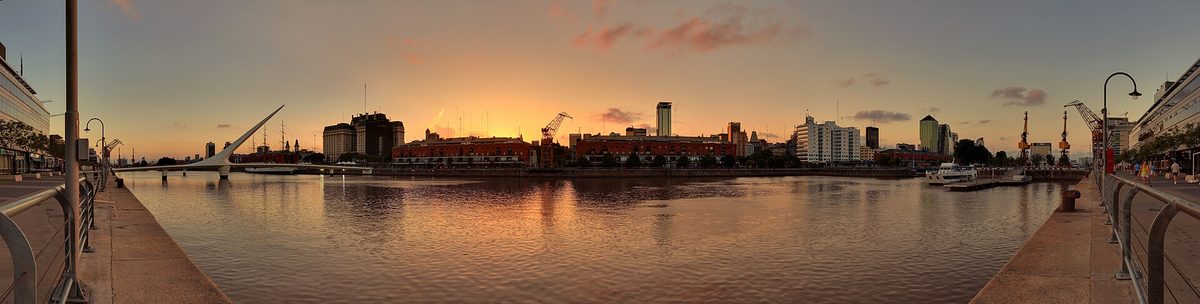
- Puerto Madero Buenos Aires at sunset — Martin St-Amant (S23678), CC BY-SA 3.0, via Wikimedia Commons
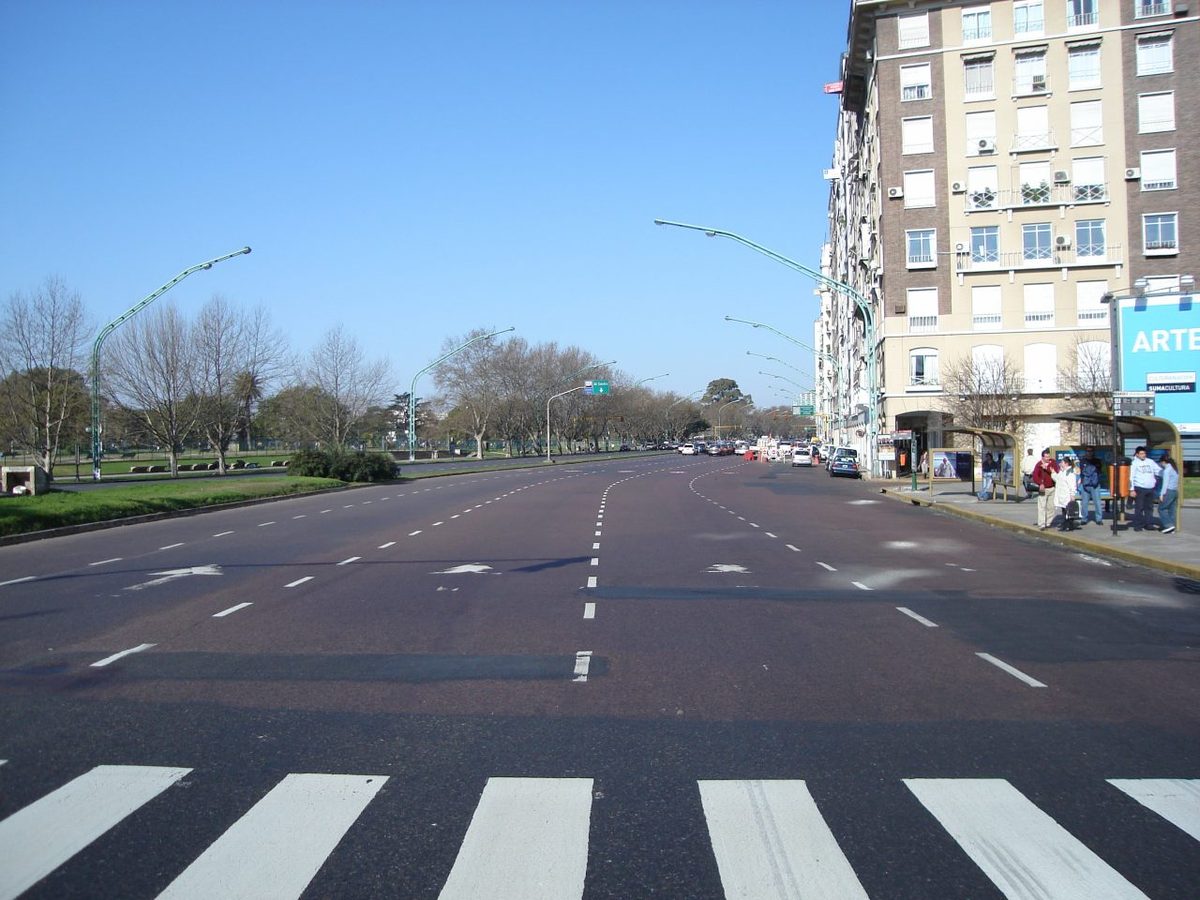
- Avenida del Libertador, Recoleta, Buenos Aires — Galio, Public domain, via Wikimedia Commons
- Ezeiza International Airport, Buenos Aires — Lcachero, CC BY 3.0, via Wikimedia Commons
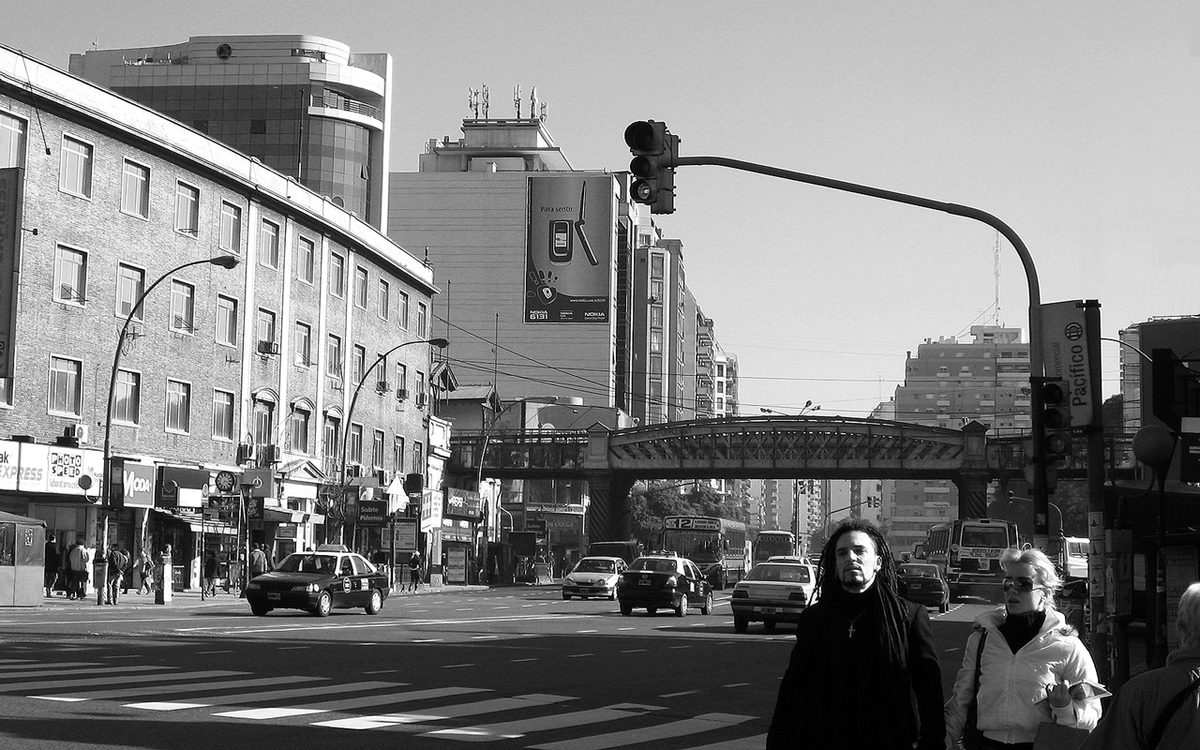
- Avenida Santa Fe street scene, Buenos Aires — Diego Silvestre, CC BY 2.0, via Wikimedia Commons
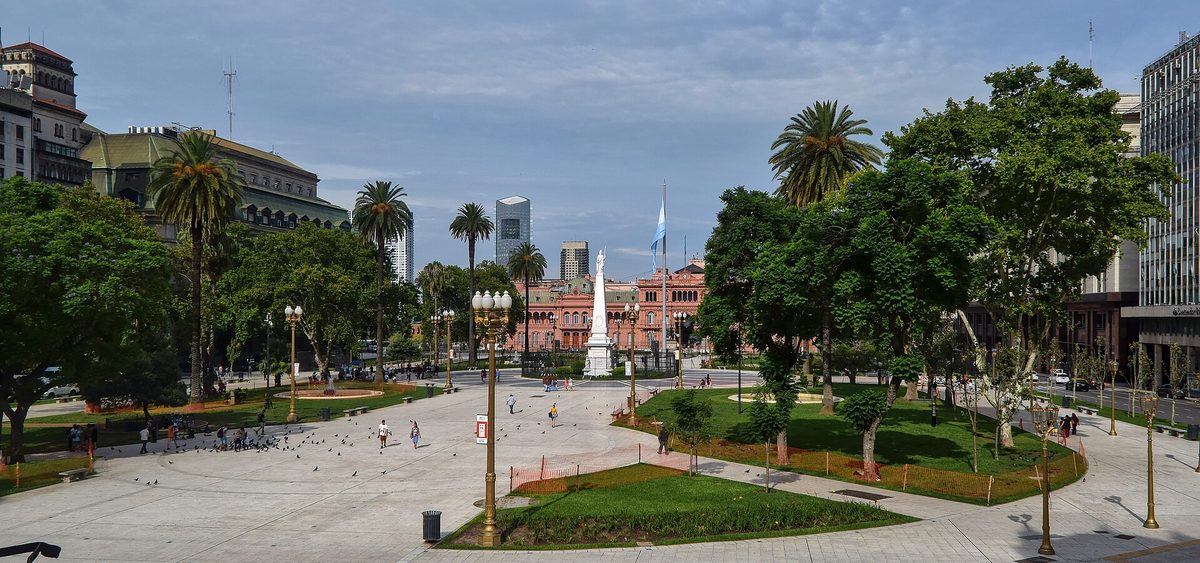
- Plaza de Mayo, Buenos Aires — The Cosmonaut, CC BY-SA 2.5 CA, via Wikimedia Commons