Blog

  • Buenos Aires Travel Tips: The Essential Guide (2026)

    Buenos Aires Travel Tips: The Essential Guide (2026)

    The most important Buenos Aires travel tips are not about fear — because this city has a reputation problem, and it is mostly undeserved. Ask around before a trip and someone will inevitably tell you a scary story — a snatched phone, a dodgy taxi, a friend-of-a-friend who got robbed. What they rarely tell you is that this is one of the great, warm, walkable cities of the world, statistically safer than many major North American cities, where millions of people go about their lives perfectly happily every day. The truth, as usual, sits in the middle: Buenos Aires rewards a bit of street sense and a little preparation, and punishes neither caution nor common sense.

    These Buenos Aires travel tips are everything I wish someone had told me before my first trip — an honest take on safety and the scams to sidestep, plus the practical essentials most guides skip: money in 2026, getting a SIM, the local etiquette that will endear you to porteños, what to pack, and the emergency numbers to save before you land. Read this and you will arrive relaxed, informed, and ready to enjoy the city rather than worry about it.

    I have organized it so the most-asked questions come first — is it safe, and what are the scams — before moving on to the pre-trip and cultural essentials. Throughout, I link to our deeper guides on the money, the transport, and the neighborhoods, so this stays a practical hub rather than a 10,000-word monster. One note before we start: Argentina’s rules and economy move fast, so for anything time-sensitive — entry requirements, exchange rates — I will tell you to verify the current details, and you should.

    A busy Buenos Aires street - staying aware is one of the most important Buenos Aires travel tips

    Is Buenos Aires Safe? The Honest Answer

    Yes — with the same everyday awareness you would use in any big city. Let me back that up rather than just assert it. Buenos Aires has a homicide rate of roughly 4–5 per 100,000, which is lower than many major United States cities and broadly comparable to large European capitals. Violent crime against tourists is genuinely rare. The US State Department keeps Argentina at Level 1 (“exercise normal precautions”), its lowest advisory tier — the same level as most of Western Europe.

    So what should you actually worry about? Petty theft — and that is it, for the vast majority of visitors. Phone-snatching (often by a passenger on a passing motorbike), bag-snatching, pickpocketing in crowds, and distraction scams are the real risks, concentrated in tourist-heavy and transit areas. None of it is violent if you are not foolish about it, and almost all of it is avoidable with a few habits we will cover. The mindset to aim for is relaxed alertness, not fear.

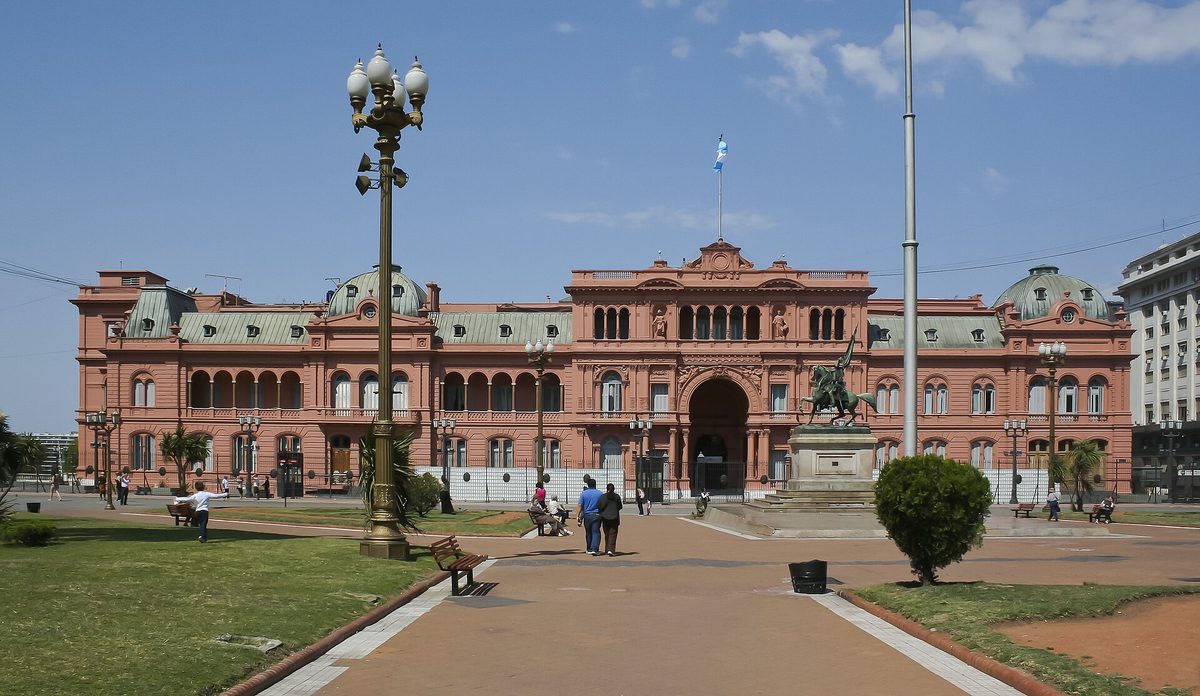
    Tourists on Plaza de Mayo in central Buenos Aires

    The Golden Rules of Staying Safe

    If you do nothing else, do these:

    • Keep your phone off the table and out of sight. The single most-stolen item, snatched from café tables and hands on the street. Use it discreetly, not held out as you walk.
    • Carry a cross-body bag with a zip, worn in front in crowds, and never hang it on the back of a chair.
    • Don’t flash valuables — leave the expensive watch and flashy jewelry at home, and keep your camera tucked away in busier spots.
    • Split your cash and cards, carry only what you need for the day, and leave the rest (and your passport) in the hotel safe with a photo or photocopy on you.
    • Use a ride-hail or taxi at night rather than walking through quiet or unfamiliar streets in the small hours.

    Buenos Aires Neighborhoods Ranked by Safety

    Where you are matters. Broadly:

    • Very safe, relax and enjoy: Palermo (all its sub-barrios), Recoleta, Puerto Madero, and Belgrano.
    • Safe with normal awareness: San Telmo and the Microcentro by day, Villa Crespo, Colegiales, Chacarita, and Almagro.
    • Exercise extra caution: the Microcentro after it empties at night, the area around the Retiro and Constitución transport terminals after dark, and around Congreso and Plaza de Mayo during the periodic protests.
    • Visit smart, don’t wander: in La Boca, stick strictly to the policed Caminito tourist strip, go by day, and taxi in and out — do not stray onto the side streets. Never enter a villa (informal settlement).

    The full breakdown is in our guides to whether Buenos Aires is safe and the specific areas to avoid.

    Common Scams in Buenos Aires & How to Avoid Them

    Scams here are about distraction and trickery, not danger — and once you know the playbook, they are easy to shrug off. Here are the ones actually worth knowing, with the simple defense for each.

    The Mustard (or “Bird Poop”) Scam

    The classic. Someone “accidentally” squirts mustard, ketchup, or a fake bird-dropping onto your back or shoulder, then a friendly stranger appears to help you clean it off — while an accomplice lifts your wallet or bag in the fuss. Defense: if you suddenly find something on you, do not stop and do not let anyone touch you; keep walking, hold your bag, and clean up somewhere safe.

    Fake Police Officers

    A plainclothes “officer” flashes a badge and says they need to check your wallet for counterfeit bills or inspect your documents. It is a setup to pocket your cash. Defense: real police do not inspect tourists’ wallets on the street. Never hand over your wallet or passport; say you will accompany them to the nearest comisaría (station), and walk toward a busy, public place.

    Counterfeit Peso Notes

    A taxi driver or vendor palms your genuine note, declares it fake, and hands back a counterfeit, asking for another. Defense: learn what real notes look like (check for the watermark and security strip against the light), pay with smaller bills, count your change before pocketing it, and exchange money only at reputable places — never with the street touts.

    The Friendship Bracelet

    Someone in San Telmo or near Caminito swiftly ties a bracelet on your wrist, then demands payment, sometimes aggressively. Defense: keep your hands to yourself in tourist crowds, decline firmly, and if one ends up on you, take it off and walk away — you owe nothing.

    Airport Taxi Overcharging

    Touts inside the Ezeiza terminal offer “taxis” at wildly inflated flat rates. Defense: ignore anyone approaching you in arrivals; use the official taxi/remís counter, a pre-booked transfer, or the Tienda León shuttle — all covered in our getting around guide.

    The Bar or Club Flyer

    A friendly local hands you a flyer for a “free” show or a great bar and leads you there — then you cannot leave until you settle a wildly padded tab. Defense: never follow a stranger from the street into a bar or club; choose your own venues.

    Restaurant Bill Padding

    In the touristy corners of La Boca and Puerto Madero, the odd place adds items you did not order or inflates the cubierto. Defense: check the bill itemized against the menu, and photograph it if anything looks off. Eating where locals eat, a block off the tourist drag, avoids this entirely.

    Currency-Exchange Sleight of Hand

    The arbolitos calling “cambio, cambio” on Calle Florida may short-change you or pass fake notes. Defense: change money at a reputable exchange house or via Western Union rather than on the street — the full how-to is in our money guide. We cover the whole rogues’ gallery in detail in the Buenos Aires scams guide.

    Central Buenos Aires lit up at night, when a taxi or ride-hail is the safest way home

    Safety Tips by Traveler Type

    The basics apply to everyone, but a few notes by traveler.

    Solo Female Travelers

    Buenos Aires is a popular and rewarding solo-female destination, and most women travel here without trouble. The main thing to be ready for is a culture where piropos (catcalls) and the odd comment still happen — usually harmless, best ignored. Stay in central, well-lit barrios like Palermo or Recoleta, take a Cabify rather than walking alone late, keep someone posted on your plans, and trust your instincts. Our dedicated solo female travel safety guide goes deeper.

    Solo & Male Travelers

    Buenos Aires is brilliant for solo travel of any kind — sociable, walkable, and full of hostels, group tango lessons, and communal dinners. The same petty-theft awareness applies; the extra watch-out for a night out is the bar-flyer scam above and keeping an eye on your drink and phone in busy bars.

    LGBTQ+ Travelers

    Argentina is one of the most LGBTQ+-friendly countries in the world — it legalized same-sex marriage back in 2010 and has strong legal protections — and Buenos Aires is a genuinely welcoming, openly gay-friendly city, with a lively scene centered on Palermo and San Telmo. Same-sex couples can expect little trouble in the central barrios; the usual big-city common sense is all that is needed.

    Families with Children

    Porteños adore children, and the city is warm and accommodating to families. The practical safety notes are the same plus the ordinary ones — mind little ones on chaotic street crossings and in crowds — and you will find restaurants, parks, and locals endlessly welcoming. See our Buenos Aires with kids guide.

    Before You Fly: Entry Requirements & Pre-Trip Checklist

    A few things are worth sorting before you even leave home.

    Visas

    Most travelers from the EU, UK, US, Canada, Australia, and New Zealand can enter Argentina visa-free for up to 90 days as tourists — you just need a passport valid for the length of your stay. Rules vary by nationality and do change, so confirm your specific requirements with Argentina’s immigration authority (Migraciones) before booking.

    Travel Health Insurance (Now Required)

    This is the big recent change most older guides miss: as of 2025, Argentina requires non-resident visitors to hold travel health insurance for their stay, and airlines may ask for proof. Beyond any rule, it is simply sensible — you want coverage for medical care and trip disruption. Buy a policy that covers health and emergencies, carry the documents (digital and printed), and — because the specifics and enforcement of this requirement are still settling — verify the current entry rules and any minimum coverage with an official source before you fly. Our Argentina travel insurance guide keeps this updated.

    What to Pack for Buenos Aires

    The essentials, beyond the obvious:

    • Comfortable walking shoes — you will cover miles on cobblestones and uneven pavement; leave the delicate heels at home (wedges or block heels survive the cobbles better).
    • Clothes for the season — light and breathable for the hot, humid summer; layers for spring and autumn; a warm coat for winter. Check our best time to visit guide for what your month brings.
    • One smart-casual outfit — porteños dress with care, and you will want it for a nice dinner or a tango show.
    • A Type I plug adapter (more below), an unlocked phone, a cross-body bag with a zip, and a photocopy or photo of your passport.

    The full season-by-season list is in our Buenos Aires packing list.

    Electricity: Plugs & Voltage

    Argentina runs on 220V, 50Hz, and uses the Type I plug — the one with two flat, angled pins and a grounding pin (the same as Australia). Most modern electronics — phone chargers, laptops — are dual-voltage (rated 100–240V), so they only need a simple plug adapter, not a voltage converter; check the small print on your charger to be sure. Anything single-voltage (some hair tools) will need a converter. Bring a Type I adapter or two from home, as they can be fiddly to find on arrival.

    Money in Buenos Aires: The 2026 Essentials

    Money here deserves — and gets — its own full cost and money guide, so here is just the headline you need. For years the trick was to bring US dollars in cash and exchange them at the much-better “blue” rate, because cards gave a terrible official rate. That has changed. Following the 2025 currency reforms, the gap between rates has largely closed, and foreign cards now generally settle at a fair, near-market rate — so you can pay by card for most things without losing out. Carry some clean US dollars as a backup for markets, taxis, and tips, exchange them at a reputable cueva or via Western Union rather than on the street, and avoid ATM withdrawals, which still pile on a poor rate, high fees, and low limits. One habit that never goes out of date: check the current exchange rate just before you travel, since Argentina’s economy can shift quickly. The detail, including tipping and daily budgets, lives in the money guide.

    Staying Connected: SIM Cards, eSIM & WiFi

    Getting online is easy, and being connected genuinely helps here — for maps, ride-hailing, and especially WhatsApp, which porteños use for everything from restaurant bookings to talking to your hotel.

    eSIM: The Easiest Option for Most Visitors

    If your phone supports it, an eSIM is the simplest route: buy and activate it before you fly and you land already online, no shop visit needed. Providers like Holafly (unlimited-data plans) and Airalo (cheaper, data-bundle plans) both cover Argentina well; prices shift, so check current rates, but expect roughly a few dollars for a small data bundle up to around $25–$50 for a generous one over a week or two. For a short city trip, this is what I would do.

    Local SIM Cards

    If you prefer a physical SIM or are staying longer, Argentina’s carriers are Claro, Personal, and Movistar (Claro tends to have the broadest coverage). Buy a prepaid SIM at an official carrier store with your passport and top it up at kiosks; note that getting an eSIM directly from a local carrier as a tourist can be awkward, which is why most short-stay visitors use an international eSIM instead. Our SIM and eSIM guide walks through the options.

    WiFi & WhatsApp

    WiFi is widely available and generally good in hotels, cafés, and restaurants (patchier on the Subte). Download WhatsApp before you arrive — it is the default way to communicate here, and many small businesses, tours, and taxis reach you through it rather than by phone or email.

    Argentine Spanish: What You Need to Know

    You do not need fluent Spanish to enjoy Buenos Aires — porteños are warm and patient, and a little effort goes a long way — but Argentine Spanish has a few quirks that surprise even confident speakers.

    It’s Castellano, and It Sounds Different

    Locals call their language castellano rather than español, and the porteño accent is famously distinctive. The biggest tell: the “ll” and “y” are pronounced like a soft “zh” (the “s” in “measure”), so calle (street) sounds like “CA-zhe” and playa like “PLA-zha.” It throws people at first, then becomes one of the most charming things about the place.

    Voseo: “Vos” Instead of “Tú”

    Argentines use vos rather than for “you,” with its own verb endings: vos hablás (you speak), vos comés (you eat), vos vivís (you live). You will be understood perfectly well using , but you will hear vos everywhere, and using it is a small, appreciated nod to the local way. You will also hear plenty of lunfardo (porteño slang) — che (hey/mate), quilómbo (a mess), laburo (work).

    Phrases Worth Knowing

    A handful of words smooth the way: ¡Hola! and ¡Buenas! (hi), por favor and gracias, ¿cuánto sale? (how much is it?), la cuenta, por favor (the bill, please), ¿dónde está…? (where is…?), and perdón (sorry/excuse me). Keep an offline translation app handy for menus, which are usually Spanish-only. Our Spanish phrases guide has the full starter kit.

    A gourd of mate with a metal bombilla, central to Argentine social etiquette

    Culture, Customs & Etiquette: How Not to Be “That Tourist”

    Getting the social cues right is the difference between observing the city and being embraced by it. None of this is hard — porteños are forgiving — but a little knowledge earns a lot of warmth.

    Greetings: One Kiss, Always

    Argentines greet with a single kiss on the right cheek — not a handshake, and just the one kiss — and this applies even on first meeting, between men and women and between women, and increasingly between men too. When you join a group or enter a room, you are expected to greet each person individually; a vague wave at the room reads as cold. Lean in, cheek to cheek, and you are in.

    The Late Schedule (This Is the Big One)

    Nothing catches first-timers out more than the clock. The porteño day runs late: a merienda (coffee-and-pastry break) around 5–6pm bridges the afternoon; dinner does not start before 9pm, and 10 or 11 is normal; bars fill from midnight; and the boliches (nightclubs) do not get going until 2–3am and run till dawn. Show up to a restaurant at 7:30pm and you will dine alone; arrive at a milonga before 11pm and the floor will be empty. Adjust your body clock, lean into the merienda, and you will be in sync with the city.

    The Cubierto Is Not a Scam (or a Tip)

    You will see a cubierto on most restaurant bills — a small, legitimate per-person cover charge for bread and table service, which must be listed on the menu. It is not a tip and not optional. Separately, tipping (la propina) runs around 10% in restaurants, ideally left in cash even when you pay the bill by card, since card tips do not always reach the staff. Round up for taxis; a small note is kind for porters and guides. Carry small bills for the purpose. More on dining customs in our food guide.

    Mate: The Sacred Social Ritual

    If you are offered mate — the bitter green tea sipped through a metal straw from a shared gourd — you are being offered friendship, so accept it. A few unwritten rules will mark you as someone who gets it: one person (the cebador) pours and serves; when you finish your gourd, pass it back to the cebador, not on to the next person; do not touch or wiggle the bombilla (straw); and say “gracias” only when you have had enough — saying it earlier signals you want no more. Drink, hand it back, and enjoy being briefly adopted.

    Dressing the Part

    Buenos Aires is stylish but not stuffy. Aim for smart-casual; locals look put-together even when relaxed, and athleisure marks you instantly as a tourist at a nice restaurant. Practicality wins by day — the cobblestones devour delicate heels — and, for safety, skip the flashy jewelry and expensive watch. For a tango show or a milonga, dress up a little; the milonga floor especially rewards a touch of elegance. Our etiquette guide covers the finer points, and the tango guide the milonga codes.

    Getting Around: The Quick Version

    Transport gets its own full getting around guide, but the headline tips: get a SUBE card on day one (you cannot pay cash on buses, and it works on the Subte, buses, and trains for cents a ride); use the Subte to cross the center and north quickly; and rely on Cabify or a taxi for door-to-door trips, places the Subte misses (like La Boca and Puerto Madero), and any night out. Walk within each neighborhood, ride between them, and you have the city covered.

    A classic line 118 colectivo (city bus) in Buenos Aires — load up a SUBE card and the whole network is yours
    Photo: Tim Adams / CC BY 2.0 via Wikimedia Commons
    A pharmacy in Buenos Aires, marked by a green cross

    Health, Pharmacies & Tap Water

    Good news on every front here. The tap water in Buenos Aires is safe to drink — it is treated to a high standard, so you can refill a bottle and skip buying water (some visitors still prefer bottled or sparkling with meals, purely out of taste). There is no altitude to worry about (the city is at sea level), and no unusual food risks beyond normal common sense.

    Pharmacies (farmacias) are everywhere, well-stocked, and a porteño’s first stop for minor ailments — look for the green cross, and note that many are open 24 hours (farmacia de turno). Pharmacists are knowledgeable and many common medicines are available over the counter without a prescription, though bring any prescription medication you rely on from home in its original packaging.

    For anything more serious, Buenos Aires has excellent private hospitals — the Hospital Alemán, Hospital Italiano, Hospital Británico, and Swiss Medical among them — with high standards and English-speaking staff, which is exactly where your travel insurance earns its keep (and, as noted, proof of cover is now an entry requirement). Public hospitals provide emergency care to anyone, but for visitors the private system is faster and smoother. Keep your insurer’s emergency line saved in your phone.

    Buenos Aires Travel Tips: Do’s and Don’ts at a Glance

    The most useful tips, distilled into a cheat sheet.

    Do Don’t
    Keep your phone out of sight on the street Leave your phone on the café table
    Pay by card and carry a little cash Change money with street touts (“arbolitos”)
    Eat dinner at 9–10pm like a local Turn up to dinner at 7pm to an empty room
    Greet each person with one cheek kiss Wave vaguely at a room and skip the greeting
    Tip ~10% in cash Mistake the cubierto for a tip (it isn’t one)
    Take a Cabify or taxi late at night Walk quiet streets alone in the small hours
    Visit Caminito by day and stay on the strip Wander La Boca’s side streets
    Accept mate and pass it back to the server Say “gracias” for mate unless you want no more
    Carry travel insurance documents Hand your wallet to a “police officer” on the street
    Wear comfortable shoes for the cobblestones Flash expensive jewelry or watches

    Emergency Numbers & Contacts: Save These Before You Land

    You will almost certainly never need these — but five minutes saving them now is worth it. From any phone in Argentina:

    • 911 — general emergencies (police, fire, medical; the simplest number to remember).
    • 101 — police.
    • 107 — medical emergency (SAME, the city ambulance service).
    • 100 — fire department.
    • Tourist Police (Comisaría del Turista) — a dedicated, English-speaking service for visitors who are robbed or need help; look up the current number on arrival (your hotel will have it) and save it.

    Also save your own embassy’s emergency line and your travel insurer’s 24-hour number before you travel. If you are robbed: do not resist — possessions are replaceable — then report it at the nearest police station or to the tourist police to get the denuncia (report) your insurer will require, cancel any stolen cards, and contact your embassy if your passport is taken. Calm, prompt steps make even the worst-case scenario manageable.

    Frequently Asked Questions

    Is Buenos Aires safe for tourists in 2026?

    Yes — broadly, and with normal city awareness. It is statistically safer than many major US cities, comparable to large European capitals, and sits at the US State Department’s lowest advisory level. Violent crime against tourists is rare; the real risk is petty theft like phone-snatching, which sensible habits largely prevent.

    What is the mustard scam in Buenos Aires?

    A classic distraction theft: someone “accidentally” squirts mustard, ketchup, or fake bird droppings on you, then a stranger helpfully offers to clean it up while an accomplice grabs your bag or wallet. If it happens, do not stop or let anyone touch you — keep walking, hold your belongings, and clean up somewhere safe.

    Do I need travel insurance to enter Argentina?

    As of 2025, Argentina requires non-resident visitors to hold travel health insurance, and airlines may ask for proof, so you should travel with a policy and carry the documents. Beyond any rule it is simply wise. Because the specifics are still settling, verify the current entry requirements with an official source before you fly.

    Do I need a visa to visit Buenos Aires?

    Most travelers from the EU, UK, US, Canada, Australia, and New Zealand can enter visa-free for up to 90 days as tourists, needing only a valid passport. Requirements vary by nationality and change, so confirm yours with Argentina’s immigration authority (Migraciones) before booking.

    What plug adapter do I need for Argentina?

    Argentina uses the Type I plug (two flat angled pins plus a ground, the same as Australia) and runs on 220V, 50Hz. Most modern chargers and laptops are dual-voltage and just need a Type I adapter; check your device’s label, and bring an adapter or two from home as they can be hard to find on arrival.

    Is the tap water safe to drink in Buenos Aires?

    Yes. Tap water in Buenos Aires is treated to a high standard and safe to drink, so you can refill a bottle with confidence. Some visitors still prefer bottled or sparkling water with meals out of taste rather than necessity.

    What is the best SIM card or eSIM for Argentina?

    For most short-trip visitors, an international eSIM (such as Holafly for unlimited data or Airalo for cheaper data bundles) is easiest — buy and activate it before you fly. For longer stays, a prepaid local SIM from Claro, Personal, or Movistar (bought with your passport) works well. Either way, download WhatsApp, which locals use for everything.

    What is a cubierto on my restaurant bill?

    The cubierto is a small, legitimate per-person cover charge for bread and table service, listed on the menu — standard in Argentine restaurants. It is not a scam and not a tip. Tipping is separate, around 10%, ideally left in cash even if you pay the bill by card.

    How is Spanish different in Buenos Aires?

    Argentines speak castellano with a distinctive accent: the “ll” and “y” sound like “zh” (so calle is “CA-zhe”), and they use vos instead of with its own verb endings (vos hablás). You will be understood with standard Spanish, but these touches are charming to pick up, and locals are delighted when you try.

    Is Buenos Aires safe for solo female travelers?

    Yes, it is a popular and rewarding solo-female destination. Be ready for the occasional catcall (usually harmless, best ignored), stay in central well-lit barrios like Palermo and Recoleta, take a Cabify rather than walking alone late, and trust your instincts — the same approach that works in any big city.

    Is Buenos Aires safe at night?

    The central tourist barrios are lively and fine in the evening, and the city genuinely comes alive late. The smart move after dark is to take a Cabify or taxi door-to-door rather than walking quiet streets alone, keep your phone away, and avoid the areas around the transport terminals at night. Stick to busy, well-lit areas and you will be fine.

    What neighborhoods in Buenos Aires should I avoid?

    Avoid lingering around the Retiro and Constitución terminals after dark, the side streets of La Boca beyond the Caminito tourist strip, and the Congreso/Plaza de Mayo area during protests; never enter a villa (informal settlement). The main tourist barrios — Palermo, Recoleta, Puerto Madero, Belgrano, San Telmo by day — are safe with normal awareness.

    What is the tipping etiquette in Buenos Aires?

    Around 10% in restaurants for good service, ideally in cash even when you pay the bill by card. Round up for taxis, and leave a small note for hotel porters and tour guides. Do not confuse the cubierto cover charge on the bill with a tip — that is a separate, legitimate service fee.

    What is the emergency number in Buenos Aires?

    Dial 911 for any emergency — it covers police, fire, and medical and is the simplest to remember. You can also use 101 for police, 107 for a medical emergency, and 100 for fire. There is a dedicated English-speaking tourist police service too; save its current number on arrival.

    What time do people eat dinner in Buenos Aires?

    Late. Dinner rarely starts before 9pm, and 10 or 11pm is completely normal; restaurants are quiet or not yet open at 7pm. Bridge the long afternoon with a merienda (coffee and a pastry) around 5–6pm, the way locals do, and shift your whole day a couple of hours later.

    A sidewalk cafe in Buenos Aires

    Final Thoughts

    Here is the thing to hold onto: Buenos Aires is far more welcoming than its reputation, and almost everything in this guide boils down to the same common sense you would use in any big, vibrant city — keep your phone away, change money smartly, eat late, greet people warmly, and carry your insurance documents. Do that, and you free yourself to fall for the place the way I did: the midnight steak dinners, the tango on a San Telmo corner, the stranger who insisted on walking you to the right bus stop. Prepare a little, relax a lot, and let the city surprise you. When you are ready to plan the fun part, our guides to things to do, the neighborhoods, and your itinerary are ready when you are.

    Are people in Buenos Aires friendly to tourists?

    Very. Porteños are famously warm, expressive, and helpful, and they genuinely appreciate visitors who try a little Spanish and respect local customs. A friendly greeting, patience with the late schedule, and a smile go a long way — you will often find locals going out of their way to help you find your way or recommend their favorite parrilla.

    Written by the BuenosAiresTourism.org editorial team — travel writers who know the city’s streets and quirks first-hand, so you can prepare with someone who has actually been there. Entry rules, exchange rates, and prices change fast; always verify current details before you travel. Last updated: June 2026.

    Photo Credits

    Every image is used under its respective Creative Commons or public-domain license, sourced from Wikimedia Commons:

  • Buenos Aires Travel Cost: Budget & Money Guide (2026)

    Buenos Aires Travel Cost: Budget & Money Guide (2026)

    Let me start with the happiest sentence in this whole guide about your Buenos Aires travel cost: right now, the city is one of the best-value great destinations on earth for anyone arriving with dollars, euros, or pounds. A world-class steak dinner with a bottle of Malbec, a taxi clear across town, a night in a stylish hotel — all of it costs a fraction of what you would pay in Europe or North America. The catch, and the reason this guide exists, is that how you handle your money here makes a real difference, and Argentina’s famously chaotic economy means a lot of the advice floating around online is already out of date.

    Your Buenos Aires travel cost depends on your style, but as a rough guide: budget travelers can get by on around $40–$60 a day, mid-range visitors on $90–$160 a day, and luxury travelers from $250+ a day — excluding flights. The single biggest factor within your control is your money strategy, so this guide explains exactly how to pay, how to get the best exchange rate in 2026, and what everything actually costs.

    Two honest caveats before we dive in. First, I quote prices in US dollars, because Argentina’s peso inflates so fast that any peso figure would be meaningless within weeks — treat every number as an approximate guide and always check current prices. Second, the country’s exchange-rate situation has shifted dramatically in the last couple of years, so I will give you the current 2026 picture and the principles to navigate it, because the specifics keep moving. With that said, let’s make your money go a very long way.

    Pedestrian Calle Florida in Buenos Aires, long associated with money changers

    Is Buenos Aires Expensive?

    The honest answer: no — for most foreign visitors, Buenos Aires is a bargain. By the standards of any major world capital, your money stretches remarkably far here, especially on the things the city does best: eating out, drinking good wine, taking taxis, and going out. You can eat a memorable dinner for the price of a fast-casual lunch back home, and a cocktail at a world-ranked bar for a few dollars.

    That said, “cheap” is relative and uneven. Imported goods (electronics, some toiletries, international brands) can be surprisingly expensive thanks to import taxes, and high-end hotels in Recoleta or Puerto Madero charge international prices. For Argentines earning in pesos, the city is not cheap at all — it is the favorable exchange rate that makes it a steal for visitors. The deeper question of value, tier by tier, is unpacked in our dedicated guide to whether Buenos Aires is expensive. The short version: come with foreign currency, handle it well, and you will feel rich here.

    Money in Argentina: The Blue Dollar in 2026

    This is the section that matters most, and the one almost every older guide gets wrong, so read it carefully — getting it right is worth real money. Argentina’s currency story is famously complicated, but you do not need an economics degree, just the current lay of the land.

    A historic Argentine silver peso, a reminder of the country long and turbulent currency history

    A Quick History (So the Advice Makes Sense)

    For years, Argentina ran strict currency controls and, as a result, had two exchange rates: the official rate set by the government, and a parallel street rate locals called the dólar blue, traded by informal money-changers. The gap between them was often enormous — at times the blue rate gave nearly double the official one. Back then, the golden rule for tourists was simple: bring US dollars in cash and never pay by card, because cards settled at the lousy official rate while cash exchanged at the blue rate went twice as far. This is the advice you will still see all over the internet.

    What Changed — and What It Means for You Now

    Here is the crucial update: that huge gap has largely closed. Following the economic reforms that began in late 2023, the government introduced a favorable “tourist” (MEP) rate for foreign cards, and through 2024 and 2025 the official and parallel rates converged dramatically as currency controls were eased. By 2026, the difference between the rates is modest rather than dramatic, which flips the old playbook on its head in one very convenient way:

    Paying by foreign card is now fine — often the easiest, fairest option. Your international credit and debit cards generally settle at a fair, near-market rate, so you no longer need to hoard cash to avoid being fleeced. You can tap your card at restaurants, hotels, and shops with confidence. This single change makes travelling here far simpler than it was even a couple of years ago. The detail, kept current as things shift, is in our blue dollar guide and the cash vs card guide.

    How to Get the Best Exchange Rate Today

    With the rates close together, your goal is no longer to chase a huge arbitrage — it is simply to avoid the few genuinely bad options. Here is the playbook for 2026:

    • Pay by card for most things. Hotels, restaurants, shops, and ride-hailing apps all take cards at a fair rate. Use a card with no foreign-transaction fees for the cleanest deal.
    • Bring some clean US dollars as a backup. Newish, unmarked bills are still handy for cash-only spots, markets, taxis, and tips. Exchange them as you need pesos.
    • Use Western Union to top up pesos. Sending money to yourself via Western Union has long been one of the easiest ways to get a competitive rate and collect pesos in cash, and it remains a reliable option, especially for longer stays.
    • Change cash at a reputable cueva or exchange house if you prefer cash — ask your hotel for a trustworthy one rather than handing money to a street tout (the arbolitos who call “cambio, cambio” on Calle Florida).
    • Avoid airport exchange counters and ordinary ATM withdrawals — these still give the worst rates and stiff fees (more on ATMs below).

    The one non-negotiable: check the current rate before you travel. Argentina’s economy can move fast, and the gap between rates could widen again. A quick look at a live rate tracker (locals use sites that show the dólar blue and MEP rates) right before your trip tells you instantly whether cash still carries a meaningful premium or whether cards are king. Do that one check and you will always be on the right side of the deal. For the foundational explainer on the peso itself, see our Argentina currency guide.

    How Much Does a Trip to Buenos Aires Cost Per Day?

    Here is the heart of your budgeting — a realistic daily spend by travel style, broken down by category. All figures are per person per day in US dollars, excluding international flights, and are approximate guides that move with the exchange rate.

    Category Budget Mid-range Luxury
    Accommodation $15–$30 (hostel) $50–$100 (hotel/apt) $150–$400+
    Food & drink $15–$20 $30–$50 $70–$130
    Transport $2–$5 $8–$15 $20–$40
    Activities $5–$10 $15–$30 $40–$80
    Total / day ~$40–$60 ~$90–$160 ~$280–$600+

    What strikes most first-time visitors is how good the mid-range tier feels here: for under $160 a day you can stay somewhere lovely, eat brilliantly, take taxis everywhere, and see a tango show — a level of comfort that would cost two or three times as much in a comparable European capital. Our daily budget guide drills further into each tier.

    Sample Buenos Aires Trip Budgets (One Week)

    To make it concrete, here is what a week in the city (seven days, per person, excluding flights) realistically runs at each level:

    • Backpacker week: roughly $300–$450 — hostel dorms, market and street food, public transport, free museums and parks, the odd splurge dinner.
    • Mid-range week: roughly $700–$1,100 — a comfortable hotel or apartment, great restaurants nightly, taxis, a tango show, and a day trip.
    • Luxury week: from $2,000 and well up — five-star hotels, fine dining, private tours and transfers, the best seats at everything.

    Add a few hundred dollars for any major splurges — a football match through an operator, a private tango experience, an overnight to Iguazú — and remember these totals would buy a far thinner trip almost anywhere else.

    Coffee and medialunas at a Buenos Aires cafe, an everyday budget item

    A Price Guide: What Things Cost in Buenos Aires

    For a feel of everyday spending, here is roughly what common things cost. Again: approximate, in US dollars, and always worth checking against current prices.

    Item Approx. cost (USD)
    Espresso / cortado at a café $1.50–$3
    Medialuna (pastry) under $1
    Empanada $1–$2
    Set lunch (menú ejecutivo) $8–$15
    Steak dinner with wine (good parrilla) $25–$45
    Glass of Malbec / local beer $3–$6
    Subte or bus ride under $1
    Cross-town taxi or Cabify $3–$7
    Museum entry free–$10
    Tango dinner show $50–$120
    Hostel dorm bed / night $15–$30
    Mid-range hotel / night $80–$150
    Ferry to Colonia (round trip) $60–$120

    Notice the pattern: the experiences (eating, drinking, getting around, culture) are cheap, while accommodation and anything imported climb fastest. Budget accordingly — splash out on the things that are a bargain here.

    Your Buenos Aires Travel Cost, by Category

    A closer look at where your money goes, with tips for each.

    The Mercado de San Telmo, an easy way to lower your Buenos Aires travel cost

    Accommodation

    Your biggest single expense, and the one that most determines your daily total. Hostel dorms run roughly $15–$30, private hostel rooms and budget hotels $50–$90, comfortable mid-range and boutique hotels $90–$200, and luxury from $250 up to $600-plus. Apartments and apart-hotels are great value for stays of several nights, often beating a hotel on space and price. Where you stay also shapes the rest of your spending — our where to stay guide breaks down the areas and prices.

    Food & Drink

    The best-value part of any trip here. You can eat superbly for very little: empanadas and pizza for a few dollars, a set lunch for under $15, and a full steak dinner with wine at a good parrilla for $25–$45. Markets like the Mercado de San Telmo and the city’s street food are cheaper still, while the famous-name restaurants and Puerto Madero push prices up. Drink the (excellent, cheap) local Malbec rather than imports. Full detail in our food and restaurants guide.

    Transport

    Almost an afterthought in your budget. Public transport — the Subte, buses, and trains on a SUBE card — costs only cents per ride, and even ride-hailing across town is just a few dollars. The bigger transport costs are the airport transfer from Ezeiza and any ferry to Uruguay. See our getting around guide for the full picture; a realistic daily transport budget is just a handful of dollars.

    Activities & Attractions

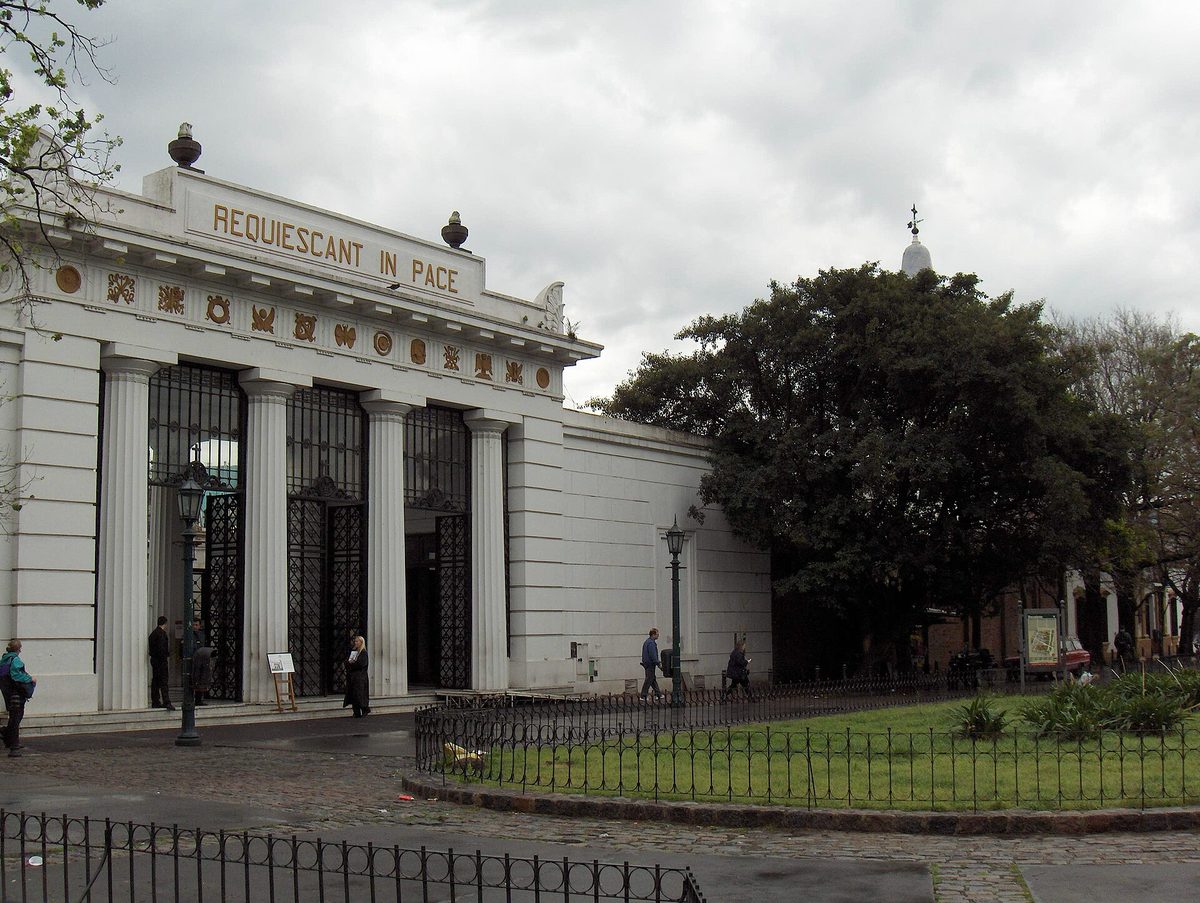
    Buenos Aires is generous to the budget-conscious here, because so much of it is free or cheap: the parks, the Recoleta Cemetery, many top museums, the Sunday ferias, and simply walking the barrios cost little or nothing. Your spending goes on the optional splurges — a tango show ($50–$120), a football match through an operator ($80–$200), a guided food or city tour, a day trip. Mix a few paid experiences with the city’s abundant free pleasures and your activity budget stays light. Browse the options in our things to do guide.

    Stalls at a Buenos Aires street market, where cash and small bills are king

    Cash vs. Card: How to Pay

    As covered above, the big 2026 shift is that cards now work well — foreign credit and debit cards generally settle at a fair rate, so you can pay for hotels, restaurants, shops, and apps by card without losing out. Carry a card with no foreign-transaction fees and it becomes your default.

    Argentina's 200-peso banknote — in 2026 you will handle a stack of these even for small purchases
    Photo: Casa de Moneda / CC BY-SA 2.0 via Wikimedia Commons

    You will still want some cash (pesos) for the places cards do not reach: street markets and ferias, many taxis, small neighborhood spots, tips, and the odd cash-only guesthouse. Get pesos by exchanging clean US dollars or via Western Union rather than from ATMs. A sensible rhythm is to keep a modest stack of pesos for daily incidentals and put everything bigger on the card. Never carry all your cash at once, and split it between your wallet and a stashed reserve. The full comparison is in our cash vs card guide.

    ATMs & Withdrawing Money

    A clear warning: Argentine ATMs are the worst way to get pesos. They combine a poor exchange rate with a stiff fixed fee per withdrawal (often several dollars or more) and a low maximum withdrawal limit, so you get hit with the fee again and again for small amounts. If you must use one — in a pinch, or in a town without other options — withdraw the maximum allowed in one go to minimize the per-transaction fee, choose to be charged in pesos (not your home currency) to dodge the bad “dynamic currency conversion” rate, and use machines inside banks during the day for safety. But honestly, plan ahead with cash and Western Union and you can avoid ATMs almost entirely. The full breakdown is in our ATM fees guide.

    Tipping in Buenos Aires

    Tipping (la propina) here is appreciated but more modest than in, say, the United States. The norm in restaurants is around 10%, ideally left in cash even if you pay the bill by card, since card tips do not always reach the staff. A couple of things trip people up: the cubierto you will see on many bills is a small per-person cover charge for bread and table service — it is legitimate and not a tip. For taxis, rounding up is fine rather than a set percentage; for hotel porters and tour guides, a small cash tip is a kind gesture. Carry small bills for the purpose. Our tipping guide covers every situation.

    A shopping street in Buenos Aires

    How Much Cash Should You Bring to Buenos Aires?

    Less than you might have read. In the old days the advice was to bring a brick of US dollars to last your whole trip, because cash was the only way to get the good rate. Now that cards work well, you only need cash as a backup for the things cards do not cover — markets, taxis, tips, small spots.

    For a typical week, I would bring a few hundred US dollars in clean, newish, smaller-denomination bills (tens and twenties are easier to exchange and spend than crisp hundreds, though hundreds get a slightly better rate at exchange houses), and top up with Western Union if you run low. Bring more if you are travelling long, staying off the beaten track, or the rate gap has widened (do that pre-trip rate check). Crucially: do not carry it all at once. Split your cash between your wallet, a money belt or hidden pocket, and a reserve in your hotel safe, and only walk around with what you need for the day. Damaged, marked, or old-style bills can be refused or get a worse rate, so bring pristine notes.

    Money-Saving Tips for Buenos Aires

    Even in a city this affordable, a few habits stretch your money dramatically further:

    • Eat the set lunch. The menú ejecutivo (a multi-course midday deal) lets you eat at smart restaurants for a fraction of the dinner price.
    • Lean on the free stuff. The parks, Recoleta Cemetery, many museums, the ferias, and the architecture cost nothing — the city is a bargain for the culturally curious.
    • Take a free walking tour. Tip-based walking tours of the center and Recoleta are a cheap, excellent introduction.
    • Drink local. Argentine Malbec and craft beer are superb and cheap; imports are taxed and pricey.
    • Use public transport. A SUBE card turns getting around into a rounding error in your budget.
    • Shop and eat at markets. The Mercado de San Telmo and the ferias deliver great food and finds for less.
    • Pick an apartment or apart-hotel for longer stays — a kitchen and more space for less than a hotel.
    • Visit in the off-season. Winter (June–August) brings the lowest flight and hotel prices; see the cheapest time to visit guide. For how price trades off against weather and events, the full best time to visit Buenos Aires guide has the season-by-season picture.
    • Get your money strategy right. The biggest saving of all is simply paying the smart way — cards plus a little well-exchanged cash — rather than bleeding money at airport counters and ATMs.

    Budgeting for Day Trips & Beyond

    If your plans stretch past the city, budget a little extra. A day trip is cheap: the train to Tigre costs cents, while the ferry to Colonia in Uruguay runs roughly $60–$120 round trip, and an organized estancia day with transport and lunch perhaps $80–$150. The bigger line items are flights to far-flung regions — Iguazú, Mendoza, Patagonia — which, booked ahead, are reasonable but are your main extra cost on a wider Argentina trip. Our day trips guide details the options and their costs. One more thing to budget for and confirm: travel insurance. It is always wise, and Argentina has at times moved toward requiring proof of health coverage for entry, so check the current entry requirements before you fly and factor a policy into your costs.

    Common Money Mistakes to Avoid in Buenos Aires

    Sidestep these and you will keep more pesos in your pocket.

    • Following outdated “bring all cash” advice. The internet is full of guides from the high-blue-dollar era. With the rates converged, you no longer need a suitcase of dollars — cards work fine now.
    • Withdrawing from ATMs or changing at the airport. Both give the worst rates and steepest fees. Plan ahead with cards, exchanged cash, and Western Union instead.
    • Bringing damaged or old US bills. Marked, torn, or out-of-date notes get a worse rate or are refused outright. Bring clean, newish bills.
    • Not checking the current rate before you travel. Argentina’s economy moves fast; a five-minute check tells you whether cash still carries a premium or cards are king.
    • Accepting “pay in your home currency” on card terminals. Always choose to be charged in pesos to avoid the bad dynamic-currency-conversion rate.
    • Changing money with street touts. The arbolitos calling “cambio” on Calle Florida risk short-changing you or passing fake notes. Use a reputable exchange house or Western Union.
    • Tipping only on the card. Card tips do not always reach staff — leave tips in cash.
    • Carrying all your cash at once. Split it up and walk around with only what you need; petty theft is the main risk.

    Why Buenos Aires Prices Keep Changing: Inflation 101

    One reason this guide quotes everything in US dollars is that Argentina has lived with high inflation for years, so peso prices climb constantly — a number that is accurate today can be off within weeks. You will see this in daily life: menus with stickered-over prices, cash machines that dispense thick wads of low-value notes, and locals who spend quickly rather than save in pesos.

    The saving grace for visitors is that, broadly, the exchange rate moves alongside the inflation, so in dollar terms the city tends to stay affordable even as peso prices rise. What you really need to watch is not the peso price of a coffee but the exchange rate you are getting — that is what determines your real cost. The economic reforms of recent years have been bringing inflation down from its peaks, but the situation remains fluid, which is exactly why the one habit that never goes out of date is to check the current rate just before you travel and pay the smart way once you arrive. Get that right and the numbers in this guide will serve you well.

    How Buenos Aires Travel Costs Compare to Other Cities

    To put the numbers in perspective, it helps to see how a Buenos Aires travel cost stacks up against other destinations — because this is where the city really shines. A blow-out steak dinner with a fine bottle of Malbec that runs $35–$45 here would cost well over $100 in New York, London, or Paris. A stylish boutique hotel room at $120 would be $300-plus in Western Europe. A cross-town taxi is a few dollars rather than twenty; a glass of excellent wine costs less than a soft drink back home.

    Against the great European and North American capitals, Buenos Aires is dramatically cheaper for comparable quality — you can travel here in real style for what a budget trip to Western Europe would cost. Within Latin America it is competitive too: while some Andean and Central American destinations are cheaper at the rock-bottom backpacker end, few offer this combination of world-class food, culture, and big-city sophistication at these prices. The only places your costs converge with the rest of the world are imported electronics and goods, and the very top tier of hotels. For everything that makes a trip here special — eating, drinking, exploring, going out — your money simply goes further than almost anywhere comparable.

    Frequently Asked Questions

    How much does a trip to Buenos Aires cost?

    Excluding flights, budget travelers spend around $40–$60 a day, mid-range visitors $90–$160, and luxury travelers $250-plus. A mid-range week runs roughly $700–$1,100 per person. By world-capital standards it is excellent value for anyone with foreign currency, especially on food, drink, and transport.

    Is Buenos Aires cheap or expensive?

    For most foreign visitors, cheap — your money stretches far on eating out, wine, taxis, and nightlife. Imported goods and top-end hotels are the exceptions, which can be pricey. The favorable exchange rate is what makes the city such a bargain for tourists, even though it is not cheap for locals earning in pesos.

    What is the blue dollar in Argentina?

    The “dólar blue” is the informal parallel exchange rate that for years ran far above the official one, traded by street money-changers. Tourists used to rely on it (via cash or Western Union) for a much better rate. As of 2026 the gap has largely closed, so the blue rate matters far less than it used to — but always check the current rate before you travel.

    Should I bring cash or use a card in Buenos Aires?

    Both. Since the rate gap closed, foreign cards now settle at a fair rate, so use a card (ideally fee-free) for hotels, restaurants, shops, and apps. Carry some cash in pesos — obtained by exchanging US dollars or via Western Union — for markets, taxis, tips, and small spots that do not take cards.

    How much cash should I bring to Buenos Aires?

    A few hundred US dollars in clean, newish bills is plenty for a typical week as a backup, topped up with Western Union if needed — you no longer need to bring a huge stack now that cards work well. Bring pristine notes, split them up, and never carry it all at once.

    What is the best way to exchange money in Buenos Aires?

    Western Union (sending money to yourself to collect as pesos) and reputable exchange houses give competitive rates; paying directly by card is now fair too. Avoid airport exchange counters and ATM withdrawals, which give the worst rates and high fees. Always check the current rate first so you know whether cash still carries a premium.

    Can I use US dollars directly in Buenos Aires?

    Sometimes — some hotels, tour operators, and businesses accept US dollars, occasionally at a good rate — but most everyday transactions are in pesos, so you will need to change money or pay by card. Always carry pesos for taxis, markets, and small purchases; do not rely on spending dollars everywhere.

    Are ATMs expensive in Argentina?

    Yes — Argentine ATMs combine a poor rate, a high fixed fee per withdrawal, and a low withdrawal limit, so they are the worst way to get pesos. If you must use one, withdraw the maximum at once, choose to be charged in pesos, and use bank machines by day. Better to plan with cash and Western Union.

    How much should I tip in Buenos Aires?

    Around 10% in restaurants, ideally in cash even when paying by card. The cubierto on your bill is a cover charge, not a tip. Round up for taxis, and leave a small cash tip for porters and guides. Carry small bills so you can tip easily.

    How much does a meal cost in Buenos Aires?

    A set lunch runs $8–$15, empanadas or pizza a few dollars, and a full steak dinner with wine at a good parrilla $25–$45 per person. Coffee and a pastry cost a couple of dollars. Eating out is one of the best-value pleasures in the city.

    How much money do I need per day in Buenos Aires?

    Plan on roughly $40–$60 a day as a budget traveler, $90–$160 mid-range, and $250-plus for luxury, excluding accommodation extremes and flights. Transport and many attractions are cheap, so most of your daily spend goes on food, lodging, and the occasional paid experience.

    Is it cheaper to pay by cash or card in Argentina now?

    They are close. With the rates converged, cards settle at a fair, near-market rate, so the old cash advantage has largely gone — cash now mainly wins for convenience at places that do not take cards. Use cards for big and everyday spending, and keep cash for markets, taxis, and tips.

    Do I need travel insurance for Argentina?

    It is strongly recommended for any trip, and Argentina has at times moved toward requiring proof of health coverage to enter, so check the current entry requirements before you fly. Beyond any rule, a policy covering medical care and trip disruption is simply sensible — factor it into your budget.

    What is the cheapest way to visit Buenos Aires?

    Come in winter (June–August) for the lowest flights and hotels, stay in a hostel or apartment, eat at markets and set-lunch spots, use public transport, lean on the many free attractions, and exchange your money smartly. Done this way, Buenos Aires is one of the best-value major cities anywhere.

    Why are prices in Buenos Aires quoted in US dollars?

    Because Argentina’s high inflation makes peso prices rise so quickly that any peso figure is outdated within weeks. Quoting in US dollars gives a far more stable, comparable sense of cost over time, since the exchange rate broadly tracks the inflation. Always convert at the current rate when you actually pay.

    Will my credit card work in Buenos Aires?

    Yes — major international Visa and Mastercard credit and debit cards are widely accepted at hotels, restaurants, shops, and on ride-hailing apps, and they now settle at a fair rate. Use one with no foreign-transaction fees, tell your bank you are travelling, and always choose to be charged in pesos at the terminal. Carry some cash as a backup.

    Is Buenos Aires still good value in 2026?

    Very much so. Even though the dramatic blue-dollar arbitrage of past years has faded, Buenos Aires remains a standout-value city for foreign visitors — world-class food, wine, culture, and comfort for a fraction of European or North American prices. Handle your money sensibly and it is one of the best-value great cities you can visit.

    Is Buenos Aires cheaper than Europe?

    Considerably, for comparable quality. Dining, drinking, taxis, and nightlife cost a fraction of Western European prices, and even good hotels are far cheaper. You can travel in real comfort in Buenos Aires for roughly what a budget trip to Paris, London, or Rome would cost. Only imported goods and top-tier hotels approach European prices.

    How does Buenos Aires compare to other South American cities for cost?

    It is competitive and often a standout for value-per-quality. Some Andean and Central American spots are cheaper at the backpacker extreme, but few cities in the region match Buenos Aires’ combination of world-class food, culture, and big-city polish at these prices. For a sophisticated city break, it is one of the continent’s best-value choices.

    Do places in Buenos Aires give a discount for paying in cash?

    Sometimes, yes. Some hotels, apartments, smaller shops, and tour operators offer a modest discount (descuento por pago en efectivo) for paying in cash, occasionally preferring US dollars — it is always worth a polite ask, especially for accommodation and tours. At markets and ferias, light haggling on crafts and antiques is normal too. For everyday restaurants and chain shops, prices are fixed, and the convenience of paying by card usually wins.

    Is Buenos Aires good for budget and backpacker travelers?

    Excellent. Cheap hostels, abundant free attractions, dollar empanadas and set lunches, near-free public transport, and a sociable hostel scene make it one of the best-value big cities for backpackers — many get by comfortably on around $40–$60 a day, less if they cook and stay in dorms.

    Final Thoughts

    Here is what I want you to take away: Buenos Aires is a gloriously affordable city for visitors right now, and the only real skill is paying the smart way. Forget the suitcase of cash the old guides told you to bring — in 2026, you pay by card for most things, carry a little well-exchanged cash for the rest, skip the ATMs and airport counters, and check the current rate once before you fly. Do that, and you will eat like royalty, see a world-class city, and spend a fraction of what the same trip would cost almost anywhere else. Sort the money, then forget about it and enjoy yourself — and let our guides to things to do, where to eat, and how to plan your days show you where to spend it. And for the street-smarts that keep the whole trip cheap and painless — scams, taxis, SIM cards — our Buenos Aires travel tips guide rounds out the picture.

    Written by the BuenosAiresTourism.org editorial team — travel writers who track Argentina’s ever-shifting money situation so you can budget with someone who has actually navigated it. Prices and rates change fast; always verify current figures before you travel. Last updated: June 2026.

    Photo Credits

    Every image is used under its respective Creative Commons or public-domain license, sourced from Wikimedia Commons:

  • Getting Around Buenos Aires: The Complete Transport Guide

    Getting Around Buenos Aires: The Complete Transport Guide

    The good news about getting around Buenos Aires is that it is genuinely easy, cheap, and — once you grasp a couple of basics — a small adventure in itself. The slightly less good news is that this is a big city, sprawled across nearly fifty neighborhoods, so you cannot simply walk everywhere the way you might in a compact European capital. The trick is knowing which of the city’s excellent transport options to reach for in which situation, and I am going to make that simple.

    Getting around Buenos Aires comes down to a few tools: a SUBE card (the rechargeable card you tap for everything), the fast and dirt-cheap Subte (metro), the vast network of colectivos (buses), and a ride-hailing app like Cabify for door-to-door trips. Master those, walk within each neighborhood, and you will move around the city like a local for a handful of dollars a day.

    This guide walks through every option — how to use it, what it costs, and when to choose it — plus the two things visitors most need to nail: getting in from the airport, and crossing the river to Uruguay. I have ordered it the way you will actually need it, starting with the one thing to sort before you do anything else. For where these journeys are taking you, pair this with our things to do and neighborhoods guides.

    Traffic flowing along the wide Avenida 9 de Julio in Buenos Aires

    The Best Ways of Getting Around Buenos Aires: At a Glance

    Here is the whole toolkit in one view — what each mode is best for, the rough cost, and how you pay. Fares are in flux given inflation, so treat the costs as relative guidance and check current prices.

    Mode Best for Rough cost How to pay
    Subte (metro) Fast trips across the center & north Cheapest SUBE card
    Colectivo (bus) Everywhere the Subte doesn’t reach Cheapest SUBE card
    Cabify / Uber / inDriver Door-to-door, nights, groups, luggage Low App (card)
    Taxi Hailing on the street, no app Low–medium Cash or card
    Walking Within a neighborhood Free
    EcoBici (bikes) Parks, short hops, the eco reserve Free / low App
    Train Day trips (Tigre, La Plata) Cheapest SUBE card
    Ferry Crossing to Uruguay Medium Online booking

    First Things First: Get a SUBE Card

    Before anything else, get a SUBE card. This single rechargeable smartcard is the key to almost all public transport in Buenos Aires — the Subte, every colectivo, and the suburban trains all run on it, and you cannot pay cash on the buses, so without one you are stuck. It is the first thing I tell anyone to do on arrival.

    Getting one is easy: buy a SUBE card at any Subte station ticket booth, at the airports, or at one of the thousands of kioscos (corner kiosks) and lottery shops displaying the SUBE logo, for a small one-off cost. Then load it with credit (cargar la SUBE) at station machines, kiosks, or pharmacies — top up more than you think you need, since fares are tiny. To use it, simply tap the card on the reader as you enter the Subte or board a bus (on buses, tell the driver your destination or tap for the default fare). One card can pay for a whole group by tapping multiple times. It is contactless, refundable, and works for your entire stay. Our SUBE card guide covers every detail, including how to get the cheaper resident-style fares.

    A Subte metro train at a Buenos Aires station, the fastest way of getting around Buenos Aires

    The Subte: Buenos Aires’ Metro

    The Subte (short for subterráneo) is the fastest way to cross the city, and at rush hour it is far quicker than any taxi crawling through traffic. Opened in 1913, it was the first metro in the Southern Hemisphere, and some of its old wooden carriages and tiled stations are sights in their own right. There are six lines, named by letter — A, B, C, D, E, and H — that mostly run from the downtown core outward, with Line C linking the two big train terminals (Retiro and Constitución) and the others fanning out. For visitors, Line D is the workhorse, running from downtown up through Barrio Norte, Palermo, and Belgrano.

    Riding it is simple: tap your SUBE on the turnstile, follow signs to your line and direction (the direction is named after the end-of-line station), and go. It runs roughly from 5am to around 11pm (a bit later on weekends, with reduced Sunday hours), and the flat fare is the same no matter how far you travel. Two honest caveats: it gets seriously packed during weekday rush hours (around 8–9am and 6–7pm), when you will want to keep your bag in front of you; and the network does not reach everywhere — notably, neither La Boca nor Puerto Madero has a Subte stop. For those, you will take a bus or a ride-hail. Full line-by-line detail is in our Buenos Aires Subte guide.

    A colectivo city bus on a Buenos Aires street

    Colectivos: The City Buses

    If the Subte is the spine of the city, the colectivos (buses) are its bloodstream — an enormous network of more than a hundred and fifty lines that reach absolutely everywhere, run 24 hours a day, and cost the same tiny fare as the Subte. They are how most porteños actually get around, and once you crack them they are wonderfully useful, especially for the many places the Subte misses.

    The catch is that the network is dense and not intuitive, so do not try to memorize routes — let an app do the work. Google Maps gives reliable bus directions, and the city’s own BA Cómo Llego app (and website) is excellent for door-to-door public-transport routing. To ride: flag the bus down at the stop (raise your hand, or it may not stop), board at the front, tell the driver your destination or simply tap your SUBE for the standard fare, and press the button to request your stop. Have your destination on your phone to show the driver if your Spanish is shaky. It is the most local way to travel, and genuinely part of the fun. More in our colectivo guide.

    The distinctive black-and-yellow taxis of Buenos Aires

    Taxis, Cabify, Uber & inDriver

    For door-to-door trips — with luggage, at night, in a group, or when you simply cannot face the bus — you have two routes: the apps and the street taxi.

    The ride-hailing apps are my default. Cabify is the most established and popular in Buenos Aires, fully app-based with the fare agreed up front and paid by card, which removes any worry about being overcharged or fumbling with cash. inDriver (where you can negotiate the fare) and Uber also operate. A quick, honest note on Uber: its legal status in the city has been contested for years, caught in an ongoing tug-of-war with the taxi industry, so while it works in practice, you may occasionally find drivers ask you to sit in the front to keep a low profile. Because of that grey area, I lean on Cabify, which is uncontroversial and just as cheap. Verify the current situation when you arrive, as it shifts.

    Street taxis — the distinctive black-and-yellow cars — are plentiful, metered, and fine for hailing when you do not have signal or patience for an app. To stay safe and fair: hail one from a busy street or use a radio taxi booked by phone or app rather than an unmarked car, make sure the meter (reloj) is running, and have small bills, as drivers rarely have change for large notes. Avoid the unofficial cabs that tout at the airport. The full comparison — apps versus taxis, costs, and safety — is in our Uber, Cabify and taxis guide.

    Walking the City

    For all its size, Buenos Aires is a wonderful walking city — within a neighborhood. The barrios are flat, leafy, and made for strolling, and you will see far more on foot than from underground. Spend your days walking around whichever area you are exploring — the cobblestones of San Telmo, the boulevards of Recoleta, the parks and pasajes of Palermo — and use the Subte, a bus, or a ride-hail only to jump between neighborhoods. That hybrid — ride across, walk within — is how I get around, and it is the best of both worlds.

    A few walking realities: the pavements can be cracked and uneven (watch your step, and your shoes), street crossings can be chaotic (cars do not always yield, so cross with purpose at corners), and you should keep your phone away and your wits about you on busier streets, as petty theft is the main risk. None of that should stop you — just walk like a switched-on local. Our travel tips cover street smarts in full.

    Yellow EcoBici public-hire bicycles in Buenos Aires

    Cycling & EcoBici

    Buenos Aires has quietly become a decent cycling city, with hundreds of kilometers of protected bike lanes (bicisendas) threading the barrios and the parks. The city runs a public bike-share scheme, EcoBici, with stations dotted across town; you sign up through the BA EcoBici app and grab a bike for short trips, with the first stretch typically free or very cheap. It is a lovely way to explore the flat, green expanses — the Bosques de Palermo, the Reserva Ecológica, the Puerto Madero waterfront — where cycling genuinely beats walking or driving.

    I would be more cautious about cycling in the dense downtown traffic, where the lanes thin out and the driving is assertive, but for parks and the riverside it is a joy. Plenty of operators also run guided bike tours if you would rather follow a local. More in our walking and cycling guide.

    The historic Retiro railway terminus in Buenos Aires

    Trains: Getting Out of the City

    You probably will not use the suburban trains to get around central Buenos Aires — the Subte and buses do that better — but they are the key to several of the best day trips, and they run on the same SUBE card for a pittance. The network radiates from two grand old terminals: Retiro, in the north of downtown, and Constitución, in the south.

    The one every visitor wants is the Mitre line from Retiro to Tigre, the gateway to the delta — about an hour, scenic, and absurdly cheap (you can also take the charming tourist-oriented Tren de la Costa for part of the way). The Roca line from Constitución heads to La Plata. A safety note worth heeding: the area immediately around the Constitución terminal can feel edgy, so keep your bag close and do not linger. For the routes and how to ride them, see our trains guide.

    Ezeiza international airport, the main gateway to Buenos Aires

    Getting To Buenos Aires: The Airports

    Buenos Aires has two airports, and which one you land at changes your arrival completely.

    Ezeiza (EZE), officially Ministro Pistarini, is the main international gateway, about 35 km south of the center — a 45-to-60-minute drive depending on traffic. Aeroparque (AEP), Jorge Newbery, handles most domestic flights and some regional ones, and sits right in the city by the river near Palermo, just 15–20 minutes from the northern barrios. Lucky you if you fly into Aeroparque; the transfer is quick and cheap.

    Airport Distance to center Drive time Best transfer Rough cost
    Ezeiza (EZE) ~35 km / south 45–60 min Pre-booked transfer or official taxi Medium
    Aeroparque (AEP) ~3 km / central 15–20 min Cabify or taxi Low

    From Ezeiza, your best options are a pre-booked private transfer (a driver waiting with your name — the easiest after a long flight), the official airport taxi or remís at the regulated counters inside the terminal (fixed price, avoid the touts outside), the Tienda León shuttle bus to its downtown terminal (cheaper, then a short taxi to your hotel), or a ride-hailing app, though airport pickup rules for apps can be fiddly. From Aeroparque, just grab a Cabify or a taxi from the rank — it is cheap and fast. Sort some pesos or a card for the ride before you leave the terminal. Our detailed guides cover Ezeiza to the city and Aeroparque to the city option by option, and your choice of where to stay affects how long that transfer takes.

    A satellite view of the Rio de la Plata between Buenos Aires, Colonia and Montevideo - the ferry crossing to Uruguay

    Crossing to Uruguay by Ferry

    One of the great easy escapes from Buenos Aires is the ferry across the Río de la Plata to Uruguay — close enough that you can see the far shore on a clear day, and a wonderful day trip or short getaway. As the satellite view above shows, Colonia sits just across the water, with Montevideo further along the coast.

    Three companies run the crossings — Buquebus (the biggest), Colonia Express, and Seacat — from the terminals in Puerto Madero. The fast ferry to the pretty colonial town of Colonia del Sacramento takes about an hour to an hour and a quarter; Montevideo is reachable directly (around two and a quarter hours) or via Colonia plus a connecting bus. Book online in advance for the best fares and to choose your time, bring your passport (this is an international border, with immigration handled at the terminal), and arrive early like you would for a flight. It is a smooth, civilized crossing. The full how-to is in our Buenos Aires to Uruguay ferry guide, and the destination itself in our Colonia day trip guide.

    Driving & Car Rental: Do You Need a Car?

    For a city trip, the short answer is no — do not rent a car in Buenos Aires. The public transport and cheap ride-hailing cover everything, traffic is heavy and assertive, porteño driving is not for the faint-hearted, and parking is a genuine headache. A car in the city is a liability, not a convenience.

    The exception is if you are planning a road trip beyond the city — touring the wine country, the pampas estancias, or the Atlantic coast under your own steam. For that, renting makes sense; you will want your passport, a credit card, and your home driving license (an International Driving Permit is a sensible addition), and you should budget for tolls on the highways. Even then, many travelers find a booked tour or a remís with a driver easier for a single day trip. The details are in our car rental guide.

    Getting Around Buenos Aires by Scenario

    To pull it together, here is what I would actually do in the situations you will face most.

    • Airport to your hotel: from Ezeiza, a pre-booked transfer or the official airport taxi; from Aeroparque, just a Cabify or taxi from the rank.
    • Daily sightseeing: walk within the neighborhood you are exploring, and use the Subte (or a bus) to hop between barrios. This ride-across-walk-within rhythm is the key to the whole city.
    • Reaching La Boca or Puerto Madero: there is no Subte, so take a Cabify or taxi (and to La Boca, taxi both ways and stay in the tourist core).
    • A night out: Cabify or a taxi door-to-door, especially late — cheap, safe, and far easier than figuring out night buses after a long dinner.
    • Day trips: the train from Retiro to Tigre, or the ferry from Puerto Madero to Colonia — both cheap and scenic.
    • With luggage, a group, or kids: a ride-hailing app every time — the small extra cost is well worth skipping the crowded Subte with bags.

    How Much Does Getting Around Cost?

    Wonderfully little. Public transport — the Subte, buses, and trains — costs only a few cents to a dollar a ride, so even with several journeys a day you will spend very little. Ride-hailing and taxis are cheap by international standards too: most cross-town trips run just a few dollars, and even a long ride rarely stings. The one bigger-ticket items are the airport transfer from Ezeiza and the ferry to Uruguay, both in the moderate range.

    The wider context is that, thanks to Argentina’s exchange-rate situation, everything here is excellent value for foreign visitors right now — transport included. A realistic daily transport budget for someone mixing the Subte, the odd bus, and a couple of ride-hails is just a handful of dollars. Pay public transport with your SUBE and ride-hails by card, keeping a little cash for street taxis and tips. For the full money picture, see our travel cost and blue dollar guides.

    Is Public Transport Safe in Buenos Aires?

    Broadly, yes — millions of porteños use it safely every day, and as a visitor you will too. The real risk is not danger but petty theft: pickpocketing and phone-snatching on the crowded Subte and buses, particularly at rush hour and in tourist-heavy spots. The defenses are simple and the same ones locals use: keep your bag in front of you and zipped, keep your phone in your pocket rather than out and visible, do not flash valuables, and stay alert in crush-load carriages.

    A few situational notes: take a ride-hail rather than public transport late at night; be extra aware around the Constitución and Retiro terminals; and on street taxis, use marked radio taxis and watch the meter. None of this should make you anxious — getting around Buenos Aires is genuinely easy and safe with everyday city sense. Our is Buenos Aires safe guide has the complete picture.

    Accessibility & Getting Around with Reduced Mobility

    An honest word for travelers with reduced mobility: Buenos Aires is improving but still imperfect. The newer Subte lines (notably H) and many stations have elevators, but older stations often do not, and the pavements can be uneven and crowded. Many buses are now low-floor and accessible, but not all. For the smoothest experience, lean on ride-hailing and remís services door-to-door, choose central, flat neighborhoods like Recoleta and Puerto Madero as your base, and check accessibility with specific sights and hotels in advance. It is a very walkable city for those who can walk, and a manageable one with planning for those who need step-free routes.

    Common Mistakes to Avoid When Getting Around Buenos Aires

    Sidestep these and your transport will be friction-free from the start.

    • Not getting a SUBE card right away. Without one you cannot board a bus at all and cannot use the Subte. Make it your first errand on arrival — the airport sells them.
    • Trying to pay cash on the bus. Colectivos take only the SUBE card, full stop. Travelers are caught out by this constantly.
    • Taking unmarked “taxis” at the airport. Ignore the touts inside the arrivals hall and use the official taxi/remís counter or a pre-booked transfer instead.
    • Renting a car for a city stay. You will spend your trip stuck in traffic and hunting for parking. Use transport and ride-hailing, and rent only for trips out of town.
    • Assuming the Subte goes everywhere. It misses La Boca and Puerto Madero entirely, among others — check before you rely on it, and have a ride-hail ready for the gaps.
    • Arriving with no pesos. You will want a little local cash for a street taxi, a tip, or a top-up; do not count on cards for absolutely everything, especially on arrival.

    A Few Local Tips for Smoother Travel

    Small things that make a real difference:

    • Download the apps before you fly: BA Cómo Llego (public-transport routing), Cabify (rides), Google Maps, and BA EcoBici (bikes). They all work better set up in advance.
    • Dodge the rush. The Subte is genuinely crushed around 8–9am and 6–7pm on weekdays; shift your cross-town trips outside those windows if you can.
    • Mind the bus branch. Many colectivo lines split into branches (ramales) with the same number but different routes — check the destination sign in the window, not just the number, and your routing app will tell you which to take.
    • Keep small change. Street-taxi drivers rarely have change for big notes, so hold on to your coins and small bills.
    • Be aware of strikes. Argentina has the occasional transport strike (paro), which can halt the Subte or buses for a day; if one lands during your trip, lean on walking and ride-hailing.
    • Top up your SUBE generously. Fares are tiny, so a single load goes a long way and saves you hunting for a top-up point mid-trip.

    Getting Around Buenos Aires at Night

    Buenos Aires is a famously nocturnal city — dinner at 10pm, bars filling after midnight, clubs that do not peak until 3am — so getting home late is a normal part of any trip. The Subte stops running around 11pm, which is well before the night is over, but the city does not leave you stranded: the colectivos run 24 hours, with night services on the major lines. That said, my honest advice for visitors after dark is to use a ride-hailing app or a taxi door-to-door. After a long dinner or a night out, a Cabify is cheap, drops you exactly where you are going, and spares you working out night-bus routes in a second language. It is also the safer choice late at night, particularly if you have had a few Malbecs.

    A few night habits: keep your phone tucked away while you wait, share your ride details with someone if you are solo, have your destination saved in the app, and avoid walking alone through quiet or unfamiliar streets in the small hours — stick to busy, well-lit areas or just take the car. Done sensibly, the city’s legendary nightlife is yours without a worry; plan it with our nightlife guide.

    Frequently Asked Questions

    How do you get around Buenos Aires?

    Most visitors use a mix: a SUBE card for the cheap, fast Subte (metro) and the buses, walking within each neighborhood, and a ride-hailing app like Cabify for door-to-door trips, nights out, and places the Subte doesn’t reach. It is an easy, affordable city to move around once you have a SUBE card.

    Do I need a SUBE card in Buenos Aires?

    Yes — it is essential. The SUBE card is the only way to pay for the Subte, the buses (which take no cash at all), and the suburban trains. Buy one on arrival at a station, kiosk, or the airport, load it with credit, and tap as you board. One card can pay for a group.

    Is the Buenos Aires Subte easy to use?

    Very. There are six clearly lettered lines, you tap your SUBE to enter, and signs point you to your line and direction (named after the final station). It is fast and dirt cheap. Just avoid the worst of the weekday rush-hour crush, and keep your bag in front of you when it is packed.

    Is Uber available and legal in Buenos Aires?

    Uber operates in the city, but its legal status has long been disputed with the taxi industry, so it sits in a grey area — drivers sometimes ask passengers to ride up front. It works in practice, but many locals and visitors prefer Cabify, which is fully established, equally cheap, and uncontroversial. Check the current situation on arrival.

    How do I get from Ezeiza airport to the city?

    The easiest options are a pre-booked private transfer or the official airport taxi/remís from the regulated counters inside the terminal (avoid the touts). The Tienda León shuttle bus to downtown is a cheaper alternative. The drive takes 45–60 minutes. From Aeroparque, the in-city domestic airport, just take a Cabify or taxi.

    How much does public transport cost in Buenos Aires?

    Very little — a Subte, bus, or train ride costs only a few cents to about a dollar, and ride-hailing trips across town are usually just a few dollars. Combined with the favorable exchange rate, getting around is one of the cheapest parts of a Buenos Aires trip.

    Can you pay cash on Buenos Aires buses?

    No — the colectivos (buses) do not accept cash at all; you must tap a SUBE card. This is exactly why getting a SUBE card on arrival is the single most important transport task. The Subte and trains also run on the SUBE; only street taxis take cash.

    Is Buenos Aires a walkable city?

    Within a neighborhood, very — the barrios are flat, leafy, and made for strolling. Between neighborhoods it is genuinely large, so you will combine walking with the Subte, buses, and ride-hailing. The winning strategy is to ride across the city and then walk within whichever area you are exploring.

    Do I need to rent a car in Buenos Aires?

    No — for a city visit, a car is more hassle than help, with heavy traffic, assertive driving, and difficult parking. Public transport and cheap ride-hailing cover everything. Only consider renting if you are taking a road trip beyond the city, to the wine country, estancias, or coast.

    What is the best app for getting around Buenos Aires?

    For routing, Google Maps and the city’s own BA Cómo Llego app give reliable public-transport directions. For rides, Cabify is the go-to ride-hailing app, with inDriver and Uber also available. The official BA EcoBici app handles the public bikes. A couple of downloads before you arrive makes everything easier.

    Are taxis safe in Buenos Aires?

    Generally yes, with sensible habits. Use the marked black-and-yellow radio taxis, hail from busy streets rather than taking unmarked cars, make sure the meter is running, and carry small bills for change. For extra peace of mind — and a fixed, prepaid fare — many visitors simply use Cabify instead.

    How do I get to Tigre and the day-trip spots?

    Take the Mitre line train from Retiro station to Tigre — about an hour, scenic, and very cheap on your SUBE card. For Colonia and Montevideo in Uruguay, take a ferry from the Puerto Madero terminals (bring your passport). Both are easy, well-trodden routes covered in our day-trips guides.

    How late does the Subte run?

    The Subte runs roughly from 5am to around 11pm, a little later on weekends and with reduced hours on Sundays. After it closes, the 24-hour buses keep running, but for a late night out a Cabify or taxi door-to-door is the easiest and safest way home.

    Is the ferry to Uruguay worth it?

    Absolutely — the crossing to Colonia del Sacramento (about an hour by fast ferry) makes one of the best day trips from Buenos Aires, swapping the big city for a dreamy colonial town across the river. Book online ahead, bring your passport, and treat it like a short international hop.

    How do I get around Buenos Aires at night?

    The Subte stops around 11pm, but the buses run 24 hours. For most visitors, though, a ride-hailing app like Cabify or a taxi is the best way home after dark — cheap, door-to-door, and safer than figuring out night buses late. Keep your phone away while you wait and stick to busy, well-lit streets.

    Is the Subte or the bus better for tourists?

    The Subte is faster, simpler, and easier for first-timers, so start there for trips across the center and north. The buses reach far more of the city — including spots the Subte misses — but the network is harder to learn, so lean on a routing app. Both cost the same tiny fare on your SUBE card.

    Do I need cash to get around Buenos Aires, or can I use a card?

    Public transport runs on the SUBE card (which you load with credit), and ride-hailing apps charge your card, so you can do most journeys cashless. The exceptions are street taxis and tips, where a little cash is handy. Carry a modest amount of pesos alongside your card, especially on arrival.

    How do I get to La Boca and Caminito?

    La Boca has no Subte station, so the simplest way is a taxi or a ride-hailing app like Cabify straight to Caminito — take one both ways, visit in daylight, and stay in the tourist core. Some buses serve the area, and many people combine it with San Telmo, taking a short taxi between the two. Avoid walking in from surrounding streets.

    Final Thoughts

    Getting around Buenos Aires is far easier than its size first suggests — and honestly, half the fun. Sort a SUBE card on day one, learn to love the rattling old Subte and the ever-present colectivos, keep Cabify in your pocket for the nights and the gaps, and walk every neighborhood you can. Do that and the whole city opens up to you for a few dollars a day, with the airport and even another country an easy hop away. Do not overthink it: tap, ride, walk, repeat. Once you can move around with confidence, our guides to things to do, the neighborhoods, and day trips will show you where to point all that mobility — and if you would rather have it all sequenced day by day, our Buenos Aires itinerary does the routing for you.

    Written by the BuenosAiresTourism.org editorial team — travel writers who have tapped a SUBE card more times than we can count, so you can navigate the city with someone who has actually ridden it. Last updated: June 2026.

    Photo Credits

    Every image is used under its respective Creative Commons or public-domain license, sourced from Wikimedia Commons:

    • The Subte (metro). Photo by Gastón Cuello, CC BY-SA 4.0 — via Wikimedia Commons.
    • A colectivo city bus. Photo by Barcex, CC BY-SA 3.0 — via Wikimedia Commons.
    • A Buenos Aires taxi. Photo by Aleposta, Public domain — via Wikimedia Commons.
    • Retiro railway station. Photo by Unknown authorUnknown author, Public domain — via Wikimedia Commons.
    • Ezeiza international airport. Photo by Lcachero, CC BY 3.0 — via Wikimedia Commons.
    • The Rio de la Plata crossing to Uruguay. Photo by Earth Sciences and Image Analysis Laboratory, NASA Johnson Space Center, Public domain — via Wikimedia Commons.
    • EcoBici public bikes. Photo by Fotos: M. Inés Ghiglione-gv/GCBA. – Gobierno de la Ciudad de Buenos Aires from C, CC BY 2.0 — via Wikimedia Commons.
    • Avenida 9 de Julio traffic. Photo by Facumissing, Public domain — via Wikimedia Commons.
  • Best Time to Visit Buenos Aires: Month-by-Month Guide

    Best Time to Visit Buenos Aires: Month-by-Month Guide

    The best time to visit Buenos Aires turns on one fact that catches out half the people who plan a trip here: when it is winter where you live in the northern half of the world, it is summer in Buenos Aires, and vice versa. The seasons are flipped. So before you book that December trip imagining cozy scarves and Christmas markets, know that you will be landing in sticky 30-degree heat while the city half-empties for the beach. Getting the timing right — or at least knowing what you are signing up for — makes a real difference to a trip here.

    The best time to visit Buenos Aires is during the shoulder seasons of spring (September to November) and autumn (March to May), when the weather is mild and golden, the city is at its liveliest, and the famous jacaranda trees turn the avenues purple in November. That said, there is no truly bad time — every season has its own appeal, and this guide breaks down exactly what to expect month by month so you can match your trip to your priorities.

    Below you will find a decisive answer, a full month-by-month weather table, an honest season-by-season breakdown, the cheapest and worst times to come, a festival calendar, and timing advice by interest — whether you are chasing jacarandas, tango, fewer crowds, or a bargain. Pair it with our itinerary guide once you have picked your dates, and our things to do pillar for what to fill them with.

    A bright sky over the Buenos Aires skyline

    When Is the Best Time to Visit Buenos Aires?

    Let me give you the straight answer first, then the nuance. For the best balance of pleasant weather, full city life, and reasonable crowds, come in October–November or March–April. November is my personal favorite — warm but not yet brutal, with the jacarandas in full bloom — while April delivers crisp, clear, comfortable days with thinner crowds. But the “best” time really depends on what you want:

    • Best weather & the jacarandas: mid-October to late November (spring).
    • Fewest crowds & lower prices: winter, June to August.
    • Crisp, clear, uncrowded: autumn, March to May.
    • Long warm evenings & festivals (if you handle heat): summer, December to February.
    • Tango & culture: winter, around the August tango festival and the Teatro Colón season.

    If you cannot be flexible, do not despair — Buenos Aires is a year-round city, and an indoor-rich one (cafés, museums, tango, steak, and shopping do not care about the weather). The worst you will face is some summer humidity or the odd grey winter day.

    Understanding Buenos Aires’ Seasons & Climate

    Two things shape the timing of a trip here. First, the reversed seasons: Buenos Aires sits in the Southern Hemisphere, so summer is December to February, autumn March to May, winter June to August, and spring September to November. Northern-hemisphere visitors should mentally flip the calendar.

    Second, the climate is humid subtropical — which in practice means mild and temperate, without the extremes you might fear. Summers are hot and humid but rarely unbearable; winters are cool and damp but almost never freezing, and it essentially never snows. Rain falls fairly evenly across the year, often as short, dramatic thunderstorms rather than all-day drizzle, so a passing shower rarely derails a day. The one local weather quirk worth a name is the sudestada, an occasional cold, wet, windy spell blown in off the river, mostly in the cooler months — annoying but short-lived. In short: this is a forgiving climate, and packing a light layer and a small umbrella covers most of what it throws at you.

    Buenos Aires Weather by Month

    Here is the whole year at a glance — approximate average highs and lows, the general feel, crowd levels, and what is on. Temperatures are typical averages; any given day can run warmer or cooler, so treat them as a guide.

    Month Season Avg High / Low Feel Crowds Notable
    January Summer 30°C / 20°C (86/68°F) Hot & humid Low (locals away) Peak heat; quiet city
    February Summer 29°C / 20°C (84/68°F) Hot & humid Low–medium Carnaval
    March Autumn 26°C / 18°C (79/64°F) Warm, easing Medium Lovely; city refills
    April Autumn 23°C / 14°C (73/57°F) Mild & crisp Medium Great weather, fewer crowds
    May Autumn 19°C / 11°C (66/52°F) Cool Low Quiet shoulder
    June Winter 16°C / 9°C (61/48°F) Cool & damp Low Low season; deals
    July Winter 15°C / 8°C (59/46°F) Coldest (still mild) Low–medium Winter school break
    August Winter 17°C / 8°C (63/46°F) Cool Low Tango festival
    September Spring 19°C / 10°C (66/50°F) Warming, fresh Medium Spring begins
    October Spring 22°C / 13°C (72/55°F) Lovely & mild Medium–high Jacarandas start
    November Spring 26°C / 16°C (79/61°F) Warm & gorgeous High Peak jacaranda; Pride
    December Summer 28°C / 18°C (82/64°F) Warm, building heat Medium–high Festive; holidays

    For an even deeper month-level breakdown, our Buenos Aires weather by month guide goes day-length, rainfall, and packing for each one.

    Buenos Aires Season by Season

    The table tells you the numbers; here is what each season actually feels like, and who it suits.

    Jacaranda trees in purple bloom over a Buenos Aires avenue in spring, the best time to visit Buenos Aires for many

    Spring (September–November): The Best Overall Time

    If you want the postcard version of Buenos Aires, come in spring. The weather warms gently from fresh September into glorious November, the city throws open its café terraces and parks, and — the showstopper — the jacaranda trees explode into purple bloom from mid-October into November, washing whole avenues, plazas, and the Recoleta and Palermo districts in lilac. It is genuinely one of the most beautiful urban sights I know, and it is fleeting, so jacaranda-chasers should target late October and November (more on the timing in our jacaranda season guide).

    Spring is also when the city is at its most alive — outdoor events, full restaurant terraces, long golden evenings — which is exactly why it draws the biggest crowds and the highest prices of the shoulder seasons, especially November. Book accommodation early. The trade-off is more than worth it. For the full season, see Buenos Aires in spring.

    The Rosedal rose garden in bloom, Palermo, Buenos Aires

    Spring is the season to lean into the outdoors: the Rosedal rose garden in Palermo peaks, the Bosques de Palermo parks fill with picnickers and rowboats, and the whole city seems to exhale after winter. Pack layers for cool mornings and warm afternoons, and you are set.

    Porteños enjoying a hot summer day along the Buenos Aires waterfront

    Summer (December–February): Hot, Humid & Surprisingly Quiet

    Summer is the season most northern visitors instinctively book — and the one most misunderstood. Yes, the days are long and the evenings balmy, perfect for late-night dinners that spill onto the pavement. But January in particular is hot and humid, with temperatures regularly pushing past 30°C (86°F) and a mugginess that makes midday sightseeing a slog. The bigger surprise is that the city empties out: porteños decamp to the Atlantic beaches for their summer holidays, so January especially can feel oddly quiet, with some restaurants and shops shuttered for the month.

    That is not all bad — thinner crowds at the big sights, a relaxed mood, and the festive run-up to Christmas and New Year in December all have their charm. Just plan around the heat: sightsee in the mornings and evenings, build in shade and air conditioning, and treat the long, warm nights as the main event. Carnaval livens up February weekends. The full picture is in Buenos Aires in summer.

    Autumn (March–May): The Underrated Gem

    If spring is the obvious answer, autumn is the connoisseur’s one — and on a good year it might be my favorite of all. As the summer heat breaks in March, the city refills with locals returning from the coast, the weather settles into a run of crisp, clear, comfortable days, and the crowds and prices ease back from the spring peak. April is close to perfect: mild, dry-ish, golden light, and thin enough crowds that you can walk into restaurants that would need a reservation in November. By May it turns properly cool and quiet, a lovely time for the city’s indoor pleasures.

    Autumn is ideal for the long, walking-heavy days that Buenos Aires rewards — neighborhood wandering, park strolls, café-hopping — without either the summer mugginess or the winter chill. For travelers who want great weather and fewer people, this is the sweet spot. More in Buenos Aires in autumn.

    The Teatro Colon opera house, whose season makes winter a fine time to visit Buenos Aires

    Winter (June–August): Mild, Cheap & Cultural

    Forget any image of a frozen winter — Buenos Aires in June, July, and August is mild by most standards, with crisp days that often hit the high teens Celsius (around 60°F) at midday and rarely anything close to freezing at night. It can be grey and damp, and the odd sudestada blows through, but you will not need more than a warm coat and a scarf. What you get in return is the city at its most local and affordable: the lowest prices of the year on flights and hotels, the thinnest crowds, and a cultural calendar in full swing.

    Winter is the season for the indoor soul of Buenos Aires — the grand cafés, the museums, the steakhouses, the milongas, and above all the Teatro Colón, whose opera and ballet season runs through these months. The major international tango festival lands in August. If you do not mind trading beach weather for culture and value, winter is genuinely underrated — and it is the best time for budget travelers. See Buenos Aires in winter for the full season.

    The Cheapest Time to Visit Buenos Aires

    If your trip is governed by budget, the calculus is simple: winter (June to August) is the cheapest time to visit, with the lowest airfares and hotel rates of the year and the most room to negotiate on apartments and tours. The late-autumn and early-spring shoulders (May and September) are the next-best value, offering decent weather with off-peak prices. The most expensive stretches are November, the December holidays, and the height of any local event.

    A money note that matters more here than almost anywhere: thanks to Argentina’s exchange-rate situation, Buenos Aires is excellent value for foreign visitors in any season once you handle your money well — the difference between high and low season is real but smaller than the baseline bargain. Time your trip for winter and you stack a cheap season on top of a cheap city. Our cheapest time to visit guide breaks down the deals, and the travel cost and blue dollar guides explain the money picture.

    The Worst Time to Visit Buenos Aires

    There is no genuinely terrible time to come, but if I had to point at a window to avoid, it would be the peak of summer in January — the combination of oppressive heat and humidity, a half-shuttered city as locals flee to the coast, and some of your target restaurants closed for the holidays is the least rewarding version of Buenos Aires. The Christmas–New Year stretch in late December is also quirky: a lot closes on the 25th and 1st, and the city can feel sleepy.

    That said, “worst” is relative — even January has its upsides (empty sights, low-season lulls, long warm nights), and a savvy traveler can work around the heat. If you must come in midsummer, simply build your days around the cooler hours and air-conditioned interiors. For the full case, see our worst time to visit guide — and remember that a wet winter week still beats missing the city entirely.

    The Buenos Aires Pride march, one of the city's biggest annual events

    Buenos Aires Events & Festivals Calendar

    Timing your trip to a great event can make it — and a few of these are genuine bucket-list experiences. Dates for the movable festivals shift each year, so confirm before you book, but here is the rhythm of the porteño calendar.

    • January: the quiet, hot heart of summer — few events, but a relaxed, uncrowded city.
    • February: Carnaval — neighborhood murgas (costumed drumming-and-dance troupes) take over plazas on the weekends, a joyful, very local spectacle.
    • March: the city refills as autumn begins; Lollapalooza Argentina usually lands mid-month, drawing big international acts.
    • April–May: the huge Feria del Libro (Book Fair), one of the largest in the Spanish-speaking world, and the arteBA contemporary-art fair; May 25 is Revolution Day, marked with patriotic events on Plaza de Mayo.
    • June–July: winter brings Flag Day (June 20) and Independence Day (July 9); the Teatro Colón season is in full swing.
    • August: the unmissable Festival y Mundial de Tango — two weeks of free shows, classes, and the Tango World Championship. The single best month for tango lovers; pair it with our tango guide.
    • September–October: spring arrives, the jacarandas begin, and the outdoor-events season reopens.
    • November: the Marcha del Orgullo (Pride March), one of the biggest in Latin America, fills Avenida de Mayo; the jacarandas peak; and Día de la Tradición (Nov 10) celebrates gaucho culture, best seen on a day trip to San Antonio de Areco.
    • December: a festive, warming run-up to Christmas and New Year, with summer firmly arriving.

    For a fuller month-by-month rundown, see our Buenos Aires events calendar.

    A historic photo of a Buenos Aires murga carnival band, a February tradition

    It is worth knowing that Carnaval here is a quieter, more neighborhood affair than the famous Brazilian version — less a single mega-parade, more a city-wide series of murga performances in local plazas, a tradition stretching back over a century (as the historic photo above attests). If you are in town on a February weekend, find your nearest corso and join the locals.

    Best Time to Visit Buenos Aires by Interest

    Still torn? Let your main reason for coming decide the dates.

    • For the jacarandas: late October to late November — the only window for that purple bloom.
    • For tango: August, for the world festival — though the milongas and shows run all year (see the tango guide).
    • For football: the Argentine league season runs roughly February to December, pausing in the deep summer; spring and autumn offer the best matchday weather. Plan via the fútbol guide.
    • For fewer crowds: winter (June–August) and the May and September shoulders.
    • For the lowest prices: winter, hands down.
    • For parks, terraces & outdoor life: spring and autumn, when the weather is made for it.
    • For long, festive nights: summer, if you can handle the heat — the city stays up late and lively.
    • For day trips to Tigre and the delta: spring through early autumn, when the warmer weather makes the boats and waterways shine (the day trips guide has more).

    What to Pack for Buenos Aires by Season

    Whatever the month, a few things travel well year-round here: comfortable walking shoes (the cobblestones and broken pavement are real), a smart-casual outfit for dinners and shows (porteños dress with care, and you will feel underdressed in athleisure at a nice parrilla), a small umbrella or packable rain jacket, and a day bag with a secure zip for the city. Then layer by season:

    • Spring & autumn: the layering seasons — cool mornings and evenings, warm afternoons. Pack a mix of short and long sleeves, a light sweater, and a jacket you can shed. This is the easiest packing of the year.
    • Summer (Dec–Feb): lightweight, breathable clothing, sunglasses, sunscreen, and a hat for the heat and humidity; a light layer for fierce air conditioning indoors. Leave the heavy stuff at home.
    • Winter (Jun–Aug): a warm coat, scarf, and layers — but you will not need serious snow gear. Think a crisp European autumn rather than a deep freeze. A waterproof layer helps for the damp days.

    Buenos Aires Weather: What to Really Expect

    Beyond the averages, a few realities help you plan. Daylight swings noticeably with the seasons: long summer evenings stay light past 8pm (great for those late dinners), while winter days are short, with darkness by 6pm. Rain is spread across the year rather than concentrated in a single monsoon — Buenos Aires sees a fair number of rainy days in every season, but they tend to come as sharp, short thunderstorms (more common in the warmer months) that clear quickly, rather than days of grey drizzle. Humidity is the summer’s real signature, making 30°C feel hotter; spring and autumn are far more comfortable. Air conditioning is standard in hotels and many restaurants but not universal in older buildings and apartments, so if you are coming in midsummer, confirm it when you book your accommodation. None of this is extreme — this is a temperate, forgiving climate — but knowing the rhythm lets you pack and plan with confidence.

    How Far in Advance Should You Book?

    Timing your booking matters almost as much as timing your trip. For the high-demand windows — November (jacarandas and Pride), the December holidays, and around major events like the tango festival — reserve flights and your hotel two to three months ahead, as the best-value and most characterful places fill first. For the shoulder seasons (March–May, September–October), four to six weeks is usually comfortable. In winter, you can often be more spontaneous and still find good rates. Whatever the season, the handful of things that always sell out — a table at a famous parrilla, a tango show, a Teatro Colón performance, and football tickets — should be booked as early as you can; see our itinerary guide for what to lock in first.

    Best Time to Visit by Traveler Type

    Your travel style can tip the decision, too.

    • Couples: spring or autumn, for warm-but-mild weather, long golden evenings, and the romance of jacaranda-lined avenues and park strolls.
    • Families: spring and autumn are easiest on everyone — comfortable temperatures, everything open, and no extreme heat to wilt small travelers. Avoid the peak of summer if you can.
    • Budget travelers: winter, for the lowest flights, rates, and crowds — stacked on top of an already-affordable city.
    • Solo travelers: the shoulder seasons for a lively, social city, or winter for hostel bargains and a cozy café-and-tango mood.
    • Heat-averse visitors: autumn or winter, skipping the summer humidity entirely.
    • Repeat visitors: any season — but winter rewards those who already know the headline sights with low prices and the city’s rich indoor culture.

    The Verdict, Month by Month

    If you just want a one-line gut check for the month you are considering, here it is.

    • January: hot, humid, and half-empty — for heat-lovers and bargain-hunters who want quiet sights.
    • February: still hot, but Carnaval weekends add color and life.
    • March: the heat breaks and the city refills — a lovely, underrated month.
    • April: arguably the best weather of the year, with crisp days and thinner crowds.
    • May: cool, quiet, and great value before winter proper sets in.
    • June: mild winter days and low-season prices arrive.
    • July: the coldest (still mild) and busiest winter month, thanks to the school break.
    • August: cool and cultural — the international tango festival makes it special.
    • September: spring stirs; fresh, pleasant, and not yet crowded.
    • October: mild and lovely, with the first jacarandas — a top pick.
    • November: peak beauty and peak crowds — gorgeous, but book early.
    • December: warm and festive, building toward the summer lull.

    Argentine Public Holidays to Plan Around

    One more layer of timing worth knowing: Argentina has a generous calendar of national holidays, and they affect what is open and how busy the city — and the roads out of it — will be. On the biggest holidays, banks, government offices, and many shops close, though restaurants, cafés, and major attractions often stay open (sometimes on Sunday hours). The ones most likely to touch a trip:

    • January 1 (New Year) and December 25 (Christmas) — the quietest days of the year, with widespread closures; plan a relaxed, low-key day.
    • Carnaval Monday & Tuesday (February, movable) — a long weekend with murga celebrations and lots of domestic travel.
    • March 24, April 2, May 1, May 25, June 20, July 9, and November 20 — patriotic and civic holidays; May 25 and July 9 in particular bring events to Plaza de Mayo.
    • Good Friday (movable, March or April) — observed, with some closures.

    A practical tip: Argentines love a fin de semana largo (long weekend), and when a holiday creates one, locals pour out of the city to the coast and the countryside — great for thinner crowds at the sights, but book any day trips and intercity transport early, as Tigre, Colonia, and the estancias get busy. The day-to-day rhythm is covered in our Buenos Aires travel tips.

    Frequently Asked Questions

    What is the best time of year to visit Buenos Aires?

    Spring (September–November) and autumn (March–May) are the best overall, with mild weather, a lively city, and reasonable crowds. November brings the spectacular jacaranda bloom but the biggest crowds; April offers crisp, clear days with fewer people. There is no bad time, but these shoulder seasons are the sweet spot.

    What is the best month to visit Buenos Aires?

    November for the jacarandas, warm weather, and full city life (though it is busy and pricier), or April for near-perfect mild weather with thinner crowds. October and March are excellent runners-up. If budget leads, July or August are cheapest.

    When do the jacarandas bloom in Buenos Aires?

    The jacarandas typically bloom from mid-October into late November, usually peaking in November, painting avenues and plazas across Recoleta, Palermo, and the city center in purple. The exact timing shifts a little each year with the weather, so target late October through November to be safe.

    Is Buenos Aires hot in December and January?

    Yes — December and January are summer, with average highs around 28–30°C (82–86°F) and high humidity that makes it feel hotter. January is the peak of the heat, when many locals leave for the coast and the city quietens. Plan sightseeing for mornings and evenings.

    What is the cheapest time to visit Buenos Aires?

    Winter — June to August — has the lowest airfares and hotel rates of the year, plus the thinnest crowds. The May and September shoulders are the next-best value. Combined with the city’s already-low costs for foreign visitors, winter is the budget traveler’s season.

    What is the worst time to visit Buenos Aires?

    January, for most people — the combination of intense heat and humidity, a half-empty city as locals holiday at the coast, and some closures makes it the least rewarding window. The Christmas–New Year period is also quiet, with many places shut on the 25th and 1st.

    What is winter like in Buenos Aires?

    Mild and damp rather than freezing — midday highs often reach the high teens Celsius (around 60°F), and it essentially never snows. It can be grey and occasionally wet, but a warm coat and scarf suffice. You trade beach weather for low prices, small crowds, and a rich indoor cultural scene.

    Does it snow in Buenos Aires?

    Almost never. Snow in the city is extraordinarily rare — the last significant snowfall was in 2007, an event locals still talk about. Winter is cool and sometimes frosty at night, but you will not see snow on a normal trip.

    Is summer a good time to visit Buenos Aires?

    It can be, with caveats. The long, warm evenings are wonderful for the city’s late dining and nightlife, and crowds at the big sights are thinner. But January heat and humidity are real, and the city is quieter as locals leave. Come prepared for the heat and you will enjoy it.

    When is high season and low season in Buenos Aires?

    High season is spring (especially November) and the December holidays; low season is winter (June–August). Autumn and early spring are shoulder seasons with a good balance of weather, crowds, and price. High season means higher prices and the need to book ahead.

    What is the rainy season in Buenos Aires?

    There is no single rainy season — rain falls fairly evenly year-round, with a modest uptick in the warmer months when sharp summer thunderstorms are more common. These tend to be brief and clear quickly, so rain rarely ruins a trip. Pack a small umbrella for any season.

    When is the Buenos Aires tango festival?

    The Festival y Mundial de Tango — the big international tango festival and World Championship, with two weeks of mostly free shows and classes — takes place in August. It is the single best time to come for tango, though milongas and shows run all year round.

    What should I pack for Buenos Aires?

    Year-round: comfortable walking shoes, a smart-casual outfit for dinners, a small umbrella, and a secure day bag. Add light, breathable clothes and sun protection for summer; layers and a light jacket for spring and autumn; and a warm coat and scarf for winter.

    Is Buenos Aires crowded at Christmas and New Year?

    Not especially — it is summer, so many porteños travel to the coast, and the city can feel quiet, with widespread closures on December 25 and January 1. It is festive in the run-up, but if you want a buzzing, fully-open city, the shoulder seasons are livelier.

    How many days of rain does Buenos Aires get?

    Buenos Aires averages rain on roughly a third of days across the year, spread fairly evenly between seasons, but much of it arrives as short bursts rather than all-day rain. You should expect the odd shower on most trips and plan a flexible indoor option, but rarely a washout.

    Is one season clearly better for first-time visitors?

    For a first trip, aim for spring (October–November) or autumn (March–April): the weather suits the long walking days the city rewards, everything is open and lively, and you avoid both the summer heat and the greyest winter spells. November adds the jacarandas; April adds elbow room.

    Is it better to visit Buenos Aires in spring or autumn?

    Both are excellent. Spring (especially November) wins for the jacaranda bloom and a livelier, buzzier city, at the cost of bigger crowds and higher prices. Autumn (especially April) wins for crisp, settled weather and thinner crowds. Pick spring for spectacle, autumn for ease — you cannot really go wrong.

    Are shops and restaurants open on holidays in Buenos Aires?

    It varies by holiday. On the biggest ones — Christmas and New Year — expect widespread closures and a quiet city. On most other national holidays, banks and many shops close but restaurants, cafés, and major sights commonly stay open, often on reduced or Sunday hours. Check ahead for anything specific.

    What is the weather like in Buenos Aires in spring?

    Spring (September–November) warms gently from fresh, mild September into gorgeous, warm November, with average highs climbing from around 19°C to 26°C (66–79°F). Expect cool mornings, warm afternoons, the occasional thunderstorm, and — from mid-October — the spectacular jacaranda bloom. Pack layers.

    When can you get good weather and low prices together?

    The shoulder months of May and September are the value sweet spots — weather that is still pleasant (cool and crisp, not yet cold) paired with off-peak prices and thin crowds. Late autumn and early spring give you most of the comfort of the prime seasons without the November premium or the December-holiday surcharge.

    Does Buenos Aires get very hot?

    It gets hot and humid in midsummer — January highs average around 30°C (86°F) and occasional heatwaves push well beyond that — with humidity that makes it feel hotter. It is not desert heat, but midday sightseeing in January and February is sweaty work. Plan around the cooler mornings and evenings, and seek out air conditioning.

    Is Buenos Aires sunny?

    Reasonably so — Buenos Aires enjoys a good amount of sunshine year-round, with bright, clear spells common in every season and the most reliable sun in summer. Even winter delivers plenty of crisp, sunny days between the grey ones. Overcast or wet stretches happen but rarely dominate a trip of several days.

    What month has the best weather in Buenos Aires?

    April and November are the standouts — April for crisp, settled, comfortable autumn days with fewer crowds, and November for warm, gorgeous spring weather and the jacaranda bloom (though it is busier). October and March are close behind. All four sit firmly in the shoulder-season sweet spot.

    Final Thoughts

    If you take one thing from all this, let it be that Buenos Aires does not really have a wrong season — it has different moods, and the trick is matching the mood to your trip. Come in spring for the jacarandas and the buzz, in autumn for crisp days and elbow room, in winter for low prices and the city’s indoor soul, or in summer for long, festive nights, just packing for the heat. My own bias is for a November or April visit, when the weather and the city are both at their best. But whenever you can come, come — sort your dates around what matters most to you, book the few things that sell out, and let the rest unfold. Once your timing is set, our guides to your itinerary, the best neighborhoods, and things to do will take it from there.

    Written by the BuenosAiresTourism.org editorial team — travel writers who have visited the city in every season, so you can plan your dates with someone who has actually felt the weather. Last updated: June 2026.

    Photo Credits

    Every image is used under its respective Creative Commons or public-domain license, sourced from Wikimedia Commons:

  • Buenos Aires Itinerary: How Many Days & Day-by-Day Plans

    Buenos Aires Itinerary: How Many Days & Day-by-Day Plans

    The single most common mistake I see people make in Buenos Aires is treating it like a checklist city — sprinting between sights, exhausting themselves, and somehow missing the point entirely. This is a city that rewards a different rhythm: long lunches, late dinners, whole afternoons given over to a single neighborhood. So the goal of this guide is not to cram in more, but to sequence your days well — grouping the right things together so you see the best of the city without ever feeling like you are racing a clock.

    A good Buenos Aires itinerary needs at least four days to do the city justice, with five or six being the sweet spot if you can add a day trip. Below you will find a flexible, day-by-day plan built as modules — one neighborhood-focused day at a time — that you can stack to fit a weekend, a long week, or anything in between. Mix and match to build the trip that fits you.

    Here is how this works, because it is a little different from the usual numbered list. Rather than write out separate two-day, three-day, and five-day itineraries that all repeat each other, I have built five self-contained day modules, each centered on one part of the city, and then shown you exactly how to assemble them for trips of different lengths. It is the way a local would actually plan it — efficiently, by geography — and it links straight through to our deeper guides on each piece, starting with things to do in Buenos Aires for the detail on every sight.

    An aerial panorama of Buenos Aires, the canvas for your Buenos Aires itinerary

    How Many Days Do You Need in Buenos Aires?

    Let me answer this decisively, because the guides that hedge are not helping you. Four days is the realistic minimum to see the city’s essentials at a humane pace; five or six is ideal, giving you room for a day trip and an unscripted afternoon; and a full week lets you actually live a little, the way the city is meant to be experienced. You can do it in two or three days — many people do, often as part of a wider Argentina or South America trip — but you will be choosing favorites rather than seeing it all.

    Length What you can realistically see Best for
    1 day / layover The historic center, a quick tango show Stopovers, cruise days
    2 days Center + San Telmo/La Boca + one Palermo evening Weekend breaks
    3 days The above + Recoleta & Palermo The classic first-timer trip
    4 days All the core neighborhoods, unrushed The ideal short visit
    5–6 days Everything above + a day trip + downtime The sweet spot
    7+ days The whole city, day trips, and living like a local Slow travel, repeat visitors

    A quick reality check on pacing: Buenos Aires is big and spread out, porteños start the day late, and dinner does not happen until 9 or 10pm. Build your days around a relaxed late-morning start, a long lunch, and a sight-packed afternoon, and you will see plenty without burning out. Trying to do a sunrise-to-midnight blitz here is fighting the city’s nature.

    How to Plan a Buenos Aires Itinerary (Read This First)

    Three principles will make whatever plan you build work far better.

    Plan by neighborhood, not by sight. The single biggest efficiency gain is to group everything in one barrio into one day, rather than crisscrossing the city. The day modules below do exactly this. It saves you hours of transit and lets each area set its own pace. Our neighborhoods guide explains how the barrios fit together.

    Stay central, and stay put. Pick one good base — Palermo or Recoleta for most people — and do not move hotels mid-trip unless you are staying a week-plus. Where you sleep shapes your days more than anything; our where to stay guide breaks down the best areas.

    Book the few things that need booking. Most of Buenos Aires is gloriously spontaneous, but a handful of things reward planning ahead: a famous parrilla like Don Julio, a tango show, a Teatro Colón performance, and a football match. Slot these into your evenings early. Everything else you can decide on the morning of.

    The Buenos Aires Itinerary, Day by Day

    Here are the five day-modules. Each is a complete, walkable day focused on one part of the city, with a morning, an afternoon, and an evening. Read them in order, then jump to the next section to see how to assemble them for your trip length.

    Plaza de Mayo, the historic heart and a natural start to any Buenos Aires itinerary

    Day 1: The Historic Heart & Downtown

    Start where the city did. Morning: begin at Plaza de Mayo, the political heart of Argentina — the pink Casa Rosada, the Cabildo, the cathedral with San Martín’s tomb. Walk west down beautiful Avenida de Mayo, pausing at the Dante-inspired Palacio Barolo (take the tour up for the view), to the Obelisco and the vast Avenida 9 de Julio. This whole stretch is best done with a guided walking tour that puts the history in order.

    Lunch & afternoon: coffee and churros at the historic Café Tortoni, then the spectacular Teatro Colón (book the guided tour) and the world’s most beautiful bookshop, El Ateneo Grand Splendid, a short ride north. Evening: ease into the city with a classic tango dinner show — the perfect first-night introduction to the porteño soul.

    The Obelisco on Avenida 9 de Julio, central Buenos Aires

    Short on time? If you only have one day or a layover, this single module — Plaza de Mayo, Avenida de Mayo, the Obelisco, and a tango show — is the city in miniature. See our dedicated one day in Buenos Aires plan.

    The colorful Caminito lane in La Boca, a classic Buenos Aires itinerary stop

    Day 2: San Telmo & La Boca

    Today is about the city’s oldest, most atmospheric barrios. Morning: wander the cobblestones of San Telmo — the antique shops, the wrought-iron Mercado de San Telmo for a market lunch, the faded grandeur. If you are here on a Sunday, this is the day to do it, because the legendary San Telmo feria takes over Calle Defensa with antiques, crafts, and street tango (read the San Telmo guide).

    Afternoon: take a taxi or Cabify down to La Boca for the technicolor lane of Caminito and, if you are a football fan, the looming bulk of La Bombonera, Boca Juniors’ stadium (a tour is superb — see the fútbol guide). The crucial rule: stay in the tourist core, visit in daylight, and taxi in and out. Evening: back in San Telmo or Palermo for a proper parrilla dinner — your first real Argentine steak.

    The Rosedal rose garden in the Palermo parks, Buenos Aires

    Day 3: Recoleta & Palermo

    The grand-and-green day. Morning: the extraordinary Recoleta Cemetery, a marble city of mausoleums where Eva Perón is buried (our cemetery guide maps the highlights), followed by the free Museo Nacional de Bellas Artes and the giant Floralis Genérica flower sculpture nearby.

    Afternoon: head into Palermo — the Bosques de Palermo parks, the rose garden, the serene Japanese Garden, and the excellent MALBA museum of Latin American art. Then wander Palermo Soho for street art and boutiques. Evening: this is the night to eat and drink well — Palermo has the best restaurants and bars in the country. If it is a Monday, swap dinner-and-bars for the joyous drum show La Bomba de Tiempo.

    This is the classic three-day trip. Days 1 to 3 cover the absolute essentials of Buenos Aires; if three days is all you have, you will leave having seen the best of it. Our 3 days in Buenos Aires plan lays it out hour by hour.

    The Puente de la Mujer footbridge in Puerto Madero, Buenos Aires

    Day 4: Puerto Madero, Markets & the City’s Passions

    By day four you have earned a more relaxed, choose-your-own day built around the things that make porteños tick. Morning: stroll the waterfront of Puerto Madero, cross Calatrava’s Puente de la Mujer, and escape into the wild, free Costanera Sur ecological reserve right behind it — a startling pocket of nature at the city’s edge.

    Afternoon & evening: pick your passion. Football fans should chase a match or a stadium tour; design and history lovers can dig into more of the city’s museums; shoppers can hit the boutiques of Palermo or the leather of Villa Crespo. In the evening, go deeper into tango at an actual milonga (a social dance hall) rather than a show, or simply repeat the thing you loved most so far. This is also the ideal day to slot a food tour if you have not done one. The point of Day 4 is to stop sightseeing and start living the city a little.

    Wooden launches on the waterways of the Tigre Delta, a day trip from Buenos Aires

    Day 5: Escape the City — A Day Trip

    With five days or more, give one of them to the world beyond the city. The two easiest and best escapes: Tigre, an hour north by train, where a labyrinth of jungly delta waterways replaces streets and you explore by boat (the Tigre guide has the details); or Colonia del Sacramento, a postcard-perfect colonial town an hour across the river in Uruguay by fast ferry (bring your passport). For a taste of the pampas instead, an estancia day delivers gauchos, horses, and a vast countryside asado. All the options are weighed up in our day trips from Buenos Aires guide. Whichever you choose, you will be back in the city by dinner.

    Buenos Aires Itinerary by Length: How to Assemble the Days

    Now the easy part — snap the modules together to fit your trip. Each plan below also links to a full, hour-by-hour version.

    24 Hours / Layover

    Do the first half of Day 1: Plaza de Mayo, Avenida de Mayo, the Obelisco, Café Tortoni, and an early tango show. It is a taste, not a meal, but a memorable one. Full plan: one day in Buenos Aires.

    2 Days (a Weekend)

    Day 1 (historic center) + Day 2 (San Telmo & La Boca), with a Palermo dinner squeezed into one of the evenings. Time it so Sunday lands on Day 2 for the San Telmo feria. Full plan: 2 days in Buenos Aires.

    3 Days (the Classic First Visit)

    Days 1, 2, and 3 exactly as written — center, then San Telmo/La Boca, then Recoleta/Palermo. This is the itinerary I recommend to most first-timers on a city break, and it hits every essential. Full plan: 3 days in Buenos Aires.

    4 Days (the Ideal Short Trip)

    Add Day 4 (Puerto Madero + your passion) to the classic three. This is the length I would choose if I could only have one number — everything essential, at a pace that still feels like a holiday. Full plan: 4 days in Buenos Aires.

    5 Days (the Sweet Spot)

    The full sequence: Days 1 through 4 in the city, then Day 5 as a day trip to Tigre or Colonia. You get the whole city and a change of scene, without ever feeling rushed. Full plan: 5 days in Buenos Aires.

    One Week (7 Days)

    Run all five days, then use the extra two to go deeper: a second day trip (do both Tigre and Colonia, or add an estancia), the emerging food barrios of Chacarita and Villa Crespo, a cooking class or a proper milonga night, and — crucially — at least one totally unplanned day to follow your nose. Seven days is where Buenos Aires stops being a destination and starts feeling like a place you know. Full plan: one week in Buenos Aires.

    The cobbled colonial streets of Colonia del Sacramento, Uruguay, a day trip from Buenos Aires

    Day Trips Worth Adding to Your Itinerary

    If your trip stretches to five days or more, a day out of the city adds a completely different texture. Here are the ones I would prioritize, in order.

    Tigre & the Paraná Delta is the easiest and most rewarding — an hour north by the scenic Tren de la Costa or commuter rail, then a launch through a maze of jungle-fringed channels where houses stand on stilts and everything arrives by boat. Browse the Puerto de Frutos craft market and you are home by evening. Colonia del Sacramento, across the Río de la Plata in Uruguay, is a UNESCO-listed colonial gem of cobblestones and bougainvillea, reachable by a one-hour fast ferry — a genuinely different country for the day (passport required). For the gaucho experience, an estancia day on the pampas delivers horses, folk music, and an enormous open-fire asado. And if you have a full week and a flexible budget, the thundering Iguazú Falls are a (long) day or, far better, an overnight by plane. All of these are covered in depth in our day trips guide, with dedicated plans for Tigre and Colonia.

    Customize Your Buenos Aires Itinerary by Traveler Type

    The modules are a strong default, but here is how I would tweak the plan depending on who you are.

    First-timers should follow the day modules in order and not over-reach — four or five days, the core neighborhoods, one tango show, one day trip. Resist the urge to add a sixth thing to each day. Our first-timer itinerary is built exactly for this.

    Couples should lean romantic: sunset from the roof of Palacio Barolo, a tango dinner show, a long Palermo dinner, a lazy day in the parks, and a Colonia day trip. Slow it down and build in downtime.

    Families with kids should swap some museums for the Palermo parks, the Ecoparque, the planetarium, and a Tigre boat day, and keep mornings gentle. Our Buenos Aires with kids guide reshapes the plan around little legs.

    Foodies should bolt a food tour onto Day 1, add the new-wave restaurants of Chacarita to an evening, and devote part of Day 4 to a closed-door puerta cerrada dinner and a wine tasting.

    Budget travelers can do almost all of this for very little — the cemetery, the parks, the museums, and the ferias are free or nearly so. Our budget itinerary shows how to see the city for less.

    Repeat visitors should skip the headline circuit and spend their days in the emerging barrios — Chacarita, Villa Crespo, Colegiales — eating, drinking, and living like a local, with day trips to fill the gaps.

    When to Visit & How It Shapes Your Itinerary

    Timing changes the plan in a few practical ways. Spring (September to November) and autumn (March to May) are the loveliest seasons, with mild weather perfect for the long outdoor walking these modules involve — and November brings the purple jacaranda bloom. Summer (December to February) is hot and humid, so shift sightseeing to mornings and evenings and build in shade and air conditioning; it is also when many porteños leave and some restaurants close. Winter (June to August) is mild and quiet, ideal for the indoor riches — cafés, museums, tango, the Teatro Colón season.

    Two day-of-the-week notes that genuinely affect sequencing: aim to put Sunday on your San Telmo day for the feria, and know that many museums close on Mondays (though Monday is when La Bomba de Tiempo plays). Our best time to visit guide has the full seasonal breakdown.

    Practical Tips for Your Buenos Aires Itinerary

    A few logistics that will keep any version of this plan running smoothly.

    • Getting around: buy a rechargeable SUBE card on arrival for the Subte (metro) and buses. The Subte is fastest across the center and north (Line D is the tourist workhorse), but remember that neither La Boca nor Puerto Madero has a Subte stop — use a taxi or Cabify for those. For door-to-door, Cabify and inDriver are cheap and easy. Full detail in our getting around guide.
    • Embrace the late start. Shops and sights rarely get going before 10–11am, lunch is 1–3pm, and dinner is 9pm onward. Plan leisurely mornings and you will be in sync with the city instead of fighting it.
    • Money: cards now generally settle at a fair rate, so you no longer need to carry stacks of cash — just a modest dollar buffer for taxis, tips, and markets. See our travel cost and blue dollar guides.
    • Pre-book the essentials: a famous parrilla, a tango show, a Teatro Colón tour or performance, and any football match. Everything else can be decided on the day.
    • Stay aware, not anxious: the main risk is petty theft, so keep your phone off the café table and out of sight on the street, especially in La Boca and crowded spots — our travel tips cover it.
    • Wear comfortable shoes. These days involve real walking on cobblestones and broken pavement. This is not a heels-and-loafers city by day.

    The Ideal Daily Template for Buenos Aires

    Whatever neighborhood a given day lands on, the shape of a good Buenos Aires day stays the same — tuned to the city’s late, unhurried rhythm. Use this skeleton and slot the sights in.

    • 10–11am — Slow start: a café breakfast of cortado and medialunas; do not set an alarm for sunrise.
    • 11am–1pm — First sights: hit the day’s headline attraction while you are fresh and before the afternoon heat.
    • 1–3pm — Long lunch: a proper sit-down meal, the porteño way — this is not a city for eating on the move.
    • 3–7pm — The main event: the bulk of your sightseeing, walking the barrio at its best.
    • 7–9pm — Aperitivo & downtime: a drink, a merienda, a rest at the hotel; the gap before dinner is real, so use it.
    • 9pm–late — Dinner & beyond: a long dinner, then tango, bars, or a milonga — the night is when the city truly comes alive.

    Notice how much breathing room that leaves. The temptation is to fill every gap; resist it. The spaces are where the best memories tend to happen.

    Your 5-Day Buenos Aires Itinerary at a Glance

    The whole sweet-spot plan on one screen — copy it, tweak it, and go.

    Day Focus Don’t miss Evening
    1 Historic center & downtown Plaza de Mayo, Teatro Colón, El Ateneo Tango show
    2 San Telmo & La Boca San Telmo feria, Caminito Parrilla steak dinner
    3 Recoleta & Palermo Recoleta Cemetery, MALBA, the parks Palermo dinner & bars
    4 Puerto Madero & your passion Eco reserve, football or a milonga Food tour or milonga
    5 Day trip Tigre delta or Colonia, Uruguay Farewell dinner back in the city

    Combining Buenos Aires with the Rest of Argentina

    Many travelers arrive in Buenos Aires as the opening chapter of a bigger Argentine or South American trip, and the question becomes not just how to spend your days but how many to give the city before moving on. My advice: give Buenos Aires at least three or four days even on a packed multi-stop trip — it is the cultural heart of the country and deserves more than a transit stop, and almost everywhere else connects through it by air anyway.

    The natural add-ons, all an easy flight from the city: the thundering Iguazú Falls in the subtropical north (two days); the Mendoza wine country in the Andean foothills, the home of Malbec (three days); Bariloche and the Lake District for alpine lakes and chocolate (three to four days); the glaciers and trekking of El Calafate and El Chaltén in Patagonia (four-plus days); and the dramatic, colorful canyons of Salta and the Northwest (three to four days). A classic two-week Argentina trip might run four days in Buenos Aires, then Iguazú, then Mendoza or Patagonia. Whatever you bolt on, treat Buenos Aires as your hub: fly in, use the city days to acclimatize and eat well, and loop back through it between regions. Iguazú and the closer escapes are covered in our day trips and excursions guide.

    Common Buenos Aires Itinerary Mistakes to Avoid

    After planning this trip many times over, these are the missteps I see again and again — all easy to sidestep.

    • Cramming too much into each day. This is the big one. Buenos Aires is spread out and meant to be savored; three or four neighborhoods in a day means you will see all of them badly. Two or three things done well beats six done in a blur.
    • Ignoring the late rhythm. Booking a 7pm dinner or expecting sights open at 9am sets you up to fight the city. Shift everything later and you will eat, drink, and sightsee alongside locals instead of in empty rooms.
    • Putting La Boca on a long, wandering walking day. It is a quick taxi-in, taxi-out daytime stop, not a barrio to stroll into from elsewhere. Pair it with San Telmo and keep it tight.
    • Missing the Sunday feria. San Telmo’s Sunday fair is a highlight; landing your San Telmo day on the wrong day of the week is a genuine loss. Plan the week around it.
    • Skipping a day trip on a longer stay. If you have five days or more and never leave the city, you miss the delta, the river, and the pampas — some of the trip’s best contrast.
    • Over-planning the evenings. Book the few things that need it, then leave space. The best nights here are the unscripted ones.

    Adjusting Your Plan for Rain, Sundays & Mondays

    A flexible itinerary bends around the calendar and the weather. If it rains, flip an outdoor day for an indoor one: the museums (MALBA, Bellas Artes, the MNBA), the grand café notables, the Teatro Colón, the shopping galleries, and a long lunch are all rainy-day gold. On a Sunday, prioritize San Telmo for the feria and know that some restaurants and shops keep shorter hours. On a Monday, many museums close — so make it a walking, parks, neighborhood, or day-trip day, and save the indoor culture for later in the week (Monday is, however, the one night for La Bomba de Tiempo). Building this kind of give into your plan is the difference between a trip that survives a curveball and one that is derailed by it.

    Frequently Asked Questions

    How many days do you need in Buenos Aires?

    Four days is the realistic minimum to see the essentials at a relaxed pace, and five or six is the sweet spot, leaving room for a day trip. You can get a strong taste in three days, while a full week lets you add day trips and live like a local. Fewer than three and you are choosing favorites.

    Is 3 days enough for Buenos Aires?

    Three days is enough to see the essentials — the historic center, San Telmo and La Boca, and Recoleta and Palermo — which is why it is the classic first-timer length. You will not have time for a day trip or much downtime, but you will leave having experienced the best of the city.

    Is 2 days enough for Buenos Aires?

    Two days works for a weekend taste: the historic center on one day, San Telmo and La Boca on the other, with a Palermo dinner in the evening. You will miss Recoleta’s and Palermo’s daytime highlights, so prioritize what matters most to you and save the rest for next time.

    What is the perfect Buenos Aires itinerary?

    For most people, a five-day plan: Day 1 the historic center, Day 2 San Telmo and La Boca, Day 3 Recoleta and Palermo, Day 4 Puerto Madero plus your passion (football, food, or tango), and Day 5 a day trip to Tigre or Colonia. It covers everything essential without rushing.

    What is the best way to structure your days in Buenos Aires?

    Plan by neighborhood, not by individual sight — group everything in one barrio into one day to cut transit time. Start late, take a long lunch, sightsee in the afternoon, and eat dinner after 9pm. Build the few must-book things (tango, a top parrilla, football) into your evenings ahead of time.

    Is Buenos Aires walkable for sightseeing?

    Within a neighborhood, very — you will walk a lot in San Telmo, Recoleta, and Palermo. Between neighborhoods it is genuinely big, so you will mix walking with the Subte, buses, and cheap rideshare. La Boca and Puerto Madero in particular are best reached by taxi.

    What should you not miss in Buenos Aires?

    The unmissables: Recoleta Cemetery, the San Telmo Sunday feria, colorful Caminito in La Boca, the Teatro Colón, El Ateneo Grand Splendid, a tango show, and a long steak dinner in Palermo. Add a day trip to Tigre or Colonia if you have the time.

    How many days do you need for Buenos Aires and a day trip?

    Five days is ideal — four for the city and one for a day trip to Tigre or Colonia. You can squeeze a day trip into a four-day trip if you are willing to trim a city day, but five lets you do both comfortably.

    What day trips can you add to a Buenos Aires itinerary?

    The best are Tigre and its delta (an hour north by train), Colonia del Sacramento in Uruguay (an hour by ferry), and an estancia day on the pampas. With a week, Iguazú Falls is worth an overnight by plane. Any of them slots neatly onto Day 5.

    When is the best time to visit Buenos Aires?

    Spring (September–November) and autumn (March–May) offer the most comfortable weather for the outdoor walking these itineraries involve. Summer is hot and quieter; winter is mild and great for the city’s indoor riches. Try to land a Sunday on your San Telmo day for the feria.

    Is Buenos Aires worth a whole week?

    Absolutely. A week lets you cover the entire city, take two day trips, explore the emerging food barrios, and — crucially — keep a day or two unplanned. Buenos Aires rewards a slow pace more than a fast one, and seven days is when it starts to feel like a place you know.

    What should I book in advance for my trip?

    Reserve a table at any famous parrilla (like Don Julio), a tango show, a Teatro Colón tour or performance, and football tickets — these sell out or require planning. Your hotel should be booked early too, especially in spring. Almost everything else can be decided spontaneously.

    Can you see Buenos Aires in a day or a layover?

    You can see a meaningful slice: Plaza de Mayo and the Casa Rosada, a walk down Avenida de Mayo to the Obelisco, coffee at Café Tortoni, and an early tango show. It is a highlight reel rather than the full film, but a memorable one on a long layover.

    Where should I stay to make my itinerary efficient?

    Palermo or Recoleta for most travelers — both are central, safe, and well-connected, putting Day 3 on your doorstep and the rest a short ride away. Pick one base and stay put unless you are in town for a week or more. See our where-to-stay guide for the full breakdown.

    How much should I budget for a Buenos Aires itinerary?

    Buenos Aires is excellent value for foreign visitors. Outside of accommodation, many travelers spend roughly $40–$80 a day on food, transport, and sights, with plenty of free attractions (the cemetery, parks, museums, ferias) to keep it lower. Steak dinners, tango shows, and day trips are the splurges. See our travel cost guide for a full breakdown.

    Is Buenos Aires good for solo travelers?

    Very — it is sociable, walkable, and safe with normal precautions, with a strong hostel scene, group tango lessons, food tours, and communal closed-door dinners that make it easy to meet people. The late, lively social culture suits solo travel well; just keep the usual city sense about your phone and bag.

    Can I build rest days into the plan?

    Absolutely, and you should on any trip of five days or more. The modules are not a forced march — swap any afternoon for a park, a café, or the hotel pool without guilt. Buenos Aires rewards downtime, and a half-day of doing nothing in a good barrio is itself one of the city’s pleasures.

    What is the best order to visit Buenos Aires neighborhoods?

    Start central and historic (Plaza de Mayo and downtown) to get your bearings, then do San Telmo and La Boca together, then Recoleta and Palermo together, and save Puerto Madero and any day trip for later in the trip. Grouping adjacent barrios on the same day is the key to an efficient route.

    Final Thoughts

    The best Buenos Aires itinerary is not the one that packs in the most — it is the one that gives the city room to surprise you. Use these modules as scaffolding, then let yourself wander off them: linger an extra hour in that café, follow the sound of a milonga down a side street, say yes to the asado invitation. Sort the few bookings that matter, group your days by barrio, start late, eat well, and leave a little space for the unplanned. Do that, and however many days you have, you will go home already plotting your return. When you are ready to flesh out each day, our guides to things to do, the city’s neighborhoods, and where to stay are ready when you are.

    Written by the BuenosAiresTourism.org editorial team — travel writers who have planned this trip more times than we can count, so you can build yours with someone who has actually walked it. Last updated: June 2026.

    Photo Credits

    Every image is used under its respective Creative Commons or public-domain license, sourced from Wikimedia Commons:

  • Buenos Aires Restaurants & Food: The Ultimate Eating Guide

    Buenos Aires Restaurants & Food: The Ultimate Eating Guide

    I will tell you the exact moment Buenos Aires won me over, and it involved a steak. It was nearly midnight — absurdly late by my standards, perfectly normal by theirs — in a packed Palermo parrilla, and the waiter set down a bife de chorizo the size of a paperback, charred outside, pink within, with nothing on it but salt and the smell of woodsmoke. One bite and I understood that eating here is not a thing you do between sights. In Buenos Aires, eating is the sight.

    Buenos Aires restaurants revolve around one glorious obsession — beef, grilled slowly over coals at a parrilla — but the city’s table is far bigger than steak. You will eat flaky empanadas, Italian-rooted pizza and pasta, choripán from a street cart, dulce de leche in everything, and some of the world’s best ice cream, all washed down with Malbec — and, thanks to the exchange rate, all for a fraction of what it would cost back home.

    This is your complete guide to eating in the city: what to order, how the parrilla works, the restaurant types you have never heard of, where to eat in each barrio, and the dining customs (yes, dinner really does start at 10pm) that trip up every first-timer. I have organized it the way you will actually use it — by dish and by experience — so you can eat brilliantly whether you have three days or three weeks. Pair it with our things to do in Buenos Aires guide to build your days around your meals.

    A grilled bife de chorizo steak on a wooden board, the star of Buenos Aires restaurants

    What to Eat in Buenos Aires: The Essential Dishes

    Start here. Master this short list and you will eat like you know what you are doing from the first night.

    Steak & the Cuts Worth Knowing

    Argentine beef is the main event, and ordering it is half the fun once you learn the cuts. The classics: bife de chorizo (a thick, juicy sirloin strip — the default and my usual), ojo de bife (ribeye, richer and more marbled), bife de lomo (the lean, tender filet), asado de tira (crosscut short ribs, the soul of a real asado), and vacío (flank, chewy in the best way, with a crisp edge). A money-saving local tip: order it jugoso (rare) or a punto (medium) — ask for it well done and a porteño will quietly weep. It arrives with chimichurri, maybe a simple salad, and that is the point: the beef does not need saving. For the definitive ranking of where to eat it, see our guide to the best steak and parrillas in Buenos Aires.

    Golden baked Argentine empanadas, a Buenos Aires staple

    Empanadas: The Perfect Handheld

    If steak is dinner, the empanada is everything else — breakfast, lunch, a snack, a 3am rescue. These baked or fried pastry pockets come in endless fillings: carne (beef, sometimes with a sweet note of raisins and olive), jamón y queso (ham and cheese), humita (creamy corn), pollo (chicken). Each province has its own style, and every porteño swears by their corner spot. A good one is crimped by hand with a code (the repulgue) that tells you the filling. Cheap, perfect, everywhere — you will eat a lot of these, and you should. Our empanadas, pizza and bakery guide has the best spots.

    A choripan - grilled chorizo in a crusty roll with chimichurri

    Choripán, Provoleta & the Rest of the Asado Spread

    A proper asado is not just steak — it is a procession. It opens with choripán (a grilled chorizo split into a crusty roll and slathered with chimichurri — the national street-food sandwich, and a religious experience from a good cart), provoleta (a whole disc of provolone grilled until molten and crusted with oregano), and morcilla (blood sausage, better than it sounds). Then come the achuras — the offal cuts like mollejas (sweetbreads, crisp and rich, a genuine delicacy) and chinchulines — before the steak even arrives. Order a parrillada (mixed grill) for two and you get the whole story on one platter.

    Milanesa, Pizza & Pasta: The Italian Soul

    Half of Buenos Aires descends from Italian immigrants, and it shows on every menu. The milanesa — a thin breaded cutlet, often topped with ham, cheese and tomato sauce as a milanesa napolitana — is the ultimate comfort food. The city’s pizza is its own thing entirely: thick, blanketed in mozzarella, and best ordered as fugazzeta (a stuffed onion pie) at an old-school joint like the century-old spots on Avenida Corrientes. And fresh pasta — sorrentinos, gnocchi (eaten on the 29th of the month, by tradition) — is a Sunday staple. None of it is an afterthought; it is half the city’s heart.

    Alfajores filled with dulce de leche, a beloved Argentine sweet

    The Sweet Stuff: Dulce de Leche, Alfajores & Facturas

    Argentina runs on dulce de leche, the caramelized-milk spread that finds its way into everything. The icon is the alfajor — two soft cookies sandwiching dulce de leche, often rolled in coconut or coated in chocolate — which you will buy by the boxful as gifts and eat most of yourself. Add facturas (the catch-all for sweet pastries) and you have the porteño sweet tooth in full. Save room; this city does dessert as seriously as it does beef.

    The Parrilla: How to Eat Steak Like a Porteño

    The parrilla — both the grill itself and the steakhouse built around it — is the temple of porteño eating, and knowing how it works turns a good meal into a great one.

    A sizzling parrillada mixed grill at a Buenos Aires parrilla steakhouse

    A few rules of the road. Go hungry and go late — the kitchen is just warming up at 9pm. Order a parrillada for the table if you want the full spread, or a single named cut if you came for steak. Get the chimichurri (the garlicky herb sauce) but use it with restraint; good beef barely needs it. Pair it with a glass of Malbec, finish with a flan con dulce de leche, and do not even think about rushing — the meal is the evening.

    As for where: the most famous parrilla in the country is Don Julio in Palermo, regularly ranked among the world’s best restaurants, where the walls are papered with signed, empty wine bottles — reserve weeks ahead, or queue early. La Cabrera, also in Palermo, is beloved for its generous cuts and free side dishes. El Preferido de Palermo marries a historic bodegón with a modern kitchen. But here is the honest secret: you do not need a famous name. A humble neighborhood parrilla — the kind with a hand-lettered sign and a grill you can see from the street — will serve you a steak and a glass of wine that would cost a fortune in London or New York, for the price of a sandwich back home. Some of my best meals here had no reservation and no Instagram presence at all.

    A traditional countryside asado in early-1900s Argentina, the ritual at the root of the nations food culture

    It helps to understand that the asado is not really a meal — it is a ritual, and a national identity cooked over coals. The image above shows a countryside asado from over a century ago, and the essentials have barely changed: the slow fire, the unhurried hours, the asador presiding over the grill, the friends and family gathered around. When porteños invite you to an asado, they are not feeding you so much as adopting you for an afternoon. If you can possibly wrangle an invitation to a home or rooftop asado, accept it; if not, several operators run asado experiences, and an estancia day trip delivers the countryside version — see our day trips guide.

    Types of Buenos Aires Restaurants You Should Know

    Steak is only the beginning. Part of what makes eating here so rich is the sheer variety of kinds of restaurant, several of which you simply will not find elsewhere. Here is the lay of the land.

    Puertas Cerradas: The Closed-Door Restaurants

    One of the city’s most distinctive experiences is the puerta cerrada (“closed door”) — a restaurant run out of a private home or unmarked space, often with a single nightly seating, a set menu, and a host who cooks and chats. You reserve in advance, get the address only once you book, and eat alongside strangers at a communal table. They range from intimate supper clubs to some of the most creative cooking in the city. It is the most porteño way to spend an evening, and a brilliant solo-traveler move. We round up the best in our closed-door restaurants guide.

    Bodegones: Old-School Neighborhood Soul

    The bodegón is the porteño equivalent of a beloved old trattoria — a no-frills, family-run neighborhood institution serving enormous portions of classic comfort food (milanesa, puchero, pasta, flan) at gentle prices, often in a room that has not changed décor in fifty years. This is where you eat like a local, surrounded by locals. Seek them out in San Telmo, Boedo, and Almagro; they are the antidote to anything that feels too polished.

    The marble and stained-glass interior of historic Cafe Tortoni in Buenos Aires

    Cafés Notables: History You Can Drink

    Buenos Aires takes its café culture as seriously as Paris or Vienna, and it protects its grandest old coffeehouses as cafés notables — legally recognized historic cafés. The most famous is Café Tortoni (open since 1858, all marble columns and stained glass), but the city is full of them: the dazzling Las Violetas in Almagro, El Federal in San Telmo. Go for a cortado (espresso cut with a little milk) and a couple of medialunas mid-morning, sit under the ghosts of the writers and tango singers who made these rooms famous, and do not expect to be rushed. Our cafés notables guide maps the best.

    The New Wave: Modern Dining & Fine Dining

    Buenos Aires is having a serious culinary moment. A new generation of chefs has put the city firmly on the global map — you will find multiple entries on the World’s 50 Best Restaurants list, ambitious tasting menus, natural-wine bars, and a thrilling farm-to-table scene, much of it clustered in Palermo and the up-and-coming barrio of Chacarita. Reserve well ahead for the headline spots, and know that even at the high end, the value remains extraordinary by international standards. For the standouts, see the best restaurants in Palermo.

    Argentine Wine: Malbec & Beyond

    A glass of Argentine Malbec, the classic pairing for Buenos Aires steak

    You cannot talk about eating in Buenos Aires without talking about drinking, because the two are inseparable. Argentina is one of the world’s great wine nations, and its signature grape is Malbec — deep, plummy, velvety, and the natural soulmate of a charred steak. Most of it comes from Mendoza in the Andean foothills, but you do not need to leave the city to drink superbly: house Malbec by the glass is excellent and absurdly cheap, and even a very good bottle in a restaurant costs less than a mediocre one would at home.

    Branch out, too. Torrontés is the country’s distinctive aromatic white, floral and crisp, perfect for a warm afternoon. Cabernet Franc and high-altitude reds from Salta are having a moment. And the city’s wine-bar scene — especially the natural-wine spots in Palermo and Chacarita — is one of the best ways to explore it all with a knowledgeable pour. For a proper deep dive, including in-city tastings, see our Argentine wine and Malbec tasting guide, and remember that the city’s bars and nightlife are a story of their own.

    Where to Eat: The Best Buenos Aires Restaurants by Neighborhood

    Great food is everywhere here, but each barrio has its own flavor. Match where you eat to where you are — and use our neighborhoods guide for the bigger picture.

    Palermo is the dining capital — the highest concentration of great restaurants, parrillas, wine bars, and brunch spots in the country, spread across Soho and Hollywood. If you only have a couple of nights, eat here. Chacarita is where the cutting edge has migrated: natural-wine bars, specialty coffee, and the most exciting new-wave kitchens in the city, beloved by in-the-know locals. San Telmo serves history on a plate — classic bodegones, the bustling Mercado de San Telmo food hall, and Sunday-feria street eats. Recoleta leans upscale and traditional, with grand cafés and polished parrillas (see the best restaurants in Recoleta). And downtown hides century-old pizzerias and pavement cafés among the office towers. Wherever you are staying — our where to stay guide can help you decide — a great meal is rarely more than a block away. To eat your way across several barrios with a guide, a Buenos Aires food tour is one of the best first-day investments you can make.

    Medialunas, the small sweet croissants eaten for breakfast in Buenos Aires

    Café Culture & Breakfast in Buenos Aires

    Mornings here are gentle. The standard porteño breakfast is modest — a coffee and a couple of medialunas (small, sweet, glossy croissants, ordered de manteca for the buttery kind) — taken at a café, never rushed. Order a cortado or a café con leche, add a jugo de naranja (fresh orange juice), and you have the classic combo, often bundled as a cheap set breakfast.

    The real institution, though, is the merienda — the late-afternoon coffee-and-pastry pause around 5 or 6pm that bridges the enormous gap to a 10pm dinner. Lean into it: it is one of the most civilized habits I picked up in the city, and it doubles as the perfect excuse to sit in one of those grand old cafés. If you are travelling with little ones, the relaxed café culture is a lifesaver — see our Buenos Aires with kids guide.

    Artisanal dulce de leche helado, the Italian-style ice cream of Buenos Aires

    The Best Ice Cream (Helado) in Buenos Aires

    Here is a delicious surprise: Buenos Aires makes some of the best ice cream on earth. Thanks to that deep Italian heritage, helado here is dense, intense, artisanal gelato, scooped into a peak and handed over with a tiny spoon. The flavor you must try is dulce de leche — and its gloriously over-the-top cousin dulce de leche granizado (with chocolate flecks). Sample the sambayón (a boozy zabaglione) too. A late-night heladería run is a genuine porteño tradition; many of the best deliver to your door until the small hours. Find the top scoops in our best ice cream in Buenos Aires guide.

    Vegetarian & Vegan Buenos Aires

    Let me be honest: in the land of beef, vegetarians once had a thin time of it. That has changed dramatically. Buenos Aires now has a thriving plant-based scene, especially in Palermo, Villa Crespo, and Chacarita, ranging from all-vegan parrillas (yes, really) to creative veggie tasting menus and abundant Middle Eastern and Asian options. Even traditional spots will do you a milanesa de berenjena (eggplant milanesa), grilled provoleta, salads, and pasta. You will not go hungry — you just need to know where to look, which is exactly what our vegetarian and vegan restaurants guide is for.

    Dining Customs & Etiquette: What Every Visitor Should Know

    More travelers get tripped up by the rhythm of eating here than by anything on the menu. A few essentials will save you:

    • Everything is late. Lunch runs 1–3pm; dinner does not really begin until 9pm, and 10 or 11 is normal. Turn up at a restaurant at 7:30 and you may find it empty or not yet open. Adjust, snack on a merienda, and embrace it.
    • The cubierto is not a scam. Many restaurants add a small per-person cover charge (the cubierto) for bread and table service. It is legitimate and standard — not a tip and not a tourist trap.
    • Tipping (la propina) is customary at around 10% in restaurants, ideally left in cash even if you pay the bill by card, since card tips do not always reach the staff.
    • Portions are big — especially at parrillas and bodegones. A single steak or parrillada para dos often feeds two; order conservatively and add more if needed. Sharing is completely normal.
    • Asking for the bill. The waiter will almost never bring it unprompted — lingering is the whole idea. Catch their eye and ask: “La cuenta, por favor.”
    • Tap water is safe to drink in Buenos Aires, though many people prefer bottled or sparkling (agua con gas) with meals.
    • Reservations: essential for the famous parrillas and any puerta cerrada (book days to weeks ahead), but most neighborhood spots happily take walk-ins, especially if you arrive early-ish.

    For the broader cultural do’s and don’ts, our Buenos Aires travel tips guide has you covered, and a tango dinner show is a fun way to combine a meal with the city’s signature art form.

    Eating Well on Any Budget

    Here is the best news of all: Buenos Aires is one of the world’s great value food cities right now. Argentina’s exchange-rate situation has shifted — the old gulf between official and street rates has largely closed — but for anyone earning in dollars or euros, dining here remains a steal. A world-class steak dinner with a bottle of Malbec can cost what a fast-casual lunch runs back home, and the gap is even wider at the everyday end.

    To eat brilliantly for very little: lean on the set lunch menu (menú ejecutivo), a multi-course midday deal at even smart restaurants; graze the mercados (the San Telmo market is a food-hall gem); embrace empanadas, choripán, and pizza as cheap, glorious staples; and remember that the humble neighborhood parrilla delivers most of the magic of the famous ones at a fraction of the price. Pay by card where you can for a fair rate, carry a little cash for markets and tips, and read our Buenos Aires travel cost and blue dollar guides for the current money picture before you go.

    Mate & the Other Drinks of Buenos Aires

    Wine gets the headlines, but two other drinks tell you more about how porteños actually live. The first is mate (pronounced MAH-teh), the bitter green herbal tea sipped through a metal straw (bombilla) from a shared gourd. It is everywhere — in parks, on park benches, tucked under the arm with a thermos — and it is less a drink than a social glue: a circle of friends passing one gourd, refilled and handed round in turn. You will not be served it in a restaurant, but if someone offers you a sip, accept (and do not say “thank you” until you are done, or they will stop refilling you). A mate tasting is a lovely way to learn the ritual.

    The second is Fernet con Coca — the unofficial national cocktail, a love-it-or-hate-it mix of the bitter, medicinal Italian amaro Fernet-Branca with Coca-Cola, over ice. Argentina drinks more Fernet than anywhere on earth, and no asado or night out is complete without it. Order one at least once; you may grimace, then find yourself oddly hooked. Beyond that, the craft-beer (cerveza artesanal) scene has exploded across Palermo and Chacarita, and the coffee, of course, is a religion of its own.

    More Dishes Worth Hunting Down

    Once you have the classics, keep digging — these are the dishes that turn a good eater into a knowing one.

    • Locro — a hearty, slow-cooked stew of corn, beans, squash, and meat, the national dish, eaten especially on patriotic holidays like May 25th. Warming, ancient, and delicious in winter.
    • Humita — a creamy sweetcorn mash, served on its own or as an empanada filling; comfort food with indigenous roots.
    • Sándwiches de miga — delicate, crustless triple-decker tea sandwiches, a quintessential café and party snack you will see stacked in every bakery window.
    • Tarta & pascualina — savory tarts (spinach-and-egg, ham-and-cheese), the perfect cheap, quick lunch from a bakery.
    • Pancho & garrapiñada — the loaded street hot dog, and the bags of caramelized peanuts whose smell follows you around every plaza.

    Food Markets & Food Halls

    For one-stop grazing, head to the city’s historic markets, several of them beautiful old iron-and-glass halls now reborn as food destinations. The star is the Mercado de San Telmo (1897), where antique stalls share the aisles with some of the best casual eating in the city — choripán, fresh pasta, empanadas, specialty coffee. The Mercado de Belgrano and the food stalls of the Mercado de las Pulgas in Colegiales offer the same local-meets-foodie energy with fewer tourists. Markets are the single best move for a budget eater, a solo traveler, or anyone who wants to taste widely in one stop — and they are wonderful on the Sunday-feria circuit covered in our markets and ferias guide.

    A Perfect Day of Eating in Buenos Aires

    To pull it all together, here is how I would eat a perfect, gluttonous day in the city — adjust the volume to taste.

    • 9am — Breakfast: a cortado and two medialunas de manteca at a grand café notable like Las Violetas. Do not rush.
    • 1pm — Lunch: a few empanadas and a slice of fugazzeta, or the set menú ejecutivo at a Palermo bistro.
    • 5:30pm — Merienda: coffee and a slab of cake, or a dulce de leche helado to tide you over.
    • 8pm — Aperitivo: a glass of Torrontés or a Fernet con Coca at a Palermo wine bar.
    • 10pm — Dinner: the main event — a long, unhurried parrilla feast, choripán and provoleta to start, a bife de chorizo and a bottle of Malbec to follow.
    • 1am — Nightcap: a late helado run, because in this city the kitchen of the night never quite closes.

    Buenos Aires Food Cheat Sheet

    Keep this handy — the essential things to eat and drink, what each one is, and how to order like you belong.

    Eat / Drink What it is How to order it
    Bife de chorizo Thick sirloin steak, the default cut “Jugoso” (rare) or “a punto” (medium)
    Asado de tira Crosscut short ribs, true asado flavor Share a parrillada para dos
    Empanada Stuffed pastry pocket “De carne” or “jamón y queso”
    Choripán Grilled chorizo in a roll From a street cart, with chimichurri
    Provoleta Grilled provolone disc To start, at any parrilla
    Milanesa napolitana Breaded cutlet with ham & cheese At a classic bodegón
    Medialunas Small sweet croissants “De manteca,” with a cortado
    Alfajor Dulce de leche cookie sandwich By the boxful, as a gift (or not)
    Helado Italian-style artisanal ice cream Dulce de leche granizado
    Malbec The signature red wine By the glass, with steak
    Fernet con Coca The national cocktail Over ice, at least once
    Mate Shared herbal tea ritual Accept if offered; pass it back

    Tourist Traps to Skip (and What to Do Instead)

    Buenos Aires is overwhelmingly a city where eating is honest and good, but a few traps catch visitors. Skip the restaurants with a host actively waving you in off the street in tourist zones — the good places do not need to. Be wary of the generic, overpriced spots clustered right on Caminito in La Boca; see the color, then walk back toward San Telmo to eat. The polished waterfront restaurants of Puerto Madero are fine but run pricier and more corporate than anywhere else in the city, so save your steak budget for a real Palermo or San Telmo parrilla. And do not over-order on your first night — portions are huge, so start smaller and add. The rule that almost never fails: eat where the locals are, ideally a block or two off the main tourist drag, and you will rarely go wrong. Our restaurant guides and a first-day food tour are the fastest way to find them.

    Frequently Asked Questions

    What food is Buenos Aires known for?

    Above all, beef — grilled at a parrilla as steak or a full asado — plus empanadas, choripán, Italian-rooted pizza and pasta, dulce de leche and alfajores, world-class Malbec, and superb Italian-style ice cream. It is a beef-and-Italian food culture with a serious sweet tooth.

    What should I eat in Buenos Aires for the first time?

    Start with a bife de chorizo at a parrilla, a few empanadas, a choripán from a street cart, and a dulce de leche helado. Add a café cortado with medialunas one morning and a glass of Malbec with dinner, and you have hit the essentials.

    What time do people eat dinner in Buenos Aires?

    Late. Dinner rarely starts before 9pm, and 10 or 11pm is completely normal. Restaurants often do not open until 8pm. Bridge the long afternoon with a merienda (a coffee-and-pastry break) around 5 or 6pm, the way locals do.

    How much does it cost to eat out in Buenos Aires?

    Excellent value for foreign visitors. Roughly: empanadas or a slice of pizza a few dollars; a set lunch around $8–$15; a full steak dinner with wine at a good parrilla often $25–$45 per person; high-end tasting menus a fraction of European prices. Prices move with the exchange rate.

    What is the best cut of steak to order?

    The bife de chorizo (a thick sirloin strip) is the all-rounder and the safest first order. For more marbling go for ojo de bife (ribeye); for lean and tender, bife de lomo (filet); for the true asado flavor, asado de tira (short ribs). Order it jugoso (rare) or a punto (medium).

    Do I need reservations for restaurants in Buenos Aires?

    For the famous parrillas (like Don Julio) and any puerta cerrada, yes — book days or weeks ahead. Most neighborhood restaurants and bodegones take walk-ins happily, particularly if you arrive on the earlier side before the 10pm rush.

    What is a puerta cerrada restaurant?

    A “closed-door” restaurant run from a private home or unmarked space, usually with one nightly seating, a set menu, a host who cooks, and a communal table. You reserve ahead and get the address on booking. It is one of the most distinctive and sociable ways to eat in the city.

    How much should you tip in Buenos Aires?

    Around 10% in restaurants is the norm, left in cash where possible. Note the separate cubierto cover charge on many bills — that is a legitimate bread-and-service fee, not a tip, and not optional.

    What is chimichurri?

    The classic Argentine condiment for grilled meat: a tangy, garlicky sauce of parsley, oregano, garlic, vinegar, and oil. It is served alongside steak and choripán. Use it, but sparingly — good Argentine beef is seasoned with little more than salt for a reason.

    Is Buenos Aires good for vegetarians and vegans?

    Increasingly, yes. While the food culture is beef-centric, the city now has a strong plant-based scene — vegan parrillas, veggie tasting menus, and abundant Middle Eastern and Asian options — concentrated in Palermo, Villa Crespo, and Chacarita. Traditional spots also offer eggplant milanesa, provoleta, salads, and pasta.

    What wine should I drink in Buenos Aires?

    Malbec is the signature — rich and made for steak — and it is excellent and cheap even by the glass. For a white, try the aromatic Torrontés; for something different, high-altitude reds from Salta or a Cabernet Franc. House wine in restaurants is reliably good value.

    Is the tap water safe to drink in Buenos Aires?

    Yes, tap water in Buenos Aires is treated and safe to drink. Some visitors prefer bottled or sparkling water with meals out of preference rather than necessity. You can refill a bottle and skip buying water with confidence.

    Can you eat well in Buenos Aires on a budget?

    Absolutely — it may be the best value of any major food city right now. Use set lunch menus, graze on empanadas, pizza, and choripán, eat at neighborhood parrillas and bodegones rather than famous names, and visit the markets. You can eat superbly for very little.

    What is the best neighborhood for food in Buenos Aires?

    Palermo is the overall dining capital, with the densest concentration of great restaurants, parrillas, and wine bars. For the cutting edge, Chacarita has the most exciting new kitchens; for old-school soul, San Telmo’s bodegones and market. If you only eat in one barrio, make it Palermo.

    Do Buenos Aires restaurants close in the afternoon?

    Many do. A lot of restaurants close between lunch (which ends around 3–4pm) and dinner service (which starts around 8–9pm), so the late afternoon can be a dead zone for a sit-down meal. Bridge it with a café merienda, an ice cream, or a snack from a bakery, the way locals do.

    Final Thoughts

    If you take one thing from this guide, let it be this: do not treat eating in Buenos Aires as fuel between activities. Slow down, go late, order more than seems sensible, share it, linger over the wine, and let a three-hour dinner become the best part of your day. The steak deserves the hype, but the real magic is the unhurried, generous, deeply social way porteños sit down to a table. Come hungry, stay late, and let the city feed you. When you are ready to plan the rest of the trip around your meals, our guides to things to do and the city’s neighborhoods are waiting.

    Written by the BuenosAiresTourism.org editorial team — travel writers who eat their way through the city so you can plan with someone who has actually pulled up a chair. Last updated: June 2026.

    Photo Credits

    Every image is used under its respective Creative Commons or public-domain license, sourced from Wikimedia Commons:

  • Where to Stay in Buenos Aires: The Best Areas & Hotels

    Where to Stay in Buenos Aires: The Best Areas & Hotels

    Of all the decisions you will make about a trip to Buenos Aires, the one that quietly shapes everything else is where you put your head down at night. This is a sprawling city of 48 barrios, and the one you choose becomes your version of it — the cafe you adopt, the walk home after dinner, how long you spend on the Subte, whether you feel like you are living in the city or just visiting it. Pick well and the whole trip clicks into place.

    Deciding where to stay in Buenos Aires comes down to matching a barrio to your trip. For most first-timers, Recoleta (elegant, central, safe) or Palermo (leafy, hip, packed with restaurants) is the right call. Budget travelers love San Telmo; luxury and business travelers lean to Puerto Madero; long-stay nomads gravitate to Villa Crespo. Below I break down every area honestly — with real prices, safety notes, and where not to book.

    This is the lodging decision guide. For the deeper character of each barrio — the history, the local life, what to actually do there — pair it with our Buenos Aires neighborhoods guide, and once you have a base, our things to do in Buenos Aires pillar maps the sights onto it. One thing I will flag up front, because most guides are years out of date on it: Argentina’s money situation has changed dramatically, and the old “bring a suitcase of cash” advice no longer applies the way it did. More on that below.

    A leafy, tree-canopied street in Palermo, the best area to stay in Buenos Aires

    How to Choose Where to Stay in Buenos Aires

    Before the area-by-area rundown, answer three quick questions and your shortlist almost writes itself.

    1. How long are you staying? For one or two nights focused on sightseeing, prioritize being central and walkable — Recoleta, San Telmo, or the historic center. For four nights or more, comfort and neighborhood vibe matter more, which is where Palermo shines. For a month or more, you are really renting an apartment in a residential barrio like Villa Crespo or Belgrano.

    2. What is your priority — sights or vibe? If you want to tick off the landmarks on foot, stay central. If you want great food, bars, and tree-lined wandering, stay in Palermo and treat the center as a day trip.

    3. What is your budget? Buenos Aires runs from $15 hostel dorms to $600 palace suites, and the area you pick sets the floor. San Telmo and the center are the cheapest central options; Puerto Madero and Recoleta’s grand hotels are the priciest.

    A final word on geography: Buenos Aires is big, and not every barrio has a Subte (metro) stop. Where you sleep relative to transport matters more here than in most cities — I will flag it for each area. See our getting around Buenos Aires guide for the full transport picture.

    The Best Areas to Stay in Buenos Aires, at a Glance

    Here is the cheat sheet I give friends — the best area to stay matched to the kind of trip you are taking, with a rough nightly price band. Prices are in US dollars and move with the exchange rate, so treat them as a guide and check current rates when you book.

    You are a… Best area Runner-up Rough price/night
    First-time visitor Recoleta Palermo $80–$200
    Couple / romantic trip Palermo Soho Recoleta $120–$300
    Budget / backpacker San Telmo Palermo $15–$70
    Foodie / nightlife Palermo Hollywood Palermo Soho $90–$220
    Family with kids Recoleta Belgrano $100–$250
    Luxury traveler Recoleta Puerto Madero $300–$600+
    Business / safety-first Puerto Madero Recoleta $180–$450
    Digital nomad / long stay Villa Crespo Palermo $600–$1,200/mo
    Very short stopover Microcentro San Telmo $60–$150

    Where to Stay in Buenos Aires, Area by Area

    Now the detail. Each area below covers who it suits, what to expect, transport, safety, and roughly what you will pay — with a few named places to anchor your search at each price tier.

    Palermo: The Best Overall Area to Stay

    Palermo is where I send most people, most of the time. It is the city’s largest and leafiest barrio, with the best restaurant and bar scene in Argentina, endless tree-lined streets, boutique shopping, and a safe, walkable, low-rise feel. It splits into sub-areas that matter when you book: Palermo Soho is the cobblestoned, boutique-and-cafe core around Plaza Serrano (prettiest, most boutique hotels); Palermo Hollywood, across the railway tracks, is denser with restaurants and nightlife; and Las Cañitas is a quiet, upscale little grid of bistros. The trade-offs: it is the most international-feeling barrio (you will hear English), and the streets around Plaza Serrano get loud on weekend nights, so ask for a room off the plaza.

    On price, Palermo is mostly mid-range to boutique — think roughly $90–$220 a night, with few true budget hotels but plenty of stylish apartments and a handful of social hostels. At the design end, BE Jardín Escondido (Francis Ford Coppola’s former home, now a boutique hotel) and Home Hotel are longtime favorites; for hostels, Casa Caravan and the party-leaning Milhouse are well known. Transport is good: Line D of the Subte runs through it to downtown in about fifteen minutes. It is also the heart of the city’s nightlife and dining scenes. For the full lineup, see our guides to the best hotels in Palermo and, if you want to be where the bars are, where to stay for nightlife.

    Elegant French-style architecture in Recoleta, a top pick for where to stay in Buenos Aires

    Recoleta: Best for First-Timers and Luxury

    If Palermo is the city at play, Recoleta is the city in its good coat — the most European-feeling barrio, all wide boulevards, Belle Époque apartment blocks, embassies, and grand old hotels. It is elegant, leafy, genuinely safe, central, and within walking distance of downtown, which makes it my top pick for first-timers who want comfort and ease, and for families and couples who value calm over buzz. It is also where the city’s grandest hotels sit: the storied Alvear Palace, the Park Hyatt Palacio Duhau, and the Four Seasons all cluster here, alongside excellent mid-range options. Expect anything from around $80 for a solid mid-range room to $500-plus for a palace suite.

    The one honest caveat is transport: Recoleta is famously under-served by the Subte (only the H line clips its edge), so you will walk or grab a taxi more than in Palermo — not a problem given how central and walkable it is, but worth knowing. It is quieter at night than Palermo, which is a feature or a bug depending on your trip. Go deeper with our best hotels in Recoleta roundup and the dedicated luxury hotels in Buenos Aires guide, and read the barrio’s full character in our Recoleta neighborhood guide.

    Plaza Dorrego in San Telmo, a budget-friendly area to stay in Buenos Aires

    San Telmo: Best for Budget Travelers and Culture Seekers

    San Telmo is the cheapest of the central barrios and the most atmospheric — cobblestones, faded mansions, antique shops, tango on the corners, and the famous Sunday feria right outside your door. For backpackers, culture lovers, and anyone doing a short, sightseeing-heavy trip, it is hard to beat: you are walking distance to the historic center, Puerto Madero, and (a longer walk or short taxi) La Boca. It has the city’s best concentration of hostels — Viajero and America del Sur are reliable social picks — plus a growing crop of boutique hotels in restored old houses, with dorms from around $15 and private rooms or boutique doubles roughly $60–$160.

    The honest note is safety: San Telmo has improved enormously but still sits next to rougher pockets, so book on the main corridors (Defensa, Bolívar, Balcarce), keep your phone away on the street, and take a taxi late at night rather than wandering the dark fringes. It is also the spiritual home of the city’s tango scene. For more, see the San Telmo neighborhood guide and our roundup of the best hostels in Buenos Aires.

    The historic hotels and facades of Avenida de Mayo in central Buenos Aires

    Microcentro & Centro: Best for Very Short Stays

    The downtown core — the Microcentro and historic Monserrat — puts you on the doorstep of the big-ticket sights: the Obelisco, Teatro Colón, Plaza de Mayo, Calle Florida, the Avenida de Mayo. If you have just one or two nights and want to see the landmarks on foot, or you are a business traveler who wants the international chains (Marriott, NH, Hilton), it is convenient and well-priced, with rooms from around $60 to $300. My one piece of advice: if you stay here, book along the charming, cafe-lined Avenida de Mayo rather than on the roaring Avenida 9 de Julio. The downside, and the reason I do not recommend it for longer stays, is that downtown is a business district — lively and a little frenetic by day, but it empties out and feels less inviting in the evenings and on weekends.

    The illuminated high-rise hotels of Puerto Madero at night, Buenos Aires

    Puerto Madero: Best for Modern Luxury and Maximum Safety

    Puerto Madero is the gleaming redeveloped docklands — glass towers, converted brick warehouses, a waterfront promenade, and the city’s most polished, secure, resort-like feel. It is statistically the safest barrio in Buenos Aires, which is exactly why business travelers, honeymooners, and safety-first visitors love it. The hotels are correspondingly upscale: the theatrical Faena, the Alvear Icon, and a family-friendly Hilton anchor a strip where you should expect roughly $180 to $600 a night. Behind it lies the wonderful, free Costanera Sur ecological reserve.

    The honest trade-offs are character and connectivity. Puerto Madero is immaculate but can feel a little anonymous — it could be a smart waterfront in any global city, and it lacks the street life of the older barrios. It also has no Subte, and its limited entry roads mean you will rely on taxis and rideshare. Wonderful for a quiet, secure, view-rich base; less so if you want to feel the city’s pulse outside your window. The full picture is in the Puerto Madero neighborhood guide.

    Villa Crespo: Best Off-the-Beaten-Path Base

    Just one block south of Palermo, Villa Crespo is the savvy traveler’s secret: the same leafy, creative energy without the Palermo price tag. It is residential and genuinely local, with a strong street-art scene, a leather-shopping district on Calle Murillo, and an easy hop into Palermo’s restaurants and bars. There are few formal hotels here — the dominant format is apartments and apart-hotels — which makes it ideal for travelers who want a neighborhood feel and better value, and especially for digital nomads. Expect to pay noticeably less than in Palermo for comparable space. Read its character in the Villa Crespo guide.

    A quiet residential street in family-friendly Belgrano, Buenos Aires

    Belgrano: Best for Families and Long Stays

    Belgrano is prosperous, leafy, and thoroughly residential — wide sidewalks, playgrounds, good supermarkets, the small Barrio Chino (Chinatown), and excellent transport on Line D plus train lines. It is not where a first-timer on a short sightseeing trip should base themselves (it is a little removed from the headline sights), but for families and anyone staying a week or more it is a calm, comfortable, very safe home with a real neighborhood rhythm. Accommodation is mostly apartments and a handful of mid-range hotels. For families specifically, see where to stay in Buenos Aires with kids and our Buenos Aires with kids guide.

    Chacarita & Colegiales: For the Palermo-Over Crowd

    If you have been to the city before, or you just want to stay where porteños actually eat and drink in 2026, look at Chacarita and neighboring Colegiales, just west of Palermo Hollywood. Chacarita is the fastest-rising barrio in the city — natural-wine bars, specialty coffee, terrific new restaurants — while Colegiales is quieter, with a great flea market and a young-professional calm. This is apartment territory (few hotels), it is meaningfully cheaper than Palermo, and it is brilliantly placed for the food-forward traveler or remote worker. More in the Chacarita and Colegiales guide.

    Types of Accommodation in Buenos Aires

    Beyond the area, the kind of place you book shapes your trip. Buenos Aires does a few things especially well.

    Boutique hotels are the city’s strong suit — characterful, design-led, often in restored old mansions, mostly in Palermo, Recoleta, and San Telmo, typically $100–$300 a night. If you want something with personality, start here. Luxury hotels cluster in Recoleta and Puerto Madero and punch well above their price by global standards; a true five-star palace runs $300–$600-plus. Mid-range hotels (around $70–$150) are plentiful in every central barrio, a mix of local independents and international chains.

    Hostels are excellent and social, concentrated in San Telmo, Palermo, and the center, with dorms from roughly $15–$35 and private rooms from around $50. Apart-hotels — serviced apartments with a front desk — are the sweet spot for stays of five nights or more: you get a kitchen, more space, and a local feel for often less than a hotel. And Airbnb and serviced apartments are abundant and good value, especially in Palermo, Villa Crespo, and Belgrano; filter for Superhosts and book early for the best inventory. Our guide to Buenos Aires Airbnb and apartment rentals goes deeper, and apart-hotels and long-stay options have their own breakdown.

    A classic Buenos Aires apartment building, typical of serviced apartments and rentals

    Money, Payments & Booking: What Actually Matters in 2026

    This is the section every other guide gets wrong, because the ground has shifted under Argentina’s feet. For years the advice was to bring a thick envelope of US dollars and change them on the street at the “blue” rate, because the gap between the official and parallel rates was enormous. That gap has largely closed. As of 2026 the difference between the rates is modest, which changes the playbook for paying for your accommodation in a few practical ways.

    Cards now work well. Foreign credit and debit cards generally settle at a favorable, near-parallel rate at most hotels, restaurants, and shops, so you no longer need to hoard cash to avoid getting fleeced. Carry a modest buffer of clean US dollars — a few hundred, not a few thousand — for taxis, tips, markets, and the occasional cash-only guesthouse, and rely on your card for the rest. ATMs still give a poor rate and charge stiff fees, so withdraw sparingly. For the current, constantly-updated detail, see our blue dollar guide and the full Buenos Aires travel cost breakdown.

    Should you prepay online or pay on arrival? For larger and international-brand hotels, prepaying online in dollars gives you price certainty and is usually the simplest path. For smaller boutiques, guesthouses, and apartments, it is worth asking whether they prefer payment in pesos or dollars on arrival — some offer a small discount for cash. Either way, confirm the currency and the cancellation terms before you book. Booking.com is the dominant platform locally, Airbnb and VRBO rule for apartments, and booking direct with a hotel can sometimes shave a little off the rate.

    Palermo vs. Recoleta: The Head-to-Head

    This is the single most common question I get, so let me settle it. Both are excellent, safe, central choices — you genuinely cannot go wrong — but they suit different trips.

    Palermo Recoleta
    Vibe Leafy, hip, young, lively Grand, European, refined, quiet
    Best for Food, nightlife, longer stays First-timers, couples, luxury, families
    Transport Subte Line D + B Limited Subte; walk or taxi
    Nights Buzzing late Calm and quiet
    Price Mid-range to boutique Mid-range to ultra-luxury

    My rule of thumb: choose Recoleta for a first visit, a shorter trip, or if you prize elegance and quiet; choose Palermo for four nights or more, or if great food and nightlife are the point of your trip. And if you are staying a week or longer, consider splitting your stay — a couple of nights in each is the best way to feel the difference. For the deeper character behind the comparison, see the neighborhoods guide, and our best area to stay breakdown weighs every option side by side.

    Safety and Where NOT to Stay in Buenos Aires

    For many travelers, safety is the deciding factor in where to book, so let me be both honest and calm about it. Buenos Aires is one of the safer big cities in Latin America, and violent crime against tourists is rare. The real risk is petty theft — phone-snatching, distraction scams, the occasional moto grab — concentrated in crowded tourist areas. None of this should put you off; it just means choosing your base sensibly and staying aware.

    Ranked roughly from safest, the best barrios to base yourself are: Puerto Madero and Recoleta at the top, followed closely by Palermo, Belgrano, and Las Cañitas; then Villa Crespo, Chacarita, and the core of San Telmo, all fine with normal city sense. Our dedicated guide to the safest areas to stay in Buenos Aires ranks them in detail, and the citywide picture is in our is Buenos Aires safe guide, with the broader street-smarts — scams, taxis, late-night moves — covered in our Buenos Aires travel tips.

    Now the places I would steer you away from for a hotel:

    • La Boca. Essential to visit for Caminito and La Bombonera — but do not stay here. Beyond the small tourist core it is a poor, working barrio with real safety issues after dark, and there is no good reason to sleep here when better areas are minutes away.
    • The Avenida 9 de Julio corridor in the Microcentro. Not dangerous so much as noisy, impersonal, and dead at night. If you stay downtown, choose Avenida de Mayo instead.
    • Constitución and the Once market area. Budget hotels exist around these transport hubs, but both have genuine street-crime issues and neither is set up for tourists. Save the money another way.
    • Far-flung residential barrios with no Subte. Not unsafe, just logistically punishing — a cheap room is no bargain if every outing is a 40-minute haul. Check the transport links before you book somewhere that looks central on a map but is not.

    Planning a Long Stay in Buenos Aires (30+ Days)

    Buenos Aires has quietly become one of the world’s great cities for remote workers and long-stay travelers — a big, cultured, affordable city with great food, fast-enough internet, and a thriving community. If you are coming for a month or more, the calculus shifts from hotels to apartments.

    The best neighborhoods for a long stay depend on your priority: Palermo for the most social, restaurant-rich life; Villa Crespo for the same energy at lower rents; Belgrano for quiet, family-friendly residential calm; and Chacarita or Colegiales for the up-and-coming food scene. Furnished one-bedrooms typically run somewhere around $600–$1,200 a month depending on barrio and standard. Find them through Airbnb’s monthly rates, VRBO, local listing sites, and the expat Facebook groups, where landlords often quote and prefer US dollars. For the full remote-work rundown — visas, coworking, SIM cards, cost of living — see our living in Buenos Aires guide.

    Practical Tips for Booking Your Stay

    • Book boutique hotels and top apartments early — inventory is limited and the best places fill six to eight weeks out, especially in spring and around major events.
    • Mind the season. Summer (December to February) is hot and humid; if you are visiting then, air conditioning and ideally a pool become real booking criteria. Spring and autumn are milder and more pleasant for Palermo’s outdoor-cafe life — see the best time to visit guide.
    • Airport logistics. The international airport, Ezeiza (EZE), is around 45–60 minutes by car from all the recommended areas; the domestic airport, Aeroparque (AEP), is just 15–20 minutes from Palermo and Recoleta. Factor it in if you have an early flight.
    • Light sleeper? Avoid rooms facing Plaza Serrano in Palermo or the big downtown avenues, and ask for an interior or upper-floor room.
    • Confirm the essentials — payment currency, cancellation policy, and whether there is an elevator (many charming old buildings do not).

    Where to Stay by Length of Trip

    How long you are in town is one of the best filters for where to book. Here is how I think about it.

    One or two nights: stay central and walkable so you can see the headline sights on foot. The historic center (on Avenida de Mayo) or San Telmo are ideal — you will not waste your short trip in transit.

    Three to five nights: the classic first-timer trip. Base yourself in Recoleta for elegance and easy access, or Palermo for food and atmosphere, and day-trip into the center and La Boca. This is the sweet spot for either of the city’s two best all-round barrios.

    A week or more: comfort and neighborhood feel start to matter. Palermo rewards a longer stay because you can really sink into its restaurants and parks — or split your week between Recoleta and Palermo to feel both sides of the city. An apart-hotel with a kitchen pays off at this length.

    A month or longer: you are renting, not hoteling. Take a furnished apartment in Palermo, Villa Crespo, Belgrano, or Chacarita, settle into a local routine, and treat the city as home. See apart-hotels and long-stay options for the details.

    A Few More Areas Worth Considering

    The big seven cover most travelers, but a handful of other areas come up often enough to mention.

    Las Cañitas, technically a corner of Palermo near the polo grounds, is a tidy, upscale grid of restaurants that is quieter and one of the safest pockets in the city — lovely for a calm base with Palermo’s dining on your doorstep. Barrio Norte is not an official barrio at all but a loose, smart zone straddling Recoleta and Palermo around Avenida Santa Fe; if a hotel lists itself there, read it as “the comfortable streets between the two,” which is no bad place to be. Almagro and the adjacent Abasto are classic, central-ish, middle-class barrios with deep tango roots and increasingly good value — a solid pick for travelers who want to be near the action without paying Palermo prices. And Núñez, up north by River Plate’s stadium, is quiet and residential with a quietly excellent dining scene, best for longer or repeat stays. For the character of any of these, our neighborhoods guide has the full map.

    What Your Money Gets You: A 2026 Price Guide

    To set expectations, here is roughly what each budget buys in Buenos Aires right now, and where to look for it. Prices are per night in US dollars and shift with the exchange rate — always confirm at the time of booking.

    Budget/night What you get Best areas
    $15–$35 Hostel dorm bed, often social and central San Telmo, Palermo, Centro
    $50–$90 Private hostel room or simple budget hotel San Telmo, Centro
    $90–$160 Comfortable mid-range hotel or stylish apartment Palermo, Recoleta, Villa Crespo
    $160–$300 Design-led boutique hotel with character Palermo, Recoleta, San Telmo
    $300+ Five-star luxury and palace hotels Recoleta, Puerto Madero

    The headline, again: by world-city standards Buenos Aires is a bargain at every tier, and a little goes a long way here — which is a large part of why it is such a rewarding place to stay.

    Common Mistakes to Avoid When Booking Where to Stay in Buenos Aires

    After helping a lot of people plan this trip, I see the same booking mistakes again and again. Sidestep these and you are most of the way to a great stay.

    • Choosing a hotel purely because it looks central on a map. Buenos Aires is huge, and a place that looks middle-of-everything can be a long haul from a Subte stop. Check the transport links, not just the dot on the map.
    • Following outdated money advice. Guides written a few years ago will tell you to bring thousands in cash for the blue-dollar rate. That era has largely passed — bring a modest dollar buffer and use your card for most things.
    • Booking on Avenida 9 de Julio or another roaring avenue. It seems convenient, but the noise is relentless. If you stay downtown, pick the quieter, prettier Avenida de Mayo instead.
    • Sleeping in La Boca because it is iconic. Visit by day, absolutely — but do not book a room there. Stay in a safer, equally central barrio and taxi over to see Caminito.
    • Leaving boutique bookings too late. The most characterful hotels and apartments are small and fill fast; reserve six to eight weeks out, especially in spring.
    • Forgetting the summer heat. If you are visiting between December and February, confirm there is reliable air conditioning — it is not a given in older buildings, and you will want it.
    • Over-committing to one base on a longer trip. On a week-plus visit, splitting your stay between two barrios — say Recoleta and Palermo — lets you experience two very different sides of the city.

    Frequently Asked Questions

    What is the best area to stay in Buenos Aires for first-time visitors?

    Recoleta is the easiest first base — elegant, central, very safe, and walkable to downtown — with Palermo the best alternative if you prioritize food, nightlife, and a younger, leafier vibe. Both are excellent and hard to get wrong.

    Is Palermo or Recoleta better to stay in?

    Recoleta suits first-timers, shorter trips, couples, and luxury travelers who want quiet elegance; Palermo suits longer stays and anyone who wants the best restaurants and nightlife on their doorstep. For a week-plus trip, consider splitting your stay between the two.

    Where should I stay in Buenos Aires on a budget?

    San Telmo is the best budget base — the most atmospheric central barrio, with the city’s best hostels (dorms from around $15) and cheap boutique rooms, all walkable to the main sights. Palermo and the center also have good hostels.

    What is the best area to stay for couples?

    Palermo Soho for a stylish, boutique, dinner-and-bars romantic trip, or Recoleta for grand, quiet elegance. For a splurge, the design hotels of Palermo and the palace hotels of Recoleta are both wonderful.

    Where should families stay in Buenos Aires?

    Recoleta for central convenience with parks and space, or Belgrano for a calmer, residential, very safe base with playgrounds and good transport. Both have family-friendly hotels and apartments; see our where-to-stay-with-kids guide.

    How much does a hotel in Buenos Aires cost?

    Roughly: hostel dorms $15–$35, budget and mid-range hotels $60–$150, boutique hotels $100–$300, and luxury from $300 to $600-plus per night. Prices move with the exchange rate, so check current rates when you book.

    Should I stay in Palermo Soho or Palermo Hollywood?

    Soho is prettier and more boutique, with cobblestone streets and the Plaza Serrano scene; Hollywood is denser with restaurants and nightlife and slightly more residential. Soho for charm and shopping, Hollywood if eating and drinking out is your priority.

    Is it safe to stay in San Telmo?

    Yes, with sensible precautions. The core around Defensa and Plaza Dorrego is fine, and the barrio has improved a lot, but book on the main streets, keep your phone out of sight, and take a taxi rather than walking the dark fringes late at night.

    Why shouldn’t you stay in La Boca?

    Because beyond the small Caminito tourist core, La Boca is a poor working barrio with genuine safety issues, especially after dark. It is a must-visit by day but not a place to sleep, and far better, equally central options are only minutes away.

    Is Puerto Madero worth staying in?

    If you want the safest, most modern, most resort-like base with a waterfront view — and you do not mind that it feels less local than other barrios and has no Subte — yes, especially for business and luxury travelers. For street life and character, base elsewhere.

    How does the blue dollar affect hotel prices in 2026?

    Far less than it used to. The gap between Argentina’s exchange rates has largely closed, so foreign cards now settle at a fair rate and you no longer need stacks of cash. Carry a modest dollar buffer for incidentals and pay for most things by card.

    Should I prepay my hotel online or pay on arrival?

    For big and international-brand hotels, prepaying online in dollars gives price certainty and is simplest. For boutiques, guesthouses, and apartments, ask whether they prefer pesos or dollars on arrival — some give a small cash discount. Always confirm the currency and cancellation terms first.

    What is the best area for a long stay or remote work?

    Palermo for the most social, restaurant-rich life; Villa Crespo for the same vibe at lower rents; Belgrano for quiet residential calm; Chacarita for the rising food scene. Rent a furnished apartment monthly (roughly $600–$1,200) via Airbnb, VRBO, or expat groups.

    Final Thoughts

    There is no single best place to stay in Buenos Aires — there is only the best place for your trip. Most first-timers should plant themselves in Recoleta or Palermo and not overthink it; budget travelers will be happy in San Telmo; long-stayers should rent an apartment in Villa Crespo or Belgrano and settle in. Whatever you choose, sort your payments out before you arrive, book the characterful places early, and remember that in a city this rich, you are never more than a short taxi from everything else. Once your base is set, let our things to do in Buenos Aires and neighborhoods guides build the rest of your trip around it.

    Written by the BuenosAiresTourism.org editorial team — travel writers who live in, sleep around, and obsessively compare the city’s barrios so you can book with someone who has actually stayed there. Last updated: June 2026.

    Photo Credits

    Every image is used under its respective Creative Commons or public-domain license, sourced from Wikimedia Commons:

  • Buenos Aires Neighborhoods: A Local’s Guide to Every Barrio

    Buenos Aires Neighborhoods: A Local’s Guide to Every Barrio

    Ask a porteño where they are from and they will not say “Buenos Aires.” They will say Palermo, or Boedo, or Villa Crespo — because in this city the barrio is the unit that matters. Buenos Aires is less a single place than a loose federation of neighborhoods, each with its own accent, architecture, and sense of itself, and the fastest way to feel like you understand the city is to understand its barrios.

    The Buenos Aires neighborhoods most travelers care about are a manageable handful: leafy, refined Recoleta; sprawling, restaurant-mad Palermo; cobblestoned, bohemian San Telmo; colorful, football-mad La Boca; the gleaming waterfront of Puerto Madero; and the historic downtown of Monserrat and the Microcentro. Learn what each is like and you can plan a trip that actually fits you.

    This guide is the orientation layer — what each barrio feels like, what to see there, who it suits, and how safe it is — so you can decide where to spend your days. When it comes time to book a bed, hand off to our dedicated where to stay in Buenos Aires guide, and once you know your barrios, our things to do in Buenos Aires pillar maps the sights onto them. Officially the city has 48 barrios; you only need to know about fifteen, and you will spend most of your time in six.

    An aerial skyline view over the waterfront neighborhoods of Buenos Aires

    How the Buenos Aires Neighborhoods Fit Together

    Picture the city as a fan opening out from the brown sweep of the Río de la Plata on its eastern edge. Down in the south lie the oldest, most atmospheric barrios — San Telmo, La Boca, Constitución — full of history and grit. The center is the downtown engine: Monserrat’s plazas and government buildings, the Microcentro’s offices and theaters, and Retiro’s grand transport hubs. From there the city climbs northwest through the elegance of Recoleta into the vast green-and-restaurant sprawl of Palermo, and on to the affluent residential calm of Belgrano and Núñez. To the west sit the workaday middle-class barrios where most porteños actually live — Almagro, Caballito, Boedo — and, threaded between Palermo and the cemetery district, the fast-rising hipster arc of Villa Crespo, Chacarita, and Colegiales. The newest barrio of all, Puerto Madero, was bolted onto the waterfront in the 1990s and feels like it.

    One quirk worth knowing: locals talk in sub-areas that are not official barrios at all. “Palermo Soho,” “Palermo Hollywood,” “Las Cañitas,” and “Barrio Chino” are all colloquial nicknames, and they are how everyone navigates. I will use them too, because they are far more useful than the official map.

    Buenos Aires Neighborhoods at a Glance

    Before the deep dives, here is the shape of the main barrios in one scannable table — the vibe, who each suits best, a rough safety read, and whether the Subte (metro) reaches it.

    Barrio Vibe Best for Safety Subte
    Palermo Leafy, hip, endless food & bars First-timers, foodies, nightlife, nomads Very good Lines D & B
    Recoleta Grand, European, refined Couples, culture, quiet elegance Very good Line D
    San Telmo Old, bohemian, tango, cobblestones History lovers, budget, first-timers Good (core) Line C/E nearby
    La Boca Colorful, working-class, football Day visits: Caminito & Boca Caution — daytime, core only None (taxi)
    Monserrat / Microcentro Historic + financial downtown Sightseeing, short stopovers Good by day Lines A, B, C, D, E
    Puerto Madero Modern, polished, waterfront Luxury, business, quiet Excellent None (walk/taxi)
    Belgrano Affluent, residential, Chinatown Families, long stays Very good Lines D & Mitre rail
    Villa Crespo Local, creative, cheaper Palermo Budget-savvy, nomads Very good Line B
    Chacarita Gentrifying, food-forward Repeat visitors, foodies Good Line B

    The Tourist Core: Barrios You Should Not Miss

    If this is your first trip, you will spend most of your time in these six. They hold the landmarks, the atmosphere, and almost everywhere you would want to sleep.

    Cafes and low-rise buildings around Plaza Serrano in Palermo Soho, Buenos Aires

    Palermo: The City’s Beating Heart, Decoded

    Palermo is the barrio everyone means when they rave about Buenos Aires — and it is so big that it has fractured into sub-areas that confuse every first-timer. Here is the plain-English map. Palermo Soho is the cool core: cobblestoned pasajes draped in street art, independent boutiques, specialty coffee, and the weekend artisan market on Plaza Serrano. Palermo Hollywood, just across the railway tracks and Avenida Juan B. Justo, is where the restaurants and late-night bars cluster (it got its name from the TV and radio studios that moved in). Las Cañitas is a tidy little grid of restaurants near the polo field and the military college — one of the safest, most low-key pockets in the city. Palermo Chico is the embassy-and-mansion enclave, home to the superb MALBA museum. And wrapping the whole thing is the green expanse of the Bosques de Palermo — the parks, the rose garden, the Japanese Garden, the planetarium.

    Who is it for? Almost everyone. It is my default recommendation for first-timers, food obsessives, nightlife seekers, and digital nomads alike, because it is green, walkable, safe, and you could eat somewhere brilliant every night for a month and not repeat. The trade-off is that it is the most “international” barrio — you will hear plenty of English. Go deeper in our dedicated Palermo neighborhood guide, and plan your evenings with the nightlife guide.

    Grand French-style architecture along an avenue in upscale Recoleta, Buenos Aires

    Recoleta: The Paris of South America

    If Palermo is where the city plays, Recoleta is where it puts on its good coat. This is the most European-feeling barrio — wide, tree-lined avenues, ornate French-style apartment blocks, grand hotels, and a hush of old money. Its centerpiece is the extraordinary Recoleta Cemetery, a marble city of mausoleums where Eva Perón is buried (covered in full in our Recoleta Cemetery guide). Around it you will find the free Museo Nacional de Bellas Artes, the giant Floralis Genérica flower sculpture, and, on weekends, a sprawling artisan market on the Plaza Francia lawns. It is calm, genuinely safe, and walkable to downtown. Who is it for? Couples, honeymooners, museum-and-architecture lovers, and anyone who wants elegance over edge. The full picture is in the Recoleta neighborhood guide.

    A cobblestone street lined with old buildings in San Telmo, Buenos Aires

    San Telmo: Buenos Aires Through a Sepia Filter

    San Telmo is the oldest barrio in the city and my favorite to simply wander. Picture narrow cobblestone streets, crumbling 19th-century mansions turned into antique shops, old-world cafes, and tango drifting out of doorways. The big set piece is the Feria de San Telmo, the Sunday street fair that unrolls the length of Calle Defensa, but the barrio rewards you any day: the wrought-iron Mercado de San Telmo for lunch, the underground tunnels of El Zanjón de Granados, leather and antiques, and a milonga if you want to dance. It is bohemian, atmospheric, and a backpacker favorite for good reason — it is the cheapest of the central barrios to stay in. The honest safety note: the tourist core is fine, but it sits next to rougher streets, so keep your wits about you at the edges and after dark. It is also the spiritual home of the city’s tango scene. More in the San Telmo neighborhood guide.

    Brightly painted conventillo houses in the working-class barrio of La Boca, Buenos Aires

    La Boca: Color, Football & Knowing Where to Stop

    La Boca is the old immigrant port barrio, where Genoese dockworkers painted their corrugated-metal houses in clashing colors and, in the bars and dance halls, tango was born. Today the famous slice of it is Caminito, a short pedestrian lane blazing with color where dancers perform for tips. I will be straight with you: Caminito is the single most touristy spot in Buenos Aires, compact and a bit of a theme park — go, enjoy it for an hour in the morning, and set your expectations accordingly. A few streets away looms La Bombonera, the cauldron-like home of Boca Juniors and a place of genuine pilgrimage for football fans (plan it with the Buenos Aires fútbol guide). The crucial rule for La Boca: stay within the tourist core around Caminito and the stadium, visit in daylight, and take a taxi or Cabify to and from rather than walking in from elsewhere. Beyond those few blocks it is a poor, working barrio that is not set up for tourists. The full briefing is in the La Boca guide.

    The theatre-and-bookshop lights of Avenida Corrientes in downtown Buenos Aires

    Monserrat & the Microcentro: The Historic and Financial Downtown

    The city’s center splits into two moods. Monserrat is the historic heart — Plaza de Mayo, the pink Casa Rosada, the cathedral, the Dante-inspired Palacio Barolo, and the grand sweep of Avenida de Mayo. The Microcentro (officially San Nicolás) is the buzzing financial-and-theater downtown: the Obelisco, the vast Avenida 9 de Julio, the world-class Teatro Colón, the pedestrian shopping street Calle Florida, the frescoed Galerías Pacífico, and the theater lights of Avenida Corrientes. It is essential for sightseeing and stitched together by every Subte line. As a base, though, I am lukewarm: it is loud and businesslike by day and empties out at night, when it feels less inviting. Great to visit, fine for a one- or two-night stopover, less so for a week. The downtown sights are mapped in our things to do pillar and the Microcentro guide.

    Converted red-brick warehouses along the docks of Puerto Madero, Buenos Aires

    Puerto Madero: Shiny, Safe & a Little Soulless

    Puerto Madero is the new kid — the old docklands redeveloped in the 1990s into a strip of glass towers, converted red-brick warehouses, upscale steakhouses, and a pleasant riverside promenade crossed by Santiago Calatrava’s rotating Puente de la Mujer. It is, by some distance, the safest and cleanest barrio in the city, which is exactly why some travelers love it and others find it a bit anonymous — it could be a smart waterfront in any global city. The genuine surprise hides right behind it: the Reserva Ecológica Costanera Sur, a free 350-hectare wild wetland alive with birds, one of my favorite escapes in the city. Who is it for? Business travelers, luxury seekers, and anyone who prioritizes a quiet, secure, view-rich base over local character. Details in the Puerto Madero guide.

    Retiro: Grand Gateways and a Tale of Two Neighborhoods

    Retiro is the elegant hinge between downtown and Recoleta — home to the lovely Plaza San Martín, the British-built clock tower (Torre Monumental), opulent palaces, and a row of five-star hotels. But it is a barrio of sharp contrasts: a couple of blocks behind the grand train and bus terminals sits one of the city’s villas (informal settlements), and the area immediately around the bus station can feel edgy, especially at night. Enjoy the plazas and the architecture by day, keep your bag close around the terminals, and you will be fine.

    The Leafy North: Recoleta’s Quieter Cousins

    Keep heading northwest and the city turns residential, green, and comfortably affluent — the barrios where porteño families actually live.

    The ornamental gate of Barrio Chino, the Chinatown of Belgrano, Buenos Aires

    Belgrano & Barrio Chino

    Belgrano is a large, prosperous, distinctly local barrio — a place of leafy plazas, the busy shopping spine of Avenida Cabildo, good schools, and excellent Subte access on Line D. It is where I would point families and long-stay visitors who want a genuine neighborhood with everything to hand and very little tourist friction. Tucked inside it, a four-block knot of streets off Arribñeños forms the city’s small but lively Barrio Chino (Chinatown), worth a wander for its Asian supermarkets, dumplings, and the riot of its Chinese New Year celebrations in February. The exclusive sub-area of Belgrano R, with its mansion-lined streets, is one of the loveliest residential pockets in the city. Read more in the Belgrano guide.

    Núñez

    The northernmost barrio in the city proper, Núñez is quiet, residential, and River Plate territory — their colossal Estadio Monumental is here. It is also home to the Espacio Memoria at the former ESMA, a naval facility used as a clandestine detention center during the last dictatorship and now a sobering, essential memorial. Núñez is not a tourist base, but its dining scene has quietly become very good, and it is an easy hop from Belgrano.

    The Emerging Barrios: Where Buenos Aires Is Happening Now

    If you have been to the city before, or you just want to eat and drink where porteños actually do in 2026, point yourself at the arc of barrios just west of Palermo. This is where the energy has migrated.

    Chacarita: Palermo’s Cooler, Cheaper Neighbor

    Chacarita is the fastest-changing barrio in the city, and right now it is where I send friends who want the most exciting food. Its working-class bones are intact, but along Avenida Jorge Newbery and the surrounding streets you will find natural-wine bars, specialty-coffee roasters, and some of the best new-wave restaurants in Buenos Aires. It is anchored, improbably, by the enormous Chacarita Cemetery — bigger than Recoleta’s and far less visited — where tango legend Carlos Gardel is buried beneath a statue that always has a lit cigarette wedged in its hand. Great for food-forward travelers and nomads. See the Chacarita and Colegiales guide, and book a table via the Buenos Aires food guide.

    Villa Crespo: The Creative Quarter

    Squeezed between Palermo and Chacarita, Villa Crespo is what locals only half-jokingly call “Palermo Queens” — the same creative, cool energy without the Palermo price tag. It has deep Jewish-immigrant roots, a leather-shopping district along Calle Murillo, fashion outlets, terrific Armenian food, and one of the city’s most beloved cocktail bars (Bar 878, hidden behind an unmarked door). It is genuinely local, very safe, and brilliantly placed for hopping into Palermo. My top pick for budget-savvy travelers and remote workers who want a real neighborhood. More in the Villa Crespo guide.

    Colegiales: The Quiet Arts Haven

    Between Palermo Hollywood, Chacarita, and Belgrano sits little Colegiales — residential, calm, and quietly creative, with the sprawling Mercado de las Pulgas flea market, indie cafes and bakeries, and the charming Plaza Mafalda (an homage to Argentina’s most famous cartoon character). It has none of Palermo’s buzz, which is exactly the point for the long-stay visitor who wants peace within walking distance of everything.

    The domed Palacio del Congreso in central Buenos Aires

    The Local, Workaday Barrios: Real Buenos Aires

    These barrios are not on most tourist itineraries, which is precisely why they are worth a detour if you want to see how the city actually lives.

    Almagro & Abasto

    Almagro is classic middle-class Buenos Aires with a deep tango pedigree — this is Gardel’s old turf, and the Abasto area (named for the grand old central market, now a shopping mall) holds the Carlos Gardel house-museum. Add the dazzling Art Nouveau confitería Las Violetas and some of the city’s best old-school pizzerias, and you have a barrio that rewards wandering and is beloved by tango pilgrims.

    Boedo

    Boedo is the old soul — a literary, tango-soaked, residential barrio of historic cafes (the “bares notables”) where you will find a more authentic, less touristy milonga culture than San Telmo can still offer. Quiet, genuine, and a treat for travelers who have already done the headline circuit.

    Caballito

    Sitting at the exact geographic center of the city, Caballito is solidly, unremarkably middle-class — leafy parks, a vintage tramway that still runs on weekends, the book-and-craft fairs of Parque Rivadavia and Parque Centenario. There is little to “see,” but it is a lovely window into everyday porteño life.

    Balvanera, Once & Congreso

    West of the Microcentro, Balvanera is dense, commercial, and full of character — the grand Congreso (the national parliament) and its plaza anchor its eastern edge, while Once is a frenetic wholesale-and-market district with vibrant Jewish, Korean, and Peruvian communities and some of the best, cheapest Peruvian food in the city. It also hides architectural gems like the tiled Palacio de las Aguas Corrientes. It is rewarding by day but use sense around the Once market streets, especially after dark.

    Barrios That Need Extra Care

    Buenos Aires is, by big-city standards, fairly safe — but a couple of areas deserve a frank flag.

    Constitución is a major train hub that many travelers pass through on the way to the coast or the suburbs. It has real street-crime issues and is not a place to linger or stay; move through it with purpose and your valuables out of sight. Barracas, just south, has pockets of genuine beauty (the mosaic-tiled Pasaje Lanín) and a slow-burning arts revival, but is best visited in daylight and with a little awareness. And to repeat the one boundary that matters most: in La Boca, stick to Caminito and the stadium, and do not wander the residential streets beyond. For the city-wide picture, see our honest is Buenos Aires safe guide.

    A Few More Barrios Worth Knowing

    Beyond the headliners, a handful of barrios come up often enough — or are rising fast enough — to be worth a line.

    Villa Urquiza, out in the northwest, is the next Chacarita: a once-sleepy residential barrio now sprouting excellent restaurants and bars along its plazas, still almost entirely undiscovered by tourists. Saavedra, beyond it, is green, quiet, and purely local. Flores, in the geographic west, is a large, traditional, working-and-middle-class barrio — the childhood home of Pope Francis — with a handsome basilica and zero tourist infrastructure, which is the appeal if you want the real thing. Parque Patricios, south of the center, has been reinvented as the city’s “Distrito Tecnológico,” drawing tech firms and a trickle of cafes into what was a forgotten industrial barrio. And Mataderos, far to the west, is worth a special Sunday trip for the Feria de Mataderos, the most authentic gaucho-and-folk market in the city — horsemen, folk dancing, and country cooking, a world away from San Telmo’s antiques. Several of these make rewarding stops on a deeper exploration; our day trips guide covers the countryside beyond.

    Barrio Norte and the Names That Confuse Everyone

    One reason Buenos Aires barrios trip people up is that the names locals use do not match the official map. A few translations so you are never lost:

    • Barrio Norte is not an official barrio at all — it is a loose, upscale zone straddling the border of Recoleta and Palermo around Avenida Santa Fe. If a hotel says “Barrio Norte,” read it as “the smart streets between Recoleta and Palermo.”
    • El Centro (“the center”) is how locals refer to the downtown cluster of Microcentro, Monserrat, and San Nicolás — the offices, the Obelisco, Calle Florida.
    • Tribunales is the nickname for the area around the law courts and Teatro Colón, technically part of San Nicolás.
    • Abasto and Once are sub-areas (of Balvanera), not official barrios, named for the old produce market and the railway station respectively.
    • Congreso refers to the blocks around the national parliament, spanning the Monserrat–Balvanera line.

    Get comfortable with these and you will read maps, hotel listings, and locals’ directions the way porteños do. For a visual layout, our Buenos Aires neighborhood map plots them all.

    How Long to Spend in Each Neighborhood

    If you are sketching an itinerary, here is roughly how much time each barrio rewards:

    • Half a day or less: La Boca (Caminito and the stadium are compact), Puerto Madero (a riverside stroll and the eco reserve).
    • A full day: Recoleta (cemetery, museums, market), the downtown core (Plaza de Mayo to the Obelisco to Teatro Colón), and San Telmo — ideally a Sunday for the feria.
    • Multiple days, on repeat: Palermo, which you will likely sleep in and return to nightly, and whichever emerging barrio you adopt for dinner — Chacarita or Villa Crespo.
    • An hour, if you are curious: Barrio Chino in Belgrano, Plaza Mafalda in Colegiales, or the Carlos Gardel sites in Abasto.

    The point of Buenos Aires is not to tick off all 48 barrios — it is to go deep in a handful and let yourself get lost in them.

    Which Buenos Aires Neighborhood Is Right for You?

    Still deciding where to base yourself? Here is the cheat sheet I give friends, matched to the kind of trip you are taking. Pair it with the where to stay guide for specific hotels, and the itinerary guide to plan your days.

    • First-time visitor (a week or so): Palermo Soho for green, safe, food-rich ease — or Recoleta if you prefer elegance and calm.
    • Couples & honeymooners: Recoleta for romance and grandeur, or Puerto Madero for a quiet waterfront view.
    • Nightlife & bar-hoppers: Palermo Hollywood and Soho — you can stumble home from the best bars in the city.
    • Budget travelers & backpackers: San Telmo for atmosphere and cheap beds, or Villa Crespo for a local feel near Palermo.
    • Families with kids: Belgrano or Las Cañitas — safe, residential, with parks and space; see Buenos Aires with kids.
    • History & culture lovers: San Telmo paired with downtown Monserrat puts you in the middle of old Buenos Aires.
    • Digital nomads & long stays: Palermo Soho, Villa Crespo, or Chacarita — walkable, café-rich, and social; more in living in Buenos Aires.
    • Tango pilgrims: San Telmo, or the more authentic Almagro and Boedo.
    • Foodies: a Palermo-and-Chacarita combination covers both the icons and the cutting edge.
    • Repeat visitors who want something new: Chacarita, Colegiales, or Boedo — the barrios still flying under the radar.

    Safety in Buenos Aires by Neighborhood

    Buenos Aires is one of the safer big cities in Latin America for visitors, and violent crime against tourists is rare. The real risk is petty theft — phone-snatching and distraction scams — so the smart approach is awareness, not anxiety. Here is a realistic, barrio-level read:

    • Very safe (relax and enjoy): Puerto Madero, Recoleta, Belgrano, Las Cañitas, Palermo.
    • Generally safe with normal city sense: San Telmo’s core, Villa Crespo, Chacarita, Colegiales, Almagro, Caballito, Núñez, and the Microcentro by day.
    • Use extra caution (especially after dark): the Microcentro in the evening when it empties, San Telmo’s fringes, the streets around Once’s markets, and the area around the Retiro terminals.
    • Pass through, don’t linger: Constitución, the edges of Barracas, and La Boca beyond the Caminito tourist core.

    Universal habits that keep you out of trouble: keep your phone off the café table and out of sight on the street, carry a cross-body bag, use Cabify or a hailed taxi late at night instead of walking, and don’t flash jewelry or cameras in La Boca. None of this should make you nervous — the tourist barrios are genuinely pleasant to walk. The full rundown lives in our Buenos Aires travel tips.

    Getting Between the Neighborhoods

    Buenos Aires is huge, so part of choosing a barrio is knowing how you will move between them. The Subte (metro) is the fastest way across the center and north — Line D is the tourist workhorse, running from downtown up through Recoleta, Palermo, and Belgrano. Crucially, some key spots have no Subte at all: neither La Boca nor Puerto Madero is on the network, so you will use a taxi, Cabify, or bus to reach them. The colectivo (bus) system is vast, cheap, and the way locals get around, though it takes an app like Google Maps to decode. For door-to-door trips, especially at night, Cabify and inDriver are cheap, safe, and my default. You will need a rechargeable SUBE card for any public transport — buy one on arrival. Rough hops to calibrate your choices: Palermo to San Telmo is about 15 minutes by taxi; Recoleta to downtown is a 20-minute walk; Belgrano to Palermo is a straight shot on Line D. Everything you need is in our getting around Buenos Aires guide.

    When to Visit Each Neighborhood

    Timing transforms some barrios. Sundays belong to San Telmo, when the Feria takes over Calle Defensa — and to the artisan markets of Recoleta and Plaza Belgrano. Weekend nights are when Palermo Hollywood and Chacarita truly switch on, rarely before 10pm. La Boca is daytime-only. And the city’s most atmospheric gaucho market, the Feria de Mataderos out west, runs on Sundays for much of the year. If you can time it, Recoleta and Palermo are at their most beautiful in spring (September to November), when the jacarandas wash the avenues purple — see the best time to visit guide. For a barrio-by-barrio map and a ranked shortlist, see our neighborhood map and the best neighborhoods for tourists roundup.

    The Plazas: Each Barrio’s Living Room

    One thing that ties every Buenos Aires neighborhood together is the plaza. Porteños treat their squares as communal living rooms — for mate-drinking, dog-walking, weekend markets, chess, protest, and flirtation — and the quickest way to feel a barrio’s pulse is to find its plaza and sit a while. Each has its own character: Plaza Serrano (officially Plazoleta Cortázar) is Palermo Soho’s boho hub, ringed with bars and a weekend craft market. Plaza Dorrego in San Telmo fills with antiques on Sundays and tango at dusk. Plaza Francia beside Recoleta Cemetery hosts the city’s best artisan fair on weekends. Plaza San Martín in Retiro is a sweep of green where office workers sprawl under huge old trees. Plaza de Mayo is the nation’s stage, where history still happens. And little Plaza Mafalda in Colegiales, with its statue of the beloved cartoon girl, shows the quieter, more local side of plaza life. Build a couple of unhurried plaza hours into your trip; it is where you stop being a tourist and start being, however briefly, a porteño.

    Frequently Asked Questions

    What is the best neighborhood to stay in Buenos Aires for first-time visitors?

    Palermo (especially Soho) is the easiest first base — green, safe, walkable, and packed with restaurants and bars. Recoleta is the best alternative if you prefer quiet elegance and proximity to museums. Both are central, well-connected, and very safe.

    Which Buenos Aires neighborhood is the safest?

    Puerto Madero is statistically the safest, followed closely by Recoleta, Belgrano, and the Las Cañitas pocket of Palermo. All the main tourist barrios are safe with normal precautions; the areas to be careful in are Constitución, La Boca beyond Caminito, and Once after dark.

    What is the difference between Palermo Soho and Palermo Hollywood?

    They are adjacent sub-areas of Palermo split by the railway and Avenida Juan B. Justo. Soho is the cobblestoned, boutique-and-street-art core with the Plaza Serrano market; Hollywood, named for its TV and radio studios, is denser with restaurants and late-night bars. Both are excellent; Soho is prettier by day, Hollywood livelier by night.

    Is Recoleta or Palermo better to stay in?

    Palermo is greener, younger, and better for food and nightlife; Recoleta is more elegant, quieter, and closer to the major museums and downtown. Choose Palermo for energy and variety, Recoleta for refinement and calm. You cannot really go wrong with either.

    Is San Telmo safe to walk around?

    The tourist core around Plaza Dorrego and Calle Defensa is fine by day and busy on Sundays. Like any old central barrio, its fringes get sketchier after dark, so keep your phone away and take a taxi late at night. It is a backpacker favorite for good reason.

    Is La Boca safe for tourists?

    Yes — but only the small tourist zone around Caminito and La Bombonera, and only in daylight. Do not wander the surrounding residential streets, and take a taxi or Cabify in and out rather than walking from elsewhere. Treated that way, it is a joyful, essential visit.

    What is the most authentic, local neighborhood in Buenos Aires?

    For genuine, everyday porteño life, look to Chacarita, Villa Crespo, Boedo, Almagro, or Caballito. Chacarita and Villa Crespo are the cool, food-and-bar-rich choices; Boedo and Almagro are more traditional and tango-soaked; Caballito is pure residential middle Buenos Aires.

    Which neighborhoods should tourists avoid?

    Avoid lingering in or staying in Constitución, the immediate area around the Retiro bus terminal at night, the streets of La Boca beyond Caminito, and the Once market district after dark. None of these are places you need to visit as a tourist anyway.

    Is Puerto Madero worth staying in?

    If you want the safest, quietest, most modern base with a waterfront view — and you do not mind that it feels less “Buenos Aires” than other barrios — yes. It suits luxury and business travelers. If you want local character and street life, base elsewhere and visit for a riverside walk and the ecological reserve.

    What is Chacarita like?

    Chacarita is the city’s fastest-rising barrio — working-class roots overlaid with superb new restaurants, natural-wine bars, and specialty coffee, plus an enormous cemetery where Carlos Gardel is buried. It is where in-the-know visitors and locals eat now, and a great choice for repeat travelers and foodies.

    How do you get from Palermo to San Telmo?

    The quickest option is a taxi or Cabify, around 15 minutes depending on traffic. By public transport you would combine the Subte and a short walk or take a colectivo down Avenida Corrientes; allow about 30 minutes. There is no single direct Subte line between the two.

    How many neighborhoods does Buenos Aires have?

    The city is officially divided into 48 barrios, but travelers really only need to know about fifteen or so, and most visits revolve around six: Palermo, Recoleta, San Telmo, La Boca, the downtown center, and Puerto Madero. Locals also use unofficial sub-area names like Palermo Soho and Barrio Chino.

    Final Thoughts

    Choosing your barrio is the single best planning decision you will make in Buenos Aires, because it quietly shapes everything else — the cafe you adopt, the walk home, the version of the city you fall for. Most first-timers should plant themselves in Palermo or Recoleta and not overthink it. But the real pleasure is that you can change cities just by crossing an avenue: tango and cobblestones in San Telmo, old money in Recoleta, the future of dinner in Chacarita, color and football in La Boca. Pick a base, then go barrio-hopping — and when you are ready to fill your days, our things to do in Buenos Aires guide will meet you in each one.

    Written by the BuenosAiresTourism.org editorial team — travel writers who live in, walk, and obsessively map the city’s barrios so you can plan with someone who has actually been there. Last updated: June 2026.

    Photo Credits

    Every image is used under its respective Creative Commons or public-domain license, sourced from Wikimedia Commons:

  • Things to Do in Buenos Aires: The Ultimate Local’s Guide

    Things to Do in Buenos Aires: The Ultimate Local’s Guide

    There is no shortage of things to do in Buenos Aires, but the first thing the city did to me was confuse me — in the best way. I landed expecting a Latin American capital and walked out of the cab into what looked like Paris that had been left out in the South American sun for a hundred years — grand stone facades, plane trees, a couple kissing on a corner with zero self-consciousness, and the smell of grilling beef drifting down a street where a bandoneón was wheezing out a tango. By the end of the week I had eaten too much steak, learned to cross ten lanes of Avenida 9 de Julio, and completely fallen for the place. This guide is everything I wish someone had handed me on day one.

    The best things to do in Buenos Aires are tied to its neighborhoods: watch tango spill onto the cobblestones of San Telmo, wander the technicolor lane of Caminito in La Boca, stand quietly among the mausoleums of Recoleta Cemetery, eat your weight in steak in Palermo, and feel a stadium shake at a fútbol match. Give the city at least four days — five or six if you can.

    What makes this guide different from the dozens of “25 things to do” lists out there is how it is organized. Buenos Aires is enormous and spread out, so a random numbered list will just bounce you across the city and waste your days. Instead I have grouped everything by neighborhood and by theme, the way you will actually experience it, with honest notes on what is worth your time, what is a tourist trap (and still worth it anyway), and the practical stuff — money, timing, safety — that most guides skip. Whether you are here for three days or three weeks, a first-timer or coming back for more, you will find your trip in here.

    One more thing before we start, because it changes everything about how it feels to travel here: thanks to Argentina’s unusual currency situation, Buenos Aires is astonishingly good value for anyone holding dollars or euros. A world-class steak dinner with a bottle of Malbec, a tango show, a taxi across town — all of it costs a fraction of what you would pay in Europe or North America, if you handle your money the right way. More on exactly how to do that below.

    Buenos Aires at a Glance: Where to Start

    If you are short on time, here is the shape of the city — the main areas, what each is for, and the one thing in each you should not miss. Use it to sketch your days, then dive into the detailed sections below.

    Neighborhood Best for Don’t miss
    Microcentro & Monserrat History, grand avenues, architecture Plaza de Mayo & Casa Rosada
    San Telmo Antiques, tango, old-world atmosphere Sunday feria on Calle Defensa
    La Boca Color, tango history, fútbol Caminito & La Bombonera
    Recoleta Grandeur, art, the famous cemetery Recoleta Cemetery & Evita’s tomb
    Palermo Parks, restaurants, nightlife, shopping Steak at a Palermo parrilla
    Puerto Madero Waterfront walks, modern skyline Puente de la Mujer & the eco reserve

    Planning Essentials That Will Transform Your Trip

    Most guides bury this at the bottom. I am putting it first, because three things — when you come, how you handle money, and how you get around — will do more for your trip than any single attraction. Get these right and the rest is gravy.

    When to Visit Buenos Aires

    The sweet spots are spring (September to November) and autumn (March to May), when the city runs warm and golden and the jacaranda trees turn whole avenues purple in November. Summer (December to February) is hot, sticky, and — this is the part people miss — half-empty, because porteños flee to the coast in January and many of the best restaurants close for holidays. Winter (June to August) is mild by northern standards, rarely freezing, and honestly underrated: short sleeves at midday, great tango, low-season prices. For the full month-by-month breakdown, see our guide to the best time to visit Buenos Aires.

    Money, the “Blue Dollar,” and Why BA Is Such Great Value

    This is the single most practical thing to understand, and almost no other guide explains it. For years Argentina has had two exchange rates: the official rate and a parallel street rate locals call the dólar blue. The gap between them has shifted a lot recently, so the smart move is not to trust a number you read months ago — it is to know your options. Bringing clean, newish US dollars in cash and exchanging them well, or using a card like Wise that tracks the favorable rate, can effectively make your whole trip 30–50% cheaper than the official rate would suggest. Avoid airport exchange counters and ordinary ATM withdrawals, which give you the worst rate and stiff fees. We keep a constantly updated explainer on exactly how to do this in our guide to the blue dollar in Buenos Aires, plus a full breakdown of daily costs in the Buenos Aires budget guide. Sort your money out before you arrive and the city becomes one of the great value destinations on earth.

    Getting Around the City

    Buenos Aires is wonderfully walkable within a neighborhood and genuinely big between them, so you will mix walking with the odd ride. Buy a SUBE card (the rechargeable transit card) at a kiosk or station as soon as you arrive; you need it for the Subte (the metro, the fastest way across the center on Line D) and the colectivos (buses). For door-to-door trips, the rideshare apps Cabify and inDriver work smoothly and cheaply, and street taxis are fine when hailed from a busy corner. Full details — airport transfers, the Subte map, the bus system — live in our guide to getting around Buenos Aires.

    The Historic Heart: Plaza de Mayo, San Telmo & La Boca

    Start here. The oldest part of the city, running from the downtown core south to the river, is where Buenos Aires began and where a first-timer should spend day one. You can walk a surprising amount of it, ideally stitched together with a guided walking tour of the historic centre to put the history in order.

    The pink presidential palace Casa Rosada on Plaza de Mayo, Buenos Aires

    Plaza de Mayo & the Casa Rosada

    This is the political heart of Argentina, and it has been the stage for nearly everything that has happened to the country — revolutions, Perón’s rallies, protests, celebrations. The salmon-pink Casa Rosada (the presidential palace) sits at the eastern end; it is the balcony Evita famously addressed the crowds from, and yes, the one the Don’t Cry for Me Argentina scene was filmed at. You can tour the inside for free on weekends if you book ahead. Facing it across the plaza is the Cabildo, the old colonial town hall, now a small free museum, and the Metropolitan Cathedral, which holds the tomb of General San Martín, the country’s liberator, guarded around the clock. Come back on a Thursday afternoon and you may see the Madres de Plaza de Mayo, the mothers of the disappeared, still walking their slow circle around the central pyramid — a quiet, moving reminder of the country’s darker history that is worth pausing for.

    Avenida de Mayo, Palacio Barolo & Café Tortoni

    Walk west from the plaza down Avenida de Mayo, to my mind the most beautiful street in the city, a parade of Belle Époque and Art Nouveau facades that could be airlifted to Madrid or Paris. The showstopper is Palacio Barolo, an eccentric 1920s tower built as a stone homage to Dante’s Divine Comedy — hell in the basement, heaven (and a lighthouse beacon) at the top, with one of the best panoramic views in the city if you take the guided tour up. Halfway along sits Café Tortoni, the city’s oldest café (open since 1858), all marble, stained glass, and ghosts of writers. It is touristy and there is often a queue — go anyway, but go mid-morning, order a coffee and churros con chocolate, and soak up the room rather than expecting a meal.

    The Obelisco & Avenida 9 de Julio

    You cannot miss the Obelisco — it spears up out of the middle of Avenida 9 de Julio, which locals will proudly tell you is the widest avenue in the world (crossing it on foot takes two or three traffic-light cycles, so this is not entirely a boast). It is the city’s exclamation point, the spot where crowds flood to celebrate everything from football trophies to Pride. There is not much to do here beyond stand beneath it and feel the scale, but it is essential, and it is glorious lit up at night. Just off the avenue runs Avenida Corrientes, the old theater-and-bookshop street that stays awake past midnight — grab a slice of the city’s distinctive thick pizza here.

    The Obelisco rising over Avenida 9 de Julio in central Buenos Aires

    San Telmo: The City’s Oldest Soul

    San Telmo is my favorite neighborhood to simply wander — cobblestone streets, crumbling mansions turned antique shops, leafy plazas, and the faint sense that the 19th century never fully left. The big event is the Sunday feria, a street fair that runs the length of Calle Defensa from Plaza de Mayo down to Plaza Dorrego, packed with antiques, leather, mate gourds, buskers, and tango dancers performing for the crowd in the square. Come early (by 11am) before the crush, and bring small bills. Any day of the week you can duck into the Mercado de San Telmo, a gorgeous Victorian iron-and-glass market hall where antique stalls sit cheek by jowl with some of the best casual food in the city. Don’t rush it — this is a neighborhood for getting pleasantly lost, and there is a whole San Telmo neighborhood guide if you want to go deeper, plus a roundup of the city’s best weekend markets and ferias.

    Colorful Caminito in La Boca, one of the most popular things to do in Buenos Aires

    La Boca: Caminito, Color & the Birthplace of Tango

    Down by the old port, La Boca is where Genoese immigrants once painted their corrugated-metal houses with leftover ship paint, and where tango was born in the dance halls and brothels of the docks. The famous bit is Caminito, a short pedestrian lane blazing with color, where dancers perform for tips and artists sell their canvases. I will be honest: it is a tourist trap, compact and a little staged. It is also genuinely joyful and unmistakably Buenos Aires, and I would not skip it — just go in the morning, enjoy it for an hour, and keep your wits about you. The crucial safety note for La Boca: stay on the main tourist streets around Caminito and the stadium, and take a taxi or Cabify to and from rather than wandering the surrounding blocks, especially after dark. A few streets over stands La Bombonera, the throbbing home of Boca Juniors and one of football’s great cathedrals. Our full guide to Caminito and La Boca covers it street by street, and if a match is on your list, jump to the Buenos Aires fútbol guide.

    Recoleta & Retiro: Grandeur, Art & the City of the Dead

    If San Telmo and La Boca are the city’s working-class soul, Recoleta is its aristocratic face — wide leafy avenues, French-style mansions, embassies, and old money. It is elegant, walkable, and home to one of the most extraordinary places in the city.

    Rows of ornate marble mausoleums in Recoleta Cemetery, Buenos Aires

    Recoleta Cemetery

    I know how it sounds to recommend a cemetery as a highlight, but Recoleta Cemetery is genuinely one of the most remarkable places I have ever walked through — a miniature city of the dead, where Argentina’s presidents, generals, and grandees built marble mausoleums the size of small houses along narrow “streets,” in every style from neo-Gothic to Art Deco. The one everyone comes for is Eva Perón’s tomb (look for the Duarte family vault, usually marked by fresh flowers), but the joy is in wandering — the crumbling angels, the stray cats, the sheer competitive grandeur of it. Entry is cheap (a few dollars; bring your camera), and a guided tour is well worth it to find the stories behind the stones. On weekends a big artisan market sets up on the plaza just outside, and the neighboring church and cultural center are worth a look. Our complete Recoleta Cemetery guide maps out the tombs worth finding.

    Fine Art & the Floralis Genérica

    A few blocks away, the Museo Nacional de Bellas Artes (National Museum of Fine Arts) holds the country’s best art collection — Argentine masters alongside Goya, Rodin, Monet and Van Gogh — and, gloriously, it is free. Give it an hour or two. Then walk over to the Floralis Genérica, an enormous steel-and-aluminum flower sculpture set in a reflecting pool, designed to open its petals at dawn and close them at dusk (the mechanism is temperamental these days, but it is a striking thing regardless and a favorite photo spot). For the wider art scene — and there is a lot of it — see our guide to museums, art and culture in Buenos Aires.

    The giant steel Floralis Generica flower sculpture in Recoleta, Buenos Aires

    Palermo: Parks, Art & the Best Eating in the City

    If I had to live in one Buenos Aires neighborhood, it would be Palermo — the city’s largest barrio, leafy and low-rise, and the engine room of modern porteño life. It splinters into sub-areas: Palermo Soho for cobblestone streets, boutiques, street art and brunch; Palermo Hollywood for restaurants and bars; and the green expanse of the parks to the north. It is also where most first-timers end up wanting to stay — our where to stay in Buenos Aires guide explains why, and the dedicated Palermo neighborhood guide goes block by block.

    The Parks of Palermo

    The Bosques de Palermo (Palermo Woods) are the city’s lungs — hundreds of acres of green where porteños jog, picnic, and row little boats on the lake. Inside you will find the Rosedal, a free rose garden with some 18,000 bushes and a pretty white bridge; the Jardín Japonés (Japanese Garden), a serene pocket of koi ponds and red bridges with a good little restaurant; and the free Jardín Botánico, a botanical garden famous for its resident colony of cats. On a sunny afternoon, an hour drifting through here is one of the simplest pleasures in the city — and it is great for kids, as our Buenos Aires with kids guide details.

    Red arched bridge over a koi pond at the Japanese Garden in Palermo, Buenos Aires

    MALBA & the Art Scene

    On the edge of the parks, MALBA (the Museum of Latin American Art) is the one art museum I would not skip even if you only see one — a sleek, manageable collection of 20th-century Latin American art with works by Frida Kahlo, Diego Rivera, Botero and Tarsila do Amaral, plus excellent rotating exhibitions and a lovely café. Budget two or three hours. It pairs naturally with the parks across the road. For the deeper cut on it, see the MALBA visitor guide.

    Eating & Drinking in Palermo

    Now the part you have been waiting for. Palermo is the city’s dining heart, and Buenos Aires runs on beef. The ritual is the asado (Argentine barbecue) and the temple is the parrilla (steakhouse). The most famous is Don Julio in Palermo, regularly ranked among the world’s best restaurants — reserve weeks ahead, or try walking in solo early on a weeknight. But honestly, half the joy is that even a humble neighborhood parrilla will serve you a bife de chorizo and a glass of Malbec that would cost a fortune back home. Eat late — porteños rarely sit down to dinner before 9pm, and 10 or 11 is normal. Afterward, Palermo’s bar scene is world-class: the city has several entries on the World’s 50 Best Bars list, including the flower-shop speakeasy Floralía Atlántico. Pace yourself, because nightlife here doesn’t peak until 2 or 3am. Dig into where and what to eat in the Buenos Aires food guide and the best steak and parrillas roundup, and plan your night out with the Buenos Aires nightlife guide.

    Puerto Madero & the Hidden Wilderness on the River

    The newest neighborhood, Puerto Madero, is the city’s redeveloped docklands — glassy towers, converted brick warehouses full of restaurants, and a pleasant waterside promenade. The signature sight is the Puente de la Mujer (“Woman’s Bridge”), a gleaming white footbridge by Santiago Calatrava, said to evoke a couple dancing tango; it pivots to let boats through. It is a fine place for an evening stroll, though the restaurants here run pricier and more corporate than elsewhere.

    Calatrava's Puente de la Mujer footbridge over the docks of Puerto Madero, Buenos Aires

    The real surprise is just behind it: the Reserva Ecológica Costanera Sur, a 350-hectare wild wetland on the bank of the Río de la Plata, hiding in plain sight at the edge of downtown. It is free, criss-crossed with walking and cycling trails, and alive with more than 300 species of birds, the odd coypu, and big skies over the brown river. Come early, bring water, and you would never guess you were ten minutes from skyscrapers. Full details in our guide to the Costanera Sur ecological reserve.

    Tango: How to Actually Experience It

    You cannot come to Buenos Aires and ignore tango — it seeps out of doorways and onto street corners — but most visitors do it wrong, so here is how to do it right. There are really three levels, and which you choose depends on how deep you want to go.

    A couple dancing tango on a cobblestone street in San Telmo, Buenos Aires

    Street tango is the free, spontaneous version: dancers performing for tips in Caminito, on the San Telmo feria, in Plaza Dorrego on a Sunday evening. It is touristy, but watching a skilled couple work a cobblestone square at dusk is still genuinely thrilling, and it costs nothing but the coins you drop in the hat.

    A dinner show is the polished, professional spectacle — think a stage, a live orchestra, a three-course meal, and dancers in full flight. These range from the grand and pricey (the famous houses like El Viejo Almacén and Rojó Tango) to smaller, more intimate rooms. For a first-timer who wants the goosebumps without the commitment, this is the move. Book ahead, and read our breakdown of the best tango shows in Buenos Aires to pick the right one for your budget.

    A milonga is the real thing — a social dance hall where porteños actually go to dance, with its own strict etiquette (the wordless cabeceo nod to ask for a dance, the codes about when you can and cannot cut in). You can watch, take a beginner lesson beforehand at places like La Viruta or Salón Canning, and dip a toe in. It is not a spectator sport, but if tango has its hooks in you, this is where the city’s heart actually beats. Our full guide to tango in Buenos Aires covers shows, milongas, and lessons in detail.

    Experiences Only Buenos Aires Has

    These are the things that make the city unlike anywhere else — the ones I tell friends they have to build a day around.

    A Fútbol Match

    Argentines treat football like a religion, and a live match here — the flares, the songs that never stop, the bouncing terraces — is one of the most electric experiences in world sport. The two giants are Boca Juniors at La Bombonera and River Plate at the colossal Monumental. The catch: tickets to big matches are genuinely hard for tourists to get on your own, because league games are largely members-only. The realistic route is to go through a reputable hospitality operator that bundles a ticket with transport, or to take a stadium-and-museum tour on a non-match day, which is excellent in its own right. Skip the Superclásico (Boca v River) as a first-timer — it is chaos. We walk through exactly how to do it safely in the Buenos Aires fútbol guide.

    The gilded horseshoe auditorium of Teatro Colon opera house, Buenos Aires

    Teatro Colón

    The Teatro Colón is one of the greatest opera houses in the world — acousticians routinely rank it in the global top five — and stepping into its red-and-gold horseshoe auditorium is a jaw-drop moment. If there is a performance on (opera, ballet, or the symphony) while you are in town, buy the cheapest seat just to be in the room; the upper galleries are a steal and the sound is sublime. If not, take the guided tour, which runs through the day and walks you through the history, the foyers, and the hall itself. Either way, allow a couple of hours and book ahead. More in the Teatro Colón guide.

    El Ateneo Grand Splendid bookshop inside a former theatre, Buenos Aires

    El Ateneo Grand Splendid

    Often called the most beautiful bookshop in the world, El Ateneo Grand Splendid is a grand 1919 theater reborn as a bookstore — the frescoed ceiling and ornate balconies intact, the old stage now a café, the seats replaced by shelves. You do not need to read Spanish to love it; just go up to the first balcony for the best view, ideally on a weekday morning before the crowds, order a coffee on the former stage, and take it all in. It is free, it is central (in Recoleta, on Avenida Santa Fe), and it takes twenty minutes — one of the easiest wins in the city.

    La Bomba de Tiempo & the Live-Music City

    If you are in town on a Monday, go to La Bomba de Tiempo — an improvised percussion show at the Ciudad Cultural Konex where a dozen drummers and a conductor whip a sweaty, joyful crowd into a frenzy. It is loud, communal, very porteño, and one of my favorite nights in the city. Beyond it, Buenos Aires has a deep live scene — rock nacional, jazz, cumbia, folk — and the free programming at the enormous Centro Cultural Kirchner (CCK), a former post office turned arts center, regularly puts on concerts and exhibitions worth checking. See what is on in the nightlife guide.

    The Asado & the Ritual of Mate

    Two things are less “attractions” than windows into how the city actually lives. The first is the asado — not just a barbecue but a slow, sacred social event built around the parrilla, where the meat (and the morcilla, the provoleta, the empanadas to start) arrives in courses and nobody is in a hurry. If you can wrangle an invite to a local’s rooftop asado, take it; if not, several operators run asado experiences for visitors. The second is mate, the bitter green tea that porteños carry everywhere in a gourd, sipped through a metal straw and shared in a circle — you will see it in every park. You will not be served it in a restaurant, but a mate tasting is a lovely way to understand the ritual (and the etiquette of sharing the gourd).

    The Best Day Trips from Buenos Aires

    Give the city its due first, but if you have five days or more, a day out of town adds a different flavor. Three stand out.

    Tigre and the Paraná Delta is the easy classic — about an hour north by train (free with your SUBE card), where a maze of jungle-fringed waterways replaces streets and you get around by boat. Take a launch through the delta, browse the Puerto de Frutos craft market, and you are back in the city by dinner. See the Tigre day trip guide.

    Colonia del Sacramento, just across the river in Uruguay, is a UNESCO-listed colonial town of cobblestones and bougainvillea, reachable by a one-hour fast ferry from Puerto Madero (bring your passport). It makes a delightful, easy day — details in the Colonia day trip guide.

    And for a taste of the pampas, an estancia day — a traditional ranch with horses, gauchos, and an enormous asado lunch — is the most relaxing way to see the countryside. The full menu of options is in our day trips from Buenos Aires guide.

    Free & Budget Things to Do in Buenos Aires

    Even before you factor in the favorable exchange rate, a huge amount of the city is free or nearly so. You could fill several days without paying for much beyond coffee and transport. My go-to free list:

    • The big free museums — the Museo Nacional de Bellas Artes, the contemporary CCK, and the Bellas Artes’ rotating shows cost nothing.
    • The parks — the Bosques de Palermo, the Rosedal, the Jardín Botánico, and the Costanera Sur ecological reserve are all free.
    • The Sunday ferias — wandering the San Telmo fair or the gaucho-flavored Feria de Mataderos out west costs only what you choose to spend.
    • Street tango and the city’s plazas — Plaza de Mayo, Plaza Dorrego, Caminito, and the flag-lowering moments downtown.
    • Walking the architecture — Avenida de Mayo, Recoleta’s mansions, Palermo’s street art; many free or tip-based walking tours leave from Plaza de Mayo and Recoleta daily.

    For a full itinerary built around spending as little as possible, see our free things to do in Buenos Aires guide.

    Things to Do in Buenos Aires by Traveler Type

    Different trips want different things. Here is how I would steer each kind of visitor through the best things to do in Buenos Aires.

    For First-Timers

    Hit the non-negotiables: Plaza de Mayo and the Casa Rosada, Recoleta Cemetery, the San Telmo Sunday feria, Caminito, El Ateneo, one tango show, and at least one long, late steak dinner in Palermo. That is a perfect four to five days. Let our Buenos Aires itinerary guide sequence it for you.

    For Couples

    Sunset from the roof of Palacio Barolo, a tango dinner show, a blowout dinner at a Palermo parrilla, a lazy day in the Bosques de Palermo, and a ferry across to Colonia for a romantic day trip.

    For Families

    The Japanese Garden and the Botanical Garden (cats!), paddle boats on the Palermo lake, the colorful, walkable Caminito, the Ecoparque and the planetarium, and the comic-strip statues of the Paseo de la Historieta. The Buenos Aires with kids guide has a full family plan.

    For Solo Travelers

    Buenos Aires is a brilliant solo city: take a group tango lesson, go to La Bomba de Tiempo on a Monday, join a free walking tour, base yourself in social Palermo or San Telmo, and lean on the city’s famously late, friendly social hours.

    Practical Tips for Visiting Buenos Aires

    The logistics that will keep your trip smooth:

    • Safety: Buenos Aires is broadly safe for tourists, but petty theft — phone-snatching, distraction scams — is the real risk. Keep your phone off the table at sidewalk cafés, don’t flash valuables, use a cross-body bag, and be extra alert in crowded spots and on the edges of La Boca, Constitución, and Retiro’s fringes. Use Cabify or a hailed taxi late at night. The full, non-alarmist rundown is in our is Buenos Aires safe guide and the broader Buenos Aires travel tips.
    • Timing the day: Lunch runs 1–3pm, dinner starts at 9pm at the earliest, and nightlife doesn’t get going until well after midnight. Adjust or you will be eating alone.
    • Tipping: Around 10% in restaurants is customary (watch for a cubierto cover charge, which is not a tip). Cash tips are appreciated.
    • Money on you: Carry some cash — many smaller places prefer it, and it gets you the better exchange rate — but not all of it at once.
    • Language: A little Spanish goes a long way; menus are usually Spanish-only, but porteños are warm and patient with anyone who tries. An offline translation app covers the gaps.

    Frequently Asked Questions

    How many days do you need in Buenos Aires?

    Four to five days is the sweet spot for a first visit — enough to cover the historic center, Recoleta, Palermo, a tango show, and a steak feast without rushing. With a week, add a day trip to Tigre or Colonia and time to simply live like a local. Two or three days can work for a taste, but the city rewards a slower pace.

    What is Buenos Aires best known for?

    Tango, beef and Malbec, football (Boca Juniors and River Plate), European-style architecture earning it the nickname “the Paris of South America,” the legacy of Evita, and a famously late-night, passionate culture. It is a city of grand cafes, sprawling cemeteries, and neighborhoods with wildly different personalities.

    Is Buenos Aires safe for tourists?

    Generally yes — it is one of the safer big cities in Latin America for visitors, and violent crime against tourists is rare. The main risk is petty theft, so guard your phone and bag, stay on main streets in La Boca, and take rideshares late at night. See our dedicated safety guide for the full picture.

    What is the best time to visit Buenos Aires?

    Spring (September–November) and autumn (March–May) offer the most comfortable weather and the famous purple jacaranda blooms in November. Summer is hot and emptier; winter is mild and cheaper. There is no truly bad time — it comes down to heat tolerance and budget.

    What are the best free things to do in Buenos Aires?

    Wander Recoleta Cemetery (a few dollars, effectively free value), the free Museo Nacional de Bellas Artes and CCK, the Palermo parks and rose garden, the Costanera Sur ecological reserve, the Sunday San Telmo feria, El Ateneo bookstore, and a tip-based walking tour of the historic center.

    How do I get the best exchange rate (the “blue dollar”)?

    Bring clean US dollar bills to exchange, or use a Wise card, rather than withdrawing pesos from ATMs at the official rate. The gap between rates shifts often, so check a current source before you go — our blue dollar guide is kept up to date. Handled well, it can cut your costs dramatically.

    What should I eat in Buenos Aires?

    Steak (a bife de chorizo or ojo de bife), empanadas, choripán, provoleta, and milanesa, washed down with Malbec; dulce de leche and alfajores for the sweet tooth; and a medialuna with coffee for breakfast. Eating at a traditional parrilla is a must-do in itself.

    What can you do in Buenos Aires at night?

    See a tango show, eat a late dinner in Palermo, drink at a world-ranked cocktail bar, catch live music at La Bomba de Tiempo or a Konex event, or join porteños at a club that doesn’t fill up until 2am. The city genuinely comes alive after dark.

    Is Buenos Aires worth visiting?

    Absolutely — it is one of the world’s great cities, combining European elegance, Latin passion, extraordinary food, deep culture, and (right now) remarkable value for foreign visitors. It rewards curiosity and a slow pace more than a tick-box rush.

    Final Thoughts

    Buenos Aires is not a city you “do” in a tidy checklist; it is one you fall into. The first time, you will chase the landmarks — Caminito, the cemetery, the Obelisco — and they are wonderful. But the city you remember will be the small things: the waiter who took twenty minutes longer than he needed to because the conversation was good, the tango drifting out of a San Telmo doorway, the impossible color of a jacaranda avenue in November, the steak that ruined all other steak for you. Give it more days than you think you need, sort your pesos out before you arrive, eat late, walk a lot, and let the neighborhoods do the rest. Start with our neighborhood guide to decide where to base yourself, and the rest of the trip will build itself.

    Written by the BuenosAiresTourism.org editorial team — travel writers who live in, eat through, and obsessively cover the city, so you can plan with someone who has actually been there. Last updated: June 2026.

    Photo Credits

    Every image in this guide is used under its respective Creative Commons or public-domain license, sourced from Wikimedia Commons: