Last updated: June 2026 · Written by the Buenos Aires Tourism editorial team
The first time I went gallery-hopping in Buenos Aires I made the rookie mistake of trying to do it on a Monday — and found half the city’s art world shuttered. Learn from me. Once you know the rhythm, the contemporary scene here is one of the great free pleasures of the city: white-cube spaces tucked into Villa Crespo warehouses, blue-chip rooms behind Recoleta’s belle-époque facades, and a riverside kunsthalle at the edge of La Boca.
The Buenos Aires art galleries worth your afternoon cluster in a handful of walkable districts: contemporary dealers in Villa Crespo and Palermo, the established names around Retiro and Recoleta, and the landmark Fundación Proa down by the old port. Nearly all commercial galleries are free, most close Sunday and Monday, and the scene peaks each spring around the arteBA fair. This guide is how I’d actually plan a day among them.
The lay of the land: where the Buenos Aires art galleries live
Unlike cities where galleries huddle on a single street, the contemporary art Buenos Aires world is gloriously decentralised — it spreads across barrios, each with its own temperament. The trick is to pick one district per outing, walk it properly, then taxi or Subte to the next another day. Below is my at-a-glance shortlist of the spaces I send friends to first; treat hours as a guide and always check the gallery’s Instagram before setting out, because small spaces change shows and shutter for installs.
| Gallery / space | Neighbourhood | Focus | Free? | Best for |
|---|---|---|---|---|
| Fundación Proa | La Boca | International contemporary, big shows | No (small fee) | Headline exhibitions + river views |
| Ruth Benzacar | Villa Crespo | Leading Argentine contemporary | Yes | The single most important gallery |
| Barro | La Boca | Hot contemporary, Biennale names | Yes | Ambitious young Argentine art |
| Nora Fisch | San Telmo / Villa Crespo | Conceptual, de-colonial | Yes | Serious, idea-driven work |
| W—Galería | San Telmo | Large-scale installation | Yes | Sprawling shows + garden |
| Rolf Art | Retiro | Photography & lens-based | Yes | Contemporary photography |
| Colección Fortabat | Puerto Madero | Private collection, 19th–21st c. | No (ticket) | Turner-to-Berni on the water |
For the bigger picture of the city’s institutions — the national collections, the opera house, the cemetery — start with our guide to Buenos Aires museums and culture, which frames where the commercial gallery scene sits alongside the major museums in Buenos Aires. The galleries are the contemporary, free-to-enter counterpoint to those grand institutions — a scrappier side of the same Buenos Aires museums and culture world.
Villa Crespo & Palermo: the contemporary heart
If you only have one gallery afternoon, spend it here. Over the last decade the centre of gravity for serious contemporary dealers shifted into Villa Crespo and the edges of Palermo, where old garment-district warehouses convert beautifully into high-ceilinged white cubes.
Ruth Benzacar — the one you can’t skip
Start with Ruth Benzacar, the gallery most Argentines would name as the country’s most important. Ruth founded it in 1965, turning her own home into a showroom during a financial crisis; three generations of women have run it since, and in 2016 they moved it into a vast Villa Crespo hangar on Juan Ramírez de Velasco. It represents heavyweights like Jorge Macchi and the conceptual sculptor Eduardo Basualdo alongside younger talents, and the scale of the space lets them stage genuinely ambitious installations. Admission is free; check it’s still open and what’s hanging before you go.
The rest of the Villa Crespo cluster
Within a short walk you can string together several more. SlyZmud, on the Chacarita border, shows sharp mid-career contemporary artists. Nora Fisch — pivotal since 2011, with a programme leaning into conceptual and de-colonial work — has operated spaces in both Villa Crespo and San Telmo, so confirm the current address. In Palermo proper, Gachi Prieto represents around twenty Latin American artists and runs roughly eight shows a year with bilingual tours, while artist-run spaces like La Ira de Dios keep things experimental with video and sound. For the street-art end of the spectrum, the founders of Graffitimundo opened a gallery bringing muralists indoors — a natural pairing with a Buenos Aires street art tour.
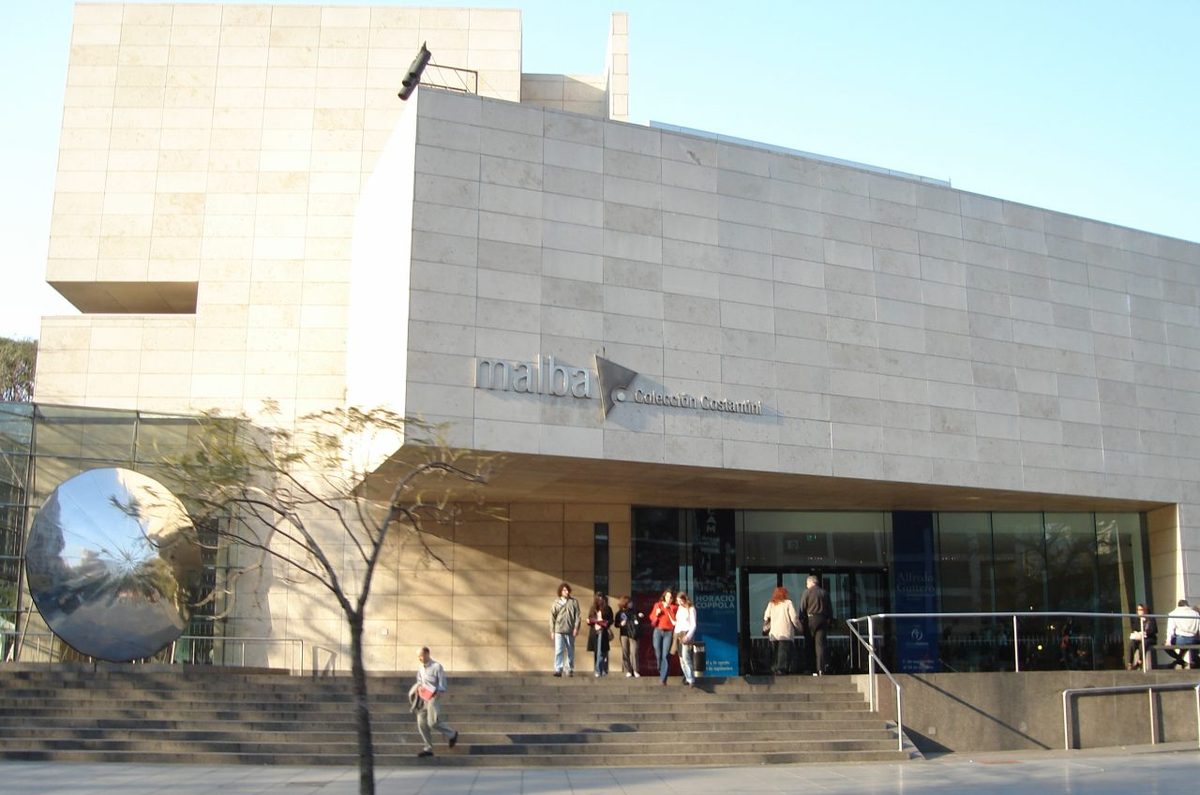
This is also MALBA’s turf. The MALBA museum on Avenida Figueroa Alcorta is the institutional anchor of the Palermo art axis, with the best Latin American collection in the city; pair a morning there with an afternoon in the commercial galleries and you’ve understood the scene.
Retiro & Recoleta: the established names
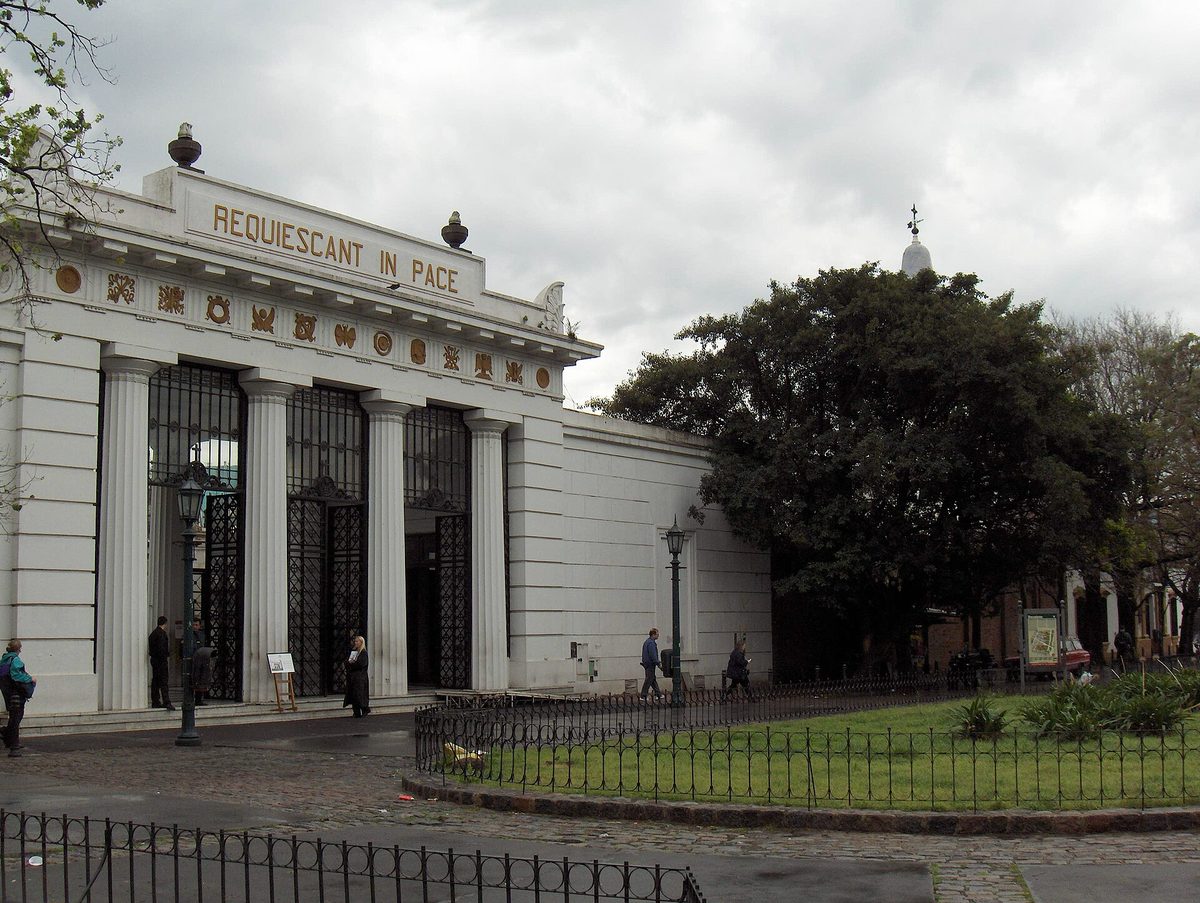
For the more blue-chip, museum-grade end of the market, head to the elegant streets of Retiro and Recoleta. The galleries here sit behind handsome facades a short stroll from the Recoleta Cemetery and the national fine-arts museum, so it’s easy to fold a circuit into a wider culture day.
Rolf Art on Esmeralda is the city’s reference point for contemporary photography and lens-based work, with a strong line in Latin American names. Del Infinito, near Plaza San Martín on Quintana, and Jorge Mara–La Ruche on Paraná round out a cluster of long-established dealers; the latter is a jewel-box space beloved for its modern and contemporary mix. These galleries are free and typically open Monday–Friday plus Saturday mornings — a useful quirk, since unlike the Villa Crespo crowd some keep weekday-leaning hours. Always verify, because small staffs and installs make schedules fluid.
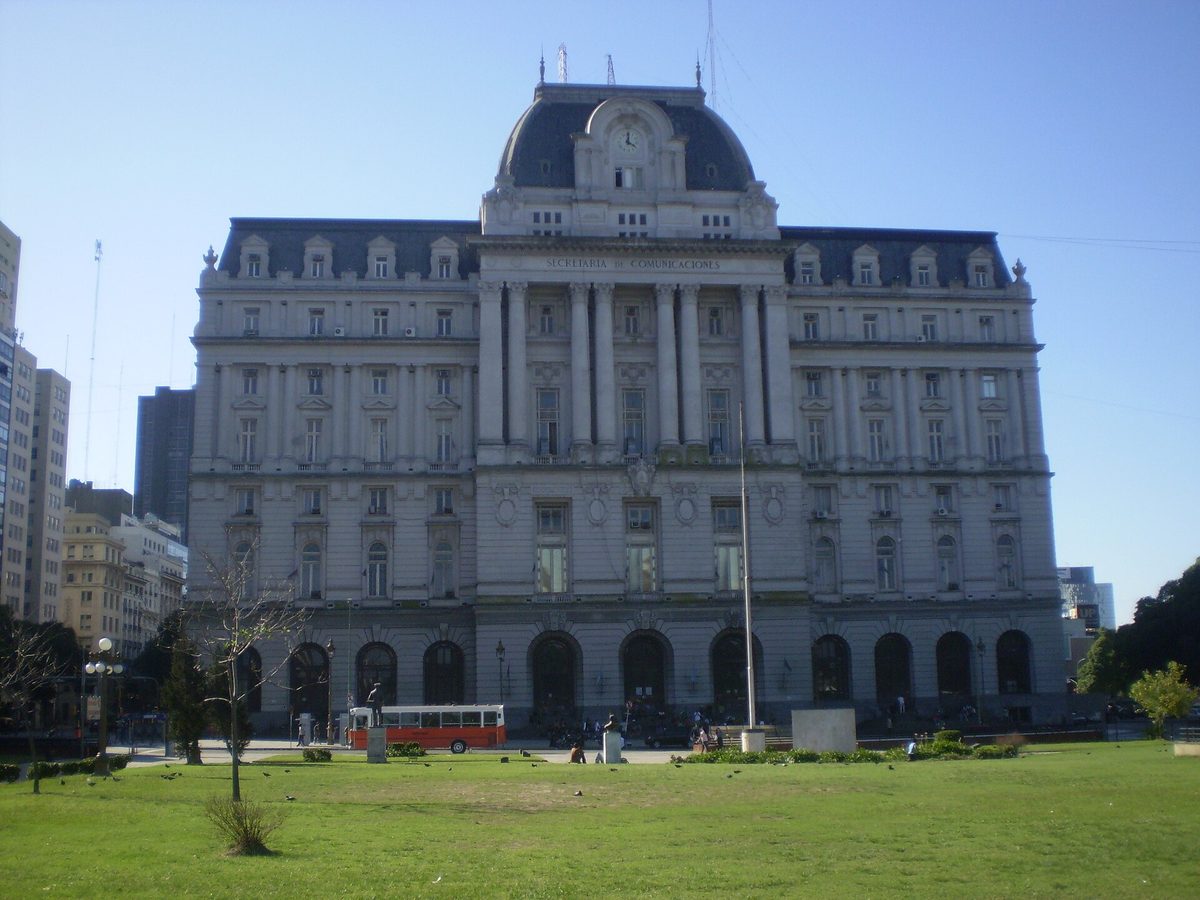
While you’re in the neighbourhood, the Museo Nacional de Bellas Artes is free and a short walk away, and the monumental former Centro Cultural Kirchner (renamed Palacio Libertad in 2024) downtown rounds out the city’s contemporary-culture offer with free exhibitions and concerts.
La Boca: Fundación Proa and the new contemporary anchor
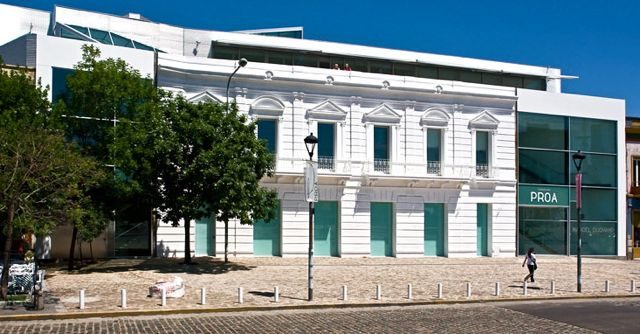
Down at the old port, near San Telmo, sits the space that single-handedly put La Boca on the contemporary map. Fundación Proa, opened in 1996 in a restored Italianate building with a glass-and-steel extension, is the closest thing Buenos Aires has to a world-class kunsthalle: a privately funded foundation that mounts serious temporary shows of international artists, plus concerts, talks and a rooftop café with cracking views over the Riachuelo. There’s a modest entry fee — the only paid stop here besides Fortabat — and it usually closes Mondays. Check current hours and what’s on; the exhibitions are worth timing a trip around.
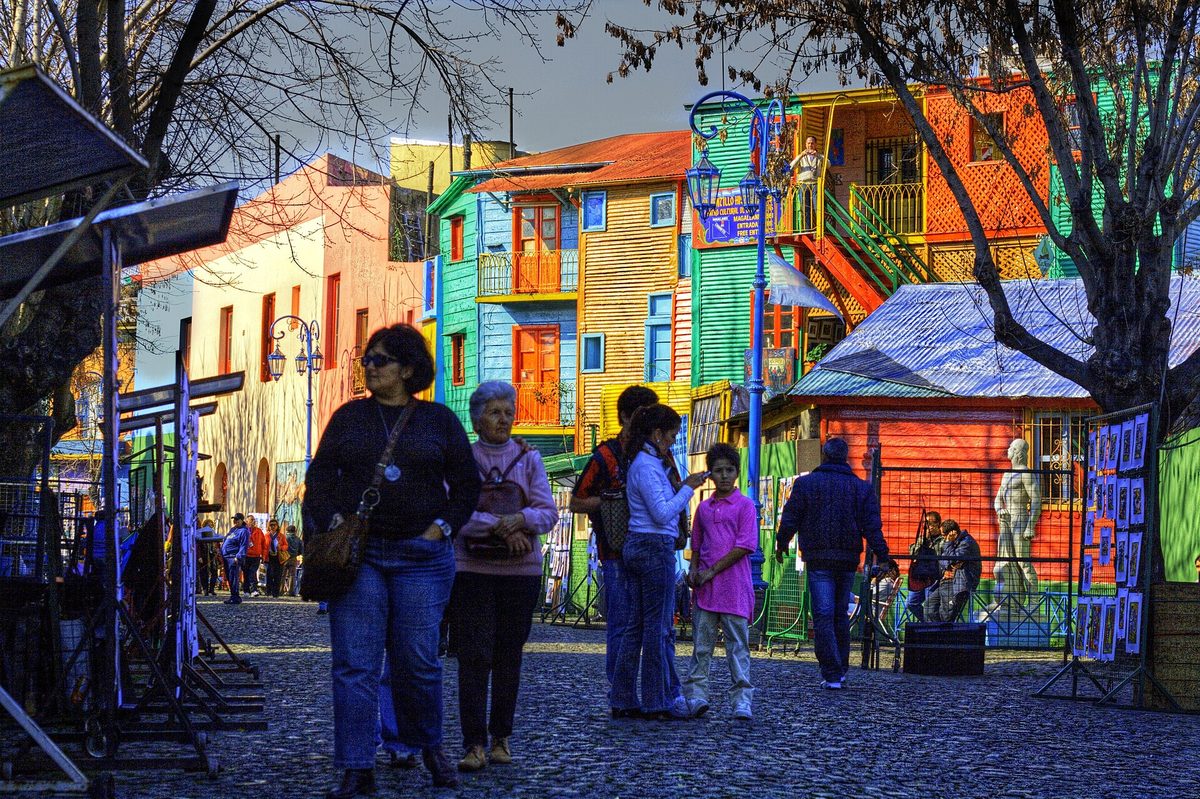
A few blocks away, Barro has become one of the most exciting commercial galleries in the country, representing the kind of young Argentine artists who end up at the Venice Biennale. The contrast is the whole appeal of La Boca: tourist-thronged, photogenic Caminito on one side; genuinely cutting-edge art on the other. Treat the murals and the galleries as one outing — it’s the most concentrated jolt of contemporary art Buenos Aires offers in a single barrio.
arteBA, Gallery Nights and the art calendar
If you can time it, come during the city’s spring art season, when the whole scene lifts a gear.
What is arteBA?
arteBA is Argentina’s flagship contemporary-art fair and one of the most important in Latin America — launched in 1991, it now gathers dozens of galleries (around 65 booths in 2025) under one roof, drawing collectors, curators and curious locals alike. It’s the single best place to take the temperature of the region’s art in a few hours. The venue and month have shifted over the years — recent editions ran in the late-winter-into-spring window (around August–September) at Centro Costa Salguero, though it was historically a May fair — so check the current dates and location first. There’s an entry fee for the fair.
Gallery Nights and La Noche de los Museos
For something free and atmospheric, two recurring events open doors after dark. Buenos Aires Gallery Nights runs roughly monthly through the year (often the last Friday) across the Retiro, Recoleta and Palermo circuits, with galleries staying open late, a courtesy glass of wine and free shuttle buses looping the route — a brilliant, low-commitment way to see a dozen spaces in an evening. Then there’s La Noche de los Museos, the city’s huge annual museum night (usually a Saturday in November), when 300-plus museums and cultural spaces open free until the small hours. Both are crowd-pleasers; confirm the year’s dates, as they move.
Colección Fortabat: art on the water
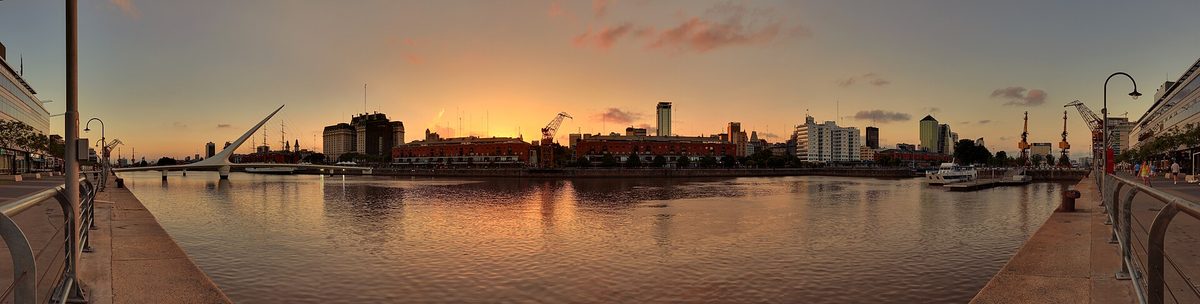
Slightly apart from the gallery circuits, in the slick docklands of Puerto Madero, the Colección de Arte Amalia Lacroze de Fortabat deserves a stop. Housed in a striking modern building by the water, this private collection of 150-odd works juxtaposes European masters — a Turner, a Klimt, a Brueghel — with major Argentine names like Antonio Berni, Xul Solar and Emilio Pettoruti, plus rotating temporary shows upstairs. It’s worth the visit for the architecture alone. Open Tuesday–Sunday, roughly midday to early evening, with a ticket; check current hours, as they shift seasonally.
Planning your gallery-hopping: practical tips
A few things I wish I’d known before my first art day in the city:
- Galleries are usually free. Commercial spaces — Ruth Benzacar, Barro, Nora Fisch, Rolf Art and the rest — cost nothing to enter. Only Fundación Proa and the Fortabat collection charge, and modestly.
- Mind the closed days. Most galleries shut Sunday and Monday, and many keep limited hours (often Tuesday–Saturday afternoons). The Retiro/Recoleta names sometimes lean to weekday hours instead. Always check before you go.
- Plan one barrio per day. The city is big and galleries are spread out. Walk a single district’s cluster, then use a taxi, Uber or the Subte to switch zones — see getting around Buenos Aires for the how.
- Pay by card. Since Argentina lifted most currency controls in 2025, foreign cards are charged near the official rate, so the old “bring a wad of blue-dollar cash” advice is outdated — though for context our blue dollar guide still helps.
- Go to an opening. Thursday and Friday evening vernissages are where you meet artists and curators — and there’s usually wine.
Who it’s for — and an honest “worth it”
Gallery-hopping here rewards the genuinely curious more than the box-tickers. If contemporary art leaves you cold, just do Proa and Fortabat for the buildings and the headline shows. But if you like an art world that’s ambitious, affordable and refreshingly unpretentious, the Buenos Aires art galleries circuit is one of the best free things to do in the city. Fold it into a broader plan with our list of things to do in Buenos Aires, and don’t miss the city’s extraordinary architecture along the way — half the fun of getting between galleries is the streets themselves.
Frequently asked questions
Are art galleries in Buenos Aires free?
Mostly, yes. Commercial galleries — Ruth Benzacar, Barro, Nora Fisch, W—Galería, Rolf Art and the rest — are free to enter; you can walk in, look and leave with no ticket. The two notable exceptions in this guide are Fundación Proa in La Boca and the Colección Fortabat in Puerto Madero, both of which charge a modest admission. Free city events like Gallery Nights add to the no-cost options.
What is arteBA?
arteBA is Argentina’s main contemporary-art fair and one of the most important in Latin America, founded in 1991. It brings together dozens of galleries (around 65 in 2025) plus collectors, curators and the public for a few days each year, usually at Centro Costa Salguero. The month has varied between roughly May and September across editions, so confirm the current dates; there’s an entry fee for the fair.
Where is the contemporary art scene in Buenos Aires?
It’s spread across several barrios rather than one district. The densest contemporary clusters are in Villa Crespo and Palermo (Ruth Benzacar, SlyZmud, Gachi Prieto), with established galleries in Retiro and Recoleta (Rolf Art, Del Infinito, Jorge Mara) and a cutting-edge pocket in La Boca around Fundación Proa and Barro. San Telmo adds emerging, raw spaces. Pick one area per day.
What is Fundación Proa?
Fundación Proa is a privately funded contemporary-art centre in La Boca, opened in 1996 in a restored Italianate building on the waterfront. It functions like a kunsthalle, mounting major temporary exhibitions of international and Argentine artists alongside concerts, talks and a rooftop café. It’s one of the most important contemporary-art spaces in the city; expect a small entry fee and a Monday closure, but check current details.
Final thoughts
The genius of the gallery scene here is how unguarded it feels. You can wander into a Villa Crespo hangar showing one of the country’s best artists, spend twenty minutes alone with the work, and pay nothing for the privilege. Do it the local way — one barrio at a time, midweek, with an opening or a Gallery Night if you can — and the Buenos Aires art galleries will give you a sharper sense of the city than any monument. Just remember: never on a Monday.
Photo credits
- Fundación Proa, La Boca — Photo: Fundación PROA (CC0 / Public domain) via Wikimedia Commons.
- La Boca / Caminito waterfront — Photo: Luis Argerich (CC BY 2.0) via Wikimedia Commons.
- MALBA, Palermo — Photo: Galio (CC0 / Public domain) via Wikimedia Commons.
- Puerto Madero waterfront — Photo: Martin St-Amant (S23678) (CC BY-SA 3.0) via Wikimedia Commons.
- Palermo streetscape — Photo: Roberto Fiadone (CC BY-SA 4.0) via Wikimedia Commons.