Last updated: June 2026 · Written by the Buenos Aires Tourism editorial team, who have pushed a stroller through the Bosques de Palermo on a Sunday morning and learned the hard way that a 9pm dinner reservation is no obstacle when porteño toddlers are still wide awake at midnight.
Buenos Aires family hotels: the short answer
The best buenos aires family hotels cluster in four barrios: Recoleta and Puerto Madero for polished comfort and pools, Palermo for green space and easy strolling near the parks, and Belgrano for quiet, residential, longer stays. Look for connecting rooms, a pool, real floor space and ideally a kitchenette — or skip hotels altogether for an apart-hotel. Below I map out where to base your family and why.
Buenos Aires is one of the most genuinely child-friendly big cities I know. Porteños take their kids everywhere — to dinner at 10pm, to the plaza after dark — so nobody blinks at a pram in a restaurant or a toddler mid-meltdown at the next table. A good family trip here is less about the single hotel you pick and more about which neighbourhood, and how much space you can buy for your money. The peso swings hard, so I quote rough tiers and tell you to check live rates.
If you are still weighing up the whole city, start with our complete guide to where to stay in Buenos Aires for the big-picture lay of the land. This guide narrows the focus to families: the best barrios, what actually makes a hotel work with kids, the apart-hotel shortcut, and budget tiers.
The best areas to stay in Buenos Aires with kids
Pick the barrio first; the hotel second. For families I keep coming back to the same four, each with a different trade-off between green space, polish, price and quiet. Here is how they compare at a glance.
| Area | Why it works for families | Vibe |
|---|---|---|
| Recoleta | Central, safe-feeling, walkable to parks and museums; grown-up hotels with pools and connecting rooms | Elegant, calm, European |
| Palermo | Steps from the big parks, lake and playgrounds; leafy streets, kid-friendly cafes, the zoo and planetarium nearby | Trendy, green, lively |
| Puerto Madero | Traffic-light, pram-friendly promenades; modern apart-hotels with pools; the ecological reserve on the doorstep | Sleek, spacious, safe |
| Belgrano | Residential and quiet, good value, real-neighbourhood feel; great for longer or repeat stays | Local, leafy, low-key |
Palermo: parks, playgrounds and space to run
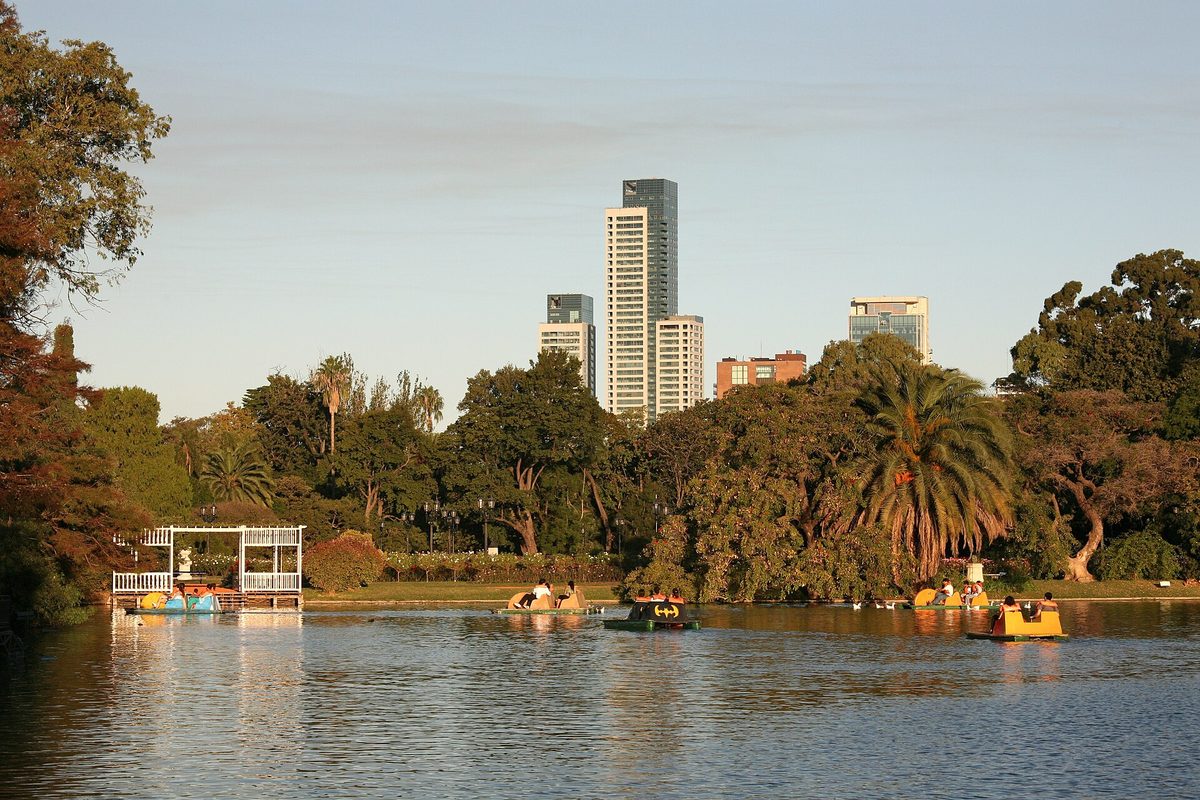
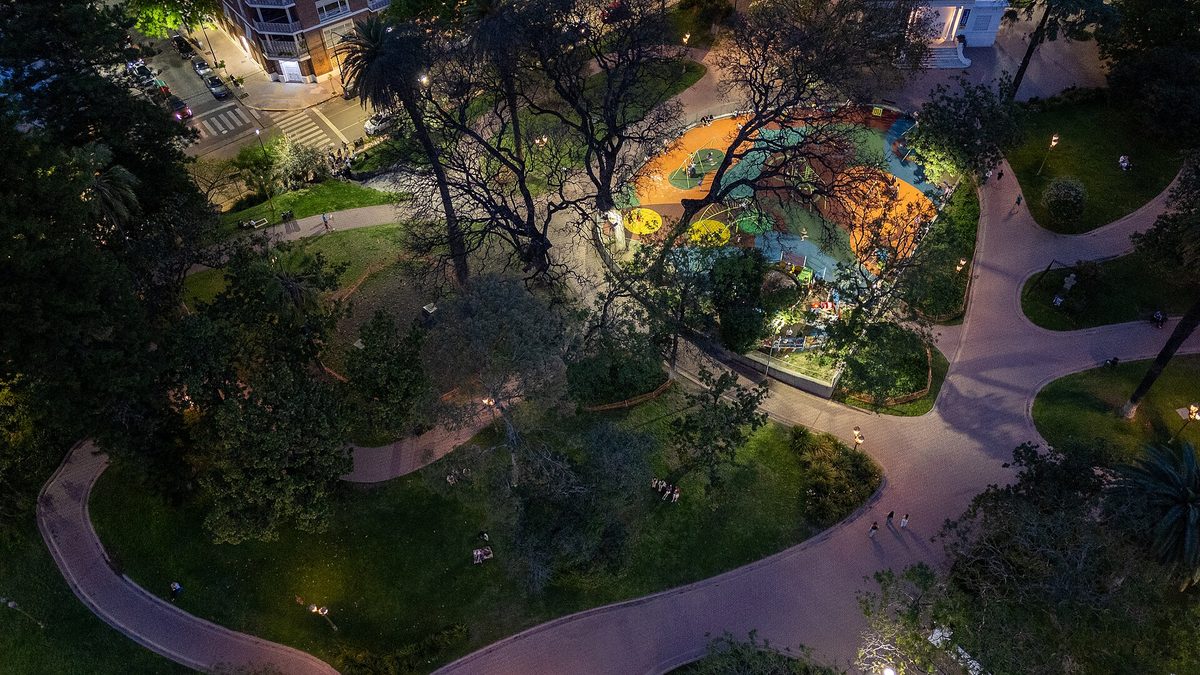
If your children need to burn energy, Palermo is the obvious base. It has the city’s highest concentration of parks, and the Bosques de Palermo (Parque Tres de Febrero) gives you a lake with pedalos, open lawns, a rose garden and a clutch of playgrounds, plus the zoo (Ecoparque) and the planetarium close by. The standout playground for many families is the huge, tree-themed Plaza Intendente Casares. Stay in Palermo Soho or Hollywood for cafes and restaurants, or quieter Palermo Chico/Botánico for calm streets right by the green. Family-friendly hotels here include the boutique Fierro Hotel and Mine Hotel, both with connecting rooms and cribs. See our guide to Palermo for the full barrio, and our roundup of Buenos Aires parks and gardens for the green spaces.
Recoleta: polished, central and easy
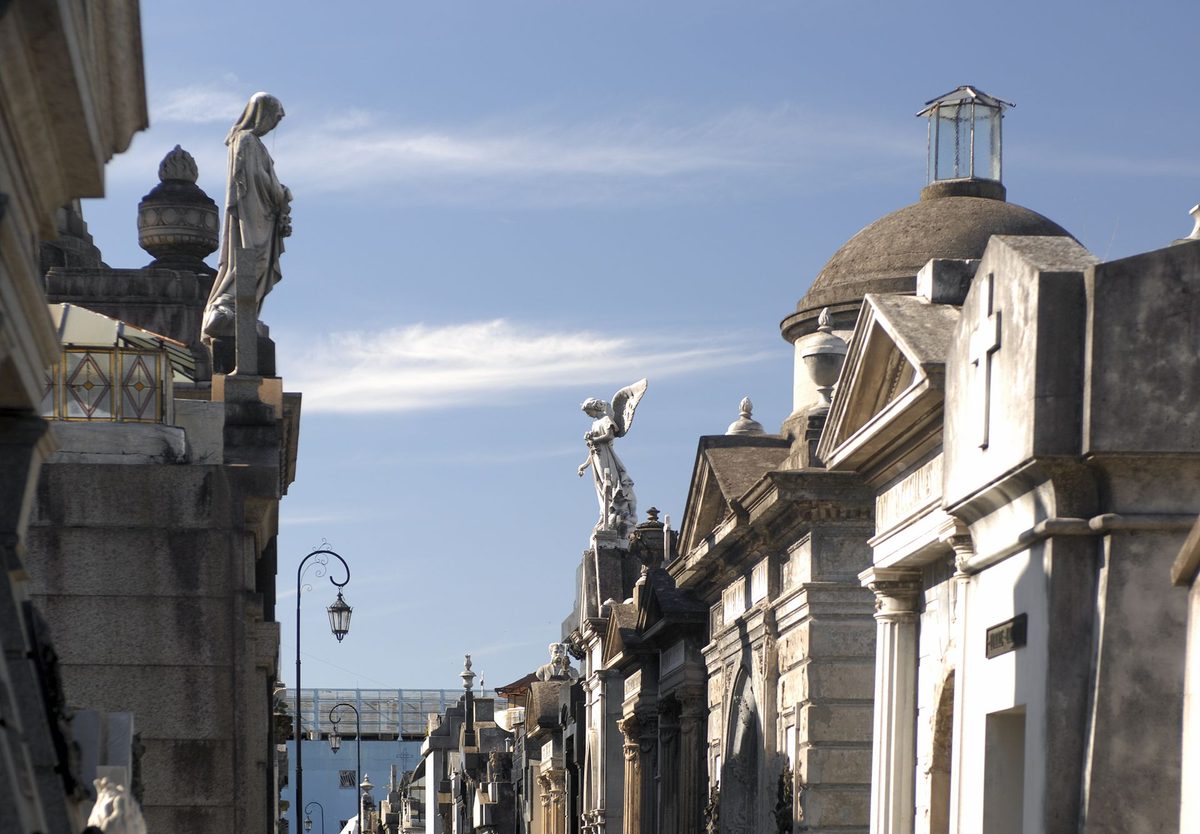
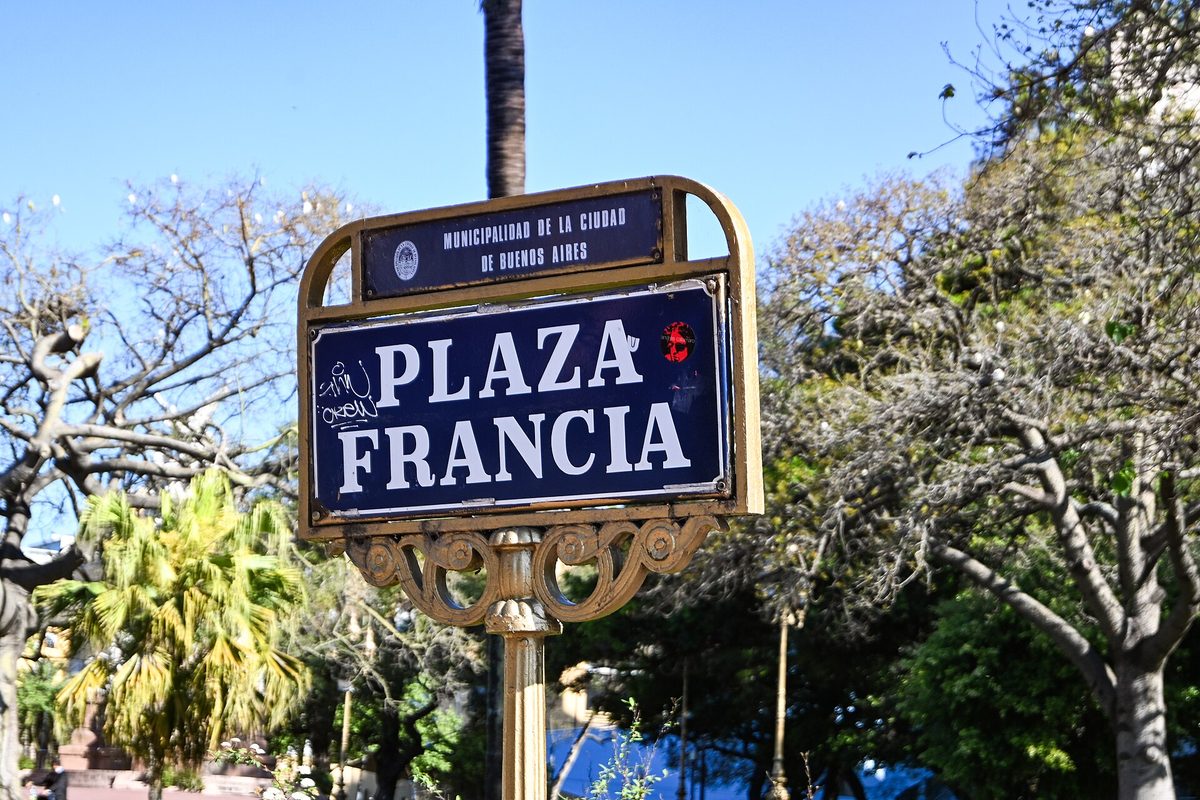
Recoleta is my default recommendation for first-time families who want everything close and a calmer night-time feel than Palermo. It is central, safe-feeling and walkable, with grand parks (Plaza Francia, the lawns below the cemetery) where local families gather at weekends, plus the natural-science museum and a string of cultural centres for rainy days. Hotels here skew upmarket and, crucially, many of the bigger ones have pools and connecting rooms — think the Palladio MGallery for connecting rooms and an outdoor pool, or grand options like the Alvear Palace if budget is no object. The trade-off is price and quieter evenings. Dig deeper in our guide to Recoleta.
Puerto Madero: pram-friendly and modern
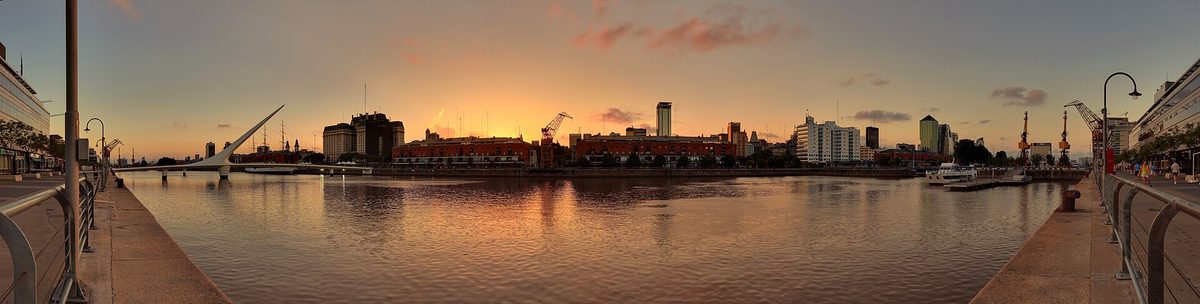
Puerto Madero is the city’s newest, glossiest district — reclaimed docklands turned into wide, flat, traffic-light promenades that are a dream with a stroller. It is widely considered the safest-feeling barrio, the apartments and apart-hotels are modern and spacious (many with pools and full kitchens), and the Reserva Ecológica — a huge riverside nature reserve with trails and birdlife — sits on the doorstep. The downside: it can feel a touch corporate, with fewer everyday shops and a longer walk to the historic core. The City Madero is a popular apart-hotel here. More in our Puerto Madero guide.
Belgrano: quiet, residential, good value
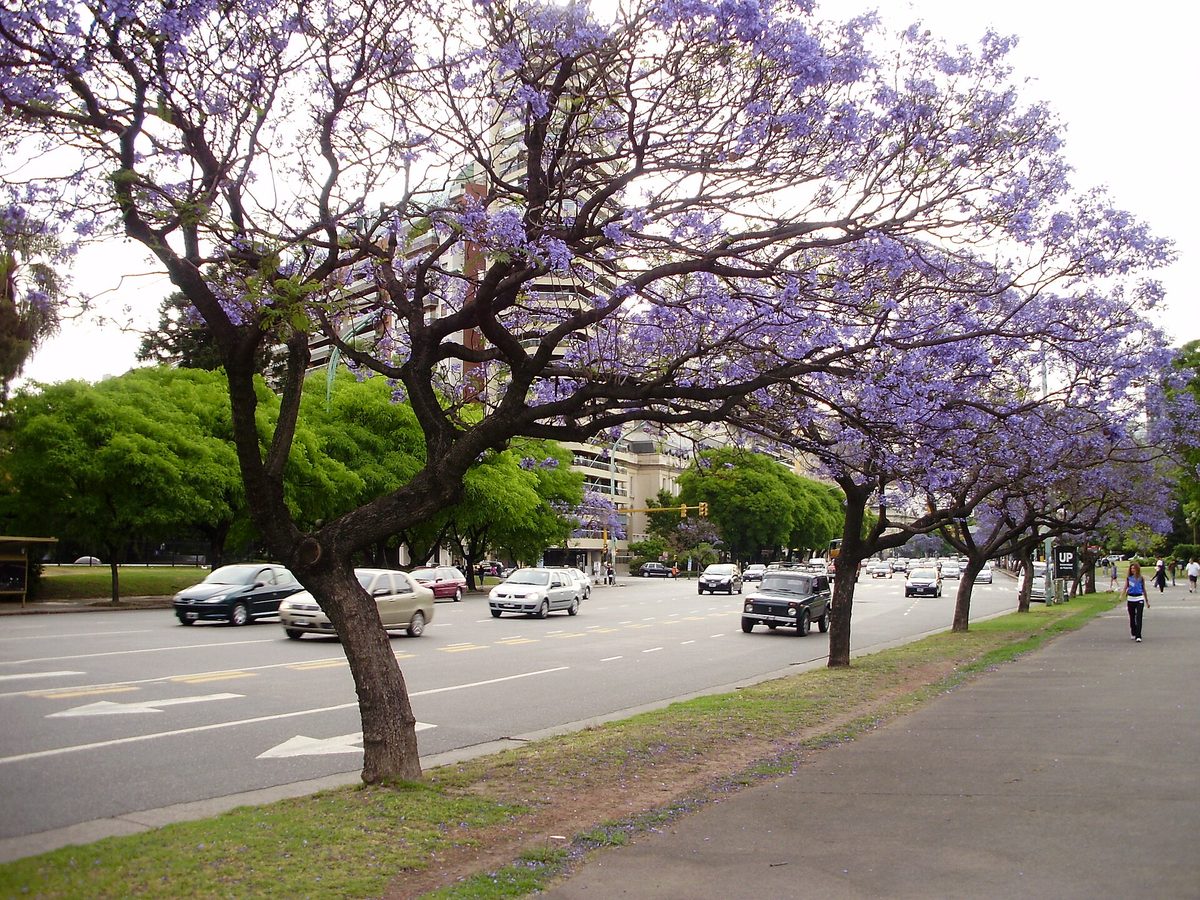
For longer stays or a second visit, Belgrano is my under-the-radar pick. It is a genuine residential barrio — leafy streets, a Chinatown (Barrio Chino) the kids will love for its bubble tea and dragon arch, good playgrounds, and the Barrancas de Belgrano park — with calmer prices than Palermo or Recoleta and a strong neighbourhood feel. You give up a little buzz and central convenience, but you gain space and a more local rhythm. Read our Belgrano guide for the detail. If safety is front of mind when choosing, our overview of the safest areas to stay in Buenos Aires ranks them all.
What actually makes a hotel family-friendly here
“Family-friendly” on a booking site can mean almost nothing, so I look for specifics. In Buenos Aires, these are the features that genuinely change a trip with children.
- Connecting or interconnecting rooms. The single most useful feature — two rooms with a private internal door beat one cramped room with a cot. Palladio MGallery, Fierro and Mine all offer them; ask explicitly when you book, as availability is limited.
- A pool. Buenos Aires summers (December–February) are hot and humid, and an afternoon swim resets cranky kids. Pools are common in the bigger Recoleta, Puerto Madero and Retiro hotels, less so in small boutiques.
- Space and a kitchenette. Hotel rooms here can be small. A sofa bed, a separate sitting area or a kitchenette (for early breakfasts and warming milk) makes a real difference — which is exactly where apart-hotels shine.
- Cribs, high chairs and babysitting. Free cribs are widely offered; high chairs (sillita alta) are less reliable in restaurants, so a hotel that provides one is a bonus. Several upmarket hotels arrange vetted babysitting.
- Proximity to parks and a playground. Being within a short walk of green space is worth more than almost any in-hotel amenity. Prioritise it.
- A lift and step-free access. Older buildings have tiny or no elevators and narrow doors — a real issue with a bulky pram. Check before booking.
Apart-hotels: the smart family option
For any family trip over two or three nights, I almost always choose an apart-hotel over a standard room. These are serviced apartments with a hotel front desk: a separate bedroom (or two), a living area, a kitchen or kitchenette and usually a washer, plus regular housekeeping, reception and often a pool and gym. For families that means space to spread out, the freedom to do an early kids’ dinner in, laundry mid-trip, and a budget that stretches further than two hotel rooms.
Puerto Madero and Palermo have the best modern stock; Recoleta and Belgrano have plenty too. Expect to pay roughly USD 150–400 a night for a smart two-bedroom apartment in a prime barrio, less in Belgrano or for longer stays — but rates move with the peso, so check live prices. For the full rundown, see our dedicated guide to the apart-hotel in Buenos Aires scene, and weigh it against booking a private flat in our Buenos Aires Airbnb guide. To compare barrios head-to-head before you commit, our best area to stay in Buenos Aires guide lays them side by side.
Rough budget tiers (and a peso warning)
Argentina’s prices swing with inflation and the exchange rate, so treat these as ballpark per-night figures for a family room or small apartment in a good barrio, and always check current rates before you book. Paying by card or app generally tracks a fair rate now, but cash dynamics still shift fast.
- Budget (around USD 60–110): simple 3-star hotels, a family room, or a modest apart-hotel — often in Belgrano, Congreso or the quieter edges of Palermo. Buffet breakfast common; pools rarer.
- Mid-range (around USD 120–220): comfortable 4-star hotels and good two-bedroom apart-hotels with a pool, in Palermo, Recoleta or Puerto Madero. The family sweet spot.
- Upmarket (USD 250–500+): five-star hotels and large luxury apartments with full amenities, in Recoleta, Puerto Madero or Palermo Chico. Suites, connecting rooms and serious pools.
Travelling with kids usually pushes you up a tier simply because you need the space — which is the strongest argument for an apart-hotel. For a fuller breakdown of what a trip costs, see our where to stay in Buenos Aires overview.
Practical tips for staying in Buenos Aires with kids
A few hard-won, on-the-ground notes that make family stays smoother here.
- Dinner is late — lean into merienda. Restaurants barely open before 8pm and fill up at 9:30 or 10. Locals bridge the gap with merienda, a late-afternoon tea around 4–5pm with medialunas or a tostado. Do the same, then either eat an early-ish dinner in a cafe (which serve continuously) or accept the late, child-welcome restaurant rhythm. Nobody minds kids out late here.
- Pack a light, foldable stroller. Pavements are uneven, some are narrow, and older lifts are tiny — a compact pram (the Babyzen Yoyo is ubiquitous locally for a reason) beats a bulky travel system. Many playgrounds and parks are excellent once you arrive.
- Use taxis and rideshare over the Subte with little ones. The subway is cheap and fast but few stations have lifts, making it a struggle with a stroller. Radio taxis, Uber and Cabify are inexpensive and far easier. Under-4s generally ride public transport free.
- Tap water is safe to drink, which simplifies bottles and brushing teeth.
- Build the day around a park. Pin your hotel near green space and plan a morning or late-afternoon park visit — it is the single best way to keep porteño-late evenings from wrecking everyone’s mood. Our Buenos Aires with kids guide is packed with family activities to slot in.
Frequently asked questions
What is the best area to stay in Buenos Aires with kids?
Recoleta is the easiest all-round base — central, safe-feeling and walkable, with parks and museums close by. Palermo wins if you want green space and playgrounds on the doorstep, Puerto Madero for pram-friendly, modern, safe-feeling apart-hotels, and Belgrano for quiet, good-value longer stays. Pick the barrio for its parks and feel first, then the hotel.
Are there family hotels in Buenos Aires with connecting rooms and a pool?
Yes. The Palladio Buenos Aires MGallery in Recoleta is a popular pick with connecting rooms, cribs and an outdoor pool, while Palermo boutiques like Fierro Hotel and Mine Hotel offer connecting rooms. Bigger hotels in Recoleta, Retiro and Puerto Madero are your best bet for a proper pool. Always confirm connecting-room availability directly, as it is limited.
Is Buenos Aires safe and good for families?
Buenos Aires is one of the most family-oriented cities in South America — children are welcome everywhere, tap water is safe, and barrios like Recoleta, Palermo, Belgrano and especially Puerto Madero feel safe and calm. Use normal big-city street sense, prefer taxis or rideshare at night, and you will find it a relaxed, welcoming place to travel with kids.
Are apart-hotels good for families in Buenos Aires?
They are often the best choice. Apart-hotels give you a separate bedroom, a living area, a kitchen or kitchenette and frequently a pool, plus hotel-style reception and housekeeping — ideal for early kids’ dinners, laundry and simply more room. They usually cost less than booking two hotel rooms, making them a smart pick for stays of three nights or more.
What time do families eat dinner in Buenos Aires?
Late. Restaurants open around 8pm and get busy by 9:30 or 10, and locals routinely dine with young children well past that. Bridge the gap with merienda (a 4–5pm tea), then either eat early at a cafe, which serves continuously, or embrace the late, child-friendly culture. High chairs are not guaranteed, so a stroller doubles as a seat.
Final thoughts
Buenos Aires rewards families who choose space and green over a fancy lobby. Base yourself in Recoleta or Palermo for the easiest all-round trip, Puerto Madero for pram-friendly polish, or Belgrano for a quieter, better-value stay — and seriously consider an apart-hotel for the room to breathe. Lock in connecting rooms or a kitchenette, stay near a park, lean into the late-dinner rhythm with an afternoon merienda, and the city will charm the whole family. When you are ready to compare every barrio in detail, our where to stay in Buenos Aires guide is the place to start.
Photo credits
- Bosques de Palermo lake — photo by Alex Proimos, CC BY 2.0, via Wikimedia Commons.
- Plaza Francia, Recoleta — photo by ProtoplasmaKid, CC BY-SA 4.0, via Wikimedia Commons.
- Puerto Madero and the Puente de la Mujer — photo by Martin St-Amant (S23678), CC BY-SA 3.0, via Wikimedia Commons.
- Barrancas de Belgrano park — photo by ProtoplasmaKid, CC BY-SA 4.0, via Wikimedia Commons.