My education in Buenos Aires football began with a classic foreigner’s mistake. The first time I tried to see a match here, I showed up at the gates of a mid-table club with a fistful of pesos, certain that money would solve the problem, and got a steward’s patient pity — the look you’d give a lost tourist asking where the beach is. There is no beach. And for the biggest clubs, there is no ticket window for people like me. What there is instead is one of the most intense, deafening, joyful sporting cultures on the planet — and a slightly absurd set of rules you have to learn before you can step inside it.
Buenos Aires football is the beating heart of the world’s most passionate football city, but getting into a Boca Juniors or River Plate match as a tourist is genuinely difficult. Both clubs sell almost exclusively to members (socios), so most visitors go through a tour operator that includes a ticket, transport and a guide, or pick a smaller club that sells to the public. Stadium tours are the easy, reliable alternative.
This guide is the one I wish I’d had before that first humbling evening at the gates. After years of living here and dragging visiting friends to matches across the city, I’ll walk you through how the ticket system actually works in 2026, how real travelers get into games, what it all costs, the two cathedrals (La Bombonera and El Monumental), the smaller clubs that welcome you with open arms, the Superclásico, the safety stuff that actually matters, and how to behave so you blend in rather than stand out. If you’re still shaping your trip, pair this with our guide to things to do in Buenos Aires and our overview of the city’s neighborhoods, because where you base yourself shapes which stadiums you’ll realistically reach.
Why football in Buenos Aires is unlike anywhere else
People throw around the phrase “football-mad” for a lot of cities, but Buenos Aires operates on a different frequency entirely. This is a city of roughly three million people in the core (around fifteen million across greater Buenos Aires) that supports more professional clubs than anywhere else on earth — well over a dozen in the top divisions alone, scattered across the barrios so densely that you’re rarely more than a few kilometres from somebody’s cathedral. Football here isn’t a weekend entertainment option. It’s identity, inheritance, religion, and a running argument that never ends.
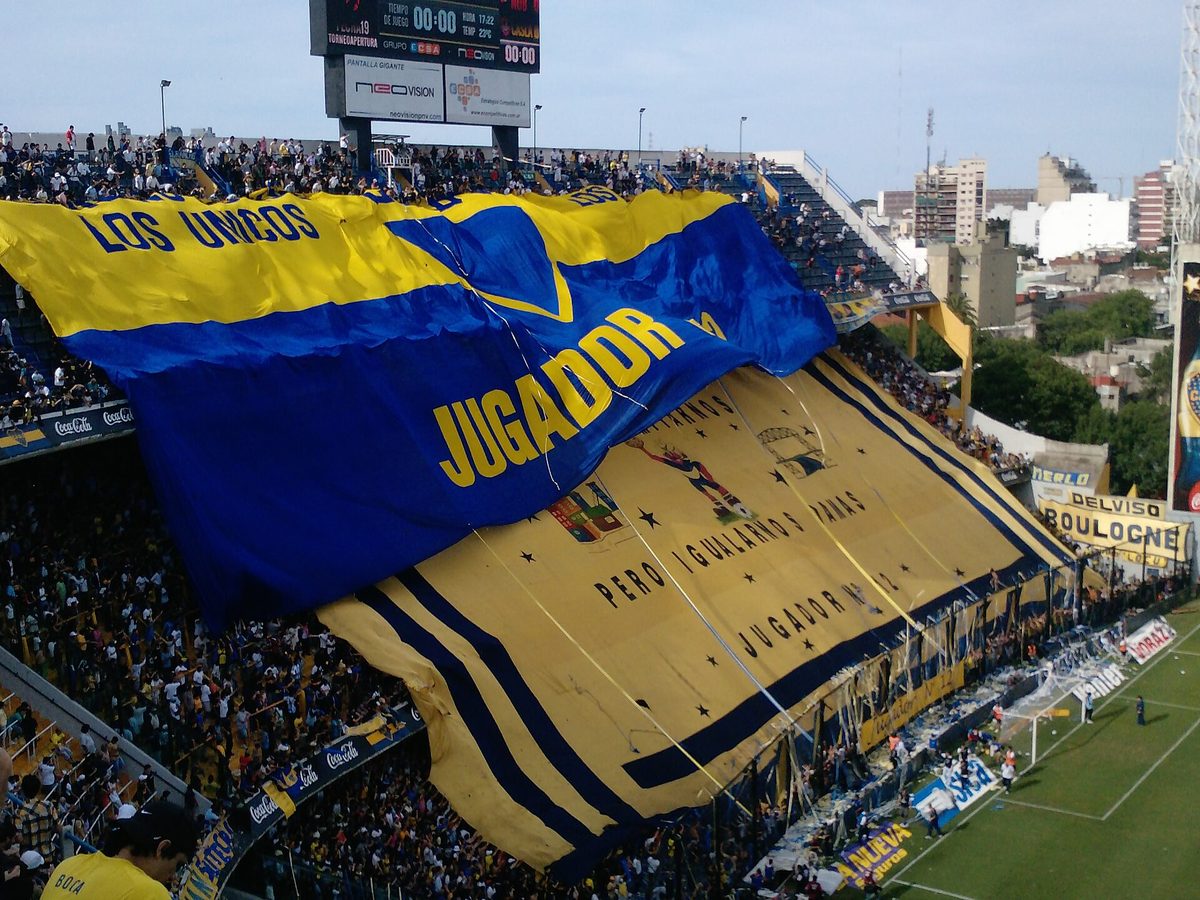
What makes it feel so different from a match back home is that the fans are the show. There’s no piped-in music, no kiss cam, no halftime act. Instead you get ninety minutes of unbroken singing, whole terraces bouncing in unison, bass drums (bombos) keeping time, streamers and tickertape raining down at kickoff, and chants with proper melodies and verses that everyone — grandmothers, kids, the lot — somehow knows by heart. The first time the home end erupts, the sound hits you in the chest. It’s genuinely overwhelming, in the best way.
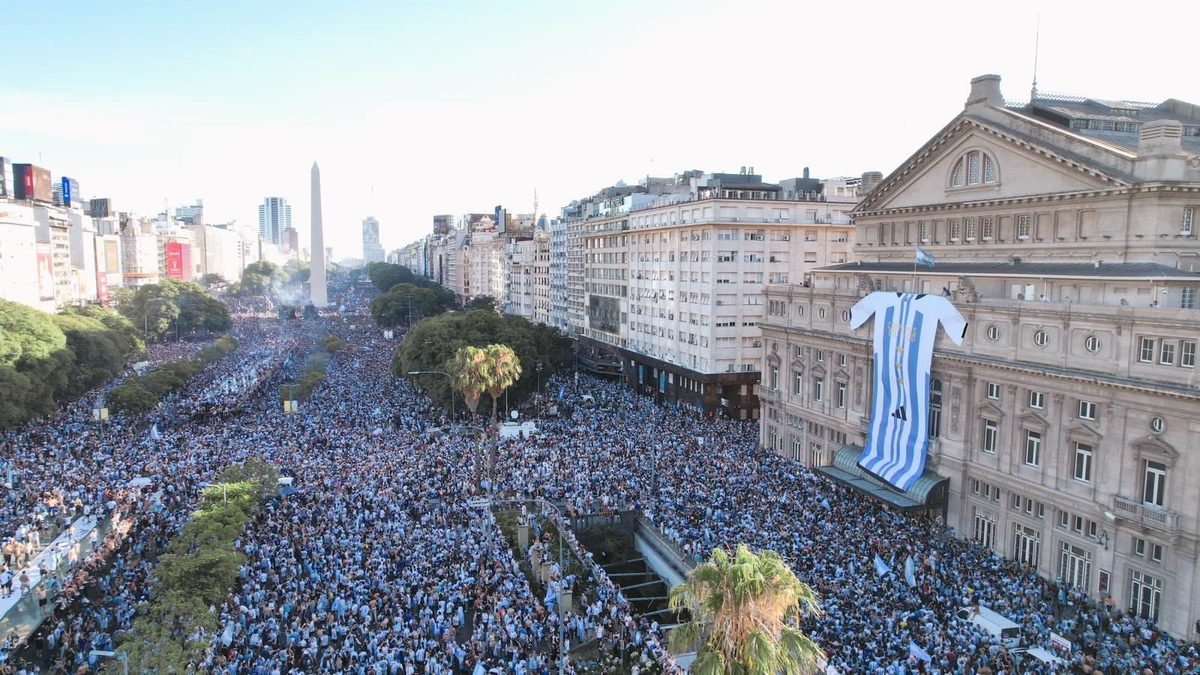
It helps to understand the emotional backdrop, too. Argentina won the 2022 World Cup, and the joy of that night still hangs in the air — over a million people poured onto the streets around the Obelisco, and you’ll still see the three-star jersey everywhere. Diego Maradona, who died in 2020, is treated as something close to a saint, and Lionel Messi is the living proof that this football-obsessed country keeps producing the best on earth. When you walk into a stadium here, you’re walking into the culture that made both of them.
Buenos Aires football clubs at a glance
Here’s a scannable map of the city’s main clubs to orient you before we go deep. “Tourist access” is my rough read on how realistic it is to get into a normal league match without an operator — Boca and River are the hardest; the rest range from doable to easy. Capacities are approximate and a couple of stadiums are mid-expansion, so treat them as ballpark.
| Club | Stadium | Neighborhood | Nickname | Capacity (approx.) | Tourist access |
|---|---|---|---|---|---|
| Boca Juniors | La Bombonera | La Boca | Xeneizes | ~57,000 | Very hard (operator) |
| River Plate | El Monumental | Núñez | Millonarios | ~85,000 | Very hard (operator) |
| San Lorenzo | Nuevo Gasómetro | Bajo Flores | El Ciclón | ~47,000 | Moderate |
| Racing Club | El Cilindro | Avellaneda | La Academia | ~55,000 | Moderate |
| Independiente | Libertadores de América | Avellaneda | El Rojo | ~48,000 | Moderate |
| Vélez Sarsfield | José Amalfitani | Liniers | El Fortín | ~49,000 | Easier |
| Argentinos Juniors | Diego A. Maradona | La Paternal | El Bicho | ~26,000 | Easy (public + tours) |
| Huracán | Tomás A. Ducó | Parque Patricios | El Globo | ~48,000 | Easier |
Don’t get too hung up on the exact seat numbers — Argentine clubs renovate constantly and the figures shift. The takeaway is simpler: the two giants are the bucket-list experience and the hardest to crack, while the historic “grandes” like San Lorenzo, Racing and Independiente, plus friendly mid-size clubs like Vélez, Huracán and Argentinos, give you the same electric atmosphere with a fraction of the hassle.
The big two: Boca Juniors and River Plate
You can’t talk about football in this city without starting here. Boca and River are two of the most successful and storied clubs in South America, and their rivalry — the Superclásico — is regularly called the greatest derby on earth. Locals will tell you the country is split roughly seventy-thirty in Boca’s favor, but in Buenos Aires itself it feels closer, and the two grounds could not be more different in character.
Boca Juniors and La Bombonera
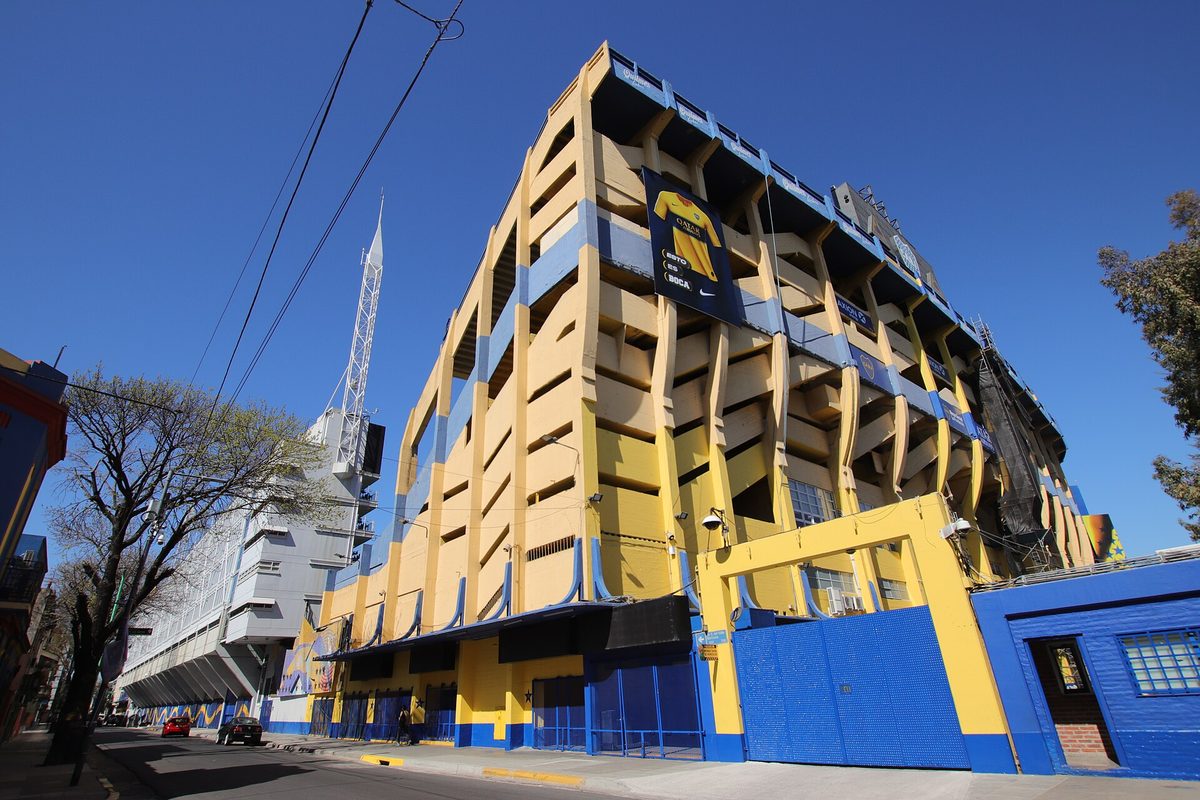
La Bombonera is the one stadium every football fan should try to see in person. Officially the Estadio Alberto J. Armando, it earned its nickname — “the chocolate box” — from its strange, lopsided shape: three steep, near-vertical stands and one flat wall, the result of being crammed into a tight grid of streets in the working-class barrio of La Boca. That cramped geometry is the whole point. The stands sit almost on top of the pitch, and when the crowd jumps in unison the structure visibly flexes. There’s a famous line, often attributed to the writer who studied it, that “La Bombonera doesn’t shake — it beats.” Stand inside it during a goal and you’ll understand why people get religious about the place.
Boca’s hardcore support is known as La Doce — “the twelfth man” — and the club’s fans are the Xeneizes, a nod to the Genoese immigrants who founded the club in 1905. The colors, blue and gold, supposedly came from the flag of the first ship to sail into the harbor. Capacity sits somewhere around 57,000 these days, and the club has approved a long-discussed plan to expand the ground toward 80,000 while keeping its iconic shape — work that’s expected to get underway around 2026, so don’t be surprised to see construction hoardings when you visit. For the full breakdown of getting in, see our dedicated guide to Boca Juniors tickets for tourists.
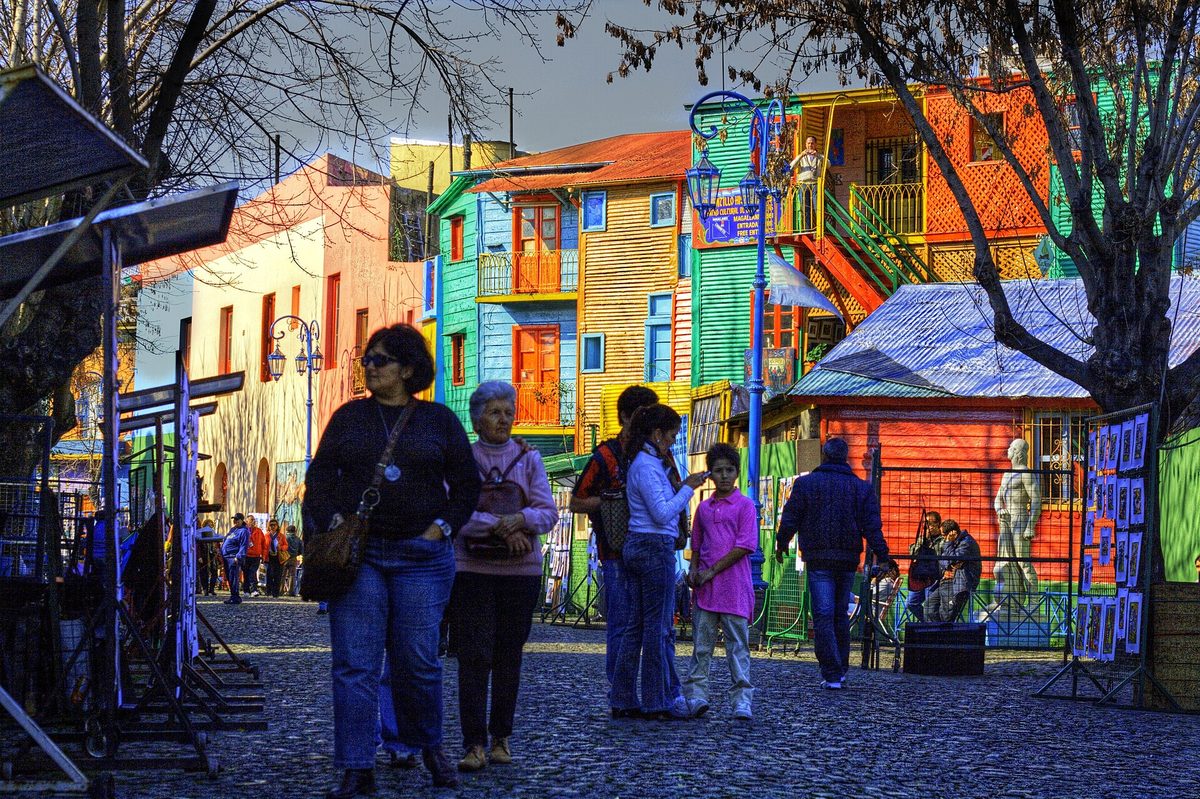
La Boca itself is a complicated neighborhood. The stretch around the Caminito is a colorful tourist magnet by day, but the wider barrio is rough around the edges and not a place to wander after dark or on match day with your guard down. I’ll come back to safety later; for now, just know that this is the one area where I’d strongly suggest going with a guide rather than freelancing.
River Plate and El Monumental
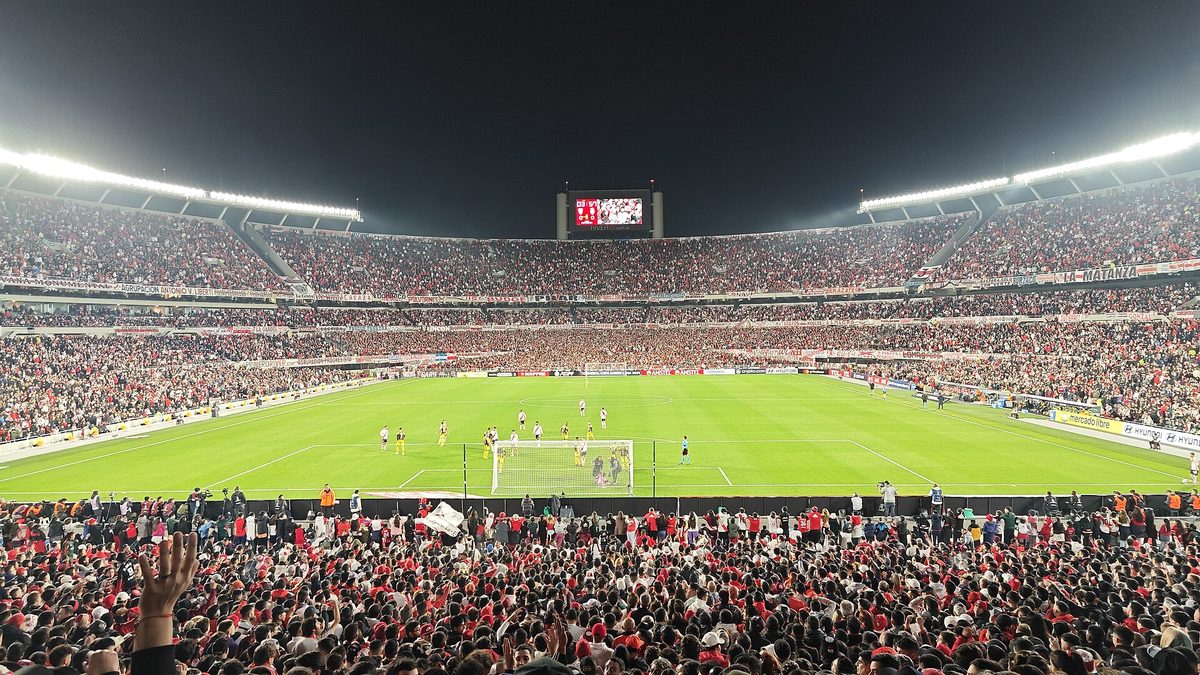
If La Bombonera is intensity compressed into a shoebox, El Monumental is grandeur. Officially the Estadio Más Monumental (Antonio Vespucio Liberti), River’s home in the leafy, upmarket northern barrio of Núñez is the largest stadium in South America, with a capacity around 85,000 after a major renovation. It hosted the 1978 World Cup final, and there are firm plans to expand it further — toward the 100,000 mark with a full roof — in a multi-year project, so its profile is only going to grow. It’s a different kind of awe: a vast bowl that, when full, becomes a sea of white and red.
River’s fans are the Millonarios — “the millionaires,” a tag from a big-spending era in the 1930s that Boca fans still use as an insult and River fans wear with pride. The supporters’ culture is known as La Banda, after the red sash (la banda roja) that slashes across the white shirt. River has won the Copa Libertadores, South America’s Champions League, four times, and the trophy room reflects a club that thinks of itself as the country’s most elegant. To plan a visit, our guide to River Plate match tickets covers the realistic routes in.
Getting to the Monumental is part of the experience: most people take the Mitre line train from Retiro up to the Núñez area, or a taxi/ride app. It’s a proper outing to the edge of the city rather than a downtown stroll, which is worth factoring into your plans. Our guide to getting around Buenos Aires explains the trains, the SUBE card and the ride apps you’ll lean on.
The hard truth about tickets: the members-only system explained
This is the part nobody explains properly before you arrive, so let me be blunt. For Boca and River league matches, there is no general ticket sale. Tickets go to socios — paying club members — and the waiting list to become a member runs many years long. The overwhelming majority of seats never reach the open market at all. When you read that a match is “sold out,” what it really means is that it was distributed to members and was never on sale to you in the first place.
So how do tourists get in? Through a grey market that everyone knows about and nobody officially endorses. Members who can’t attend a given match lend or rent out their membership cards, and tour operators bundle those cards with a ticket, hotel pickup, transport and an English-speaking guide. You go in on someone else’s membership, essentially. It works, it’s how the vast majority of visitors see Boca and River, and it’s the reason a ticket that might have a modest face value ends up costing many times more once it reaches you.
Here’s what you should not do: buy from someone on the street outside the stadium, or from a sketchy international resale site. Fake member cards are everywhere, there are usually multiple police and security checkpoints between the street and your seat, and a card that doesn’t match your face (or simply doesn’t scan) means you’ve paid for nothing and you’re standing on the pavement listening to the roar from outside. I’ve watched it happen. If a deal sounds suspiciously cheap, it is.
How tourists actually get into a match
There are really three sensible routes, depending on which experience you want.
1. A match-day package through a reputable operator. This is the standard play for Boca and River. A good operator handles the membership-card logistics, picks you up, feeds you the pre-game ritual, guides you in and — crucially — gets you out safely afterward. You pay a premium for all of that, but for a first-timer at La Bombonera it’s money well spent. Our matchday walkthrough, a tourist’s survival guide to a Buenos Aires football match, covers what these packages include and how to vet one.
2. Pick a smaller club that sells to the public. This is my favorite tip and the one most guides bury. Plenty of big, historic clubs — San Lorenzo, Racing, Independiente, Vélez, Huracán, Argentinos Juniors — do sell tickets to non-members for most league games, sometimes online and sometimes at the box office a few hours before kickoff. The atmosphere is every bit as ferocious, the prices are a fraction of a Boca package, and you’ll often be the only foreigner in your section. For the full menu, see our rundown of how to actually attend a match.
3. A hospitality or VIP package direct from the club. Both Boca and River sell premium experiences (boxes, hospitality seats) that are legitimately available to visitors at a high price. If budget isn’t the constraint and you want the guaranteed, above-board route into the big two, this is it.
What football costs in Buenos Aires in 2026
Prices here are a moving target — agencies usually quote in US dollars, demand swings wildly, and the Superclásico is in a category of its own. Treat the table below as rough 2026 ballparks to budget around, not quotes, and always confirm before you book.
| Experience | Rough 2026 price (per person) | Notes |
|---|---|---|
| Boca or River match-day package (ticket + guide + transport) | ~US$160–400+ | The standard tourist route to the big two |
| Smaller-club league ticket (bought yourself) | ~US$10–40 | San Lorenzo, Racing, Vélez, Huracán, Argentinos, etc. |
| Argentinos Juniors tourist ticket (with mini museum visit) | ~US$10–25 | Maradona’s first club; very accessible |
| La Bombonera stadium tour + Boca museum | ~US$25–45 | Higher if booked as a guided tour with transport |
| El Monumental tour + River museum | ~US$25–45 | Out in Núñez; book ahead online |
| Combined two-stadium guided tour (Boca + River) | ~US$100–130 | Includes transport between the grounds |
| Superclásico (Boca vs River) package | Often US$500–1,000+ | The scarcest, priciest ticket in Argentine football |
One reassuring note for 2026: if you remember the old advice about hauling crisp US dollar bills to Argentina to beat the “blue dollar,” that world has largely ended (more on the money situation below). Most football operators price in dollars and take cards, so you don’t need to play currency games to pay for a match. For the bigger picture on spending, our Buenos Aires travel cost guide keeps a closer eye on the numbers than I can here.
The Superclásico: Boca vs River
If there’s a single sporting event worth reshaping a trip around, the Superclásico is it. When Boca and River meet, the city stops. The British press has called it the world’s greatest derby; one famous ranking put attending it at the top of “sporting things to do before you die.” The noise, the color, the sheer weight of history and loathing packed into ninety minutes — there’s nothing else quite like it, and I say that as someone who’s seen a lot of football.
The practical reality: the two clubs typically meet twice a year in the league, with extra meetings possible in cup competitions, and the fixtures usually alternate between El Monumental and La Bombonera. Dates are confirmed relatively close to the day and can move, so if you’re trying to plan around one, build in flexibility. For tourists, it’s the hardest and most expensive ticket in the country by a wide margin — packages routinely run into four figures and sell out within hours of release. If this is your dream, start working with an operator early and brace yourself for the price. Our deep dive on the Superclásico for tourists covers timing, costs and the realistic odds of getting in.
A word of advice if you can’t get the Superclásico: don’t despair. Plenty of other derbies carry ferocious heat — the Avellaneda clásico between Racing and Independiente is one of the oldest and angriest in the country — and any big Boca or River home game delivers most of the spectacle at a fraction of the stress.
Stadium tours: when you can’t get to a match
Here’s the good news for anyone whose dates don’t line up with a game, or who can’t stomach the cost of a big-club package: the stadium tours are excellent, reliable, and bookable in advance. You won’t get the crowd, but you’ll stand on the edge of the pitch, sit in the stands, walk through the tunnels and dressing rooms, and dig into two genuinely good club museums. For a complete rundown across every club that offers them, see our guide to Buenos Aires football stadium tours.
La Bombonera tour and the Museo de la Pasión Boquense
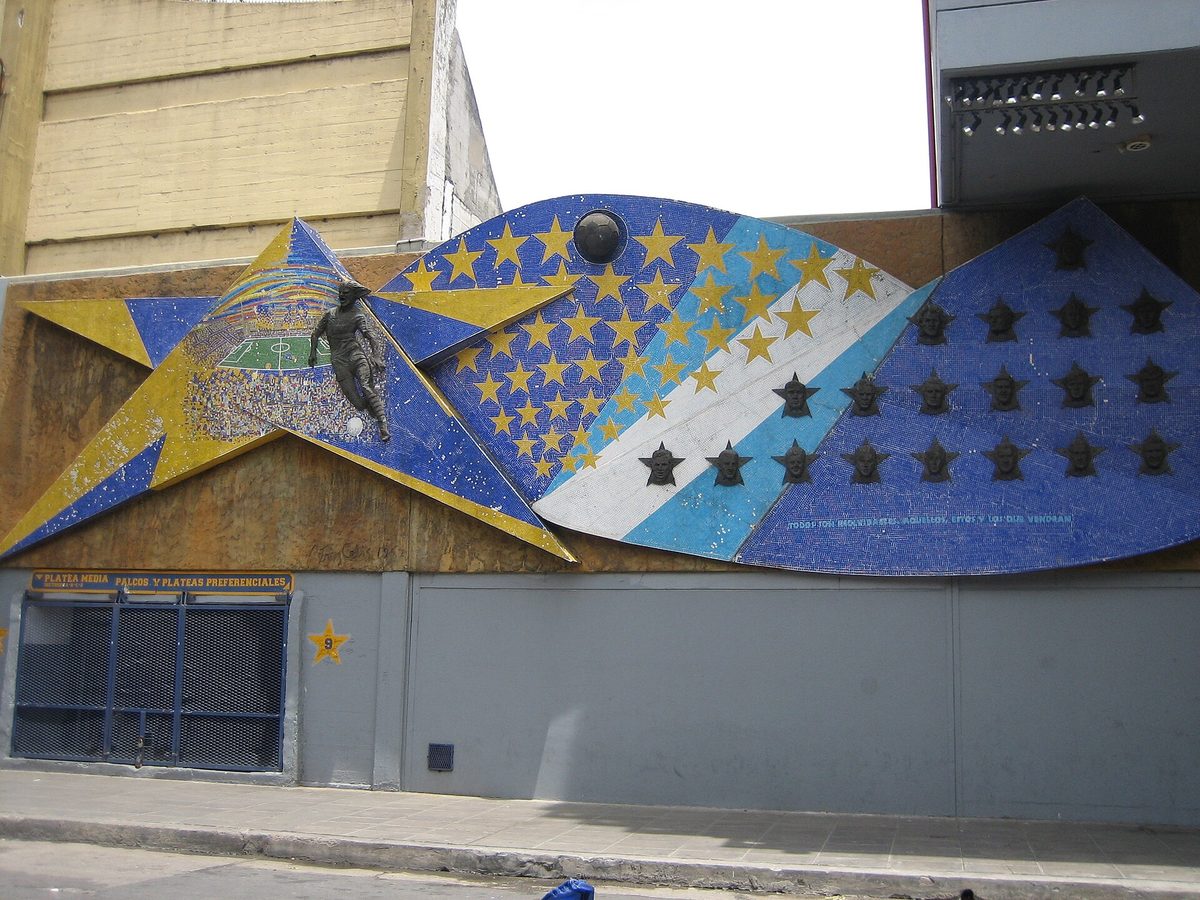
Even empty, La Bombonera is worth the trip. The tour takes you pitchside — close enough to feel how vertical those stands really are — and through the home dressing room and players’ tunnel. Attached is the Museo de la Pasión Boquense, a slick, genuinely fun museum covering more than a century of the club: the trophies, a hall dedicated to Maradona, a 360-degree match film, and that famous blue-and-gold guitar gifted by Lenny Kravitz. The ground sits at Brandsen 805, a couple of blocks from the Caminito, and the museum is generally open daily into the early evening, though hours flex around training and match days. Go on a weekday morning if you can. Our full La Bombonera stadium tour and museum guide has the details, prices and booking tips.
El Monumental tour and the River museum
River’s tour matches the stadium’s scale. The River museum is large and modern, with a “time tunnel” through the club’s long history and an immersive cinema, and the tour proper takes in the stands, the dressing rooms, the players’ tunnel and the edge of that enormous pitch. It’s out in Núñez at Av. Pres. Figueroa Alcorta 7597 — easiest by the Mitre train line or a ride app — and tours run regularly through the day, with the schedule shifting on match days. With the expansion project looming, exact routing and availability can change, so book online ahead and check the latest before you set out. See our River Plate stadium tour guide for the current practicalities.
My honest take: if you only have time for one stadium tour and you’re not a committed fan of either club, do La Bombonera — the building itself is the attraction, and its location near the Caminito makes for an easy half-day in La Boca. If you love the game’s grand stages, the Monumental’s sheer size is unforgettable. Do both if you can; the combined tours make it painless.
What a match day actually looks like
If you’ve only ever been to a sanitized, all-seater stadium back home, an Argentine match day will reorder your expectations. Here’s how it tends to unfold, so nothing catches you off guard.
You’ll usually start well before kickoff — two hours or more — often at a pizzería or a fan’s spot near the ground, because half the ritual is the build-up. Expect a choripán (a chorizo sandwich that is, frankly, one of the great street foods anywhere) and maybe a Fernet and cola, the unofficial national drink. The streets around the stadium fill slowly with color, song and the thump of distant drums.
Getting in takes time. There are typically several rings of security and police checks, and they’re thorough. You’ll funnel through turnstiles into your section — and the section matters. The popular is the standing terrace behind the goals: the cheapest, most intense, most chaotic part of the ground, where the singing never stops and you won’t sit down once. The platea is seated, calmer, with better sightlines, and it’s what most operators put tourists in. Neither is “wrong” — it depends on how much intensity you want.
Then the match. From the moment the teams emerge under a blizzard of tickertape, the home end sings without pause. You don’t need to know the words; you just need to let it wash over you and not be the person filming the whole time on a phone held high. When it’s over, you wait — at big matches, one set of fans is often held back to let the others disperse, a legacy of decades of crowd-control hard lessons. Follow your guide or the crowd, don’t rush, and don’t peel off down a quiet side street alone. For the full step-by-step, our Buenos Aires football matchday survival guide breaks down every stage.
Is it safe to go to a football match in Buenos Aires?
Short answer: yes, with sensible precautions and ideally a guide for the big clubs. The football itself is not a war zone — families go, kids go, it’s a normal part of life here. But there are real risks worth naming so you can manage them rather than worry about them.
The most common problem by far is petty theft. Dense crowds, pickpockets, distraction — bring only what you need (phone, a bit of cash, ID copy), keep it in a front pocket or a zipped inside pocket, and leave the nice watch at the hotel. The second issue is location and timing: La Boca around the Bombonera is not a place to wander alone, especially after dark, and the crush leaving any big stadium is when you most want to be moving with a group rather than wandering off solo.
You’ll also hear about the barras bravas — the organized hardcore fan groups, the equivalent of ultras, who are tangled up with club politics and, at times, organized crime. They are fascinating to read about and absolutely not something to seek out, approach or get involved with. Stay in the regular sections, go with a reputable operator for Boca and River, and you’ll never come near that side of things. A few simple clothing rules help too: wear neutral colors or the home team’s, and never wear the rival’s shirt into a ground. For the wider picture on staying safe in the city, our Buenos Aires safety and travel tips guide is the companion piece to this section, and the dedicated breakdown of how fan culture works here explains the hinchada world from a safe distance.
The smaller clubs worth seeing (and how to get in easily)
I’ll keep banging this drum because it’s the single best piece of advice in this guide: if you can’t get Boca or River, the “smaller” clubs are not a consolation prize. Several are historic giants in their own right, with passionate support and stadiums that shake just as hard.
San Lorenzo is one of the country’s “big five,” famously the club of Pope Francis, with a fiercely loyal following in Bajo Flores. Racing Club and Independiente, near-neighbors in Avellaneda just south of the city, are both former South American champions — Independiente has won the Copa Libertadores a record seven times — and their derby is one of the oldest and most heated anywhere. Vélez Sarsfield out in Liniers and Huracán in Parque Patricios are well-run clubs with proper atmospheres and tickets you can usually just buy. For most of these, you can buy online or at the box office before kickoff; check the club’s site or socials a few days ahead. If you want the experience without the operator markup, this is the way.
The Maradona pilgrimage
For a lot of visitors, football in Buenos Aires is really about one man. Diego Maradona is everywhere here — on murals, on flags, in the cab driver’s rear-view mirror — and you can build a genuinely moving half-day around his story.
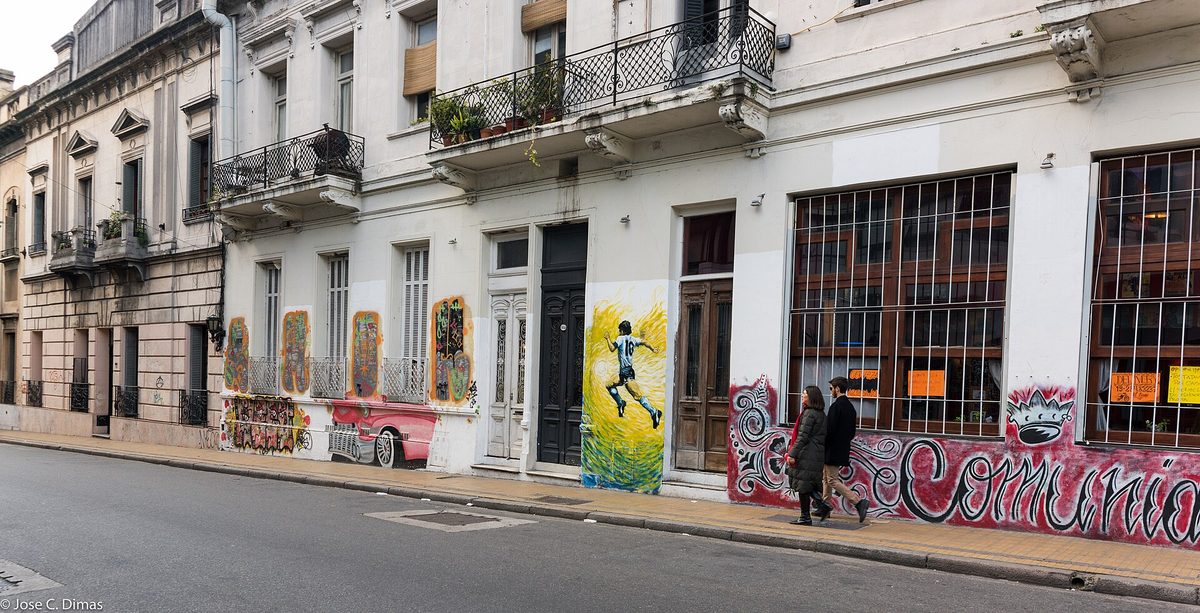
Start at Argentinos Juniors in La Paternal, the club where he debuted at sixteen. The stadium now bears his name (Estadio Diego Armando Maradona), there’s a club museum, and nearby you can visit the modest house he grew up in, now a small shrine known as the “Casa de D10s.” It’s a safe, friendly neighborhood, tickets to matches are cheap and easy, and the whole place hums with his legend. From there, his story runs through Boca, the club of his heart, where the Bombonera holds his old private box, a statue and murals, and the Boca museum devotes serious space to him. Dedicated Maradona tours stitch these sites together, and the city’s astonishing street-art scene means you’ll spot tributes to both Diego and Messi all over town. It pairs nicely with our Buenos Aires museums and culture guide if you want to make a cultural day of it.
When to go: the season and the “AFA factor”
Argentine football runs for most of the year, with a summer break roughly from mid-December to late January. Outside that window, there’s almost always a match somewhere in the city on a given weekend, with fixtures clustered Friday through Monday and some midweek games. The top flight is the Primera División (the Liga Profesional), and in recent seasons it has been split into two tournaments a year, plus cup competitions like the Copa Argentina and continental tournaments — the exact format shifts year to year, so don’t over-plan around it.
The thing to internalize is what I call the AFA factor: the football authority often confirms exact match dates and kickoff times only a couple of weeks in advance, and they can move. If catching a specific match matters to you, give yourself a buffer of a few days rather than betting your whole trip on a fixture that might slide. Our guide to the best time of year to come can help you line up the football season with the weather and the city’s wider calendar, and the Buenos Aires itinerary guide helps you slot a match into a sensible plan.
What about away fans?
One quirk worth knowing: for over a decade, away (visiting) fans were banned from league matches across Argentina after a series of tragedies, so the stands you’ll sit in are home support only. As of 2025 the authorities began a cautious, partial return of away fans at selected matches, but it remains limited and is still evolving in 2026. For practical purposes, assume the ground you visit will be all home fans unless you’ve specifically confirmed otherwise — and frankly, a one-team crowd singing as one is a huge part of the spectacle.
Money in 2026: paying for football
Argentina’s money situation has genuinely changed, and it’s worth a paragraph because old advice is everywhere online. For years the move was to bring US dollars in cash and change them at the “blue” rate to beat punishing currency controls. Those controls (the cepo) were lifted in 2025, the gap between the official and parallel exchange rates has largely closed, and foreign credit and debit cards now bill at a fair, near-market rate. In practice that means you can pay for tours, museum entry and most tickets on a card without the old workarounds. Football operators typically quote and charge in US dollars anyway, so currency swings matter less for the big-ticket stuff. Carry some pesos for choripán, transport and the smaller club box offices, tap a card for the rest, and check the current state of play before you travel — this is Argentina, and the macro picture can shift. Our travel cost and money guide stays on top of it.
Practical tips for a football trip to Buenos Aires
- Book the big clubs early. Boca and River packages and the stadium tours sell out, especially in peak season. Lock them in before you arrive rather than hoping to sort it on the ground.
- Stay central-ish. Basing yourself in Palermo, Recoleta or San Telmo keeps you connected to transport for matches across the city. Our guide to choosing a base in the city breaks down the barrios for visitors.
- Get a SUBE card. The transit card works on the subte, trains and buses and makes reaching grounds like the Monumental cheap and simple. See getting around Buenos Aires.
- Travel light to the ground. Phone, a little cash, a copy of your ID. Skip the backpack and valuables; many sections restrict bags anyway.
- Learn three words. Hincha (fan), cancha (the ground/pitch) and gol (you can guess). Drop them and you’ll get a warmer reception.
- Pair it with the city. A match slots beautifully alongside tango, the steakhouses and the city’s legendary nightlife — porteño weekends are built around all of it.
Frequently asked questions about Buenos Aires football
Can tourists buy tickets to a Boca Juniors or River Plate match?
Not directly. Both clubs sell almost exclusively to members (socios), and there’s no general public sale for league games. The realistic routes for visitors are a match-day package through a tour operator (which bundles the ticket, transport and a guide) or an official hospitality/VIP package from the club. Buying from street sellers or unverified resale sites is risky and often ends in a fake ticket. It’s the single biggest thing to plan ahead.
How much do Boca Juniors tickets cost for tourists?
As of 2026, a Boca match-day package through an operator typically runs from around US$160 to US$400 or more per person, depending on the opponent, the seats and what’s included. River is similar. If someone offers you a Boca ticket for a fraction of that on the street, treat it as a scam. The Superclásico costs far more again. Prices move constantly, so confirm current rates when you book.
Which Buenos Aires football team should I go see?
For the bucket-list experience, Boca at La Bombonera is the most atmospheric stadium in the city, with River’s vast Monumental a close second — but both are hard and expensive to access. For an easier, cheaper, equally electric day out, pick a historic club that sells to the public: San Lorenzo, Racing, Independiente, Vélez, Huracán or Argentinos Juniors. You’ll get a ferocious atmosphere and often be the only tourist in your section.
Can I tour La Bombonera and El Monumental without going to a match?
Yes, and it’s the easiest, most reliable way to see them. Both stadiums run regular tours that include the stands, pitchside, the dressing rooms and a genuinely good club museum, and you can book online in advance. Tours run most days but shift around match days, so check the schedule. If your travel dates don’t line up with a game, or big-club tickets are out of reach, the tours are an excellent plan B.
Is it safe to go to a football match in Buenos Aires?
Generally yes, with sensible precautions. The main risks are pickpockets in crowds and the area around La Boca after dark, not the football itself. Go with a reputable operator for Boca and River, bring only essentials, wear neutral colors or the home team’s, avoid the rival’s shirt, and move with the crowd when leaving. Stay out of the organized hardcore (barra brava) sections. Do that and a match is a safe, thrilling day out.
When is the football season in Buenos Aires?
Argentine football runs most of the year, with a summer break roughly from mid-December to late January. Outside that, there’s nearly always a match on somewhere in the city each weekend, with games clustered Friday to Monday plus some midweek fixtures. Exact dates are often confirmed only a couple of weeks ahead and can change, so if you’re targeting a specific match, give your itinerary some flexibility rather than betting a whole trip on one fixture.
When is the next Superclásico and can tourists go?
Boca and River usually meet twice a year in the league, alternating between the two stadiums, with possible extra meetings in cups. Dates are set fairly close to the day and can move, so verify the current fixture before planning around it. Tourists can attend, but it’s the hardest and priciest ticket in Argentine football — expect packages well into the hundreds or beyond, selling out within hours. Work with an operator early if it’s your dream.
What should I wear to a match in Buenos Aires?
Keep it simple and neutral, or wear the home team’s colors. The one hard rule is to never wear the rival club’s shirt into a ground — away colors are a genuine problem, not a fashion faux pas. Dress down, leave valuables and flashy jewelry at your accommodation, and bring a light layer for evening kickoffs. Comfortable shoes help, especially if you’re standing in the popular terrace for ninety minutes.
Final thoughts
If you take one thing from all this, let it be that the football in Buenos Aires is worth the effort the city demands of you. Yes, the ticket system is maddening, the big clubs are expensive to reach, and you’ll have to plan further ahead than feels reasonable. But there is no substitute for standing in a packed Argentine ground while fifty thousand people sing the same song without pause, the stand bouncing under your feet, the air thick with smoke and tickertape and pure, unfiltered devotion. It rearranges what you thought a football match could be.
My advice, after years of doing this: don’t fixate only on Boca and River. Book a stadium tour of La Bombonera so you can stand inside the legend, then go see a “smaller” club on a normal weekend, buy your own ticket, eat a choripán with the locals, and let the noise take you. Add a Maradona pilgrimage if his story moves you. Treat the Superclásico as a magnificent long shot rather than a guarantee. Do that, and you won’t just have watched football in Buenos Aires — you’ll have felt why this city loves it more than almost anywhere on earth. When you’re ready to build the rest of the trip around it, our complete things-to-do guide and Buenos Aires itinerary are waiting.
Photo credits
All images are used under their respective Creative Commons or public-domain licenses via Wikimedia Commons:
- La Bombonera exterior — Photo: Andrzej Otrębski, CC BY-SA 4.0, via Wikimedia Commons
- Boca Juniors hinchada with giant flag — Photo: Gonzaloges, CC0, via Wikimedia Commons
- Stars mosaic at La Bombonera — Photo: Stefano Vigorelli, CC BY-SA 4.0, via Wikimedia Commons
- El Monumental during a River Plate match — Photo: Dibumartinez23, CC0, via Wikimedia Commons
- Caminito, La Boca — Photo: Luis Argerich, CC BY 2.0, via Wikimedia Commons
- Diego Maradona street mural — Photo: J Dimas, CC BY 2.0, via Wikimedia Commons
- 2022 World Cup celebration at the Obelisco — Photo: GCBA, CC BY 2.5 AR, via Wikimedia Commons
About the author: Written by the Buenos Aires Tourism editorial team — locals and long-term residents who have spent years navigating the city’s stadiums, ticket touts and terraces, from La Bombonera to the smallest barrio clubs. We update our guides regularly to keep prices, fixtures and practical details as current as possible.
Last updated: June 2026. Ticket prices, fixtures, stadium capacities, away-fan rules and Argentina’s currency situation all change frequently — please confirm the latest details with clubs and reputable operators before you travel.
Photo Credits
Every image in this guide is used under its respective Creative Commons or public-domain license, sourced from Wikimedia Commons:
- La Bombonera, the colorful home of Boca Juniors and an icon of Buenos . Photo: Andrzej Otrębski / CC BY-SA 4.0 via Wikimedia Commons.
- Argentina fans flood the Obelisco in Buenos Aires to celebrate the 202. Photo: GCBA / CC BY 2.5 AR via Wikimedia Commons.
- Boca Juniors hinchada unfurling a giant blue and gold flag across the . Photo: Gonzaloges (CC0) via Wikimedia Commons.
- A packed Estadio Monumental at night during a River Plate match. Photo: Dibumartinez23 (CC0) via Wikimedia Commons.
- The mosaic of championship stars on La Bombonera’s exterior wall in La. Photo: Stefano Vigorelli / CC BY-SA 4.0 via Wikimedia Commons.
- The colorful Caminito street in La Boca, a short walk from La Bomboner. Photo: Luis Argerich / CC BY 2.0 via Wikimedia Commons.
- A colorful street mural of Diego Maradona, a common sight across Bueno. Photo: J Dimas / CC BY 2.0 via Wikimedia Commons.