Last updated: June 2026 · Written by the Buenos Aires Tourism editorial team
I get this question more than almost any other: “Which buenos aires areas to avoid?” It’s a fair concern — Buenos Aires is a big, layered city and not every barrio feels the same. The short answer is that the vast majority of tourist Buenos Aires is perfectly safe for attentive visitors, but a handful of spots deserve real caution, especially after dark. Here’s the honest, neighbourhood-by-neighbourhood picture as of mid-2026.
For the bigger safety picture — crime trends, scam types, and overall risk level — see our full Buenos Aires travel tips and safety guide. This article focuses specifically on geography: where to be careful and where to relax.
At a Glance: Safe vs. Cautious Neighbourhoods
| Neighbourhood | Safety Level | Key Note |
|---|---|---|
| Recoleta | Very safe | Elegant, walkable day & night |
| Palermo | Very safe | Lively; stay alert in crowds |
| Puerto Madero | Very safe | Modern, well-lit, heavily patrolled |
| Belgrano & Nuñez | Very safe | Quiet residential north |
| San Telmo | Safe by day | Extra alertness after dark |
| Microcentro | Safe by day | Quieter at night; watch pockets |
| La Boca (Caminito zone) | Safe by day only | Leave before sunset; go direct by taxi/Uber |
| Retiro (station area) | Caution always | Pickpockets active; avoid at night |
| Constitución | Caution by day; avoid at night | High street crime around the terminal |
| Once / Balvanera | Caution after dark | Busy day market; riskier at night |
| Barracas | Avoid for tourists | No tourist draw; elevated crime |
| Villa 31 | Avoid unless guided tour | Informal settlement adjacent to Retiro |
Buenos Aires Areas to Avoid — or Approach with Care
La Boca: Magical by Day, Risky After Dark
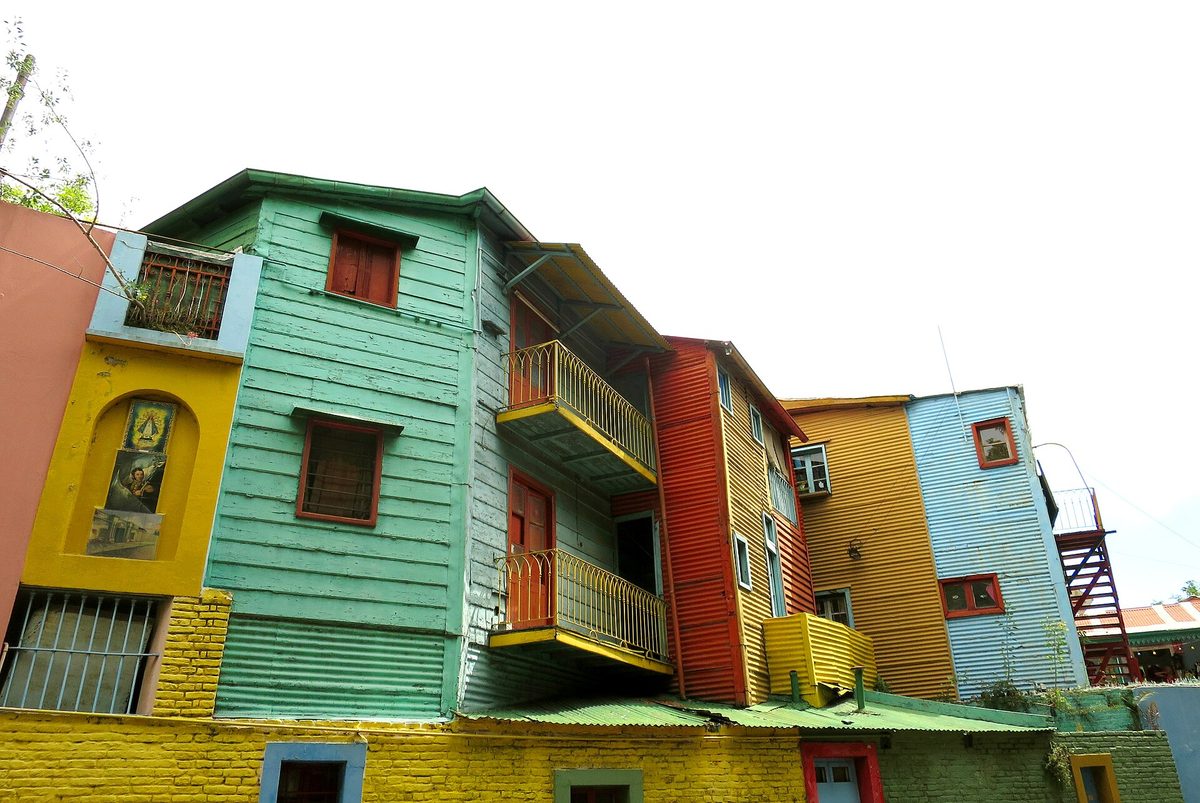
La Boca is one of Buenos Aires’ most visited neighbourhoods — the riot of colour on El Caminito is genuinely spectacular — but it’s also one of the places where the gap between the tourist zone and the surrounding streets is sharpest. The safe area extends roughly two or three blocks in each direction from El Caminito’s pedestrian strip, where police presence is visible and restaurants are open. Step beyond that perimeter and you quickly enter a working-class residential area where tourist presence draws unwanted attention.
The golden rule: visit La Boca between around 10 am and 5 pm, take a registered taxi or Uber directly to Caminito, and take the same back. Don’t wander. Don’t stay after dark. Read our full guide to La Boca’s neighbourhood for what’s worth seeing inside the safe zone.
Retiro Station Area: Stay Alert, Don’t Linger
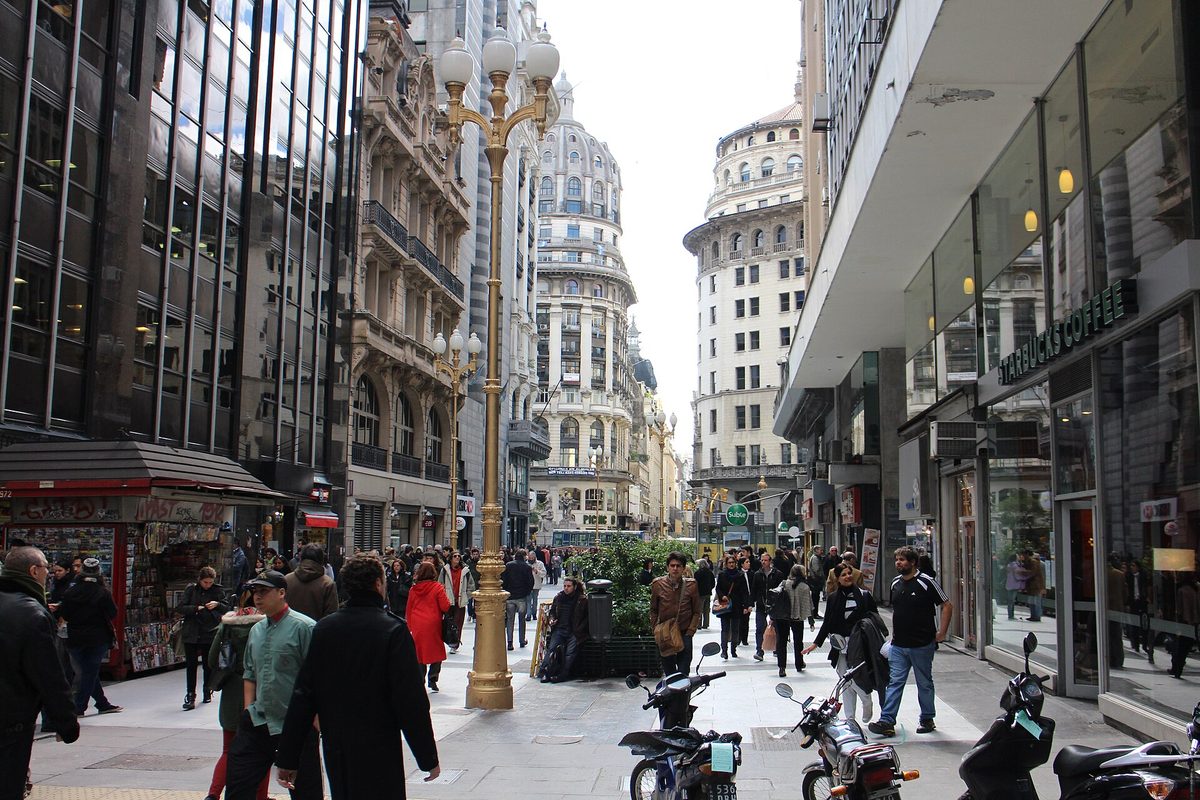
The Retiro transport hub — the combined long-distance bus terminal, commuter rail station, and Subte interchange — is unavoidable if you’re travelling by overnight coach or arriving from Ezeiza. The station buildings themselves are manageable, but the immediate surroundings, especially the streets behind the bus terminal and the approaches to the commuter platforms, are prime territory for pickpockets and distraction thieves. Incidents spike at night.
Practical moves: keep your bag in front of you, never put your phone down on a bench, get a taxi or Uber app before you exit the terminal so you walk straight to a waiting car. If you’re catching a dawn bus, plan to arrive just in time rather than waiting in the station for hours. For getting around the city in general, our travel safety guide covers transport tips in depth.
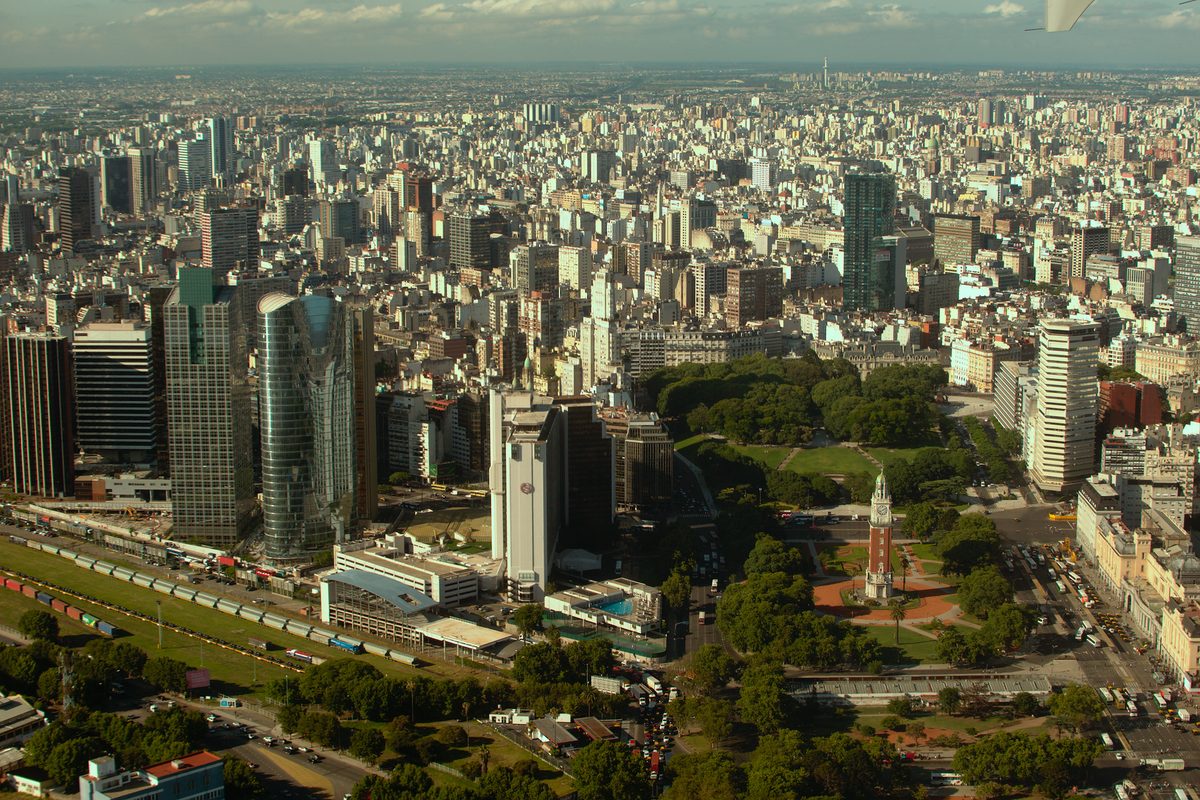
Villa 31: The Informal Settlement Behind Retiro
Directly behind Retiro station is Villa 31, one of Buenos Aires’ largest villas de emergencia (informal settlements). In recent years parts of it have received urban infrastructure — paved streets, lighting, water connections — as part of a city-government integration programme, and some curious travellers visit with guided tour groups. But for an independent tourist without local knowledge, entering Villa 31 is a significant risk. Petty theft, opportunistic crime, and the simple fact of being visibly out of place combine to create an uncomfortable and potentially dangerous situation. Unless you’re on a structured community tour run by a reputable local operator, give it a miss.
Constitución: A Transport Hub to Transit, Not Explore
Constitución, south of San Telmo, is the southern anchor of Buenos Aires’ commuter rail network. Many travellers pass through it on the way to or from La Plata. The station itself is functional, but the streets immediately around it rank among the city’s higher-crime zones: street crime, bag snatching, and harassment are noticeably more frequent than in tourist barrios, and the situation worsens sharply after dark. The advice is simple: if you need the station, go there, catch your train, leave. It is not an area to explore on foot or to arrive in late at night without a car pre-booked via app.
Once (Balvanera): Lively but Riskier After Dark
Once — the neighbourhood centred on the Once train station (officially Estación Moisés Lebensóhn) — is a dense commercial district of textile wholesalers, street markets, and inexpensive restaurants. During daylight hours it’s chaotic and lively in a way many visitors find fascinating. After dark, however, the busy daytime crowds thin out quickly, and the street crime statistics for Balvanera and Once rank among the city’s higher figures alongside Microcentro and Retiro. If you end up here after 9 pm, take an app-based taxi rather than walking unfamiliar streets. The neighbourhood is not a standard tourist destination, so there’s little reason to be there at night.
Barracas: Skip It
Barracas, south of San Telmo and east of Parque Patricios, has no significant tourist draw and a higher crime rate than comparable neighbourhoods. It occasionally appears on lists of “up-and-coming” barrios, and there are pockets of street art and creative studios, but there’s nothing that tourists couldn’t find more safely elsewhere. Unless you’re visiting a specific local contact, it’s simply not worth the added caution it requires.
Where Is Safe in Buenos Aires?
The reassuring flip-side of the above is that the neighbourhoods where most visitors spend most of their time are genuinely low-risk by Latin American capital standards. Understanding where to stay helps too — our guide to the safest neighbourhoods for visitors breaks down accommodation choices by barrio.
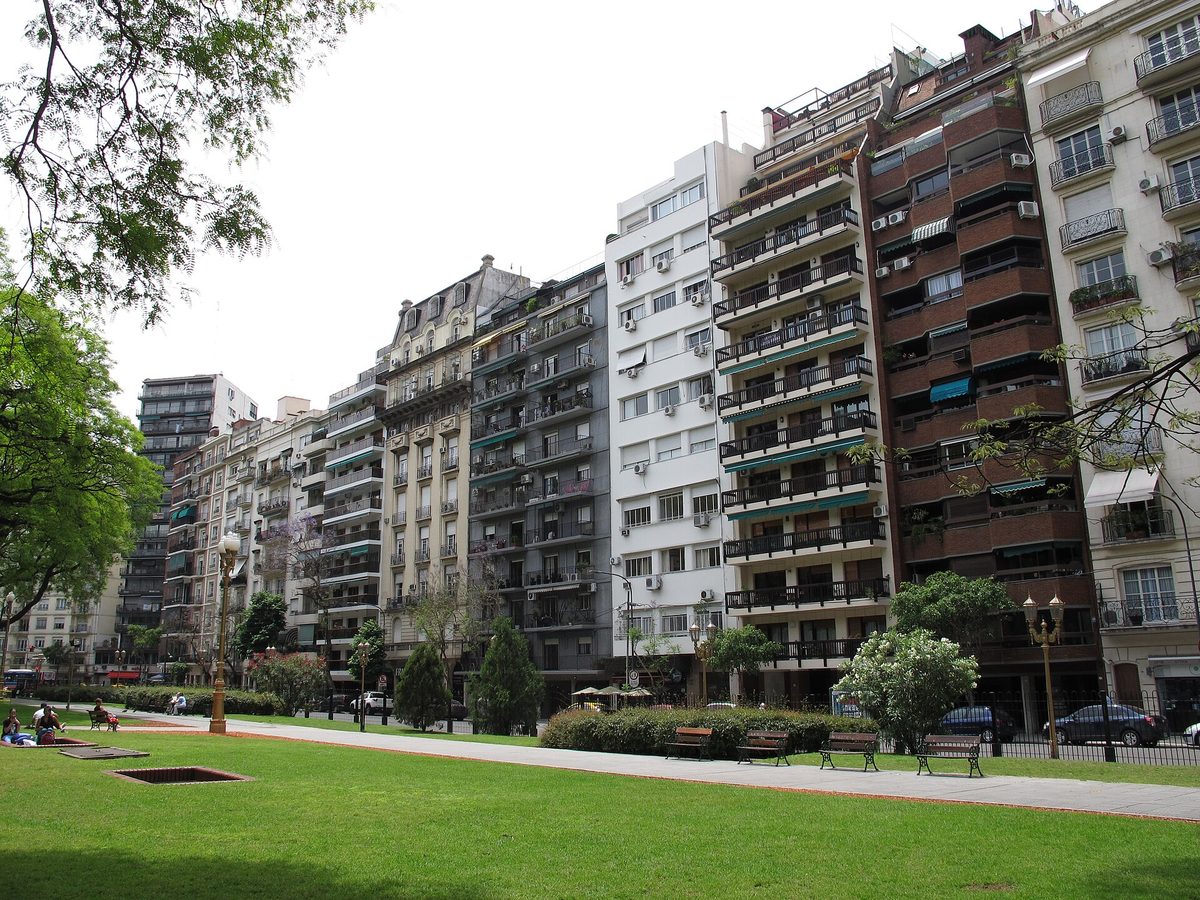
Recoleta: The Most Tourist-Comfortable Barrio
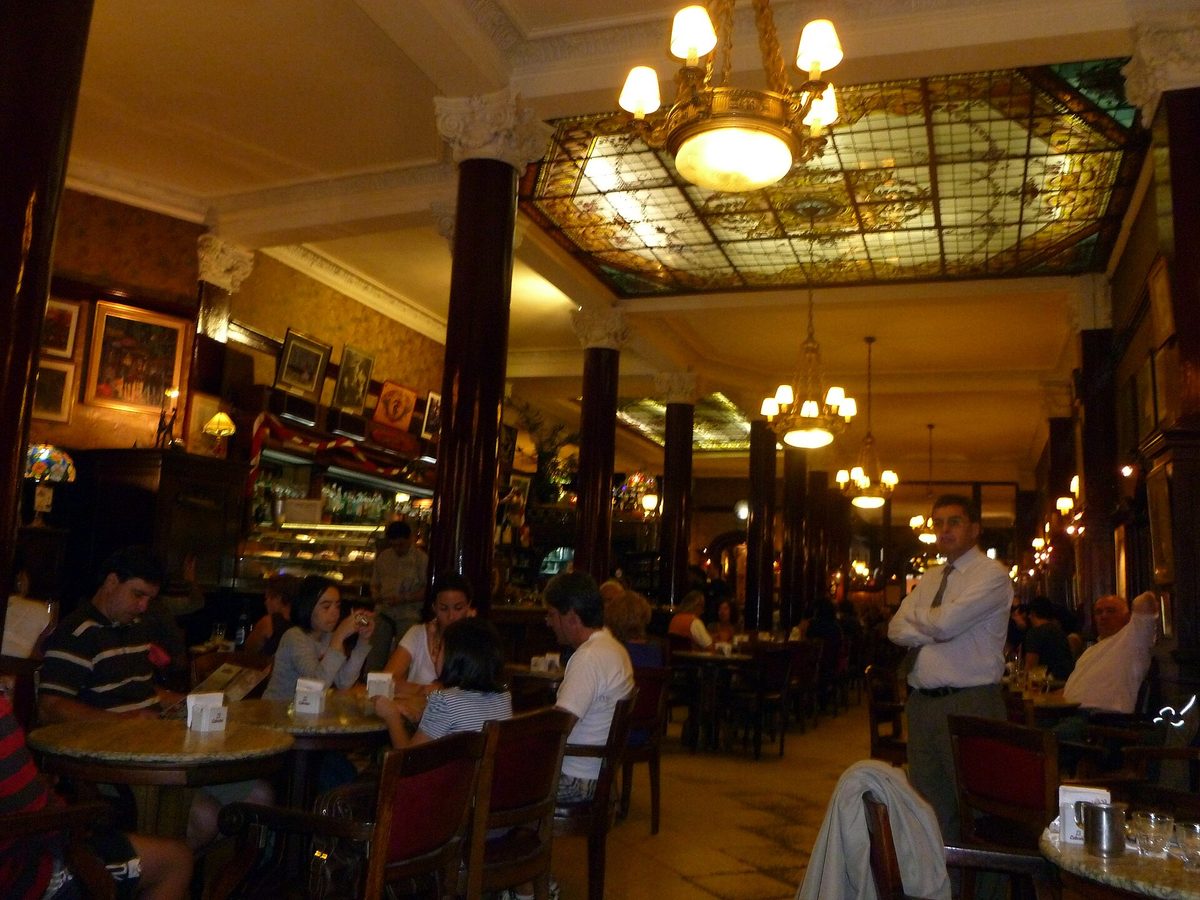
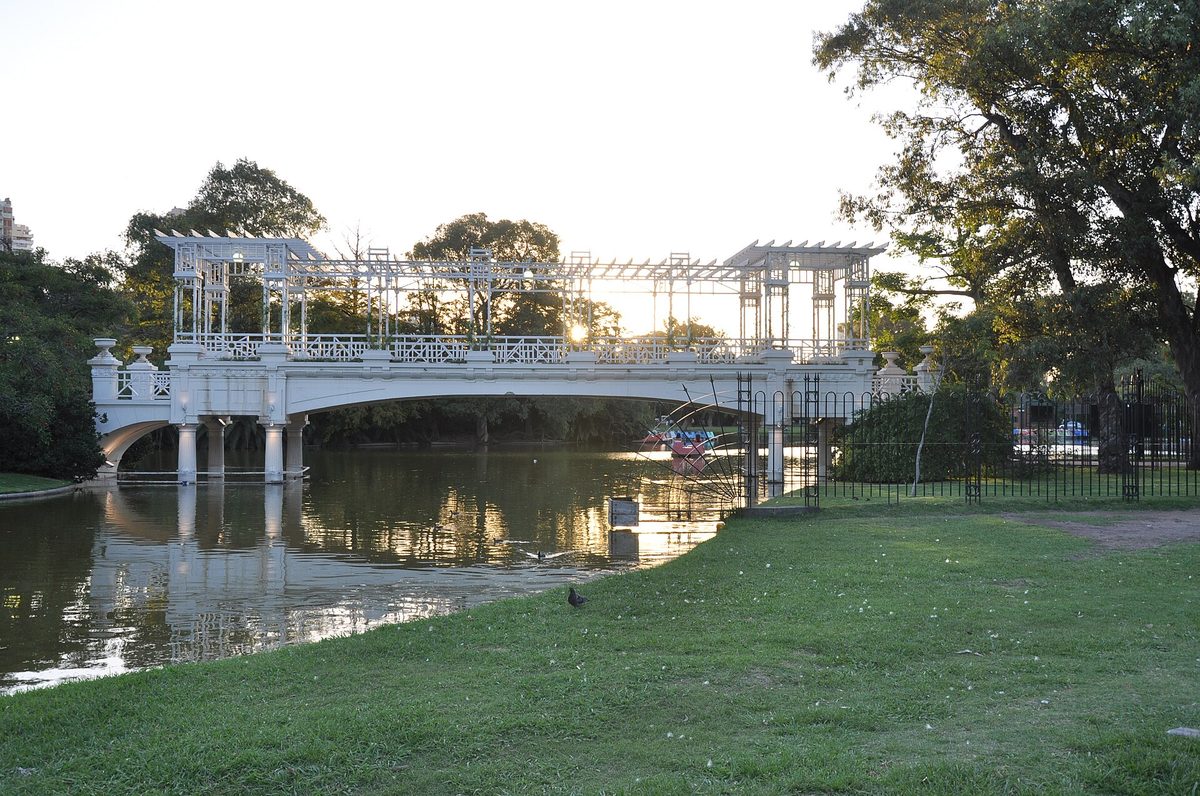
Recoleta is elegant, walkable, and consistently ranks as the safest barrio for visitors. Wide, tree-lined avenues, pavement cafés, museums (the MALBA, the Museo Nacional de Bellas Artes), and the famous cemetery all sit within easy walking distance. Police presence is visible; the residential population is relatively affluent; and the streets stay populated and well-lit until late. I’d feel comfortable walking here alone at midnight. It’s an excellent base for a first visit — see our best neighbourhoods for tourists guide for more options.
Palermo: Safe, Vibrant, and Enormous
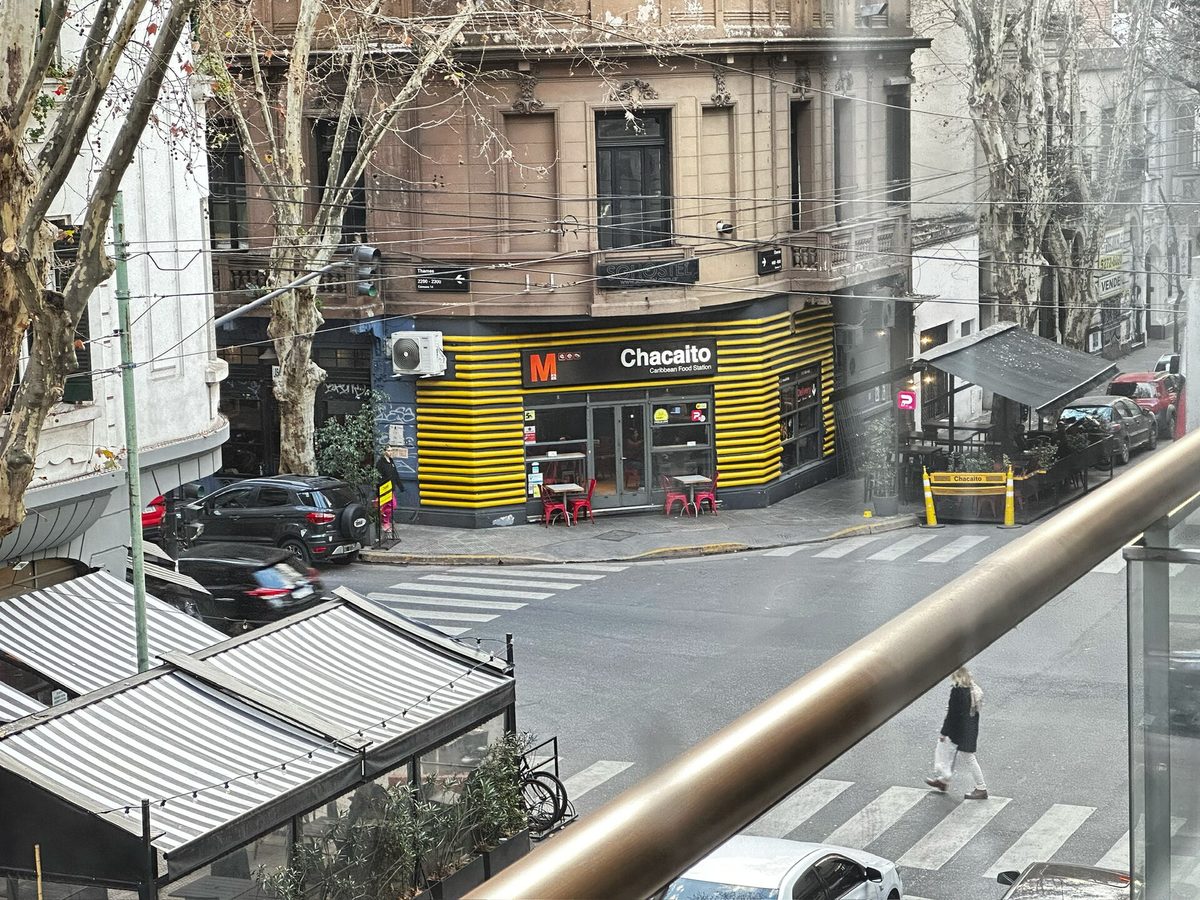
Palermo is Buenos Aires’ largest barrio and its most popular with tourists — for good reason. Palermo Soho and Palermo Hollywood are dense with restaurants, bars, design boutiques, and parks. The neighbourhood stays active until the small hours, which actually contributes to safety: there are always people around. The main caution here is standard urban vigilance — pickpockets do operate in crowded Sunday-market scenes and around the Subte entrances — but the overall risk level is low. Keep your phone in your pocket, your bag zipped and in front, and enjoy the neighbourhood freely.
Puerto Madero: The Safest (and Most Sanitised)
Puerto Madero, the redeveloped waterfront district east of the Microcentro, is probably the physically safest part of Buenos Aires. It’s modern, heavily patrolled, and built around high-end hotels, restaurants, and the Reserva Ecológica. The trade-off is that it feels less like “real” Buenos Aires than anywhere else in the city. Still, if you want a zero-stress evening stroll, it’s excellent.
Belgrano and Nuñez: Safe, Residential, Relaxed
Heading north past Palermo, Belgrano and Nuñez are prosperous residential barrios with excellent restaurants and the city’s Chinatown (Belgrano’s Calle Arribeños). Crime rates here are among the city’s lowest and the streets have a genuine neighbourhood feel. They’re ideal if you’re staying a week or more and want to experience portño daily life at a relaxed pace.
San Telmo and the Microcentro: Fine by Day
San Telmo, Buenos Aires’ oldest neighbourhood, is popular for its colonial streets, antique markets, and tango scene. It’s fine during the day and early evening, especially around Plaza Dorrego. After midnight the mood shifts slightly — not dangerous, but worth being more attentive. The Microcentro is busy and safe during business hours but quieter and requiring more alertness on foot late at night.
For context on how all these neighbourhoods compare, our Buenos Aires neighbourhoods guide and Buenos Aires neighbourhoods map are excellent companions when planning where to base yourself.
Practical Safety Habits That Work Everywhere
Geography matters, but habits matter more. These apply even in “safe” barrios, because petty crime is opportunistic:
- Use your phone deliberately. The single most common theft in Buenos Aires as of mid-2026 is phone snatching — someone grabs it while you’re looking at it on the street and runs. Use it inside a café or against a wall.
- Carry a decoy wallet. Put a small amount of cash and an expired card in a cheap wallet in an accessible pocket. Your real cards go in a money belt or inner pocket.
- Book taxis and Uber in advance in risky areas. In La Boca, Retiro, Constitución, and Once, the safest move is having an app-booked car waiting rather than hailing on the street.
- Know the distraction scam. A stranger approaches with a fake incident (something dropped, a spill on your shoulder) while an accomplice rifles your pockets. See our Buenos Aires tourist scams guide for the full rundown of cons to recognise.
- Trust your gut. If a street feels wrong — no foot traffic, poor lighting, you’re clearly out of place — retrace your steps. Buenos Aires has enough great places to explore that no detour is worth the risk.
For solo female travellers, the calculus on some of these areas shifts slightly. Our Buenos Aires solo female traveller safety guide covers the additional considerations specific to travelling alone as a woman.
Always check the current official advisory from your government before you travel: the US State Department, UK FCDO, and Australia Smartraveller all publish Argentina-specific advice updated regularly.
Frequently Asked Questions
Is La Boca safe for tourists?
La Boca is safe during daylight hours if you stick to the Caminito tourist zone and arrive and leave by taxi or Uber. The streets beyond the tourist perimeter and the neighbourhood after dark are genuinely risky. Plan your visit for mid-morning to mid-afternoon and leave before sunset.
Is Retiro safe in Buenos Aires?
Retiro station is manageable but the surrounding streets — especially around the bus terminal and toward Villa 31 — are active pickpocket territory at all hours and genuinely unsafe at night. Move purposefully, keep valuables secure, and book a car for arrivals and departures rather than loitering outside.
What are the most dangerous areas in Buenos Aires for tourists?
As of mid-2026, the highest-caution spots for tourists are Villa 31, the streets around Constitución station at night, La Boca after dark beyond Caminito, and parts of Once/Balvanera after business hours. Barracas has limited tourist draw and elevated crime and is best skipped entirely.
Is San Telmo safe at night?
San Telmo is generally safe in the early evening, especially around Plaza Dorrego and the main tango bars. After midnight foot traffic drops and it requires more alertness, but it’s not in the same risk category as Constitución or La Boca after dark. Use app-based transport for late-night returns.
Are there safe areas in Buenos Aires to walk around at night?
Absolutely — Recoleta, Palermo, and Puerto Madero all remain lively and safe well into the night. These are the neighbourhoods where most visitors stay, dine, and go out without incident. The city has a vibrant late-night culture in these barrios that’s genuinely enjoyable to be part of.
Final Thoughts
Buenos Aires rewards curious, attentive visitors. The city’s genuinely risky areas are mostly specific and avoidable — La Boca after dark, the streets around Retiro and Constitución at night, Villa 31, and Barracas. Meanwhile, the list of neighbourhoods where you can walk, eat, and explore comfortably — Recoleta, Palermo, Puerto Madero, Belgrano, San Telmo by day — covers the vast majority of what makes this city worth visiting. Know the geography, build a few smart habits, and Buenos Aires will feel exactly as good as its reputation.
For everything that makes a safe, smooth trip — transport, money, scams, and more — our Buenos Aires travel tips guide is the comprehensive starting point.
Photo Credits
- Colourful buildings in La Boca, Buenos Aires — acediscovery / CC BY 4.0 via Wikimedia Commons
- Aerial view of Retiro area, Buenos Aires — Andrej / CC BY-SA 2.0 via Wikimedia Commons
- Recoleta neighbourhood, Buenos Aires — Andrzej Otrębski / CC BY-SA 4.0 via Wikimedia Commons
- Palermo street corner, Buenos Aires — Pedu0303 / CC0 via Wikimedia Commons
- Street scene on Av. Roque Sáenz Peña, Buenos Aires — Hermann Luyken / CC0 via Wikimedia Commons